
Lasius lasioides
- Sci. Name
- Lasius lasioides
- Tribe
- Lasiini
- Subfamily
- Formicinae
- Author
- Emery, 1869
- Distribution
- Found in 10 countries
Introduction
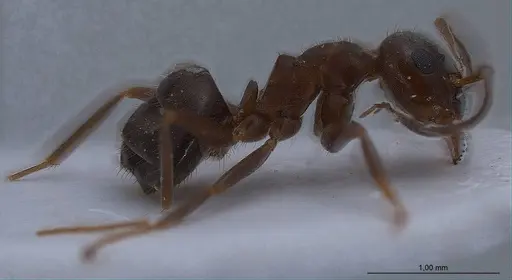
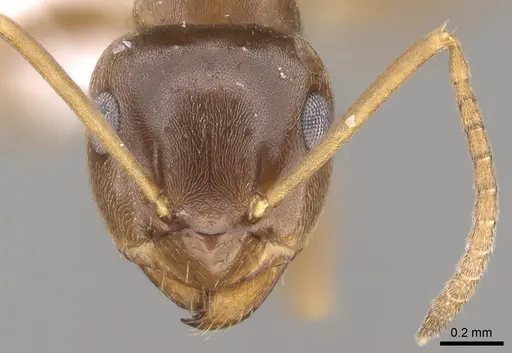
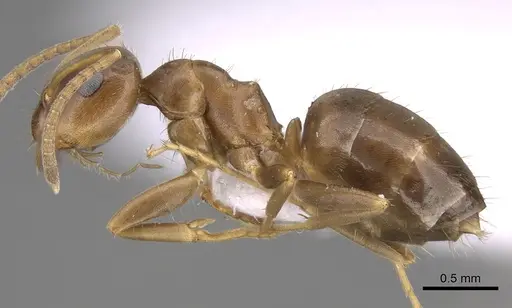
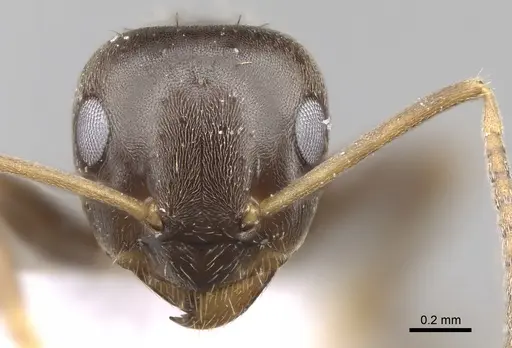
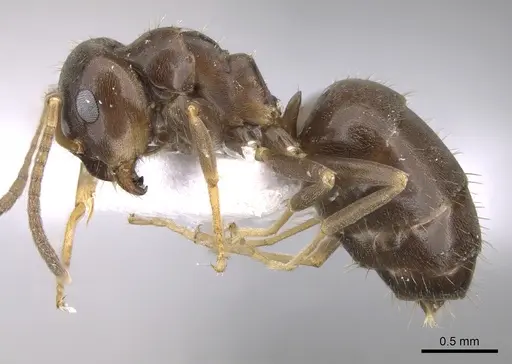
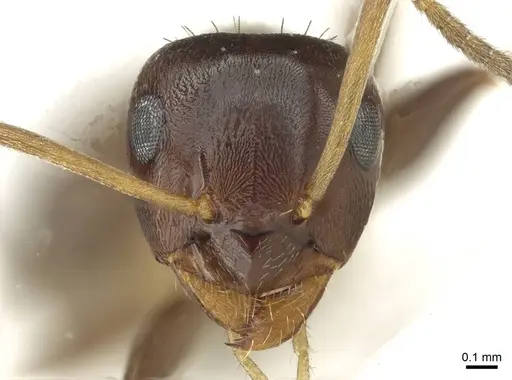
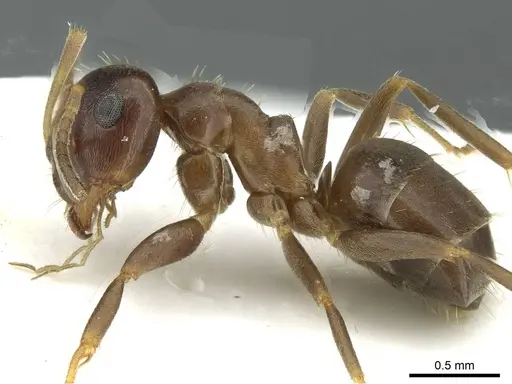
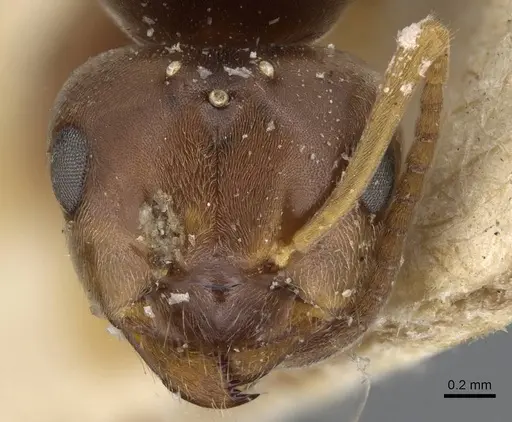
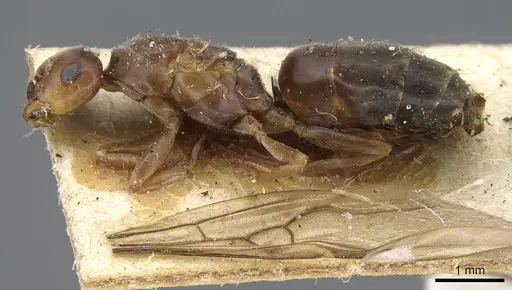
Lasius lasioides is a small ant native to the Mediterranean region. Workers are dark to medium brown with pale yellowish-brown antenna scapes, leg joints, and often the front of the clypeus. This species is often confused with Lasius brunneus but can be separated by its smaller head width, longer scape, and larger distance between the torulus and clypeus . This is a tree-dependent species found across the Mediterranean from Morocco to Turkey, preferring warm, luminous forest habitats like stream valleys, pine forests, and Mediterranean bushland. It nests under tree bark, in dead wood, or under stones. The species shows interesting geographic variation - populations in Italy and Greece have longer antennae (long-scaped morph), while Spanish and Cypriot populations have shorter antennae (short-scaped morph) . Workers are described as fugitive and non-aggressive, preferring to run along crevices in bark rather than venture into open areas.
Quick Summary
- Difficulty: Easy
- Origin & Habitat: Mediterranean region from Morocco to Turkey, including southern France, Italy, Greece, and various Mediterranean islands. Found from sea level up to 2240m in the Moroccan Atlas Mountains. Requires the presence of trees, inhabits diverse forest types including Quercus, Pinus nigra, and Abies pinsapo forests, as well as pastures with scattered trees and urban green areas [1][2].
- Colony Type: Monogyne (single-queen) colonies confirmed in Greece. All Lasius species from Crete show independent colony foundation, which is typical for this genus [3].
- Size & Growth:
- Queen: ~6-7 mm, inferred from Lasius genus typical size [2].
- Worker: ~3-4 mm, inferred from Lasius genus typical size [2].
- Colony: Colony size data not specifically documented.
- Growth: Moderate.
- Development: Development timeline unconfirmed for this species. Based on typical Lasius patterns, expect several months from egg to worker. (Alates observed 30 April, 29 July, mostly before 8 July [1].)
- Antkeeping:
- Temperature: Keep at room temperature typical for Mediterranean species, around 20-24°C. Can tolerate warmer conditions given their natural range extends to North Africa and the eastern Mediterranean [1].
- Humidity: Moderate humidity is suitable. In nature they nest under bark, in dead wood, and under stones, conditions that are damp but not waterlogged. Provide a moisture gradient in the nest with a damp section and a drier area [2].
- Diapause: Yes, as a Mediterranean species, they require a mild winter rest period. Reduce temperature to around 10-15°C for 2-3 months during winter, mimicking Mediterranean seasonal patterns [1].
- Nesting: Prefers nesting in dead wood or under stones near trees. In captivity, a Y-tong (AAC) nest, plaster nest, or naturalistic setup with wood pieces works well. They do well in test tube setups for founding colonies. The key is providing a nest site that mimics their natural cavities under bark or in rotting wood [2][4].
- Behavior: Workers are described as fugitive and non-aggressive. They prefer to use runways along bark crevices rather than forage in open areas. This is a shy species that will flee rather than engage in confrontations. They are not aggressive and do not sting [2][1].
- Common Issues: humidity control is important, overly wet conditions may cause problems in artificial nests, may be confused with Lasius brunneus or L. alienus, proper identification is important, wild-caught colonies may have parasites that affect survival in captivity, they prefer established trees/wood in captivity, provide appropriate nest materials
Nest Preferences
In the wild, Lasius lasioides nests under the bark of trees, in dead logs lying on the ground, or under stones. They show a strong preference for locations near trees, whether in dense forests or pastures with just a few scattered trees. This is an arboricolous species that rarely nests far from woody vegetation [2][4]. For captive colonies, provide a nest that mimics these conditions. A Y-tong (AAC) nest or plaster nest works well. You can also use a naturalistic setup with pieces of cork bark or dead wood. The nest should have a damp section to maintain moderate humidity, but avoid waterlogging. Test tube setups are suitable for founding colonies, simply provide a dark cover and keep them in a warm location.
Feeding and Diet
Like other Lasius species, these ants are omnivorous with a preference for sugary substances and protein. They tend aphids for honeydew in the wild and will also scavenge small insects. In captivity, offer sugar water or honey water as a constant food source. For protein, provide small insects like fruit flies, small mealworms, or cricket pieces. They are not aggressive foragers and prefer to exploit easy food sources. Feed them small prey items 2-3 times per week, and keep a sugar source available at all times. Given their small worker size, ensure prey items are appropriately sized.
Temperature and Seasonal Care
As a Mediterranean species, Lasius lasioides prefers warmer conditions than many northern European Lasius. Keep them at room temperature, ideally between 20-24°C. They can tolerate higher temperatures given their range extends to North Africa and the eastern Mediterranean. During winter, provide a mild diapause period, reduce temperatures to around 10-15°C for 2-3 months. This mimics their natural seasonal cycle in the Mediterranean where winters are mild but temperatures still drop. Place the colony in a cooler location like an unheated room or garage during this period. Do not feed them during diapause but ensure they have access to water. [1]
Behavior and Temperament
This species is known for its shy, fugitive behavior. Workers are non-aggressive and will typically flee rather than engage in confrontation with threats. They prefer to travel along hidden runways like bark crevices rather than across open surfaces. This makes them somewhat harder to observe than more bold species. They are not known for stinging. Their small size and secretive nature mean they are best suited for keepers who enjoy observing subtle ant behavior rather than dramatic interactions. [2][1]
Colony Founding
Founding behavior is unconfirmed for this specific species. Most Lasius species are claustral, meaning the queen seals herself in a chamber and raises the first brood alone, living entirely on her stored fat reserves. However, this has not been specifically documented for L. lasioides. After mating, the queen would typically find a suitable nesting site (under bark, in dead wood, or under a stone), seal herself in, and lay eggs. The first workers (nanitics) will emerge smaller than normal workers and will begin foraging to support the growing colony. Founding colonies should be kept in a quiet, dark location with moderate humidity and warmth.
Frequently Asked Questions
Can I keep Lasius lasioides in a test tube?
Yes, test tubes work well for founding colonies. Keep the test tube in a dark, warm location (around 22-24°C) with the cotton end slightly moistened to provide humidity. Once the colony reaches 20-30 workers, you can consider moving them to a more permanent nest like a Y-tong or plaster formicarium.
How long until first workers appear in Lasius lasioides?
Development timeline is not specifically documented for this species. Based on typical Lasius patterns, expect first workers to emerge several months after the queen lays eggs, depending on temperature. Warmer temperatures within the acceptable range will speed development.
What temperature do Lasius lasioides need?
Keep them at room temperature, ideally between 20-24°C. They are a Mediterranean species and can tolerate warmer conditions. During winter, provide a mild diapause at 10-15°C for 2-3 months.
Are Lasius lasioides good for beginners?
Yes, this is a relatively easy species to keep. They are not aggressive, don't require extreme temperatures or humidity, and are forgiving of minor care mistakes. Their main requirements are a proper nest site (wood or stone based) and a mild winter rest period.
Do Lasius lasioides need hibernation?
Yes, as a Mediterranean species they benefit from a mild winter rest period. Reduce temperatures to around 10-15°C for 2-3 months during winter. This mimics their natural seasonal cycle and helps maintain colony health long-term.
How big do Lasius lasioides colonies get?
Colony size is not specifically documented in the research literature.
Can I keep multiple queens together?
No, this species is monogyne (single-queen). Multiple unrelated queens will fight. Only one queen should be kept per colony. In the wild, only one queen heads each colony.
What do Lasius lasioides eat?
They are omnivorous like most Lasius. Offer sugar water or honey water as a constant food source, and small insects (fruit flies, small mealworms, cricket pieces) as protein 2-3 times per week. They will also tend aphids if available.
Why are my Lasius lasioides dying?
Common causes include: too cold temperatures (below 15°C), overly wet or dry conditions, improper feeding, or parasites from wild-caught colonies. Ensure proper temperature (20-24°C), moderate humidity, and appropriate food. If the colony was wild-caught, parasites are a common issue.
When should I move Lasius lasioides to a formicarium?
Wait until the colony has 20-30 workers before moving to a larger nest. The founding stage in a test tube can last several months. Moving too early can stress the colony. Once they outgrow the test tube, transfer to a Y-tong or plaster nest with appropriate humidity control.
Is Lasius lasioides invasive anywhere?
No, this is a native Mediterranean species. It has been intercepted in The Netherlands as a single interception in 1973,but this was not an established population. It is not considered invasive.
Report an Issue
The current care sheet is based fully on literature. See inconsistencies, or something that's incorrect? Please , it will be resolved after review from an admin. Contributing to the blogs tab also helps providing information, to make us be able to further improve the caresheets. Thank you for your support!
References

This caresheet is licensed under CC BY-SA 4.0 .
Community Blogs
ANTWEB1008431
View on AntWeb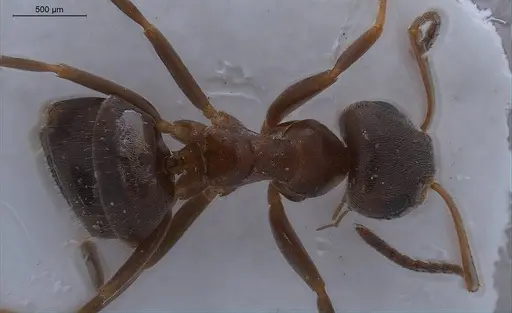
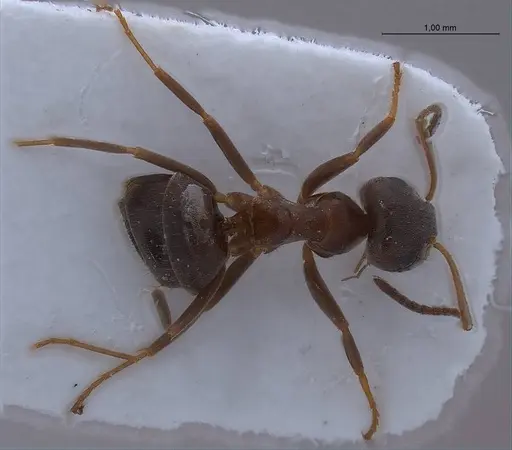
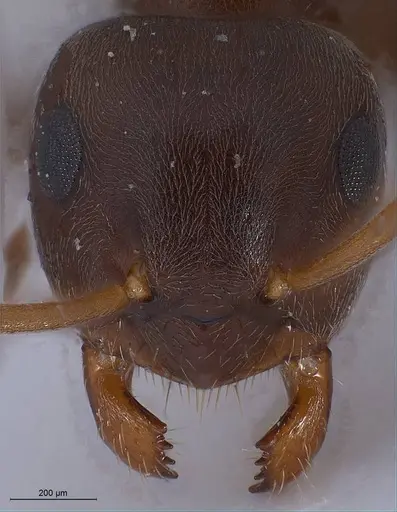
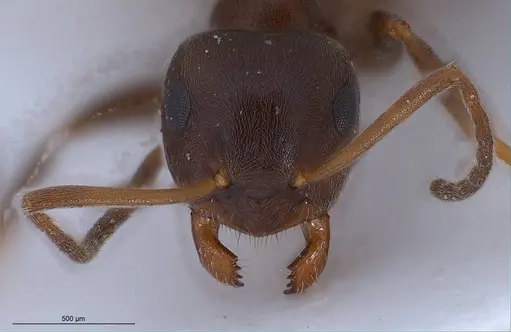
CASENT0906077
View on AntWeb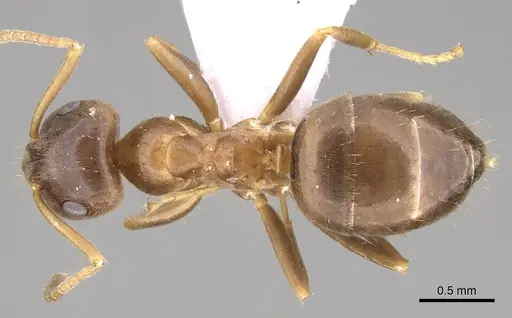
CASENT0906078
View on AntWeb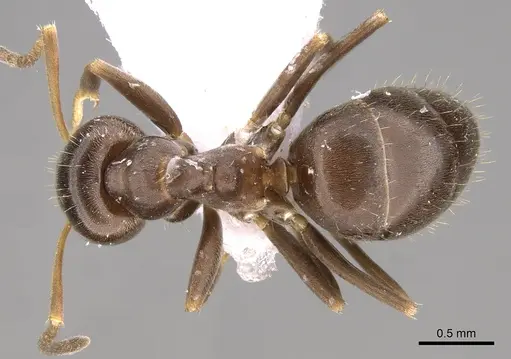
CASENT0912293
View on AntWeb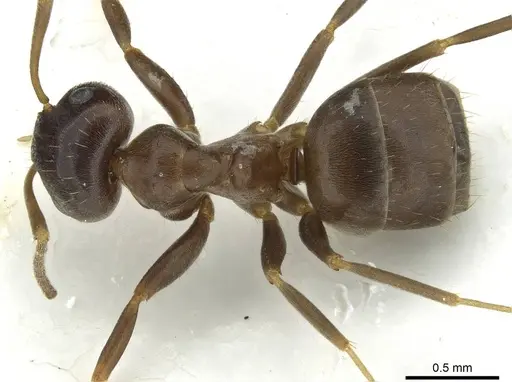
CASENT0915590
View on AntWeb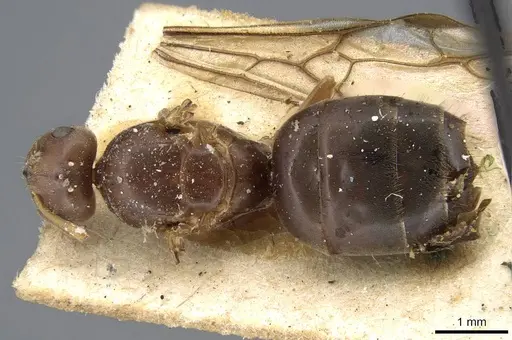
Literature
Loading distribution map...Loading products...