
Lasius koreanus
- Sci. Name
- Lasius koreanus
- Tribe
- Lasiini
- Subfamily
- Formicinae
- Author
- Seifert, 1992
- Distribution
- Found in 1 countries
Introduction
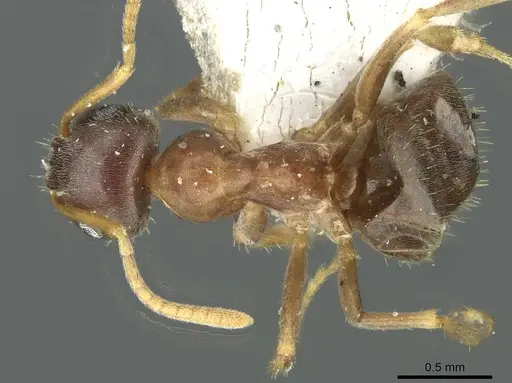
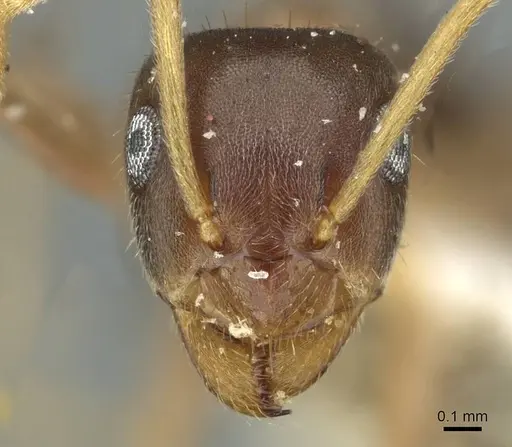
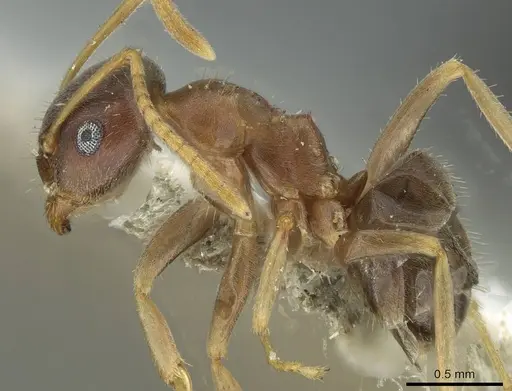
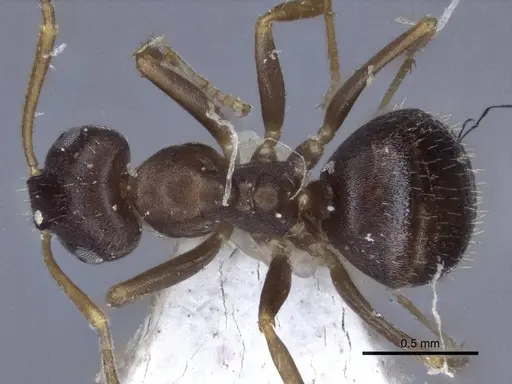
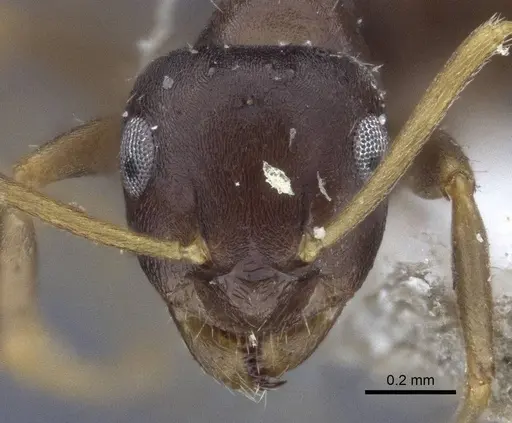
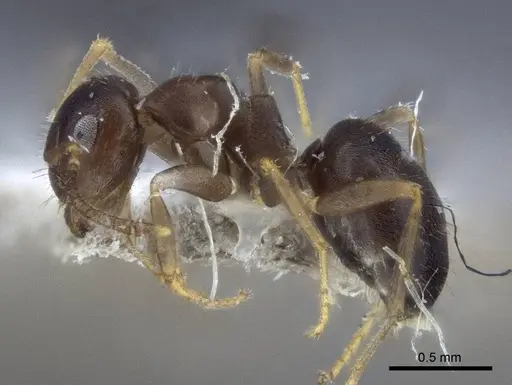
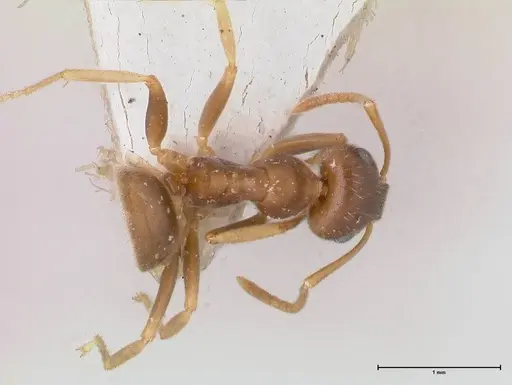
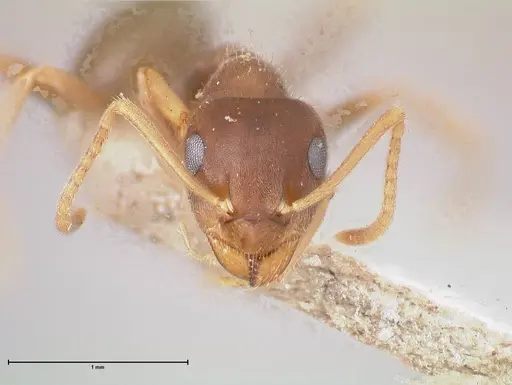
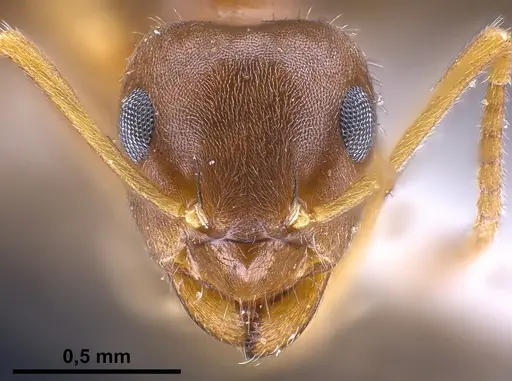
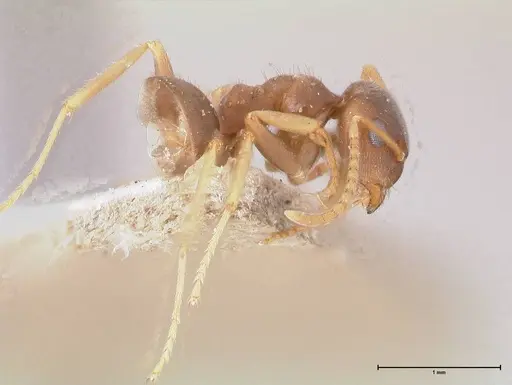
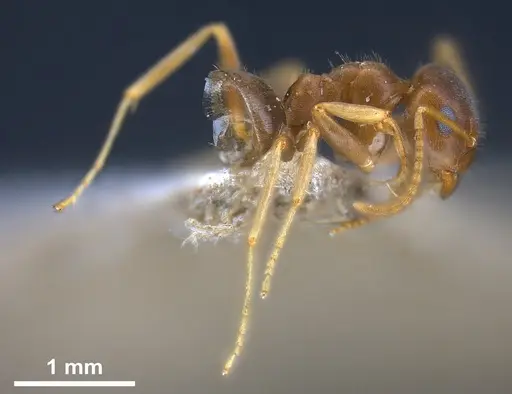
Lasius koreanus is a small ant species native to the Korean Peninsula and Russian Far East. Workers are among the smaller Lasius species, with a distinctive appearance featuring relatively large eyes, a shorter scape compared to other East Asian Lasius species, and strongly developed microsculpture on their head and mesosoma that gives them a roughened appearance under magnification . Color varies from brown to dark reddish brown across the body, with the gaster sometimes appearing nearly black . This species belongs to the Lasius niger group and was formally described in 1992,making it one of the more recently identified members of this common ant group. Research suggests it is widespread across Korea, though colonies are found in lower densities compared to other Lasius species in the region . They prefer sunny areas and are commonly found in urban parks as well as forest edges where direct sunlight reaches the ground . Alates have been collected between August 6-23,indicating mid-to-late August nuptial flights .
Quick Summary
- Difficulty: Easy
- Origin & Habitat: Korean Peninsula (North Korea, South Korea) and Russian Far East (Kuril Islands). Found from 10-1700m elevation, preferring sunny areas in both urban parks and forest edges [1][2].
- Colony Type: Single-queen colonies (monogyne), typical for the Lasius niger group. Colony density is low compared to other Lasius species in the region [2].
- Size & Growth:
- Queen: ~8-9 mm, inferred from Lasius genus patterns [3].
- Worker: ~3-4 mm, inferred from Lasius genus patterns [1].
- Colony: Up to several thousand workers, inferred from typical Lasius niger group.
- Growth: Moderate, typical for Lasius species.
- Development: 6-8 weeks at room temperature (20-24°C), typical for temperate Lasius species. (Development time is typical for temperate Lasius species, expect around 6-8 weeks from egg to first worker.)
- Antkeeping:
- Temperature: Keep at room temperature, around 20-24°C. They are a temperate species from Korea, so they do well in typical indoor conditions. A slight gradient is beneficial, aim for roughly 20-25°C with the warmer end in part of the nest area.
- Humidity: Moderate humidity is fine. Keep the nest substrate lightly moist but not waterlogged. Lasius species generally tolerate a range of conditions but prefer somewhat dry to moderately damp nests. Provide a water tube for drinking.
- Diapause: Yes, this is a temperate species requiring winter dormancy. Reduce temperature to around 5-10°C for 3-4 months (roughly November to February in the Northern Hemisphere). Gradually cool them down over 2-3 weeks [1].
- Nesting: Use standard Lasius setups, test tubes work well for founding colonies, and they can be moved to a formicarium (like a Y-tong or plaster nest) once the colony reaches several hundred workers. They nest in soil in the wild and will readily use test tube setups.
- Behavior: Lasius koreanus is a typical Lasius species, generally peaceful, not aggressive, and quite manageable. Workers are small but not particularly fast-moving. They are not known to be escape artists despite their small size, but good husbandry practices should still be followed. They feed on honeydew (aphid secretions), sugar water, and insects like most Lasius. Workers forage actively and will readily take sugar sources.
- Common Issues: small worker size means they can escape through standard mesh, use fine mesh or fluon on edges, low colony density in the wild means founding colonies may be slow to establish, winter dormancy is required, skipping hibernation will weaken or kill the colony, test tube flooding can be fatal for small colonies, use appropriate water reservoir size, beginners may overfeed small founding colonies, offer modest amounts of food
Housing and Nest Setup
Lasius koreanus is a small ant that does well in standard antkeeping setups. For founding colonies, a simple test tube setup works perfectly, fill a test tube about one-third with water, plug the water end with cotton, and place the queen in the tube. She will seal herself in and lay eggs without needing any intervention. Once the colony grows to several hundred workers, you can move them to a formicarium. Y-tong nests work well, as do plaster nests. The key is providing appropriately sized chambers, these are small ants, so tight-fitting spaces help them feel secure. Keep the nest dark (cover with a cloth or cardboard) for the first few weeks until workers are foraging openly. A separate outworld for feeding is essential once the colony is established. Escape prevention is important, despite being small, they can still escape through small gaps, so use standard precautions like fluon on rim edges.
Feeding and Diet
Like other Lasius species, Lasius koreanus is omnivorous with a sweet tooth. They naturally tend aphids and other hemipterans to collect honeydew, so sugar water or honey water should always be available once workers emerge. A drop of sugar water (1:3 sugar to water ratio) or honey diluted with water can be offered on a small piece of cotton or in a test tube cap. For protein, offer small insects, fruit flies, small mealworms, or cricket pieces work well. Feed protein roughly twice per week for established colonies. During founding, the queen does not eat, she relies entirely on stored fat reserves. Once workers arrive, they will begin foraging and can be offered food. Remove uneaten prey after 24-48 hours to prevent mold. Remember that their small size means even tiny insects can be substantial meals, do not overfeed.
Temperature and Seasonal Care
Lasius koreanus comes from the Korean Peninsula, which has distinct seasons including cold winters. This means they require a winter dormancy period (diapause) to stay healthy long-term. During the active season (roughly March through October), keep them at room temperature, 20-24°C is ideal. They can tolerate slightly warmer conditions up to about 28°C, but avoid prolonged heat exposure. In winter (roughly November through February), gradually reduce temperature to around 5-10°C and maintain this for 3-4 months. You can accomplish this by moving them to an unheated garage, basement, or refrigerator (dedicated for ant storage). The cooling should be gradual over 2-3 weeks. Do not skip hibernation, it is essential for colony health and triggers reproductive cycles. Return them to room temperature gradually in spring. [1]
Colony Development and Growth
A newly mated Lasius koreanus queen will seal herself into a small chamber and lay her first batch of eggs. She does not leave to forage during founding, this is called claustral founding, where she lives entirely on stored fat reserves to produce eggs and feed the first larvae. The timeline from egg to first worker (nanitic) typically takes 6-8 weeks at room temperature (20-24°C). The first workers are smaller than mature workers and are called nanitics, their job is to expand the colony and begin foraging. Growth rate is moderate, you can expect the colony to reach a few hundred workers within the first year under good conditions. Maximum colony size for the Lasius niger group is typically several thousand workers. The colony will produce alates (reproductives) in summer, alates have been collected in Korea between August 6-23,suggesting nuptial flights occur in mid-to-late August [1].
Behavior and Temperament
Lasius koreanus is a peaceful, manageable ant species suitable for beginners. Workers are not aggressive and do not have a painful sting, they may bite if threatened, but the bite is negligible. They are not known for being particularly territorial or aggressive toward other colonies. Workers forage actively and will readily explore their outworld looking for food. They are not strong climbers on smooth surfaces like glass, which helps with containment. The main behavioral note is their preference for sunny areas in the wild, they are often found in locations with direct sunlight, which suggests they appreciate warmth and light exposure in captivity more than some other Lasius species. They are not escape artists in the traditional sense, but their small size means they can slip through very small gaps, so standard escape prevention measures apply [2].
Frequently Asked Questions
How long does it take for Lasius koreanus to get their first workers?
Expect 6-8 weeks from egg to first worker at room temperature (20-24°C). The queen seals herself in during founding and raises the first brood alone. Once workers emerge, they will begin foraging and the colony grows more quickly.
Do Lasius koreanus need hibernation?
Yes, this is a temperate species requiring winter dormancy. Keep them at 5-10°C for 3-4 months during winter (roughly November to February). Gradually reduce temperature over 2-3 weeks in autumn and increase gradually in spring.
What do Lasius koreanus eat?
They are omnivorous with a preference for sweets. Offer sugar water or honey water constantly once workers emerge. For protein, feed small insects like fruit flies, small mealworms, or cricket pieces twice per week. Remove uneaten prey after 24 hours.
How big do Lasius koreanus colonies get?
Maximum colony size is not documented for this specific species, but typical Lasius niger group colonies reach several thousand workers. Expect moderate growth, a few hundred workers in the first year is normal.
Can I keep multiple Lasius koreanus queens together?
No, this is a monogyne (single-queen) species. Unlike some Lasius that can form multi-queen colonies, Lasius koreanus typically has only one queen per colony. Combining unrelated queens will result in fighting.
What size nest should I use for Lasius koreanus?
Start with a test tube for the founding colony. Once the colony reaches several hundred workers, you can move them to a Y-tong nest or plaster formicarium. Use appropriately sized chambers, these are small ants, so tight-fitting spaces help them feel secure.
Are Lasius koreanus good for beginners?
Yes, they are one of the easier Lasius species to keep. They are small but hardy, tolerate a range of conditions, and have straightforward care requirements. The main considerations are providing winter dormancy and ensuring escape prevention.
When do Lasius koreanus have nuptial flights?
Alates (reproductives) have been collected between August 6-23 in Korea, suggesting nuptial flights occur in mid-to-late August. If you keep this species, watch for winged reproductives in summer.
Why are my Lasius koreanus dying?
Common causes include: skipping hibernation (they need winter dormancy), test tube flooding (keep water reservoir appropriate to colony size), overfeeding leading to mold, or temperatures outside their tolerance range. Also ensure they are not escaping through small gaps.
Report an Issue
The current care sheet is based fully on literature. See inconsistencies, or something that's incorrect? Please , it will be resolved after review from an admin. Contributing to the blogs tab also helps providing information, to make us be able to further improve the caresheets. Thank you for your support!
References

This caresheet is licensed under CC BY-SA 4.0 .
Community Blogs
Literature
Loading distribution map...Loading products...