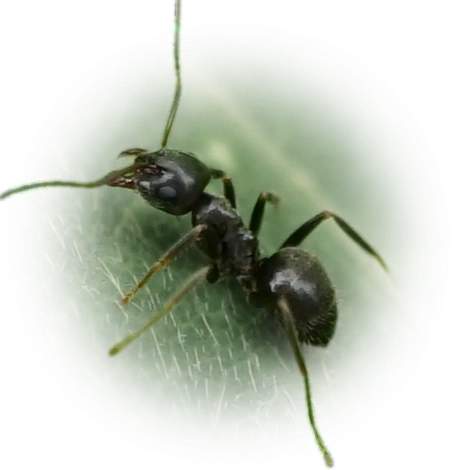
Lasius japonicus
- Sci. Name
- Lasius japonicus
- Tribe
- Lasiini
- Subfamily
- Formicinae
- Author
- Santschi, 1941
- Distribution
- Found in 3 countries
Introduction
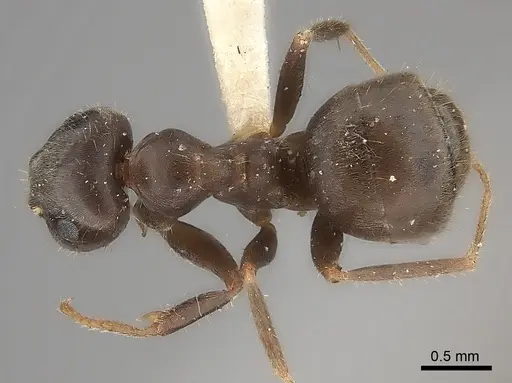
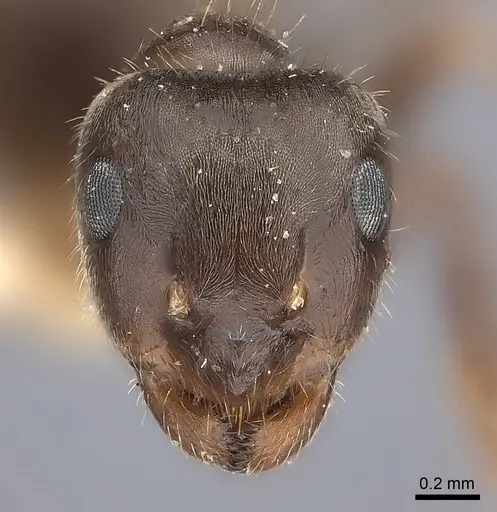
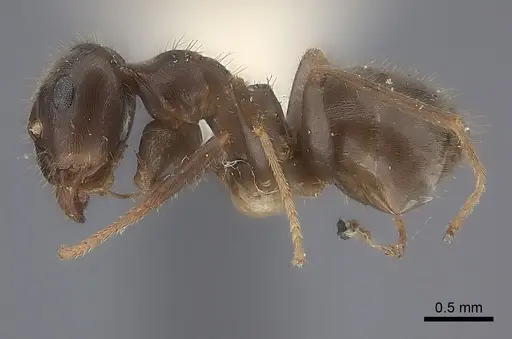
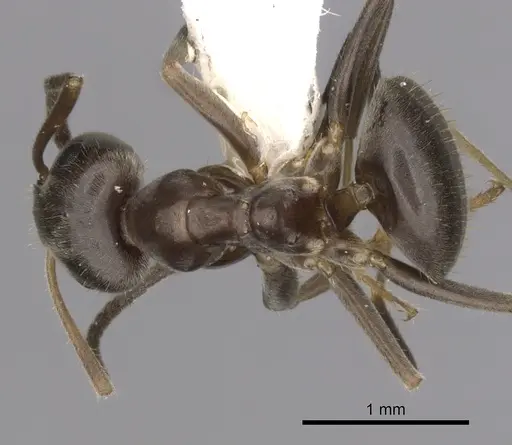
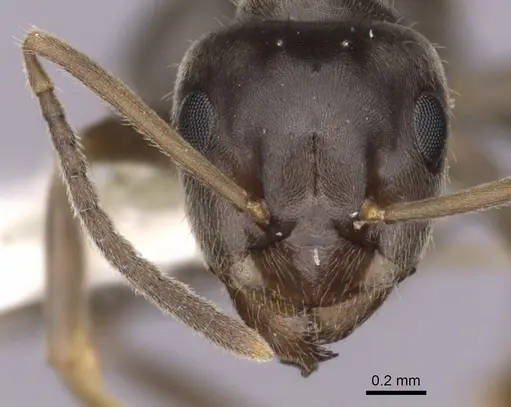
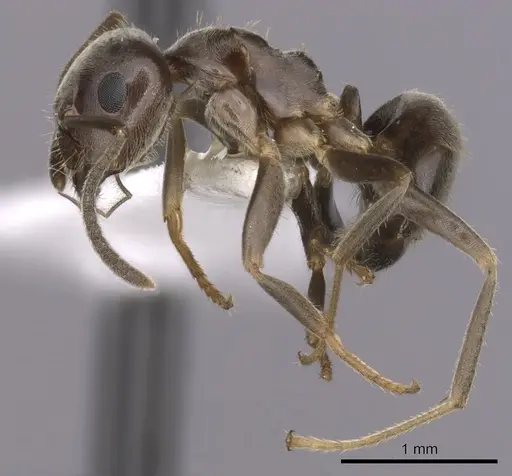
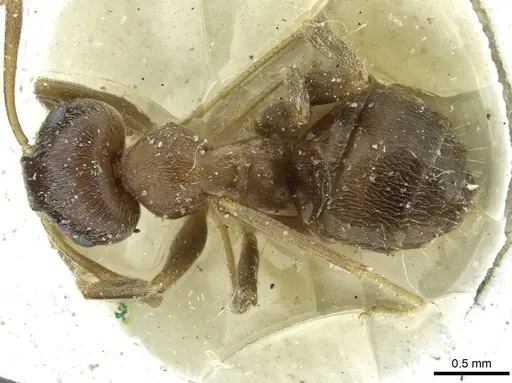
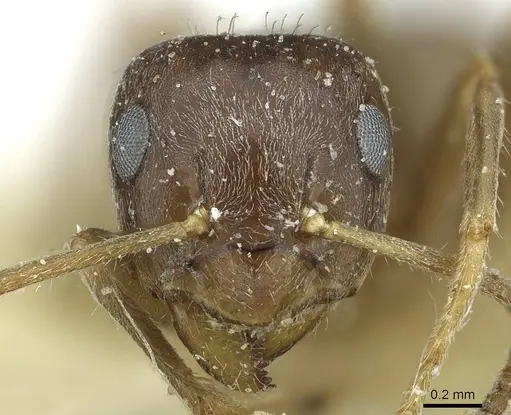
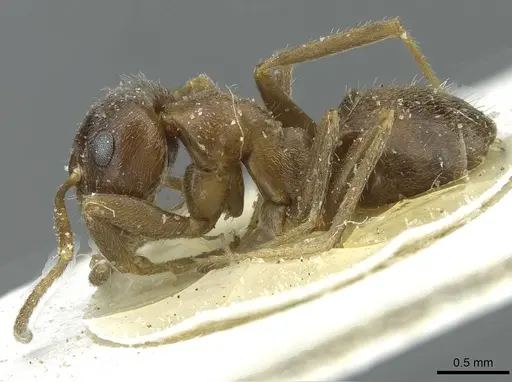
Lasius japonicus is a medium-sized ant native to East Asia, found throughout Japan, the Korean Peninsula, northeastern China, and the Russian Far East . Workers measure 2.5–3.5 mm and come in two color morphs: a light morph with a pale yellowish-reddish brown mesosoma and darker head and gaster, and a dark morph that is brown to blackish brown all over . It is the eastern sibling species of the western Lasius chinensis and was long confused with the common European Lasius niger . This species is incredibly adaptable - it thrives in grasslands, forests, urban areas, roadsides, and farmland from sea level up to 2100 m elevation . Unlike some mound-building Lasius, L. japonicus nests in many substrates: soil, under stones, in rotting wood, and even in tree cavities . It is a frequent attendant of aphids and has been observed feeding on extrafloral nectar, flower nectar, and xylem sap from cicada-drilled holes .
Quick Summary
- Difficulty: Easy
- Origin & Habitat: Native to Japan, Korean Peninsula, northeastern China, and Russian Far East. Found from sea level to 2100 m elevation in open to semi-shaded habitats like grasslands, forests, urban areas, and farmland [2][1][4].
- Colony Type: Likely monogyne (single-queen) colonies. Mature colonies can reach several thousand workers [7].
- Size & Growth:
- Queen: Not directly measured, estimated ~4–5 mm based on related Lasius species.
- Worker: 2.5–3.5 mm [2][8]
- Colony: Up to several thousand workers, colonies of over 2000 have been collected [7]
- Growth: Moderate
- Development: 6–8 weeks at 24°C (inferred from related Lasius species) (Development is temperature-dependent – faster at warmer temperatures within the safe range.)
- Antkeeping:
- Temperature: Room temperature (20–25°C) is suitable. They are adaptable but avoid prolonged heat above 30°C [4][1].
- Humidity: Keep the nest substrate moderately moist but not waterlogged. Provide a humidity gradient – they nest in soil, rotting wood, and under stones [2][4].
- Diapause: Yes – requires winter diapause. Keep at 5–10°C for 2–3 months (November to February). This species is adapted to cold winters in its native range [3].
- Nesting: Flexible – accepts test tubes, Y-tong nests, plaster nests, or naturalistic setups. In nature they nest in soil, under stones, in dead wood, and in tree cavities [4][5].
- Behavior: Calm and non-aggressive. Workers forage on trails, attend aphids, and are attracted to sweet baits. Active from spring to autumn, with reduced winter activity [9][7]. Not prone to escaping – standard barriers work well.
- Common Issues: winter diapause is essential for colony health, without a cooling period the queen may stop laying eggs., overheating can be more dangerous than cold – avoid temperatures above 30°C., aphid-tending behavior may reduce acceptance of artificial sugar sources if real aphids are present., wild-caught colonies may have parasites – quarantine and observe before introducing to established setups.
Housing and Nest Preferences
Lasius japonicus is adaptable when it comes to nesting. In captivity, test tube setups work well for founding colonies, and established colonies do fine in Y-tong nests, plaster nests, or naturalistic terrariums. In the wild, they nest in soil, under stones, in pavement cracks, in dead wood, and even in decayed tree trunks – they are one of the few Lasius species that can be arboreal [5]. Provide a damp nest chamber with a water reservoir (test tube style) or moisture-retaining substrate. They do not build conspicuous mounds like some Lasius species, so simple chambered nests work well. Include some slightly drier areas so ants can self-regulate humidity. Outworld space should allow for foraging trails – this species uses trunk trail networks, much like other Lasius [10].
Feeding and Diet
Like other Lasius species, L. japonicus is omnivorous with a strong preference for sugar sources. Workers are attracted to honeydew from aphids and will actively tend aphid colonies in captivity. They also feed on extrafloral nectar and have even been observed drinking xylem sap from cicada-drilled holes in trees [6]. In captivity, offer sugar water (1:1 ratio) or honey as a constant energy source. For protein, they accept small insects like fruit flies, small crickets, and mealworms. They are not aggressive predators – small soft-bodied prey is best. In studies, they showed a preference for artificial extrafloral nectar over artificial honeydew, suggesting they choose higher-sugar concentrations when available [7]. Feed protein 2–3 times a week and keep sugar water available at all times.
Temperature and Seasonal Care
Lasius japonicus is found across a wide temperature range in its native Japan, from sea level to 2100 m elevation, so they are adaptable. Keep nest temperatures between 20–25°C for optimal colony growth. Room temperature (around 20–22°C) is typically fine. They tolerate cool temperatures better than heat – avoid anything above 30°C [4]. During winter, colonies need a diapause period. Nuptial flights occur in July and August, and colonies experience cold winters [4][3]. Provide 2–3 months of hibernation at 5–10°C (roughly November through February). Reduce or stop feeding during diapause and keep the nest slightly cooler but not frozen.
Behavior and Colony Dynamics
This is a calm, non-aggressive species that forms well-organized colonies with distinct foraging trails. Workers are medium-sized (2.5–3.5 mm) and can be identified by their numerous erect hairs on the scapes and body, which distinguishes them from the similar Lasius alienus [2]. Colonies grow to several thousand workers. They are efficient foragers that use trunk trail networks [10]. This species attends aphids and is considered a mutualist with some aphid species – they protect aphids in exchange for honeydew [11]. They are also associated with lycaenid butterfly caterpillars, though they are not as preferred as hosts like Camponotus japonicus [12]. Nuptial flights occur in early morning (4:30–7:18 AM), notably different from the evening swarming of Lasius niger [4].
Growth and Development
Colony development follows the typical Lasius pattern. After mating during July–August nuptial flights, queens found colonies and raise the first brood using stored reserves (likely claustral, though not specifically documented). The first workers (nanitics) are typically smaller than mature workers but will begin foraging to support further colony growth. Based on related species in the Lasius niger group, expect 6–8 weeks from egg to first worker at optimal temperatures (around 24°C). Growth rate is moderate – colonies reach several thousand workers over 2–3 years under good conditions. The light and dark color morphs observed in the wild may appear in captive colonies as well [1].
Frequently Asked Questions
Is Lasius japonicus a good beginner ant?
Yes, this is an excellent beginner species. They are adaptable, tolerate a range of temperatures, and are not aggressive. Their moderate size makes them easy to house and observe, and they accept a wide variety of foods [3].
How long does it take for Lasius japonicus to produce first workers?
Expect 6–8 weeks from egg to first worker at optimal temperatures (around 24°C). This is typical for Lasius species. The queen will remain in her chamber until her first nanitic workers emerge [4].
Do Lasius japonicus need hibernation?
Yes, they require a winter diapause. In their native Japan, they experience cold winters. Keep colonies at 5–10°C for 2–3 months during winter (roughly November through February). Reduce feeding during this period [3].
What do Lasius japonicus eat?
They are omnivorous with a sweet tooth. Offer sugar water or honey constantly for energy. For protein, they accept small insects like fruit flies, small crickets, and mealworms. They will also attend aphids if present in the setup [9][7].
Can I keep multiple Lasius japonicus queens together?
No, this species is believed to be monogyne (single-queen). Unlike some Lasius species, L. japonicus colonies typically have only one queen. Combining unrelated queens is not recommended and will likely result in fighting [4][1].
How big do Lasius japonicus colonies get?
Mature colonies can reach several thousand workers. Colonies of over 2000 have been collected in the field. They are not as large as some Lasius species but can still become quite populous over 2–3 years [7].
When do Lasius japonicus nuptial flights occur?
Nuptial flights occur in July and August in their native range. They fly in early morning (around 4:30–7:18 AM), which is different from many other ant species that swarm in the evening [4][3].
What temperature is best for Lasius japonicus?
Keep them at 20–25°C. Room temperature (around 20–22°C) is typically suitable. They can tolerate cooler temperatures better than excessive heat – avoid temperatures above 30°C [4][1].
How do I set up a nest for Lasius japonicus?
They are flexible nesters. Test tubes work well for founding colonies. For established colonies, Y-tong nests, plaster nests, or naturalistic setups all work. Provide a damp nest chamber with access to a water reservoir. Include some dry areas for self-regulation. They will nest in soil, under stones, or in wood – mimic their natural substrates [4][5].
Report an Issue
The current care sheet is based fully on literature. See inconsistencies, or something that's incorrect? Please , it will be resolved after review from an admin. Contributing to the blogs tab also helps providing information, to make us be able to further improve the caresheets. Thank you for your support!
References

This caresheet is licensed under CC BY-SA 4.0 .
Community Blogs
Literature
Loading distribution map...Loading products...