
Lasius himalayanus
- Sci. Name
- Lasius himalayanus
- Tribe
- Lasiini
- Subfamily
- Formicinae
- Author
- Bingham, 1903
- Distribution
- Found in 1 countries
Introduction
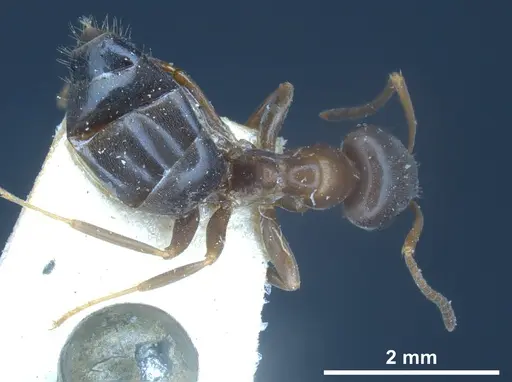
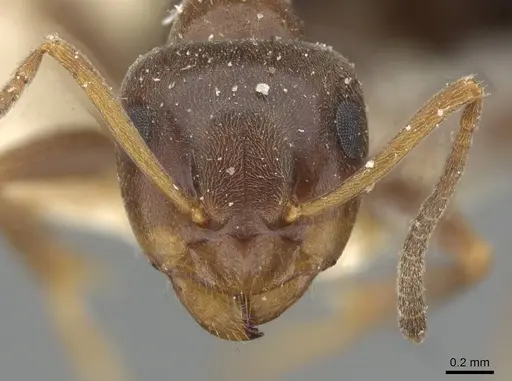
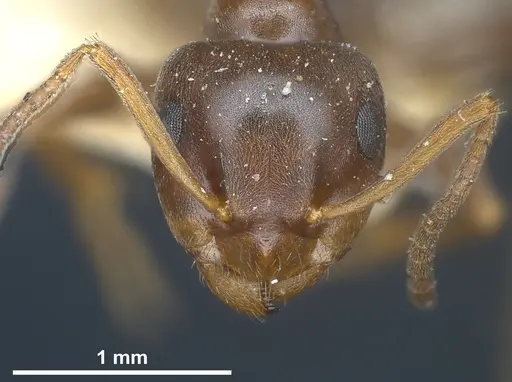
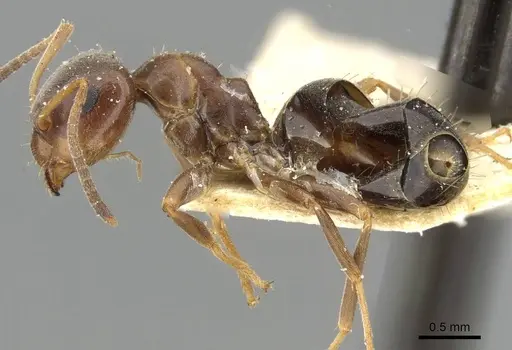
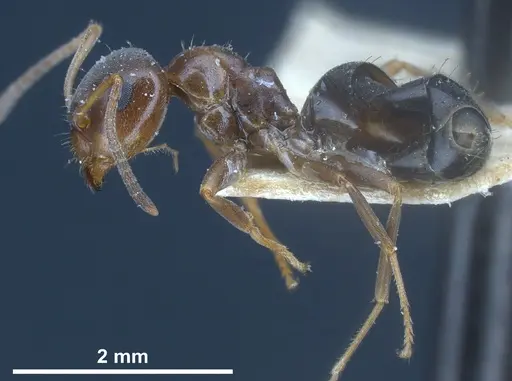
Lasius himalayanus is a small ant species native to the Himalayan region. Workers measure 3-3.5mm in total length and have a distinctive dark appearance - the head, mesosoma, and coxae are usually dark brown, while the gaster (abdomen) is blackish brown. The mandibles, clypeus, antennae, and legs are yellowish brown. This species belongs to the brunneus species complex within the subgenus Lasius s.str. and is most similar to Lasius brunneus, but can be identified by their narrower head and longer scape (antenna segment). This is a high-altitude species found in the Himalayas at elevations between 2300-2800 meters, making it one of the more cold-tolerant Lasius species available in antkeeping.
Quick Summary
- Difficulty: Medium
- Origin & Habitat: Himalayan region, found in India (Himachal Pradesh, Jammu & Kashmir, Uttarakhand), Pakistan (Gilgit-Baltistan, Chitral, Hazara), and China (Yunnan Province) at high elevations of 2300-2800 meters above sea level. They inhabit mountainous areas with moderate rainfall and are typically found on the ground in natural habitats [1][2][3].
- Colony Type: Likely single-queen (monogyne) colonies based on typical Lasius genus patterns. No specific colony size data exists for this species.
- Size & Growth:
- Queen: Size data unavailable, no specific measurements documented
- Worker: 3-3.5mm [4]
- Colony: Unknown, no documented colony size for this species
- Growth: Moderate, typical for Lasius genus
- Development: Development time is unconfirmed for this species (Based on related Lasius species, development is temperature-dependent, cooler high-altitude conditions may extend development timeline)
- Antkeeping:
- Temperature: Keep cool, around 18-22°C. This is a high-altitude Himalayan species that prefers cooler conditions than typical room temperature. Avoid overheating above 24°C.
- Humidity: Moderate humidity around 50-60%. They come from a temperate Himalayan climate with moderate rainfall. Keep the nest substrate lightly moist but not waterlogged. Allow some drying between waterings.
- Diapause: Yes, required. As a Himalayan high-altitude species, they need a winter hibernation period. Reduce temperature to 5-10°C for 3-4 months during winter (roughly November to February in the Northern Hemisphere).
- Nesting: Ground-nesting species. They do well in test tube setups for founding colonies, then can be moved to Y-tong (AAC), plaster, or naturalistic setups with soil. Provide a layer of moist substrate for workers to dig in.
- Behavior: Generally calm and non-aggressive. Like other Lasius species, they are not particularly territorial and tend to focus on honeydew collection and small prey. Workers are active foragers but not aggressive toward humans. They have no functional stinger and pose no danger to keepers. Their small size (3mm) means escape prevention is important, they can squeeze through small gaps.
- Common Issues: high altitude cold requirements, they may struggle in warm rooms above 24°C, escape prevention is critical due to their tiny 3mm size, hibernation is mandatory, colonies that don't cool down properly may fail to thrive, slow colony growth compared to tropical species can frustrate beginners, limited availability in the antkeeping hobby, this is a rarely kept species
Housing and Nest Setup
For founding colonies, a simple test tube setup works well. Fill a test tube one-third with water, plug with a cotton ball, then add the queen. Place it in a dark, quiet location and wait for eggs to appear. Once the colony reaches 20-30 workers, you can transition to a proper formicarium. Y-tong (AAC) nests work well because they allow you to control humidity precisely. You can also use plaster nests or naturalistic setups with a soil layer. Whatever setup you choose, ensure it has a water source, either a water tube attached to the nest or moist substrate. [1][2]
Feeding and Diet
Like other Lasius species, Lasius himalayanus is omnivorous. They primarily collect honeydew from aphids and other small insects. In captivity, offer sugar water or honey water as a constant energy source. For protein, provide small insects like fruit flies, pinhead crickets, or mealworms. Feed protein 2-3 times per week, and keep sugar water available at all times. Remove any uneaten prey after 24-48 hours to prevent mold.
Temperature and Seasonal Care
This is the most critical aspect of keeping Lasius himalayanus. Being a high-altitude Himalayan species, they prefer cool conditions. Keep the nest at 18-22°C, room temperature in most homes is ideal. Avoid placing the colony near heat sources or in direct sunlight. During winter, you must provide a hibernation period. Reduce temperature to 5-10°C (a garage or unheated room works well) for 3-4 months. This mimics their natural high-altitude environment and is essential for colony health and reproduction. [1]
Behavior and Colony Dynamics
Lasius himalayanus workers are active foragers that search for honeydew and small prey. They are not aggressive and handle gently. Colonies grow at a moderate pace, don't expect the rapid growth seen in tropical species. The first workers (nanitics) will be smaller than mature workers. This species is not well-studied in captivity, so expect some trial and error as you learn what works for your colony. Watch for signs of stress like workers clustering at the coolest part of the nest or avoiding food. [1]
Frequently Asked Questions
Can I keep Lasius himalayanus in a test tube?
Yes, test tubes work well for founding colonies. Keep the queen in a test tube until she has 20-30 workers, then consider moving to a larger formicarium.
What temperature does Lasius himalayanus need?
Keep them cool, around 18-22°C. This is a high-altitude Himalayan species that prefers cooler conditions than typical room-temperature ants. Avoid temperatures above 24°C.
Does Lasius himalayanus need hibernation?
Yes, hibernation is required. Reduce temperatures to 5-10°C for 3-4 months during winter. This mimics their natural high-altitude environment and is essential for colony health.
How long until first workers appear?
Development time is unconfirmed for this specific species. Based on related Lasius species, expect several months from egg to first worker at optimal temperature.
Are Lasius himalayanus good for beginners?
They are moderate difficulty. The main challenge is providing proper cool temperatures and hibernation. If you can keep your ant room cool and provide winter hibernation, they are manageable for beginners.
What do Lasius himalayanus eat?
They are omnivorous. Offer sugar water or honey constantly, and feed small insects like fruit flies or pinhead crickets 2-3 times per week.
How big do Lasius himalayanus colonies get?
Colony size is not well documented for this species. No specific data exists on maximum colony size.
When should I move Lasius himalayanus to a formicarium?
Move them once the colony reaches 20-30 workers in the test tube. Earlier if the test tube is becoming cramped or the water reservoir is depleted.
Can I keep multiple queens together?
Not recommended. Lasius himalayanus is likely a single-queen (monogyne) species based on typical Lasius patterns. Combining unrelated queens has not been studied and is not recommended.
Report an Issue
The current care sheet is based fully on literature. See inconsistencies, or something that's incorrect? Please , it will be resolved after review from an admin. Contributing to the blogs tab also helps providing information, to make us be able to further improve the caresheets. Thank you for your support!
References

This caresheet is licensed under CC BY-SA 4.0 .
Community Blogs
CASENT0903216
View on AntWeb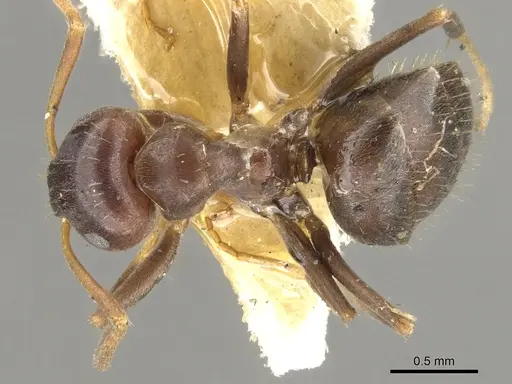
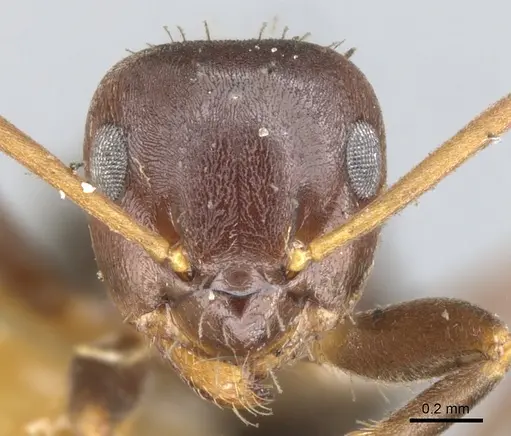
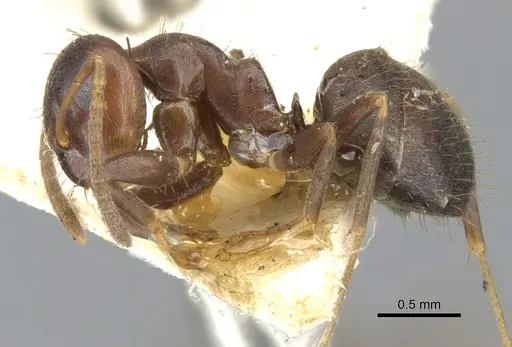
CASENT0911043
View on AntWeb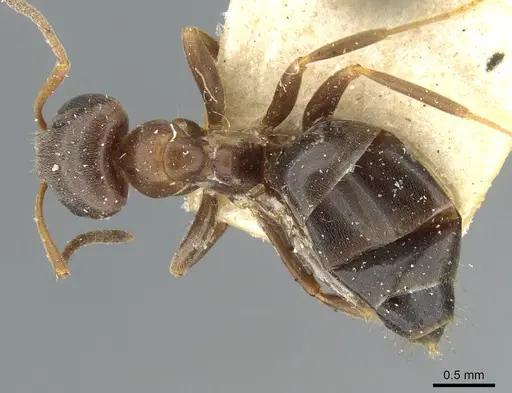
Literature
Loading distribution map...Loading products...