
Lasius flavoniger
- Sci. Name
- Lasius flavoniger
- Tribe
- Lasiini
- Subfamily
- Formicinae
- Author
- Seifert, 1992
- Distribution
- Found in 1 countries
Introduction
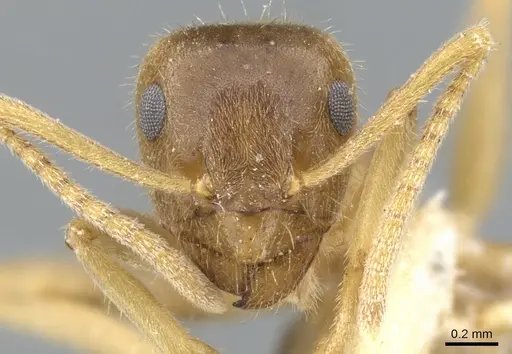
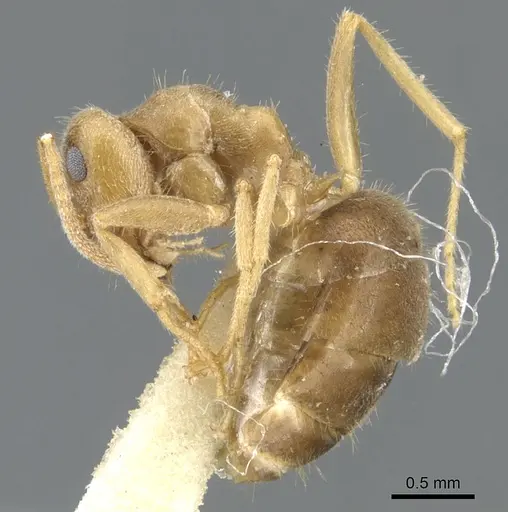
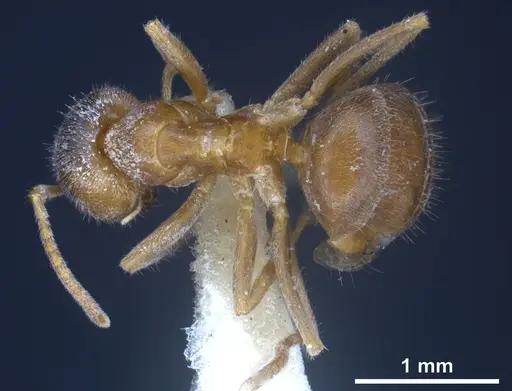
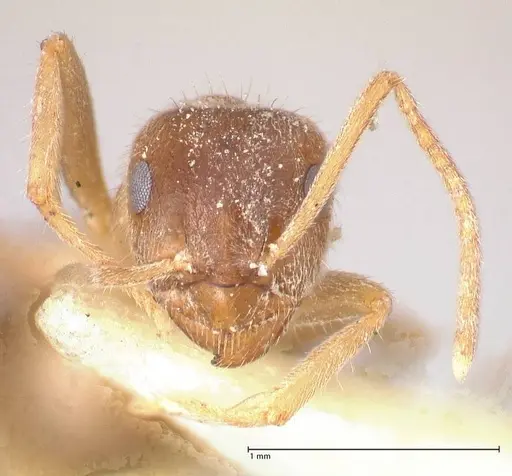
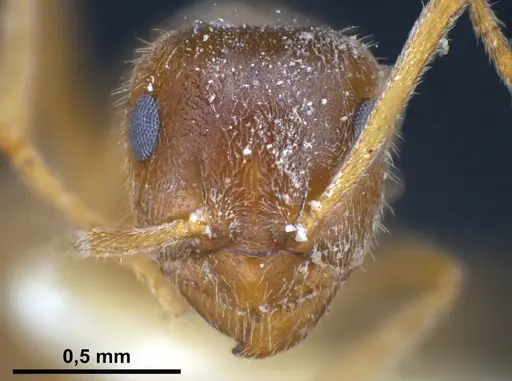
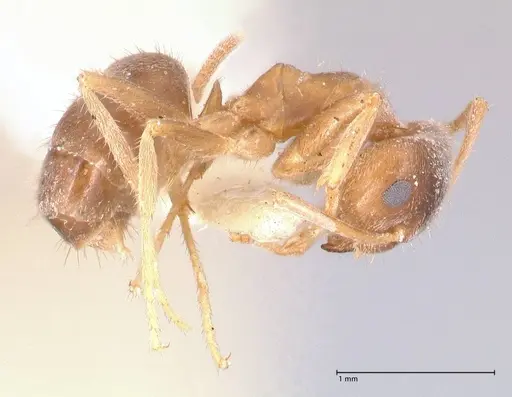
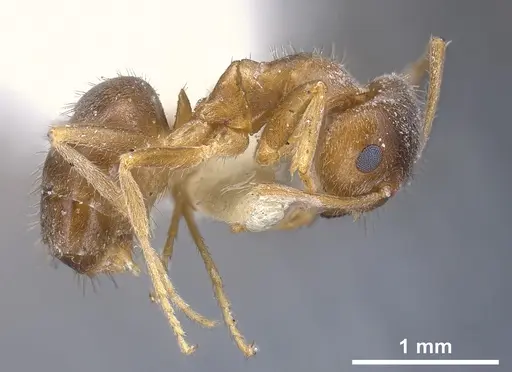
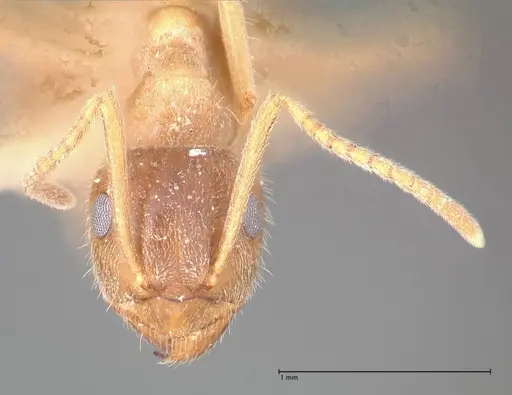
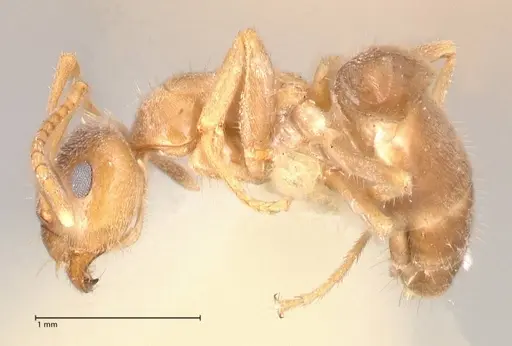
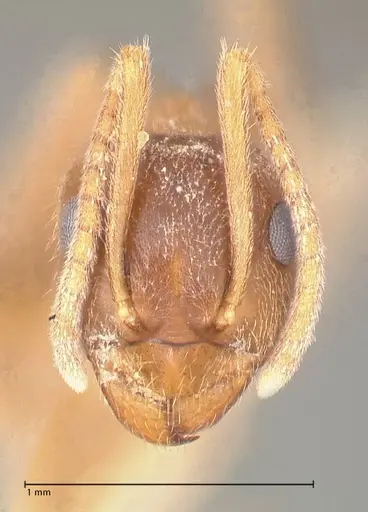
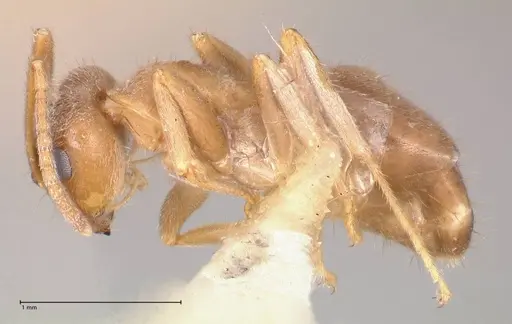
Lasius flavoniger is a small yellow ant native to southeastern Turkey, found only at two isolated locations near Sogukoluk and Altinözu . Workers have a distinctive yellowish coloration throughout the body, with the head and gaster appearing yellowish brown while remaining body parts are more uniformly yellow . This species is distinguished by its unusually long and flattened scape (antenna segment) and numerous erect hairs covering most body surfaces . The species was described in 1992 and remains one of the rarest Lasius species in the Palaearctic region .
Quick Summary
- Difficulty: Medium
- Origin & Habitat: Southeastern Turkey at two sites: Sogukoluk (37.52°N,27.92°E,500m elevation) and 5km south of Altinözu (36.08°N,36.25°E,350m elevation). Found in orchard meadows and open grassy areas [1].
- Colony Type: Unknown, specific colony structure studies are lacking for this rare species.
- Size & Growth:
- Queen: Size data unavailable, typical Lasius queens are 7-9mm based on genus patterns
- Worker: ~2.5-3mm (inferred from Lasius genus, CS 872 µm represents head size only, not total body length) [1]
- Colony: Unknown, no data available for this species
- Growth: Unknown, specific development data not available
- Development: Unknown, development time unstudied for this species (No specific development data exists for L. flavoniger. Related Lasius species typically take 6-8 weeks but this is unconfirmed for this species.)
- Antkeeping:
- Temperature: Keep at room temperature (20-24°C). A gentle gradient allowing warmer and cooler areas is recommended.
- Humidity: Moderate humidity. Keep nest substrate slightly moist but not waterlogged.
- Diapause: Likely required, Lasius species typically need winter dormancy. Keep at 5-10°C for 2-3 months during winter based on genus patterns.
- Nesting: Test tube setups work well for founding colonies. For established colonies, use Y-tong or plaster nests with small chambers scaled to their small size. They prefer dark, enclosed spaces.
- Behavior: Lasius flavoniger is a docile, non-aggressive species typical of the genus. Workers are small and active, foraging for honeydew and small prey. They are not known to sting and pose no danger to keepers. Their small size means escape prevention is important.
- Common Issues: tiny size makes escape likely without fine mesh barriers and tight-fitting lids, limited distribution in the wild means wild colonies are rarely available, specific care requirements are not well-documented due to species rarity, colony development data is completely unavailable, keepers must observe their colony closely
Housing and Nest Setup
Lasius flavoniger requires housing scaled to their small worker size. For founding colonies, a standard test tube setup works well, fill the tube one-third with water, plug with cotton, and wrap the front portion in dark material to simulate an underground nest chamber. The queen will seal herself inside during founding and should not be disturbed until workers emerge. For established colonies, use nests with small chambers and narrow passages, Y-tong or small-chamber plaster nests work better than larger formicarium setups designed for bigger ants. Ensure all connections and barriers are tight-fitting since these ants can escape through small gaps. [1]
Feeding and Diet
Like other Lasius species, Lasius flavoniger workers feed on honeydew from aphids and small insects. In captivity, offer sugar water or honey diluted with water (50/50 mixture) as a constant sugar source. For protein, provide small insects like fruit flies, pinhead crickets, or mealworm pieces. Feed protein 2-3 times per week, adjusting based on colony size and consumption. Remove uneaten prey after 24-48 hours to prevent mold. The small worker size means they can only tackle very small prey items. A constant sugar water supply should be available, refreshed every few days.
Temperature and Seasonal Care
Maintain nest temperatures between 20-24°C, which is typical for Lasius species. Room temperature within this range is usually sufficient. Like all Lasius species, they likely require a winter dormancy period. In autumn, gradually reduce temperatures to around 5-10°C and maintain this for 2-3 months. This diapause period is essential for colony health in related Lasius species. Do not skip hibernation, colonies that are kept warm year-round often decline over time.
Colony Development
The founding process likely follows typical Lasius patterns: the queen seals herself in a chamber and lives on stored fat reserves while laying eggs and raising the first brood. First workers may be smaller than mature workers. Colony growth rate is unknown for this species due to lack of research. The limited data on this species means careful observation of your colony's preferences is important. [1]
Handling and Temperament
Lasius flavoniger is a docile species that poses no danger to keepers. Workers are small, fast-moving, and not aggressive. They do not have a functional stinger capable of penetrating human skin. The main challenge for keepers is their small size, they require fine mesh barriers and secure lid fittings. When observing your colony, work in a contained area and avoid sudden movements. These ants are best enjoyed for their interesting behaviors rather than direct handling.
Frequently Asked Questions
How long does it take for Lasius flavoniger to produce first workers?
Unknown, specific development data for this species is not available. Related Lasius species typically take 6-8 weeks at optimal temperatures, but this is unconfirmed for L. flavoniger.
What do Lasius flavoniger ants eat?
They likely eat honeydew and small insects like other Lasius species. In captivity, offer sugar water or honey diluted with water as a constant sugar source, and small protein sources like fruit flies, pinhead crickets, or mealworm pieces 2-3 times per week.
Can I keep multiple Lasius flavoniger queens together?
Unknown, no studies exist on colony structure for this species. Most Lasius niger group species are single-queen, but this is unconfirmed for L. flavoniger.
Do Lasius flavoniger need hibernation?
Likely yes, Lasius species typically require a winter dormancy period. Keep colonies at 5-10°C for 2-3 months during winter based on genus patterns. This diapause is essential for colony health.
Why are my Lasius flavoniger escaping?
Their small size means they can squeeze through small gaps. Use fine mesh (0.5mm or tighter), ensure all lid fittings are tight, and check for any gaps in tubing connections. Escape prevention must be good for this species.
How big do Lasius flavoniger colonies get?
Unknown, no colony size data exists for this species. It is known from only two wild locations and has not been studied in captivity.
Is Lasius flavoniger good for beginners?
This species is rated as medium difficulty. While generally hardy once established, their small size requires good escape prevention, and their specific care requirements are not well-documented since the species is rarely kept. They are better suited for keepers with some antkeeping experience.
When do Lasius flavoniger have nuptial flights?
Based on a specimen collected in June with alates (reproductives) in the nest, nuptial flights likely occur around June in Turkey [1]. The exact timing in captivity would depend on seasonal conditions and hibernation timing.
What is the best nest type for Lasius flavoniger?
Test tubes work well for founding colonies. For established colonies, use nests with small chambers, Y-tong nests or small-chamber plaster nests scaled to their small worker size. Avoid large formicarium setups designed for bigger ants.
Report an Issue
The current care sheet is based fully on literature. See inconsistencies, or something that's incorrect? Please , it will be resolved after review from an admin. Contributing to the blogs tab also helps providing information, to make us be able to further improve the caresheets. Thank you for your support!
References

This caresheet is licensed under CC BY-SA 4.0 .
Community Blogs
CASENT0903218
View on AntWeb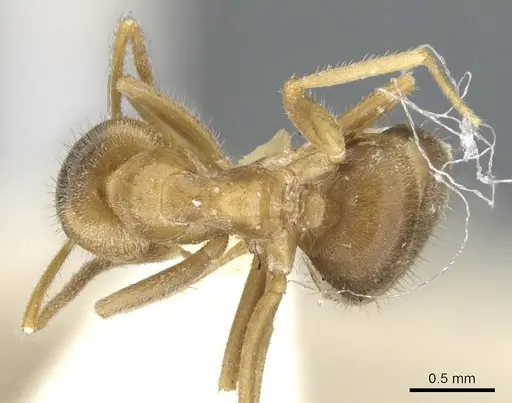
FOCOL0748-1
View on AntWeb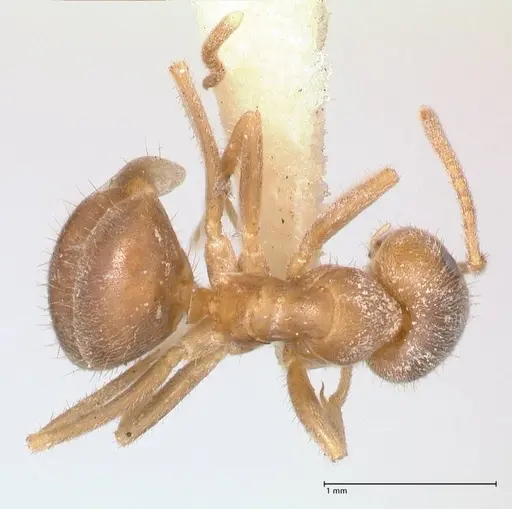
FOCOL0748-2
View on AntWeb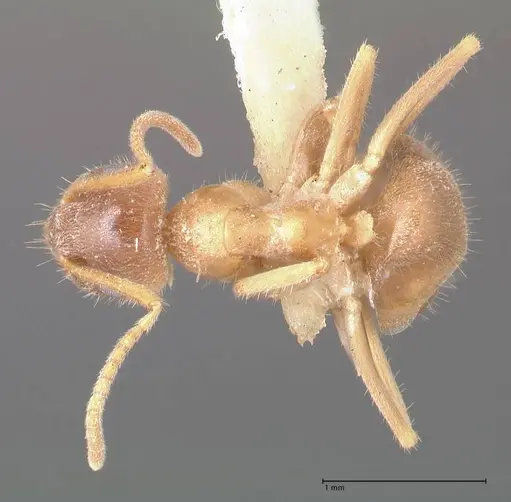
FOCOL0748-3
View on AntWeb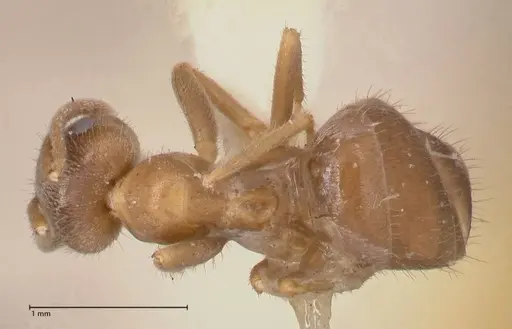
Literature
Loading distribution map...Loading products...