Lasius brunneus has a tightly defined flight window centered on June. Most nuptial flights occur within just 2 months, making this a highly predictable species for collectors. The concentrated timeframe makes peak months critical for sightings.
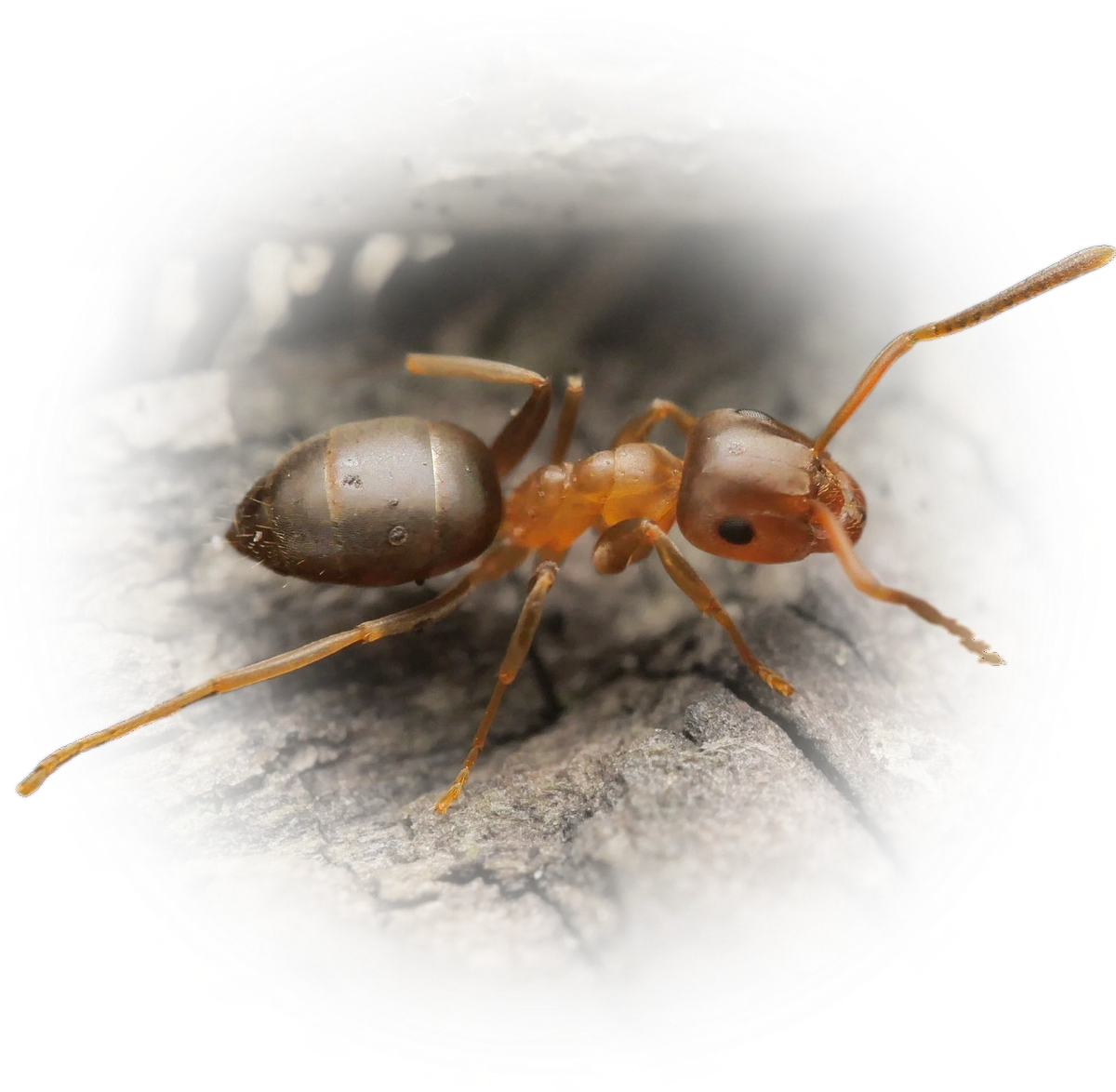
Brown Tree Ant
Lasius brunneus
- Sci. Name
- Lasius brunneus
- Tribe
- Lasiini
- Subfamily
- Formicinae
- Author
- Latreille, 1798
- Common Name
- Brown Tree Ant
- Distribution
- Found in 12 countries
- Nuptial Flight
- From May to June
- Peak flight Time
- 14:00
AI Identifiable
try →
Introduction
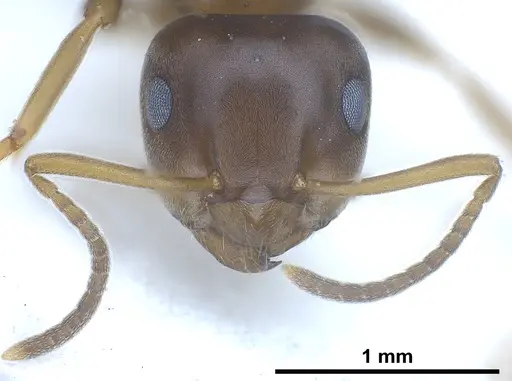
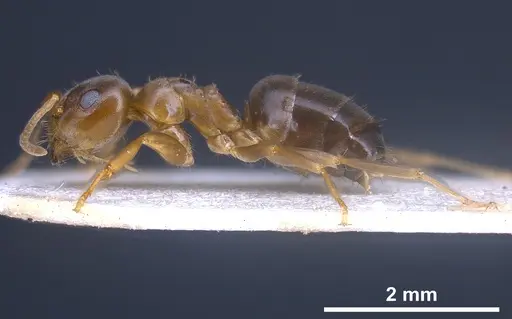
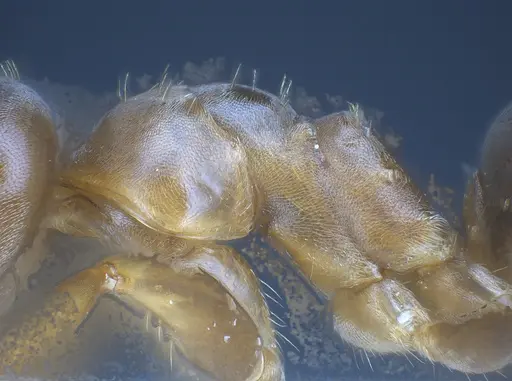
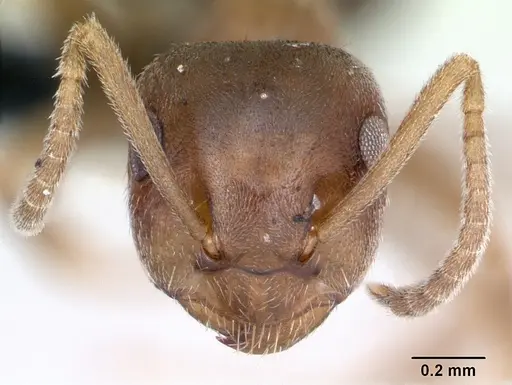
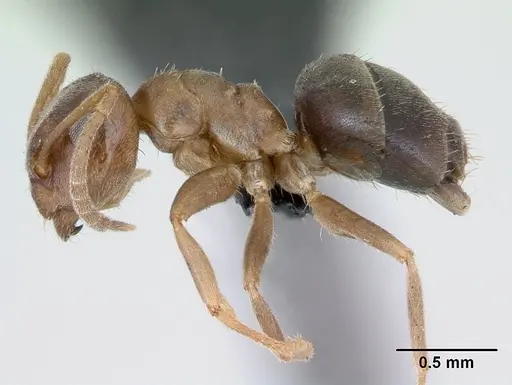
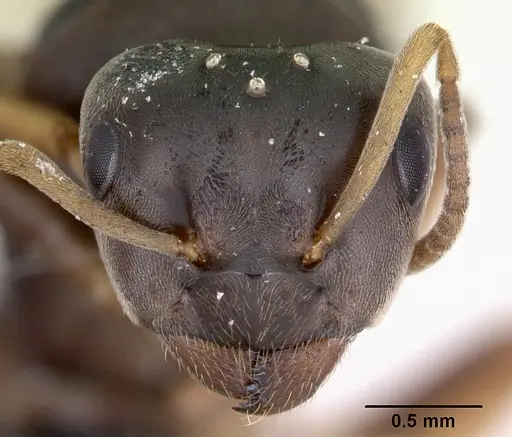
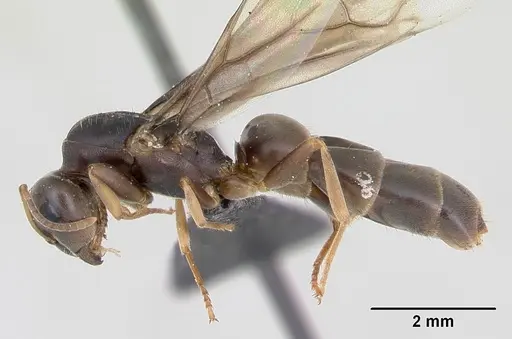
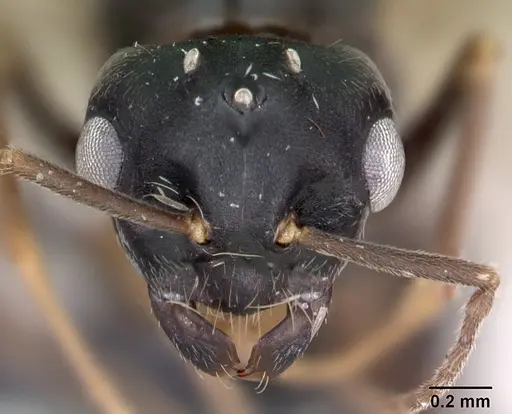
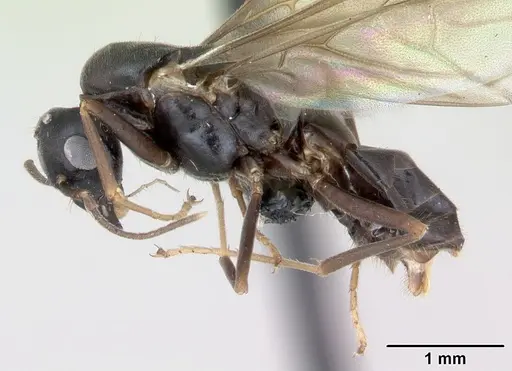
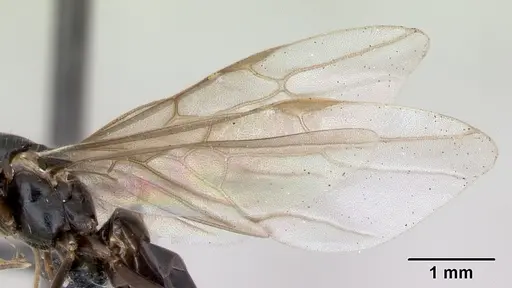
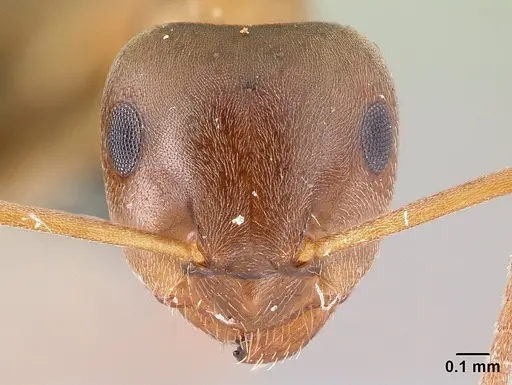
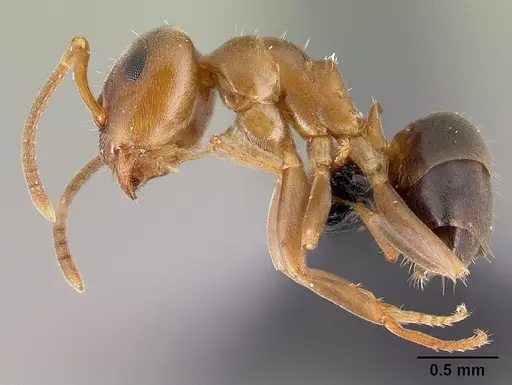
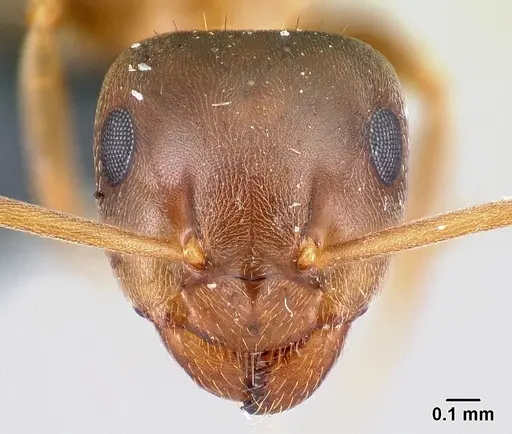
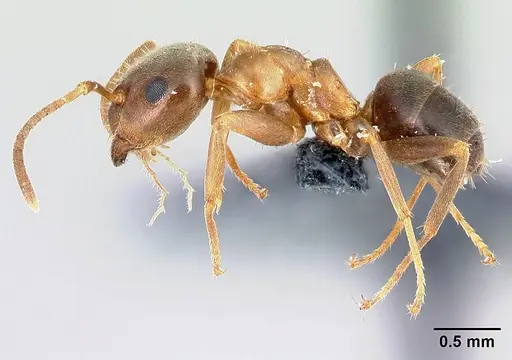
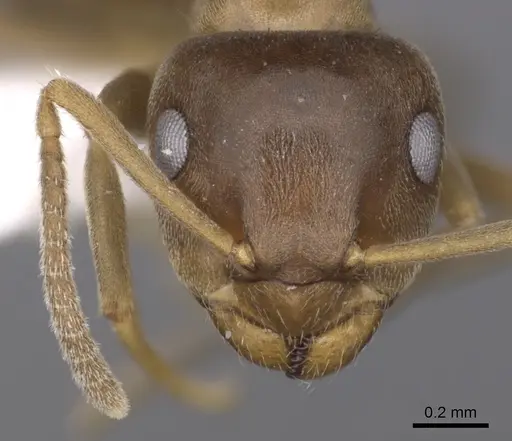
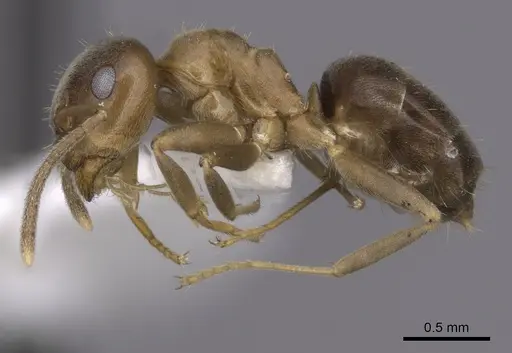
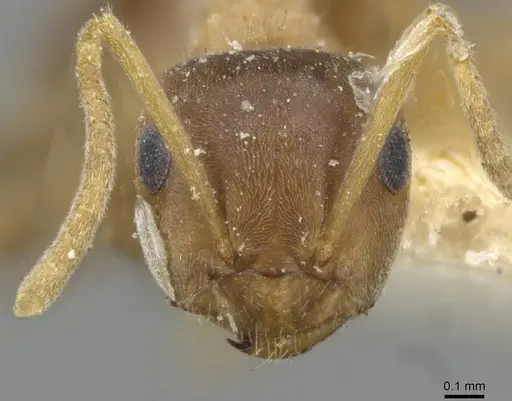
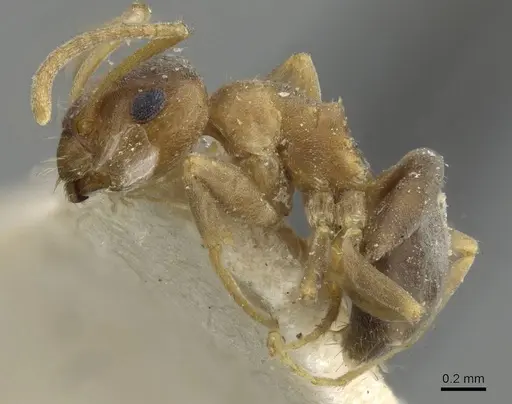
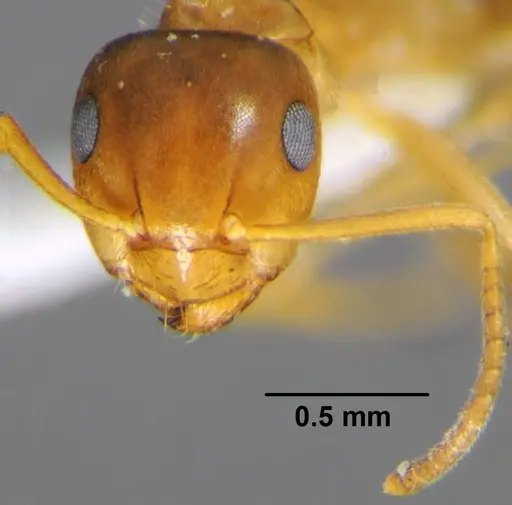
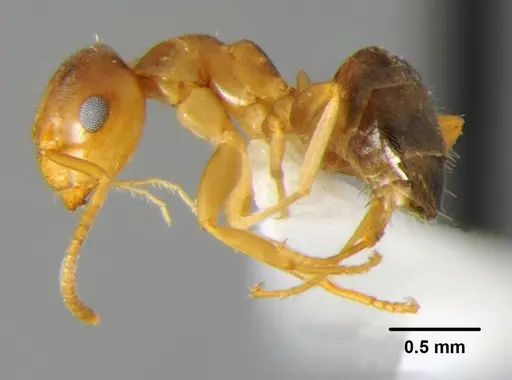
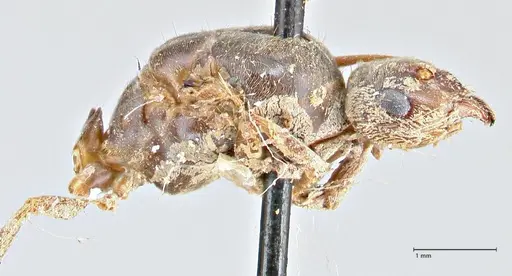
Lasius brunneus is a bicolored arboreal ant native to Europe and parts of Asia. Workers measure 2–4 mm with a distinctive color pattern: a yellowish-brown head and mesosoma contrasting sharply with a dark brown to black gaster . Queens are 6.5–8.5 mm and dark brown . This species is strongly tied to deciduous trees, nesting in dead wood, under bark, or in tree hollows from the trunk base up into the branches . Unlike many ants, they are extremely timid and secretive – when their nest is opened, workers immediately flee and hide in crevices rather than defend . They avoid open spaces and light, moving along tree trunks and bark ridges . Their primary food source is honeydew from tree aphids, particularly the large Stomaphis species, though they also scavenge small insects . They are found across most of Europe, from Britain and Iberia east to the Caucasus and Turkey .
Quick Summary
- Difficulty: Easy
- Origin & Habitat: Europe and western Asia – found in deciduous forests, parks, and gardens. In the wild, they nest exclusively in dead or decaying wood of deciduous trees like oak, beech, elm, and poplar, from the root area up into the main branches, often 3–12 m above ground [4][3][5].
- Colony Type: Monogyne (single queen colonies). Queens may occasionally be accepted back into the mother colony after nuptial flights, suggesting potential for temporary polygyny in some populations [3][6].
- Size & Growth:
- Queen: 6.5–8.5 mm [3]
- Worker: 2–4 mm [1][2]
- Colony: Up to approximately 10,000 workers, based on estimates from related species, mature colonies may reach 100,000 workers after 10 years [7][5]
- Growth: Moderate
- Development: Approximately 5–6 weeks under favorable conditions [5] (Development time is temperature-dependent, faster in warmer conditions. First workers (nanitics) are smaller than mature workers.)
- Antkeeping:
- Temperature: Keep at room temperature, around 18–22°C. They prefer cooler conditions and are less thermophilic than related species like Lasius emarginatus [8][9]. Avoid prolonged heat above 28°C.
- Humidity: Moderate humidity with a gradient. Despite being found in drier habitats in nature, they require some moisture. Keep the nest substrate slightly dry but provide a water source. Avoid waterlogging [10][11].
- Diapause: Yes – requires winter hibernation. In their natural range, colonies become inactive from November to January. Reduce temperature to around 5–10°C during winter dormancy [7].
- Nesting: Best kept in setups that mimic their natural arboreal habitat. Y-tong (AAC) nests or wooden formicaria work well. You can also use test tubes with wood shavings or small twigs to simulate decaying wood. They prefer dark, enclosed spaces and will readily colonize wood-based nests. Place nest in a shaded area away from direct sunlight.
- Behavior: Extremely timid and non-aggressive. Workers will flee rather than fight when threatened. They avoid open surfaces and light, traveling along bark and in crevices. Foraging is primarily arboreal – they climb trees to reach aphid colonies in the canopy. They do not sting and pose no danger to keepers. Their small size (2–4 mm) means escape prevention is important – use fluon on exposed edges and fine mesh on ventilation.
- Common Issues: colonies often go unnoticed for years due to their secretive nature – infestations may not be discovered until swarming occurs., can become structural pests in buildings when they nest in moist, decaying wood, they are common house ants in some regions [15][5]., very small workers can escape through tiny gaps – fine mesh and tight-fitting lids are essential., slow to establish in captivity – give them time to settle and avoid disturbing newly founded colonies., may decline if aphid honeydew substitutes (sugar water/honey) are not consistently available, they rely heavily on liquid sugars., workers are sterile and cannot lay eggs, so colony growth depends solely on the queen [2].
Nuptial Flight Activity Analysis 513 observations
Flight Activity by Hour 513 observations
Lasius brunneus nuptial flight activity peaks around 14:00 during the afternoon. Activity is spread across a 21-hour window (00:00–20:00). Times may be influenced by human observation patterns.
Housing and Nest Setup
Lasius brunneus is an arboreal species that naturally nests in decaying wood, so your setup should reflect this. Y-tong (AAC) nests work very well because they provide the dark, enclosed spaces these ants prefer. You can also use wooden formicaria or custom wood-based setups. If using test tubes, add small pieces of wood, bark, or twigs to give them something to interact with and simulate their natural environment. Place the nest in a shaded area away from direct sunlight – these ants strongly avoid light. The outworld should include climbing structures like twigs or cork bark so workers can forage at height, mimicking their tree-climbing behavior in the wild. A water tube is essential, but avoid over-wetting the nest substrate, a moisture gradient (one dry end, one slightly moist) is ideal [4][3].
Feeding and Diet
In the wild, Lasius brunneus feeds primarily on honeydew from tree aphids, especially the large Stomaphis species that live on oak and other deciduous trees [4][1]. They also supplement their diet with small insects captured in the tree canopy. In captivity, you should provide a constant sugar source (sugar water, honey, or diluted honey) and regular protein. For protein, small insects like fruit flies, pinhead crickets, or mealworm pieces work well. Since they are arboreal foragers, place food elevated in the outworld rather than on the ground – they prefer to eat where they can climb. Fresh sweet fruit is often readily accepted. Avoid overfeeding protein as it can spoil quickly in their setup. They have been recorded tending aphids on a wide variety of host plants [12][13].
Temperature and Seasonal Care
Keep your colony at room temperature, ideally between 18–22°C. This species is less heat-tolerant than other Lasius species like L. emarginatus – they prefer cooler, shadier conditions [8][9]. During the active season (spring through autumn), normal room temperature is fine. In winter, they require a hibernation period. Reduce temperatures to 5–10°C (a garage or unheated room works well) from November through January. Some keepers in heated homes skip hibernation, but this may stress the colony long-term and reduce lifespan. If you skip hibernation, keep the colony slightly cooler than typical room temperature. Activity naturally declines in autumn as the colony prepares for winter rest [7].
Behavior and Handling
Lasius brunneus is one of the most timid ant species you can keep. When their nest is disturbed, workers immediately scatter and hide rather than attacking [4][1]. This makes them easy to handle but also means they are not particularly entertaining to watch – they spend most of their time hidden in the nest or moving along cover. Workers avoid open spaces and light, traveling along edges and in crevices. They are not aggressive and do not sting. Their small size (2–4 mm) means they can slip through tiny gaps, so check your setup regularly for escapes. Despite their shyness, established colonies can become quite populous, and you will see workers moving in characteristic quick bursts along branches or nest edges. In nature, they often use sawdust to cover cracks and create protected tunnels under bark [1][14]. They are also known to nest in buildings, causing occasional structural issues when moisture is present [15][5].
Colony Development
A newly mated queen will seal herself into a small chamber (typically under bark or in wood crevices,3–12 m above ground in the wild) and lay her first eggs within 1–4 weeks [5]. She raises the first brood alone, living off her body fat and degenerating flight muscles. The first workers (nanitics) emerge after about 5–6 weeks and are smaller than mature workers. The colony grows slowly at first – in the second year, workers number in the hundreds. By year 10,colonies can reach 100,000 workers [5]. In captivity, expect moderate growth over several years. The queen can live for many years, and colonies can persist indefinitely with proper care. Nuptial flights occur from June to July, earlier than most other Lasius species [4][3][5]. After swarming, queens may sometimes be accepted back into the mother colony, which can lead to temporary polygyny [3][6].
Ecology and Natural History
Lasius brunneus is a dendrophilous (tree-dwelling) species that plays an important role in forest ecosystems. It forms mutualistic relationships with numerous aphid species, especially Stomaphis quercus, and actively protects them from predators in exchange for honeydew [1][2]. Workers are known to build protective covers (stalls) over aphid colonies using soil particles and debris [16]. This species is also a major host for many myrmecophilous beetles and other arthropods, including rare pselaphid beetles [17][18]. It serves as a host for the temporary social parasites Lasius umbratus and Lasius citrinus [19][20]. In cork oak plantations, L. brunneus can become a significant pest by tunneling into the cork layer, reducing its quality and commercial value [1][2]. Populations in Catalonia show infestation rates of up to 56% in some areas [1]. The species is also common in urban and suburban settings, frequently found in parks, gardens, and even inside buildings [15][5].
Frequently Asked Questions
Can I keep Lasius brunneus in a test tube?
Yes, but they do better in wood-based nests. Test tubes work for founding colonies, but add wood shavings or small twigs to give them something to interact with. For established colonies, Y-tong or wooden formicaria are more suitable [4][3].
How long until first workers appear?
Expect first workers (nanitics) approximately 5–6 weeks after the queen lays her eggs, depending on temperature. Warmer conditions speed development slightly [5].
What do Lasius brunneus eat?
Their primary food is honeydew from aphids. In captivity, provide constant sugar water or honey, plus small insects for protein. They readily accept sweet liquids and fruit [4][1].
Are Lasius brunneus good for beginners?
Yes, they are relatively easy to keep. They are not aggressive, do not require special heating, and are forgiving of minor care mistakes. The main challenges are their small size (escape prevention) and preference for dark, quiet conditions. Also, they need a consistent sugar source [3].
Do they need hibernation?
Yes, they benefit from a winter rest period. Reduce temperatures to 5–10°C from November to January. Skipping hibernation may shorten the colony's lifespan and reduce vigor [7].
Why are my ants hiding all the time?
This is normal behavior – Lasius brunneus is extremely secretive and light-averse. They prefer dark spaces and will remain hidden unless foraging. This is not a problem if workers are occasionally seen collecting food [4][1].
Can I keep multiple queens together?
Not recommended for captivity. While wild colonies may occasionally accept multiple queens temporarily, founding colonies with multiple unrelated queens typically results in fighting. Start with a single queen for best success [3][6].
Do they cause damage in houses?
They can nest in moist, decaying wood in buildings, especially in beams and insulation, and may cause structural damage if left unchecked. However, they are not as destructive as true carpenter ants. They are considered a common house ant in parts of central Europe [15][5].
When is the nuptial flight of Lasius brunneus?
The nuptial flight of Lasius brunneus typically occurs From May to June.
What time of day does Lasius brunneus fly?
The nuptial flight of Lasius brunneus peaks around 14:00 during the afternoon, with most activity between 00:00 and 20:00. Times may be influenced by human observation patterns.
Report an Issue
The current care sheet is based fully on literature. See inconsistencies, or something that's incorrect? Please , it will be resolved after review from an admin. Contributing to the blogs tab also helps providing information, to make us be able to further improve the caresheets. Thank you for your support!
References

This caresheet is licensed under CC BY-SA 4.0 .
Community Blogs
ANTWEB1041436
View on AntWeb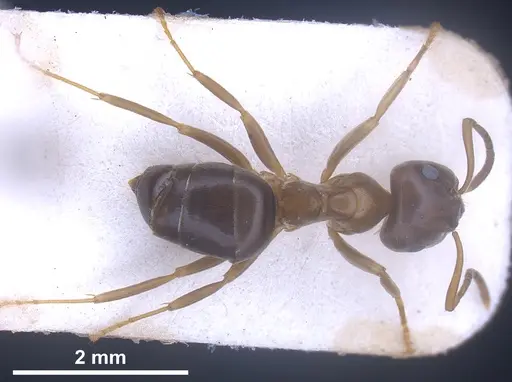
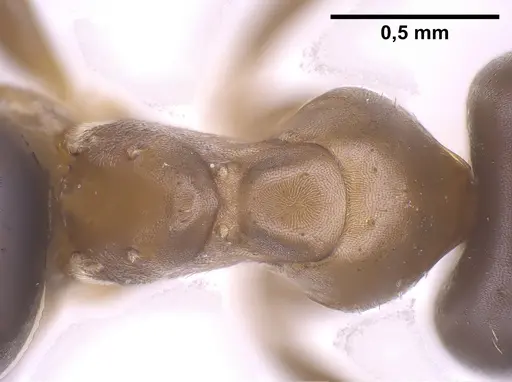
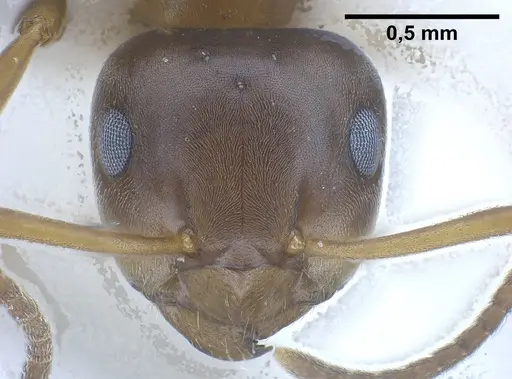
CASENT0172717
View on AntWeb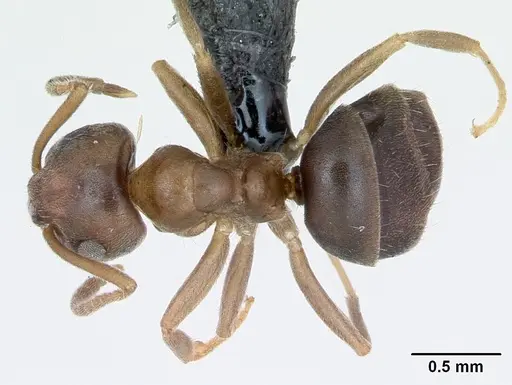
CASENT0172745
View on AntWeb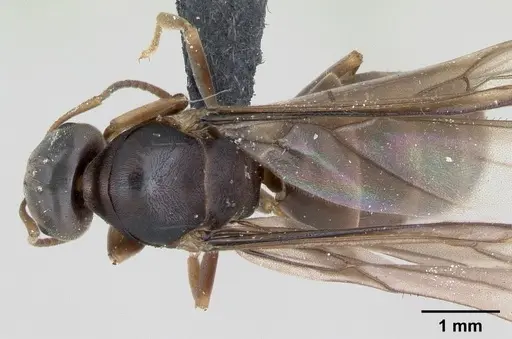
CASENT0172746
View on AntWeb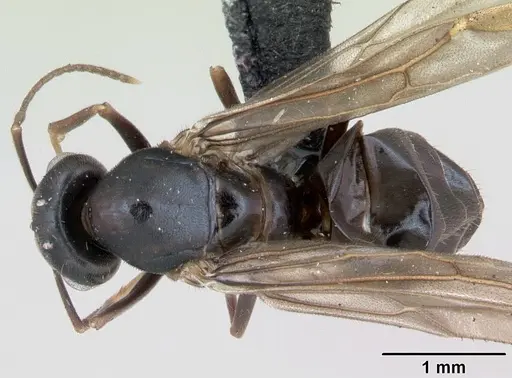
CASENT0179886
View on AntWeb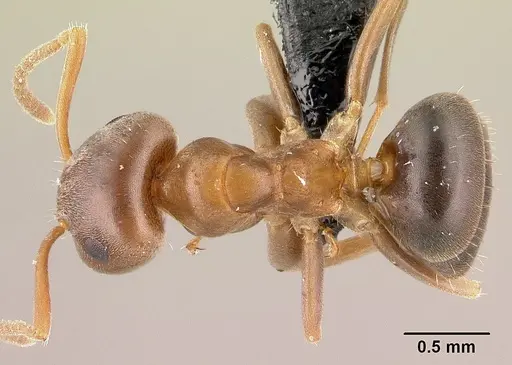
CASENT0179917
View on AntWeb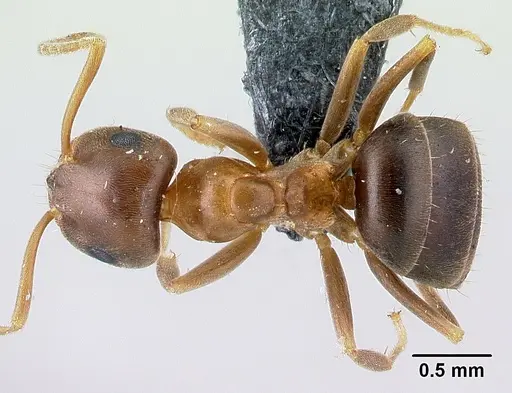
CASENT0280440
View on AntWeb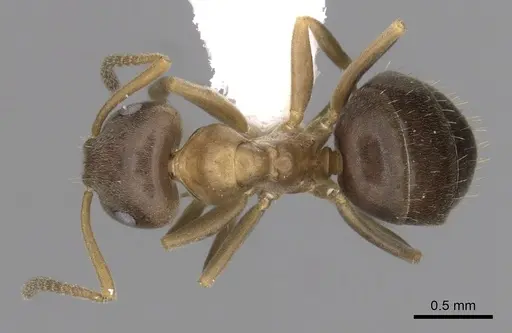
CASENT0911044
View on AntWeb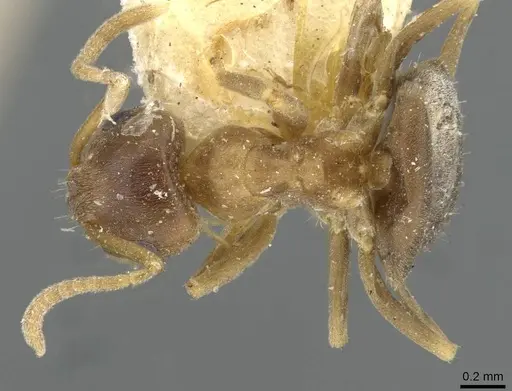
CFH000052
View on AntWeb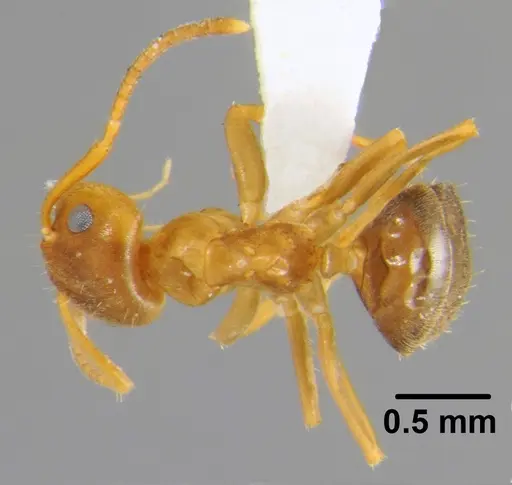
FOCOL2737
View on AntWeb
Literature
Loading distribution map...Loading products...