
Lasius brevipalpus
- Sci. Name
- Lasius brevipalpus
- Tribe
- Lasiini
- Subfamily
- Formicinae
- Author
- Seifert, 2020
- Distribution
- Found in 1 countries
Introduction
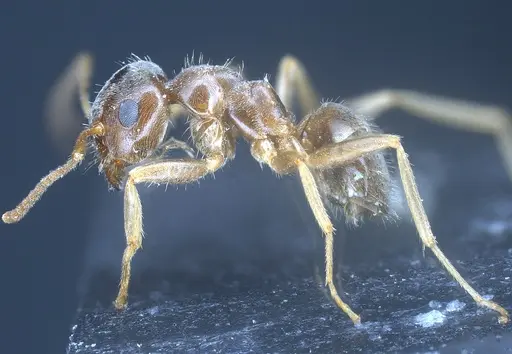
Lasius brevipalpus is a tiny, recently described ant species from the Lasius niger clade, discovered only in eastern Kazakhstan. Workers are small, measuring approximately 3-4mm in body length - among the smallest in the genus. They have a relatively large head and long antennae (scape), but the feature that gives them their name is their notably short maxillary palps. Their body coloration is uniform medium brown to light yellowish-brown, with paler antennae, tibiae, and tarsi. This species is known only from a limited area of sandy dunes and Artemisia steppe in eastern Kazakhstan at 496m elevation .
Quick Summary
- Difficulty: Unknown, limited data available
- Origin & Habitat: Eastern Kazakhstan at 47.7°N,85°E,496m elevation. They live in a staggered array of very shallow sand dunes with a poor herb layer, transitioning to humid Artemisia steppe in deeper areas. Samples were collected from sandy soil in humid parts and sand dunes [1].
- Colony Type: Unconfirmed, no published data on colony structure. Based on genus-level patterns for Lasius, likely single-queen colonies.
- Size & Growth:
- Queen: size data unavailable, queen caste has not been described in scientific literature
- Worker: approximately 3-4mm, inferred from small Lasius genus patterns [1]
- Colony: Unknown, only known from type specimens
- Growth: Unknown, no development data available
- Development: Unconfirmed, no species-specific data available (No direct data exists for this species.)
- Antkeeping:
- Temperature: Start around 20-24°C and observe colony activity. This species comes from a continental climate with warm summers and cold winters, so room temperature should be suitable [1].
- Humidity: Likely prefers dry to moderate conditions given the sandy dune habitat. Provide a moisture gradient with a damp section and a drier section so ants can self-regulate.
- Diapause: Likely required, this species is from a temperate region with cold winters. Expect a 2-3 month winter rest period around 5-10°C.
- Nesting: No captive nesting data exists. In nature they nest in sandy soil. For captivity, a Y-tong or test tube setup with sand-based substrate would be appropriate. Keep the nest relatively dry.
- Behavior: No behavioral observations have been published. Based on genus patterns, they are likely docile like other Lasius species. Their small size means escape prevention is critical, they can squeeze through extremely small gaps. Handle with care as they are fragile due to their small size.
- Common Issues: escape prevention is critical due to their small worker size, no captive breeding data exists, establishing a colony may be challenging, limited distribution means wild colonies are rarely available, humidity requirements are not well understood, start with moderate levels and observe, temperature tolerance is unconfirmed, monitor for stress signs
Discovery and Taxonomy
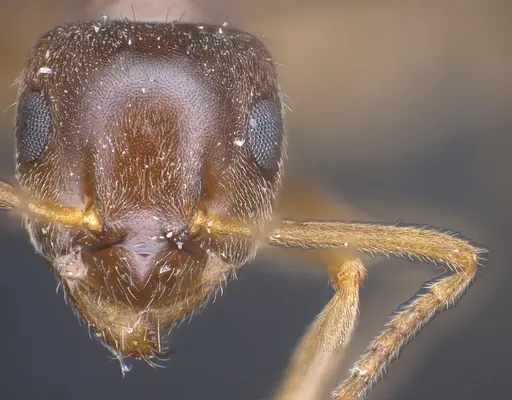
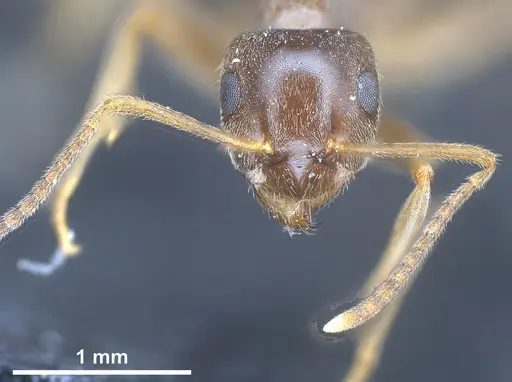
Lasius brevipalpus was only recently described in 2020 by Bernhard Seifert, making it one of the newest recognized ant species. It belongs to the Lasius niger clade, a group of closely related species that can be difficult to distinguish morphologically. The species name literally means 'short palps' in Latin, referring to its most distinguishing feature, the notably short terminal segment of its maxillary palps. This character, combined with its long scape (antenna), large head, and long pronotal setae, separates it from all other Asian Lasius species. The type series was collected from a very specific habitat in eastern Kazakhstan: a complex of shallow sand dunes interspersed with humid Artemisia steppe [1].
Natural Habitat
This species is known only from its type locality in eastern Kazakhstan, at an elevation of 496 meters. The habitat consists of a staggered array of very shallow sand dunes with a very sparse herb layer, transitioning into more humid Artemisia (wormwood) steppe in the deeper areas. All specimens were collected from sandy soil, four samples from humid parts of the site and one from an actual sand dune. This suggests the species prefers well-drained, sandy substrates in semi-open steppe environments. The region experiences a continental climate with hot summers and cold winters, which influences the ant's seasonal activity patterns [1].
Identification and Morphology
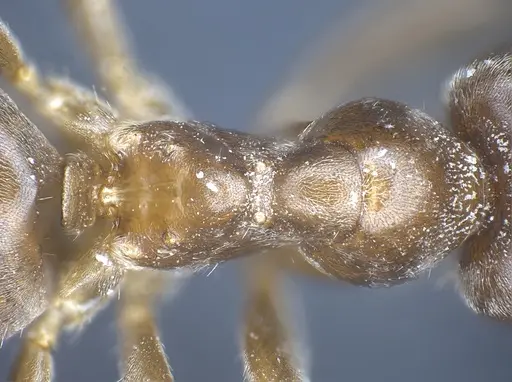
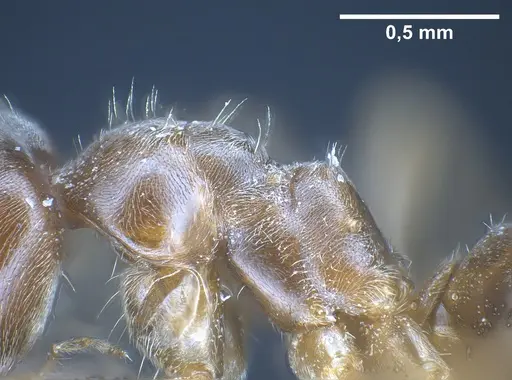
Workers of Lasius brevipalpus are small, measuring approximately 3-4mm in body length, making them among the smaller Lasius species. They have a relatively large head and long antennae (scape), but their most distinctive feature is the short maxillary palp segment that gives them their name. The body is covered in sparse hairs, though the pronotal setae are notably long. Their coloration is fairly uniform, medium brown to light yellowish-brown overall, with noticeably paler antennae, tibiae, and tarsi. This combination of long scape, short palps, long pronotal setae, and low gular setae numbers distinguishes them from any similar species in Asia [1].
Housing and Nesting
Since this is a newly described species with no captive husbandry history, we must extrapolate from related Lasius species. In nature they nest in sandy soil in semi-open steppe areas. For captivity, a small test tube setup works well for founding colonies, transitioning to a small formicarium with sand-based substrate as the colony grows. The nest should be relatively dry, avoid overly damp conditions given their dune/steppe origins. Provide a moisture gradient by keeping part of the nest moist and part dry, allowing the ants to self-regulate. Because workers are small, excellent escape prevention is essential, use fine mesh and ensure all connections are sealed tightly.
Feeding
No specific dietary data exists for this species. Based on typical Lasius behavior, they likely feed on honeydew from aphids and small insects. In captivity, offer sugar water or honey regularly, along with small protein sources like fruit flies, pinhead crickets, or other tiny arthropods. Because of their small size, prey items should be appropriately scaled. Feed sugar sources constantly and protein 2-3 times per week. Remove uneaten food promptly to prevent mold.
Temperature and Seasonal Care
This species comes from a continental climate in Kazakhstan, so they experience distinct seasons. Room temperature (20-24°C) should be suitable for active periods. During winter, they will likely require a diapause (hibernation) period of 2-3 months at cool temperatures around 5-10°C, mimicking the cold winters in their native habitat. Reduce feeding during this period and allow the colony to slow down naturally. In summer, the colony should be active and growing. Watch for signs of temperature stress, if workers cluster away from heat sources or become sluggish, adjust accordingly.
Frequently Asked Questions
How long does it take for Lasius brevipalpus to produce first workers?
The egg-to-worker timeline is unconfirmed for this species. No species-specific development data is available. Expect several weeks to months from egg to first worker at room temperature (20-24°C).
What do Lasius brevipalpus ants eat?
No species-specific dietary data exists. Based on related Lasius species, they likely accept sugar sources (honey water, sugar water) and small protein prey like fruit flies, springtails, or other tiny arthropods. Offer sugar constantly and protein several times per week.
Do Lasius brevipalpus ants need hibernation?
Yes, hibernation is likely required. This species is from Kazakhstan with cold winters. Provide a 2-3 month diapause period at 5-10°C during winter months. Reduce feeding and allow the colony to slow down naturally.
How big do Lasius brevipalpus colonies get?
Colony size is unknown, this is a newly described species with no published colony data.
Are Lasius brevipalpus good for beginners?
This species is not recommended for beginners due to the lack of captive husbandry data and their small size. They are better suited for experienced antkeepers who can provide careful attention to escape prevention and whose conditions can accommodate such a small species.
Can I keep multiple Lasius brevipalpus queens together?
Colony structure is unconfirmed for this species. Most Lasius are monogyne (single queen), but some can be polygyne. Do not attempt to combine unrelated foundress queens without research specific to this species.
What temperature should I keep Lasius brevipalpus at?
Start around 20-24°C and observe colony behavior. This species comes from a continental climate with warm summers, so room temperature should be suitable. Provide a temperature gradient if possible so ants can self-regulate.
How do I prevent Lasius brevipalpus from escaping?
Escape prevention is important due to their small worker size. Use fine mesh, seal all connections with fluon or other barriers, and ensure lids fit tightly. Check for gaps regularly.
What humidity level do Lasius brevipalpus need?
Humidity requirements are not well documented. Based on their sandy dune/steppe habitat, they likely prefer dry to moderate conditions. Provide a moisture gradient with both damp and dry areas in the nest.
Report an Issue
The current care sheet is based fully on literature. See inconsistencies, or something that's incorrect? Please , it will be resolved after review from an admin. Contributing to the blogs tab also helps providing information, to make us be able to further improve the caresheets. Thank you for your support!
References

This caresheet is licensed under CC BY-SA 4.0 .
Community Blogs
ANTWEB1041434
View on AntWeb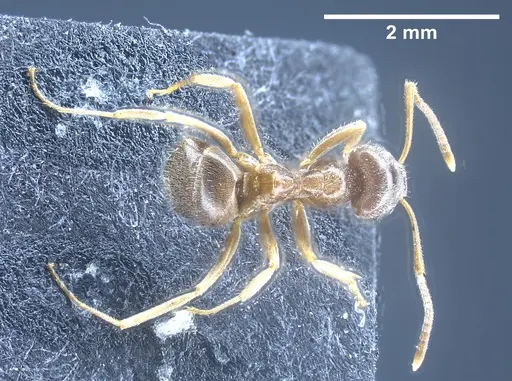
Literature
Loading distribution map...Loading products...