
Lasiophanes valdiviensis
- Sci. Name
- Lasiophanes valdiviensis
- Tribe
- Melophorini
- Subfamily
- Formicinae
- Author
- Forel, 1904
- Distribution
- Found in 2 countries
Introduction
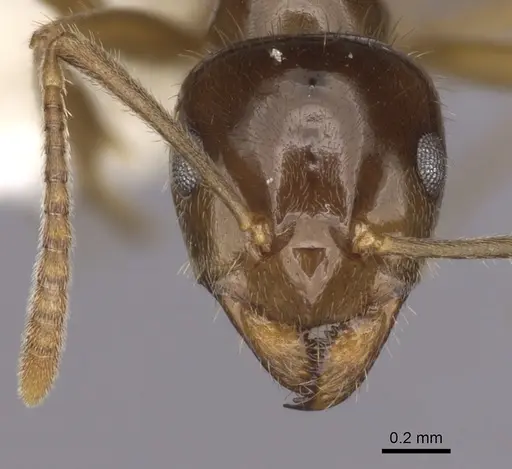
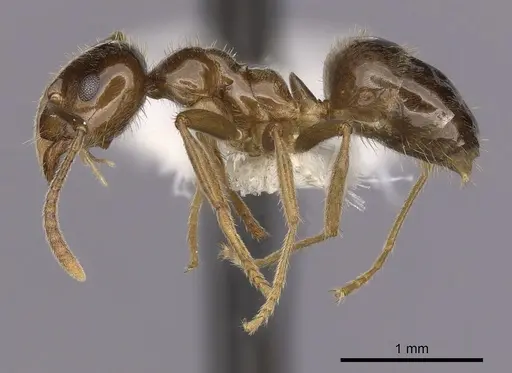
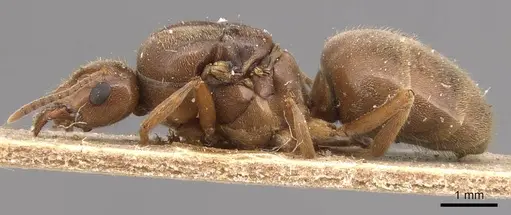
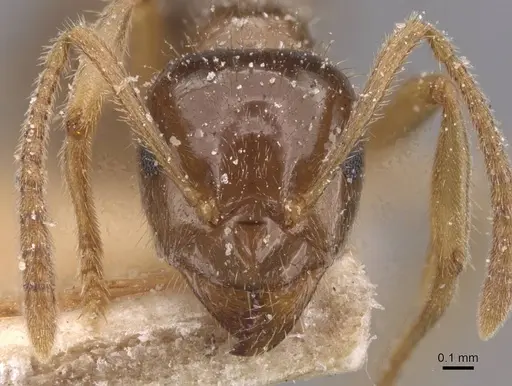
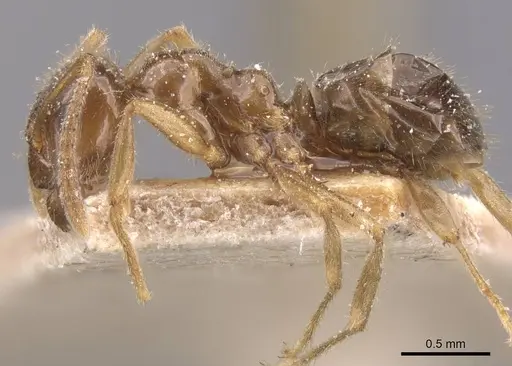
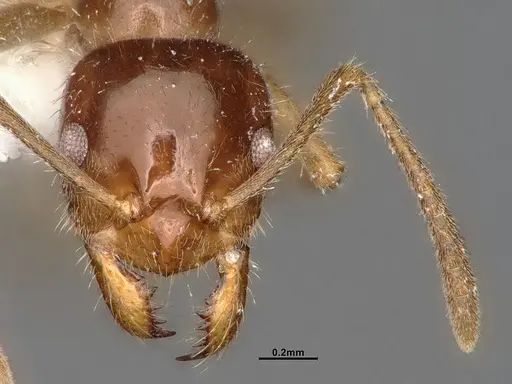
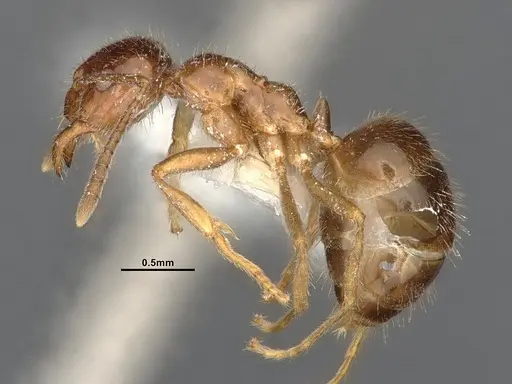
Lasiophanes valdiviensis is a small ant species endemic to Chile and Argentina . Workers are dark in coloration. This species belongs to the subfamily Formicinae and tribe Melophorini, a group that includes honeypot ants. The species was originally described from Chile and has been documented across a distribution range from Santiago to Petrohué in Chile . It was historically placed in the genus Melophorus before being transferred to Lasiophanes . This ant is part of Chile's native ant fauna and has been observed in both Mediterranean and southern Chilean regions, as well as in the Metropolitan Region's Rio Clarillo Reserve where it was found in foliage and on soil surfaces during spring surveys .
Quick Summary
- Difficulty: Unknown, limited data available
- Origin & Habitat: Endemic to Chile and Argentina, found from Santiago to Petrohué in central-southern Chile. Inhabits Mediterranean climate zones in the north of its range and extends into southern regions. Found in both foliage and soil surface environments [4][2][1].
- Colony Type: Colony structure is unconfirmed. No data available on whether this species is monogyne (single queen) or polygyne (multiple queens).
- Size & Growth:
- Queen: Size data unavailable, no direct measurements exist for this species. Based on typical Melophorini patterns, queens are likely in the 5-7mm range.
- Worker: Size data unavailable, no direct measurements exist for this species. Based on typical Melophorini patterns, workers are likely in the 3-5mm range.
- Colony: Unknown, no colony size data available
- Growth: Unknown, no development timing data available
- Development: Estimated 6-10 weeks based on typical Formicinae development at warm temperatures, this is a rough estimate based on related genera (No species-specific development data exists. Estimates based on typical Formicinae patterns. Temperature-dependent development is likely, as with most ants.)
- Antkeeping:
- Temperature: Keep at room temperature range (18-24°C). No specific thermal requirements documented, but the species inhabits temperate to warm regions of Chile, so moderate warmth is appropriate. A gentle gradient allowing workers to choose their preferred temperature is recommended.
- Humidity: Moderate humidity similar to Chilean Mediterranean conditions. Keep nest substrate slightly moist but not waterlogged. Provide a moisture gradient so ants can self-regulate.
- Diapause: Unknown, no documented overwintering requirements. Chile has seasonal temperature variations, so a cool period during winter months may be beneficial, but specific diapause requirements are unstudied.
- Nesting: No specific nesting data available. Based on related Melophorini and Chilean ant ecology, they likely nest in soil or under stones. In captivity, standard formicarium setups with soil or plaster work well. Provide moderate humidity and avoid completely dry conditions.
- Behavior: Behavior is poorly documented. As a Formicine ant in the Melophorini tribe, they likely have typical Formicinae behaviors including ability to excrete formic acid as a defense. No specific aggression levels, foraging patterns, or escape risk assessments are available for this species. Use standard escape prevention practices appropriate for ants of their size range.
- Common Issues: limited biological data makes specific care recommendations difficult, no documented temperature or humidity preferences, keepers must experiment, colony structure unknown, queen number and founding behavior unconfirmed, no information on diet preferences or accepted foods in captivity, hibernation requirements unknown, seasonal care is speculative
Species Overview and Distribution
Lasiophanes valdiviensis is a Chilean and Argentine endemic ant species that was originally described by Forel in 1904 from Chilean specimens. The species has undergone taxonomic revisions, with several synonyms including Lasiophanes pilosulus, Lasiophanes uxorius, and Lasiophanes bolivari all now recognized as junior synonyms of L. valdiviensis [3]. The distribution range spans from Santiago in central Chile south to Petrohué in the southern part of the country [2]. This species is considered endemic to Chile, meaning it is found nowhere else in the world [1]. It has been documented in both Mediterranean climate zones in the northern part of its range and extends into southern Chilean regions [4]. Field studies in the Rio Clarillo Reserve in the Metropolitan Region have recorded this species in spring surveys, finding it in both foliage and on soil surfaces, suggesting it forages at multiple levels within its habitat [4].
Taxonomy and Classification
Lasiophanes valdiviensis belongs to the subfamily Formicinae within the tribe Melophorini. The genus Lasiophanes contains several species native to South America, particularly Chile. This species was originally described in the genus Melophorus before being transferred to Lasiophanes by Wheeler in 1935 [3]. The tribe Melophorini includes various ant genera, many of which are known for their ability to store liquid food in their abdomens (like honeypot ants), though not all species exhibit this behavior. As a Formicine ant, this species possesses the ability to produce formic acid as a defensive secretion, a characteristic of the subfamily. The species was formally described by Forel in 1904 based on worker specimens collected from Chile [3].
Housing and Nesting
No specific captive nesting data exists for this species. Based on field observations showing them in both foliage and soil surface environments, they appear to be generalists in their nesting preferences [4]. For captive care, standard formicarium setups work as a starting point. A nest with soil or plaster substrate maintaining moderate humidity is recommended. Since their natural habitat spans from Mediterranean central Chile to southern regions, they likely tolerate a range of conditions. Provide a moisture gradient within the nest so workers can self-regulate their humidity exposure. Outworld space should allow for foraging, and like most ants, they will need access to water. Escape prevention should be standard, while no specific escape risk data exists, using appropriate barriers for ants of their size range is advisable.
Feeding and Diet
No specific dietary studies exist for Lasiophanes valdiviensis. As a member of the Formicinae subfamily, they likely have omnivorous feeding habits typical of this group, which includes consuming nectar, honeydew, small insects, and scavenged organic matter. In captivity, a standard ant diet of sugar water or honey water, along with protein sources like small insects (fruit flies, small mealworms, crickets) is a reasonable starting point. Related Melophorini species are known to be opportunistic feeders, so acceptance of various food types is probable. Start with sugar water as an energy source and protein prey items, then observe what the colony accepts. Remove uneaten food to prevent mold issues.
Temperature and Seasonal Care
No specific temperature requirements are documented for this species. Their natural range from Santiago to Petrohué spans temperate to cool-temperate climate zones in Chile, suggesting they can tolerate a range of temperatures [2]. Room temperature conditions (18-24°C) are likely appropriate as a starting point. A temperature gradient within the nest allows workers to self-regulate. Regarding seasonal care and potential hibernation, no data exists on whether this species requires a cold period. Chile experiences seasonal temperature variations, so a natural cooling period during winter months may be beneficial, but specific diapause requirements are unstudied. Keepers should monitor colony activity levels and adjust temperatures accordingly, if the colony becomes less active in winter, a brief cool period around 10-15°C may be appropriate.
Colony Development and Growth
No species-specific data exists on colony development, founding behavior, or growth rates for Lasiophanes valdiviensis. Founding behavior is unconfirmed for this species. Development time from egg to worker is estimated at 6-10 weeks based on related Formicinae species, though this is a rough approximation. Colony size in the wild is unknown. Keepers establishing new colonies should expect a slow initial growth phase during the founding period, followed by gradual worker production. Patience is essential, as detailed development timelines for this species do not exist in scientific literature.
Frequently Asked Questions
How long does it take for Lasiophanes valdiviensis to produce first workers?
This is unknown, no species-specific development data exists. Based on typical Formicinae patterns, expect approximately 6-10 weeks from egg to first worker at warm temperatures (around 24°C). This is a rough estimate, as actual timing may vary.
What do Lasiophanes valdiviensis ants eat?
No specific dietary studies exist for this species. Based on related Formicinae ants, they likely accept sugar sources (honey water, sugar water) and protein (small insects like fruit flies, mealworms). Start with these standard ant foods and observe acceptance.
What temperature should I keep Lasiophanes valdiviensis at?
No specific thermal requirements are documented. Room temperature (18-24°C) is a safe starting point. Their Chilean distribution suggests moderate warmth is appropriate. A temperature gradient allowing self-regulation is recommended.
Do Lasiophanes valdiviensis ants need hibernation?
Unknown, no documented hibernation or diapause requirements exist. Chile has seasonal temperature variations, so a natural cool period during winter months may be beneficial. If colony activity decreases in winter, a brief period around 10-15°C may be appropriate.
Is Lasiophanes valdiviensis a good species for beginners?
This cannot be determined with available data. This species has very limited biological information available, making specific care recommendations difficult. Experienced antkeepers comfortable with experimental care approaches would be better suited to work with this species until more information is gathered.
How big do Lasiophanes valdiviensis colonies get?
Unknown, no colony size data is available for this species.
Can I keep multiple Lasiophanes valdiviensis queens together?
Unknown, no data exists on colony structure (monogyne vs polygyne) for this species. The colony type has not been documented in scientific literature. Without this information, combining unrelated queens is not recommended.
Where is Lasiophanes valdiviensis found in the wild?
This species is endemic to Chile and Argentina. The known distribution ranges from Santiago in central Chile south to Petrohué in southern Chile. It has been documented in both Mediterranean climate zones and southern regions, and has been found in the Metropolitan Region's Rio Clarillo Reserve.
What is the best nest type for Lasiophanes valdiviensis?
No specific nesting data exists for this species. Based on field observations showing them in both foliage and soil surface environments, a standard formicarium with soil or plaster substrate maintaining moderate humidity is recommended. Provide a moisture gradient for self-regulation.
Report an Issue
The current care sheet is based fully on literature. See inconsistencies, or something that's incorrect? Please , it will be resolved after review from an admin. Contributing to the blogs tab also helps providing information, to make us be able to further improve the caresheets. Thank you for your support!
References

This caresheet is licensed under CC BY-SA 4.0 .
Community Blogs
CASENT0280430
View on AntWeb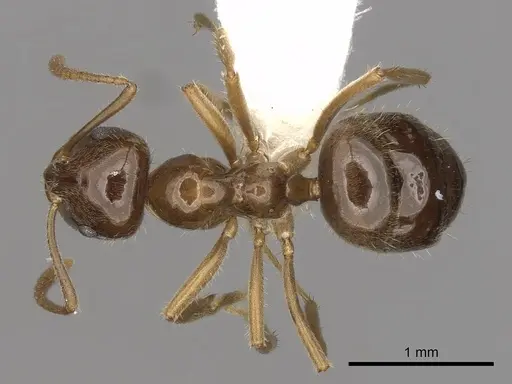
CASENT0905130
View on AntWeb
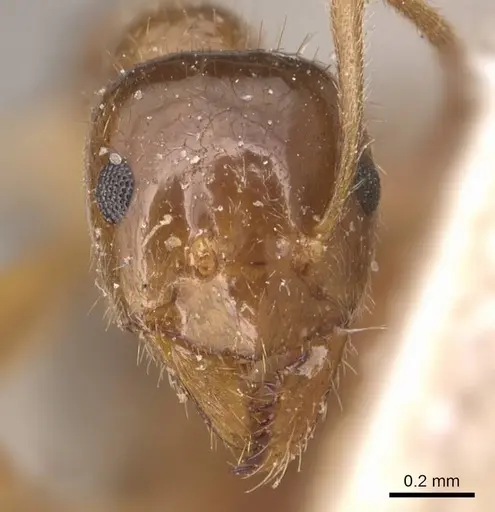
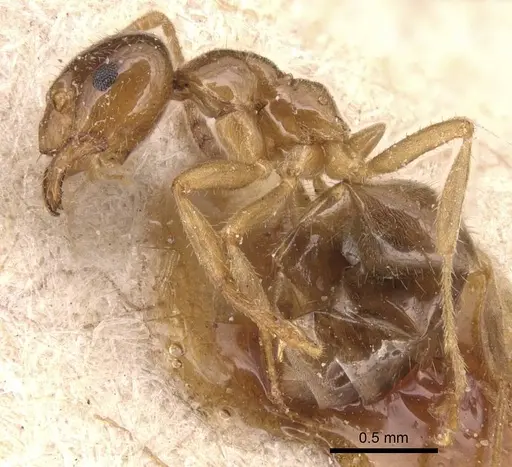
CASENT0905132
View on AntWeb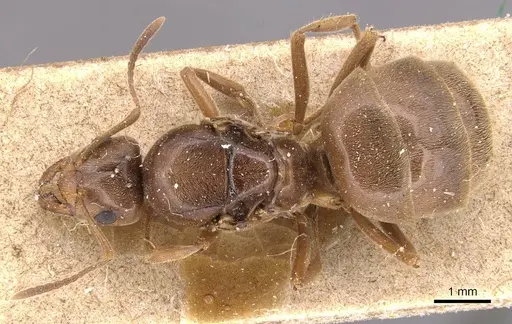
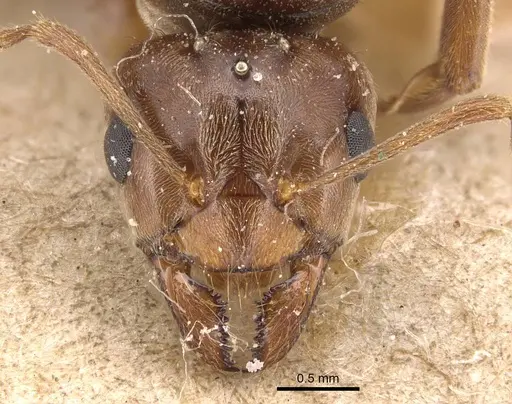
CASENT0909831
View on AntWeb
CASENT0912332
View on AntWeb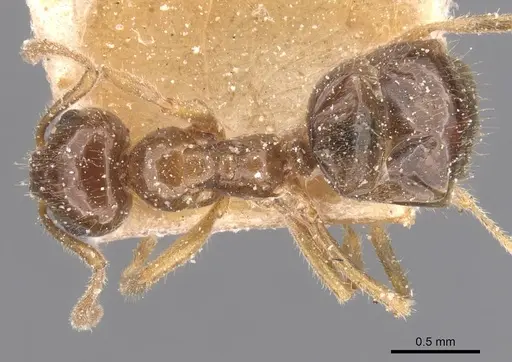
CASENT4031893
View on AntWeb
Literature
Loading distribution map...Loading products...