
Lasiophanes hoffmanni
- Sci. Name
- Lasiophanes hoffmanni
- Tribe
- Melophorini
- Subfamily
- Formicinae
- Author
- Forel, 1903
- Distribution
- Found in 1 countries
Introduction
Lasiophanes hoffmanni is a medium-sized ant native to Chile, belonging to the Formicinae subfamily. This species is found exclusively in central and southern Chile, from Zapallar to Puerto Varas . These ants are highly specialized survivors of Chile's temperate forests, perfectly adapted to cool, damp conditions. Unlike many ants that thrive in warm, dry environments, Lasiophanes hoffmanni has evolved to depend on constant moisture and moderate temperatures - making them a unique challenge for keepers who must replicate their foggy forest habitat.
Quick Summary
- Difficulty: Medium
- Origin & Habitat: Central to southern Chile, specifically the temperate forest regions from Zapallar to Puerto Varas. In the wild, they nest in damp, rotting logs in shaded forest understory [2].
- Colony Type: Colony structure is unconfirmed for this species.
- Size & Growth:
- Queen: size data unavailable
- Worker: size data unavailable
- Colony: Unknown for this specific species
- Growth: Moderate, inferred from temperate climate adaptation
- Development: Development timeline is unconfirmed for this species (Development is likely slower than tropical species due to their cool native habitat)
- Antkeeping:
- Temperature: Keep cool, aim for 15-20°C. This species strongly prefers low temperatures and will struggle in warm conditions. Room temperature (around 18-20°C) is ideal. Avoid any heating, they are one of the few ants that actually prefer cooler conditions [2].
- Humidity: High humidity is critical, they are very sensitive to dehydration. Keep nest substrate consistently damp but not waterlogged. Think damp forest floor, not wet swamp. Provide a water source but avoid flooding. Mist the outworld regularly and consider a moist cotton ball if using test tubes [2].
- Diapause: Likely yes, as a temperate species from Chile, they probably need a winter rest period. However, specific diapause requirements are unconfirmed for this species.
- Nesting: Damp rotting wood or test tube setups with excellent moisture retention. In captivity, they do well in test tubes with a water reservoir (cotton ball) that keeps the substrate consistently moist. Avoid dry nests entirely, dehydration kills them quickly [2].
- Behavior: These ants are crepuscular and nocturnal, they become active in the evening and night hours, not during bright daylight. They are relatively docile and not aggressive toward keepers. Workers forage on leaves of shrubs, where they visit extrafloral nectaries and capture small flies (Diptera) [2]. They are not known for stinging and pose no danger to humans. Escape risk is moderate, they are not particularly small but can climb well, so standard barriers work fine.
- Common Issues: dehydration is the #1 killer, these ants die quickly in dry conditions, keeping them too warm will stress or kill the colony, slow growth tests patience, don't expect rapid development, wild-caught colonies may have parasites specific to their native habitat, they are active at night so you may not see much evening activity
Housing and Nest Setup
Lasiophanes hoffmanni requires housing that mimics their native damp forest habitat. Test tube setups work well, use a cotton ball as a water reservoir to maintain constant humidity inside the tube. The tube should feel damp to the touch but not have standing water. For the outworld, provide a shallow water dish and mist regularly. Avoid any nest materials that dry out quickly like sand or plaster, these ants need consistent moisture. If using a formicarium, choose one that holds humidity well and keep the sponge or soil consistently moist. The key principle: if the air in your ant room feels comfortable to you, it's probably too dry for these moisture-loving ants. [2]
Feeding and Diet
In the wild, these ants are opportunistic feeders that forage on shrubs at night. They visit extrafloral nectaries (special nectar-producing glands on plants) and actively hunt small flies (Diptera) [2]. In captivity, offer a varied diet: sugar water or honey as an energy source, and small protein sources like fruit flies, small crickets, or mealworm pieces. Since they are nocturnal, place food in the outworld in the evening and check the next morning. They are not aggressive hunters but will accept small live prey. A small shallow water dish should always be available.
Temperature Management
This is perhaps the most critical aspect of keeping Lasiophanes hoffmanni successfully. Unlike most ant species that appreciate warmth, this species strongly prefers cool temperatures. Keep them at 15-20°C, room temperature in most homes is actually ideal. Never use heating cables, heat mats, or place the colony in direct sunlight. If your room runs warm (above 22°C), consider placing them in a cooler area like a basement or closet. Signs of heat stress include workers clustering at the coolest part of the nest, reduced activity, and eventually colony decline. These ants are genuinely cold-tolerant and will do better in cool conditions than warm ones. [2]
Humidity and Moisture
Lasiophanes hoffmanni is extremely sensitive to environmental dehydration. In their native Chile, they live in damp rotting logs in shaded forest areas, never dry, never too wet, but consistently moist. In captivity, check the test tube water level every week and refill before it runs completely dry. Mist the outworld every few days. The nest area should have visible condensation on the walls occasionally. If you see the ants constantly clustering around the water reservoir, humidity is too low. Conversely, if the tube is flooded or smells moldy, it's too wet. The goal is damp, not wet, like a wrung-out sponge. [2]
Activity Patterns
These ants are crepuscular and nocturnal, meaning they are most active during twilight hours and throughout the night. You will rarely see significant activity during daytime hours, this is normal, not a sign of problems. Workers emerge after sunset to forage on vegetation, searching for nectar and small insects. If you want to observe them, check the colony in the evening with a red light (ants cannot see red light well). This activity pattern also means they do well in rooms with minimal disturbance during the day. Their nocturnal lifestyle is an adaptation to avoid predators and reduce water loss in their cool, damp habitat. [2]
Frequently Asked Questions
Can I keep Lasiophanes hoffmanni in a test tube?
Yes, test tubes work well for this species. Use a water reservoir (cotton ball) to maintain humidity, and keep the tube in a cool location. The key is ensuring the tube stays consistently damp, check water levels weekly and refill before they run dry.
What temperature do Lasiophanes hoffmanni ants need?
Keep them cool, around 15-20°C is ideal. This is unusual because most ant species prefer warmth, but this Chilean species actually thrives in cooler conditions. Never use heating equipment.
How long until first workers with Lasiophanes hoffmanni?
Development timeline is unconfirmed for this species. Expect a slower development than many tropical ants due to their temperate climate adaptation. Be patient, development takes time.
Are Lasiophanes hoffmanni good for beginners?
They are intermediate-level due to their specific humidity and temperature requirements. They are NOT beginner-friendly like Lasius or Messor species. You must be able to maintain consistently damp conditions and keep them cool. If you can provide this, they are rewarding.
Why are my Lasiophanes hoffmanni dying?
The most likely cause is dehydration or heat stress. These ants die quickly in dry conditions and cannot tolerate warm temperatures. Check that the nest is damp, the water reservoir is filled, and the colony is not in a warm location.
What do Lasiophanes hoffmanni eat?
They feed on sugar sources (honey, sugar water) and protein (small flies, crickets, mealworms). In the wild they forage on shrubs and eat extrafloral nectar plus small Diptera (flies). Offer food in the evening since they are nocturnal.
Do Lasiophanes hoffmanni need hibernation?
Likely yes, as a temperate species from Chile, they probably need a winter rest period. However, specific diapause requirements are not well documented. If you keep them in a cool room (15°C or below) during winter, they will naturally slow down.
Can I keep multiple Lasiophanes hoffmanni queens together?
Colony structure is unconfirmed for this species. Without confirmed information about whether they are monogyne or polygyne, it is safest to keep only one queen per colony.
When should I move Lasiophanes hoffmanni to a formicarium?
Wait until the colony has reached a moderate size. Before that, a well-maintained test tube setup is actually better for humidity control. When moving, ensure the new setup can maintain damp conditions.
Report an Issue
The current care sheet is based fully on literature. See inconsistencies, or something that's incorrect? Please , it will be resolved after review from an admin. Contributing to the blogs tab also helps providing information, to make us be able to further improve the caresheets. Thank you for your support!
References

This caresheet is licensed under CC BY-SA 4.0 .
Community Blogs
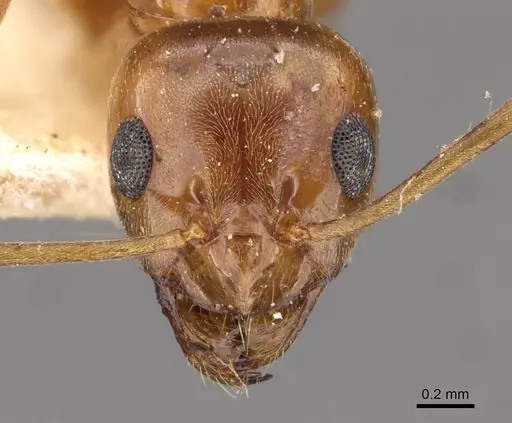
CASENT0006127
View on AntWeb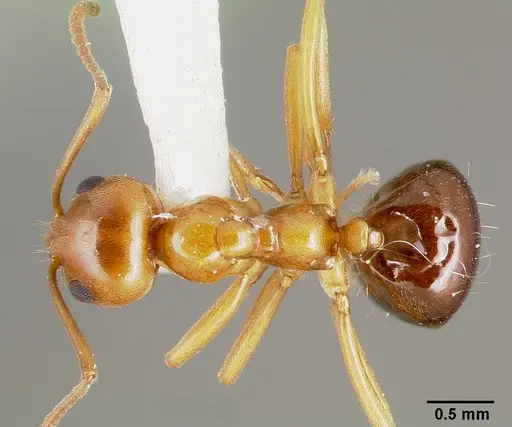
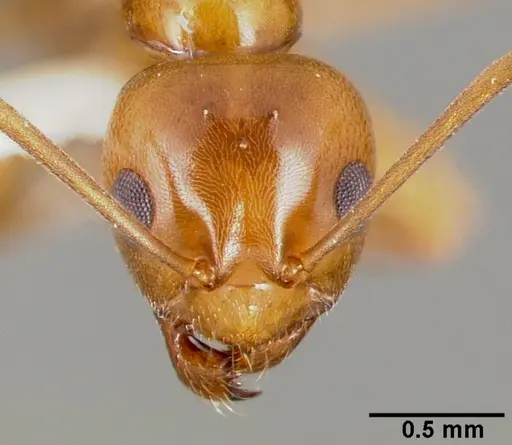
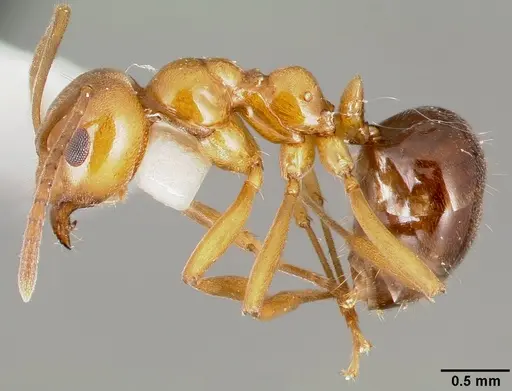
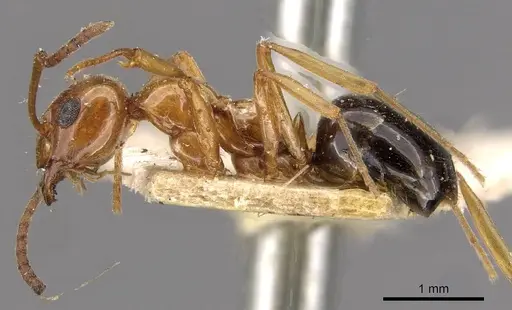
CASENT0909829
View on AntWeb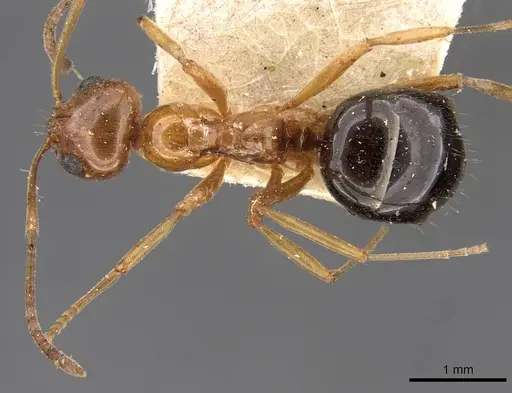
Literature
Loading distribution map...Loading products...