
Lachnomyrmex scrobiculatus
- Sci. Name
- Lachnomyrmex scrobiculatus
- Tribe
- Attini
- Subfamily
- Myrmicinae
- Author
- Wheeler, 1910
- Distribution
- Found in 5 countries
Introduction
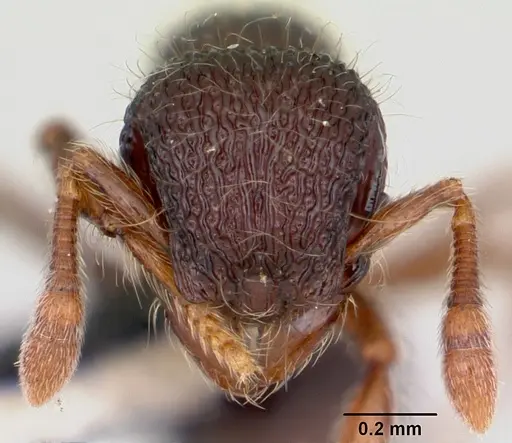
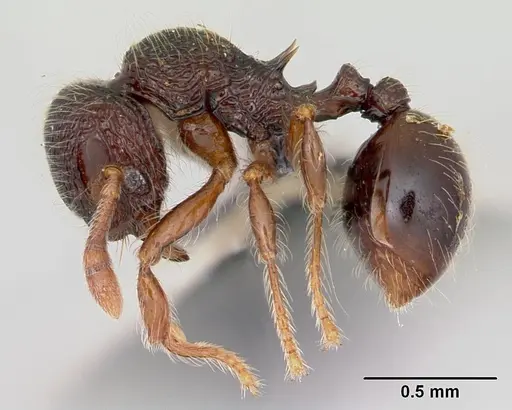
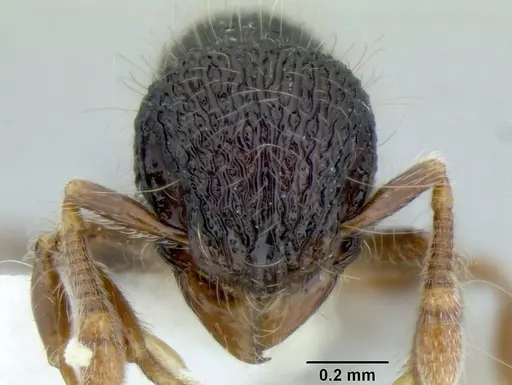
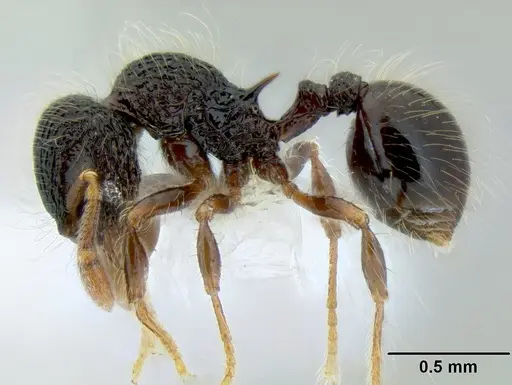
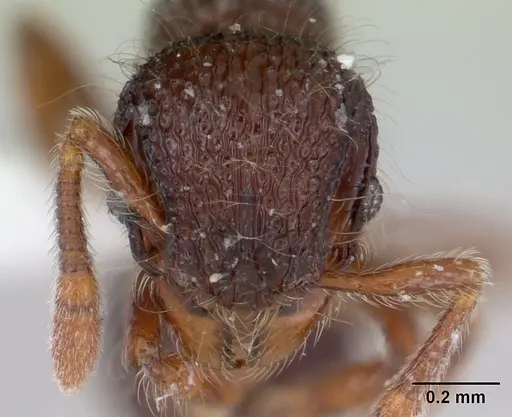
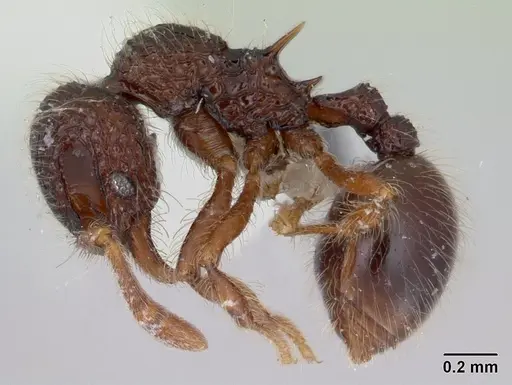
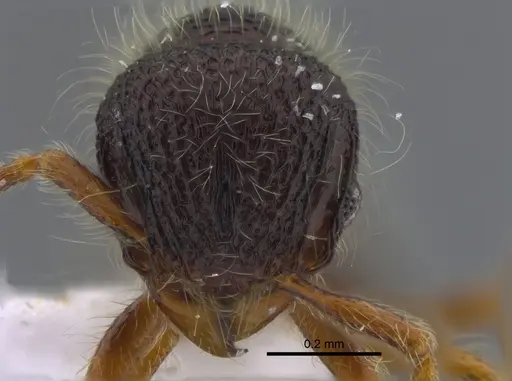
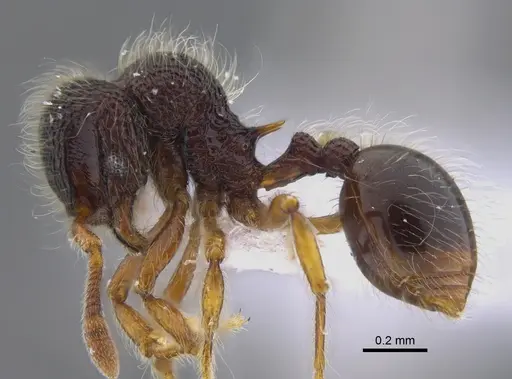
Lachnomyrmex scrobiculatus is a small, cryptic ant native to Central America, ranging from southern Mexico through Guatemala, Honduras, Belize, Costa Rica, Panama, and into northern South America. Workers measure 2.80-2.99 mm and are dark brown to black with lighter coppery appendages . Their body is densely covered in rough, irregular sculpturing, and they have long, flexible hairs covering almost the entire first segment of their abdomen . These ants live in small colonies in the leaf litter, soil, and rotting wood of humid forest floors, typically at elevations between 100 and 1100 m . They are the type species of their genus, meaning Lachnomyrmex was first described based on this ant . What makes these ants interesting is their extremely timid behavior. Workers are slow-moving and pause frequently, making them hard to spot even when sifting through leaf litter. They forage alone on the forest floor, do not recruit nestmates, and do not form pheromone trails - each ant works independently . This is unusual among ants, as most species use chemical communication to coordinate foraging. Their colonies stay small, which matches their unobtrusive lifestyle .
Quick Summary
- Difficulty: Medium
- Origin & Habitat: Central American rainforests, specifically the leaf litter, soil, and rotting wood of humid montane forests from southern Mexico to Panama, typically between 100-1100 m elevation [1][2].
- Colony Type: Small monogyne colonies (single queen), colonies are relatively small and appear to have just one queen per nest [4].
- Size & Growth:
- Queen: 3.23-3.36 mm [1]
- Worker: 2.80-2.99 mm [1]
- Colony: Small colonies, exact maximum unknown but described as relatively small, likely under 100 workers at maturity [4]
- Growth: Unknown, no development data available for this species
- Development: Unconfirmed, no direct development data exists. Based on typical Myrmicinae patterns from similar leaf-litter ants, expect 6-10 weeks at tropical temperatures. (Development timeline has not been directly studied. Related Lachnomyrmex species and typical Myrmicinae development suggest several months from egg to worker.)
- Antkeeping:
- Temperature: Keep at room temperature typical for tropical species, aim for 22-26°C. These ants come from warm Central American forests, so avoid temperatures below 20°C. A gentle heat gradient is beneficial but not required if your room stays in this range. [1]
- Humidity: High humidity is essential. These ants live in forest floor leaf litter, so keep the nest substrate consistently moist but not waterlogged. Aim for 70-85% humidity in the nest area. Mist occasionally and provide a water tube. [2]
- Diapause: No, as a tropical species, they do not require hibernation. Keep temperatures stable year-round. [1]
- Nesting: These ants nest in small cavities within rotting wood, twigs, soil, and among leaf litter [2][5]. In captivity, they do well in naturalistic setups with moist substrate (like a soil/peat mix) or in small Y-tong (AAC) nests or plaster nests with tight chambers. They prefer tight, enclosed spaces rather than open areas. A small test tube setup works well for founding colonies.
- Behavior: Extremely timid and slow-moving. Workers forage alone on the ground and do not recruit others or form pheromone trails. They stop frequently and freeze at the slightest disturbance [3]. They have a functional stinger (as is typical for Myrmicinae) but are extremely docile and nearly never use it. Because these ants are under 4 mm in length, escape risk is high, they can easily slip through tiny gaps, so use fine mesh on all openings [1].
- Common Issues: high humidity is critical, these forest-floor ants easily die in dry conditions, colonies stay small and grow slowly, which can frustrate keepers expecting rapid growth, timid behavior means they may not readily accept food in open spaces, offer prey in enclosed areas, their small size makes them prone to escaping through gaps that larger ants would not fit through
Housing and Nest Setup
Lachnomyrmex scrobiculatus does best in setups that mimic their natural forest-floor habitat. Because they are tiny and timid, they need enclosed spaces rather than open foraging areas. A small Y-tong (AAC) nest with tight chambers works well, or you can use a test tube setup for founding colonies. The key is providing high humidity, line the outworld with moist substrate like a mix of soil and peat moss, and keep the nest area damp but not flooded. These ants nest in rotting wood, twigs, soil, and leaf litter in the wild [2][5], so adding small pieces of decaying wood or cork to the enclosure helps them feel at home. Avoid large, open spaces where they would feel exposed, they prefer to stay hidden among debris. Because they are under 4 mm, make sure all ventilation holes are covered with very fine mesh (less than 0.5 mm) to prevent escapes.
Feeding and Diet
In the wild, these ants are generalist predators that hunt small prey in leaf litter. They forage alone and do not recruit others, so they likely eat whatever tiny arthropods they find, springtails, mites, fly larvae, and other micro-invertebrates living in decaying material [3][2]. In captivity, offer small live prey like springtails, fruit flies, and tiny crickets. They are not known to tend aphids or collect honeydew, so protein should be their primary food. Sugar water may be accepted occasionally but should not be a staple. Feed small amounts every 2-3 days and remove uneaten prey to prevent mold. Because they are slow-moving and timid, place food in enclosed areas where they feel safe approaching it.
Temperature and Humidity
As a tropical Central American species, Lachnomyrmex scrobiculatus needs warm, humid conditions. Keep temperatures between 22-26°C, room temperature in most homes works well, but avoid letting it drop below 20°C [1]. Humidity is the more critical factor: aim for 70-85% in the nest area. These ants naturally live in the constantly moist leaf litter of rainforest floors, and they do poorly in dry conditions [2]. Use a water tube in the nest and mist the outworld regularly. A small water reservoir connected to the nest helps maintain steady humidity. Avoid strong ventilation that would dry out the enclosure, some airflow is good to prevent mold, but these ants prefer still, humid air.
Behavior and Observation
The most notable thing about these ants is how timid they are. Workers move slowly among debris and freeze completely at the slightest vibration or shadow [3]. This makes them challenging to observe, you may not see them much at all. They forage alone and do not recruit nestmates, so you won't see coordinated raids or trails common in many ant species [2]. They have a functional stinger (as is typical for myrmicines) but are extremely docile and nearly never use it. When threatened, they are more likely to freeze and hide than to attack. This peaceful, unobtrusive nature makes them interesting for keepers who enjoy subtle behaviors, but less exciting for those who want active, visible ants. Their small size (under 4 mm) and slow movement also mean they are easy to lose track of in a large formicarium, and they can escape through tiny gaps, use fine mesh on all openings.
Colony Founding and Growth
Colony founding has not been directly observed in this species, but based on related Myrmicinae ants, the queen likely seals herself in a small chamber and raises her first workers alone (claustral founding). Colonies appear to stay small, probably under 100 workers at maturity, which is typical for leaf-litter ants in this genus [4][3]. Growth is likely slow, as the colonies are naturally small and the workers are not highly active foragers. Expect the first workers (nanitics) to appear several months after the queen lays her first eggs, and for the colony to remain modest in size even when established. Patience is key with this species, they are not fast growers.
Frequently Asked Questions
How long does it take for Lachnomyrmex scrobiculatus to produce first workers?
The exact timeline is unconfirmed, but based on typical Myrmicinae development, expect 6-10 weeks from egg to worker at tropical temperatures (24-26°C). Growth is likely slow, and colonies stay small even when established.
Can I keep multiple Lachnomyrmex scrobiculatus queens together?
No, this species is monogyne, meaning colonies have a single queen. Multiple unrelated queens would likely fight. In the wild, colonies appear to have just one queen [4].
What do Lachnomyrmex scrobiculatus eat?
They are generalist predators that eat small arthropods. Feed small live prey like springtails, fruit flies, and tiny crickets. Sugar sources are not a significant part of their diet [3]. Place food in enclosed areas where they feel safe foraging.
Are Lachnomyrmex scrobiculatus good for beginners?
They are rated Medium difficulty. While they are peaceful and don't require special heating, they need high humidity and have slow, timid behavior that can be hard to observe. Their small size and specific humidity needs make them better suited for keepers who already have some experience with tropical ants.
What size colony does Lachnomyrmex scrobiculatus reach?
Colonies remain small, likely under 100 workers at maturity. They are described as 'relatively small colonies' in the scientific literature, and their timid, solitary foraging style supports this [4].
Do Lachnomyrmex scrobiculatus need hibernation?
No, as a tropical species from Central America, they do not require diapause or hibernation. Keep temperatures stable year-round in the 22-26°C range [1].
Why are my Lachnomyrmex scrobiculatus not coming out?
This is normal behavior, they are extremely timid and slow-moving. Workers spend most of their time hidden in the nest or among debris [3]. They may only emerge briefly to forage. Make sure humidity is high and food is placed in accessible locations.
What is the best nest type for Lachnomyrmex scrobiculatus?
Small Y-tong (AAC) nests with tight chambers, plaster nests, or test tube setups work well. They prefer enclosed spaces and high humidity. Avoid large, open formicaria where they would feel exposed [2].
Where does Lachnomyrmex scrobiculatus live in the wild?
They live in the leaf litter, soil, and rotting wood of humid forests in Central America, from southern Mexico to Panama, typically at elevations between 100-1100 meters [1][2].
Report an Issue
The current care sheet is based fully on literature. See inconsistencies, or something that's incorrect? Please , it will be resolved after review from an admin. Contributing to the blogs tab also helps providing information, to make us be able to further improve the caresheets. Thank you for your support!
References

This caresheet is licensed under CC BY-SA 4.0 .
Community Blogs
CASENT0103243
View on AntWeb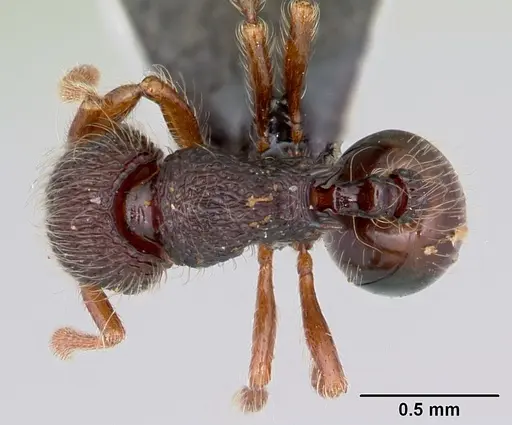
CASENT0106202
View on AntWeb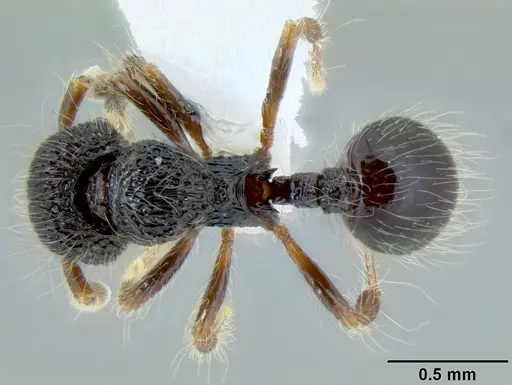
CASENT0178637
View on AntWeb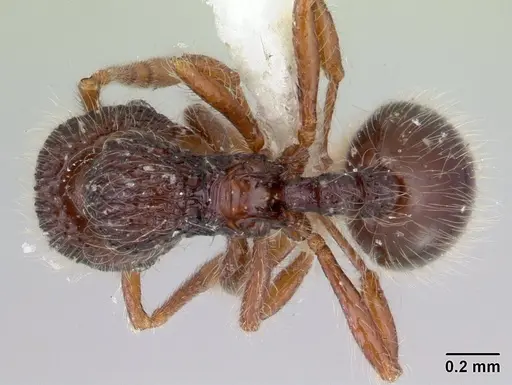
CBUMAGENT41720
View on AntWeb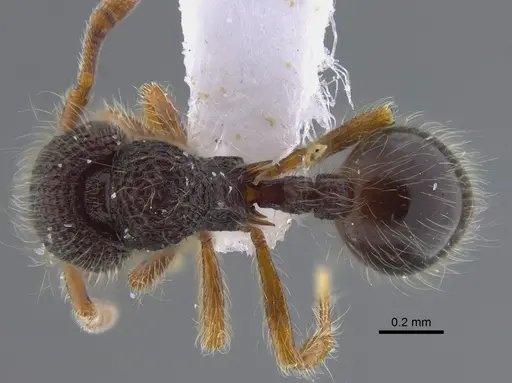
Literature
Loading distribution map...Loading products...