
Kartidris sparsipila
- Sci. Name
- Kartidris sparsipila
- Tribe
- Crematogastrini
- Subfamily
- Myrmicinae
- Author
- Xu, 1999
- Distribution
- Found in 2 countries
Introduction
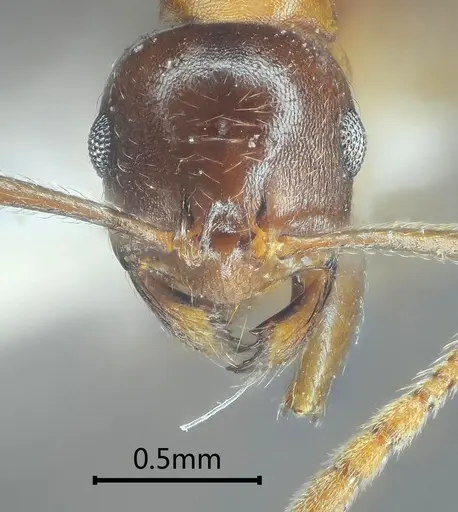
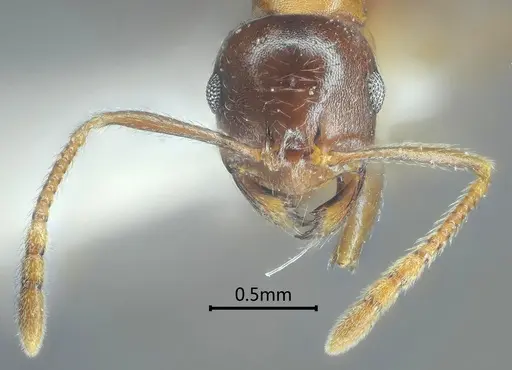
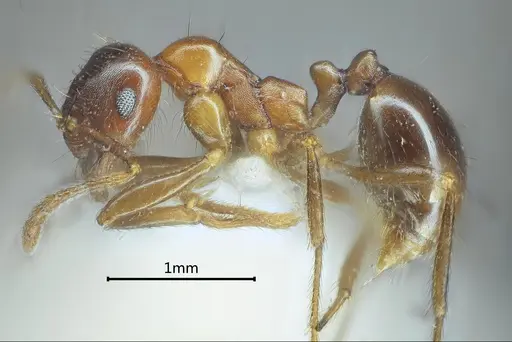
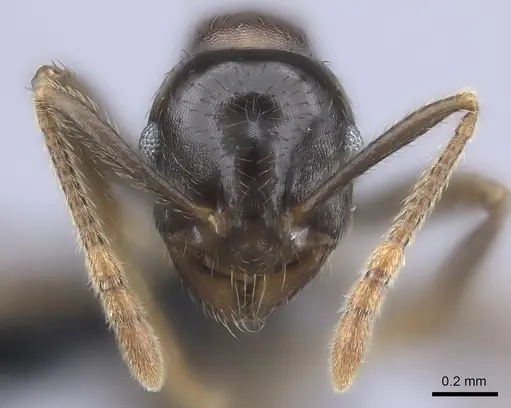
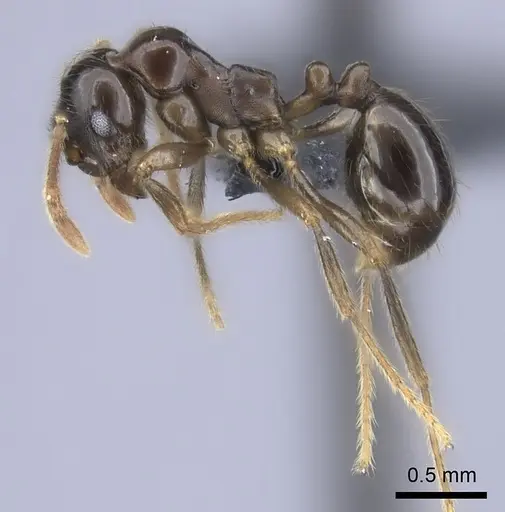
Kartidris sparsipila is a small ant species endemic to Yunnan Province in southern China. It belongs to the Myrmicinae subfamily and Crematogastrini tribe. Workers were described in 1999 by Xu from specimens collected in the Xishuangbanna region. This species is a habitat specialist restricted to primary old-growth forest and is never found in secondary forest or rubber plantations . This extreme specialization makes it one of the most habitat-specific ants in the region.
Quick Summary
- Difficulty: Hard
- Origin & Habitat: Yunnan Province, China. Found in primary tropical and subtropical evergreen broadleaved forest at elevations between 690-1170 meters [1]. This is a strict primary forest specialist.
- Colony Type: Colony structure is unconfirmed. No data on queen number or colony social organization.
- Size & Growth:
- Queen: Size data unavailable, queen not described in original publication.
- Worker: Size data unavailable, worker measurements not provided in original description [2].
- Colony: Unknown, no colony size data available.
- Growth: Unknown, no development data available.
- Development: Unknown, no development data available for this species. (Development timeline is unconfirmed.)
- Antkeeping:
- Temperature: Keep warm, roughly 22-28°C. Based on its tropical/subtropical origin in Yunnan Province and elevation range of 690-1170m, it likely prefers warm, stable conditions.
- Humidity: High humidity is essential. This species comes from the humid tropical forests of Xishuangbanna. Keep nest substrate consistently moist but not waterlogged.
- Diapause: Diapause requirements are unknown. Yunnan has mild winters, so a short winter rest period at reduced temperatures may be beneficial but this is unconfirmed.
- Nesting: Natural nesting occurs in soil and rotting wood in primary forest. In captivity, a naturalistic setup with moist substrate or a Y-tong/plaster nest with good moisture retention works well.
- Behavior: Behavior is not well documented. Based on genus patterns, these are likely docile, non-aggressive ants that forage quietly in the leaf litter layer. Their tiny size means escape prevention is critical, they can squeeze through very small gaps.
- Common Issues: escape prevention is critical due to their very small size, use fine mesh and tight-fitting lids, habitat specialist may be sensitive to environmental changes, avoid moving or disturbing the nest frequently, high humidity requirements can lead to mold problems if ventilation is poor, wild-caught colonies may be stressed from habitat specialization and difficult to establish, this species is rarely available in antkeeping trade due to its restricted distribution
Natural History and Distribution
Kartidris sparsipila is a rare ant species known only from Yunnan Province in southern China. It was described in 1999 by Xu from specimens collected in the Xishuangbanna area. The species has a very restricted distribution and is considered a primary forest specialist, it is never found in secondary growth forest or agricultural areas like rubber plantations [1]. This habitat specialization is one of the most distinctive traits of the species and suggests it has specific environmental requirements that are difficult to replicate in captivity. The elevation range of 690-1170 meters indicates it prefers mid-elevation tropical forest conditions.
Housing and Nest Setup
Because this species is a primary forest specialist, the housing setup should mimic humid forest floor conditions. A naturalistic terrarium-style setup with moist substrate works well, use a mix of soil and rotting wood pieces to replicate their natural nesting environment. Alternatively, a Y-tong or plaster nest with good moisture retention can work, provided humidity is kept high. Escape prevention must be excellent, use fine mesh on any ventilation holes and ensure all connections are sealed. A water reservoir connected to the nest helps maintain humidity without frequent disturbance.
Feeding and Diet
Diet is not specifically documented for this species. Based on related Crematogastrini ants, they likely have a generalist diet. Offer small protein sources like fruit flies, small crickets, and other tiny insects. They probably also collect honeydew from aphids and may accept sugar water or honey. Feed small amounts of protein 2-3 times per week, and keep a sugar source available at all times. Remove uneaten food promptly to prevent mold in the humid environment they require.
Temperature and Seasonal Care
Keep the colony warm at roughly 22-28°C. This species comes from the tropical to subtropical forests of Yunnan, where temperatures are warm year-round. A heating cable on one side of the nest creates a temperature gradient, allowing the ants to move to their preferred temperature zone. Regarding winter rest, Yunnan has relatively mild winters compared to temperate regions, so a short diapause period may be beneficial but is not definitively required. Monitor colony activity, if they remain active year-round, maintaining warm conditions is acceptable.
Behavior and Temperament
Specific behavioral observations are lacking for this species. Members of the genus Kartidris are generally docile, slow-moving ants that forage in the leaf litter layer. They are not known for being aggressive or for having a painful sting. Their small size and cryptic nature suggest they are adapted to avoiding predators rather than fighting them. The main concern for keepers is their tiny size making escape prevention challenging.
Frequently Asked Questions
How long does it take for Kartidris sparsipila to produce first workers?
The egg-to-worker timeline is unconfirmed for this species. No development data is available.
Can I keep Kartidris sparsipila in a test tube setup?
Yes, a test tube setup can work initially, but maintaining high humidity is crucial. Place the test tube in a humid enclosure like a plastic storage box with moist substrate. Monitor for mold and ensure the tube has a water reservoir that doesn't flood the ants.
Do Kartidris sparsipila ants sting?
Stinging behavior is not documented for this species. Based on genus patterns, they are docile and unlikely to sting. Their small size means any sting would be negligible even if present.
Are Kartidris sparsipila good for beginners?
This species is not ideal for beginners. It is a habitat specialist with specific requirements that are not well-documented. Additionally, their tiny size makes escape prevention challenging. Start with more common, documented species before attempting this ant.
How big do Kartidris sparsipila colonies get?
Maximum colony size is unknown. No colony size data is available for this species.
What should I feed Kartidris sparsipila?
Based on related species, offer small live prey like fruit flies, pinhead crickets, and other tiny insects. Provide a constant sugar source like sugar water or honey. Remove uneaten food promptly to prevent mold in their humid habitat.
Do Kartidris sparsipila need hibernation?
Diapause requirements are unconfirmed. Yunnan has mild winters, so a short winter rest at reduced temperatures may be beneficial but may not be strictly required. Observe your colony's activity patterns.
Why is my Kartidris sparsipila colony dying?
Common causes include: low humidity (they need consistently moist conditions), temperature stress (avoid extremes), escape through tiny gaps, and stress from habitat specialist requirements. Ensure high humidity, appropriate temperature, and excellent escape prevention.
When should I move Kartidris sparsipila to a formicarium?
Move to a proper nest setup once the colony reaches 10-20 workers and the test tube water reservoir is being depleted quickly. A naturalistic setup with moist substrate is recommended over dry nests.
Can I keep multiple Kartidris sparsipila queens together?
Colony structure is unconfirmed. No data exists on whether they form single-queen or multi-queen colonies. Combining unrelated queens is not recommended as it has not been documented and may result in aggression.
Report an Issue
The current care sheet is based fully on literature. See inconsistencies, or something that's incorrect? Please , it will be resolved after review from an admin. Contributing to the blogs tab also helps providing information, to make us be able to further improve the caresheets. Thank you for your support!
References

This caresheet is licensed under CC BY-SA 4.0 .
Community Blogs
ANTWEB1060547
View on AntWeb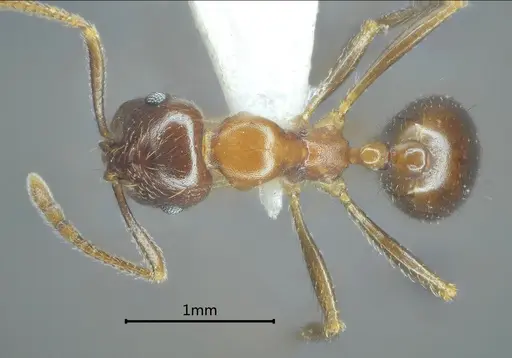
CASENT0235130
View on AntWeb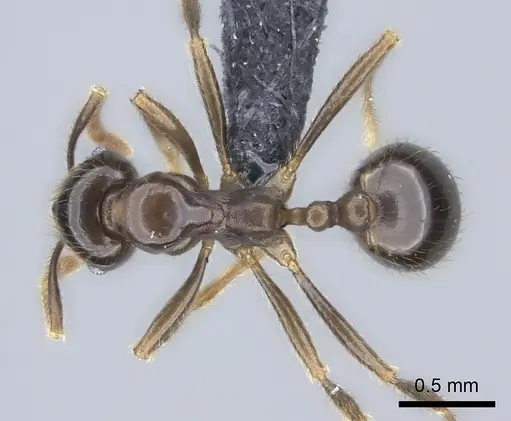
Literature
Loading distribution map...Loading products...