
Iridomyrmex macrops
- Sci. Name
- Iridomyrmex macrops
- Tribe
- Leptomyrmecini
- Subfamily
- Dolichoderinae
- Author
- Heterick & Shattuck, 2011
- Distribution
- Found in 1 countries
Introduction
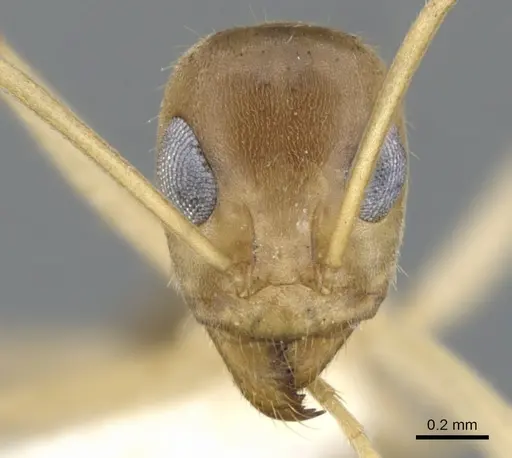
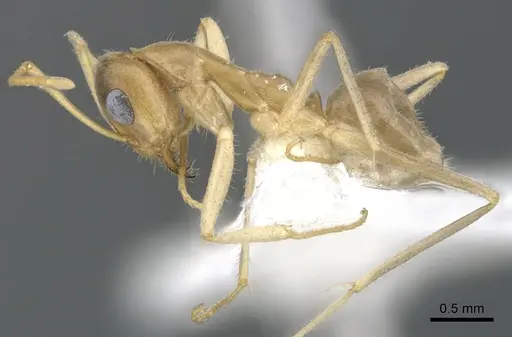
Iridomyrmex macrops is a species native to Western Australia and South Australia, found in arid and semi-arid regions like heathy sandplain and mallee habitats . The species name means 'large eye' in Greek, referring to its notably enlarged eyes . Workers are pale yellow to yellow-brown with erect bristly setae . This species is closely related to Iridomyrmex dromus but is more occasional in occurrence . This ant is nocturnal, adapted to low-light conditions with large eyes and pale coloration . Workers have been observed foraging at night in heathy sandplain and collected from mallee trunks .
Quick Summary
- Difficulty: Medium
- Origin & Habitat: Western Australia and South Australia, arid to semi-arid regions, heathy sandplain and mallee habitats [1]
- Colony Type: Unconfirmed, colony structure not directly documented in research
- Size & Growth:
- Queen: Size data unavailable, no total length measurements provided
- Worker: Size data unavailable, no total length measurements provided
- Colony: Unknown, no data on colony size
- Growth: Moderate, inferred from genus patterns
- Development: Estimated 6-10 weeks at optimal temperatures, based on related Iridomyrmex species (Development time is inferred from genus-level data since species-specific timing is unconfirmed)
- Antkeeping:
- Temperature: Keep warm, roughly 24-28°C, based on arid-region origin
- Humidity: Keep substrate relatively dry with occasional moisture zones, as this species is adapted to arid conditions
- Diapause: Likely required, based on genus patterns and temperate range, a winter rest period of 2-3 months at cooler temperatures
- Nesting: Prefers dry environments, use Y-tong, plaster, or soil nests with good ventilation
- Behavior: Nocturnal and relatively non-aggressive. Workers forage at night and have large eyes for low-light vision [2]. Defense mechanism is smear-based, typical for Dolichoderinae subfamily. Escape risk is moderate due to small size, but ensure secure outworld to prevent escapes.
- Common Issues: arid-adapted species can be sensitive to over-humidity, leading to mold problems, winter diapause requirements are unconfirmed, so monitor colony health during cooler periods, limited availability due to restricted distribution in Australia, small size may require secure outworld to prevent escapes
Natural History and Distribution
Iridomyrmex macrops is endemic to southern Australia, specifically Western Australia and South Australia [1]. The species was described in 2011 by Heterick and Shattuck as part of a revision of the Iridomyrmex genus [1]. In the wild, these ants inhabit arid and semi-arid environments like heathy sandplain and mallee ecosystems [1]. Workers have been hand-collected at night foraging in heathy sandplain and collected from mallee tree trunks [1].
Nocturnal Adaptations
Iridomyrmex macrops is adapted to nocturnal life with large eyes and pale coloration [2]. Research shows that pale, nocturnal ants have evolved larger eyes and visual facets for low-light conditions [2]. This means in captivity, activity peaks during evening and night hours, and ants may rest in darker nest areas during the day [2].
Housing and Nesting
Based on their natural habitat, keep Iridomyrmex macrops in dry conditions with good ventilation. Use Y-tong, plaster, or soil nests, providing a humid zone for brood while keeping most of the nest dry. Since workers are small, ensure the outworld has secure lids to prevent escapes. Provide a shallow water dish and protein foods in the outworld.
Feeding and Diet
Iridomyrmex macrops is likely omnivorous, foraging for insects at night [1]. In captivity, offer protein foods like small crickets or mealworms twice weekly, and carbohydrates such as sugar water or honey. Fresh water should always be available.
Temperature and Seasonal Care
Keep the nest at warm temperatures around 24-28°C during active seasons, based on arid-region origin. For winter, provide a 2-3 month diapause period at cooler temperatures (10-15°C) to simulate natural cycles. Reduce feeding during diapause and monitor colony health.
Frequently Asked Questions
How long does it take for Iridomyrmex macrops to raise their first workers?
The exact timeline is unconfirmed, but based on related Iridomyrmex species, expect 6-10 weeks from egg to worker at optimal warm temperatures. Be patient as founding colonies grow slowly.
Are Iridomyrmex macrops good for beginners?
This species is rated as medium difficulty. Limited documented care information and nocturnal activity mean some trial and error is expected.
What should I feed Iridomyrmex macrops?
Offer protein foods like small insects twice weekly and constant access to sugar sources such as sugar water or honey. Fresh water should always be available.
When are Iridomyrmex macrops most active?
As a nocturnal species, these ants are most active during evening and night hours due to their large eyes adapted for low-light vision [2]. Daytime activity is minimal.
Do Iridomyrmex macrops need hibernation?
Likely yes, based on genus patterns and temperate range. A 2-3 month winter rest period at cooler temperatures is recommended for colony health.
How big do Iridomyrmex macrops colonies get?
Colony size is not documented for this species. Based on similar Iridomyrmex species, expect moderate colonies over time.
Can I keep multiple queens together?
Colony structure is unconfirmed for this species. Based on typical Iridomyrmex patterns, single-queen colonies are likely, but combining queens is not recommended as it has not been studied.
What makes Iridomyrmex macrops different from other Iridomyrmex?
Their most distinctive feature is large eyes, the species name 'macrops' means 'large eye' in Greek [1]. This is an adaptation to nocturnal foraging, with pale coloration and enlarged eyes compared to dark, day-active relatives [2].
Where is Iridomyrmex macrops found in the wild?
This species is endemic to Western Australia and South Australia, in heathy sandplain and mallee habitats [1].
Report an Issue
The current care sheet is based fully on literature. See inconsistencies, or something that's incorrect? Please , it will be resolved after review from an admin. Contributing to the blogs tab also helps providing information, to make us be able to further improve the caresheets. Thank you for your support!
References

This caresheet is licensed under CC BY-SA 4.0 .
Community Blogs
CASENT0903102
View on AntWeb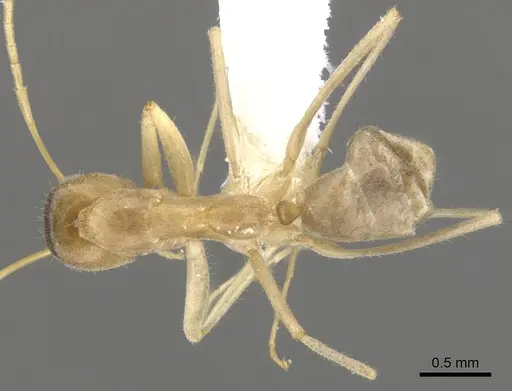
Literature
Loading distribution map...Loading products...