
Blue Meat Ant
Iridomyrmex lividus
- Sci. Name
- Iridomyrmex lividus
- Tribe
- Leptomyrmecini
- Subfamily
- Dolichoderinae
- Author
- Shattuck, 1993
- Common Name
- Blue Meat Ant
- Distribution
- Found in 1 countries
Introduction
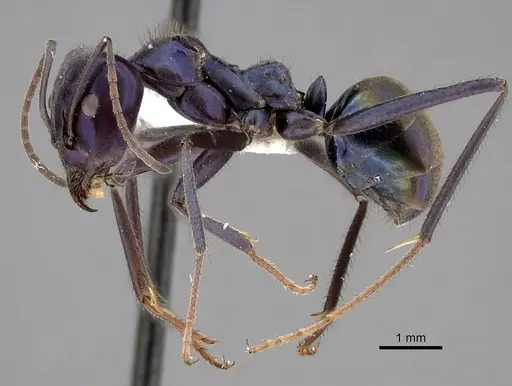
Iridomyrmex lividus is an Australian ant species known for its striking dark coloration with a vivid blue to purple iridescence that shimmers across its body . Workers are medium-sized within the Dolichoderinae subfamily - size data is unavailable for this species, but Iridomyrmex workers typically range 4-7mm in total length. This species is closely related to the more famous Iridomyrmex purpureus (the meat ant), but can be distinguished by its dark colour, strong blue iridescence, and notably the small single entrance hole to its nest rather than the large mounds characteristic of I. purpureus . The species was described by Shattuck in 1993 and is found only in the extreme south-east of south-western Australia .
Quick Summary
- Difficulty: Medium
- Origin & Habitat: Native to Australia, specifically found only in the extreme south-east of the South-West Botanical Province. These ants nest in soil with a distinctive small single entrance hole, contrasting with the large mounds built by their close relative Iridomyrmex purpureus [3][2].
- Colony Type: Colony structure is not documented in available research.
- Size & Growth:
- Queen: Size data unavailable, inferred from Iridomyrmex genus patterns around 7-9mm
- Worker: Size data unavailable, Iridomyrmex workers typically range 4-7mm in total length based on genus patterns
- Colony: Colony size is not documented in available literature
- Growth: Growth rate is not documented in available literature
- Development: Development timeline is not documented in available literature (No specific development data available for this species)
- Antkeeping:
- Temperature: Temperature requirements are not specifically documented. As a species from the temperate regions of southern Australia, a room-temperature setup (around 22-26°C) is likely suitable.
- Humidity: Humidity requirements are not specifically documented. Based on their Australian temperate distribution, moderate humidity conditions are appropriate.
- Diapause: Diapause requirements are not documented in available literature. As a species from temperate southern Australia, winter diapause may be required.
- Nesting: Natural nesting is in soil with a small single entrance [2]. In captivity, a Y-tong (AAC) nest or plaster nest works well.
- Behavior: Iridomyrmex lividus workers are active foragers with typical dolichoderine behavior. Like all Dolichoderinae ants, they lack a functional sting and instead possess an acidopore, a gland opening at the tip of the abdomen used to secrete defensive chemical compounds. They will defend their nest if threatened but are not considered dangerously aggressive to humans. Workers are medium-sized and relatively fast-moving. The blue iridescence is most visible under good lighting and gives these ants a distinctive appearance.
- Common Issues: limited availability, this species is not commonly kept in the antkeeping hobby, colony structure and size are not well-documented in available literature, blue iridescence may fade in preserved specimens or under certain lighting conditions, this is normal, winter diapause requirements are uncertain, monitor colony behavior and adjust accordingly, nesting preferences are based on limited field observations
Appearance and Identification
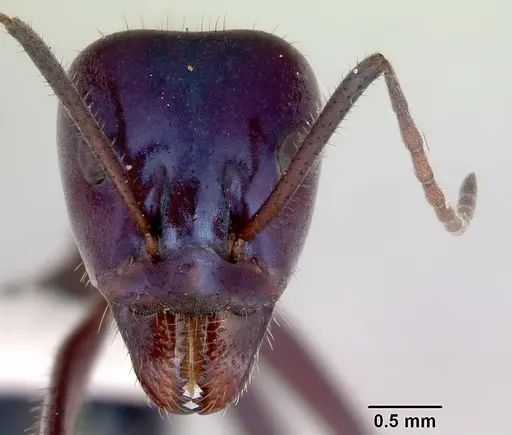
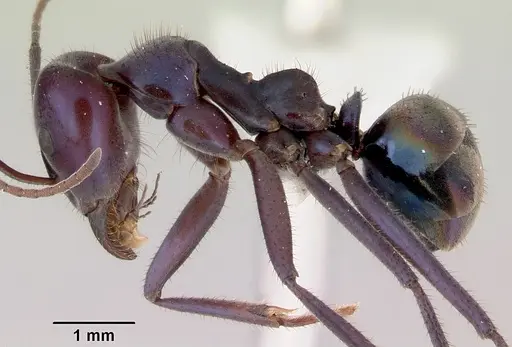
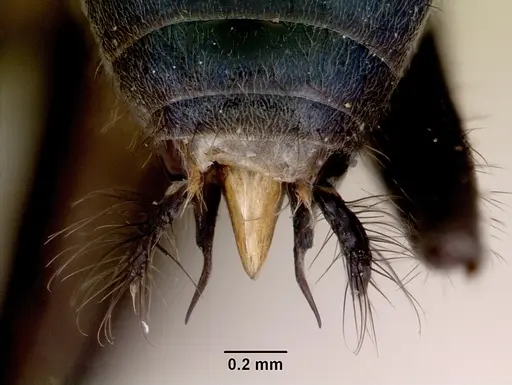
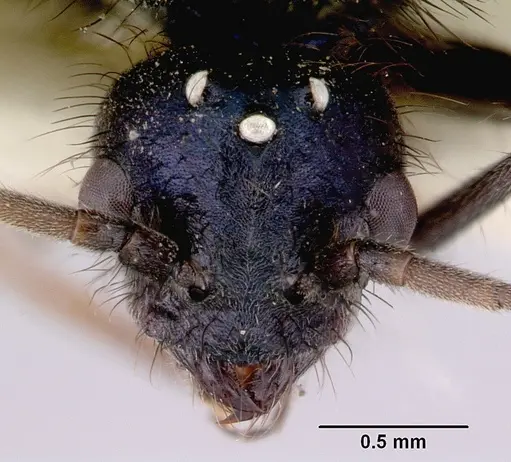
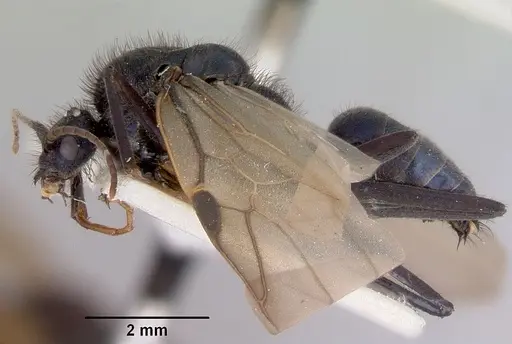
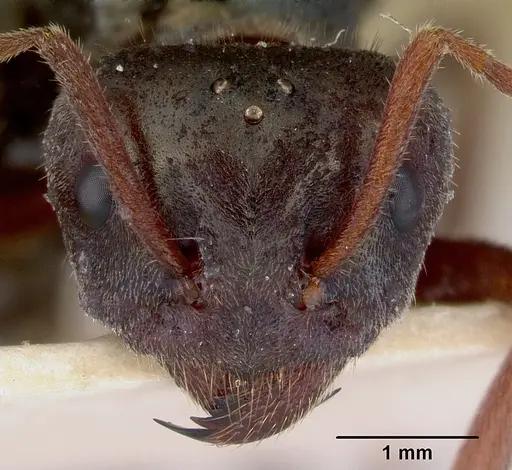
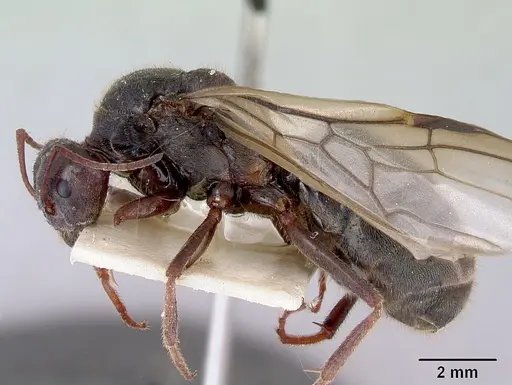
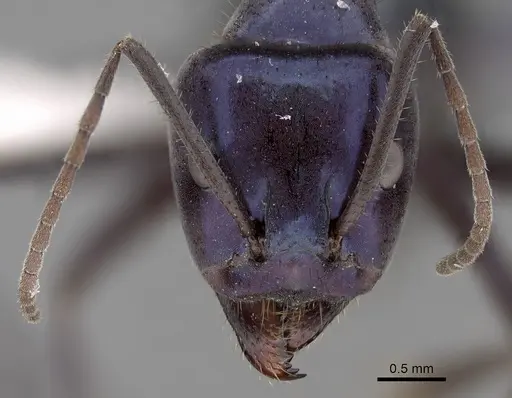
Iridomyrmex lividus is one of the more visually striking Australian ants thanks to its distinctive blue iridescence. Workers have a head, appendages, and mesosoma that ranges from reddish-brown to blackish-brown with a blue or purple shimmer. The gaster (abdomen) is chocolate to black with variable blue, greenish, pink, or purple iridescence [2]. This iridescence is most visible on fresh specimens under good lighting and is a key identification feature. The propodeum (the rear portion of the mesosoma) tends to be more angular than the related Iridomyrmex purpureus, though this feature can vary [2].
Natural History and Distribution
This species is endemic to Australia, specifically found only in the extreme south-east of the South-West Botanical Province [3]. Their range overlaps with the closely related Iridomyrmex purpureus, but the two species can be distinguished in the field by their nesting habits: I. lividus builds nests with a small single entrance hole, while I. purpureus constructs large conspicuous mounds [2]. Biochemically, I. lividus shares frequencies of several allozyme alleles with I. purpureus, though studies have shown differences in competitive abilities between the two species [2].
Housing and Nesting
In captivity, Iridomyrmex lividus does well in standard formicarium setups. A Y-tong (AAC) nest or plaster nest works well for this species. Keep the nest substrate moist but not waterlogged. The small single entrance characteristic of their natural nests suggests they prefer compact, well-defined entry points. Room temperature around 22-26°C is likely suitable for this species.
Feeding and Diet
Like other Iridomyrmex species, I. lividus is an omnivorous forager. They likely consume honeydew from sap-feeding insects, tend aphids for this honeydew, and hunt small invertebrates. In captivity, offer a varied diet including sugar water or honey as an energy source, and protein sources such as small insects (fruit flies, small crickets, mealworms). Fresh water should always be accessible.
Defense Mechanism
Like all ants in the subfamily Dolichoderinae, Iridomyrmex lividus lacks a functional sting. Instead, they possess an acidopore, a slit-like opening at the tip of the abdomen that secretes defensive chemical compounds. This is their primary defense mechanism against threats. While not dangerous to humans, they can spray these chemicals when disturbed.
Frequently Asked Questions
How long does it take for Iridomyrmex lividus to produce first workers?
Development timeline is not documented in available literature for this species.
What do Iridomyrmex lividus eat?
They are omnivorous. Offer sugar water or honey for energy, and protein sources like small insects (fruit flies, small crickets, mealworms). They will also tend aphids for honeydew if given the opportunity.
Are Iridomyrmex lividus good for beginners?
This species is rated as medium difficulty. While not as challenging as some exotic or specialized species, limited documented care information means keepers should be prepared to adapt their setup based on observed colony behavior.
How big do Iridomyrmex lividus colonies get?
Colony size is not documented in available literature for this specific species.
Do Iridomyrmex lividus need hibernation?
Diapause requirements are not documented in available literature. As a species from temperate southern Australia, winter rest at reduced temperatures may be beneficial, but specific requirements are unknown.
What makes Iridomyrmex lividus different from Iridomyrmex purpureus?
I. lividus is distinguished by its dark colour with strong blue iridescence and its small single nest entrance, compared to the large mounds built by I. purpureus. The two species overlap in range but have different competitive abilities [2].
Can I keep multiple Iridomyrmex lividus queens together?
Colony structure is not documented for this species. Combining unrelated queens is not recommended as it may lead to aggression.
Report an Issue
The current care sheet is based fully on literature. See inconsistencies, or something that's incorrect? Please , it will be resolved after review from an admin. Contributing to the blogs tab also helps providing information, to make us be able to further improve the caresheets. Thank you for your support!
References

This caresheet is licensed under CC BY-SA 4.0 .
Community Blogs
CASENT0172041
View on AntWeb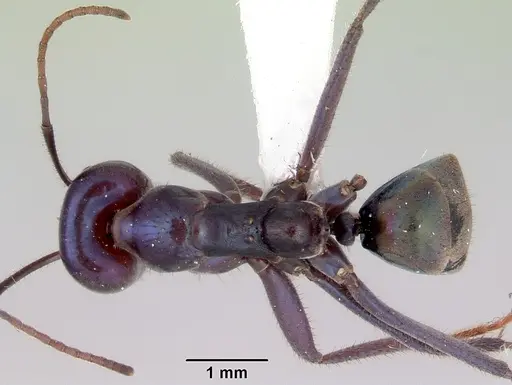
CASENT0172065
View on AntWeb
CASENT0172066
View on AntWeb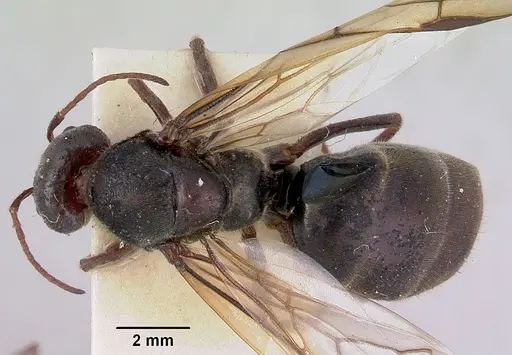
CASENT0249724
View on AntWeb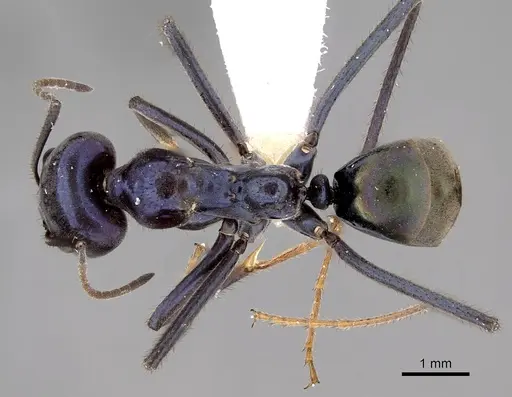
Literature
Loading distribution map...Loading products...