
Iridomyrmex brennani
- Sci. Name
- Iridomyrmex brennani
- Tribe
- Leptomyrmecini
- Subfamily
- Dolichoderinae
- Author
- Heterick & Shattuck, 2011
- Distribution
- Found in 1 countries
Introduction
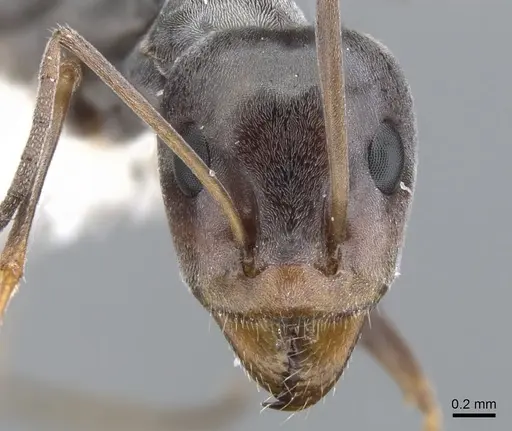
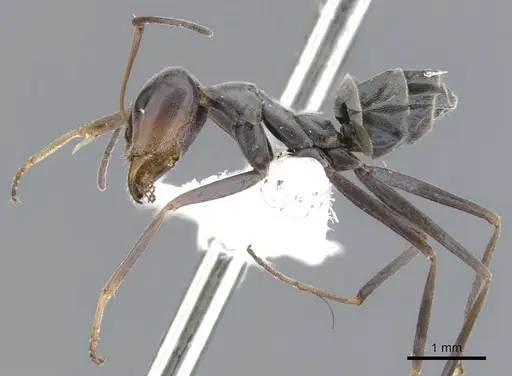
Iridomyrmex brennani is a medium-sized ant with a variegated black-and-dark-reddish-brown body. It has an almost smooth pronotum and mesonotum, which helps distinguish it from similar species like Iridomyrmex anceps . This species is found in southern Australia, including the Kambalda district of Western Australia, near Lake Acraman in South Australia, and in Murray Sunset National Park in Victoria . It is commonly associated with salt lakes, indicating a preference for arid to semi-arid habitats . The species was described in 2011 and named in honor of Dr. Karl Brennan, who collected specimens .
Quick Summary
- Difficulty: Medium
- Origin & Habitat: Southern Australia (WA, SA, VIC), arid to semi-arid regions near salt lakes [2][1]
- Colony Type: Unconfirmed
- Size & Growth:
- Queen: Estimated ~8-12mm, inferred from Iridomyrmex genus
- Worker: Estimated ~4-6mm, inferred from Iridomyrmex genus
- Colony: Unknown
- Growth: Moderate, inferred from genus patterns
- Development: Unknown, no species-specific data (Development data unavailable, estimate based on related species)
- Antkeeping:
- Temperature: Aim for 22-28°C, inferred from Australian species in warm temperate to arid regions
- Humidity: Low to moderate, species associated with salt lakes indicating preference for drier conditions [2]
- Diapause: Unconfirmed, Australian temperate species may benefit from a cool period but likely not required
- Nesting: Likely ground-nesting based on terrestrial foraging observations [1]. Use soil-based or Y-tong/plaster nests with good drainage
- Behavior: Behavior is not well documented. Iridomyrmex ants are generally active foragers with moderate aggression when defending their nest. Workers are terrestrial foragers, meaning they search for food on the ground surface [1]. Escape risk is moderate, their size is substantial enough that standard barriers work well, but they are agile and may climb smooth surfaces.
- Common Issues: association with salt lakes may require specific mineral conditions, but unconfirmed, colony establishment may be slow due to limited data on founding, overwatering can lead to nest flooding due to drier habitat preference
Natural History and Distribution
Iridomyrmex brennani is an Australian endemic known from only a handful of locations across the southern part of the continent. The species has been collected in the Kambalda district of Western Australia, near Lake Acraman in the Gawler Range of South Australia, and in the Murray Sunset National Park in north-western Victoria [2][1]. These locations span arid to semi-arid environments, with the key common factor being proximity to salt lakes [2]. The salt lake association suggests this species may tolerate or prefer conditions with higher soil salinity than many other ant species. The ant has only been collected as a terrestrial forager, meaning it searches for food on the ground surface rather than in trees or vegetation [1]. The species was formally described in 2011 by Heterick and Shattuck as part of a comprehensive revision of the Iridomyrmex genus and was named in honor of Dr. Karl Brennan [2].
Identification and Appearance
Iridomyrmex brennani is described as a rather handsome medium-sized ant with distinctive coloration. The body features a variegated black-and-dark-reddish-brown pattern, with the gena (cheek area) and clypeal region being brick-red while the rest of the body is reddish-black [2][1]. This species can be distinguished from similar ants, particularly Iridomyrmex anceps, by its almost glabrous (smooth or hairless) pro- and mesonotum [1]. Erect body hairs are sparse to absent, contributing to a glossy appearance, with any present setae being whitish [2].
Housing and Nesting
Based on the species' natural history as a terrestrial forager associated with salt lake habitats, Iridomyrmex brennani likely nests in the ground. The arid to semi-arid nature of its collection sites suggests a preference for well-drained nesting substrate. In captivity, a naturalistic setup with a soil-based substrate would likely suit this species well. A Y-tong nest or plaster nest can also work, but ensure adequate drainage to prevent waterlogging. The species likely prefers drier conditions than many tropical ants, aim for substrate that is lightly moist but not soggy, with some drier areas available.
Feeding and Diet
Like other Iridomyrmex species, this ant likely has a typical omnivorous diet. In the wild, Iridomyrmex ants commonly feed on honeydew from sap-sucking insects, nectar from plants, and small insects or other protein sources. In captivity, you should offer a constant source of sugar water or honey, along with regular protein offerings such as fruit flies or small crickets.
Temperature and Seasonal Care
Iridomyrmex brennani comes from southern Australia, with regions experiencing warm temperate to arid climates. For captive care, aim to keep the nest area in the low-to-mid 20s Celsius (22-28°C). Room temperature within this range is likely suitable. If your colony shows signs of cold distress, you can provide gentle warming with a heating cable on one side of the nest to create a temperature gradient. Avoid overheating, temperatures above 35°C are likely harmful.
Frequently Asked Questions
How long does it take for Iridomyrmex brennani to go from egg to worker?
The exact development timeline has not been documented for this species. Based on typical Iridomyrmex and Dolichoderinae development patterns, expect approximately 6-10 weeks from egg to first worker at optimal warm temperatures, but this is an estimate.
Is Iridomyrmex brennani a good species for beginners?
This species is not recommended for beginners due to limited data and rarity. It is rarely collected and not commonly available in the antkeeping trade. Some prior antkeeping experience is advisable.
What size colony does Iridomyrmex brennani reach?
Colony size has not been documented for this specific species. Based on typical Iridomyrmex patterns for medium-sized species, colonies may reach several thousand workers over several years, but this is an estimate.
What temperature should I keep Iridomyrmex brennani at?
Aim for temperatures between 22-28°C. Room temperature in the low-to-mid 20s is likely ideal. Avoid temperatures below 18°C or above 35°C for extended periods.
Can I keep multiple queens together?
Colony structure is not documented for this species. Most Iridomyrmex are single-queen colonies, but it is unconfirmed. It is not recommended to combine unrelated foundress queens, as fighting is likely. House any queen alone until claustral founding is complete.
What do Iridomyrmex brennani eat?
Like other Iridomyrmex species, they likely accept sugar sources (honey, sugar water) and protein (small insects). Offer sugar water continuously and protein prey 1-2 times per week.
Where is Iridomyrmex brennani found in the wild?
This species is known from southern Australia: the Kambalda district of Western Australia, Lake Acraman in South Australia, and Murray Sunset National Park in Victoria. All collection sites are near salt lakes in arid to semi-arid regions [2][1].
Do Iridomyrmex brennani need hibernation?
Hibernation requirements are not documented. The species comes from temperate southern Australia where winters are cool but not extreme. A slight cool period in winter may be beneficial but is likely not required.
Why is Iridomyrmex brennani so rarely available?
This species was only described in 2011 and has been collected rarely in the wild. The specific habitat association with salt lakes in remote areas of Australia makes it difficult to find. It is not a common species in the antkeeping hobby [2].
Report an Issue
The current care sheet is based fully on literature. See inconsistencies, or something that's incorrect? Please , it will be resolved after review from an admin. Contributing to the blogs tab also helps providing information, to make us be able to further improve the caresheets. Thank you for your support!
References

This caresheet is licensed under CC BY-SA 4.0 .
Community Blogs
CASENT0903098
View on AntWeb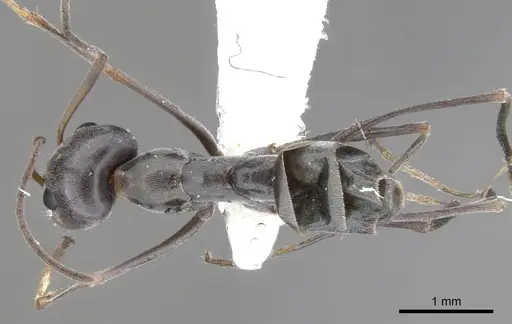
Literature
Loading distribution map...Loading products...