
Black Tyrant Ant
Iridomyrmex bicknelli
- Sci. Name
- Iridomyrmex bicknelli
- Tribe
- Leptomyrmecini
- Subfamily
- Dolichoderinae
- Author
- Emery, 1898
- Common Name
- Black Tyrant Ant
- Distribution
- Found in 1 countries
Introduction
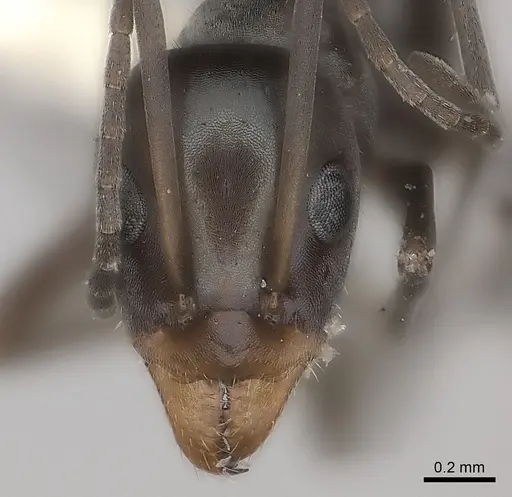
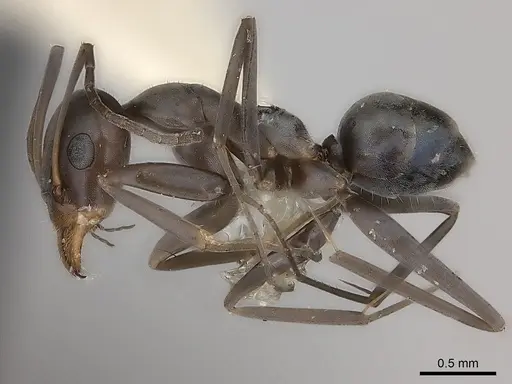
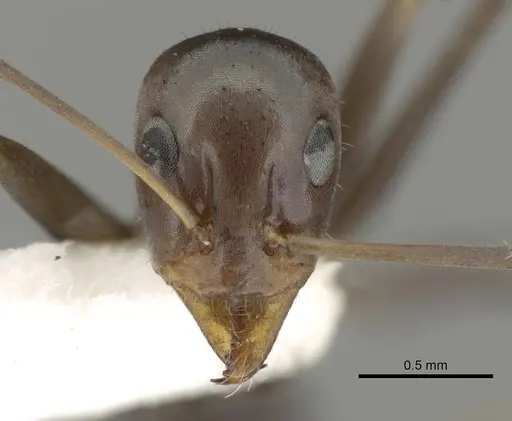
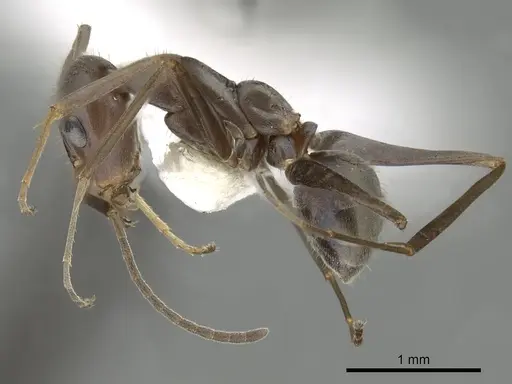
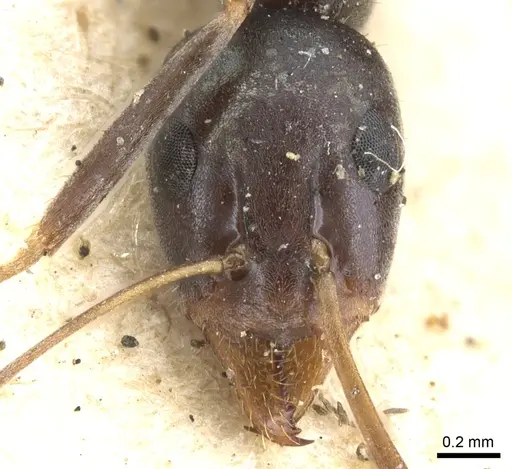
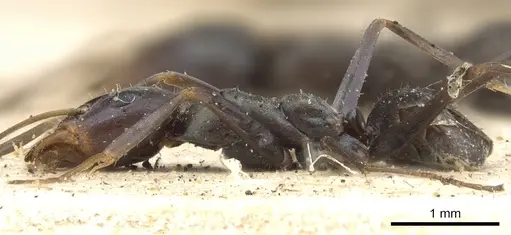
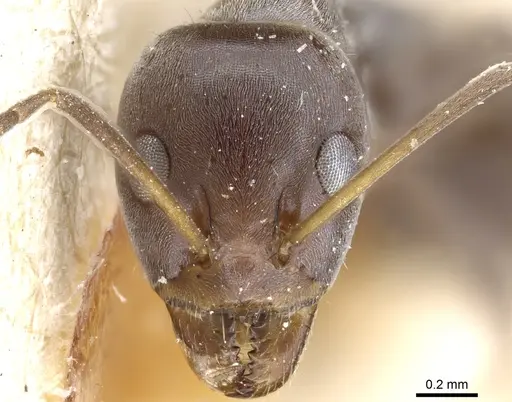
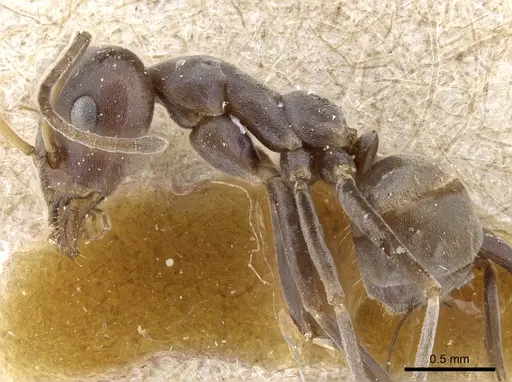
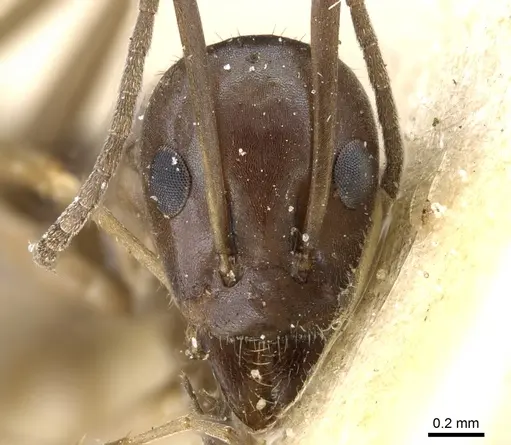
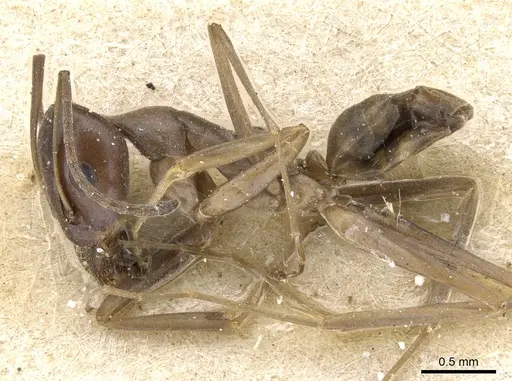
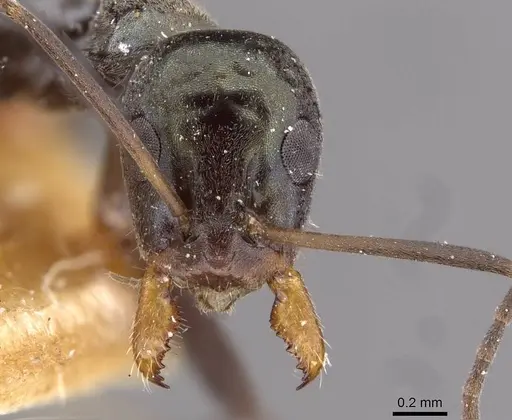
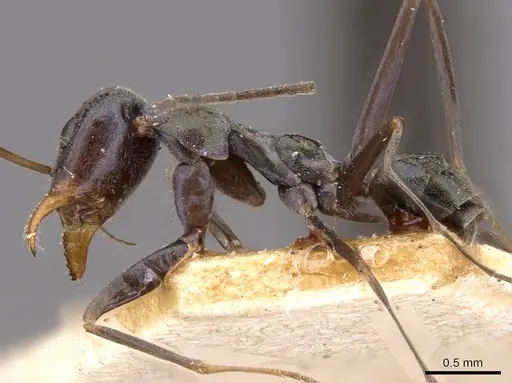
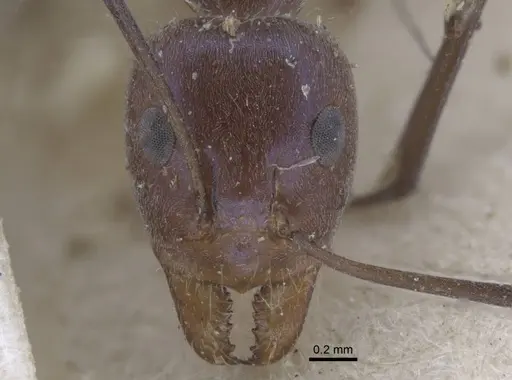
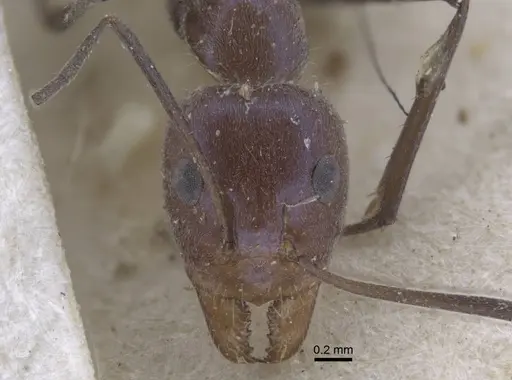
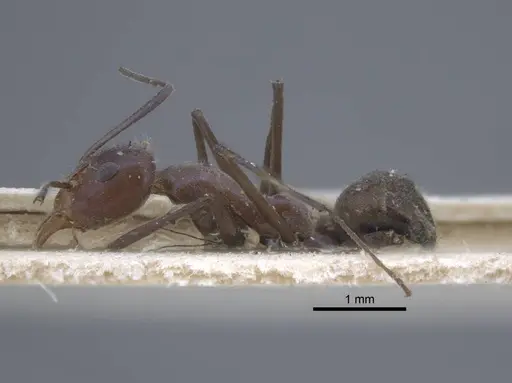
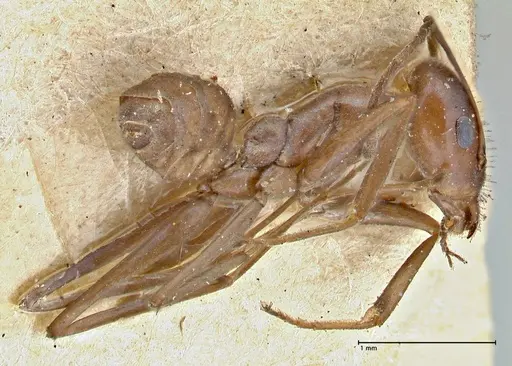
Iridomyrmex bicknelli is a slender, iridescent black ant native to Australia and New Guinea. Workers have a body length of about 6 mm and are easily recognized by their elongate, narrow head with a dome-shaped posterior margin, lack of erect hairs on their antennae and legs, and distinctive bluish-green to yellowish iridescence . This species is common across southern Australia, thriving in urban environments, coastal sand dunes, heathland plains, and arid habitats . Unlike many aggressive Iridomyrmex species, these ants have a timid disposition and are peaceful toward other ant species . They are important pollinators and seed dispersers, visiting extrafloral nectaries and carrying seeds with edible attachments .
Quick Summary
- Difficulty: Easy
- Origin & Habitat: Australia and New Guinea. Found throughout southern Australia, most abundantly in arid zones but also common in urban areas, coastal sand dunes, heathland sand-plains, and suburban footpaths [2][5][3].
- Colony Type: Based on Iridomyrmex patterns, likely monogyne (single-queen colonies). Queens establish nests alone after mating flights.
- Size & Growth:
- Queen: Size data unavailable for queens. Inferred from Iridomyrmex genus patterns to be around 10-12 mm.
- Worker: About 6 mm body length [1].
- Colony: Up to several thousand workers, based on typical Iridomyrmex colony sizes [2].
- Growth: Moderate
- Development: Estimated 6-10 weeks at optimal temperatures, based on Dolichoderinae patterns [2]. (Development time inferred from related species, actual timeline unconfirmed for this species.)
- Antkeeping:
- Temperature: Keep at 22-28°C. This species is most active in warmer temperatures and naturally inhabits sun-exposed sandy areas [2].
- Humidity: Low to moderate. These ants naturally nest in dry, sandy environments. Keep substrate moderately dry, not waterlogged [2][3].
- Diapause: Unknown. No specific data on hibernation requirements for this species.
- Nesting: Ground-nesting species that adapts to many locations. In captivity, a Y-tong or plaster nest with dry to moderately moist substrate works well [2][3].
- Behavior: Timid and non-aggressive. Workers are active foragers that discover food quickly but are easily displaced by more dominant species [6]. They are excellent climbers, so escape prevention is important [2].
- Common Issues: escape prevention is important due to agile climbing ability., colonies may struggle if kept too cold., wild-caught colonies may carry mites [7]., slow founding phase if claustral., competition from aggressive ant species if housed in mixed setups.
Nest Preferences
Iridomyrmex bicknelli is a highly adaptable ground-nesting species. In the wild, colonies nest in virtually any location, from seemingly barren city footpaths to coastal sand dunes and heathland plains [2][3]. This flexibility makes them forgiving in captivity. For antkeepers, a Y-tong nest, plaster nest, or naturalistic setup with a sand-soil mixture all work well. Because they naturally inhabit dry to moderately moist environments, avoid overly damp substrates. Provide a shallow water tube for drinking, as they need access to water but prefer drier nesting conditions than many tropical species.
Feeding and Diet
These ants are generalist feeders with a strong attraction to sweets. In the wild, they visit extrafloral nectaries, tend honeydew-producing insects, and collect nectar from flowers, they are documented pollinators of Microtis parviflora orchids and remove seeds with edible elaiosomes from plants [1][4]. In captivity, offer sugar water or honey as a constant energy source. For protein, provide small insects like fruit flies, small crickets, or mealworms. They are active foragers that will discover and recruit to food quickly. Feed protein 2-3 times per week and keep sugar water available at all times.
Temperature and Care
Iridomyrmex bicknelli thrives in warm conditions, consistent with its native Australian habitat. Keep nest temperatures between 24-28°C for optimal colony activity and brood development. A heating cable placed on one side of the nest creates a temperature gradient that allows ants to self-regulate. These ants are most active in warmer temperatures and naturally occur in sun-exposed sandy areas [2]. Room temperature around 22-24°C is acceptable, but actively heated nests will result in more active colonies. They do not require hibernation but may show reduced activity during cooler winter months.
Behavior and Temperament
This species is notably timid compared to other Iridomyrmex, earning it a reputation as one of the gentler members of a genus often called 'tyrant ants' [2]. Workers are peaceful and non-aggressive, though they will defend their colony if threatened. In behavioral experiments, I. bicknelli discovers food quickly but is often displaced by more dominant species like Iridomyrmex purpureus [6]. They are excellent climbers, so escape prevention is important despite their moderate size. Workers are active foragers that readily explore their surroundings and recruit nestmates to food sources efficiently.
Colony Growth and Development
Colony founding behavior is unconfirmed. Based on typical Iridomyrmex development, expect 6-10 weeks from egg to first worker at warm temperatures. Early colonies grow slowly as the queen alone tends to brood, but once workers emerge, growth accelerates. I. bicknelli appears to be an early colonizer of disturbed habitats in the wild, suggesting colonies can establish quickly once founded [3]. Maximum colony size likely reaches several thousand workers based on related species patterns.
Frequently Asked Questions
Can I keep Iridomyrmex bicknelli in a test tube?
Yes, test tubes work well for founding colonies. Use a standard test tube setup with a water reservoir sealed with cotton. Since they are ground-nesting ants from relatively dry habitats, keep the substrate moderately moist but not soggy. Once the colony reaches 20-30 workers, consider moving to a Y-tong or plaster nest [2].
How long until first workers with Iridomyrmex bicknelli?
Expect 6-10 weeks from egg to first worker at optimal temperatures (24-28°C). This is estimated based on related Dolichoderinae species, as specific development data for this species is unconfirmed [2].
Are Iridomyrmex bicknelli good for beginners?
Yes, this is an excellent beginner species. They are tolerant of varied conditions, non-aggressive, and adapt to many nest types. Their tolerance of urban environments translates well to captive care. The main requirements are warm temperatures and escape prevention [2].
What do Iridomyrmex bicknelli eat?
They are generalist feeders. Offer sugar water or honey constantly for energy, and protein sources like small insects (fruit flies, small crickets, mealworms) 2-3 times per week. They are strongly attracted to sweets and will readily visit sugar water [1].
Do Iridomyrmex bicknelli need hibernation?
Unknown. No specific data on hibernation requirements for this species. As an Australian species from warm habitats, they may reduce activity in cooler months, but a slight temperature drop is sufficient. Do not refrigerate them.
How big do Iridomyrmex bicknelli colonies get?
Up to several thousand workers, based on typical Iridomyrmex colony sizes [2].
Why are my Iridomyrmex bicknelli dying?
Common causes include: too cold temperatures (keep above 22°C), excessive humidity (they prefer drier conditions), or stress from wild-caught origins. Check that the queen is still alive and laying eggs. Also verify no mites are present, as they are documented mite hosts [7].
Can I keep multiple queens together?
This species is likely monogyne, so multiple unrelated queens will fight. Only introduce a second queen during the very brief dealate introduction window if attempting pleometrosis, but this is not recommended for this species.
When should I move Iridomyrmex bicknelli to a formicarium?
Move from test tube to a proper nest when the colony reaches 20-40 workers or the test tube becomes crowded. A Y-tong, plaster nest, or naturalistic setup with dry to moderately moist substrate works well for this ground-nesting species [2][3].
Report an Issue
The current care sheet is based fully on literature. See inconsistencies, or something that's incorrect? Please , it will be resolved after review from an admin. Contributing to the blogs tab also helps providing information, to make us be able to further improve the caresheets. Thank you for your support!
References

This caresheet is licensed under CC BY-SA 4.0 .
Community Blogs
CASENT0217413
View on AntWeb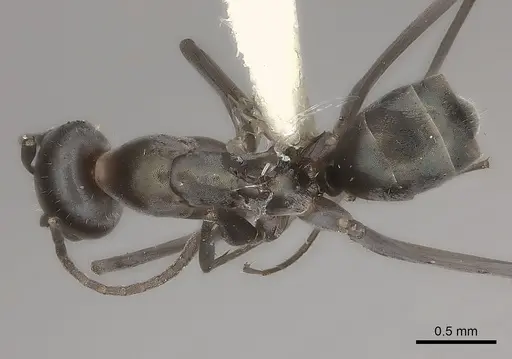
CASENT0249707
View on AntWeb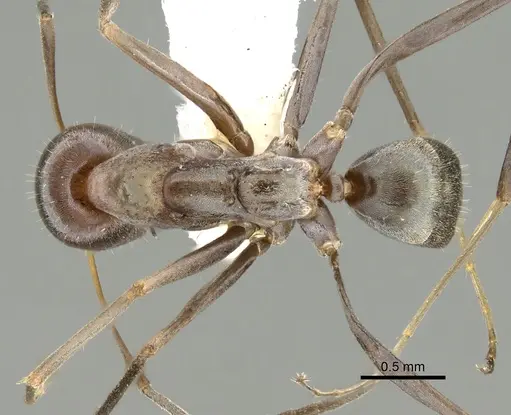
CASENT0903081
View on AntWeb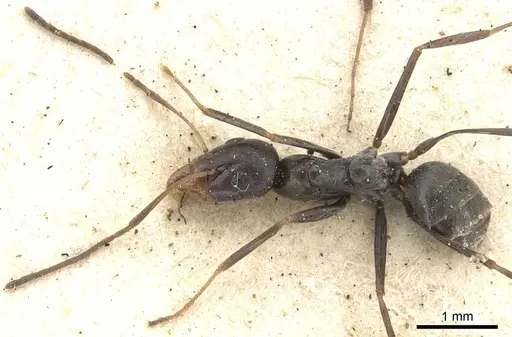
CASENT0905046
View on AntWeb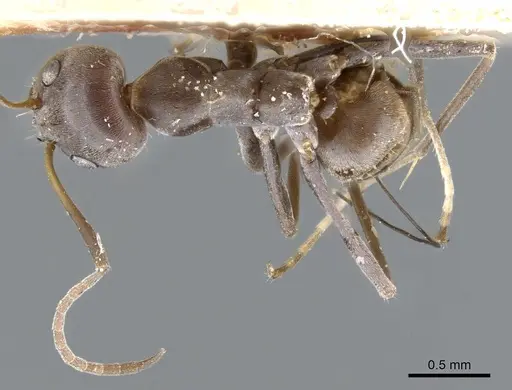
CASENT0905053
View on AntWeb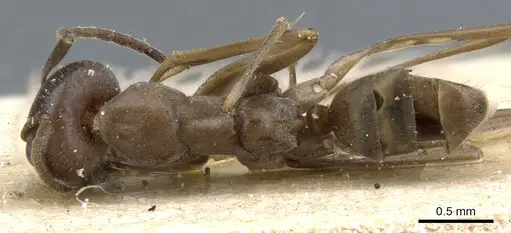
CASENT0909505
View on AntWeb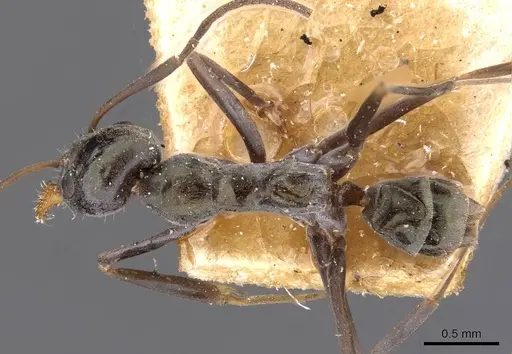
CASENT0917104
View on AntWeb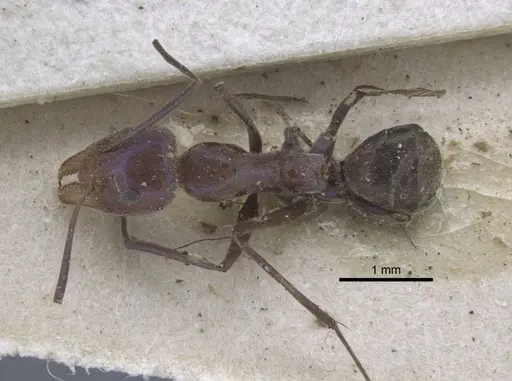
FOCOL2834
View on AntWeb
Literature
Loading distribution map...Loading products...