
Iridomyrmex azureus
- Sci. Name
- Iridomyrmex azureus
- Tribe
- Leptomyrmecini
- Subfamily
- Dolichoderinae
- Author
- Viehmeyer, 1914
- Distribution
- Found in 1 countries
Introduction
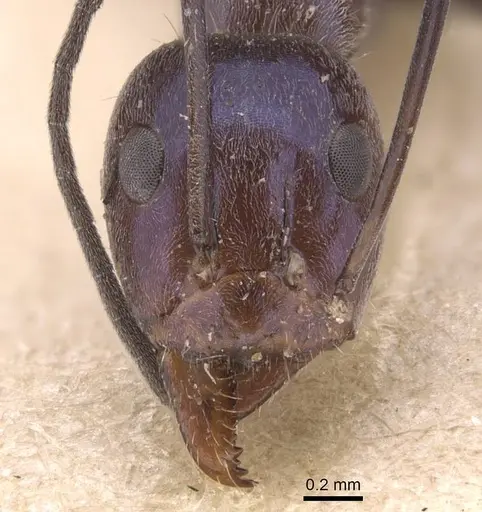
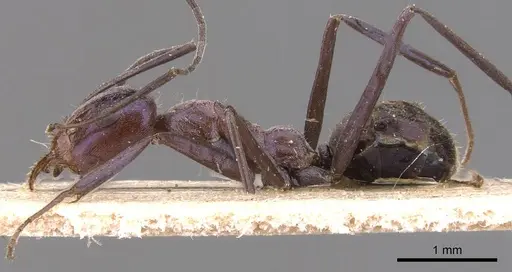
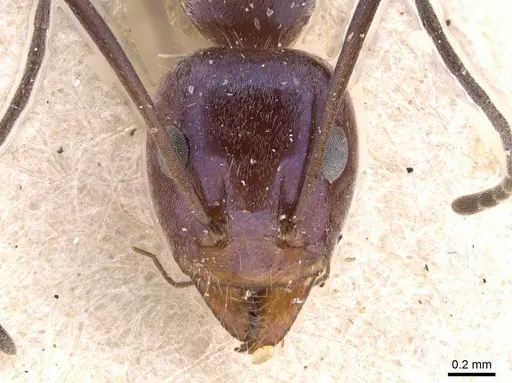
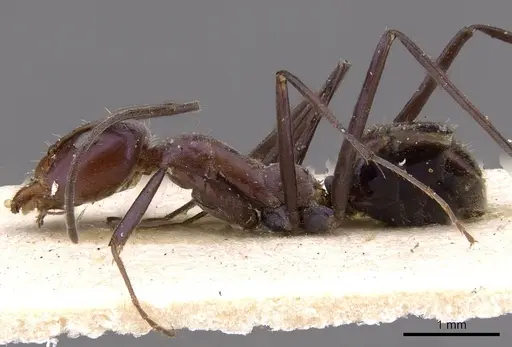
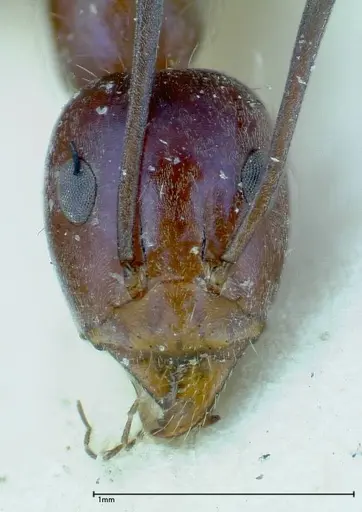
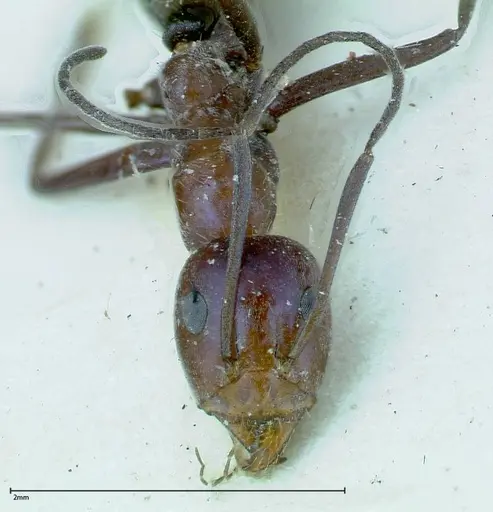
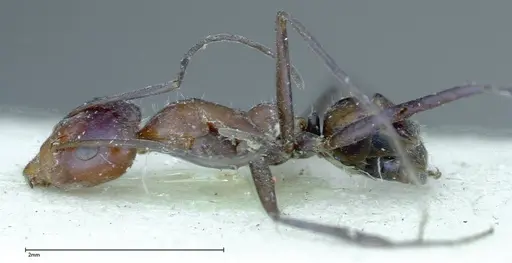
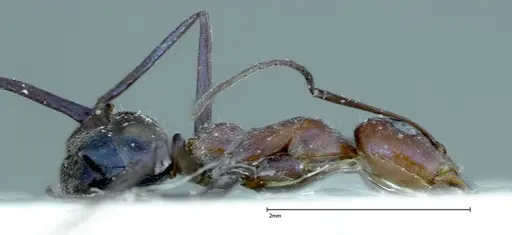
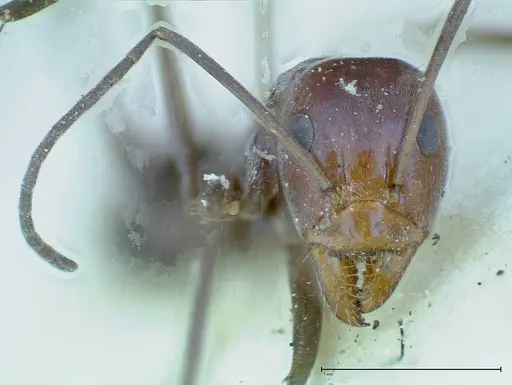
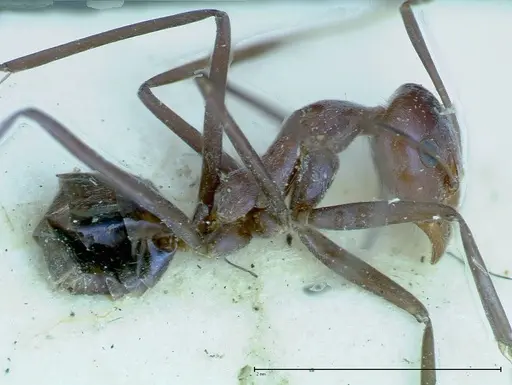
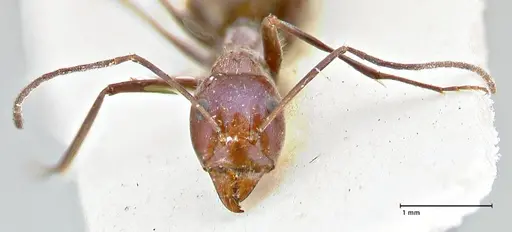
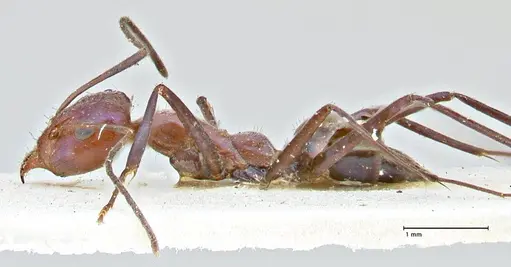
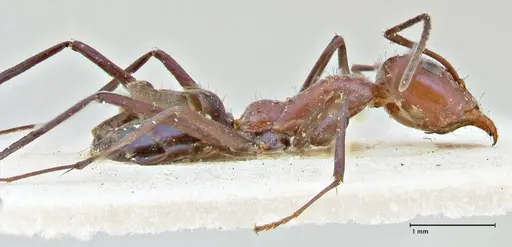
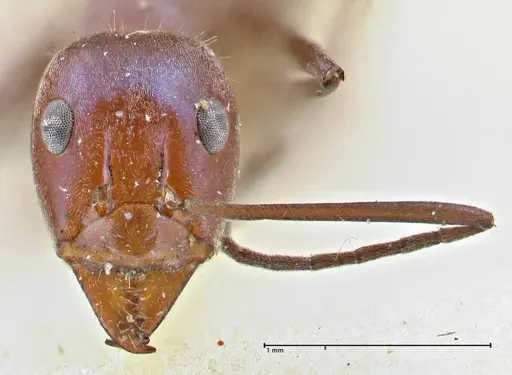
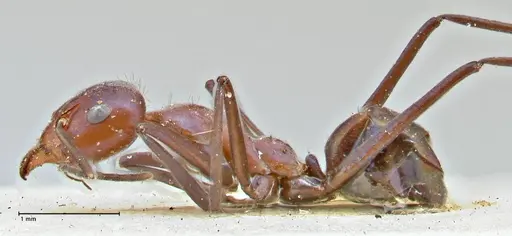
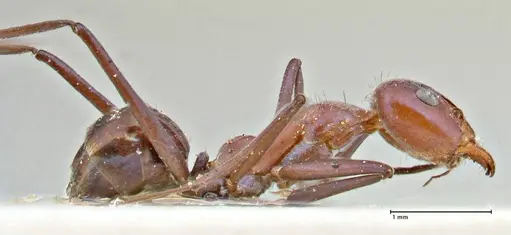
Iridomyrmex azureus is a medium-sized ant native to Australia. Workers have a brownish-red head and mesosoma with a distinctive weak to moderate bluish or pinkish iridescence . The gaster is dark brown to black with greenish-yellow to purple or pink iridescence . They can be confused with Iridomyrmex roseatus or small meat ants, but unlike those species, I. azureus lacks erect hairs on its antennal scapes and tibiae . This species inhabits some of the driest regions of Australia, including far inland areas of South Australia and Western Australia, as well as parts of New South Wales and the Northern Territory .
Quick Summary
- Difficulty: Medium
- Origin & Habitat: Arid Australia, far inland South Australia, Western Australia, New South Wales, Northern Territory [1][2].
- Colony Type: Based on Iridomyrmex genus patterns, likely monogyne (single queen). Colony structure not directly documented.
- Size & Growth:
- Queen: ~6-8 mm, inferred from Iridomyrmex genus
- Worker: ~3-5 mm, inferred from Iridomyrmex genus
- Colony: Up to several thousand workers, typical for Iridomyrmex species
- Growth: Moderate, estimated based on genus patterns
- Development: Unknown, no specific data available for this species (Development time may vary with temperature.)
- Antkeeping:
- Temperature: Keep at 22-28°C, inferred from arid habitat distribution [1].
- Humidity: Low to moderate, keep nest substrate moderately dry, similar to arid habitat [1].
- Diapause: No, based on arid habitat with no cold winters [1].
- Nesting: In nature, they nest in soil under stones. In captivity, use Y-tong or plaster nests kept dry [2].
- Behavior: Iridomyrmex azureus is an active forager. Workers are likely moderately aggressive in defense of their nest. Escape prevention should be standard for medium-sized ants.
- Common Issues: excessive humidity can kill the colony, keep the nest dry [1]., wild-caught colonies may struggle to adapt to captive conditions., colonies may be slow to establish in captivity, patience is needed., test tube setups must be kept dry to match their natural arid habitat., heating too much can dry out the nest and kill brood.
Origin and Natural Habitat
Iridomyrmex azureus comes from some of the most arid regions of Australia. Their distribution includes far inland areas of South Australia and Western Australia, as well as parts of New South Wales and the Northern Territory [1][2]. The species was raised to full species status in 2011 by Heterick and Shattuck [1][3]. In their natural habitat, these ants likely nest in soil under stones or in small ground cavities, adapting to harsh desert-like conditions.
Appearance and Identification
Workers have a brownish-red head and mesosoma with weak to moderate bluish or pinkish iridescence, while the gaster is dark brown to black with greenish-yellow to purple or pink iridescence [1]. A key identification feature is the lack of erect hairs on the antennal scapes and tibiae, distinguishing them from similar species like Iridomyrmex roseatus [2].
Temperature and Heating
As an arid Australian species, Iridomyrmex azureus prefers warm conditions. Keep the nest area at 22-28°C for optimal activity, inferred from their habitat distribution [1]. A heating cable on one side of the nest creates a temperature gradient, allowing ants to regulate their own temperature.
Humidity and Water
This is an arid-adapted species, so keeping things too wet will kill them. The nest substrate should be moderately dry, similar to their natural habitat [1]. Provide a small water source in the outworld, but keep the nest itself dry to avoid condensation.
Feeding and Diet
Like other Iridomyrmex species, these ants are likely omnivorous, feeding on honeydew, nectar, and small insects. In captivity, offer sugar water or honey constantly, and protein sources like fruit flies or mealworms 2-3 times per week.
Nesting in Captivity
Iridomyrmex azureus will do well in Y-tong or plaster nests that can be kept relatively dry, mimicking their natural nesting under stones in arid soil [2]. Avoid setups designed for high-humidity species.
Frequently Asked Questions
How long does it take for Iridomyrmex azureus to produce first workers?
The exact timeline is unconfirmed for this species. No specific data is available in the research context.
What temperature do Iridomyrmex azureus ants need?
Keep them at 22-28°C, inferred from their arid habitat distribution [1].
Do Iridomyrmex azureus ants need hibernation or diapause?
No, based on their arid habitat with no cold winters [1].
Are Iridomyrmex azureus good for beginners?
They are rated as medium difficulty. Their specific dry humidity requirements differ from many common pet ants.
How big do Iridomyrmex azureus colonies get?
Colony size is not directly documented, but typical Iridomyrmex species reach up to several thousand workers.
What do Iridomyrmex azureus eat?
They are omnivorous. Offer sugar water or honey constantly, and protein like small insects 2-3 times per week.
Can I keep multiple Iridomyrmex azureus queens together?
Not recommended. Based on Iridomyrmex patterns, this is likely a single-queen species, and combining queens may result in fighting.
Why is my Iridomyrmex azureus colony dying?
The most common cause is excessive humidity. Keep the nest dry, provide water only in the outworld, and ensure good ventilation [1].
When should I move Iridomyrmex azureus to a formicarium?
Wait until the colony has several workers and is actively foraging. Use a Y-tong or plaster nest that maintains dry, warm conditions.
Report an Issue
The current care sheet is based fully on literature. See inconsistencies, or something that's incorrect? Please , it will be resolved after review from an admin. Contributing to the blogs tab also helps providing information, to make us be able to further improve the caresheets. Thank you for your support!
References

This caresheet is licensed under CC BY-SA 4.0 .
Community Blogs
CASENT0905833
View on AntWeb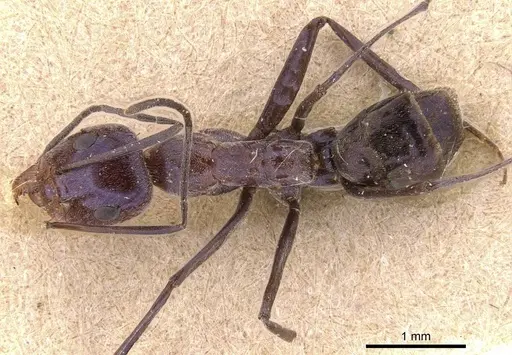
CASENT0909506
View on AntWeb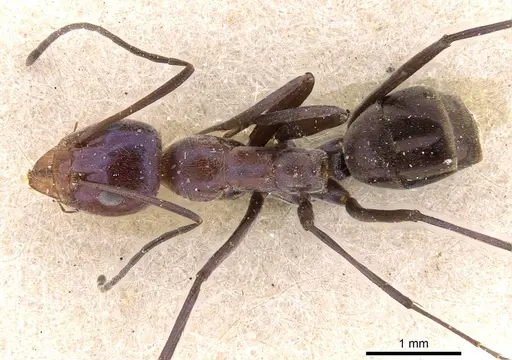
FOCOL0167
View on AntWeb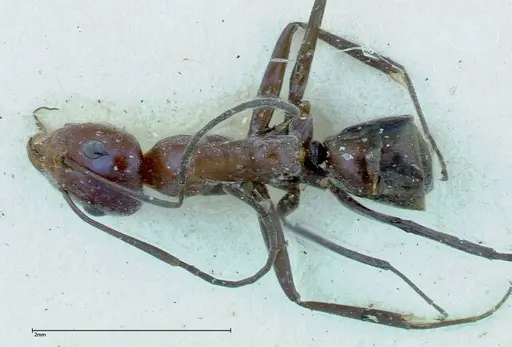
FOCOL0168
View on AntWeb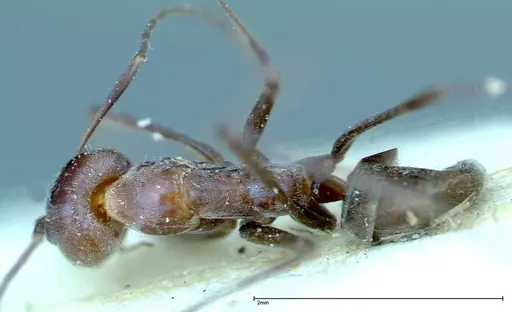
FOCOL2835
View on AntWeb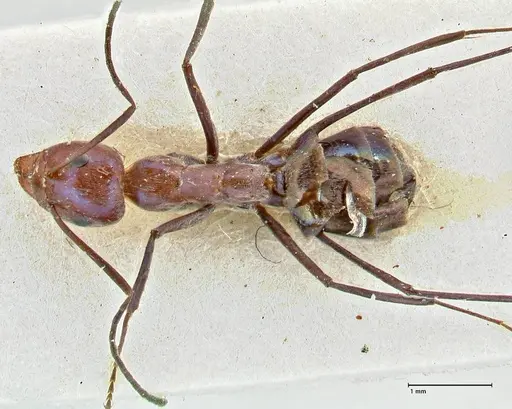
FOCOL2836
View on AntWeb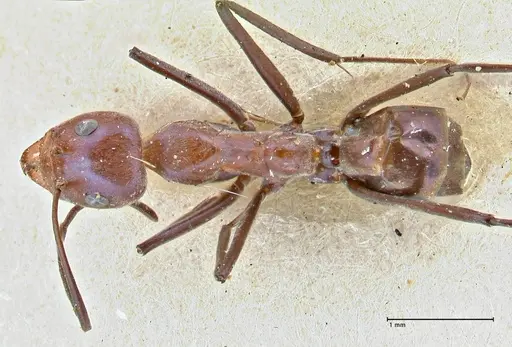
Literature
Loading distribution map...Loading products...