
Hypoponera ursa
- Sci. Name
- Hypoponera ursa
- Tribe
- Ponerini
- Subfamily
- Ponerinae
- Author
- Santschi, 1924
- Distribution
- Found in 0 countries
Introduction
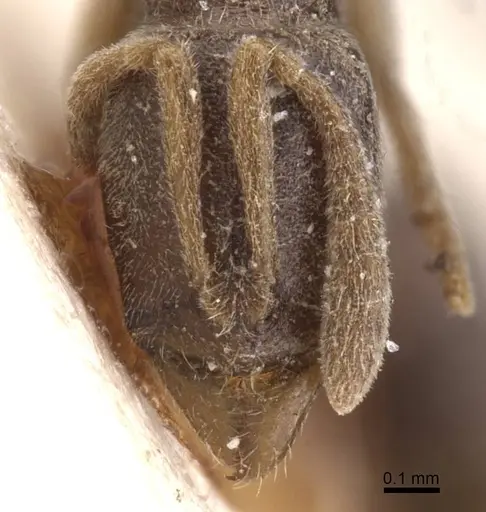
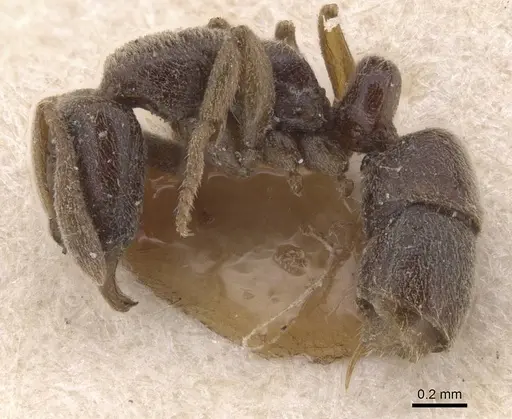
Hypoponera ursa is a tiny ponerine ant native to the Afrotropical region, found in the Democratic Republic of Congo and Kenya. Workers are very small, distinguished by relatively broad funicular segments (antenna segments 7-10) that separate it from the closely related Hypoponera jeanneli . The species belongs to the Hypoponera abeillei group and was originally described from specimens collected at 2000m elevation in the Ruwenzori mountains . Nothing has been documented about this species' specific biology, colony structure, or captive care requirements in the scientific literature . As with most Hypoponera species, these are likely predatory ants that hunt small invertebrates. Ponerine ants possess a functional stinger for defense and subduing prey.
Quick Summary
- Difficulty: Unknown, likely Medium to Hard
- Origin & Habitat: Afrotropical region, Democratic Republic of Congo (Ruwenzori mountains at 2000m elevation) and Kenya [1][3][2].
- Colony Type: Unconfirmed. Most Hypoponera species are monogyne, but colony structure for H. ursa has not been documented.
- Size & Growth:
- Queen: Size data unavailable, no measurements documented [1]
- Worker: Size data unavailable, no total length measurements exist. Head length 0.62mm and mesosoma length 0.80mm are the only documented measurements [1].
- Colony: Unknown, no colony size data exists for this species
- Growth: Unknown, no development data exists for this species
- Development: Unconfirmed, no development timeline has been studied for this species (Development timeline has not been documented for this species.)
- Antkeeping:
- Temperature: Start around 22-26°C and observe colony activity. No specific thermal studies exist for this species.
- Humidity: Keep nest substrate moderately moist. Provide a moisture gradient so ants can choose their preferred humidity level.
- Diapause: Unknown, African highland origin suggests they may tolerate cooler conditions seasonally but no documented diapause requirements exist.
- Nesting: Natural nesting sites are undocumented. In captivity, small test tubes work well for their tiny size. Provide damp substrate and minimal disturbance during founding.
- Behavior: Behavior is unstudied. Based on genus patterns, these are likely secretive, slow-moving ants that forage individually for small prey. They possess a functional stinger typical of Ponerinae. Their tiny size means escape prevention is critical, they can squeeze through remarkably small gaps. Expect shy, non-aggressive temperament typical of Hypoponera species.
- Common Issues: completely unstudied biology means all care is speculative, tiny size makes escape prevention challenging, no information on founding behavior or colony development, unknown if they accept sugar or require live prey exclusively, no data on diapause requirements or seasonal care
Species Identification and Taxonomy
Hypoponera ursa is a member of the Hypoponera abeillei group, characterized by their very small worker size and distinctive antenna structure. The species was originally described by Santschi in 1924 from specimens collected in the Ruwenzori mountains of the Democratic Republic of Congo at approximately 2000m elevation [1]. The key distinguishing feature from the similar H. jeanneli is the proportion of funicular segments 7-10,with ursa having a ratio of approximately 1.68 compared to 1.20-1.46 in jeanneli and related species [1]. This subtle difference means identification requires careful examination under magnification.
Natural Distribution and Habitat
Hypoponera ursa is known from two countries in the Afrotropical region: the Democratic Republic of Congo and Kenya [2][3]. The type locality is the Ruwenzori mountains, also known as the Mountains of the Moon, which reach over 5000m in elevation. The 2000m collection altitude suggests these ants prefer cooler, highland forest environments rather than lowland tropical conditions [1]. This highland origin may influence their temperature requirements in captivity.
Unknown Biology and Care Challenges
The most significant challenge in keeping Hypoponera ursa is that absolutely nothing has been documented about their biology in the scientific literature [2]. This includes colony structure, founding behavior, diet preferences, development timeline, and seasonal requirements. For keepers, this means starting with genus-level assumptions and adjusting based on colony observation. Most Hypoponera species are predatory and likely accept small live prey like springtails or fruit flies. They probably form small colonies with a single queen.
Housing and Nesting
Given their very small worker size, Hypoponera ursa requires appropriately scaled housing. Small test tubes with cotton-plugged water reservoirs work well for founding colonies. The narrow passages in test tubes match their natural tendency to nest in small crevices. For established colonies, small nests with tight chambers prevent escape. Because nothing is known about their natural nesting preferences, provide options: some damp areas and some slightly drier areas. Avoid disturbing founding queens unnecessarily, they prefer dark, quiet locations. Escape prevention is critical due to their minute size, standard mesh may need to be supplemented with fluon barriers.
Feeding and Diet
Diet preferences are completely unconfirmed for this species. Based on genus patterns for Hypoponera species, they are likely predatory and will accept small live invertebrates. Offer small prey items like fruit flies, pinhead crickets, mealworms, or springtails. Some ponerine ants accept sugar water, but this should be offered experimentally and removed if not consumed. Start with protein-rich live prey as the primary food source. Feed founding colonies small prey items that can be consumed entirely, leftover prey can mold and harm developing brood.
Frequently Asked Questions
How do I care for Hypoponera ursa ants?
Care is speculative since nothing has been documented about this species. Based on genus patterns, keep them in small test tubes at 22-26°C with moderately damp substrate. Feed small live prey like fruit flies or springtails. Their tiny size means excellent escape prevention is essential.
What do Hypoponera ursa ants eat?
Diet is unconfirmed. Based on typical Hypoponera behavior, they likely eat small live invertebrates. Offer fruit flies, springtails, tiny mealworms, or other small prey. Some may accept sugar water experimentally, but protein prey should be the primary food source.
How long does it take for Hypoponera ursa to produce first workers?
Development timeline is unconfirmed. No species-specific data exists for this species.
Are Hypoponera ursa good for beginners?
No, this species is not recommended for beginners. Their biology is completely unstudied, meaning all care is speculative. Additionally, their tiny size makes them challenging to house and observe. Beginners should start with better-documented species like Lasius, Camponotus, or Tetramorium.
How big do Hypoponera ursa colonies get?
Colony size is unconfirmed. No colony size data exists for this species.
Do Hypoponera ursa need hibernation?
Diapause requirements are unknown. Their African highland origin (Ruwenzori mountains at 2000m) suggests they may tolerate cooler seasonal conditions but likely do not require true hibernation. If your colony shows reduced activity in winter, offer cooler temperatures rather than full hibernation.
Can I keep multiple Hypoponera ursa queens together?
Colony structure is unconfirmed. Most Hypoponera species are monogyne (single queen), but polygyny has not been studied in H. ursa. Do not combine unrelated foundress queens unless you have evidence this species tolerates pleometrosis. Undocumented species should be started as single-queen colonies.
What is the best nest type for Hypoponera ursa?
Small test tubes work well for founding colonies. For established colonies, use small nests with narrow chambers scaled to their tiny size. Provide damp substrate and avoid excessive ventilation that could dry out the nest.
Why is nothing known about Hypoponera ursa biology?
This species has received minimal scientific attention. It is known only from a few specimens collected in the 1920s-1930s in the Ruwenzori mountains and Kenya. Most ant species, especially in tropical regions, remain poorly studied. The scientific focus has been on more common species with larger distribution ranges.
Report an Issue
The current care sheet is based fully on literature. See inconsistencies, or something that's incorrect? Please , it will be resolved after review from an admin. Contributing to the blogs tab also helps providing information, to make us be able to further improve the caresheets. Thank you for your support!
References

This caresheet is licensed under CC BY-SA 4.0 .
Community Blogs
CASENT0915211
View on AntWeb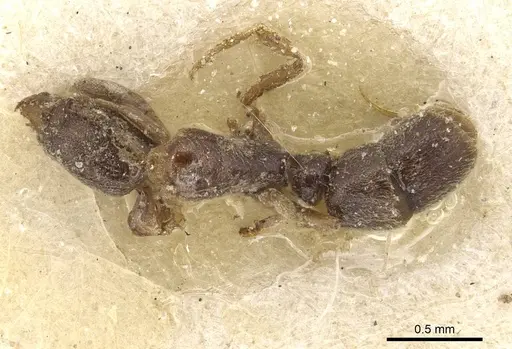
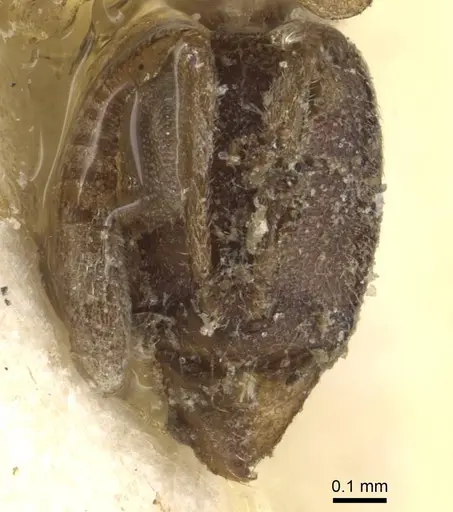
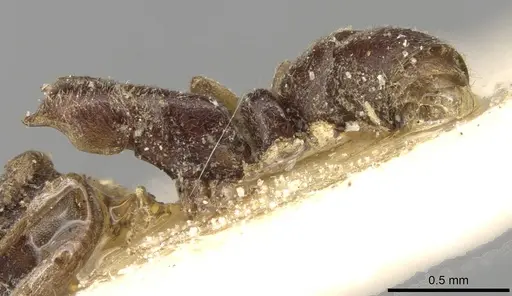
RMCAENT000017730
View on AntWeb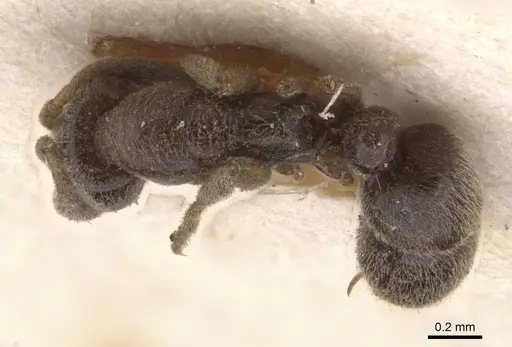
Literature
Loading distribution map...Loading products...