
Hypoponera transvaalensis
- Sci. Name
- Hypoponera transvaalensis
- Tribe
- Ponerini
- Subfamily
- Ponerinae
- Author
- Arnold, 1947
- Distribution
- Found in 1 countries
Introduction
Hypoponera transvaalensis is a small ponerine ant species native to South Africa, specifically found in the Transvaal region. Workers have a dark coloration and belong to the Hypoponera boerorum species group. This species is closely related to H. sulcatinasis, from which it can be distinguished by its weaker propodeal sculpture that fades toward the posterior. In the wild, these ants inhabit leaf litter in Afromontane forest environments and adjacent grasslands. They are predatory ants that likely play a role in controlling small invertebrate populations in their native ecosystem .
Quick Summary
- Difficulty: Medium
- Origin & Habitat: South Africa (Transvaal region, Pilgrim's Rest, Mariepskop). Found in leaf litter in Afromontane forest and grassland ecotones [1][2].
- Colony Type: Colony structure is unconfirmed for this species. Based on genus patterns, Hypoponera colonies typically have a single queen, though some species in the genus can have multiple queens.
- Size & Growth:
- Queen: Size data unavailable, no specific measurements exist for this species.
- Worker: Approximately 2.5-3.5mm, inferred from Hypoponera genus typical worker size range.
- Colony: Colony size is unconfirmed for this specific species.
- Growth: Moderate, typical for Ponerinae ants
- Development: Estimated 6-10 weeks at optimal temperature based on related Ponerinae species. (Development time is inferred from genus-level data since specific studies on H. transvaalensis are not available.)
- Antkeeping:
- Temperature: Keep around 22-26°C. Being from South Africa, they prefer warm conditions but not extreme heat. A gentle thermal gradient allows them to regulate their temperature.
- Humidity: High humidity is essential, they naturally live in leaf litter and forest floor environments. Keep substrate consistently moist but not waterlogged. Aim for 70-80% humidity in the nest area.
- Diapause: Unconfirmed, South African species may experience reduced activity during cooler months but true hibernation requirements are unknown for this species.
- Nesting: In captivity, they do well in setups that replicate their natural leaf litter habitat. Y-tong nests, plaster nests, or naturalistic setups with moist substrate work well. They prefer tight, enclosed spaces rather than open areas. Provide fine substrate material they can move through.
- Behavior: Ponerinae ants like Hypoponera are typically predatory and can be defensive when threatened. They have a functional stinger and may use it if provoked. Workers are small but active foragers, likely hunting small invertebrates in the wild. They are not aggressive toward humans under normal circumstances but will defend their nest. Their small size means escape prevention is important, they can slip through small gaps.
- Common Issues: high humidity management can be tricky, too wet causes mold, too dry stresses the colony, slow colony growth may test keeper patience and lead to overfeeding attempts, wild-caught colonies may carry parasites that can devastate captive populations, small colony size makes them vulnerable to stress, avoid frequent disturbances, temperature fluctuations can impact brood development, stability is important
Housing and Nest Setup
Hypoponera transvaalensis does well in setups that replicate their natural leaf litter habitat. A Y-tong nest with narrow chambers works well, as does a plaster nest that can hold moisture. Because they come from forest floor environments, they need consistently moist substrate. The nest should have tight-fitting lids and fine mesh barriers on any ventilation holes since workers are small and can escape through small gaps. A small outworld connected to the nest allows for feeding. Some keepers prefer naturalistic setups with soil and leaf litter, which can help maintain humidity and provide enrichment. Whatever setup you choose, ensure the nest chambers are appropriately sized, these are small ants and too-large chambers can cause stress. [1][2]
Feeding and Diet
As predatory ponerine ants, Hypoponera transvaalensis primarily hunts small invertebrates. In captivity, offer small live prey such as fruit flies, pinhead crickets, small mealworms, and other appropriately sized insects. They likely accept protein sources readily. Sugar water or honey can be offered occasionally, though Ponerinae ants are less dependent on sugar than some other genera. Feed protein prey 2-3 times per week, removing any uneaten prey after 24 hours. A constant water source should be available. Start with small prey items and observe what the colony accepts. Remove any moldy or spoiled food promptly to maintain colony health.
Temperature and Seasonal Care
Keep your colony at 22-26°C, avoiding both extremes. South African species from the Transvaal region experience warm conditions year-round, though temperatures can drop in winter months. Room temperature within this range is often suitable. If your room is cooler, a heating cable on one side of the nest can create a gentle gradient, place it on top of the nest to avoid evaporating moisture too quickly. Monitor colony behavior: if workers cluster near the heated area, slightly increase temperature, if they avoid it, reduce heat. The exact diapause requirements for this species are unknown, but most South African ants experience reduced activity in winter. You can allow cooler temperatures (15-18°C) for a few months in winter, but this is optional and should be based on observed colony behavior.
Colony Establishment and Growth
Establishing a colony from a wild-caught queen or founding colony can be challenging. If you obtain a founding queen, place her in a test tube setup with a water reservoir and keep her in darkness with minimal disturbance. Queens may take several weeks to lay their first eggs, and another 6-10 weeks for eggs to develop into workers. Once the first workers emerge, the colony enters a slow growth phase. Ponerinae colonies typically grow more slowly than many common ant species like Lasius or Camponotus. Patience is key, a healthy colony may take a year or more to reach 50 workers. Avoid the temptation to overfeed or disturb the colony frequently. Signs of a healthy colony include the queen laying eggs, visible brood in various stages, and workers actively foraging.
Handling and Observation
Hypoponera ants are small and quick, making them challenging to handle directly. If you need to move them, use gentle techniques like coaxing them into a test tube or using soft brushes. They have a functional stinger and may use it if threatened, though the sting is mild for humans due to their small size. When observing your colony, do so quietly and without jarring the nest. Avoid frequent nest inspections as this stresses the colony. Red light or indirect lighting works well for observation without disturbing them. These ants are more suited for observation than handling, making them better suited for intermediate to experienced antkeepers who understand the importance of minimal disturbance.
Frequently Asked Questions
How long does it take for Hypoponera transvaalensis to produce first workers?
Based on related Ponerinae species, expect 6-10 weeks from egg to first worker at optimal temperature (22-26°C). This timeline can vary depending on temperature and colony health. Founding queens may take longer to lay their first eggs, so be patient during the founding stage.
What do Hypoponera transvaalensis ants eat?
They are predatory ants that primarily eat small invertebrates. Feed small live prey like fruit flies, pinhead crickets, small mealworms, and other tiny insects. They may occasionally accept sugar water or honey, but protein-rich prey should be their main food source. Remove uneaten prey after 24 hours.
What temperature do Hypoponera transvaalensis need?
Keep them at 22-26°C. This South African species prefers warm conditions but not extreme heat. Room temperature within this range is often suitable. A gentle thermal gradient allows the colony to regulate its temperature naturally.
Are Hypoponera transvaalensis good for beginners?
This species is rated as Medium difficulty and may not be ideal for complete beginners. They require high humidity, specific prey foods, and patience during the slow founding stage. They are better suited for antkeepers who already have some experience with Ponerinae or more demanding species.
How big do Hypoponera transvaalensis colonies get?
Colony size is not specifically documented for this species. Growth is moderate and can take a year or more to reach 50 workers from a founding colony.
Do Hypoponera transvaalensis need hibernation?
Diapause requirements are unconfirmed for this species. South African species may experience reduced activity during cooler months, but true hibernation may not be necessary. You can allow cooler temperatures (15-18°C) for a few months in winter if the colony shows reduced activity, but this is optional.
What humidity level do Hypoponera transvaalensis need?
High humidity is essential, they naturally live in leaf litter in forest environments. Keep substrate consistently moist but not waterlogged. Aim for 70-80% humidity in the nest area. Using a water reservoir in test tube setups or moist plaster nests helps maintain appropriate humidity.
Can I keep multiple Hypoponera transvaalensis queens together?
The colony structure for this specific species is unconfirmed. Based on genus patterns, Hypoponera typically has single-queen colonies, but some species can have multiple queens. Combining unrelated queens is not recommended as it often leads to fighting. If you obtain multiple foundresses, keep them separate unless you observe clear peaceful cohabitation.
Why is my Hypoponera transvaalensis colony dying?
Common causes include: incorrect humidity (too dry or too wet causing mold), temperature stress from fluctuations, parasites from wild-caught colonies, overfeeding leading to mold, or stress from frequent disturbances. Review your setup parameters and minimize nest inspections. If the colony came from the wild, parasites are a common cause of colony loss.
Report an Issue
The current care sheet is based fully on literature. See inconsistencies, or something that's incorrect? Please , it will be resolved after review from an admin. Contributing to the blogs tab also helps providing information, to make us be able to further improve the caresheets. Thank you for your support!
References

This caresheet is licensed under CC BY-SA 4.0 .
Community Blogs
CASENT0821431
View on AntWeb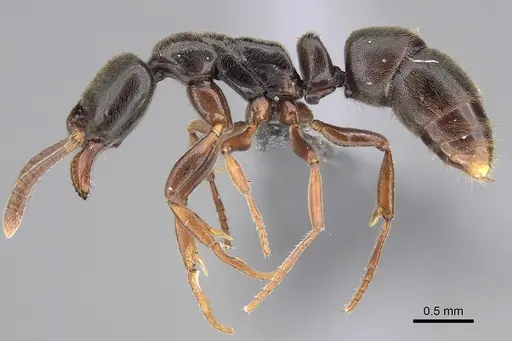
SAM-HYM-C000707A
View on AntWeb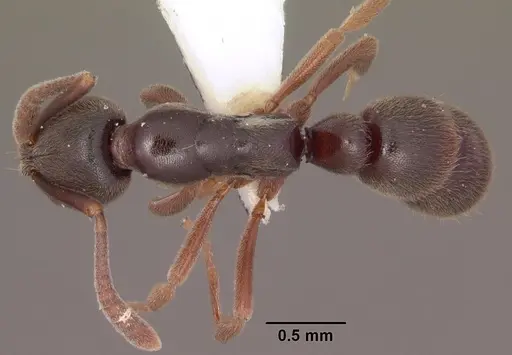
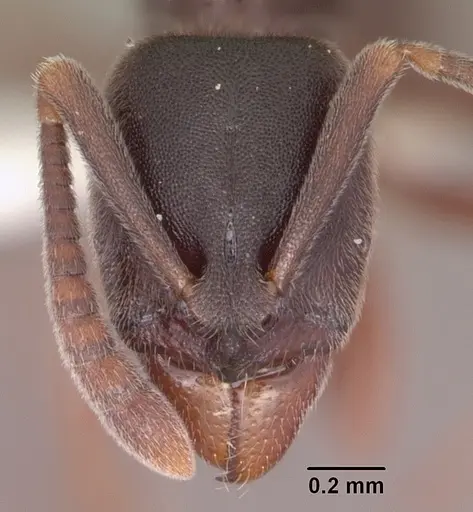
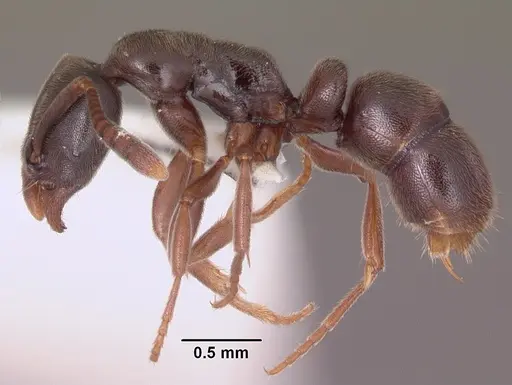
Literature
Loading distribution map...Loading products...