
Hypoponera ragusai
- Sci. Name
- Hypoponera ragusai
- Tribe
- Ponerini
- Subfamily
- Ponerinae
- Author
- Emery, 1894
- Distribution
- Found in 11 countries
Introduction
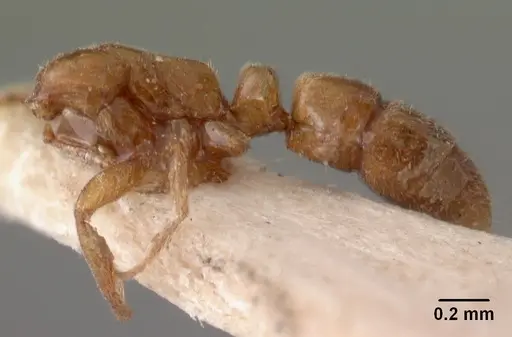
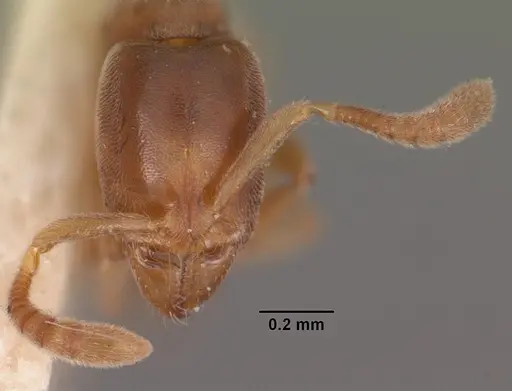
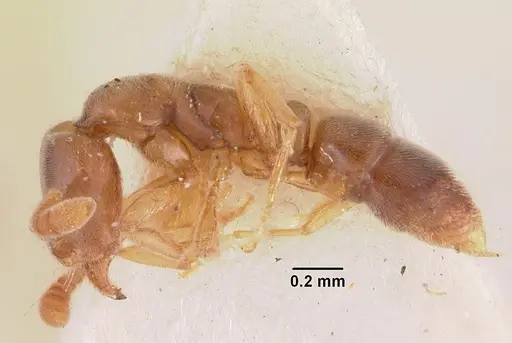
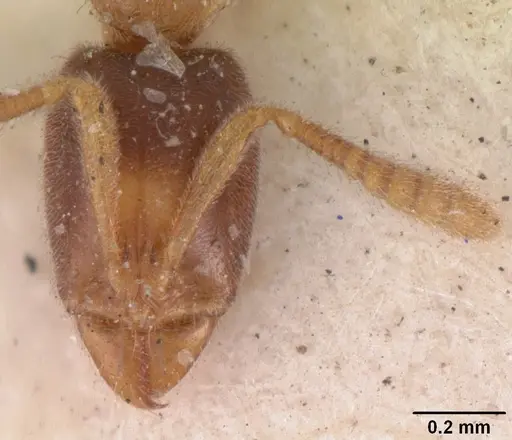
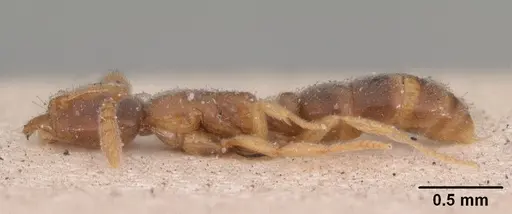
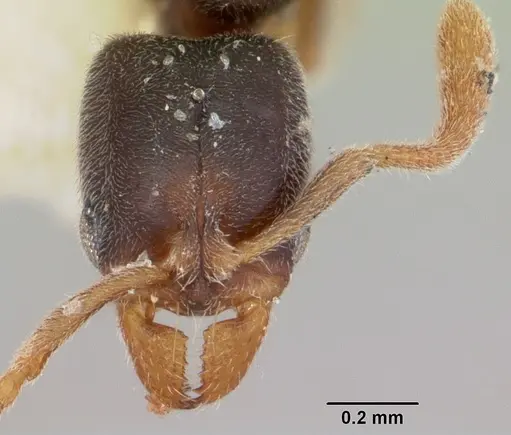
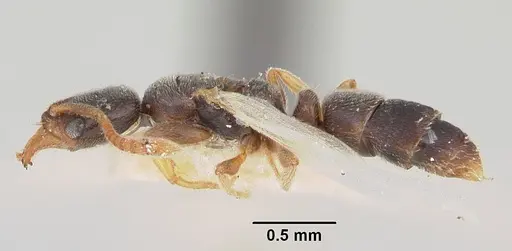
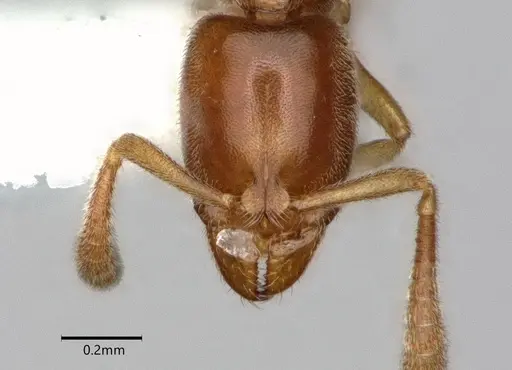
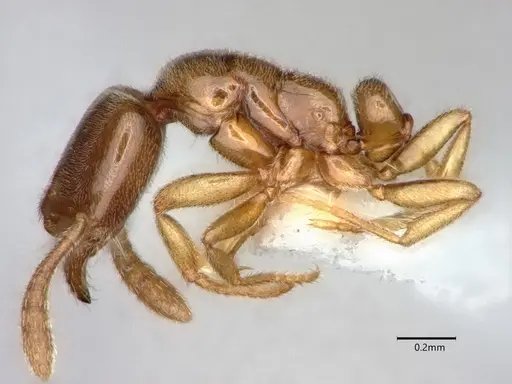
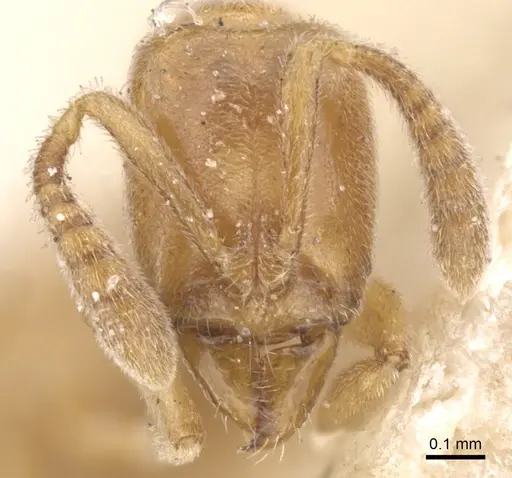
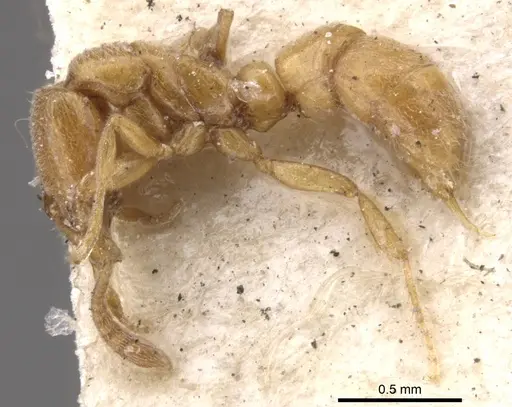
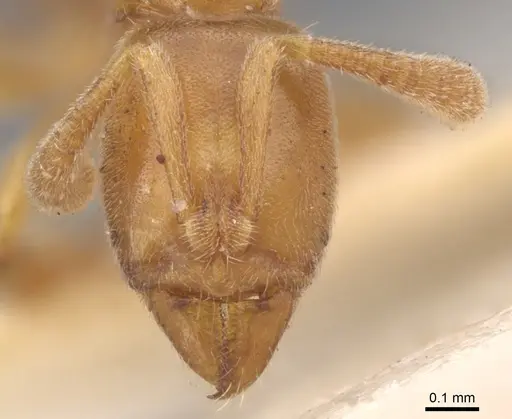
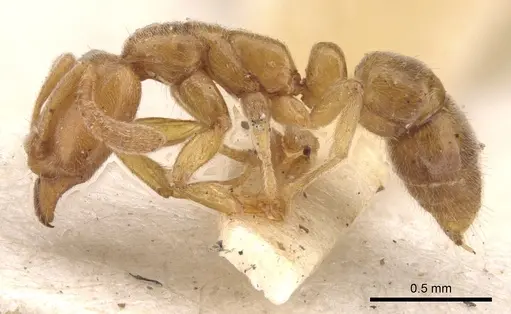
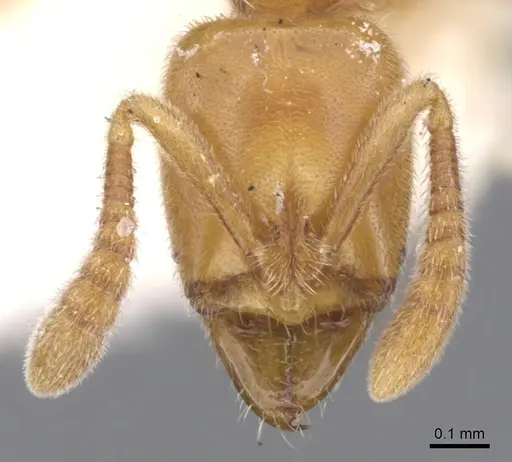
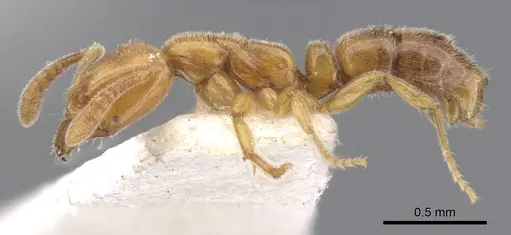
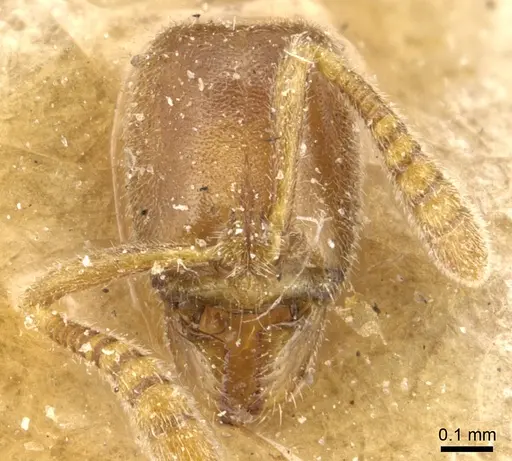
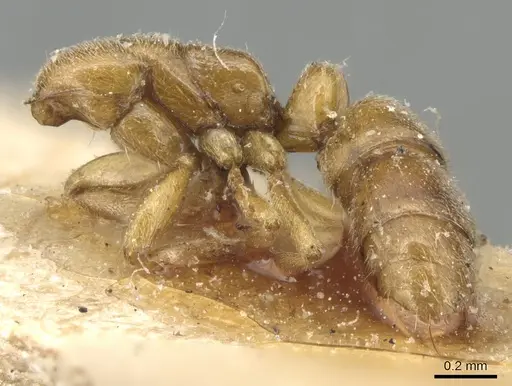
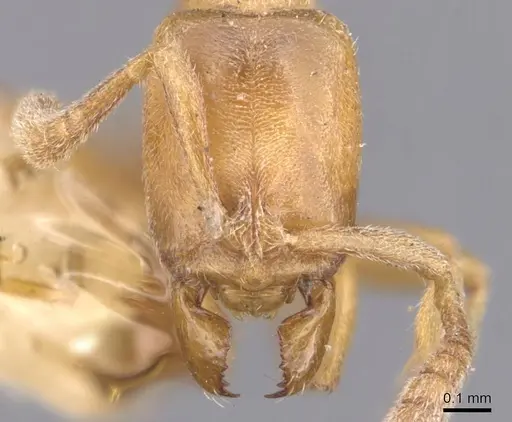
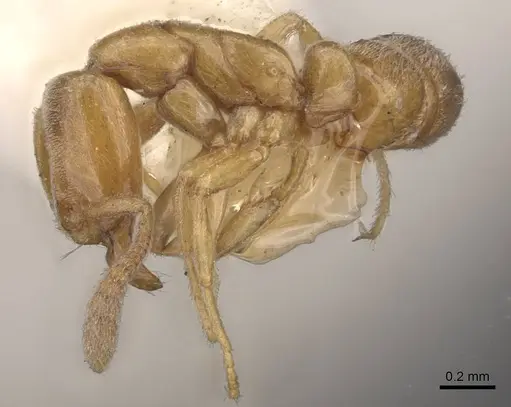
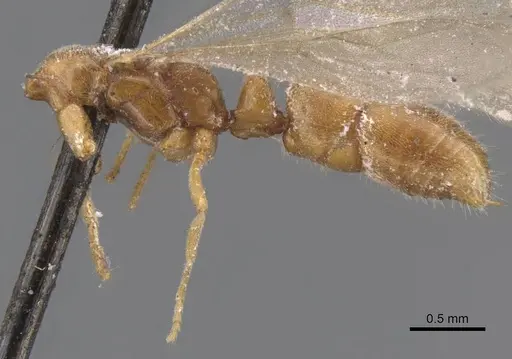
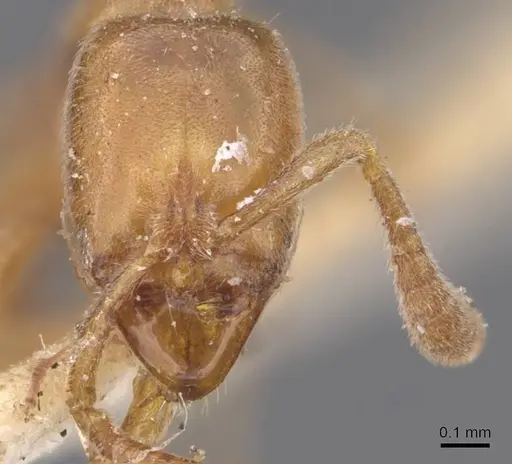
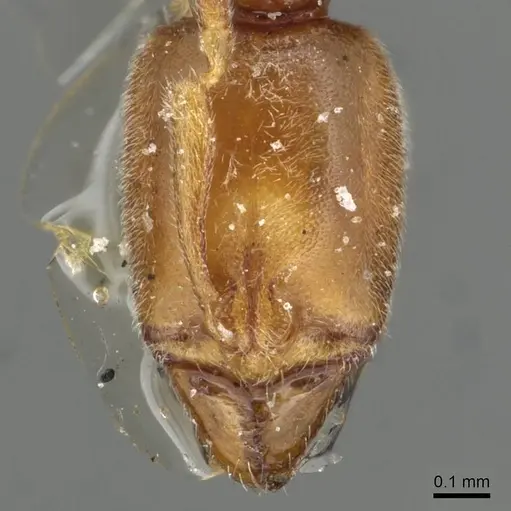
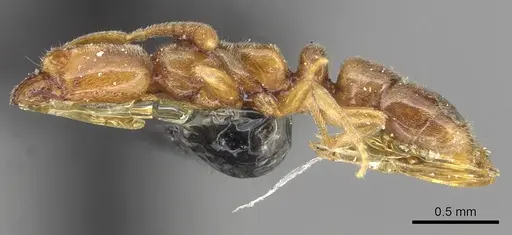
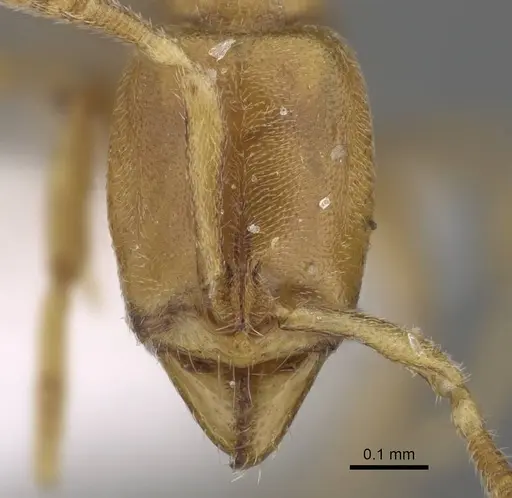
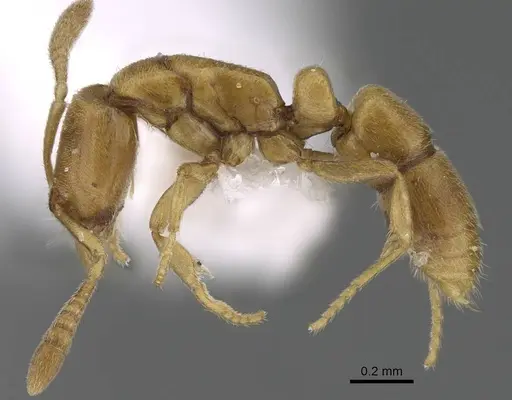
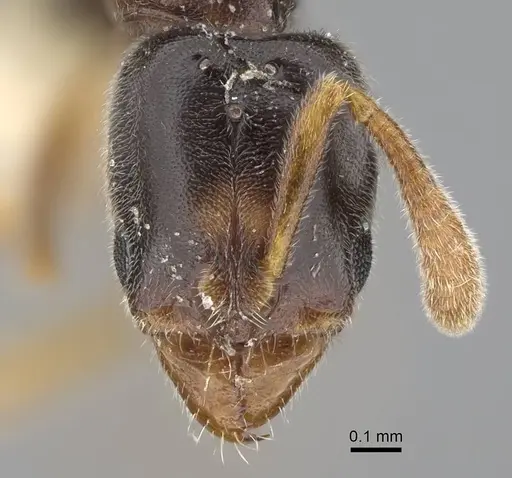
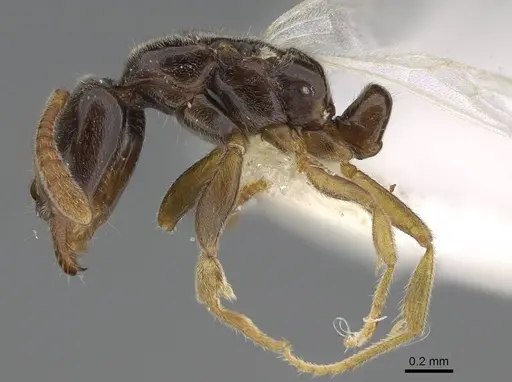
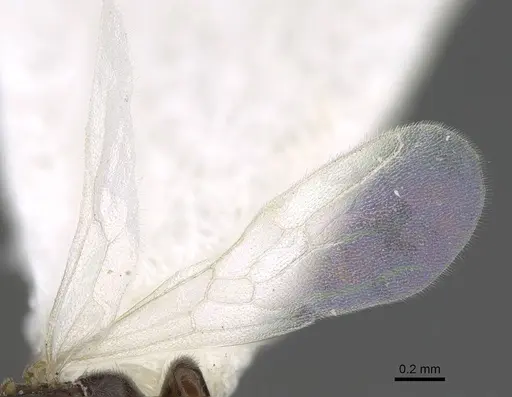
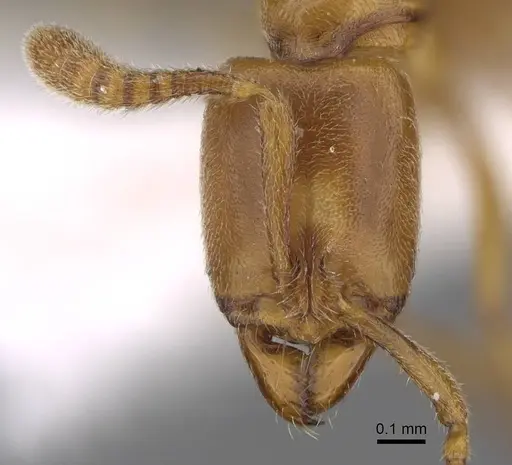
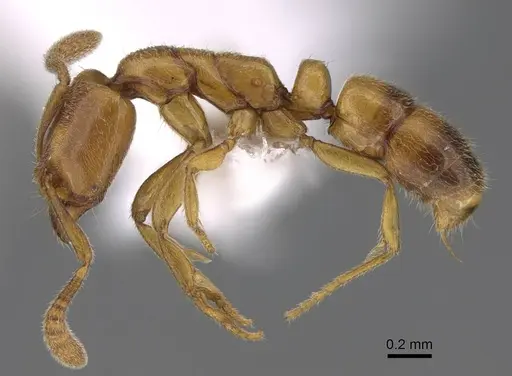
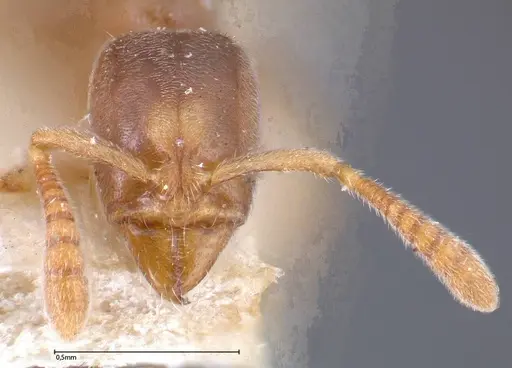
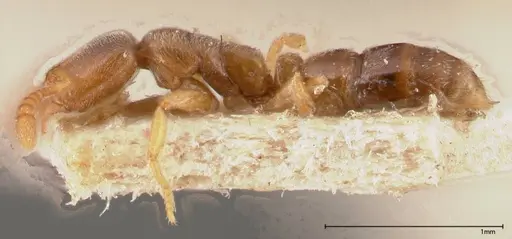
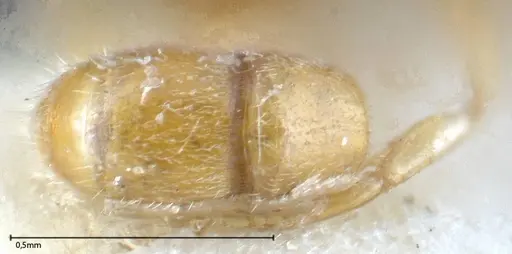
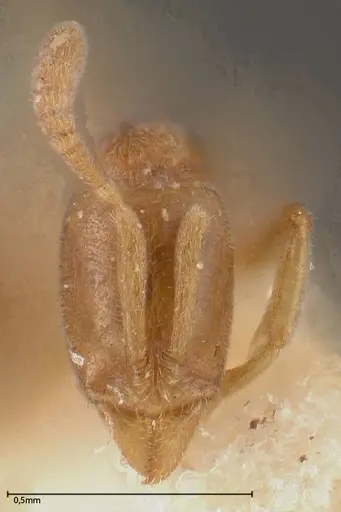
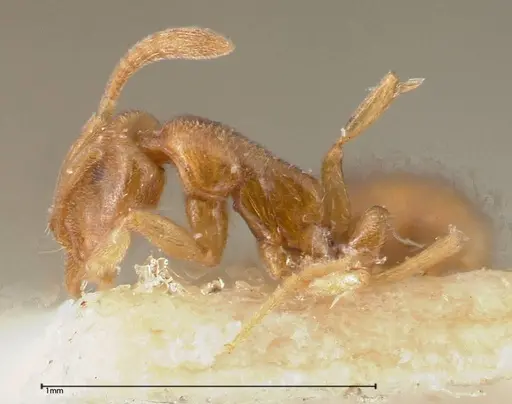
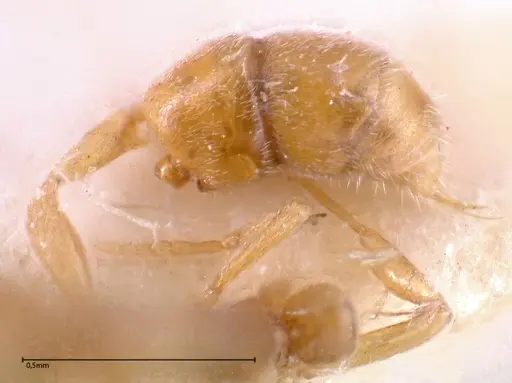
Hypoponera ragusai is a tiny, pale ant native to the Mediterranean region that has become a subcosmopolitan tramp species, now found on every continent except Antarctica . Workers are around 2.5 mm and yellow to light brown, while queens are much darker, almost black, making them easy to tell apart from workers . This species belongs to the Hypoponera punctatissima group and has very small eyes with only 1-3 ommatidia, giving it a nearly blind look . They nest in soil, usually under stones or in leaf litter in moist, shaded spots . The species was first described from Sicily in 1894 and spread worldwide under the synonym Ponera gleadowi before being recognized as the same species . One unusual feature is the production of ergatoid (wingless) reproductive forms – both worker-queen intercastes and wingless males, alongside normal alate queens and males .
Quick Summary
- Difficulty: Expert
- Origin & Habitat: Mediterranean region (originally Sicily, Italy) but now subcosmopolitan – found across Europe, Africa, Asia, North America, Oceania, and the Caribbean as an introduced tramp species [1][2]. In its native range, it lives in moist soil under stones and leaf litter in shaded areas, and has been found in caves in Spain and Venezuela [6][7]. It favors humid microhabitats near coasts and in forests.
- Colony Type: Likely single-queen colonies with ergatoid replacement reproductives. Colonies are small – a recorded wild nest had 47 workers plus reproductives [8]. Produces both alate and ergatoid (wingless) sexual forms.
- Size & Growth:
- Queen: Unknown (workers are ~2.5 mm, queens are larger but no specific body length data available)
- Worker: ~2.5 mm [3]
- Colony: Up to 50 workers in wild colonies [8]
- Growth: Moderate
- Development: Estimated 6-10 weeks based on typical Ponerinae development patterns (Direct data not available, estimate from related species.)
- Antkeeping:
- Temperature: Keep at 20-24°C. This Mediterranean species does well at normal room temperature. Avoid temperatures above 28°C [2].
- Humidity: Needs high humidity – keep the nest substrate consistently moist but not waterlogged. These ants naturally live in damp soil under stones and in leaf litter [5]. Use a water reservoir in test tubes and mist the outworld occasionally.
- Diapause: Unknown. As a tramp species with Mediterranean origin, a short cool period (15-18°C for 2-3 months) may help, but they have also adapted to warm climates worldwide [2].
- Nesting: Soil-nesting. Test tube setups with moist cotton work well for founding. For larger colonies, use a formicarium with soil or Y-tong nest with moist substrate. They like tight, dark, humid spaces.
- Behavior: Very docile and non-aggressive. Workers are slow-moving and spend most time underground. They forage mainly through soil and leaf litter, not on open surfaces. Their tiny eyes mean they navigate by touch and chemical cues. Escape risk is moderate – they are small but not strong climbers. They have a small sting but rarely use it on humans, the sting is mild.
- Common Issues: small colony size makes them vulnerable to stress and population crashes, escape prevention is important – they can slip through tiny gaps, consistent humidity is critical – they dry out fast in dry conditions, they are cryptic and stay hidden, making colony health hard to monitor, wild-caught colonies may carry parasites that devastate small colonies, invasive species – never release unwanted colonies, extreme precautions needed to prevent escape
Housing and Nest Setup
Hypoponera ragusai is a soil-nesting species that prefers tight, humid spaces [5]. Test tube setups work well for founding colonies – use a small test tube with a water reservoir sealed with cotton, giving the queen a dark, humid chamber. For established colonies, a small formicarium with a soil chamber or a Y-tong nest with moist substrate works well. These ants are subterranean and like to stay hidden, so provide plenty of cover. Avoid bright lights near the nest area – they do best in dim conditions. The outworld can be simple since they don't forage much on open surfaces. A small foraging area with a layer of moist soil or coconut fiber is enough. Escape prevention is important: they are tiny so standard gaps must be sealed. Ants from this species are tramp ants and should never be released into the wild outside their native range [1][9].
Feeding and Diet
In the wild, H. ragusai likely feeds on small soil arthropods and probably honeydew from root aphids. In captivity, offer tiny protein sources like fruit flies, micro-worms, small mealworm pieces, and other tiny insects. Sugar water or honey can be offered occasionally, though acceptance varies. Feed small amounts 2-3 times per week, removing uneaten food after 24 hours. Given their small size, prey items should be appropriately sized – tiny fragments rather than whole insects. They are not aggressive foragers and often take food underground instead of in the open [4].
Temperature and Seasonal Care
Keep your colony at 20-24°C – this Mediterranean species does fine at normal room temperature [2]. Avoid temperatures above 28°C as they prefer cooler, stable conditions. Provide a slight temperature gradient in the outworld so they can choose their preferred spot. Regarding hibernation: it is not directly studied for this species. Its Mediterranean origin suggests a short cool period (15-18°C for 2-3 months during winter) may be beneficial, but since it has spread to tropical areas, it can probably survive year-round at room temperature [2]. If you choose not to hibernate, growth may slow in winter.
Colony Dynamics and Reproduction
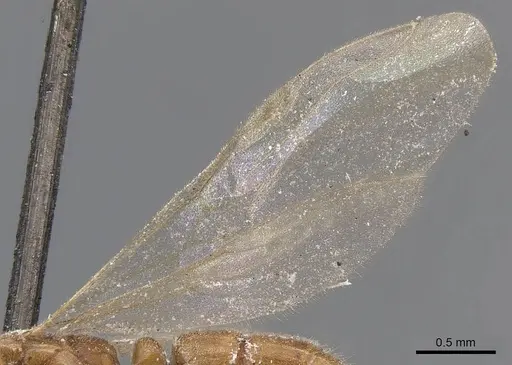
Hypoponera ragusai has an unusual reproductive system with both alate (winged) and ergatoid (wingless) sexual forms. Ergatoid queens look like workers but can reproduce, and ergatoid males have 13-segmented antennae [2]. This means colonies may have replacement reproductives if the primary queen dies, helping small colonies survive. Wild colony sizes are modest – one recorded colony had 47 workers plus reproductives [8]. This slow growth means keepers need patience. Queens are much darker than workers, making them easy to spot [4]. The presence of ergatoid forms means you may see wingless reproductives in established colonies.
Handling and Observation
These ants are extremely docile and their small sting is not a threat to humans. They are slow-moving and not aggressive, so they are fine for observation but not very exciting to watch. Their tiny size and subterranean habits mean you'll see more of the nest structure than the ants themselves. They do best with minimal disturbance – avoid frequent nest inspections. When you need to move them, use gentle methods. Their small eyes indicate heavy reliance on chemical communication, so avoid strong-smelling materials near the colony. Because they are cryptic, a nest with good visibility (like Y-tong or plaster) helps you observe colony development without disturbing them [2]. Never release this invasive species into the wild [1][9].
Frequently Asked Questions
Can I keep Hypoponera ragusai in a test tube?
Yes, test tubes work well for this species. Use a small test tube with a water reservoir to maintain humidity. The queen will likely seal herself into a chamber if founding claustrally, though founding type is unconfirmed. For established colonies, consider moving to a small formicarium with soil substrate [2][5].
How long until first workers appear?
Estimated 6-10 weeks from egg to worker based on typical Ponerinae development, though this is not directly documented for this species. Be patient – small colonies grow slowly.
Are Hypoponera ragusai good for beginners?
No – they are rated Expert difficulty. While docile, they require very high humidity, are sensitive to dry conditions, and have slow growth with small colonies. Additionally, they are an invasive tramp species that must never be released, making them unsuitable for beginners [1][9].
How big do Hypoponera ragusai colonies get?
Wild colonies are small – one recorded nest had 47 workers plus reproductives. In captivity, expect similar modest sizes, up to 50 workers. They are not a fast-growing species [8].
Can I keep multiple queens together?
Not recommended. They appear to be a single-queen species with ergatoid replacement reproductives. Combining unrelated foundresses has not been documented and could lead to aggression [2].
What do Hypoponera ragusai eat?
They likely accept small protein sources like fruit flies, micro-worms, and small insect pieces. Occasional sugar water or honey may be accepted. Feed small amounts 2-3 times weekly [4].
Do they need hibernation?
Diapause requirements are unknown. A short cool period (15-18°C for 2-3 months) in winter may be beneficial given their Mediterranean origin, but they have also adapted to warm climates worldwide. They can probably survive year-round at room temperature [2].
Why are my ants dying?
Common causes: dry conditions (critical – they need high humidity), stress from disturbance, mold from excess moisture, or parasites from wild-caught colonies. Ensure consistent humidity and minimal disturbance.
Report an Issue
The current care sheet is based fully on literature. See inconsistencies, or something that's incorrect? Please , it will be resolved after review from an admin. Contributing to the blogs tab also helps providing information, to make us be able to further improve the caresheets. Thank you for your support!
References

This caresheet is licensed under CC BY-SA 4.0 .
Community Blogs
CASENT0102028
View on AntWeb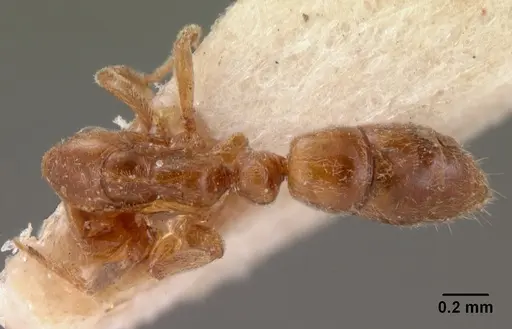

CASENT0102273
View on AntWeb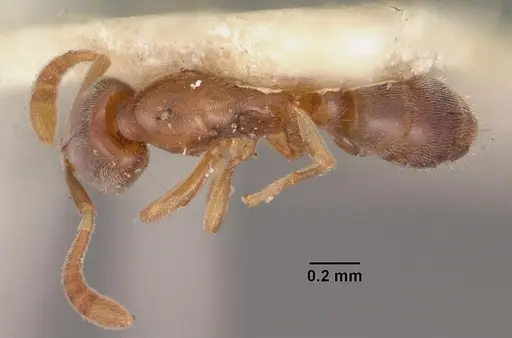
CASENT0102274
View on AntWeb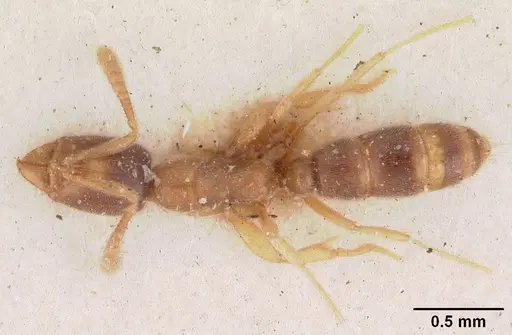
CASENT0103117
View on AntWeb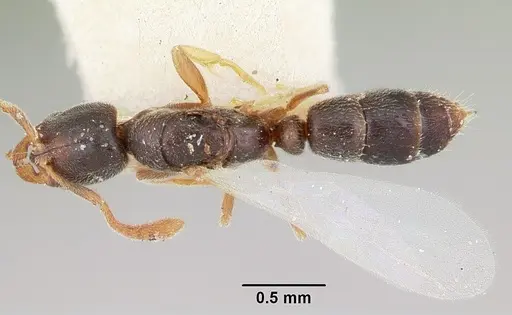
CASENT0105558
View on AntWeb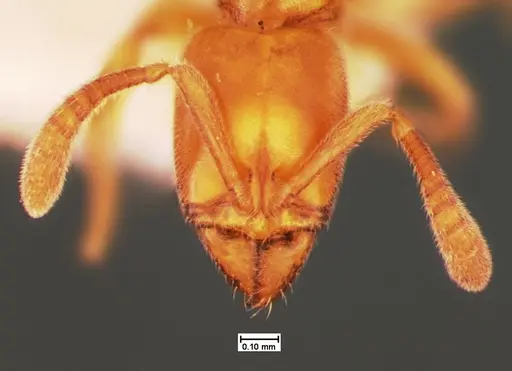
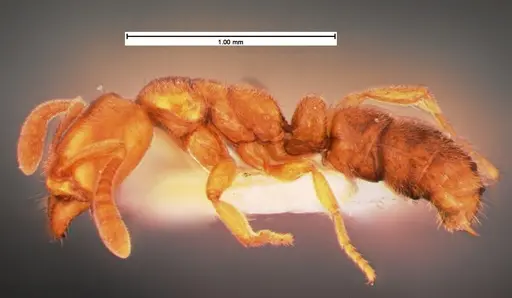
CASENT0270525
View on AntWeb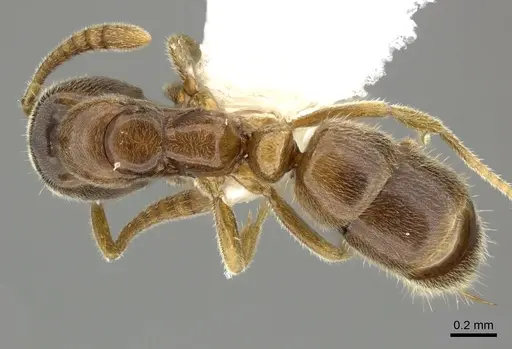
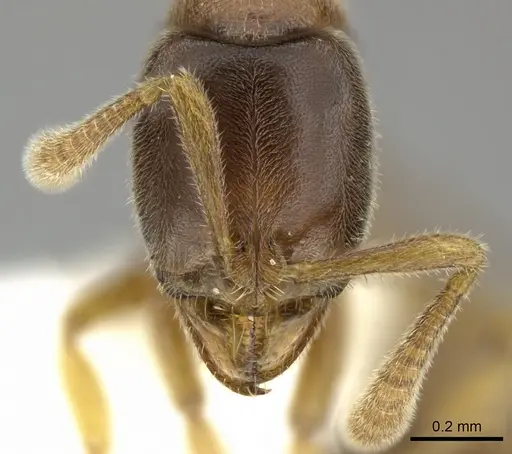
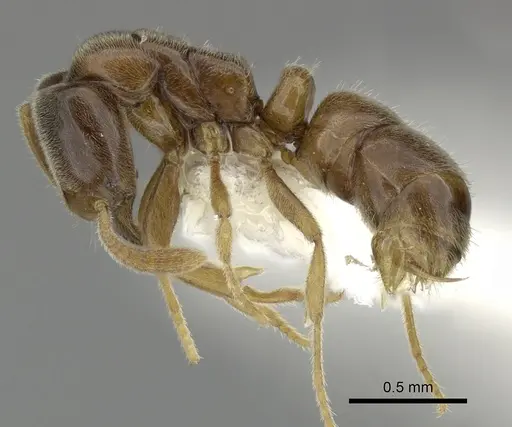
CASENT0818943
View on AntWeb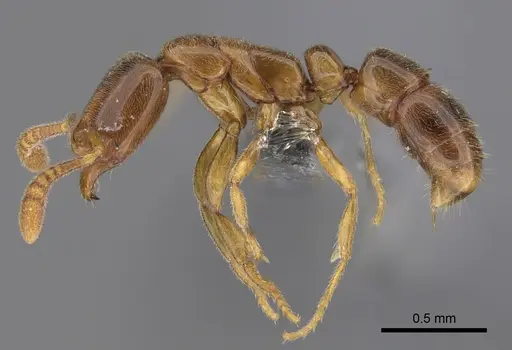
CASENT0882113
View on AntWeb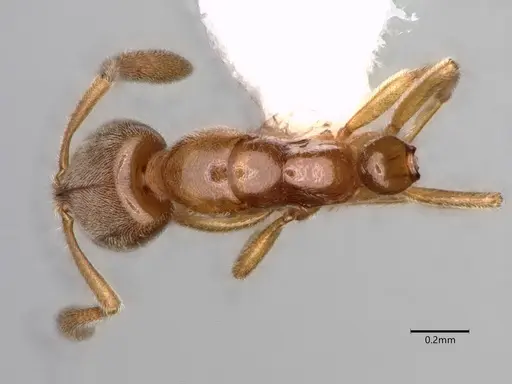
CASENT0902562
View on AntWeb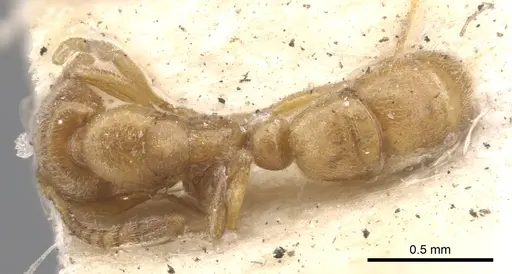
CASENT0902563
View on AntWeb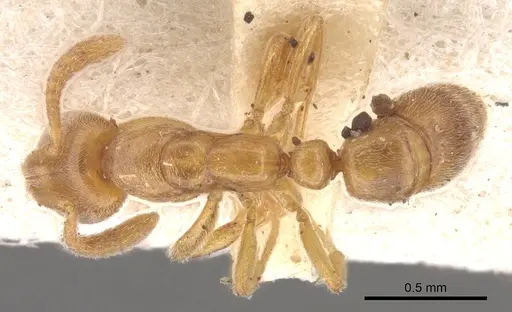
CASENT0902564
View on AntWeb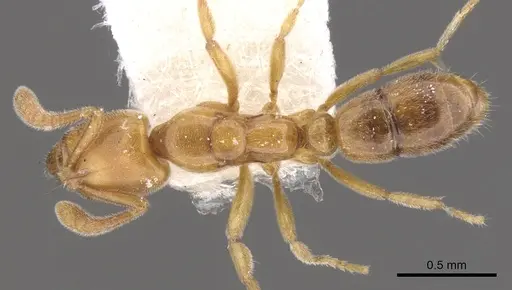
CASENT0903907
View on AntWeb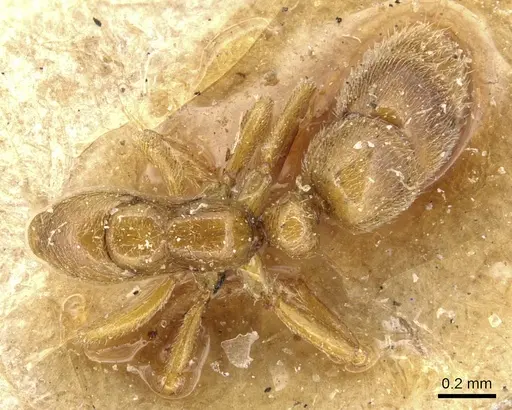
CASENT0907310
View on AntWeb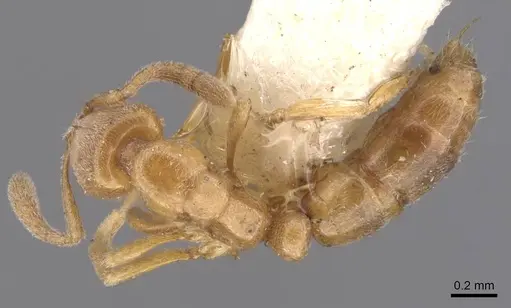
CASENT0907312
View on AntWeb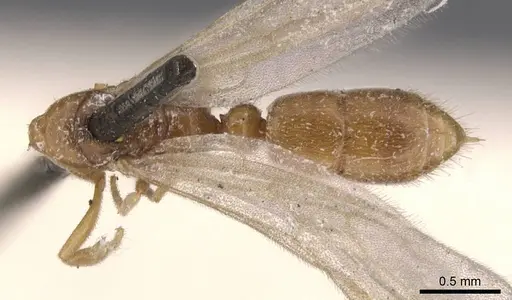
CASENT0907313
View on AntWeb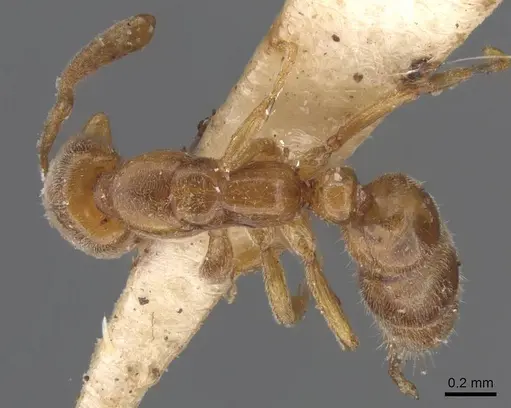
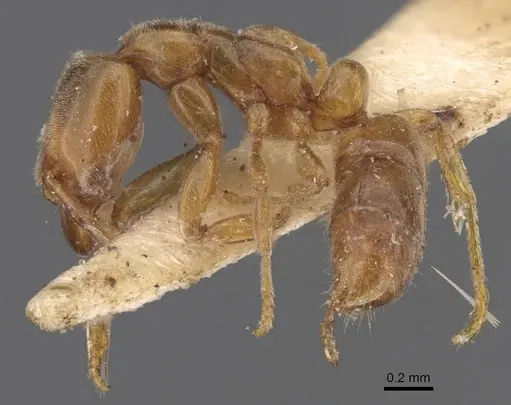
CASENT0907314
View on AntWeb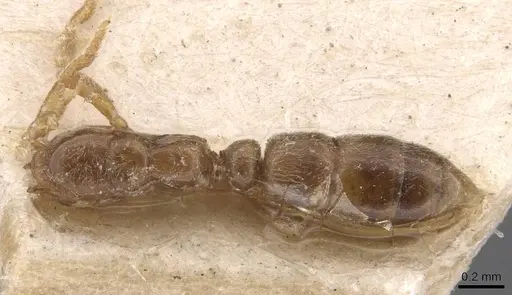
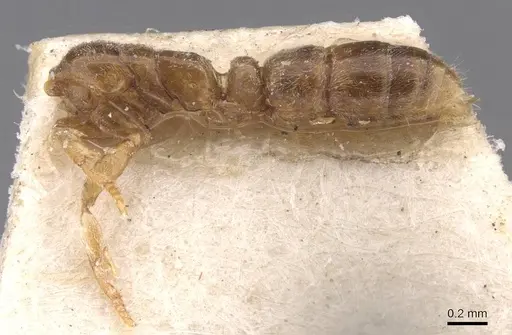
CASENT0915493
View on AntWeb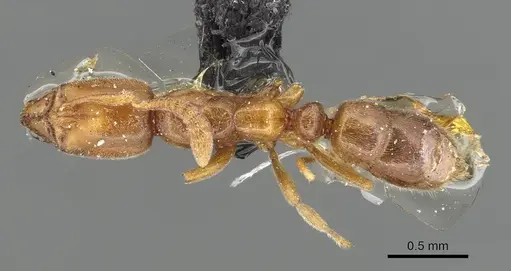
CASENT0922299
View on AntWeb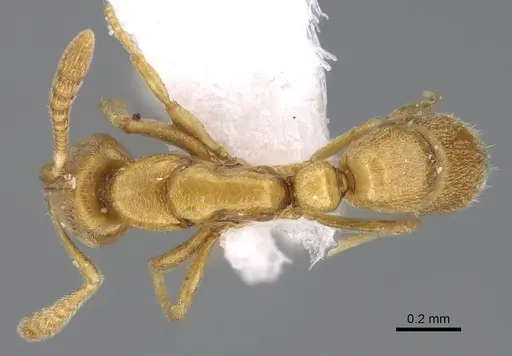
CASENT0922630
View on AntWeb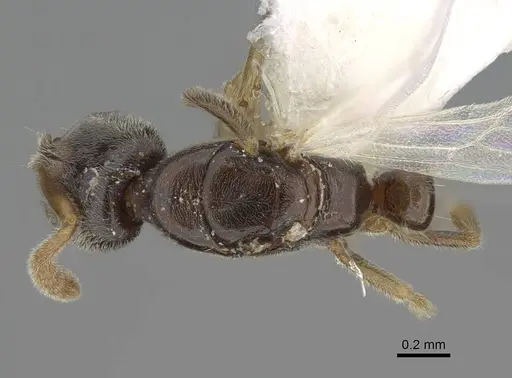
CASENT0922863
View on AntWeb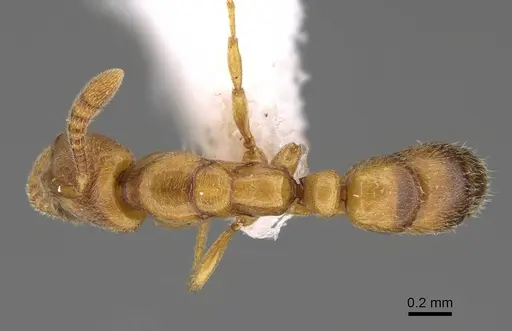
FOCOL0361
View on AntWeb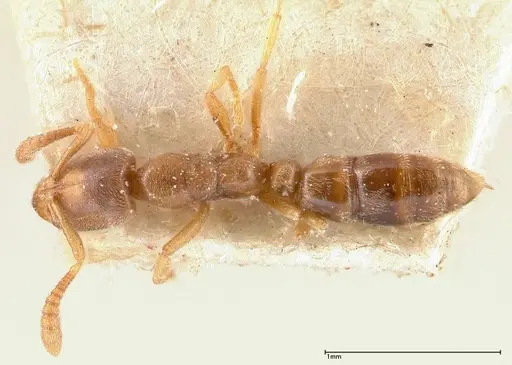
FOCOL0363
View on AntWeb
Literature
Loading distribution map...Loading products...