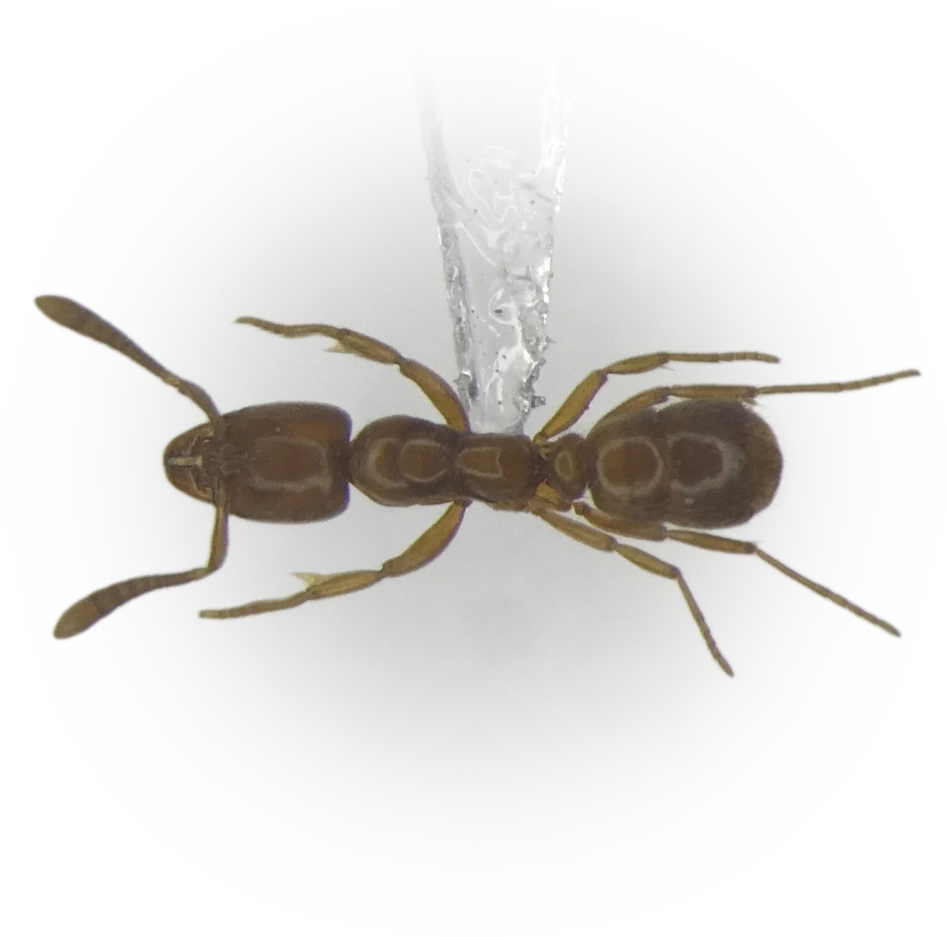
Roger's Crypt Ant
Hypoponera punctatissima
- Sci. Name
- Hypoponera punctatissima
- Tribe
- Ponerini
- Subfamily
- Ponerinae
- Author
- Roger, 1859
- Common Name
- Roger's Crypt Ant
- Distribution
- Found in 25 countries
Introduction
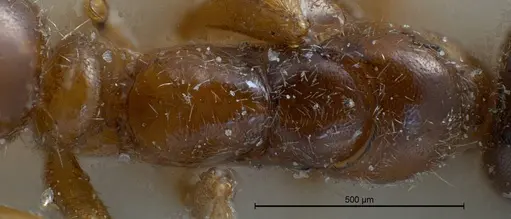
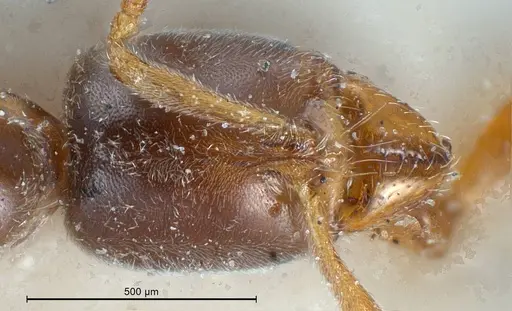
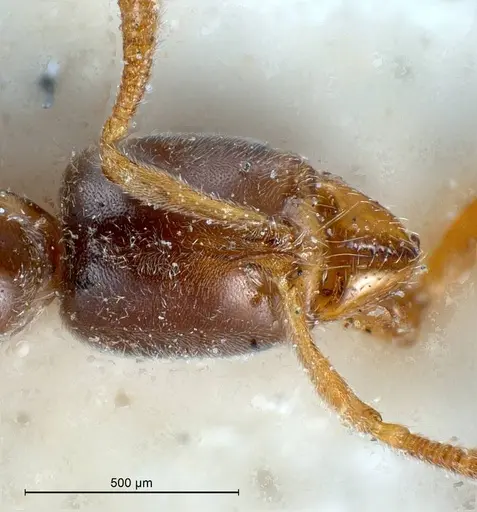
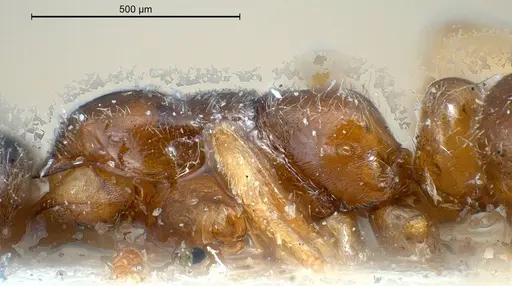
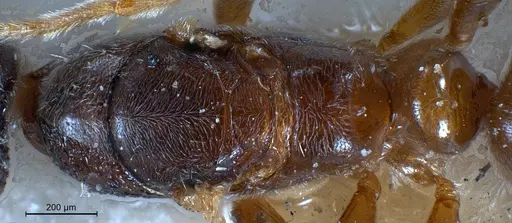
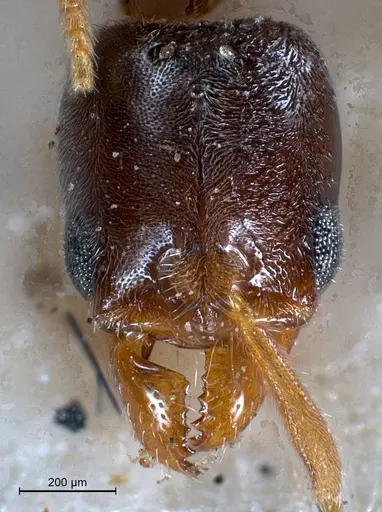
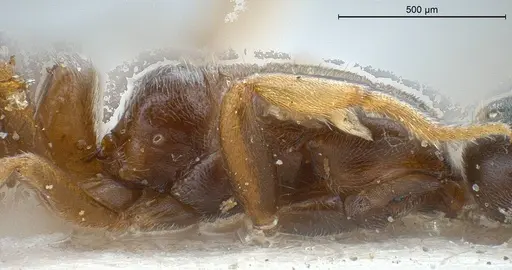
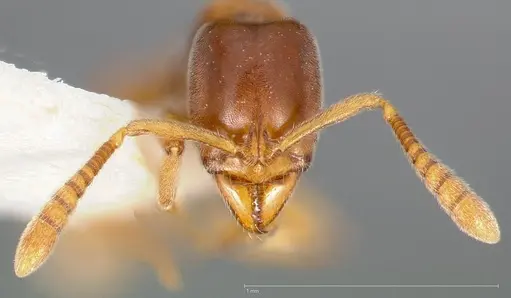
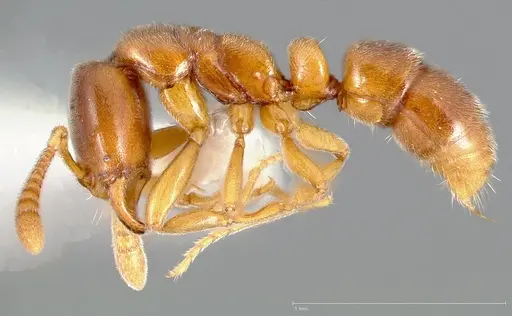
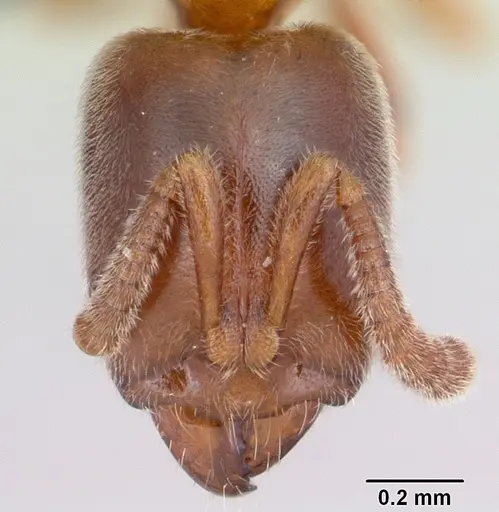
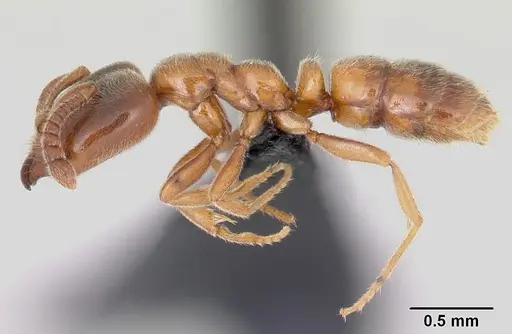
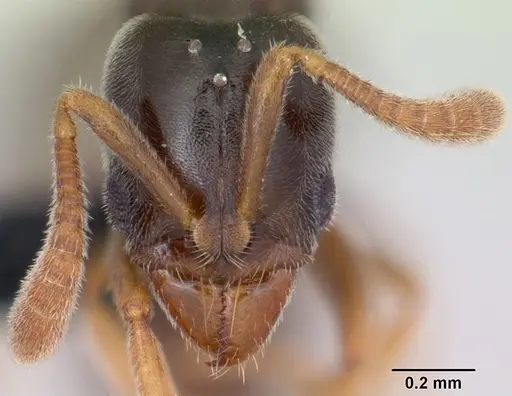
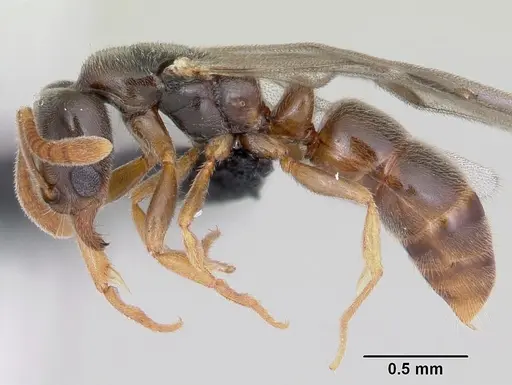
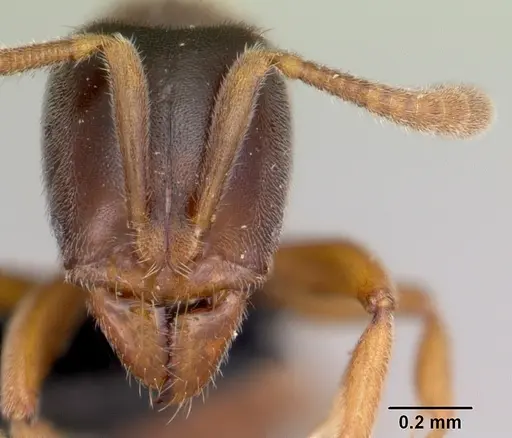
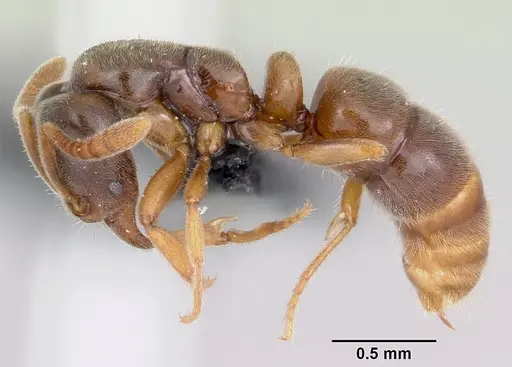
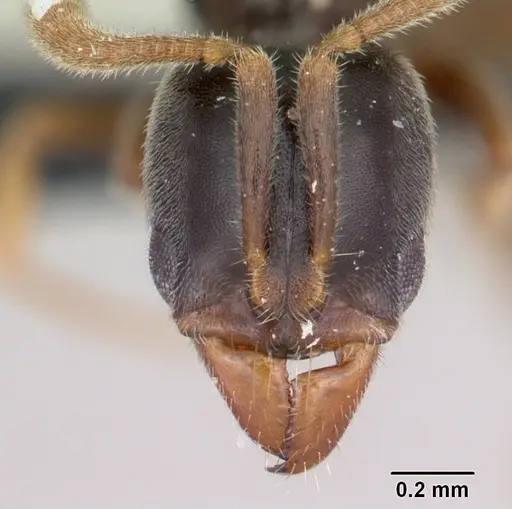
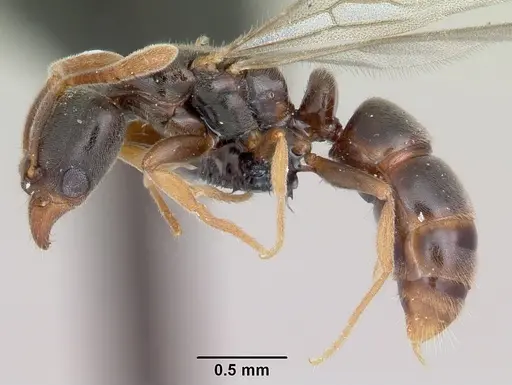
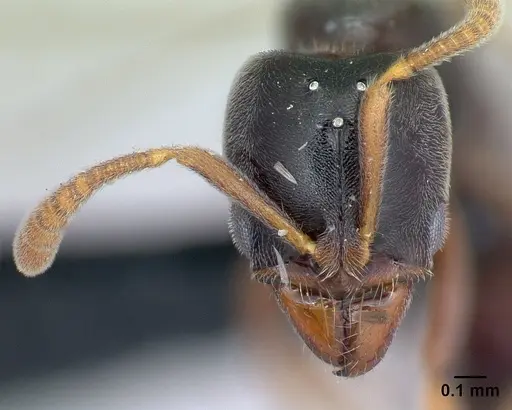
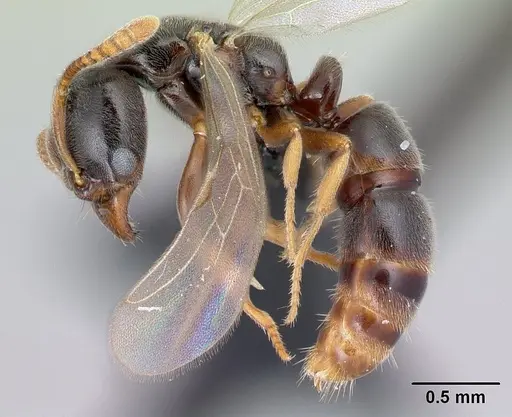
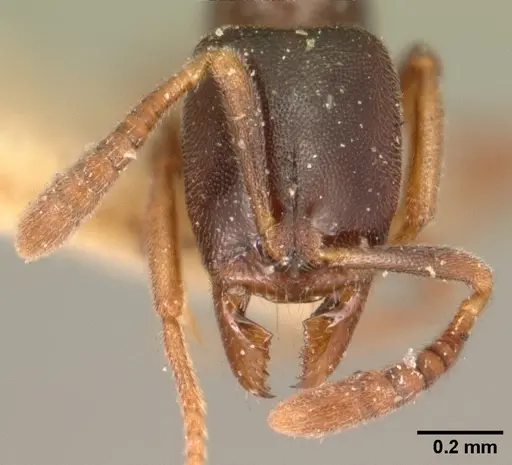
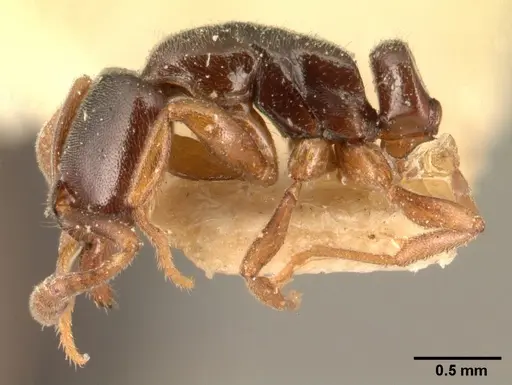
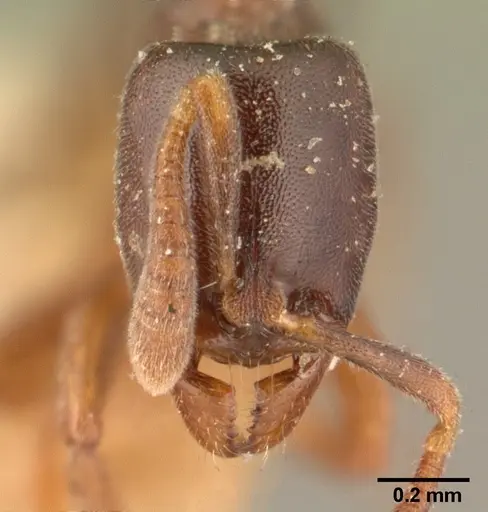
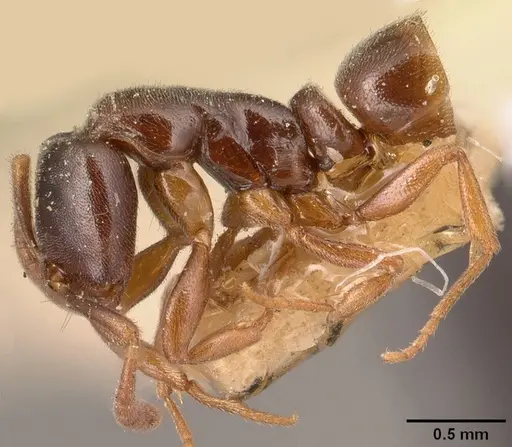
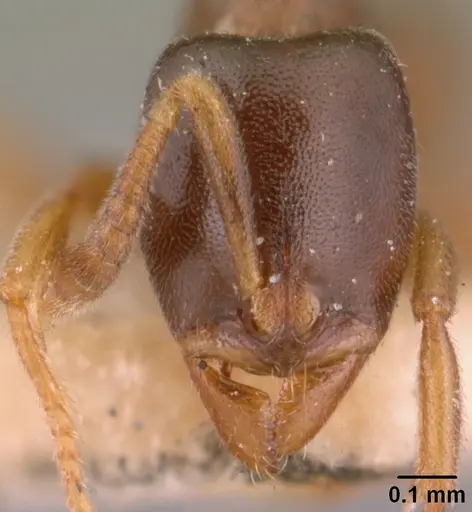
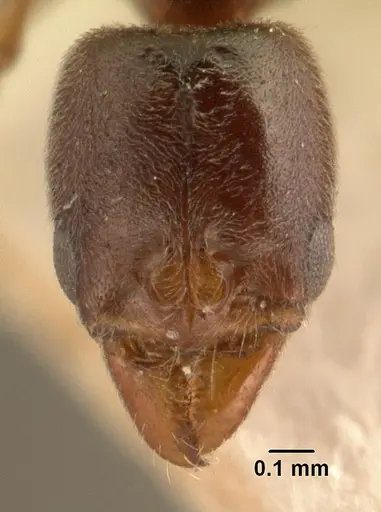
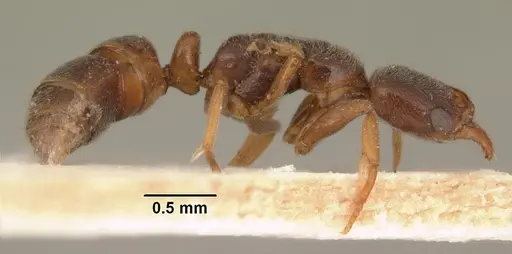
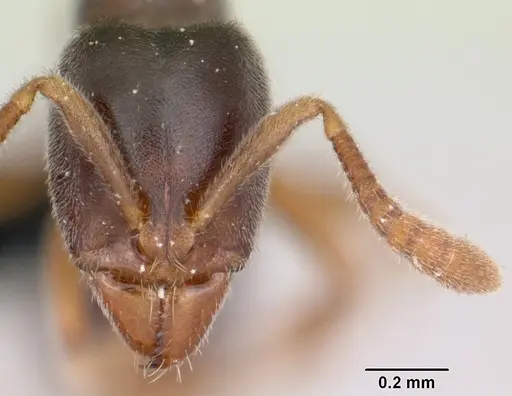
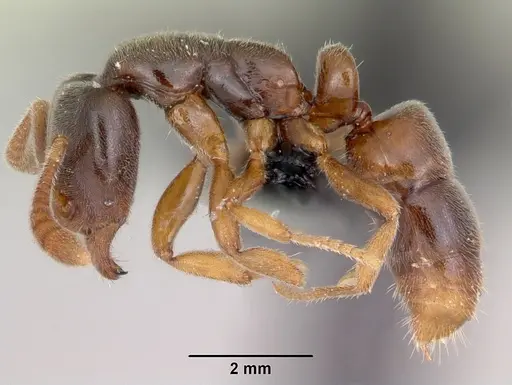
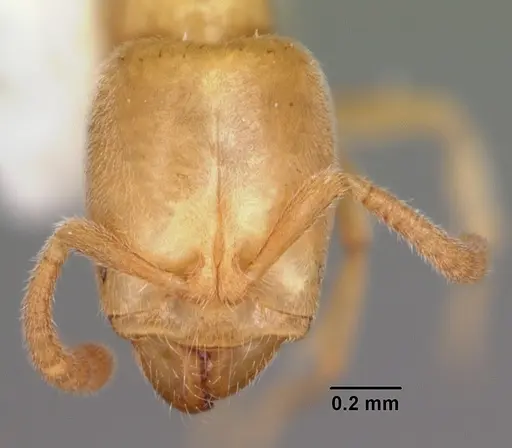
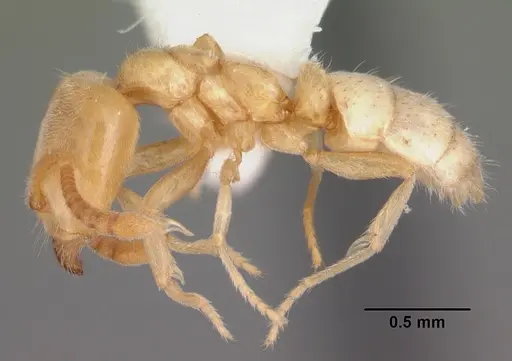
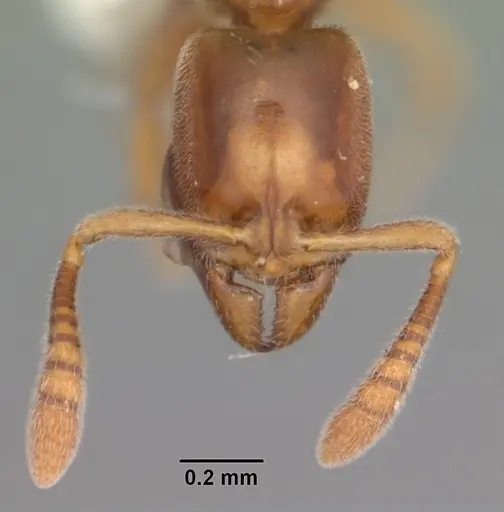
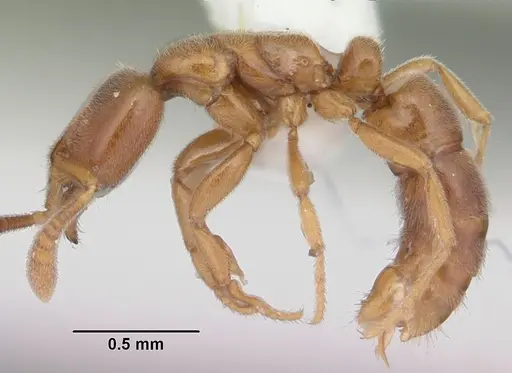
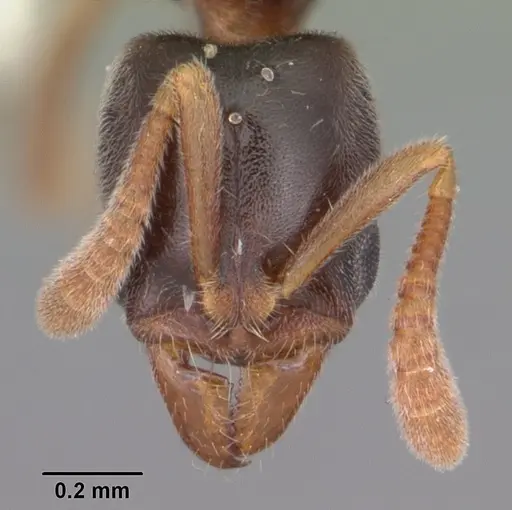
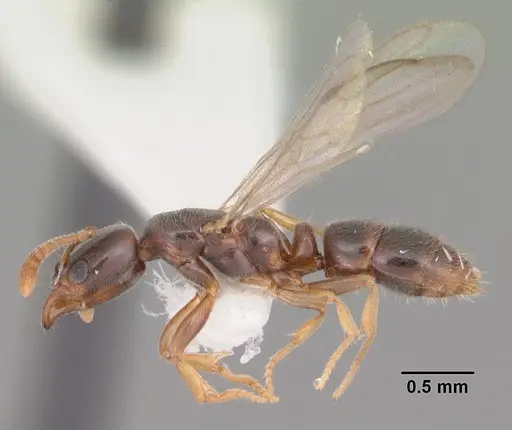
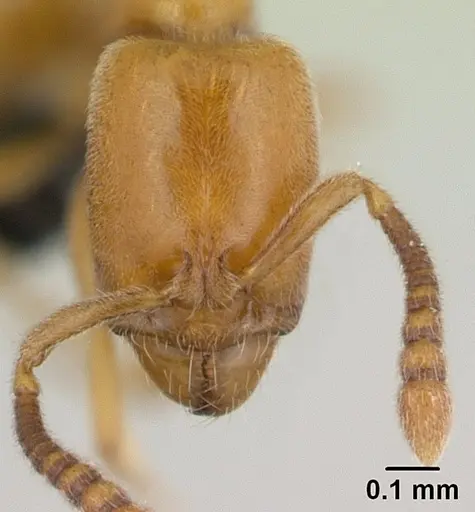
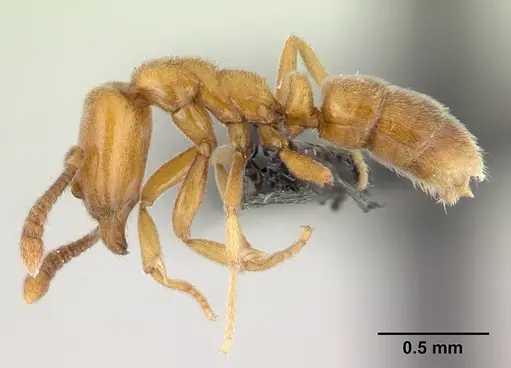
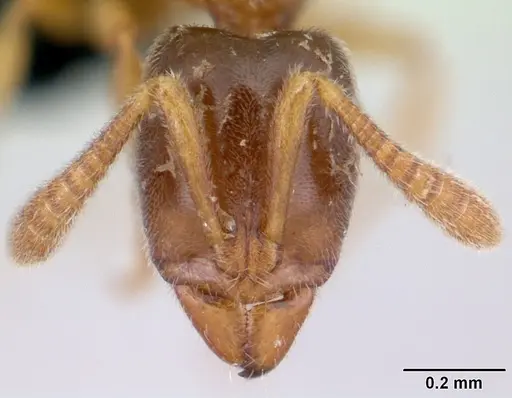
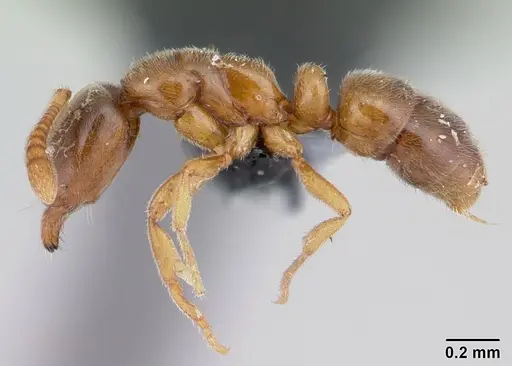
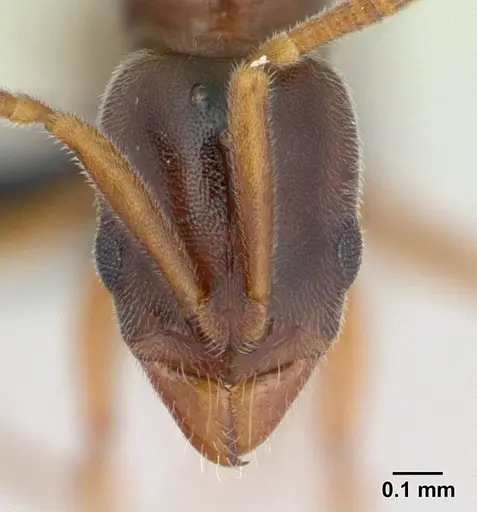
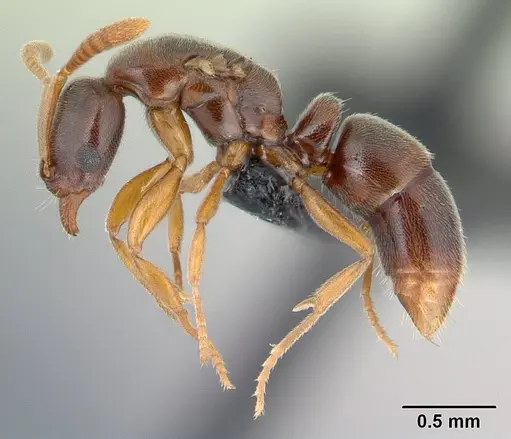
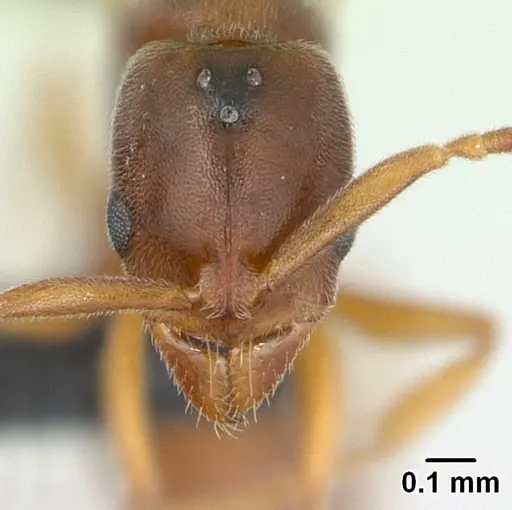
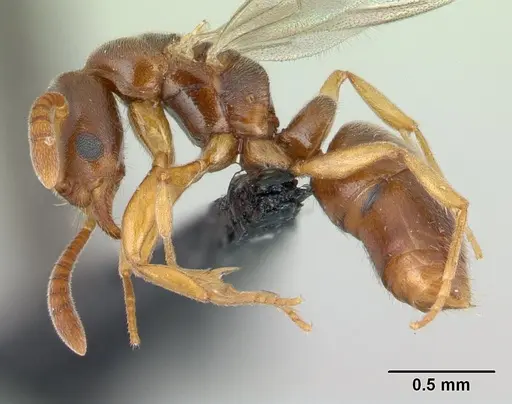
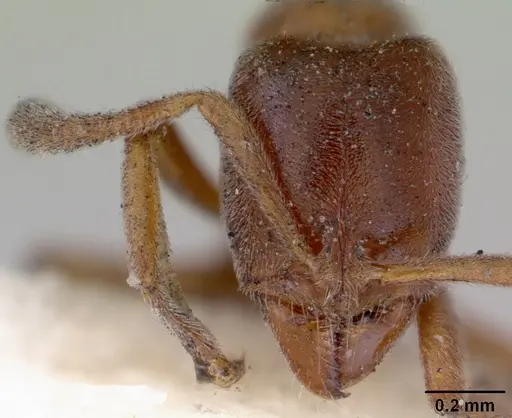
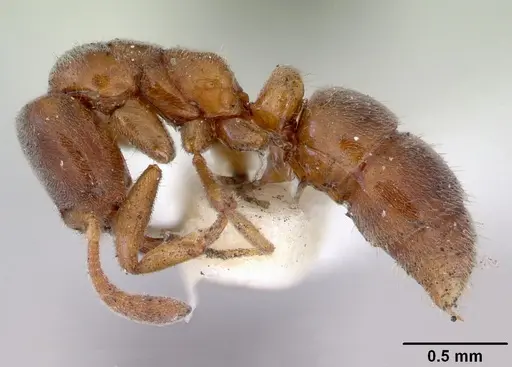
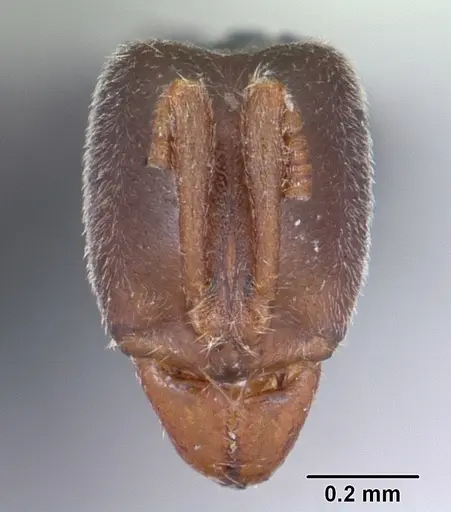
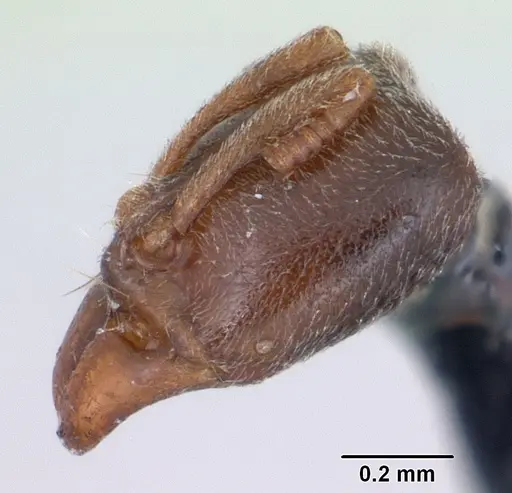
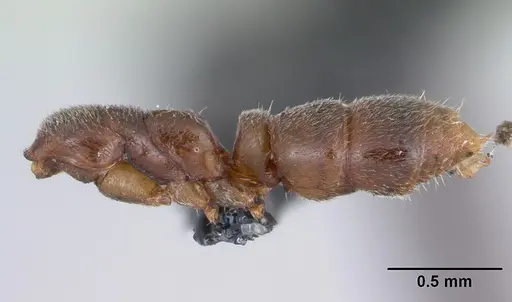
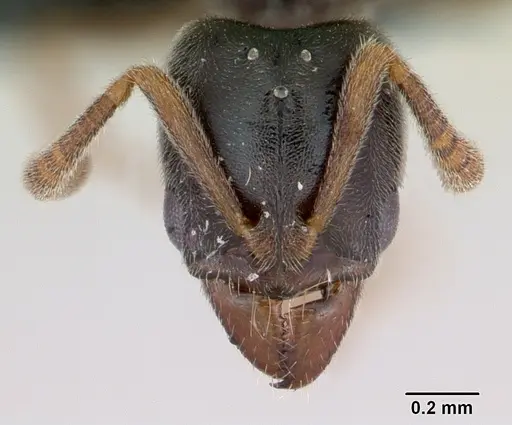
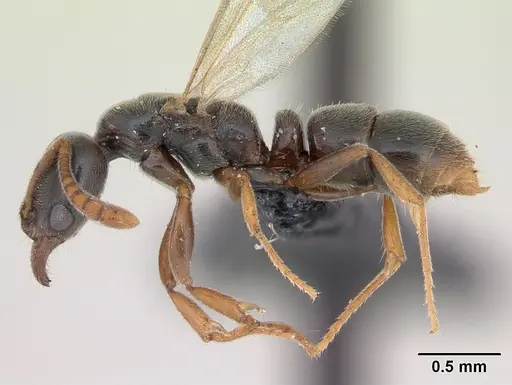
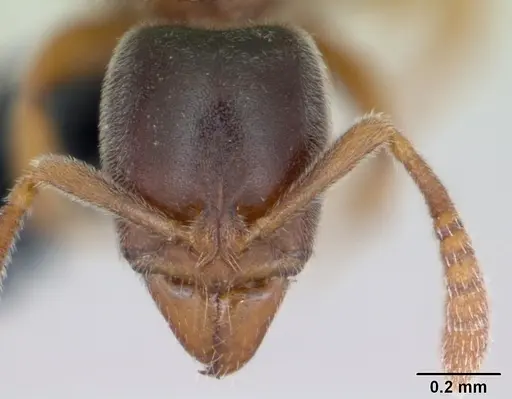
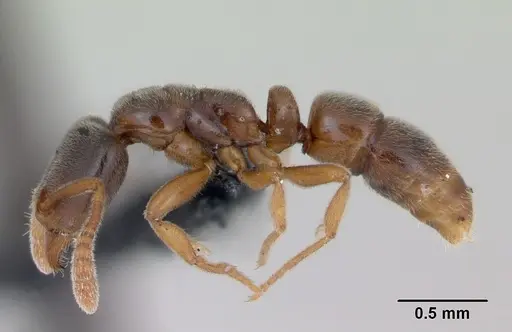
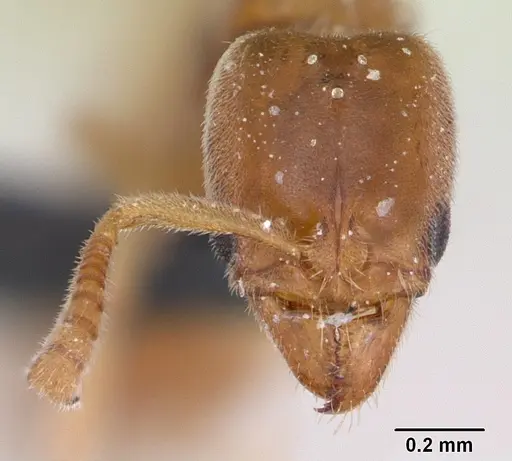
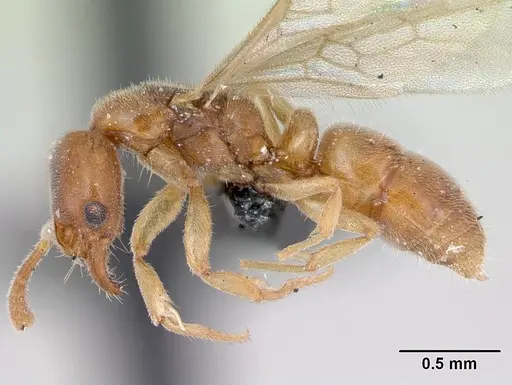
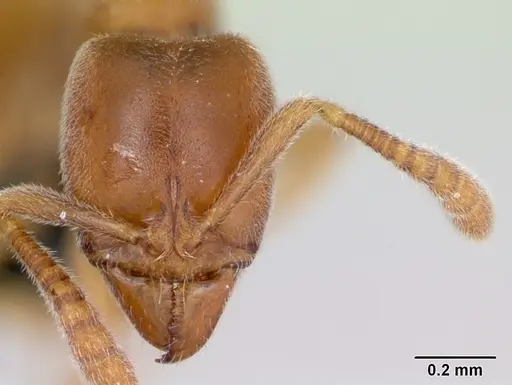
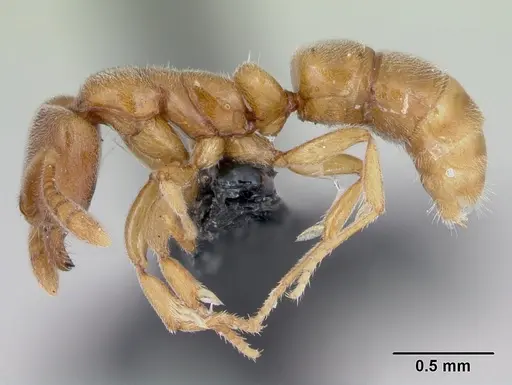
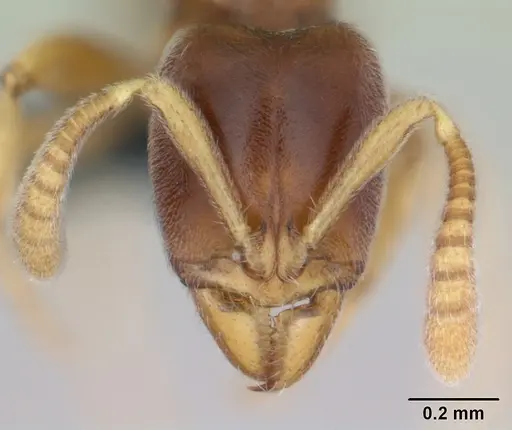
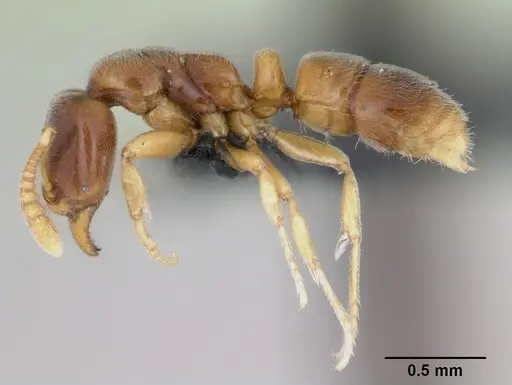
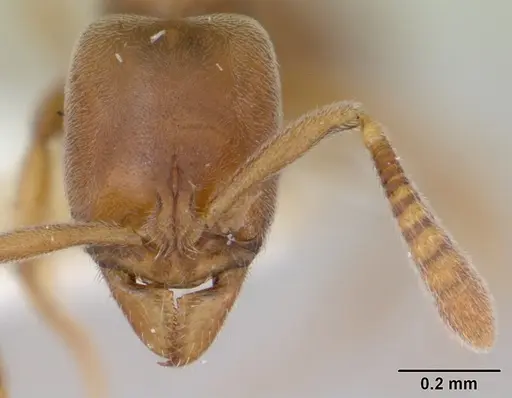
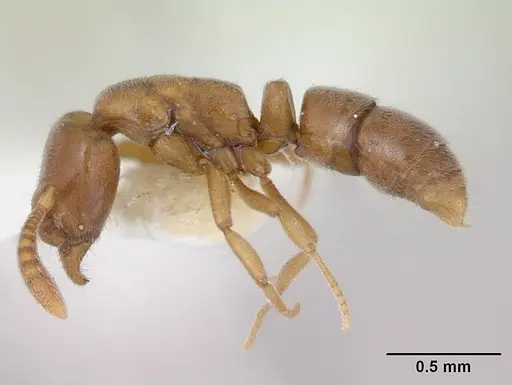
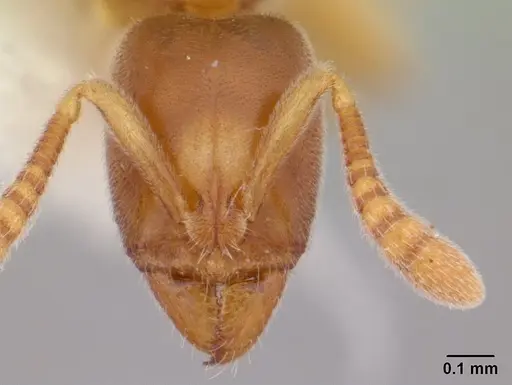
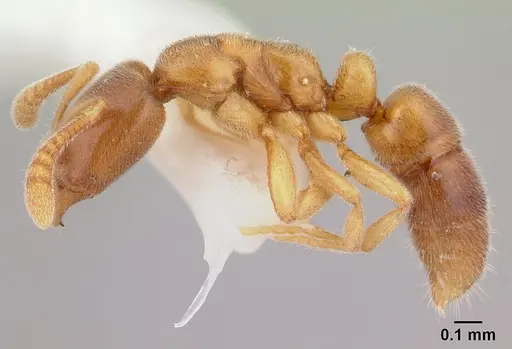
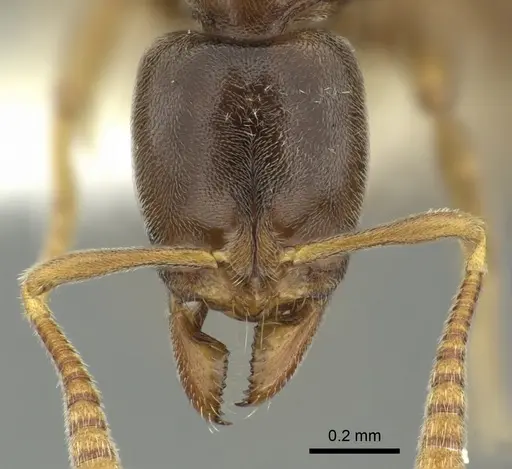
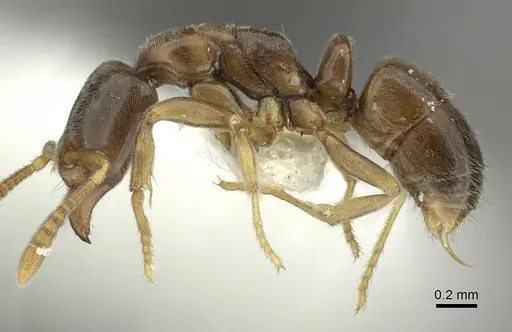
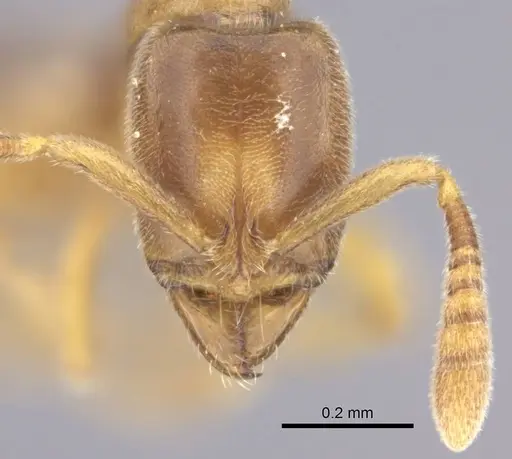
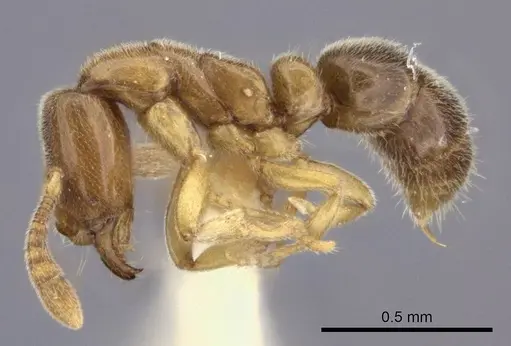
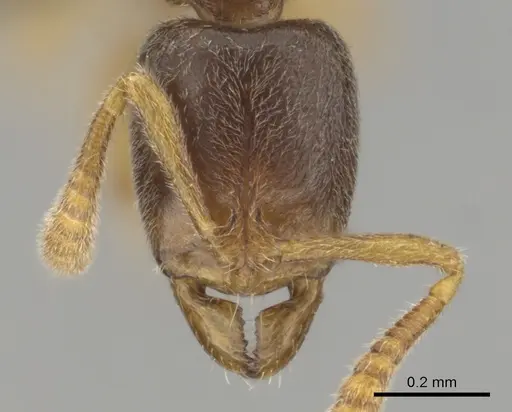
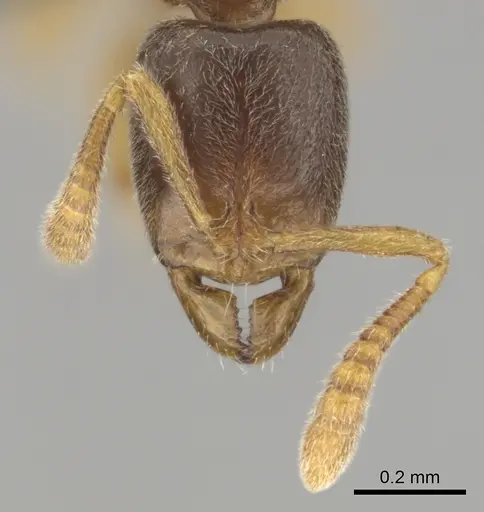
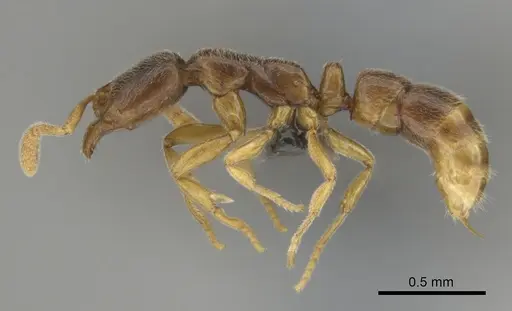
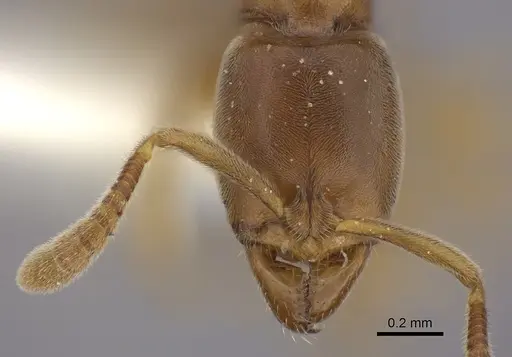
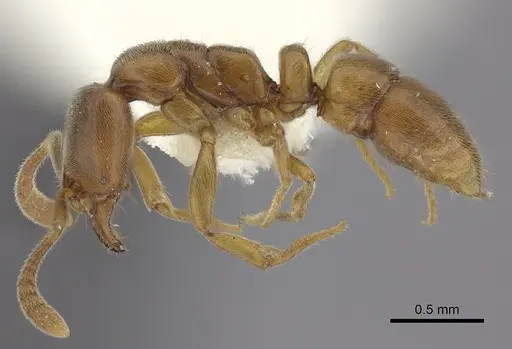
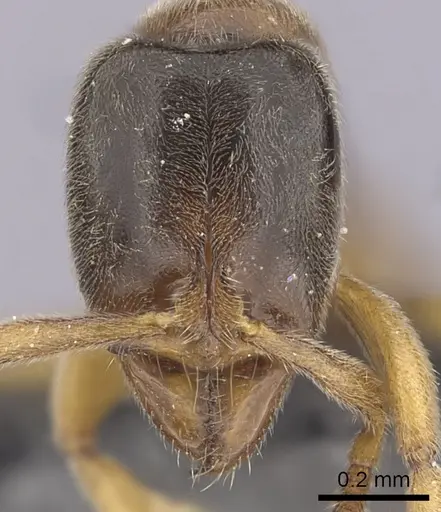
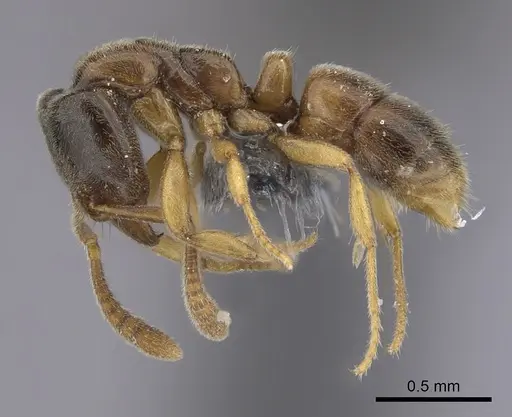
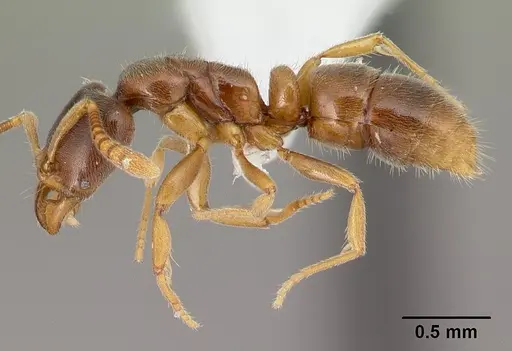
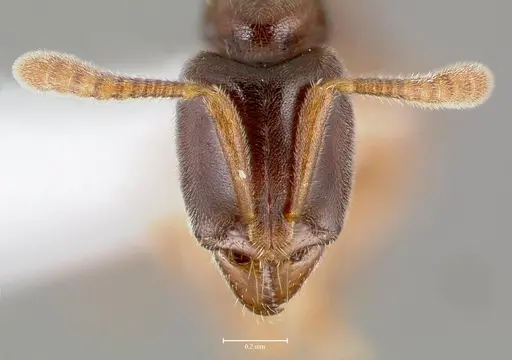
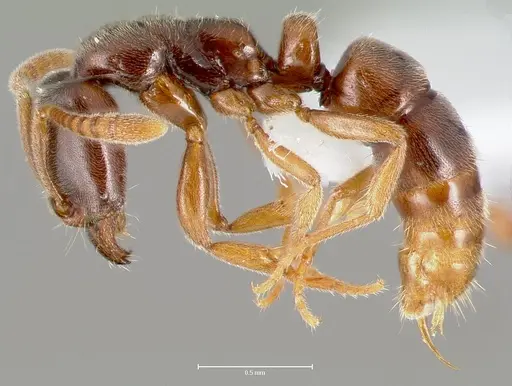
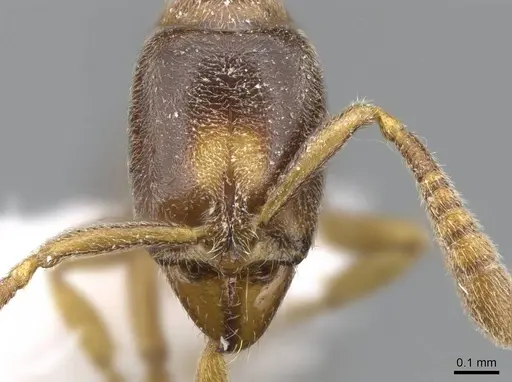
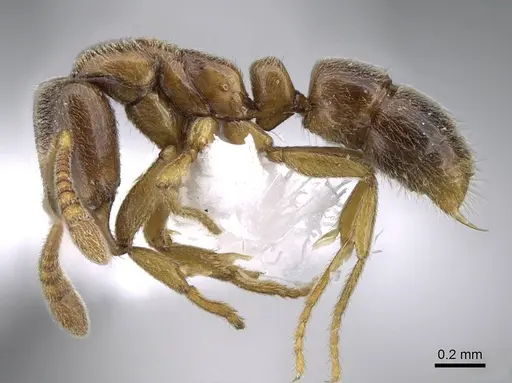
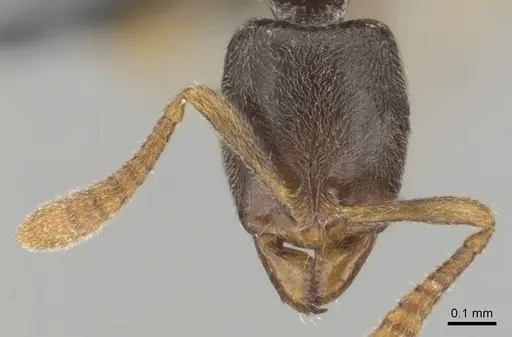
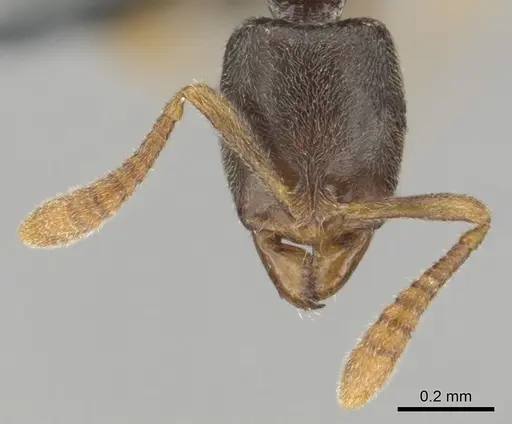
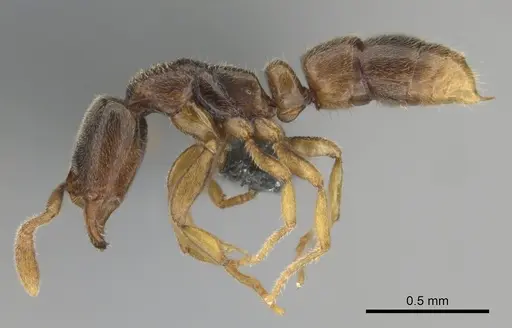
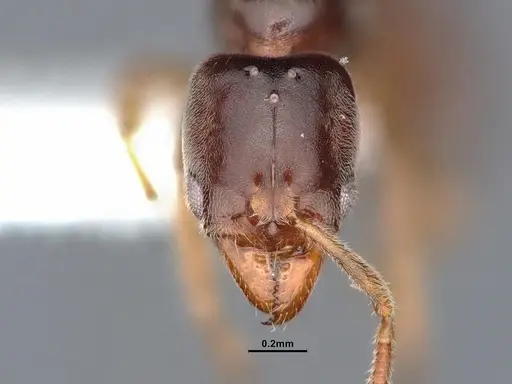
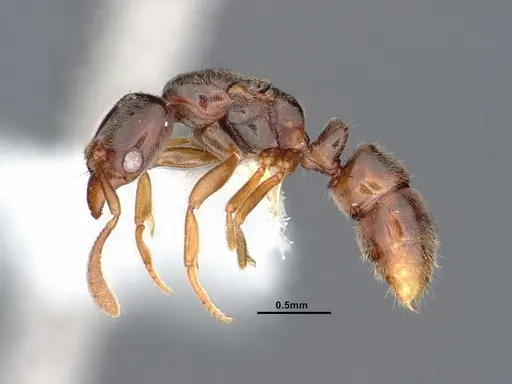
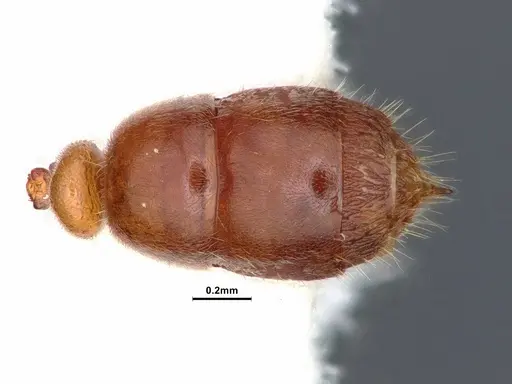
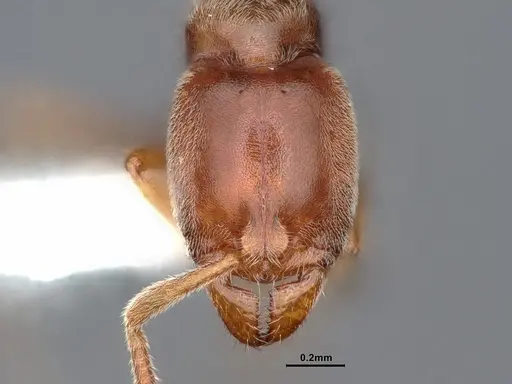
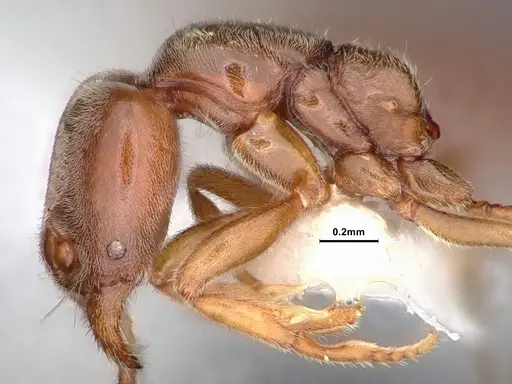
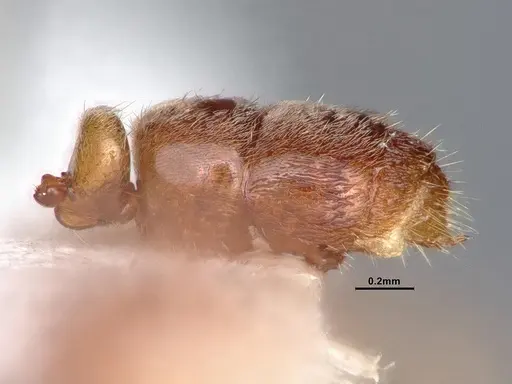
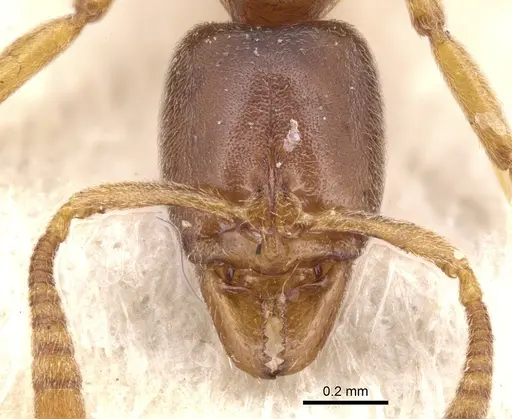
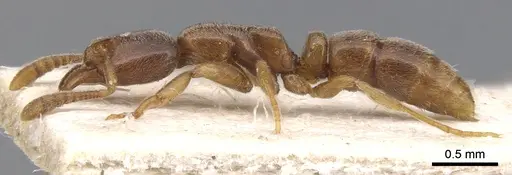
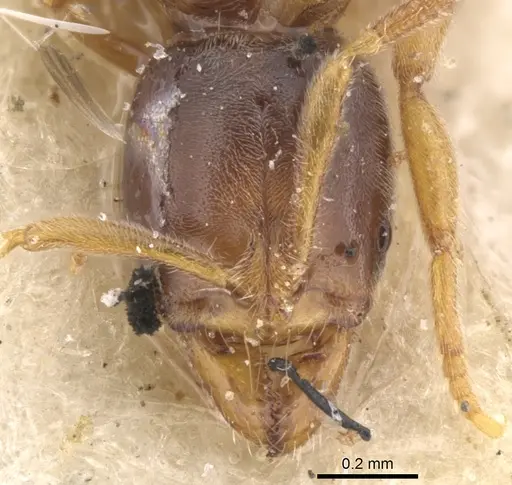
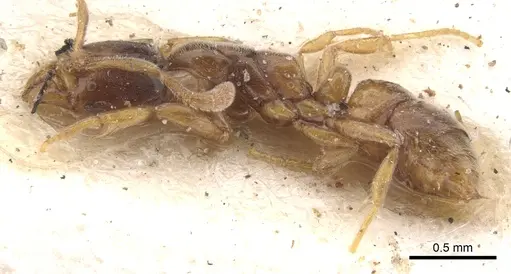
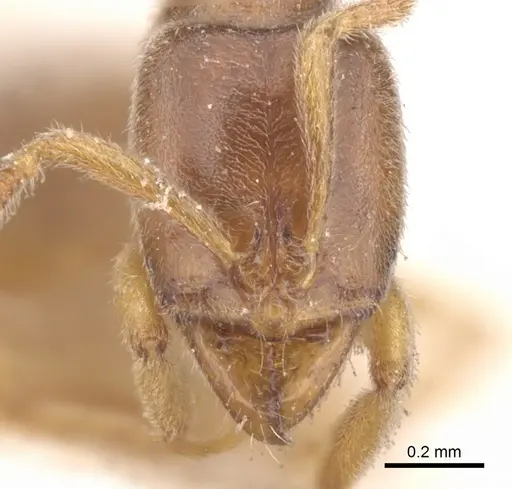
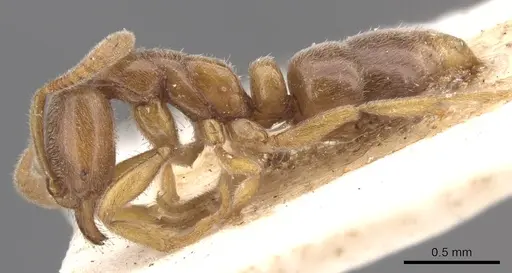
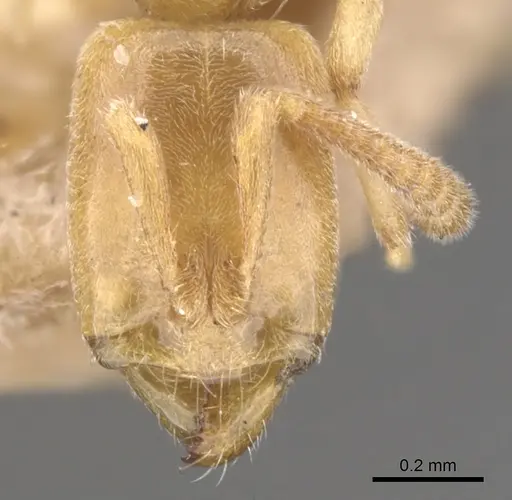
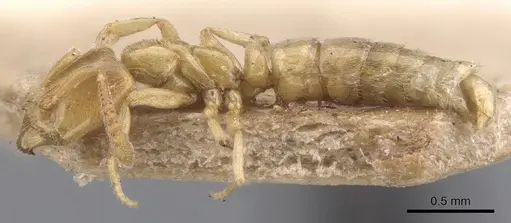
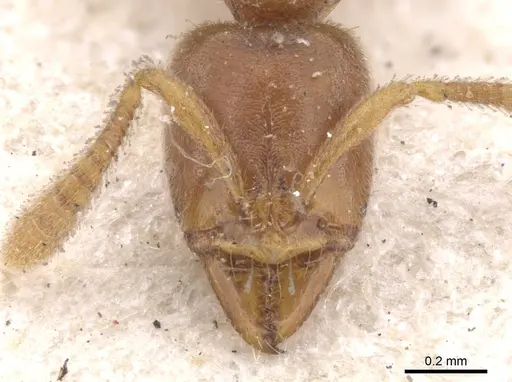
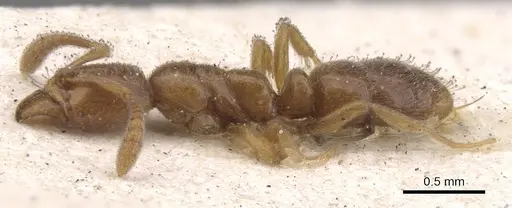
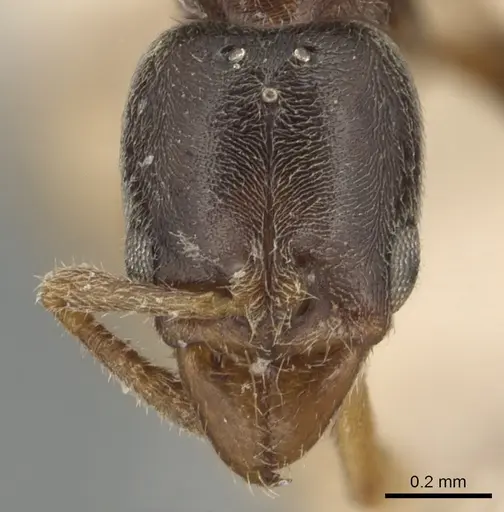
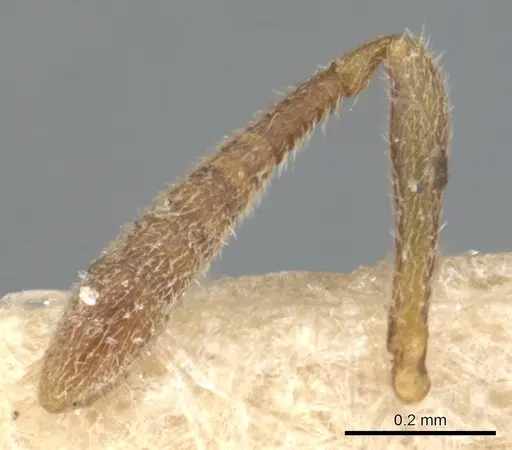
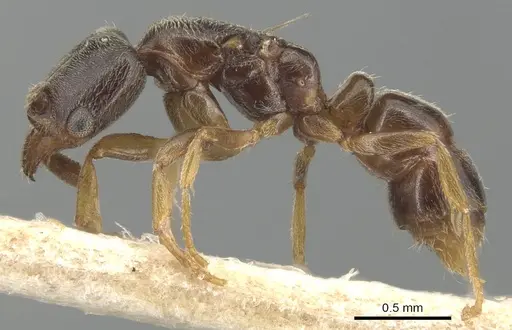
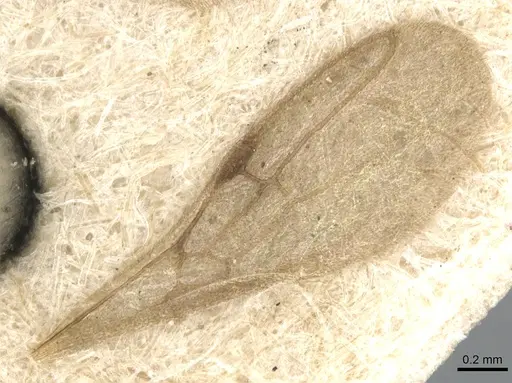
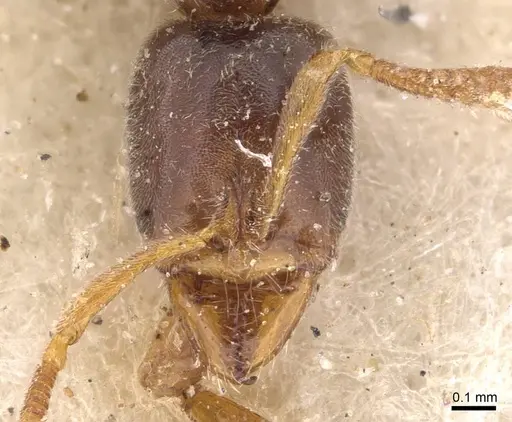
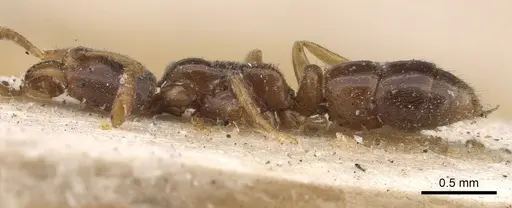
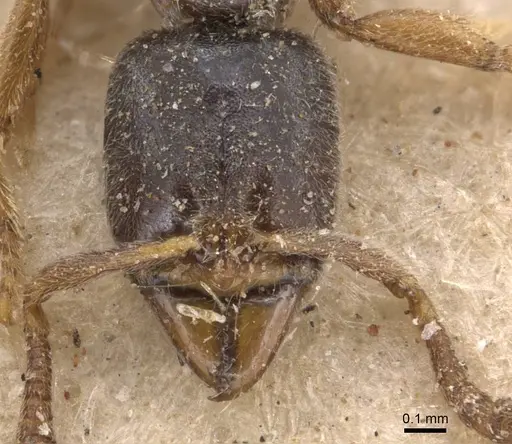
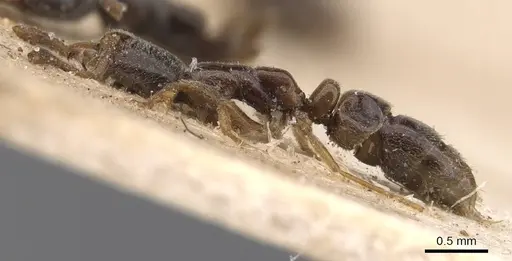
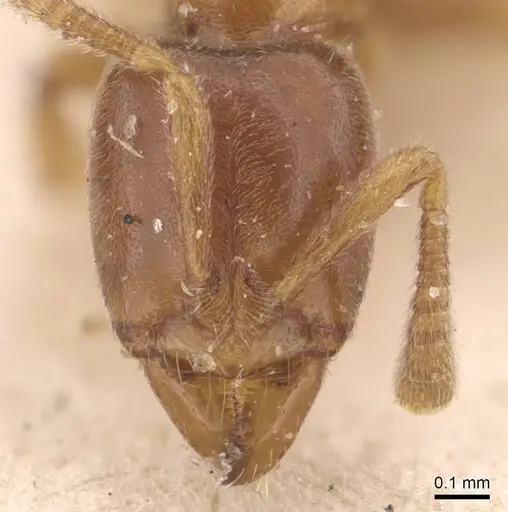
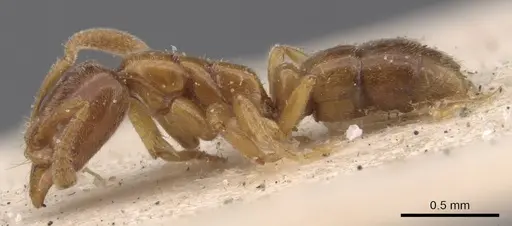
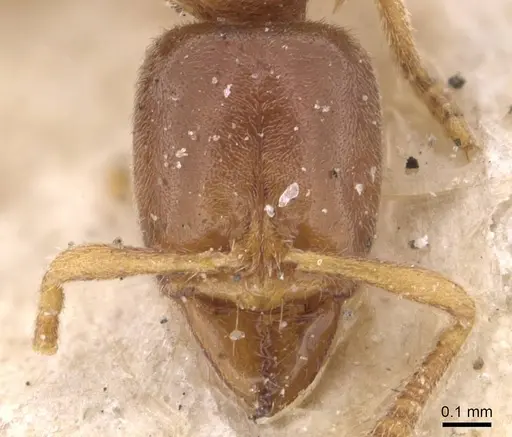
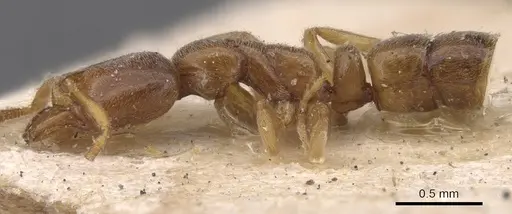
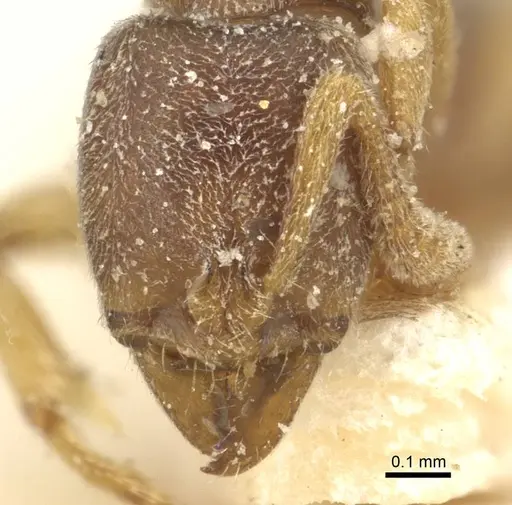
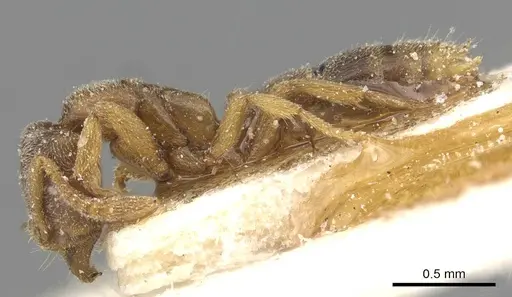
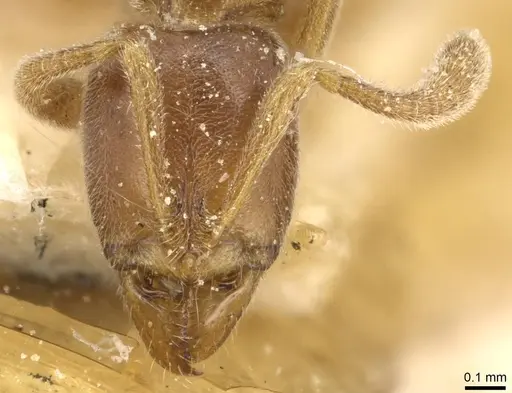
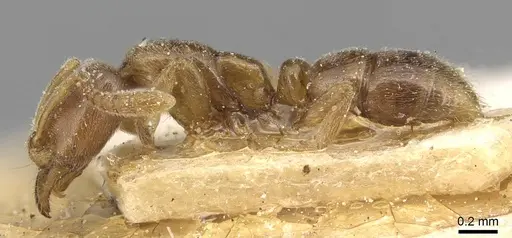
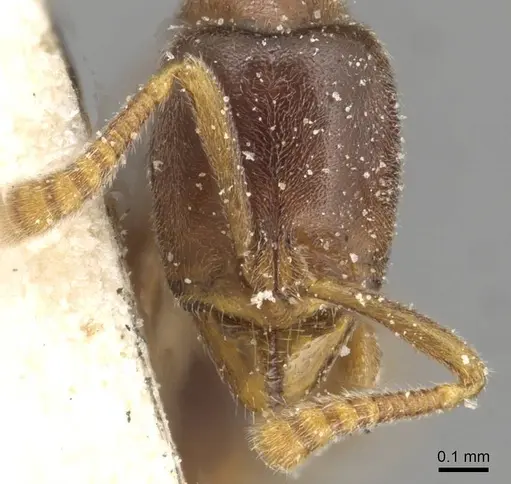
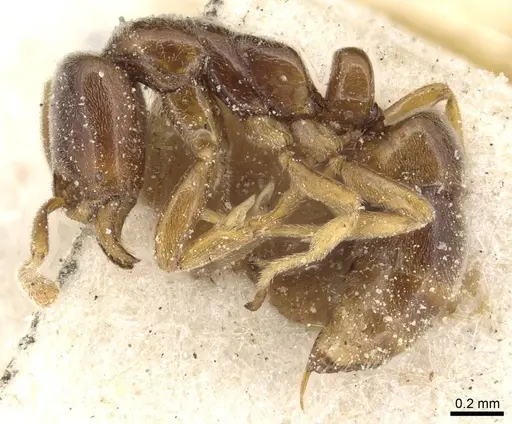
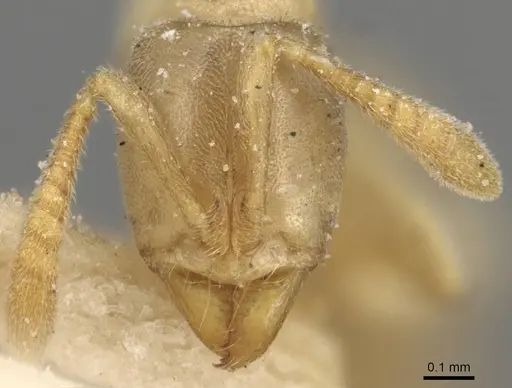
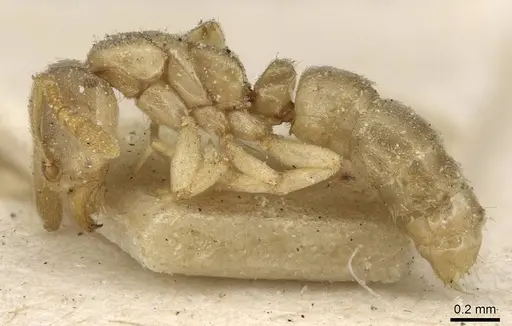
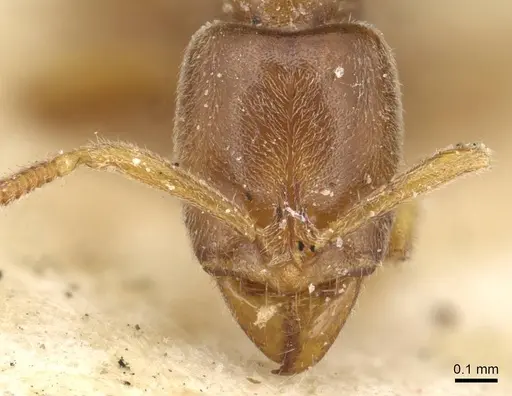
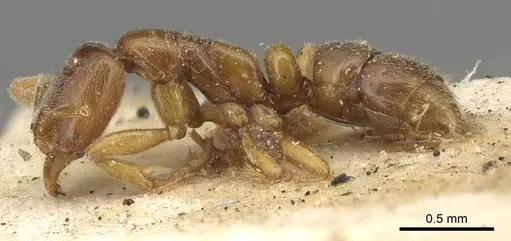
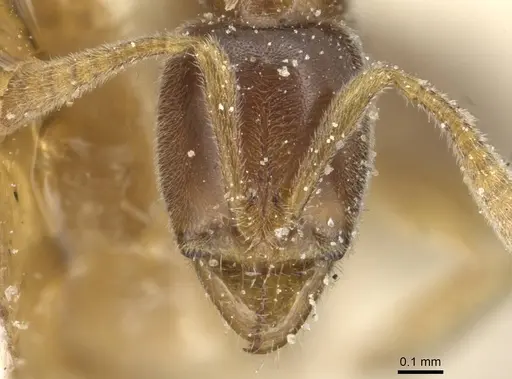
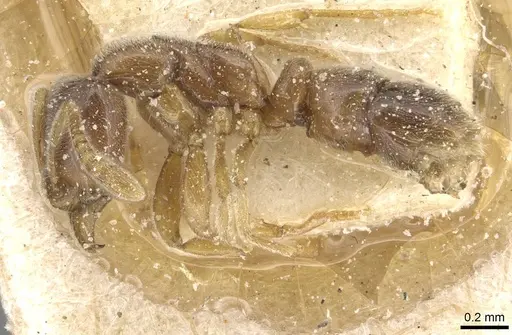
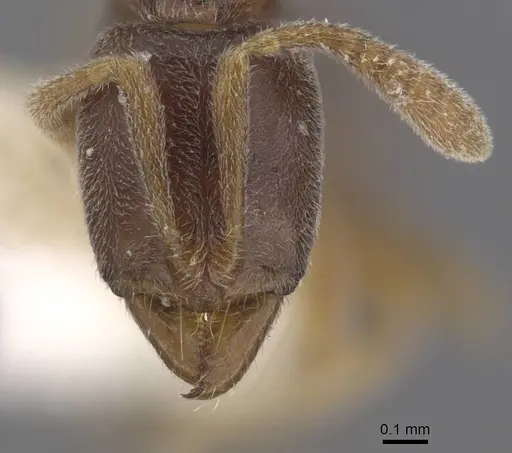
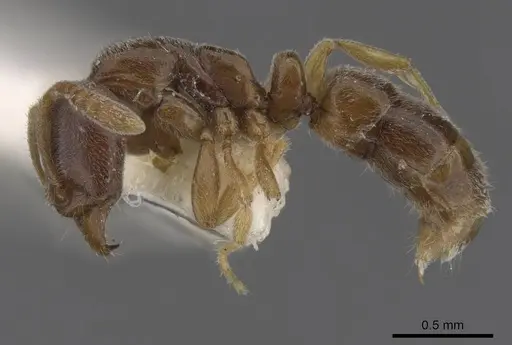
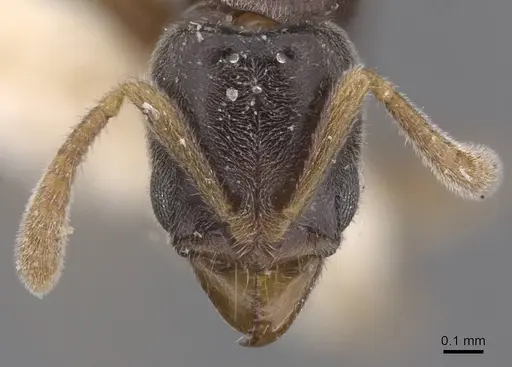
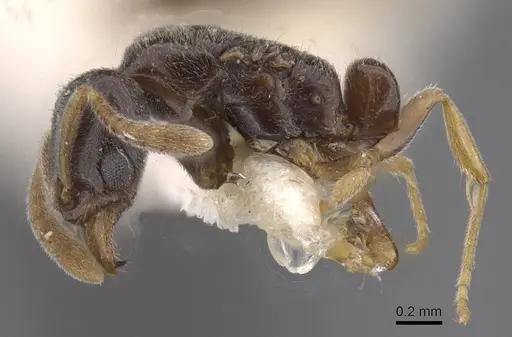
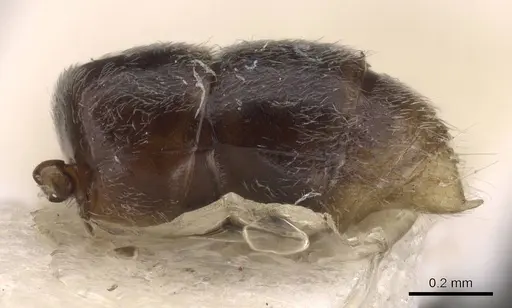
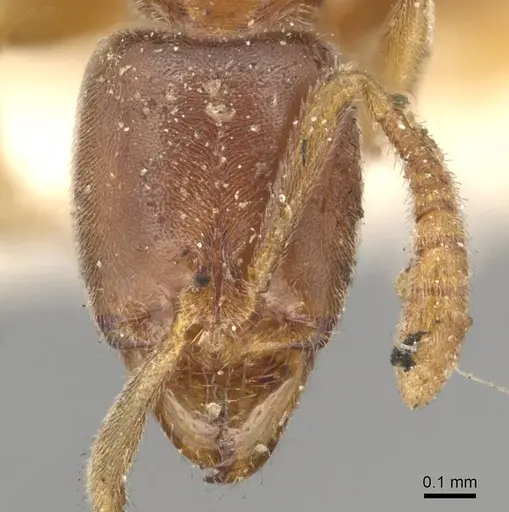
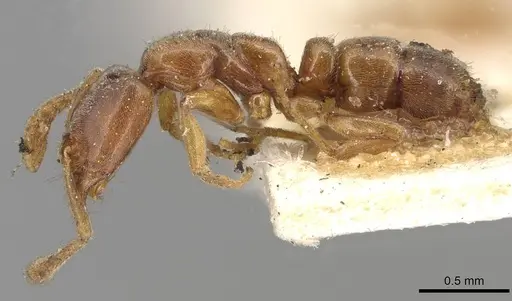
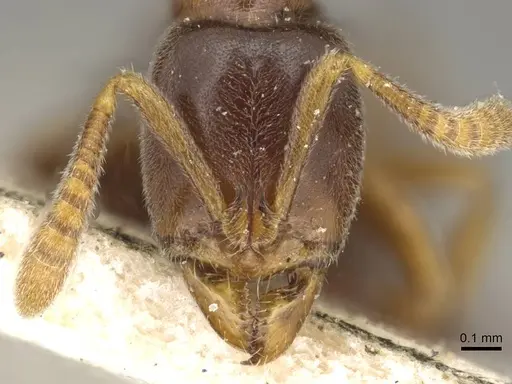
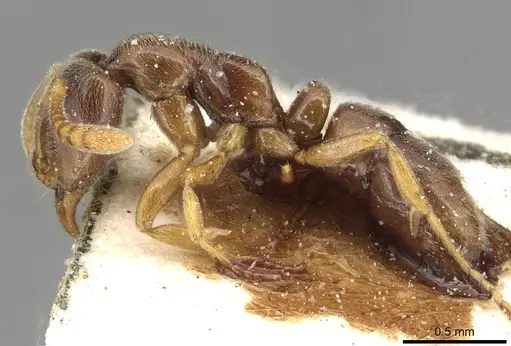
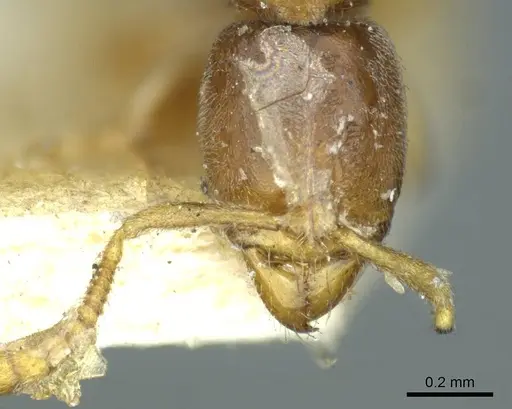
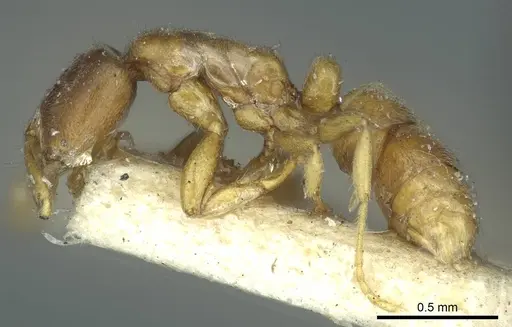
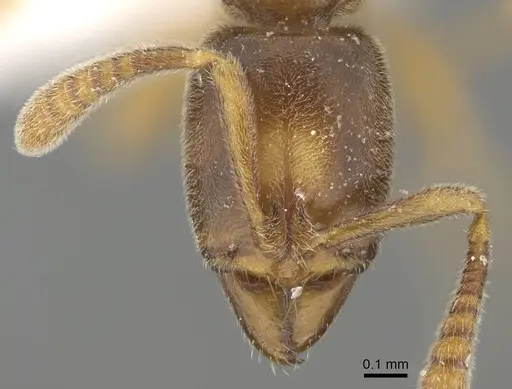
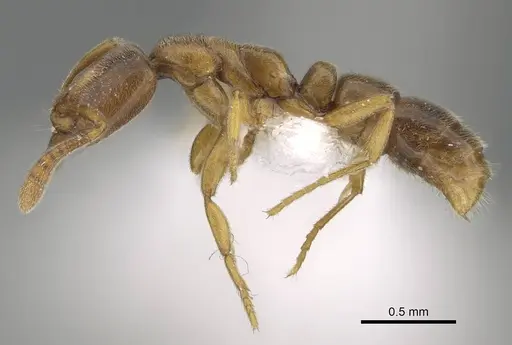
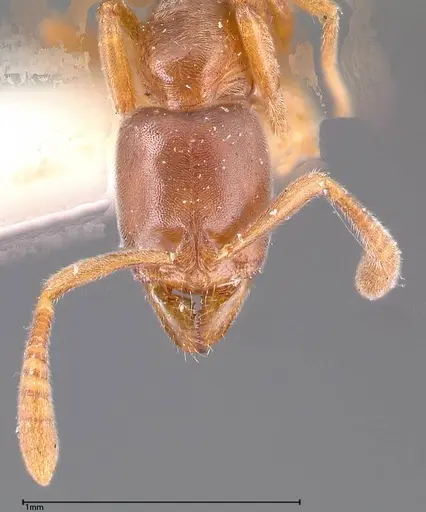
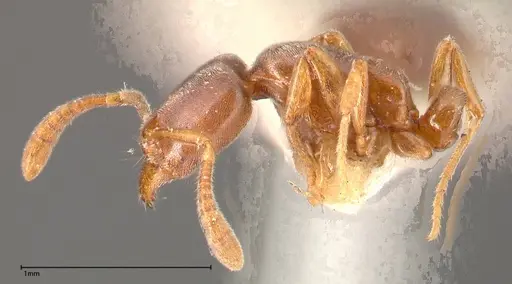
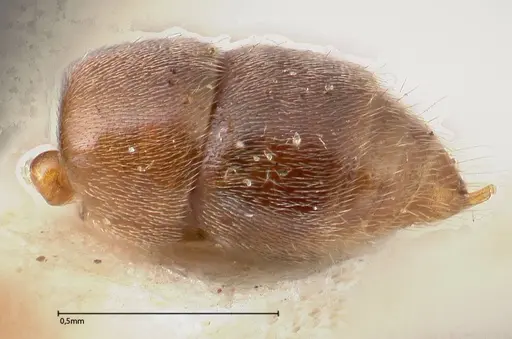
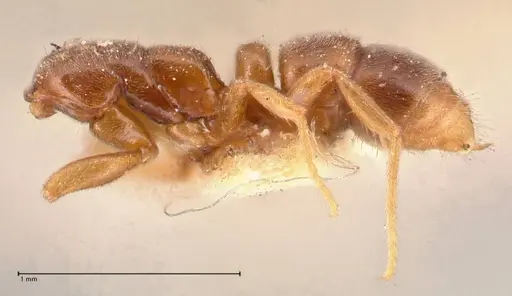
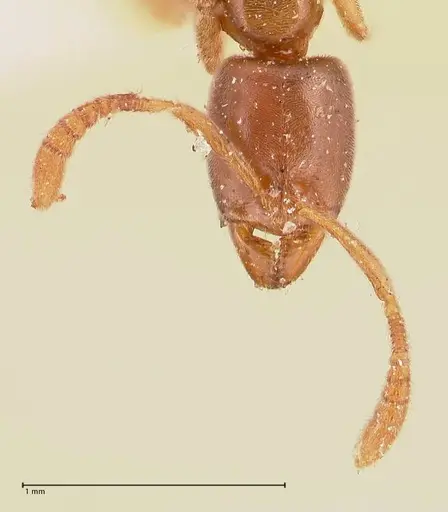
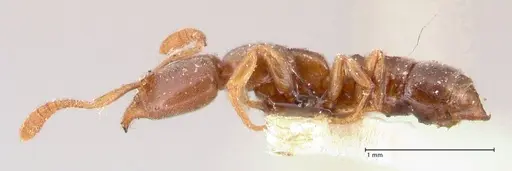
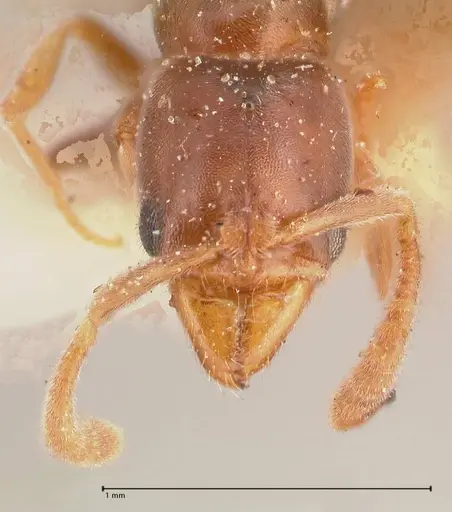
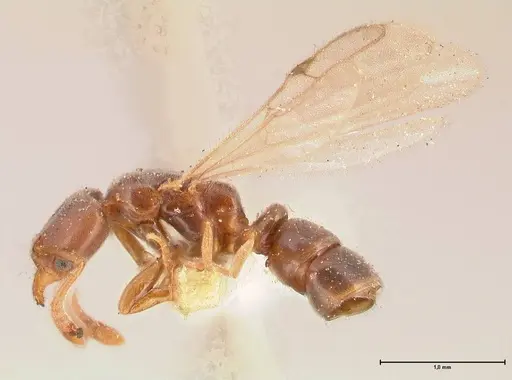
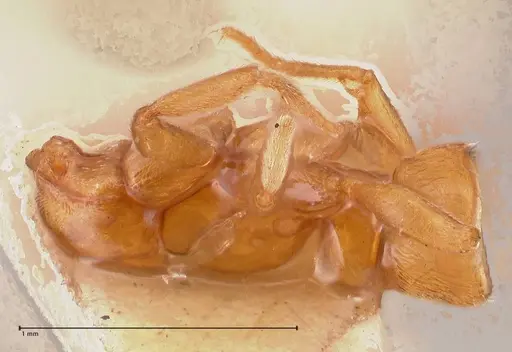
Hypoponera punctatissima is one of the world's most widespread tramp ant species and the most successful ponerine tramp ant . Workers are tiny at 2.5–3 mm, with a slender yellowish-brown to dark brown body and very small eyes . The species is highly polygynous, forming colonies with multiple queens that produce worker-queen intercastes and dimorphic ergatoid males . This cryptic ant nests in soil, decaying wood, and decomposing organic matter, preferring warm, humid environments . Originally described from German hothouses in 1859,it has spread globally through human commerce and is now found on every continent . In temperate regions, it almost exclusively inhabits heated buildings like greenhouses, bakeries, and hospitals .
Quick Summary
- Difficulty: Hard
- Origin & Habitat: Unknown, but thought to be Africa or western Europe [5]. Now cosmopolitan in tropical and subtropical regions. In temperate areas, found almost exclusively in heated buildings (greenhouses, bakeries, hospitals). Nests in soil, under stones, in decaying wood, and in decomposing organic matter like compost, sawdust heaps, and horse dung [5][8].
- Colony Type: Highly polygynous (multiple queens per colony) and polydomous (workers divided among multiple nest sites). Colonies can contain up to around 190 workers with multiple ergatoid queens. Produces worker-queen intercastes and dimorphic ergatoid males (large brown and small yellow eyeless morphs) [1][9][4].
- Size & Growth:
- Antkeeping:
- Temperature: Warm stenothermic species requiring temperatures of at least 21°C. In captivity, maintain 22–26°C with a gentle gradient. Can be kept at room temperature if within this range, otherwise use a heating cable on one side of the nest [5][11].
- Humidity: Requires high humidity – keep the nest substrate consistently moist but not waterlogged. In nature, they inhabit decomposing organic matter and damp soil. Provide a water tube and mist the outworld occasionally. Avoid both stagnant air and excessive drying [5].
- Diapause: No true diapause required – as a tropical/tramp species, they do not hibernate. In cooler climates they may reduce activity in winter if not kept warm.
- Nesting: Prefers naturalistic setups with moist substrate. Y-tong (AAC) nests or plaster nests work well given their small size. Provide tight chambers scaled to their tiny workers. They are hypogean (ground-dwelling) and prefer dark, concealed nesting sites [11][1].
- Behavior: Highly cryptic and secretive. Workers are very slow-moving and forage individually rather than in trails – they do not use pheromone recruitment trails [6]. Strictly predatory on small arthropods, especially springtails (Collembola). They hunt and kill prey with a well-developed sting. Queens can deliver painful stings to humans [6][12]. Escape risk is moderate – their tiny size means they can squeeze through small gaps, so use fine mesh barriers.
- Common Issues: tiny size makes them easy to lose – use excellent escape prevention with fine mesh, predatory nature means they reject sugar water and most baits – must provide live prey, slow-moving workers may starve if prey is too large or fast, queen stings can cause skin irritation and allergic reactions in sensitive individuals, colonies can be hard to locate once established due to cryptic nesting
Housing and Nest Setup
Hypoponera punctatissima is a tiny hypogean ant that prefers dark, concealed spaces [11][1]. Use a Y-tong (AAC) or plaster nest with chambers scaled to their very small worker size (2.5–3 mm) [3]. Provide a water tube for humidity and keep the nest substrate consistently moist – they need high humidity but not waterlogging [5]. They do well in naturalistic setups with a layer of moist soil or plaster. Because they are slow-moving and cryptic, avoid large open outworlds, a small foraging area works best. Use fine mesh on all openings as they can squeeze through tiny gaps. They prefer tight, dark chambers and may reject overly spacious nests.
Feeding and Diet
This species is strictly predatory and will not accept sugar water, honey, or seed baits [6]. Feed small live prey – springtails (Collembola) are their natural prey and ideal food. Other suitable prey includes fruit flies, tiny crickets, and small mealworms. They do not use pheromone recruitment trails, so place prey directly near workers or in multiple locations in the outworld. Remove uneaten prey after 24–48 hours to prevent mold. Do not try to feed them with standard ant baits – they will not take them. Queens can also hunt and may deliver painful stings when handled [12].
Temperature and Seasonal Care
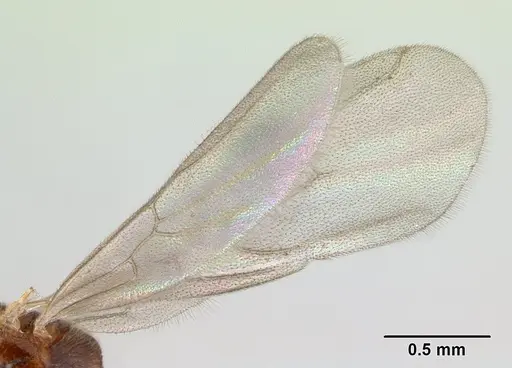
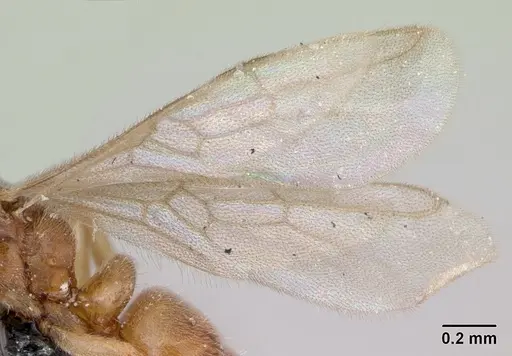
Maintain temperatures of 22–26°C year-round. This is a warm stenothermic species that cannot tolerate cool conditions [5]. In temperate climates, they must be kept in heated spaces – room temperature is usually sufficient if your home is warm. A heating cable on one part of the nest creates a gradient. They do not require hibernation or diapause. In the wild, colonies produce alate queens in summer [7]. If your colony is healthy and well-fed, you may see winged queens appear in warm months. Keep them away from cold windows in winter.
Behavior and Temperament
Hypoponera punctatissima is one of the most cryptic ant species kept in captivity [11]. Workers forage individually and do not form visible trails – they lack recruitment communication [6]. They are strictly predatory, hunting small arthropods with their well-developed sting. Colonies are polygynous, meaning multiple queens coexist, this is normal and you should not attempt to separate them [4]. Queens can sting painfully if threatened, causing skin irritation in humans [6][12]. Males are always ergatoid (wingless), which is unusual among ants [1]. Workers are very slow-moving and may appear inactive compared to other species.
Colony Growth and Development
Colonies grow moderately slowly compared to many tramp ants. Mature colonies may reach 150–190 workers [9]. The species produces worker-queen intercastes (individuals with mixed worker-queen characteristics) and dimorphic ergatoid males (large brown and small yellow morphs) [1]. Nuptial flights occur in summer in temperate regions, with winged queens dispersing to found new colonies [7]. Because colonies are polygynous, new colonies may also form through budding when a fragment separates with queens. Be patient – this is not a fast-growing species.
Common Problems
The biggest challenge with this species is their specialized diet. They will not eat standard ant foods, sugar water, or baits – they require live prey [6]. If you cannot provide regular springtails or small insects, they will starve. Their tiny size also makes them prone to escaping through standard test tube setups – use fine mesh barriers and check all connections regularly. They are also sensitive to drying out – maintain humidity but ensure ventilation to prevent mold. Finally, queen stings can cause skin reactions, so handle with care [12].
Frequently Asked Questions
Can I keep Hypoponera punctatissima in a test tube setup?
Yes, but with modifications. Use a small test tube with a fine mesh barrier. Their tiny size means standard cotton plugs may not hold them – consider using cotton plus a thin layer of fluon. Keep the tube moist and provide a small outworld for feeding. However, a Y-tong or plaster nest is often better for long-term housing [1].
What do Hypoponera punctatissima eat?
They are strictly predatory and only eat live small arthropods [6]. Springtails (Collembola) are their ideal food – you can culture these separately. Other accepted prey includes fruit flies, tiny crickets, and small mealworms. They will NOT eat sugar water, honey, seeds, or commercial ant baits. This is the most important thing to understand about keeping this species.
How long until first workers appear?
Unknown – development time has not been documented for Hypoponera punctatissima. Based on typical Ponerinae, it may take several weeks to months at optimal temperatures.
Do Hypoponera punctatissima sting?
Yes, they can sting. Queens in particular can deliver painful stings that cause skin irritation – redness, itching, and small bumps that last several days [6][12]. Workers also have a functional sting but are too small to penetrate human skin easily. Handle with care, especially when moving or disturbing the nest.
Are Hypoponera punctatissima good for beginners?
No, this species is not ideal for beginners [6]. Their strict requirement for live prey makes them difficult to feed. They are also tiny and require excellent escape prevention. If you are new to antkeeping, start with a more forgiving species like Lasius niger or Messor barbarus. Only attempt this species if you can reliably provide live springtails or small insects.
Do they need hibernation?
No, they do not require hibernation [5]. As a tropical/tramp species, they should be kept warm year-round (22–26°C). In the wild, they survive in temperate regions only by living in heated buildings. If temperatures drop significantly, they may become less active but will not enter true diapause.
How big do colonies get?
Colonies typically reach 150–190 workers [9]. This is relatively small compared to many tramp ants. However, colonies are polygynous (multiple queens) [4]. They are also polydomous – workers may be distributed among multiple small nest sites [4].
Why are my Hypoponera punctatissima dying?
The most likely causes are: 1) starvation due to lack of live prey – they will not eat dead food or sugar,2) drying out – they need consistent high humidity,3) escape – check all barriers for tiny gaps, or 4) temperature too low – they need at least 21°C. Review your setup and ensure you are providing appropriate live prey [6].
Report an Issue
The current care sheet is based fully on literature. See inconsistencies, or something that's incorrect? Please , it will be resolved after review from an admin. Contributing to the blogs tab also helps providing information, to make us be able to further improve the caresheets. Thank you for your support!
References

This caresheet is licensed under CC BY-SA 4.0 .
Community Blogs
ANTWEB1008429
View on AntWeb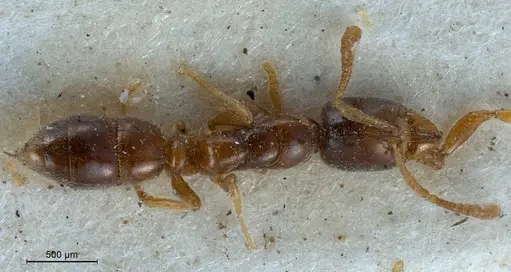
ANTWEB1008430
View on AntWeb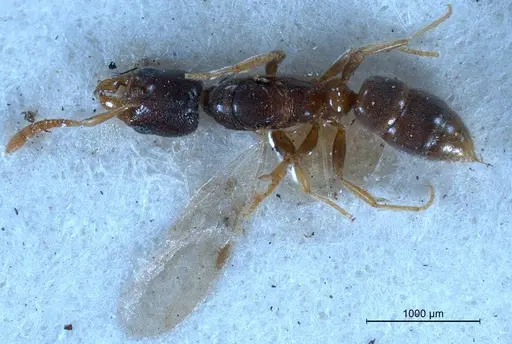
CASENT0005437
View on AntWeb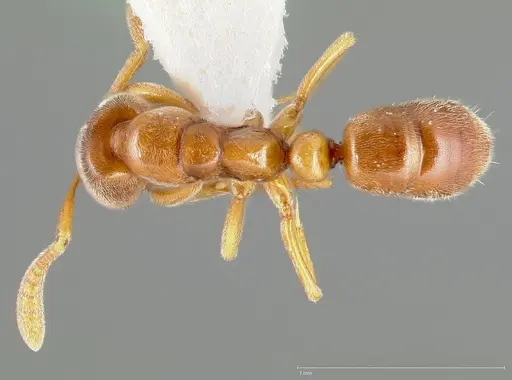
CASENT0055828
View on AntWeb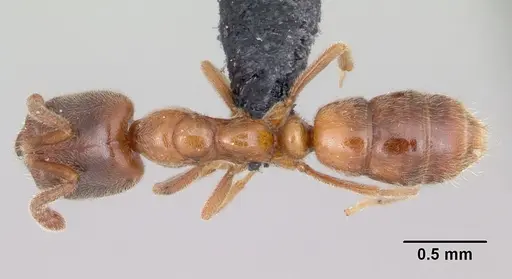
CASENT0055829
View on AntWeb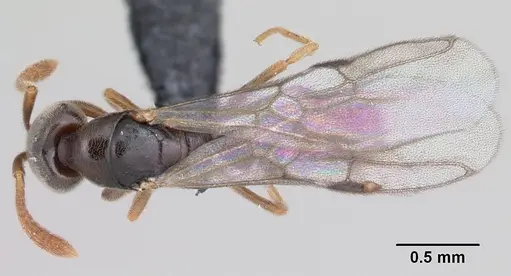
CASENT0055938
View on AntWeb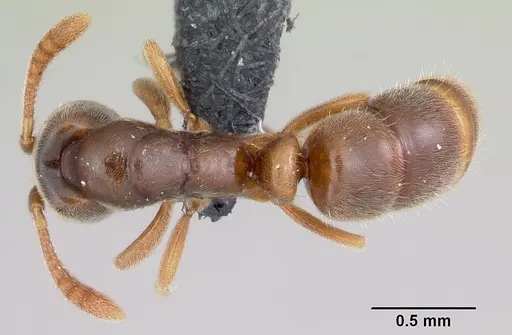
CASENT0059552
View on AntWeb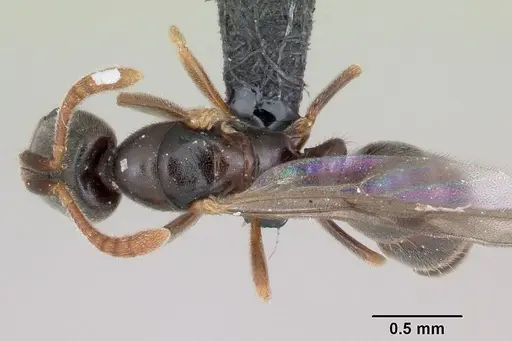
CASENT0087461
View on AntWeb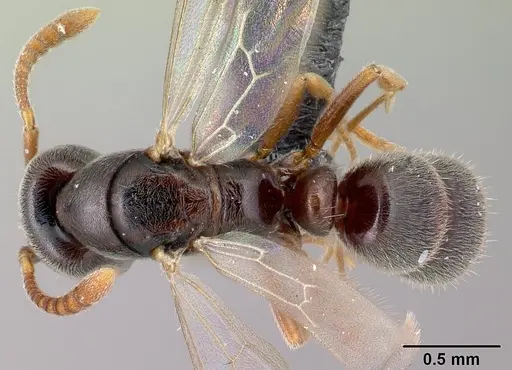
CASENT0101016
View on AntWeb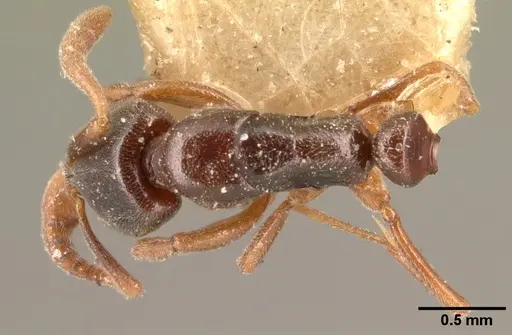
CASENT0101017
View on AntWeb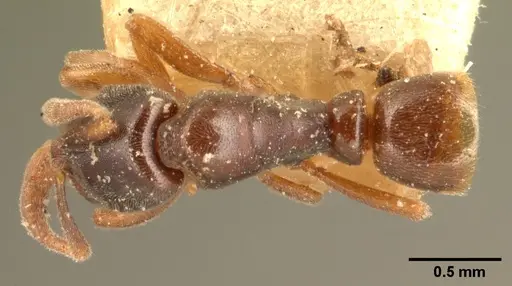
CASENT0101765
View on AntWeb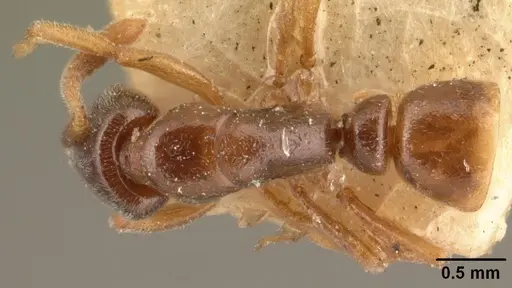
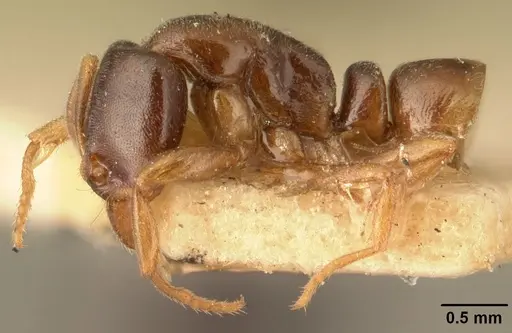
CASENT0101793
View on AntWeb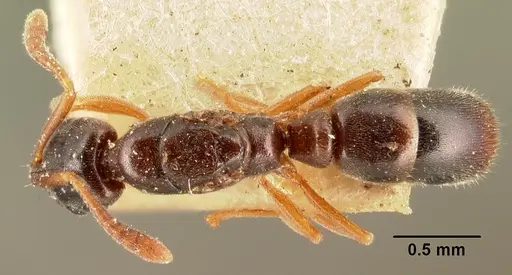
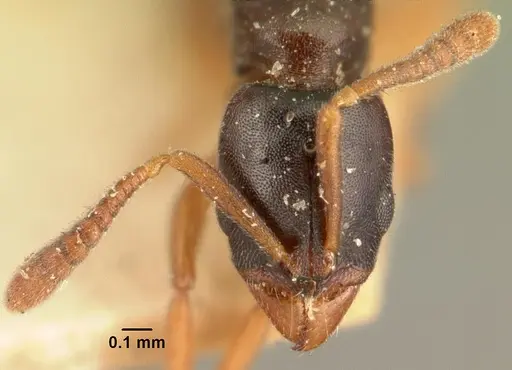
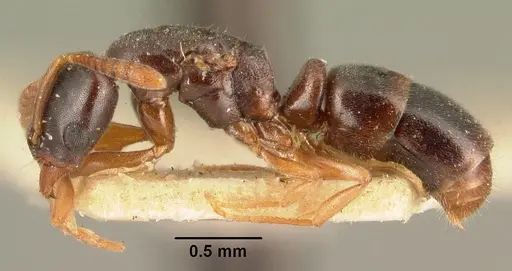
CASENT0101875
View on AntWeb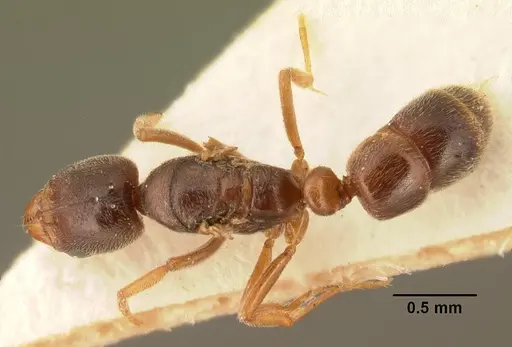
CASENT0103229
View on AntWeb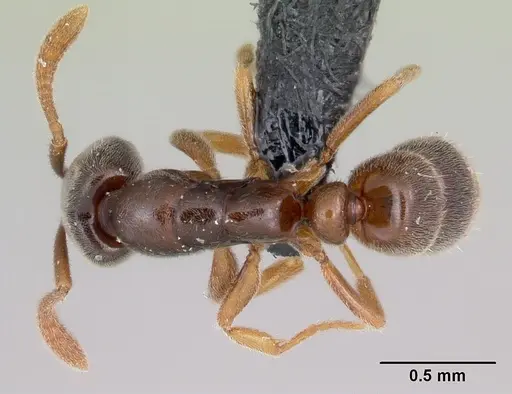
CASENT0103973
View on AntWeb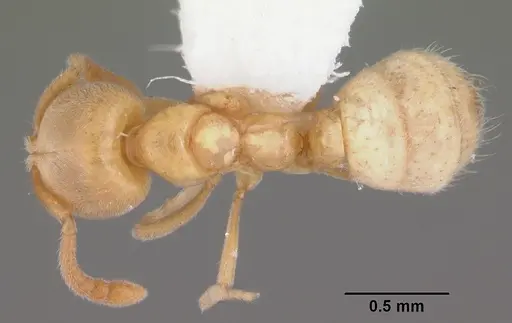
CASENT0103976
View on AntWeb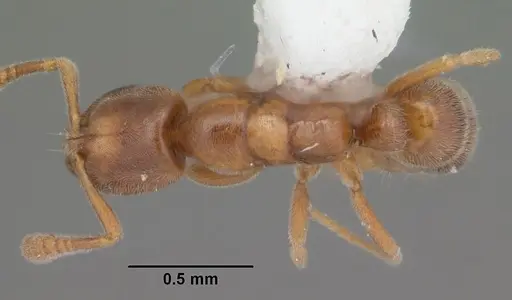
CASENT0103979
View on AntWeb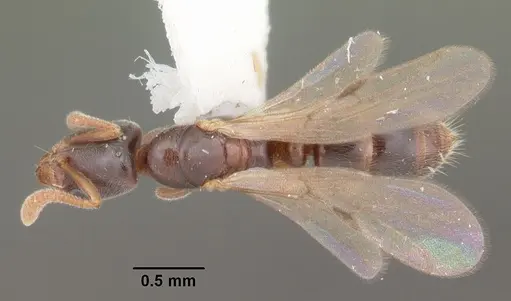
CASENT0133033
View on AntWeb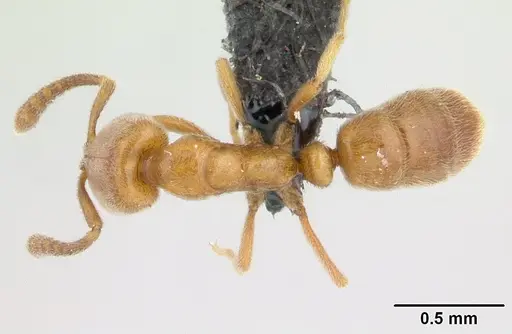
CASENT0134740
View on AntWeb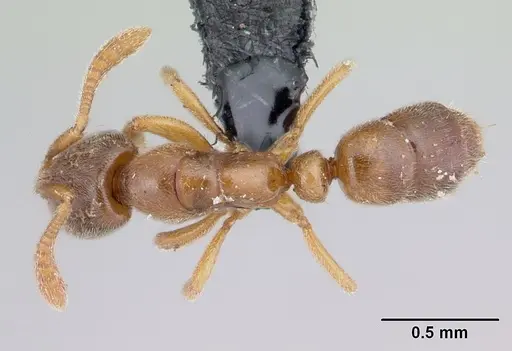
CASENT0136530
View on AntWeb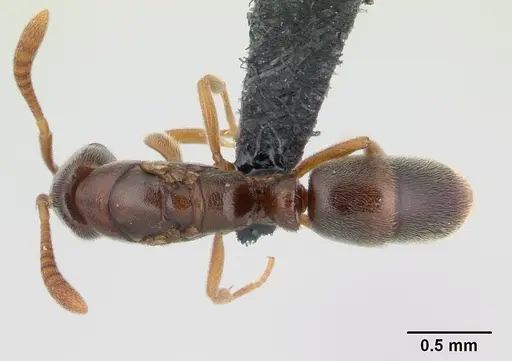
CASENT0136757
View on AntWeb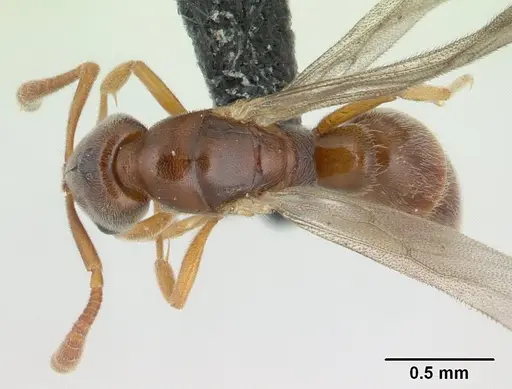
CASENT0172336
View on AntWeb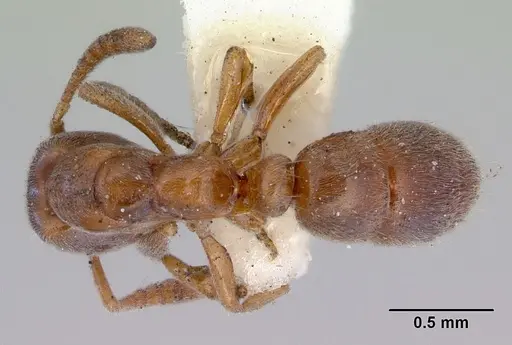
CASENT0172719
View on AntWeb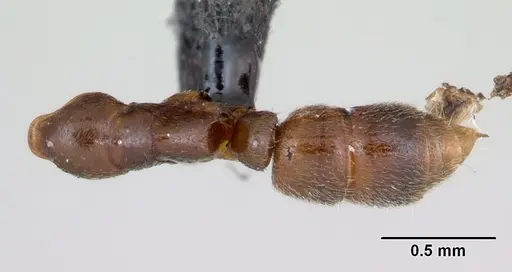
CASENT0173128
View on AntWeb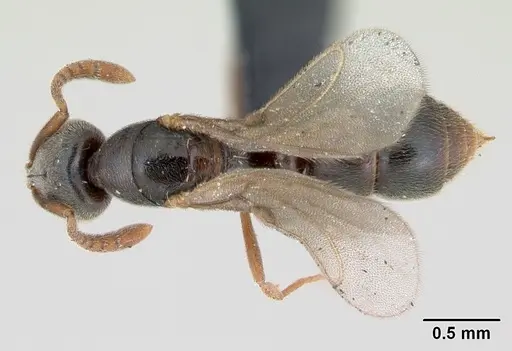
CASENT0173132
View on AntWeb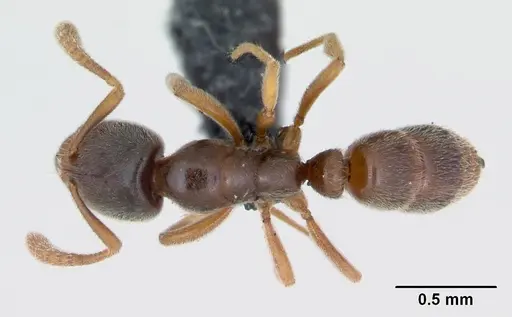
CASENT0173137
View on AntWeb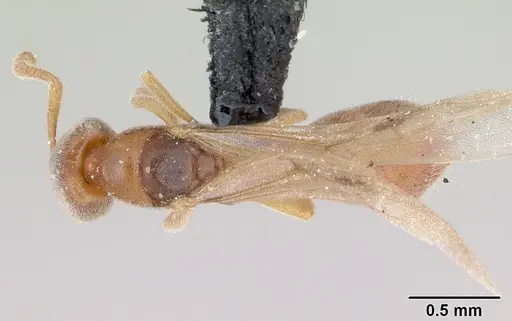
CASENT0173181
View on AntWeb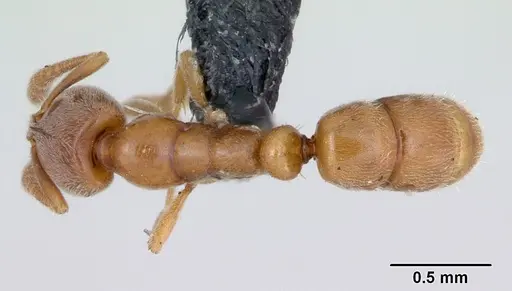
CASENT0173323
View on AntWeb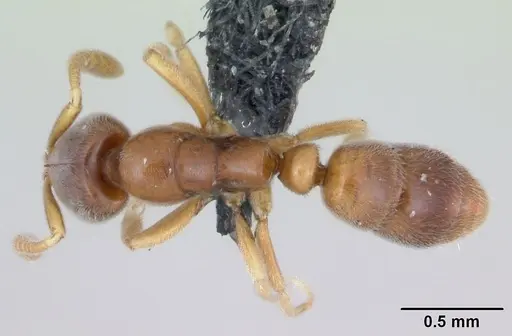
CASENT0173716
View on AntWeb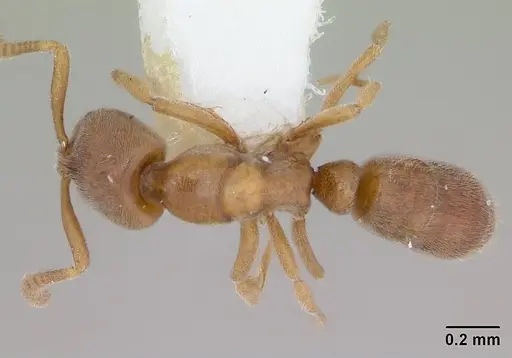
CASENT0178376
View on AntWeb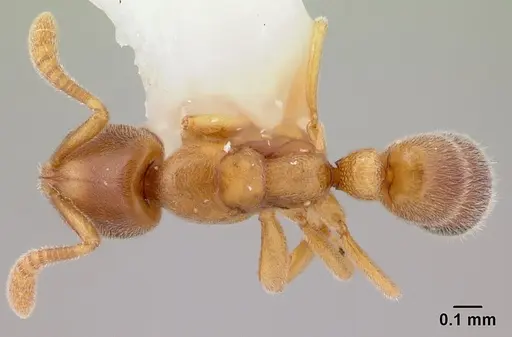
CASENT0199752
View on AntWeb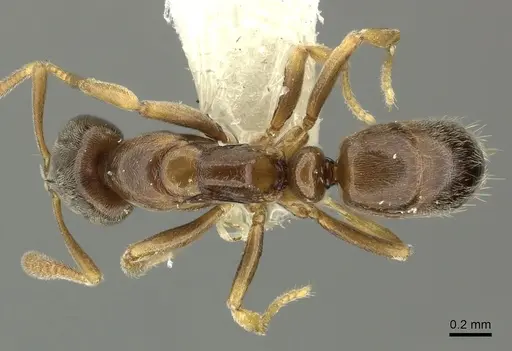
CASENT0217521
View on AntWeb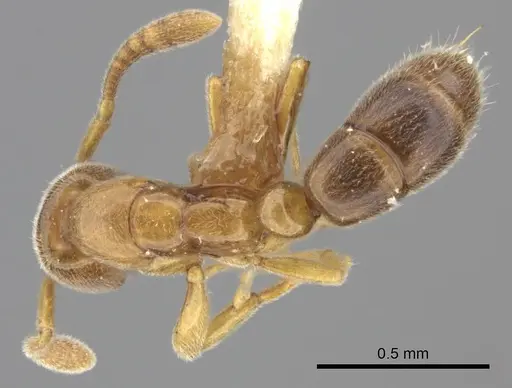
CASENT0250619
View on AntWeb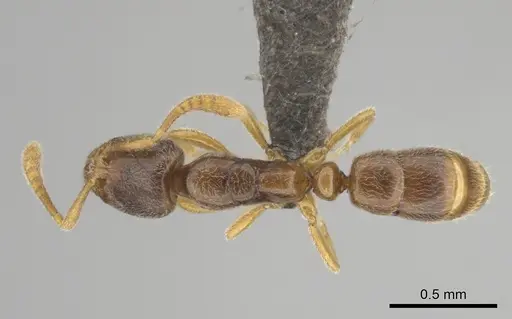
CASENT0260429
View on AntWeb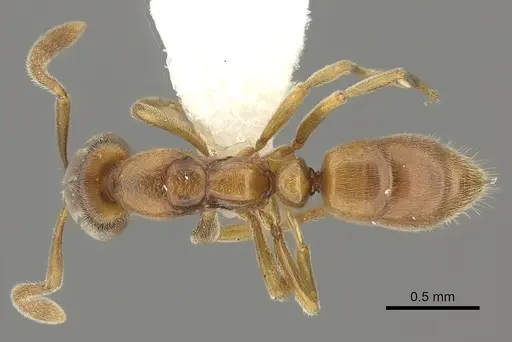
CASENT0264368
View on AntWeb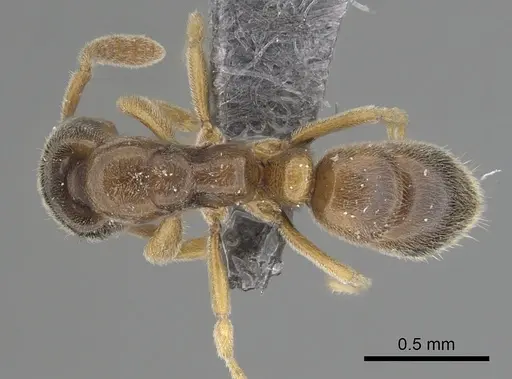
CASENT0400229
View on AntWeb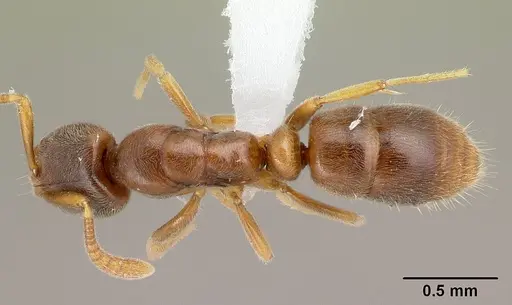
CASENT0403827
View on AntWeb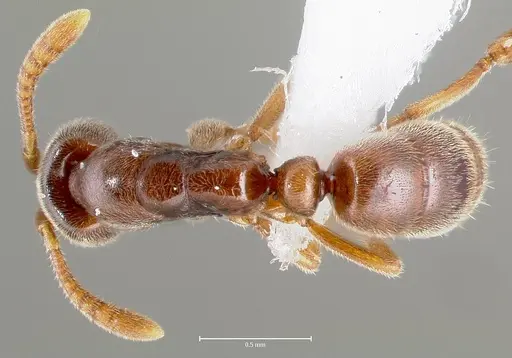
CASENT0746620
View on AntWeb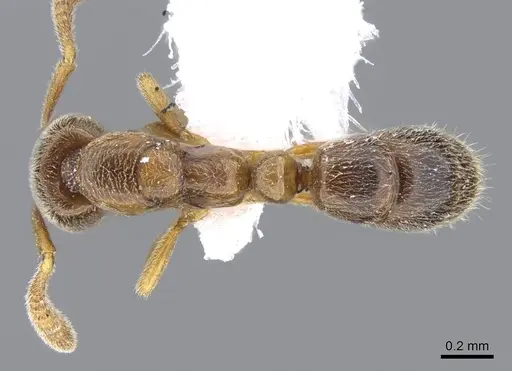
CASENT0815931
View on AntWeb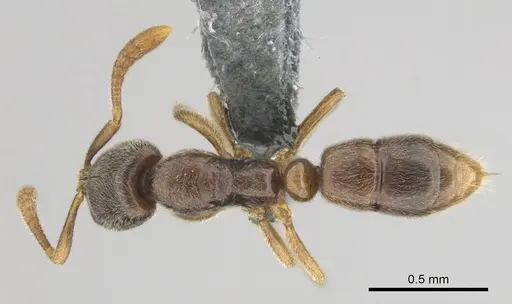
CASENT0884378
View on AntWeb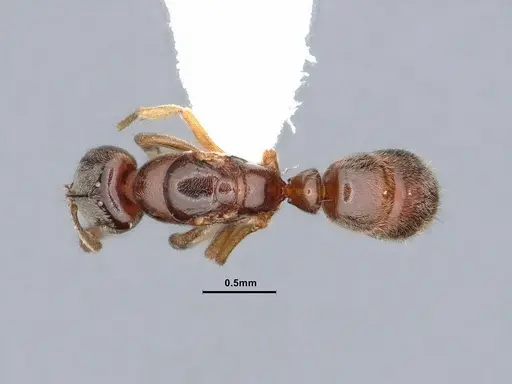
CASENT0884388
View on AntWeb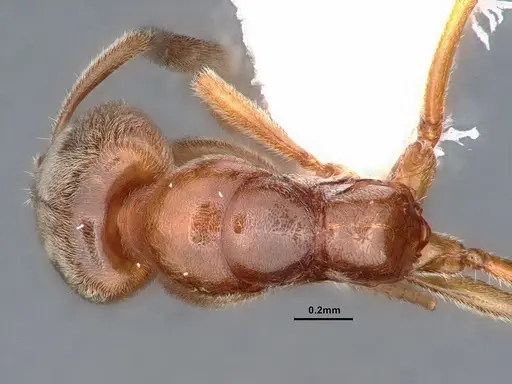
CASENT0898514
View on AntWeb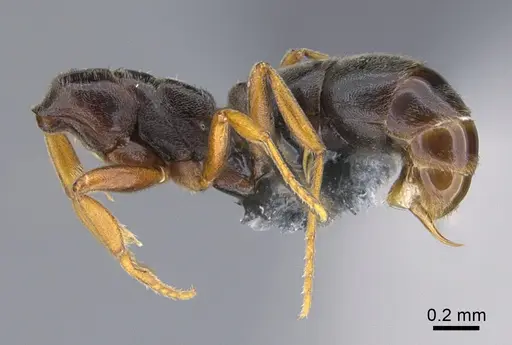
CASENT0898515
View on AntWeb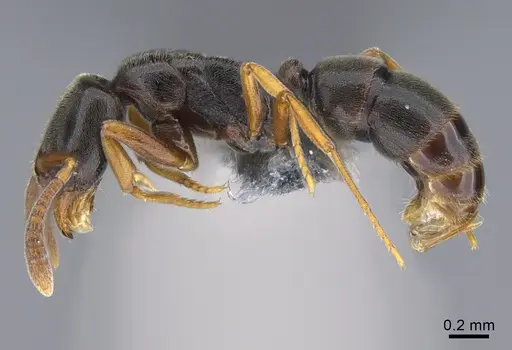
CASENT0898516
View on AntWeb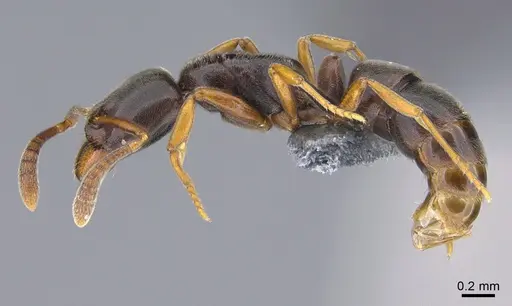
CASENT0898517
View on AntWeb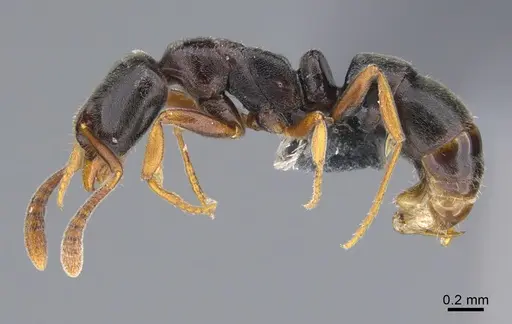
CASENT0901973
View on AntWeb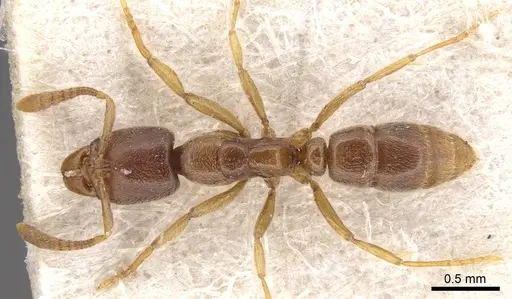
CASENT0902537
View on AntWeb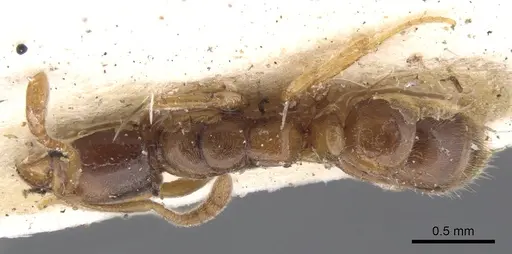
CASENT0902538
View on AntWeb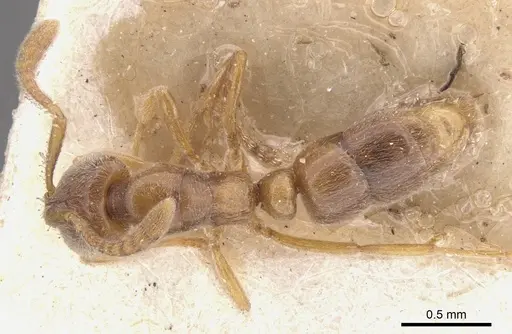
CASENT0902539
View on AntWeb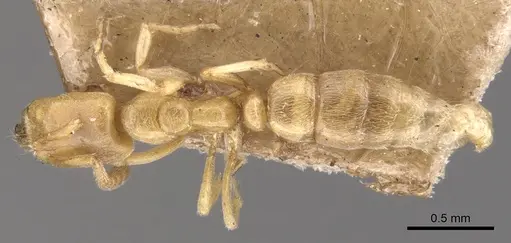
CASENT0902540
View on AntWeb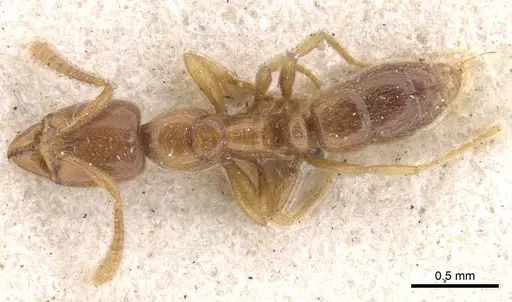
CASENT0903906
View on AntWeb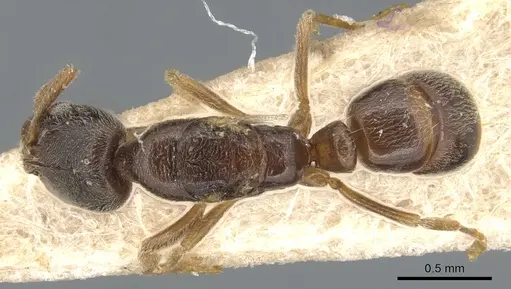
CASENT0907315
View on AntWeb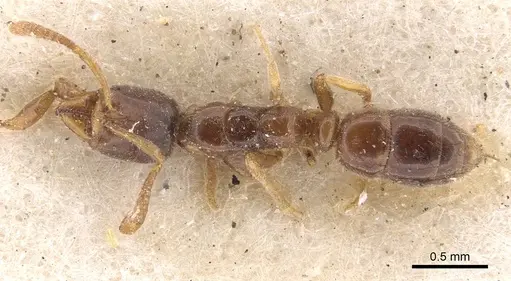
CASENT0907325
View on AntWeb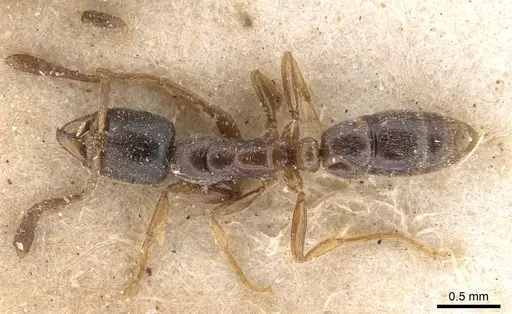
CASENT0907329
View on AntWeb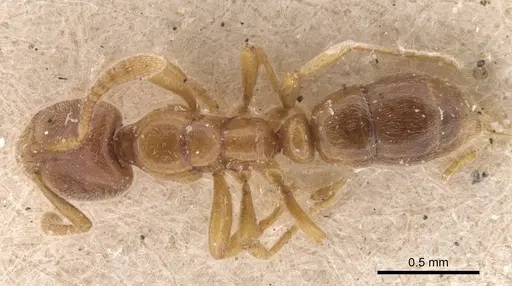
CASENT0907330
View on AntWeb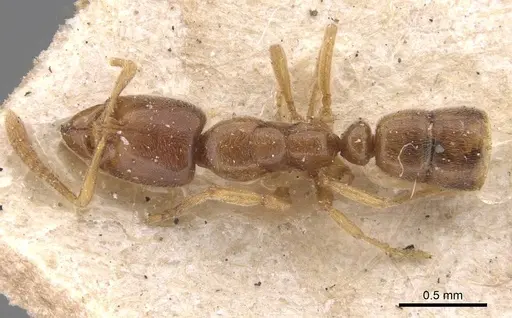
CASENT0915187
View on AntWeb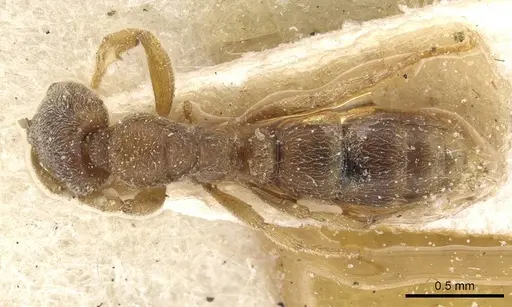
CASENT0915190
View on AntWeb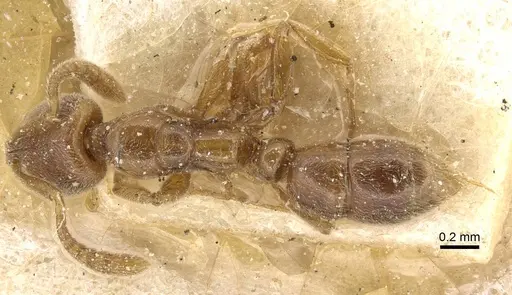
CASENT0915194
View on AntWeb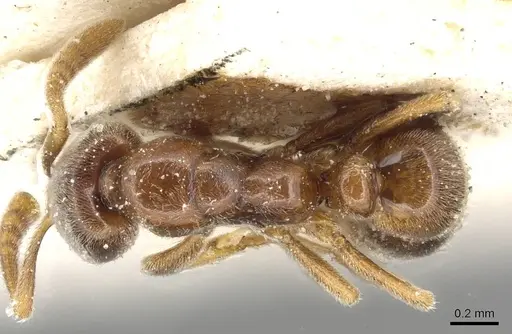
CASENT0915195
View on AntWeb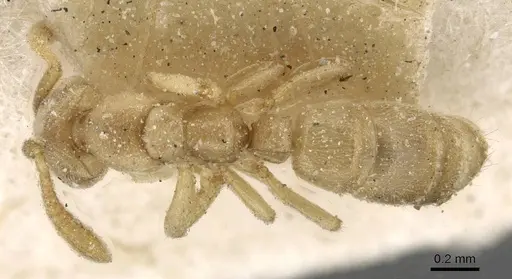
CASENT0915204
View on AntWeb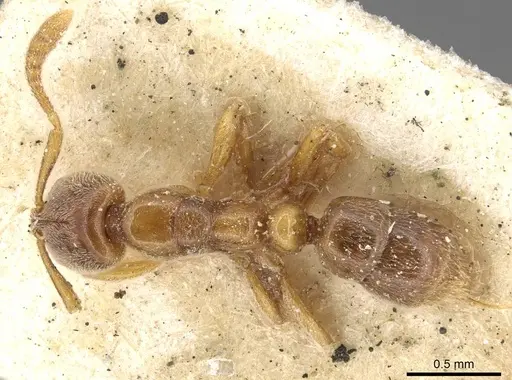
CASENT0915206
View on AntWeb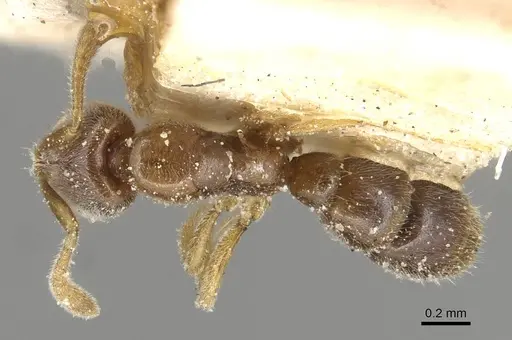
CASENT0915474
View on AntWeb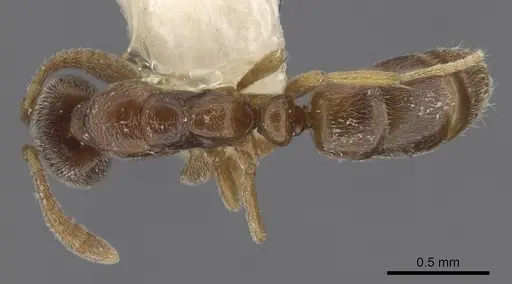
CASENT0915475
View on AntWeb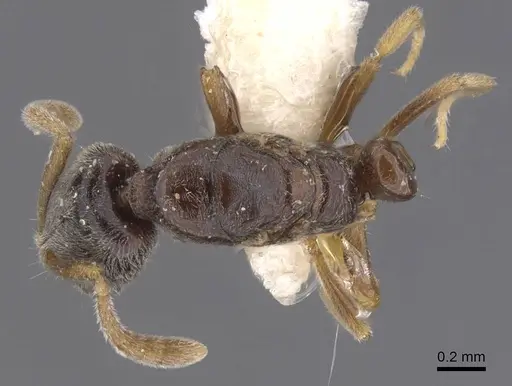
CASENT0915490
View on AntWeb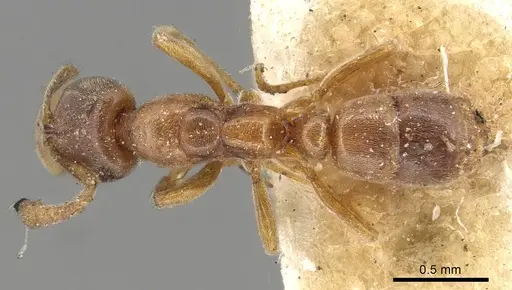
CASENT0915492
View on AntWeb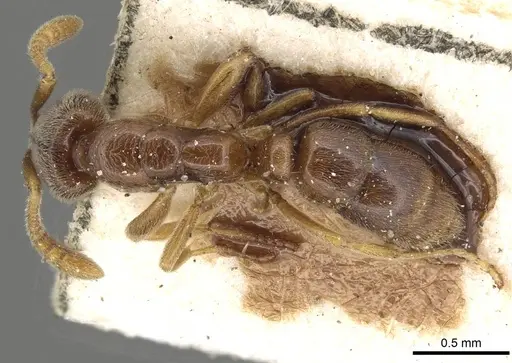
CASENT0915869
View on AntWeb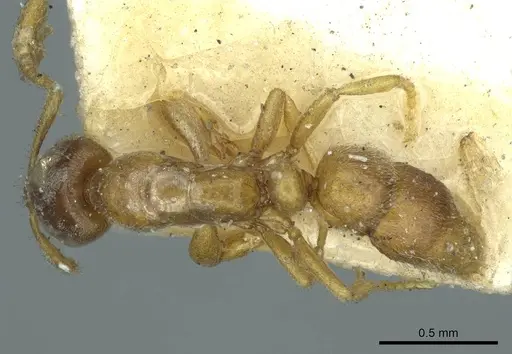
CASENT0919815
View on AntWeb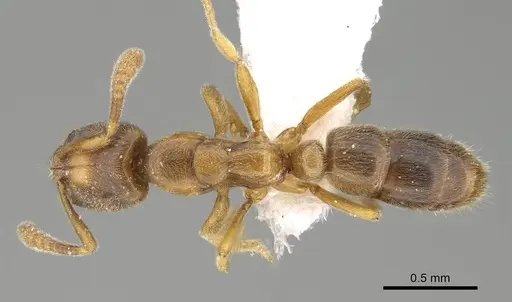
FOCOL0360
View on AntWeb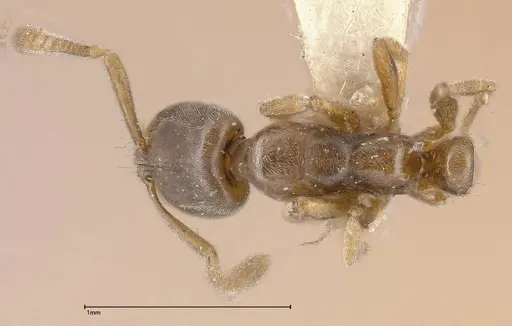
FOCOL0981
View on AntWeb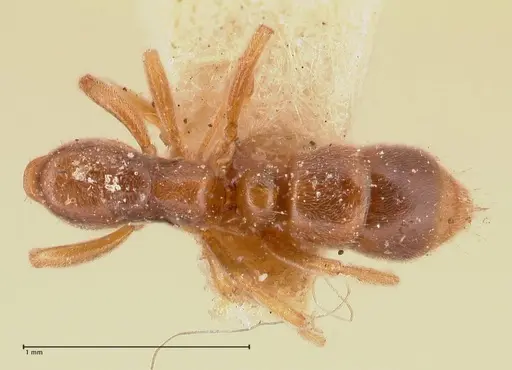
FOCOL0982
View on AntWeb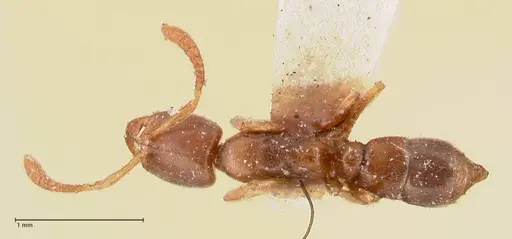
FOCOL0983
View on AntWeb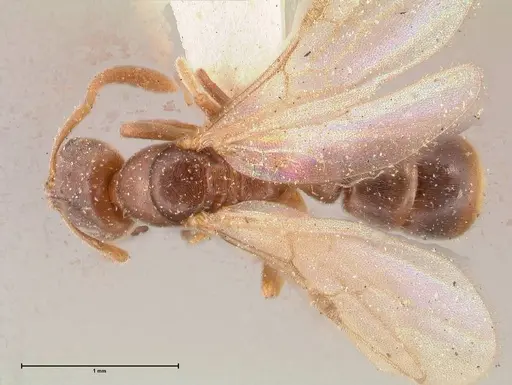
FOCOL0984
View on AntWeb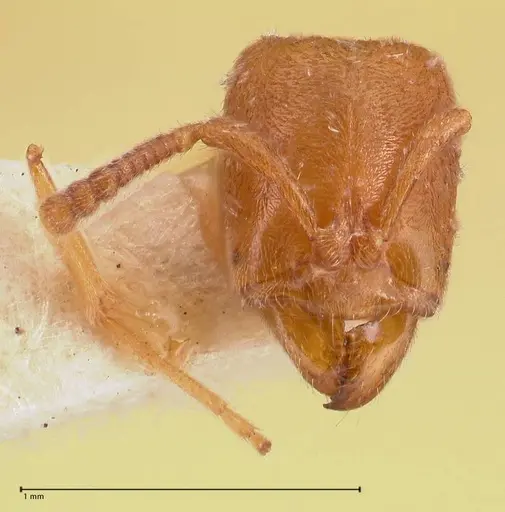
Literature
Loading distribution map...Loading products...