
Hypoponera pruinosa
- Sci. Name
- Hypoponera pruinosa
- Tribe
- Ponerini
- Subfamily
- Ponerinae
- Author
- Emery, 1900
- Distribution
- Found in 6 countries
Introduction
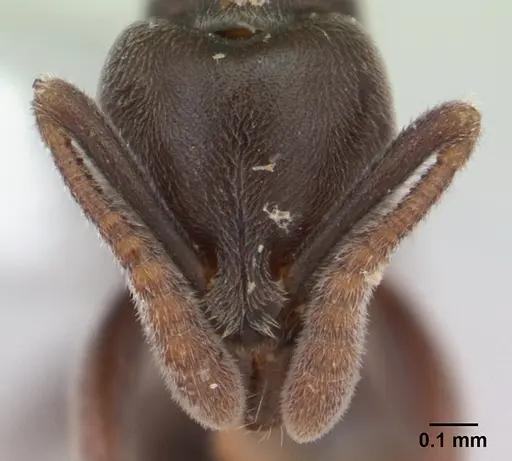
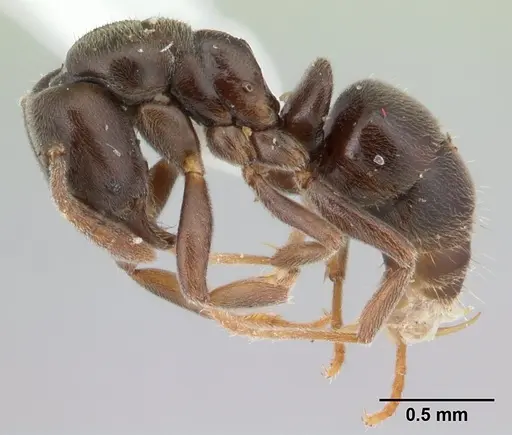
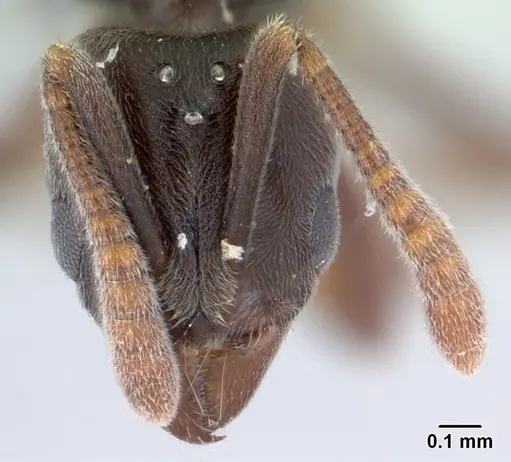
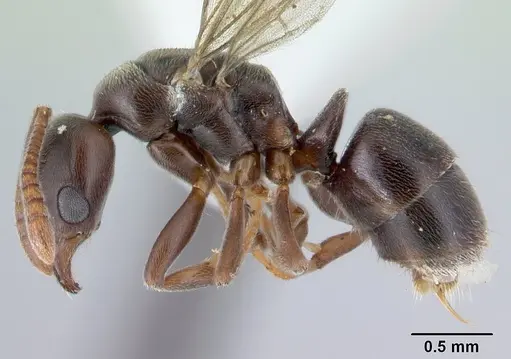
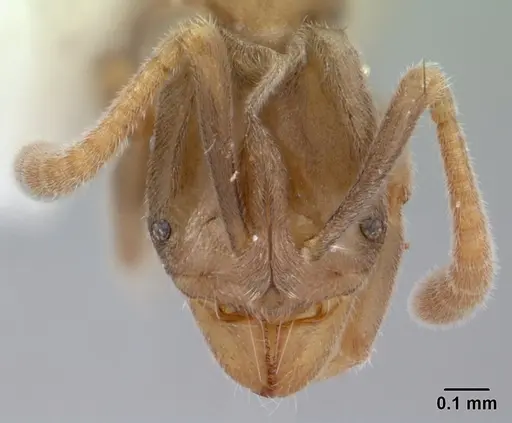
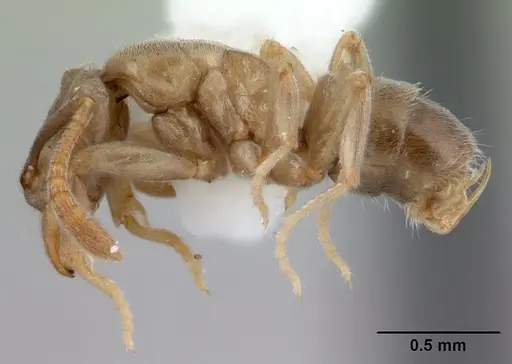
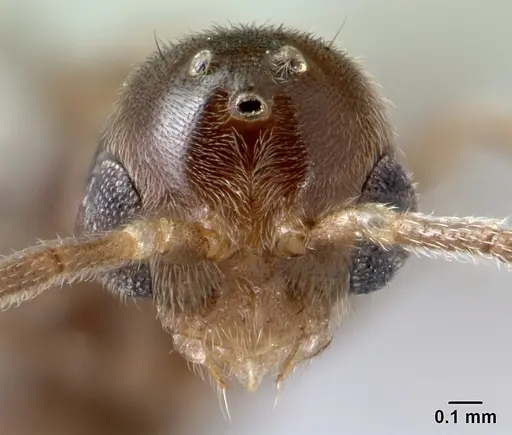
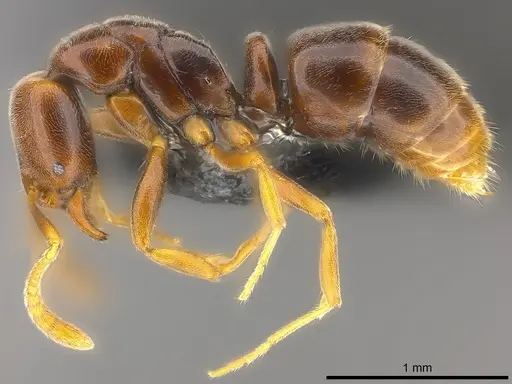
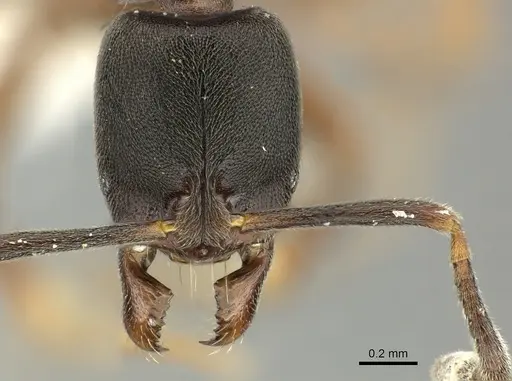
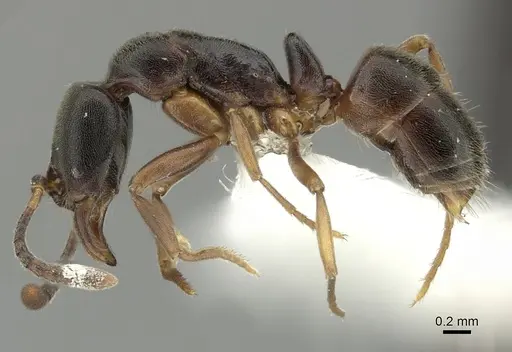
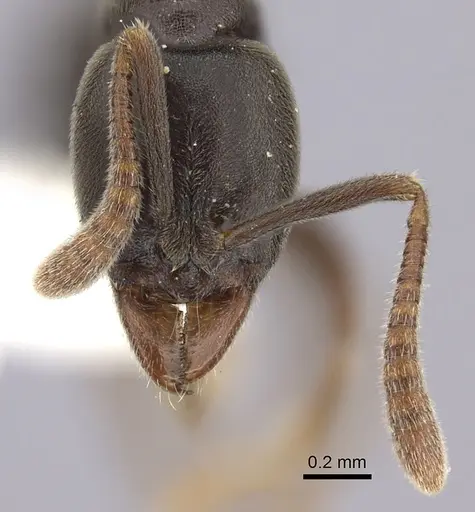
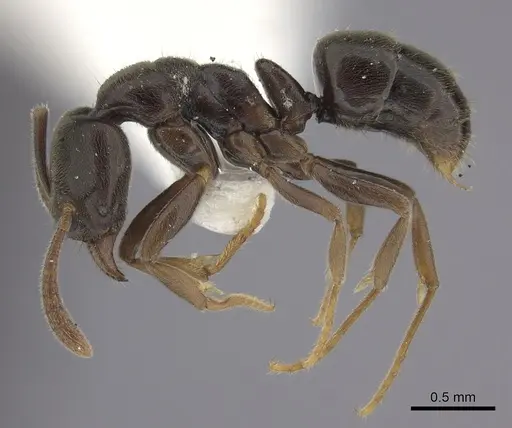
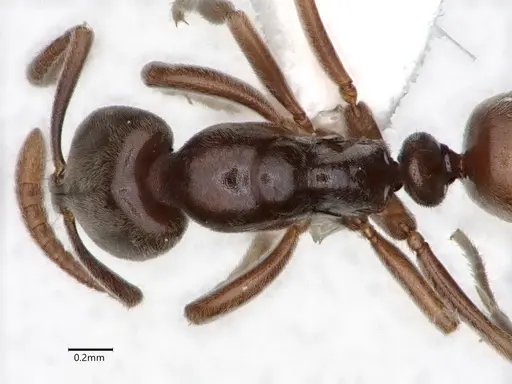
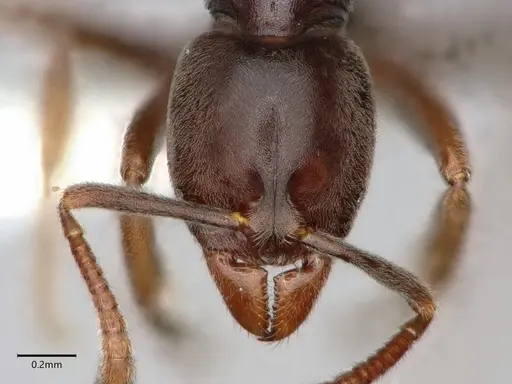
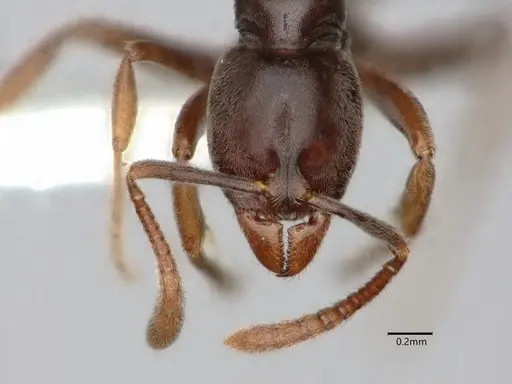
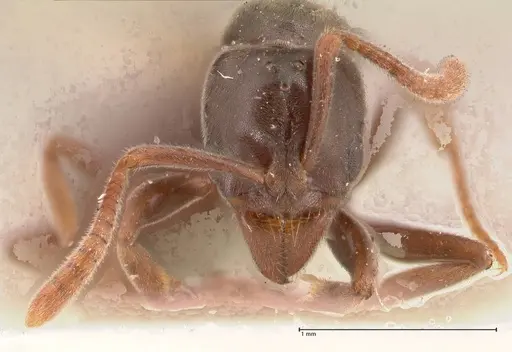
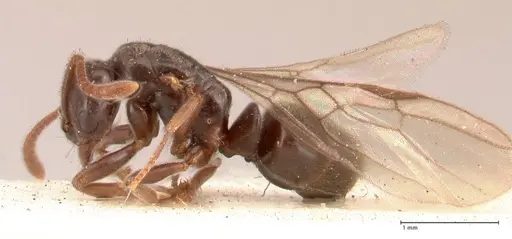
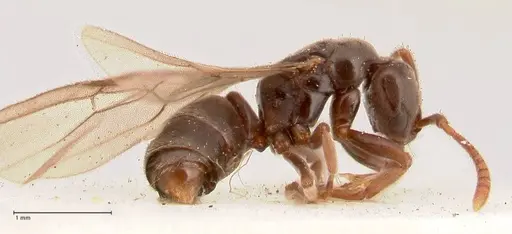
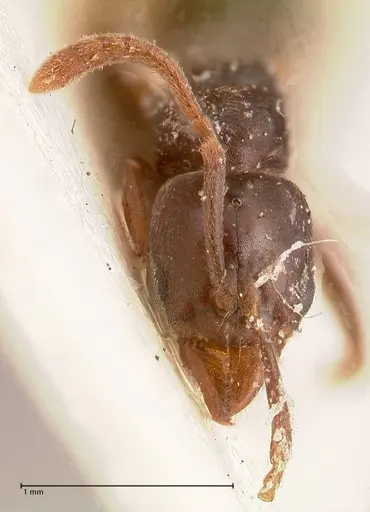
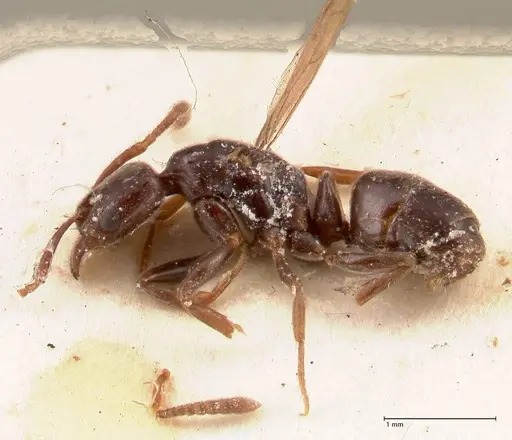
Hypoponera pruinosa is a small ponerine ant found across the tropical Pacific region, including New Guinea, the Philippines, Micronesia, and the Solomon Islands . Workers are dark brown to black with distinctive eyes containing 7 to 20 ommatidia and a petiolar node that tapers to a narrow rounded point . Size data unavailable for this species. They inhabit forests and wet human-disturbed areas at all elevations . This species is known for its cryptic, ground-dwelling behavior and ability to persist in disturbed habitats.
Quick Summary
- Difficulty: Medium
- Origin & Habitat: Tropical Pacific region including New Guinea, Philippines, Micronesia (Kosrae, Pohnpei, Palau, Mariana Islands), and Solomon Islands. They live in forests and wet human-disturbed areas at all elevations [4][1].
- Colony Type: Based on typical Hypoponera genus patterns, likely single-queen colonies with modest worker populations.
- Size & Growth:
- Queen: Size data unavailable
- Worker: Size data unavailable
- Colony: Unknown
- Growth: Moderate
- Development: Estimated 6-8 weeks at optimal temperatures, inferred from related Ponerine species (Development time is estimated, monitor your colony for actual growth)
- Antkeeping:
- Temperature: Keep warm, roughly 24-28°C, as inferred from tropical habitat [4]
- Humidity: Keep nest substrate consistently moist but not waterlogged, based on wet forest habitat [4]
- Diapause: No, as tropical species
- Nesting: Use Y-tong, plaster, or soil nests with moist substrate. They prefer tight, enclosed spaces typical of leaf-litter nesting ants.
- Behavior: Workers are cryptic and forage in leaf litter and soil. As Ponerines, they have a sting but are not aggressive toward humans. Their small size means escape prevention is important, they can slip through small gaps.
- Common Issues: high humidity maintenance is critical, drying out can kill colonies quickly, escape prevention matters because small workers can slip through standard barrier gaps, tropical species requires consistent warmth year-round, cool temperatures slow or stop brood development, predatory diet means they need live prey, sugar sources alone will not sustain colonies
Housing and Nest Setup
Test tubes work well for founding colonies, use a water tube for humidity and keep the setup in a warm location. For established colonies, a small Y-tong or plaster nest with moist substrate works well. These ants prefer tight, enclosed spaces rather than open areas. The nest should have chambers scaled to their small size. Place the nest in a dark area as they are cryptic by nature. An outworld for foraging should be simple, a small plastic box works fine. Escape prevention is important, use fluon barriers and ensure all openings are sealed [4].
Feeding and Diet
As Ponerine ants, they are primarily predatory. Offer small live prey such as fruit flies, pinhead crickets, or small mealworms. They may accept protein jelly or frozen insects experimentally. Sugar sources are not a primary food source. Feed every 2-3 days, removing uneaten prey after 24 hours to prevent mold. A constant water source should be available.
Temperature and Humidity
This is a tropical species requiring warm, humid conditions. Keep temperatures in the range of 24-28°C year-round. They naturally occur in wet forest environments, so humidity should be high, maintain moist substrate but avoid standing water. A water tube in the setup helps maintain humidity. If your room temperature falls below 24°C, use a heating cable to create a warm gradient [4].
Colony Development
Colony growth is expected to be moderate. Queens likely lay eggs after mating and seal themselves in a claustral chamber, living off stored fat until the first workers emerge. Based on genus-level data, expect 6-8 weeks from egg to first worker at optimal temperatures. Colonies may reach several hundred workers over time. Monitor your colony and adjust care based on their activity.
Behavior and Temperament
Hypoponera pruinosa is a cryptic, ground-dwelling species. Workers are small and forage in leaf litter and soil. They are not aggressive toward keepers and rarely sting. Their small size means they can slip through tiny gaps, fine mesh and proper barriers are essential. Colonies are likely peaceful and focused on hunting small prey. [4]
Frequently Asked Questions
How long does it take for Hypoponera pruinosa to produce first workers?
Based on typical Hypoponera development, expect 6-8 weeks from egg to first worker at optimal temperatures (25-28°C). No specific study exists for this species, so this is an estimate from related species.
What do Hypoponera pruinosa ants eat?
They are predatory and need live small prey like fruit flies, pinhead crickets, and small insects. They may accept protein jelly or frozen insects experimentally. Sugar sources are not a primary food.
Can I keep Hypoponera pruinosa in a test tube?
Yes, test tubes work well for founding colonies. Keep the water tube filled and maintain temperatures above 24°C. Transfer to a larger nest once the colony grows.
Do Hypoponera pruinosa need hibernation?
No, they are tropical ants from constant warm climates and do not require hibernation or diapause. Keep them warm year-round.
How big do Hypoponera pruinosa colonies get?
Colony size data is unknown for this species. Based on related species, they may reach several hundred workers.
Are Hypoponera pruinosa good for beginners?
They are moderate difficulty, not the easiest but not expert-level. The main challenges are maintaining high humidity and providing a proper predatory diet. They are not commonly available in the hobby.
What temperature is best for Hypoponera pruinosa?
Keep them at 24-28°C. This is a tropical species from the Pacific islands that needs warm conditions year-round.
Why are my Hypoponera pruinosa dying?
Common causes include: too low temperature (below 20°C), dry conditions (low humidity), improper diet (no live prey), or escape from the setup. Check all husbandry parameters and ensure they have consistent warmth and moisture.
Report an Issue
The current care sheet is based fully on literature. See inconsistencies, or something that's incorrect? Please , it will be resolved after review from an admin. Contributing to the blogs tab also helps providing information, to make us be able to further improve the caresheets. Thank you for your support!
References

This caresheet is licensed under CC BY-SA 4.0 .
Community Blogs
CASENT0178372
View on AntWeb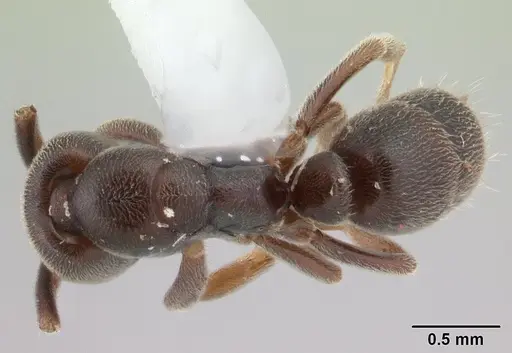
CASENT0178373
View on AntWeb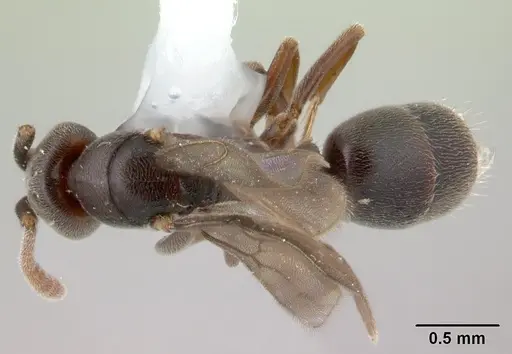
CASENT0178374
View on AntWeb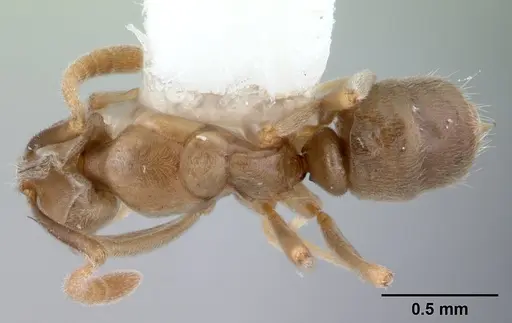
CASENT0178375
View on AntWeb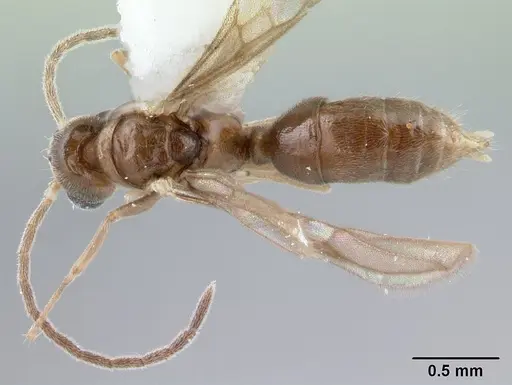
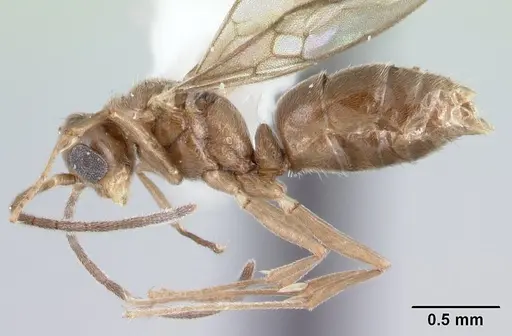
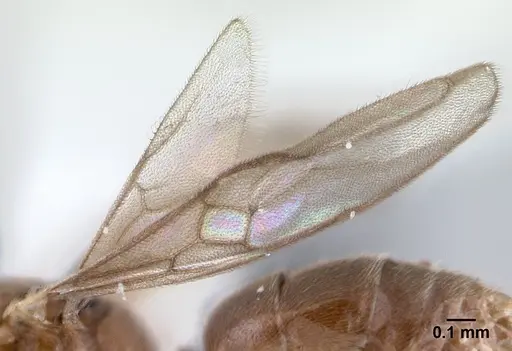
CASENT0186203
View on AntWeb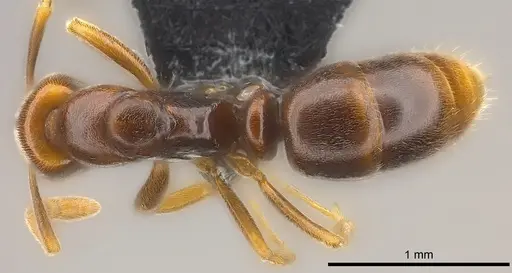
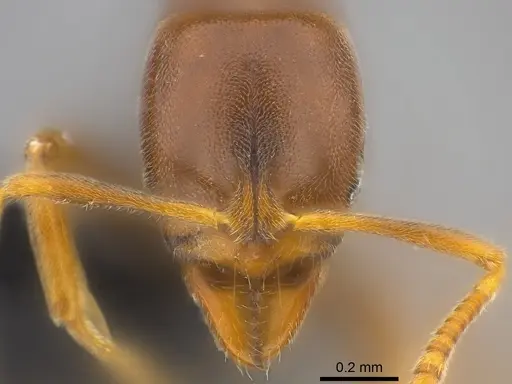
CASENT0199841
View on AntWeb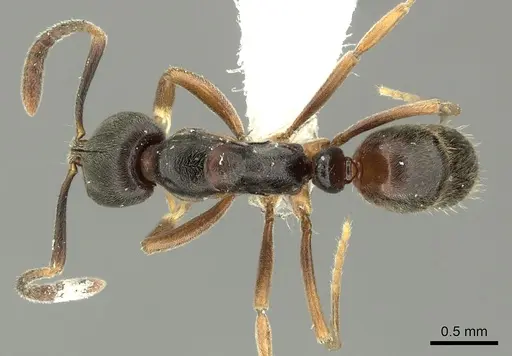
CASENT0260435
View on AntWeb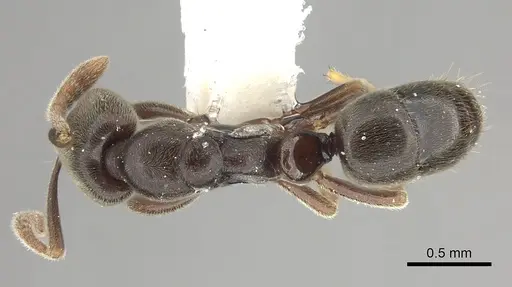
CASENT0260436
View on AntWeb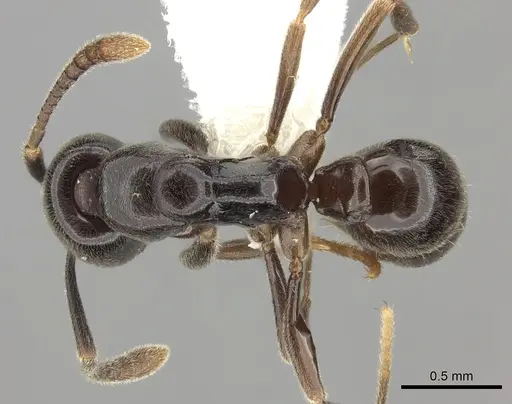
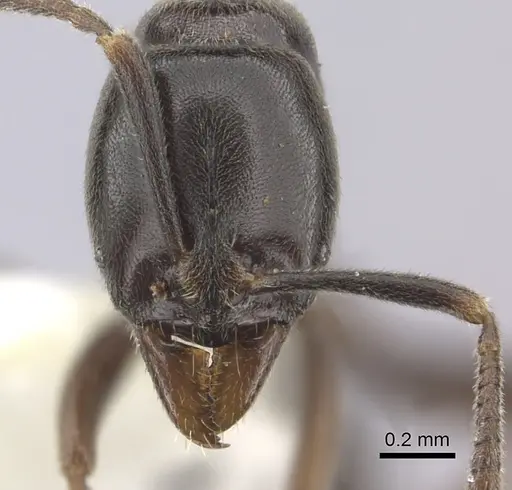
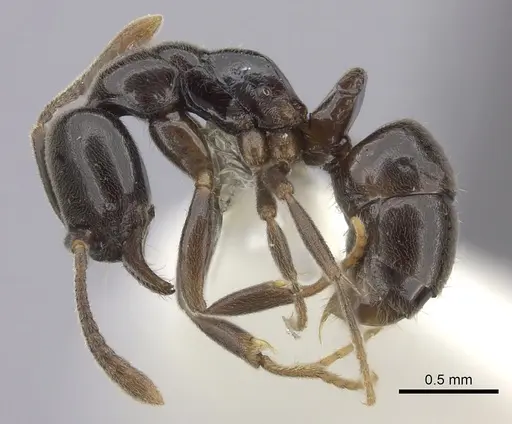
CASENT0260437
View on AntWeb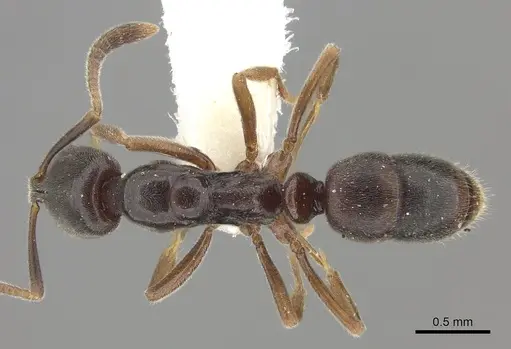
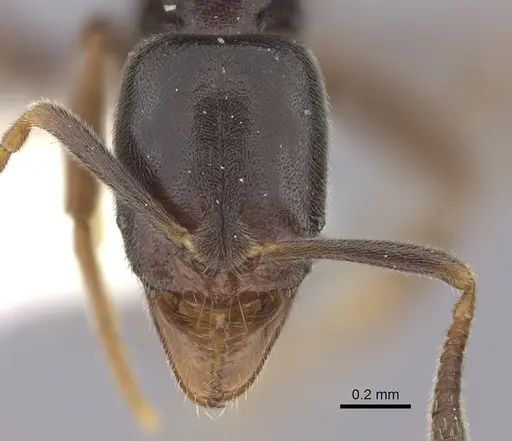
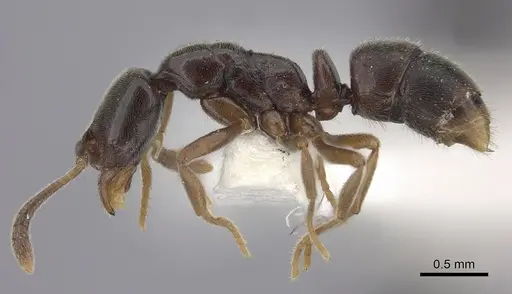
CASENT0650367
View on AntWeb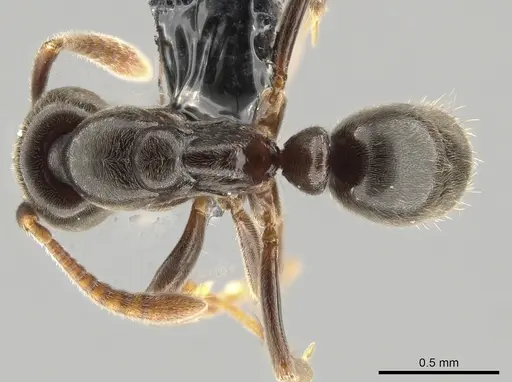
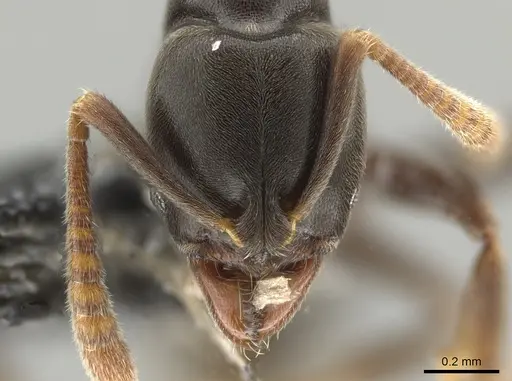
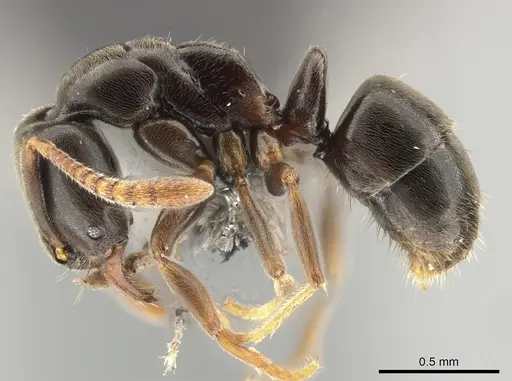
CASENT0882071
View on AntWeb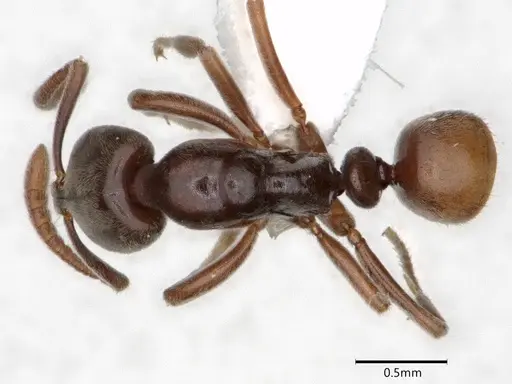
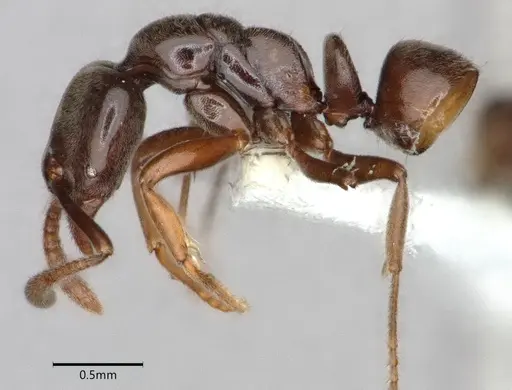
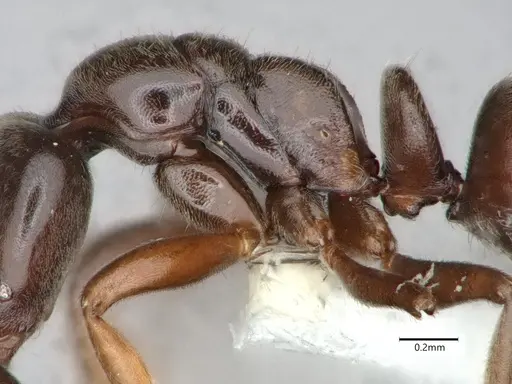
CASENT0903910
View on AntWeb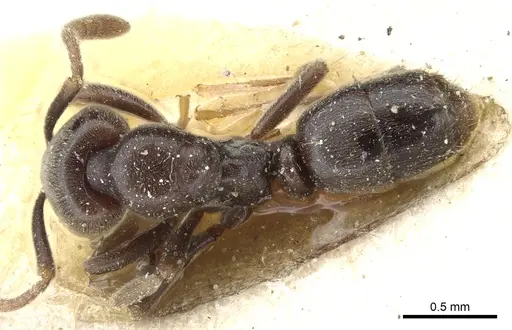
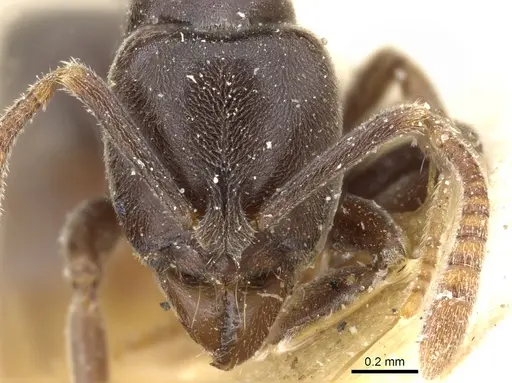
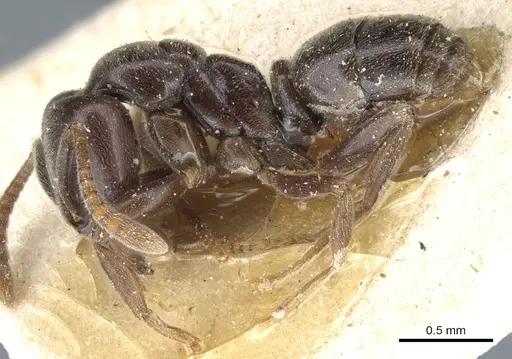
CASENT0903912
View on AntWeb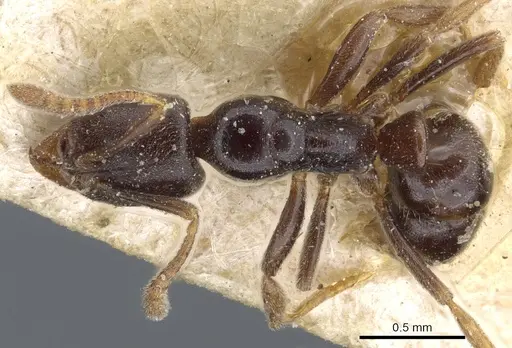
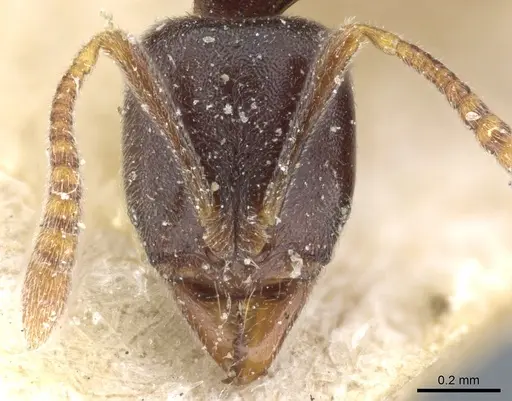
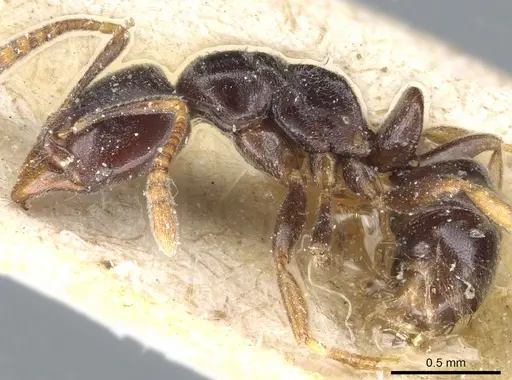
FOCOL0993
View on AntWeb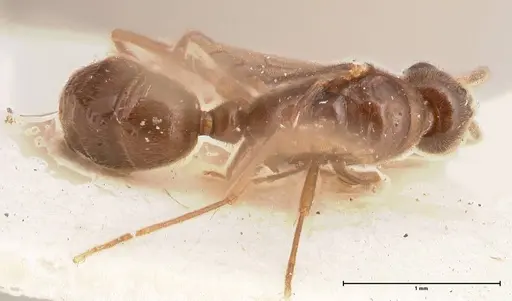
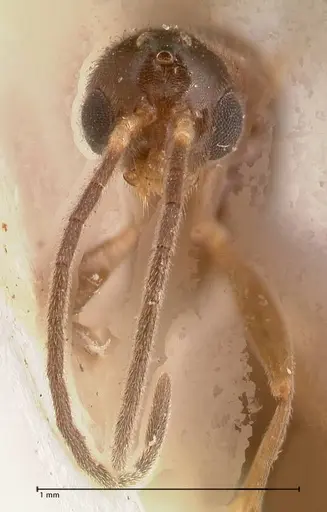
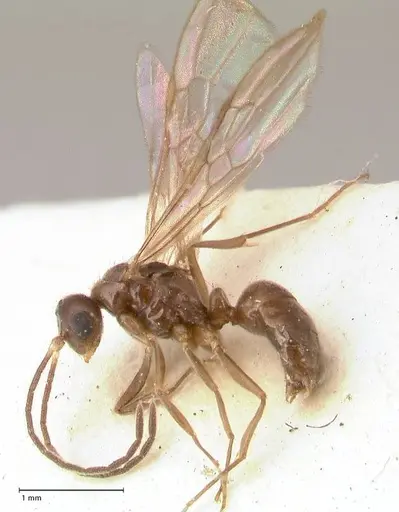
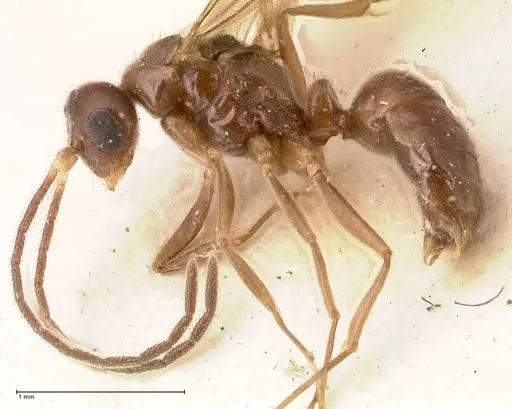
FOCOL0994
View on AntWeb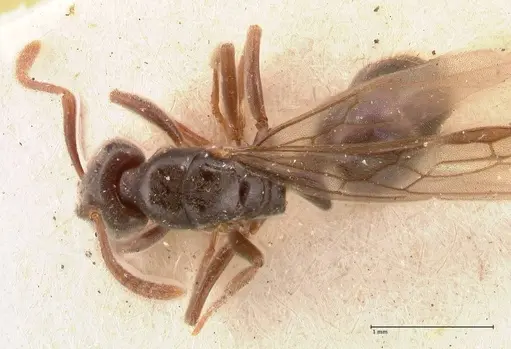
FOCOL0995
View on AntWeb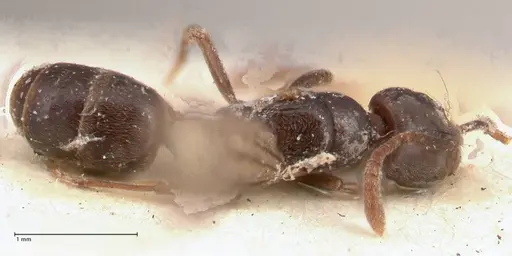
Literature
Loading distribution map...Loading products...