
Hypoponera producta
- Sci. Name
- Hypoponera producta
- Tribe
- Ponerini
- Subfamily
- Ponerinae
- Author
- Bolton & Fisher, 2011
- Distribution
- Found in 1 countries
Introduction
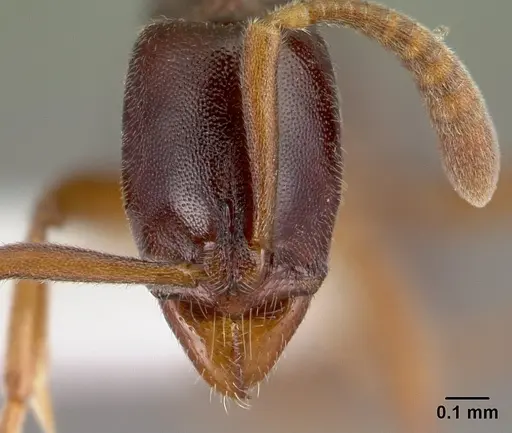
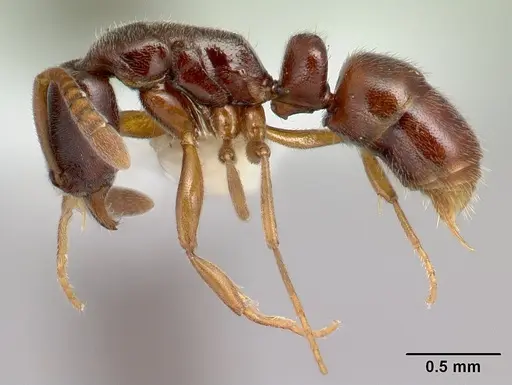
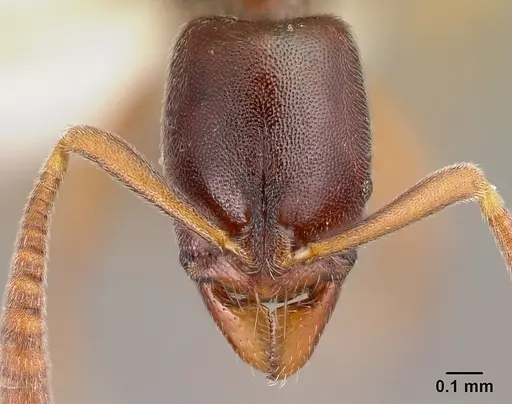
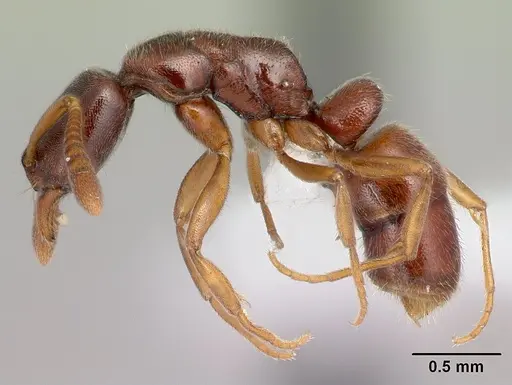
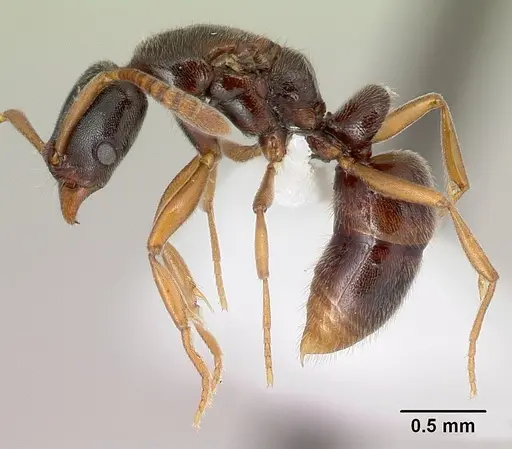
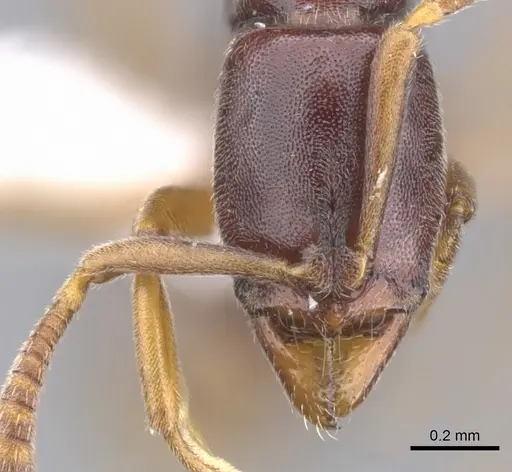
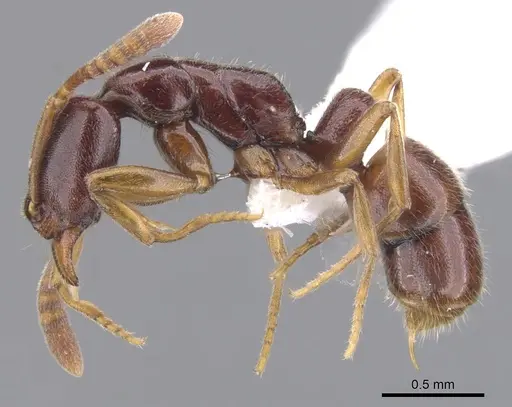
Hypoponera producta is a tiny Ponerine ant species native to the rainforests of Gabon and Cameroon in West Africa. Workers are among the smaller ant species, with remarkably long scapes (antennal segments) compared to other Afrotropical Hypoponera species - they have the longest scapes in the genus . Their eyes are often reduced to just 1-3 tiny ommatidia, and some individuals are completely blind, which is common for ants living in dark microhabitats like leaf-litter and rotting wood . The species was formally described in 2011 by Bolton and Fisher, and has been collected exclusively from rainforest leaf-litter and rotten wood samples . This species is notable for having both regular winged queens and ergatoid (wingless) queens - a rare trait that allows for flexible reproduction if the primary queen dies . Males have never been documented, which suggests reproduction may occur through the ergatoid queens or other mechanisms not yet understood. The combination of their tiny size, reduced eyes, and specialized rainforest habitat makes them a challenging species for experienced antkeepers interested in obscure Ponerines.
Quick Summary
- Difficulty: Expert
- Origin & Habitat: Gabon and Cameroon, West African rainforest regions. In the wild, they live in leaf-litter and rotting wood in humid rainforest environments [1][2].
- Colony Type: Colony structure is not fully documented. Both regular dealate queens and ergatoid (wingless) queens have been collected, but it is unclear whether colonies are single-queen or multi-queen [1].
- Size & Growth:
- Queen: Size data unavailable, no specific measurements exist for queens of this species
- Worker: Size data unavailable, the research provides head and body part measurements but not total body length
- Colony: Unknown, likely small colonies based on their cryptic rainforest lifestyle
- Growth: Unknown, no development data exists for this species
- Development: Unknown, no direct development data exists for this species (Development time is unconfirmed. Related tropical Ponerines typically take several months to develop from egg to adult.)
- Antkeeping:
- Temperature: Keep at 24-28°C, they are a tropical rainforest species requiring warm, stable temperatures. A gentle gradient allowing them to move between warmer and cooler areas is ideal.
- Humidity: High humidity is essential, these ants live in leaf-litter and rotting wood in humid rainforests. Keep substrate consistently moist but not waterlogged. Provide a water tube as a humidity source.
- Diapause: No, as a tropical species from equatorial Africa, they do not require hibernation or winter dormancy.
- Nesting: Naturalistic setup with multiple small chambers works best. They prefer tight, humid spaces similar to leaf-litter cavities. Y-tong nests with small chambers or carefully moistened test tube setups with multiple chambers can work. Avoid dry conditions entirely.
- Behavior: Hypoponera producta is a cryptic, ground-dwelling species that prefers dark, humid microhabitats. Workers are small and slow-moving, likely foraging through leaf-litter and rotting wood for small prey. Their reduced eyes indicate they rely more on chemical signals than vision. They belong to the Ponerinae subfamily, which have stingers, but this species is not known to be defensive toward keepers. Escape prevention is critical due to their tiny size, they can squeeze through standard mesh.
- Common Issues: tiny size makes escape prevention difficult, standard barriers may not work, high humidity requirements can lead to mold if ventilation is poor, limited available information means keeper experimentation is required, no development data exists so growth expectations are uncertain, wild-caught colonies may have parasites or be already stressed from collection
Housing and Nest Setup
Hypoponera producta requires a setup that mimics their natural rainforest leaf-litter habitat. A naturalistic terrarium-style setup works best, use a container filled with moist substrate with pieces of rotting wood, leaves, and small hiding spots. The key is maintaining consistently high humidity without letting the environment become stagnant or moldy. A Y-tong style nest with very small chambers can also work if you keep the entire setup in a humid enclosure. Test tubes with cotton-stoppered water reservoirs can work for founding colonies, but provide multiple connected tubes to give them proper chamber options. Because of their tiny size, escape prevention must be excellent, use fine mesh on any openings. Avoid any gaps in the setup that are larger than 0.5mm. [1][2]
Feeding and Diet
Like most Ponerine ants, Hypoponera producta is likely a predator or omnivore that hunts small invertebrates in leaf-litter. Feed small live prey such as springtails, fruit flies, and other tiny arthropods. They likely accept protein sources like small pieces of mealworms or crickets, but chop prey into appropriately tiny pieces. Sugar sources may be accepted occasionally, you can offer a tiny drop of honey water or sugar water, but do not rely on it as a primary food source. Feed every 2-3 days, removing any uneaten prey after 24 hours to prevent mold.
Temperature and Humidity
These are tropical rainforest ants requiring warm, humid conditions. Maintain temperatures between 24-28°C consistently, avoid any temperature drops below 22°C. A small heating cable on one side of the setup can create a gentle gradient. Humidity should be high, the substrate should feel consistently moist but never waterlogged. Use a hygrometer to monitor and aim for 70-85% relative humidity. Mist occasionally but rely more on a water tube or reservoir to maintain humidity through evaporation. Good ventilation is essential to prevent mold while maintaining humidity.
Colony Structure and Reproduction
Hypoponera producta has an unusual colony structure with both regular winged queens and ergatoid (wingless) queens documented [1]. The regular queens are likely the primary reproductives that disperse to start new colonies after nuptial flights. The ergatoid queens serve as replacement reproductives if the primary queen dies or becomes unable to reproduce, this provides colony resilience without requiring a new queen to disperse. Males have never been documented, which is unusual and suggests reproduction may occur through ergatoid queens or possibly through budding. The colony will likely remain small given their cryptic rainforest lifestyle.
Behavior and Handling
This is a cryptic, non-aggressive species that prefers to stay hidden in dark, humid spaces. Workers are tiny and slow-moving, spending most of their time foraging through substrate or tending to brood. Their reduced eyes indicate they rely heavily on chemical signals rather than vision for navigation and communication. They belong to the Ponerinae subfamily which has stingers, but this species is not known to be particularly defensive. The main challenge is their tiny size: they can escape through gaps you might not notice, and they are easily lost or crushed during colony transfers. Handle gently and always check for escape routes when working with the colony. [1]
Frequently Asked Questions
How long does it take for Hypoponera producta to raise their first workers?
The exact timeline is unknown. No development data exists for this species. Expect a longer development time than common ants, possibly several months from egg to worker at optimal temperature (24-28°C).
Can I keep multiple queens together?
Not recommended. While ergatoid replacement queens exist in the wild, colony structure is not fully documented. Combining unrelated foundress queens would likely result in aggression. Keep one queen per colony.
What do Hypoponera producta eat?
They are likely predators or omnivores. Feed small live prey like springtails, fruit flies, and tiny arthropods. Small pieces of mealworms, crickets, or other protein sources may be accepted. Occasional sugar water or honey water can be offered but should not be the primary food.
Are Hypoponera producta good for beginners?
No, this is an expert-level species. Their tiny size, high humidity requirements, and lack of available care information make them challenging. They are best suited for experienced antkeepers who have kept smaller Ponerines or have experience with difficult rainforest species.
Do they need hibernation?
No, as a tropical species from equatorial Africa, they do not require hibernation. Keep temperatures consistent year-round at 24-28°C.
Why are their eyes so small?
Their reduced eyes (sometimes completely absent) are an adaptation to their dark, cryptic lifestyle in leaf-litter and rotting wood. They rely more on chemical signals than vision [1].
How big do colonies get?
Colony size is unknown but likely remains small based on their cryptic rainforest habitat and the typical size of Hypoponera colonies.
When will they nuptial flights occur?
Unknown, nuptial flight timing has not been documented for this species. As a tropical species, flights likely occur during warm, humid seasons.
Report an Issue
The current care sheet is based fully on literature. See inconsistencies, or something that's incorrect? Please , it will be resolved after review from an admin. Contributing to the blogs tab also helps providing information, to make us be able to further improve the caresheets. Thank you for your support!
References

This caresheet is licensed under CC BY-SA 4.0 .
Community Blogs
CASENT0226626
View on AntWeb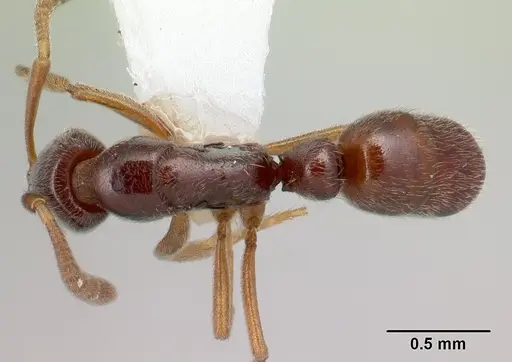
CASENT0226628
View on AntWeb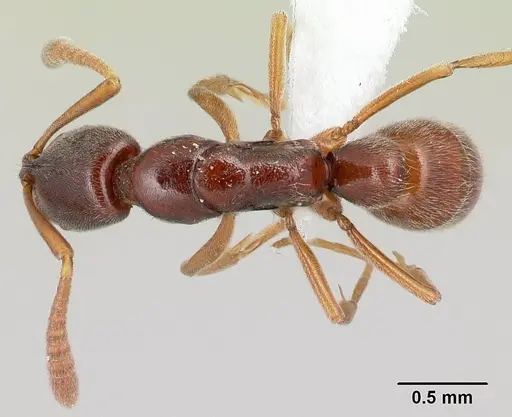
CASENT0226629
View on AntWeb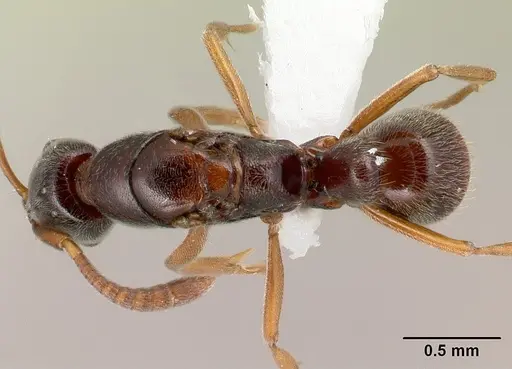
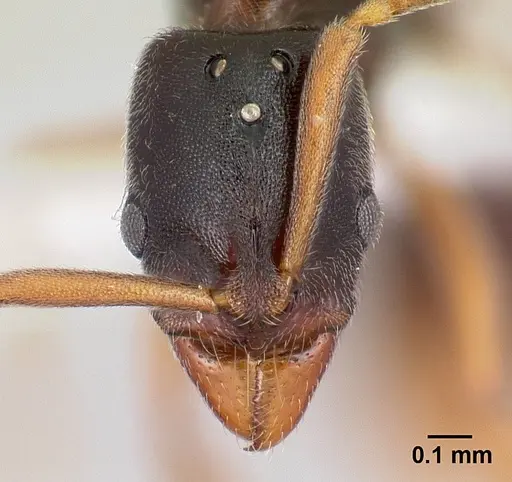
CASENT0226631
View on AntWeb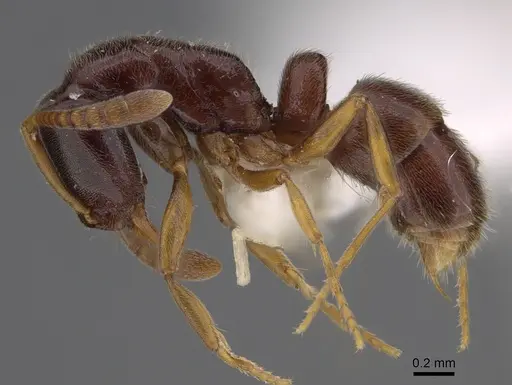
CASENT0902558
View on AntWeb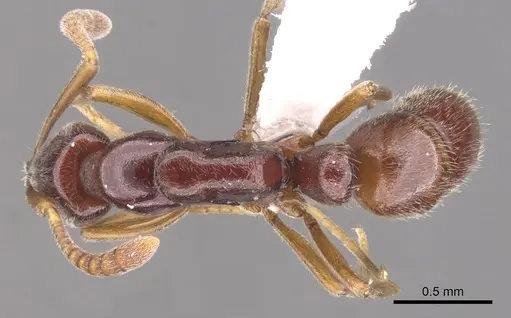
Literature
Loading distribution map...Loading products...