Hypoponera opacior shows a May to December activity window. Peak activity occurs in June, with queen sightings distributed across 6 months. This extended season suggests multiple flight events or varying conditions across its range.
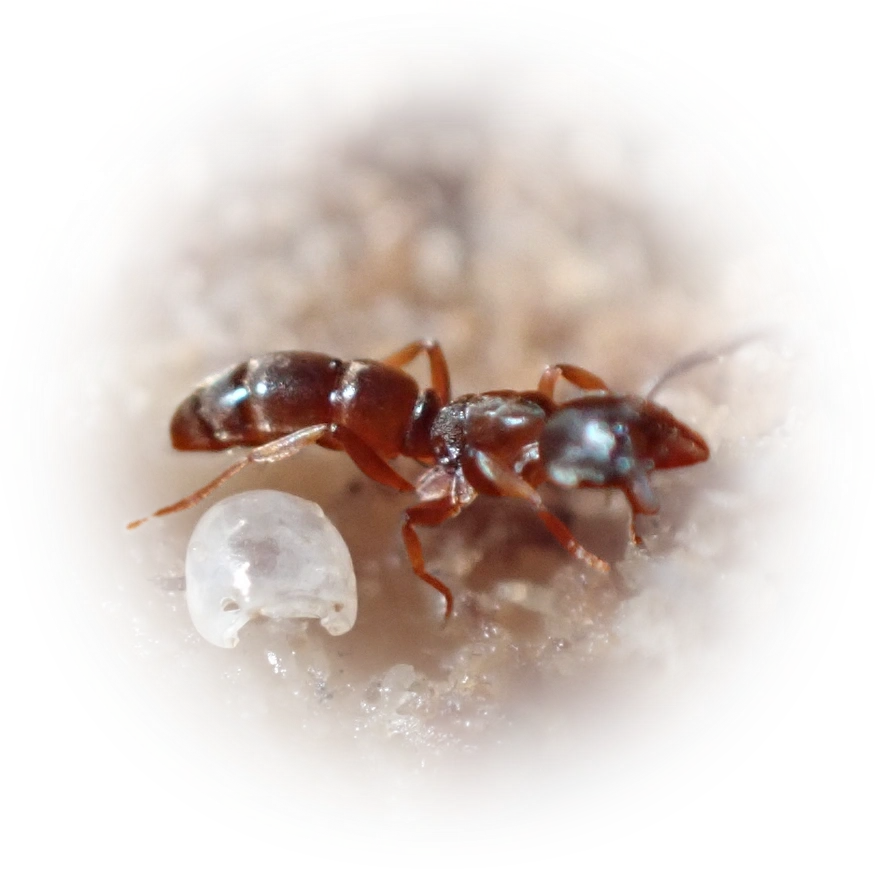
Common Crypt Ant
Hypoponera opacior
- Sci. Name
- Hypoponera opacior
- Tribe
- Ponerini
- Subfamily
- Ponerinae
- Author
- Forel, 1893
- Common Name
- Common Crypt Ant
- Distribution
- Found in 5 countries
- Queen Activity
- From May to December
- Peak Time
- 21:00
AI Identifiable
try →
Introduction
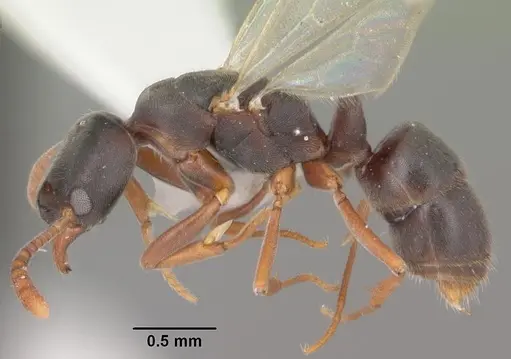
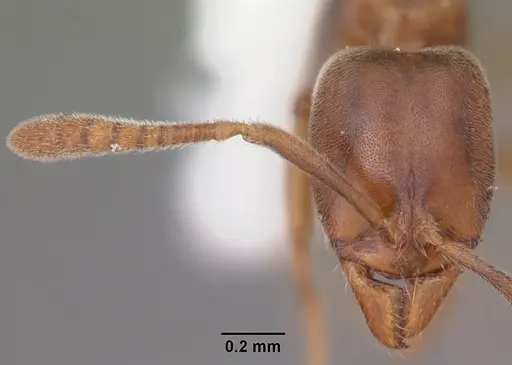
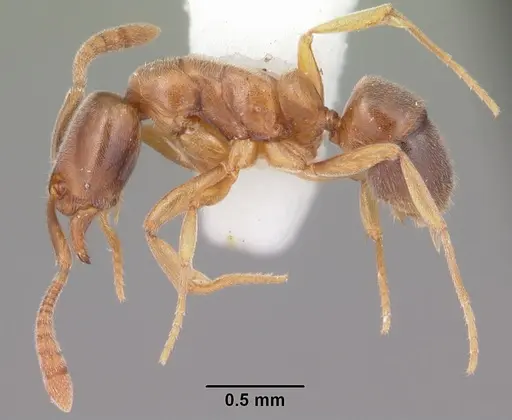
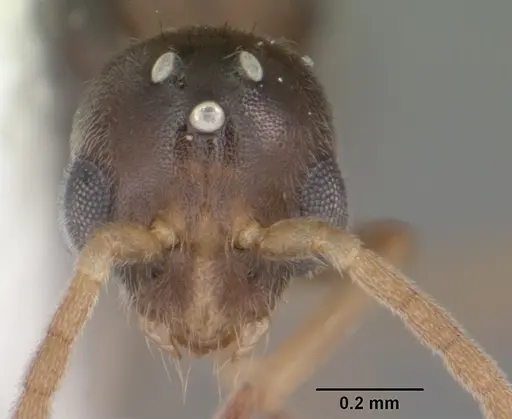
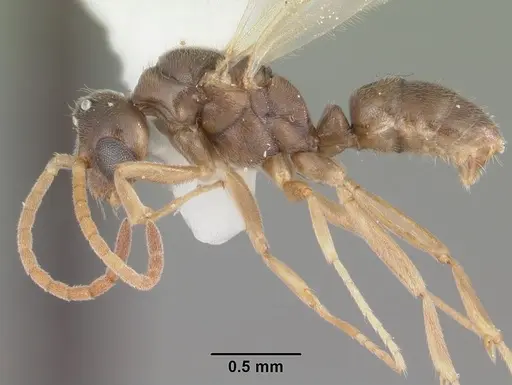
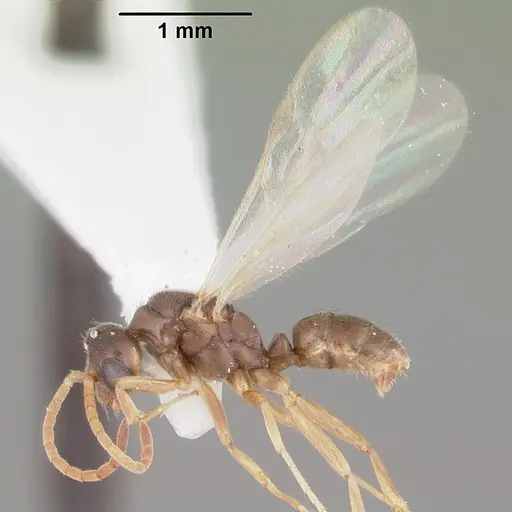
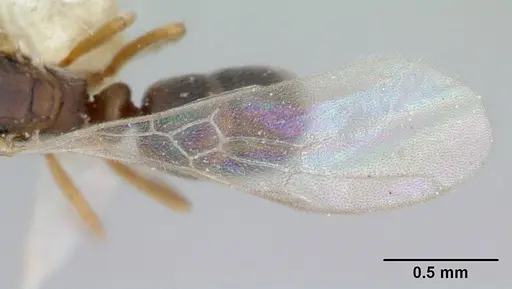
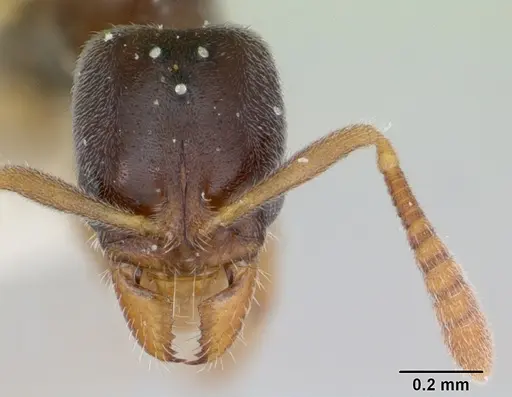
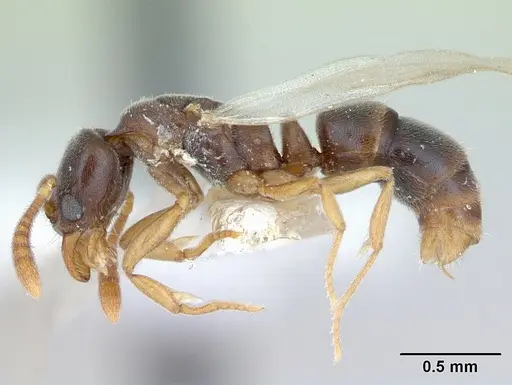
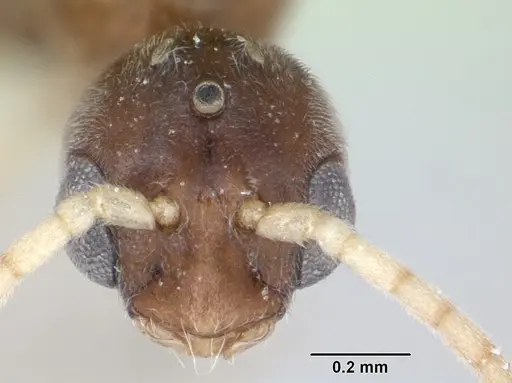
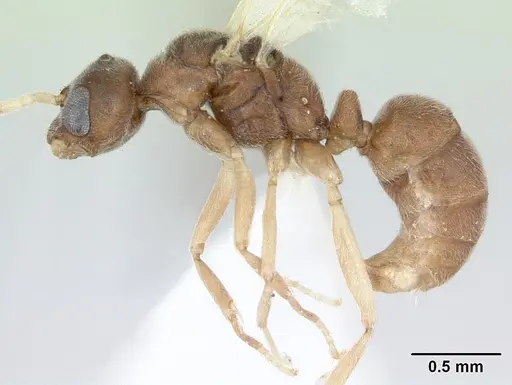
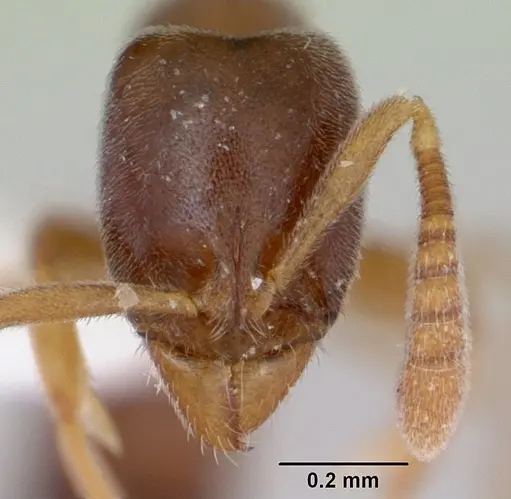
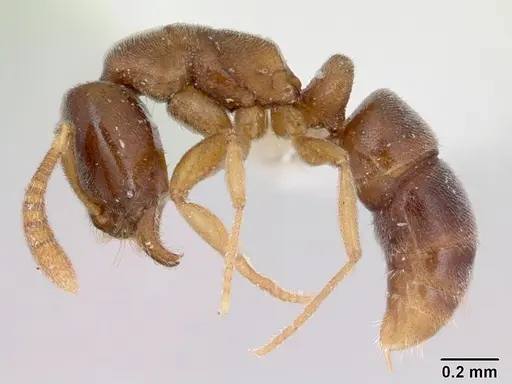
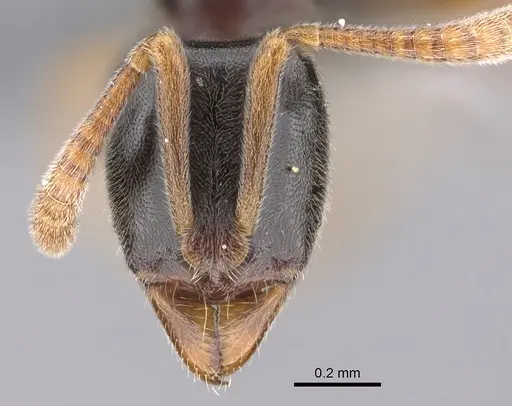
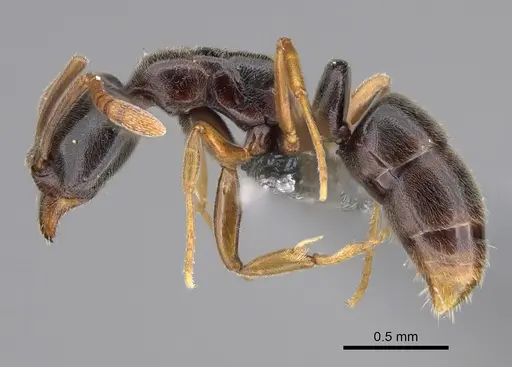
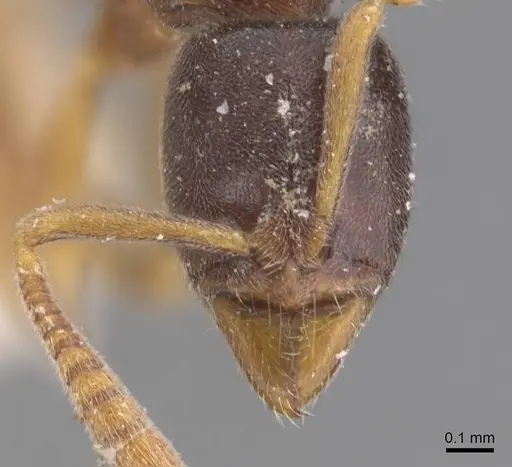
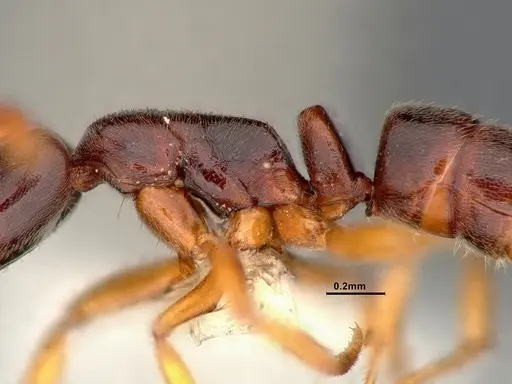
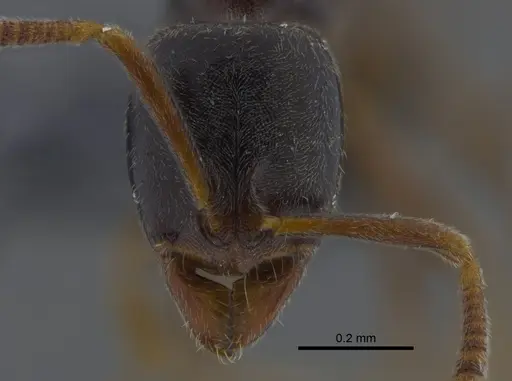
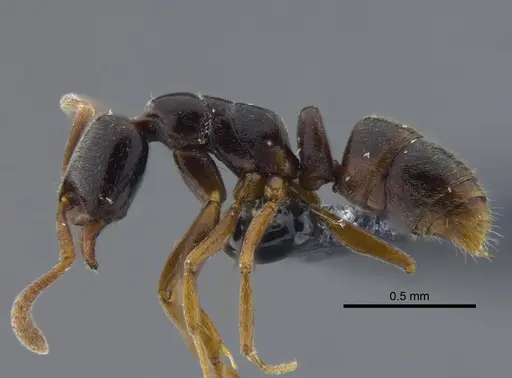
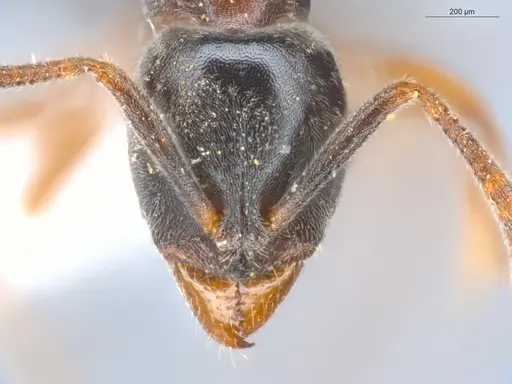
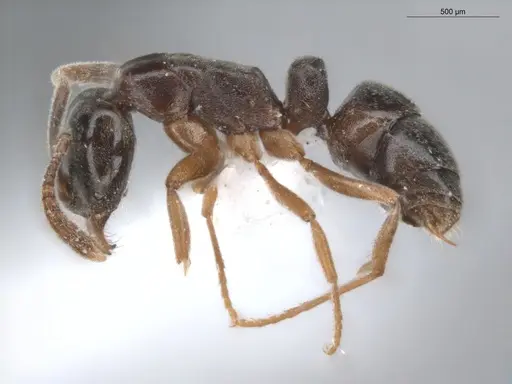
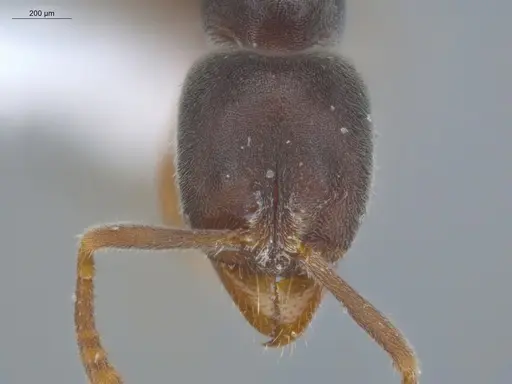
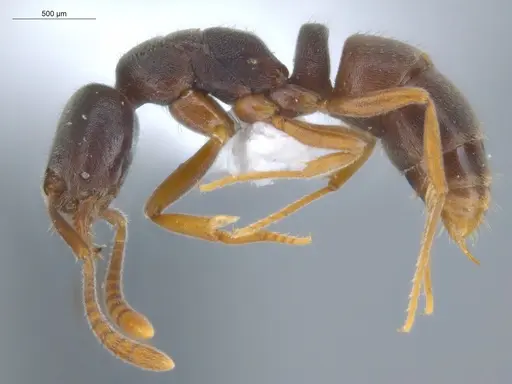
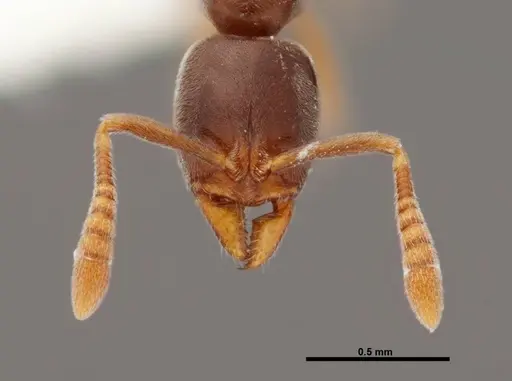
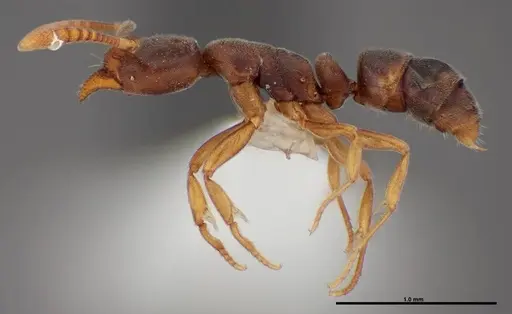
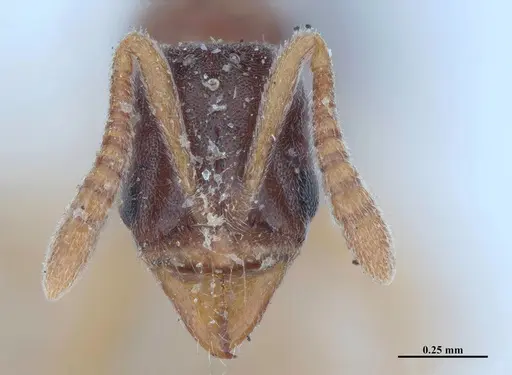
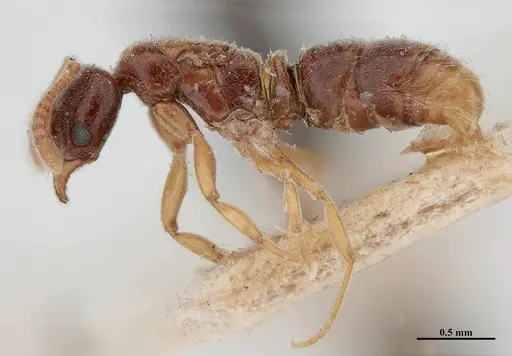
Hypoponera opacior is a small ponerine ant with workers measuring 2-2.7mm in total length and queens reaching 2.75-3mm . Coloration is highly variable, ranging from light brown to nearly black . Workers are distinguished by their slender appearance, finely punctate body, and distinctly triangular petiole that narrows toward the top when viewed from the side . This species has one of the widest distributions of any ant in the Americas, ranging from Virginia through Florida and the West Indies, west to Oregon, and south through Central and South America to Chile and Argentina . What makes H. opacior unusual is its remarkable reproductive flexibility - it has two completely different colony types that coexist in the same areas. Some colonies produce winged reproductives that mate in nuptial flights and found nests independently, while others produce wingless (ergatoid) queens and males that mate inside the nest and establish new colonies through budding . This species may actually be a species complex due to its high variability across its range .
Quick Summary
- Difficulty: Medium
- Origin & Habitat: Native to the Americas, found from Virginia to Florida west to Oregon, south through Central and South America to Chile and Argentina. Nests in soil under stones, in rotten wood, and leaf litter in both open areas like prairies and grasslands, as well as forested habitats [1][7][3].
- Colony Type: Two distinct colony types coexist: (1) colonies with winged reproductives are monogynous (single queen), unidomous (single nest), and found independently, (2) colonies with wingless (ergatoid) reproductives are polygynous (multiple queens), polydomous (multiple connected nests), and reproduce through budding [5][6].
- Size & Growth:
- Queen: 2.75-3 mm [2]
- Worker: 2-2.7 mm [1]
- Colony: Small colonies typically with 12-20 workers, occasionally reaching higher numbers in polygynous colonies [1][5]
- Growth: Moderate
- Development: Estimated 6-10 weeks based on typical Ponerinae development patterns (Direct development data unavailable for this species, estimates based on genus-level patterns for small ponerine ants)
- Antkeeping:
- Temperature: Room temperature suitable, found in diverse climates from temperate to tropical. Aim for 20-26°C as a starting point [1].
- Humidity: Keep substrate moderately moist. In nature they nest in soil, leaf litter, and rotting wood, damp but not waterlogged conditions [7][1].
- Diapause: Not required. The species remains active year-round in most of its range due to tropical/subtropical distribution [2].
- Nesting: Prefers small, humid nests. Test tubes with water reservoirs work well, or small plaster nests. Provide connection to a foraging area with damp substrate. They nest in soil under stones and in rotting wood in the wild [1][5].
- Behavior: Workers are relatively fast-moving and characteristically evasive, they immediately seek shelter when disturbed [2]. They forage in leaf litter and are considered cryptic ground-dwelling ants. Workers are not aggressive and rarely sting. Escape risk is moderate due to their small size, standard barriers are sufficient. Males never leave the nest and mate exclusively inside the colony [5].
- Common Issues: colonies are small and grow slowly, which can frustrate beginners expecting rapid growth, the two colony types require different care approaches, winged queen colonies are independent while ergatoid colonies need multiple queens and workers, small colony size means any losses have big impact, avoid disturbing colonies unnecessarily, they are cryptic and spend most time hidden in substrate, which can make them seem inactive, introduced populations exist in some areas like the Galápagos, check local regulations before collecting or releasing
Queen Ant Activity Analysis 63 observations
Queen Activity by Hour 63 observations
Hypoponera opacior queen activity peaks around 21:00 during the night. Activity is spread across a 23-hour window (01:00–23:00). A secondary activity peak occurs around 15:00. Times may be influenced by human observation patterns.
Understanding the Two Colony Types
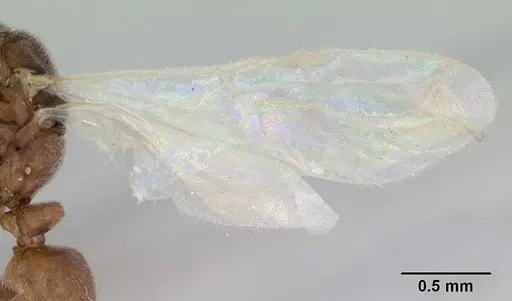
Hypoponera opacior is unusual among ants because it has two completely different ways of reproducing that can exist in the same population. The first type produces normal winged queens and males that mate during nuptial flights in early summer and establish new colonies independently, these colonies have a single queen and live in one nest [5][6]. The second type produces wingless (ergatoid) queens that resemble workers except for slightly larger eyes. These wingless queens mate inside the mother nest with wingless males, and when the colony gets too large, they split and disperse on foot with workers to start new nests nearby, these colonies have multiple queens and occupy multiple connected nests [5][2]. This flexibility is called facultative polygyny and is quite rare in ants. When keeping this species, you may encounter either type depending on where your colony originated.
Nest Preferences and Housing
In the wild, H. opacior nests in soil under stones, in rotten stumps, grass sod, and leaf litter [1][8]. They prefer partial shade and moist but well-drained soil. Nests are small and shallow, typically only reaching 30cm deep, with multiple chambers connected by tunnels [5]. In captivity, a small test tube setup with a water reservoir works well for founding colonies. For established colonies, a small plaster nest with a humid foraging area mimics their natural environment. They do best with a connection to a moist soil area where they can forage. Because they are small and cryptic, avoid nests with large open spaces, tight chambers help them feel secure.
Feeding and Diet
Like most Ponerinae ants, H. opacior is predatory on small invertebrates. Workers forage in leaf litter searching for tiny prey like springtails, mites, and small insects [3][7]. In captivity, they readily accept small protein sources such as fruit flies, small crickets, mealworms, and other small insects. They also occasionally consume honey or sugar water, though this is not their primary food source. Feed small prey items 2-3 times per week for established colonies. Because colonies are small, portion control is important, remove uneaten prey to prevent mold. The species is not known for tending aphids or collecting honeydew.
Temperature and Seasonal Care
This species adapts to a wide range of temperatures due to its vast distribution from temperate North America to tropical South America. Room temperature (20-26°C) is generally suitable. In their northern range they experience cold winters but nest in protected microhabitats, so they don't require true hibernation but may reduce activity in cooler months [1]. In captivity, avoid temperature extremes, a stable room temperature year-round works well. They do not require a diapause period. The key is consistency rather than specific temperatures. Heating is not typically needed unless your room is unusually cold.
Reproductive Biology and Mating Behavior
The reproductive biology of H. opacior is fascinating and unusual. Winged reproductives emerge in June and swarm during the monsoon season for nuptial flights [2]. Meanwhile, wingless males and ergatoid queens mate inside the nest, males actually sit on queen cocoons and mate with females while they are still developing inside the cocoon! Males guard these cocoons for hours to days, inserting their genitalia through the rear opening [5][9]. Males are completely dependent on the colony, they never leave and cannot survive outside. After mating, workers sometimes kill the males, particularly once all pupae have emerged [5]. This species produces two completely different kinds of reproductives that use entirely different dispersal strategies.
Behavior and Temperament
Workers are fast-moving and evasive, when disturbed, they immediately seek shelter in the first available crack or crevice [2]. This makes them challenging to observe but also interesting to watch when they do venture out. They are not aggressive and rarely sting humans. Colonies are small and relatively quiet. Males are completely nest-bound and are never found foraging, they remain inside the nest their entire lives [5]. The species is considered cryptic, spending most of their time hidden in substrate rather than visible on the surface. They coexist peacefully with many other ant species in their range and are not known to be particularly dominant or aggressive.
Frequently Asked Questions
How long does it take for Hypoponera opacior to produce first workers?
Development time is not directly documented for this species. Based on typical Ponerinae development patterns, expect approximately 6-10 weeks from egg to worker at room temperature. Growth is relatively slow compared to many common ant species.
Can I keep multiple Hypoponera opacior queens together?
It depends on the colony type. If you have a colony with ergatoid (wingless) queens, it is already polygynous (multiple queens). However, combining unrelated foundress queens is not recommended as queens may fight. Wild colonies with winged queens are typically monogynous (single queen).
What do Hypoponera opacior eat?
They are predatory on small invertebrates. Offer small live or frozen insects like fruit flies, small crickets, mealworms, and similar prey. They may occasionally accept sugar water but protein is the primary food source.
Are Hypoponera opacior good for beginners?
They are rated as medium difficulty. While not as challenging as some species, their small colony size, slow growth, and cryptic habits can be less rewarding for beginners expecting visible activity. They are better suited for antkeepers interested in observing interesting reproductive biology.
Do Hypoponera opacior need hibernation?
No, they do not require a diapause or hibernation period. Due to their tropical and subtropical distribution, they remain active year-round at room temperature.
When should I move Hypoponera opacior to a formicarium?
Wait until the colony has at least 15-20 workers. These ants prefer small, humid nests, so a small plaster nest or test tube setup works well. They do better in smaller spaces rather than large formicaria.
Why are my Hypoponera opacior workers dying?
Common causes include: disturbance from excessive inspection, substrate drying out, mold from overfeeding, or temperature extremes. These are small colonies where any losses have significant impact. Ensure proper humidity, feed appropriately sized prey, and minimize disturbance.
How big do Hypoponera opacior colonies get?
Colonies remain relatively small. Wild colonies typically have 12-20 workers, with polygynous colonies occasionally reaching higher numbers through budding. They are not large colony formers like some ant species.
What's the difference between winged and wingless reproductives in this species?
Winged reproductives (normal queens and males) disperse through nuptial flights and establish new colonies independently. Wingless (ergatoid) reproductives mate inside the nest and disperse on foot with workers to found new colonies nearby through budding. Both types can exist in the same population.
Why do male Hypoponera opacior guard cocoons?
Male H. opacior guard female cocoons and mate with queens while they are still developing inside the cocoon. This mate-guarding behavior can last from minutes to up to 2 days. This ensures the male is the first to mate with the queen when she emerges, maximizing his reproductive success. The behavior intensifies when more males are present in the nest [9].
When do Hypoponera opacior queens forage?
Queen activity of Hypoponera opacior typically occurs From May to December. Times may be influenced by human observation patterns.
What time of day are Hypoponera opacior queens most active?
Queen activity of Hypoponera opacior peaks around 21:00 during the night, with most activity between 01:00 and 23:00. Times may be influenced by human observation patterns.
Report an Issue
The current care sheet is based fully on literature. See inconsistencies, or something that's incorrect? Please , it will be resolved after review from an admin. Contributing to the blogs tab also helps providing information, to make us be able to further improve the caresheets. Thank you for your support!
References

This caresheet is licensed under CC BY-SA 4.0 .
Community Blogs
CASENT0103950
View on AntWeb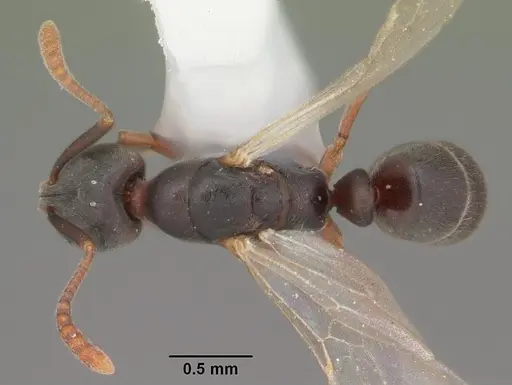
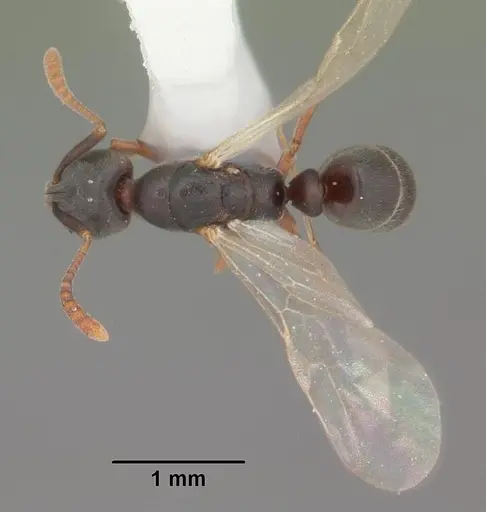
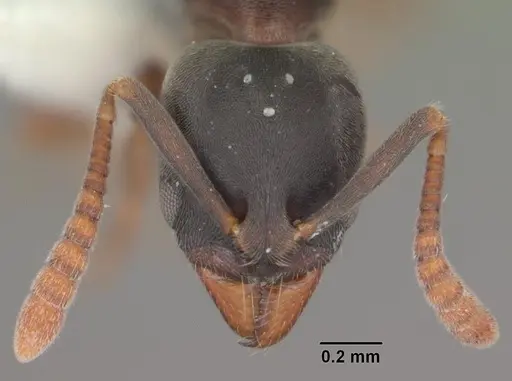
CASENT0103966
View on AntWeb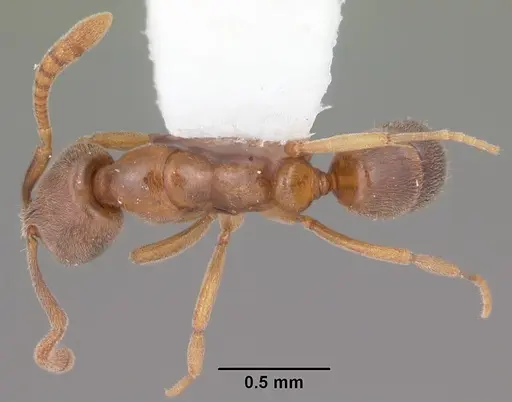
CASENT0103967
View on AntWeb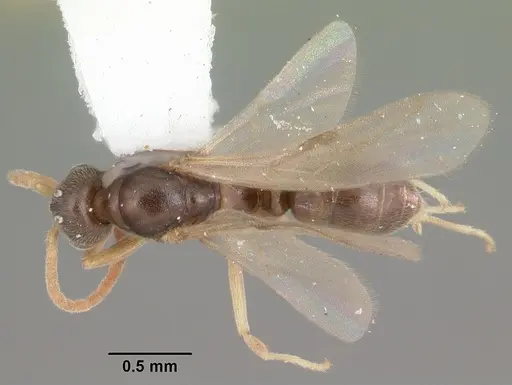
CASENT0173295
View on AntWeb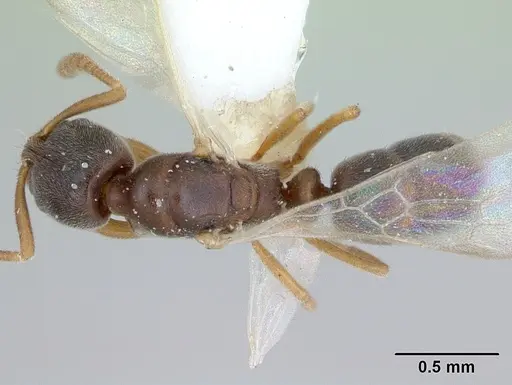
CASENT0173296
View on AntWeb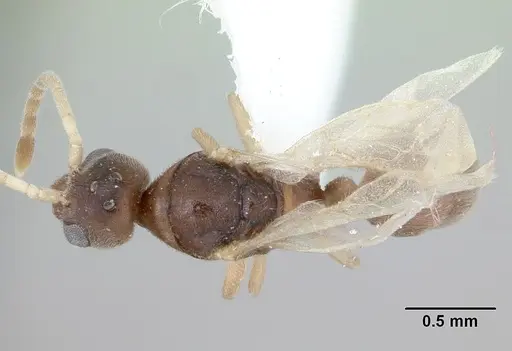
CASENT0173297
View on AntWeb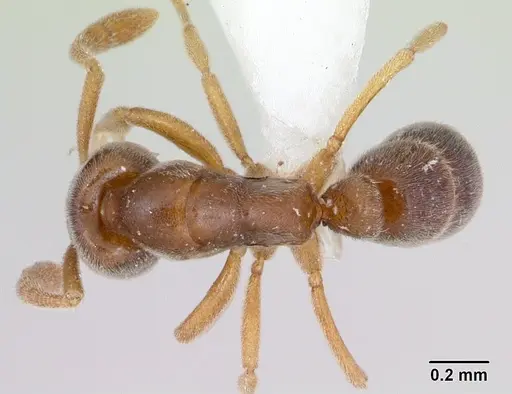
CASENT0766197
View on AntWeb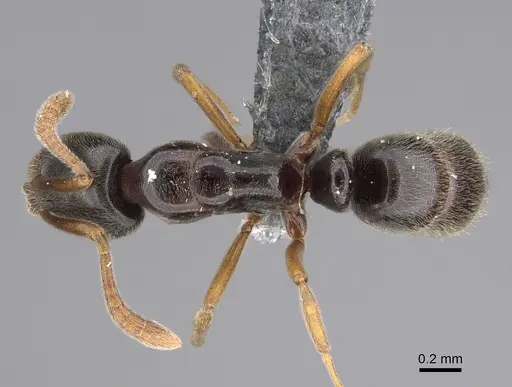
CASENT0907333
View on AntWeb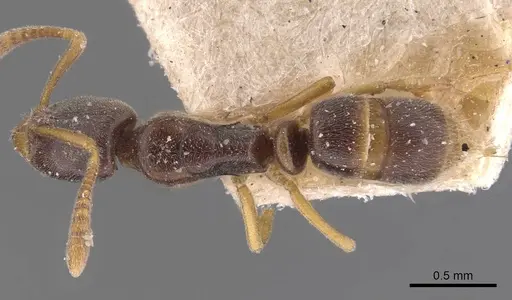
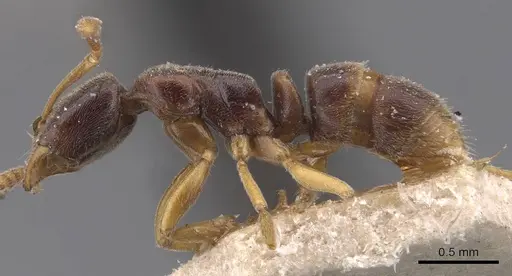
CASENT4032277
View on AntWeb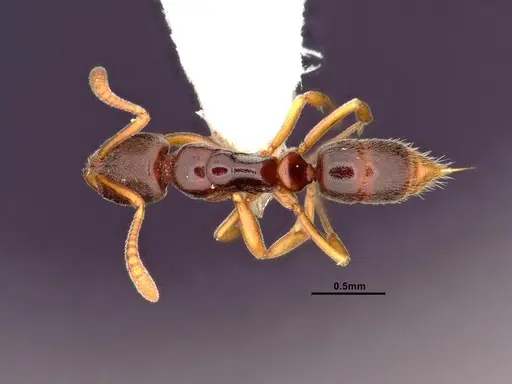
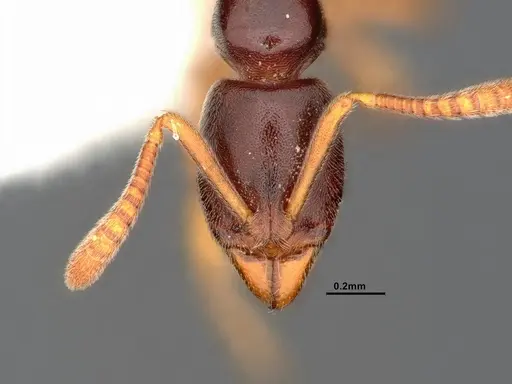
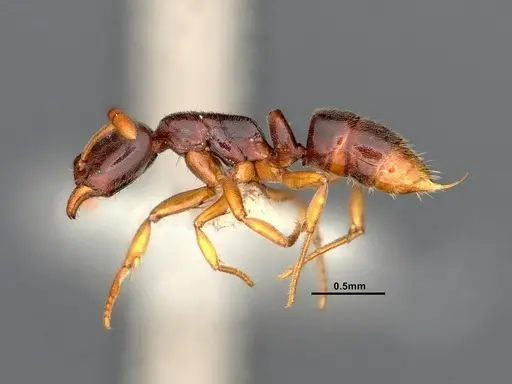
CBUMAGENT41731
View on AntWeb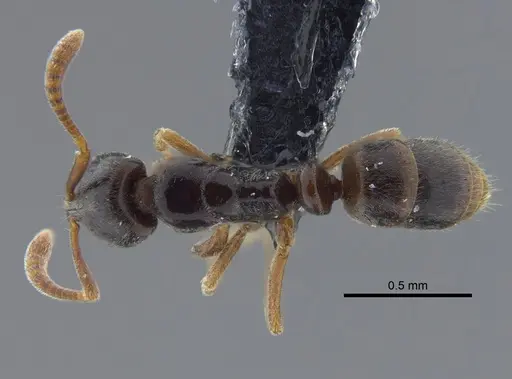
ECOFOG-BUG-0453-13
View on AntWeb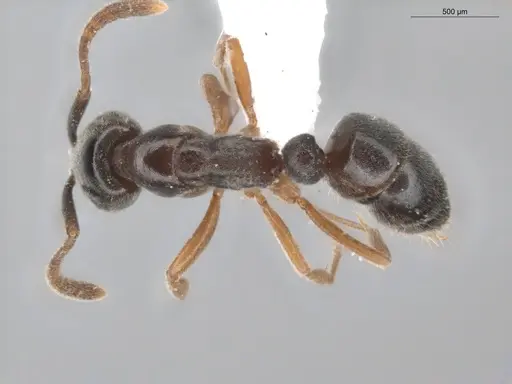
ECOFOG-SL13-1191-46
View on AntWeb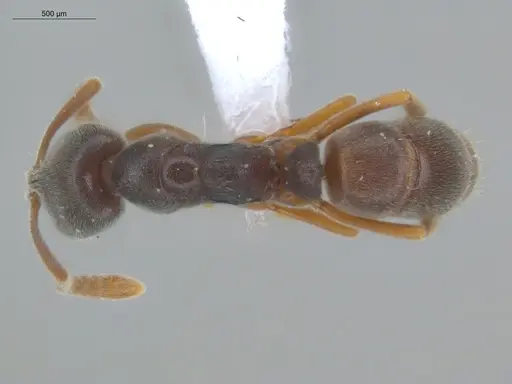
FMNHINS0000062864
View on AntWeb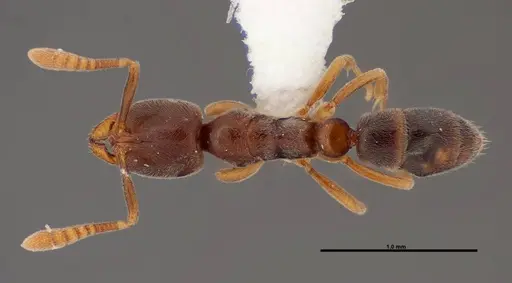
MHNGENTO00094350
View on AntWeb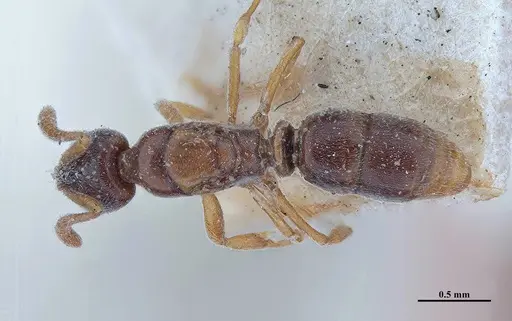
Literature
Loading distribution map...Loading products...