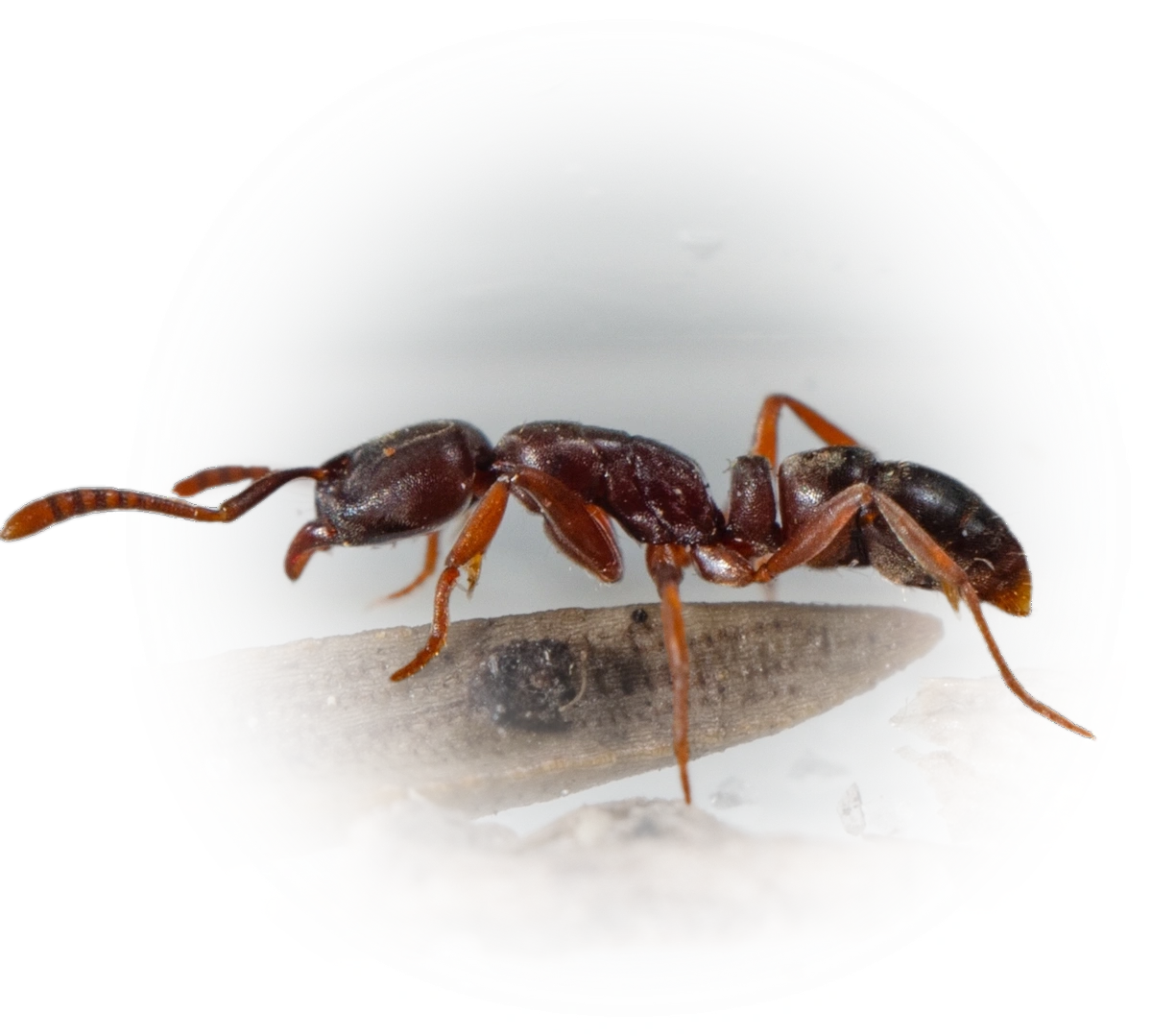
Granulate Crypt Ant
Hypoponera opaciceps
- Sci. Name
- Hypoponera opaciceps
- Tribe
- Ponerini
- Subfamily
- Ponerinae
- Author
- Mayr, 1887
- Common Name
- Granulate Crypt Ant
- Distribution
- Found in 8 countries
Introduction
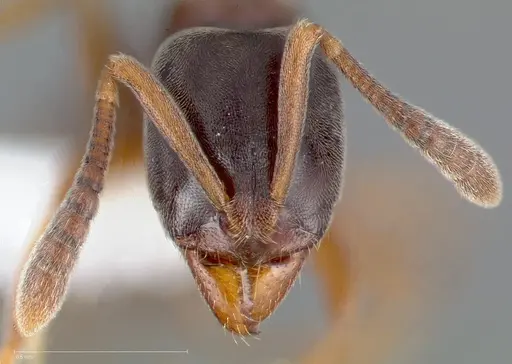
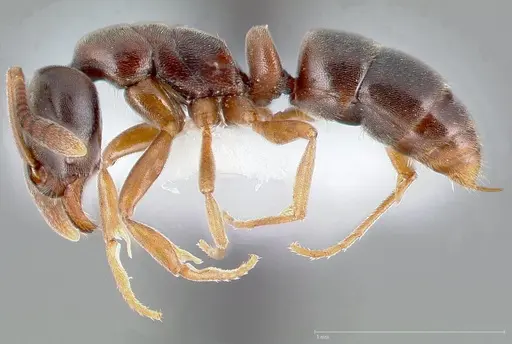
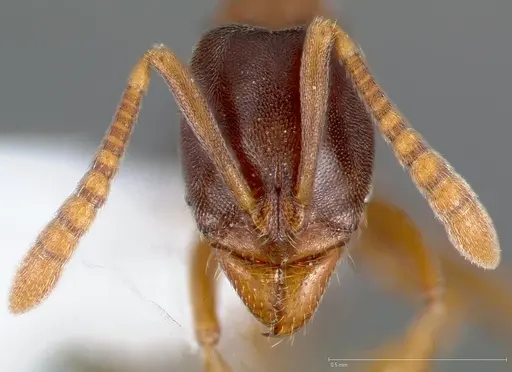
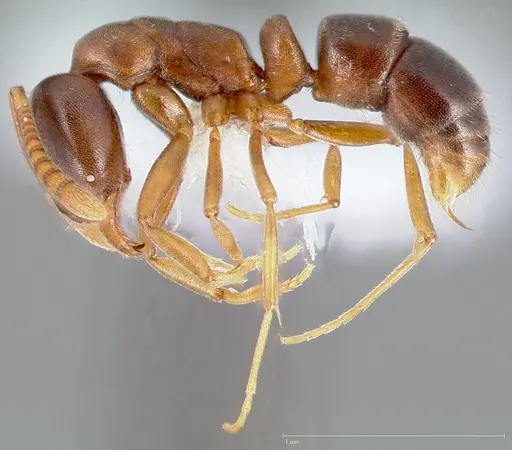
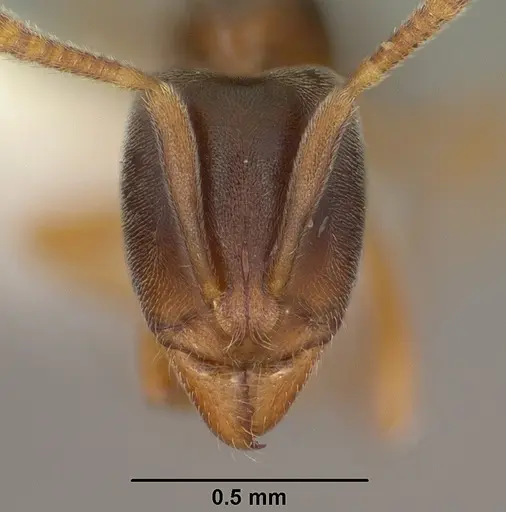
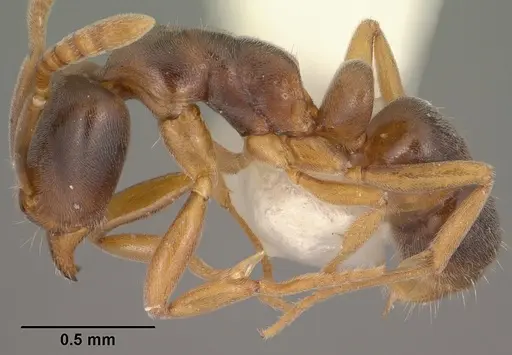
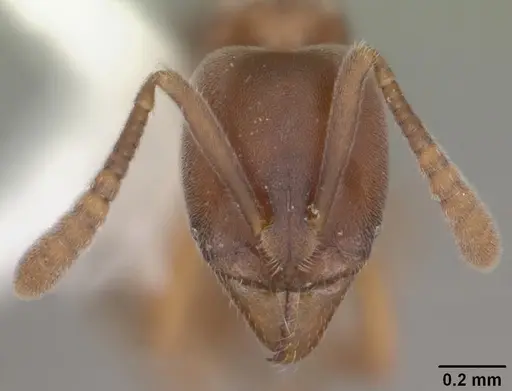
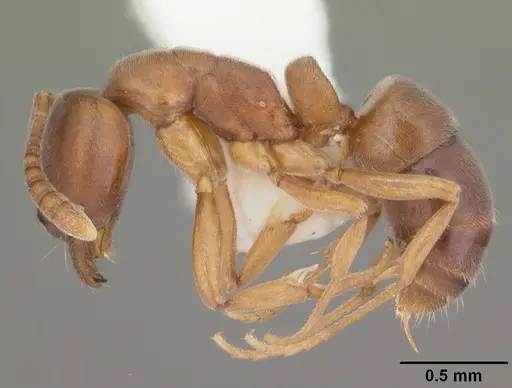
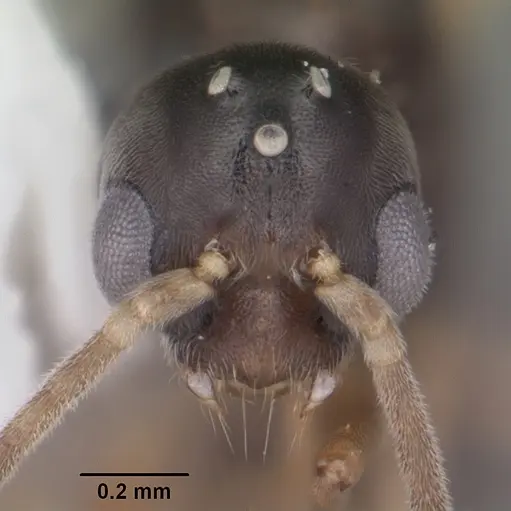
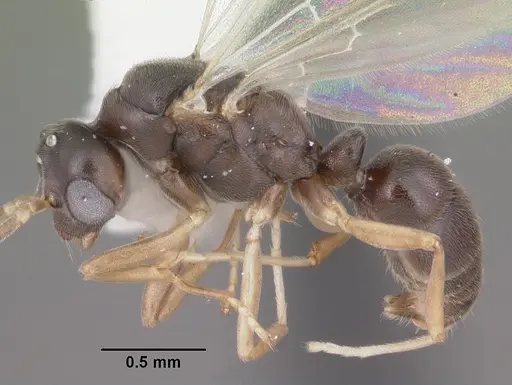
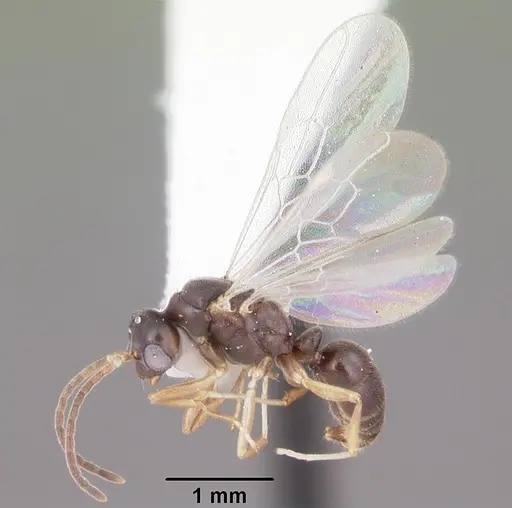
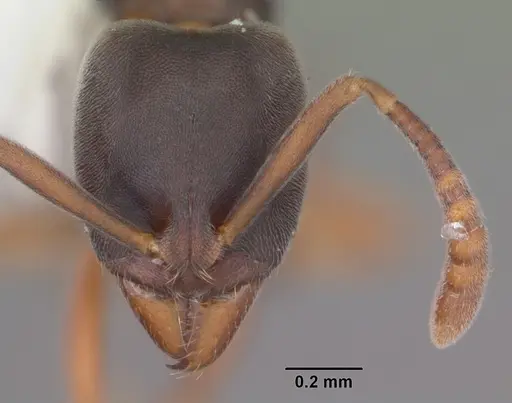
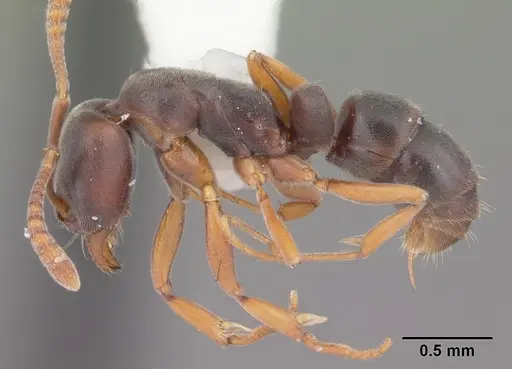
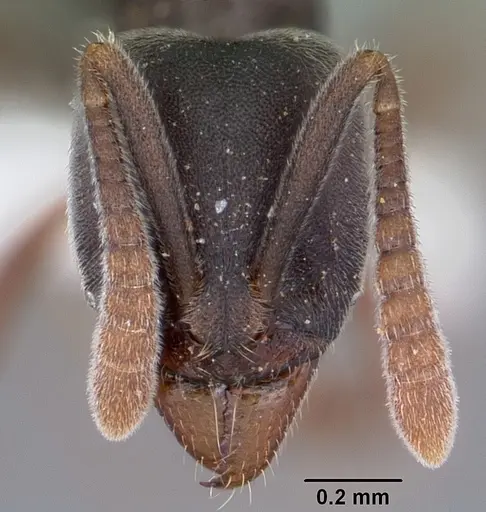
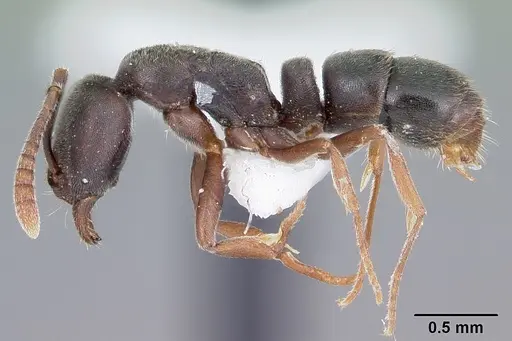
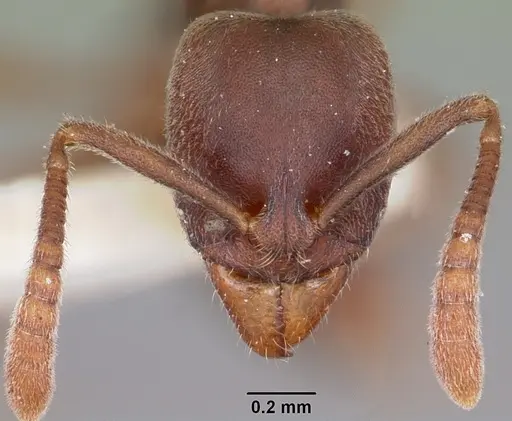
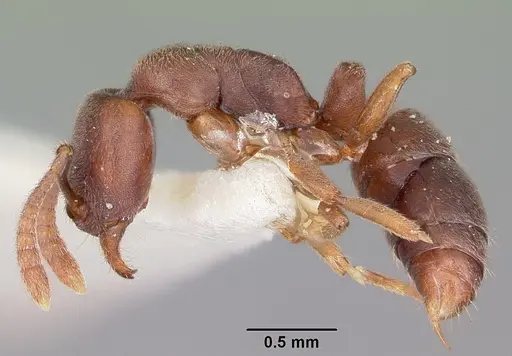
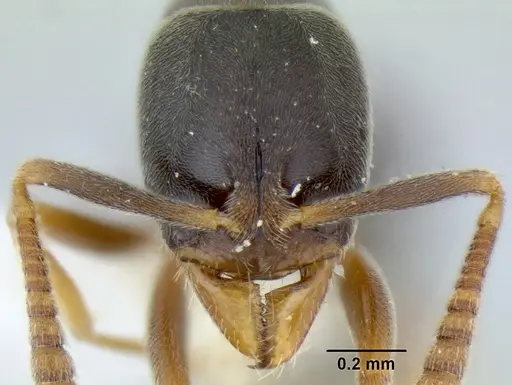
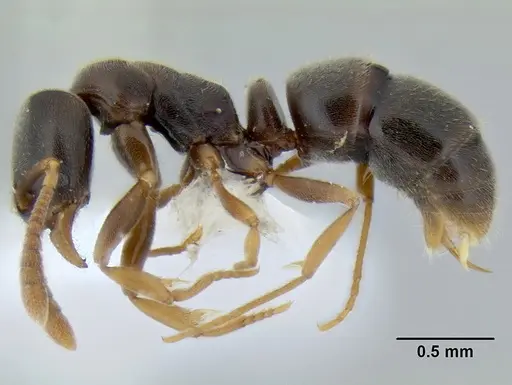
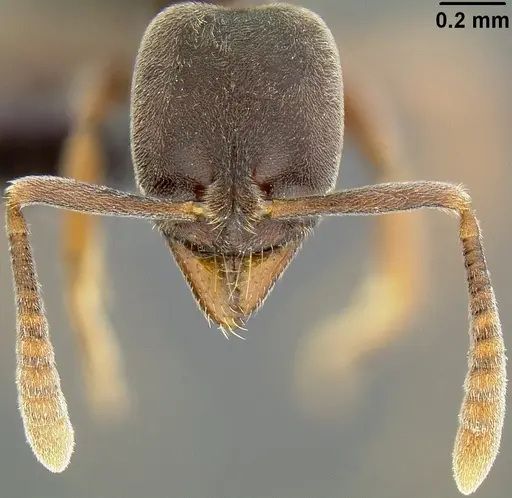
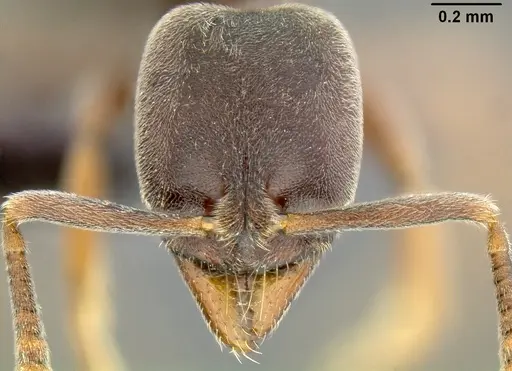
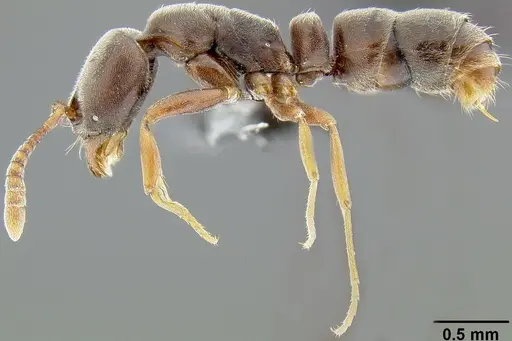
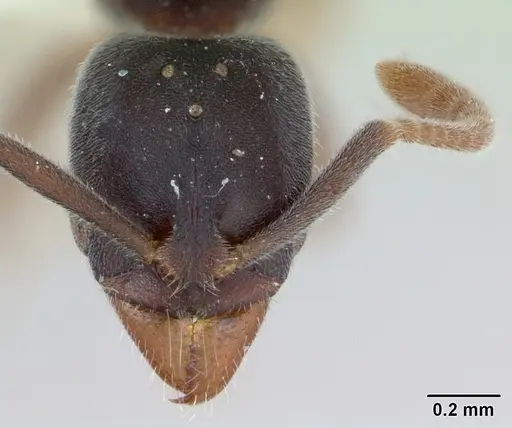
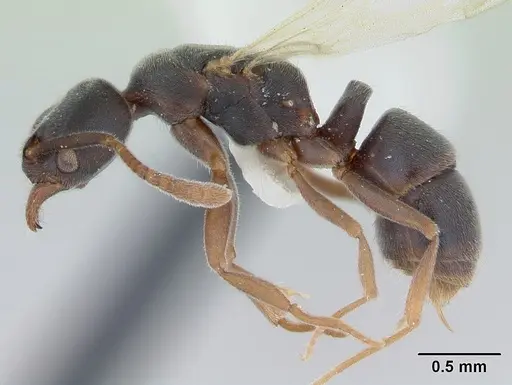
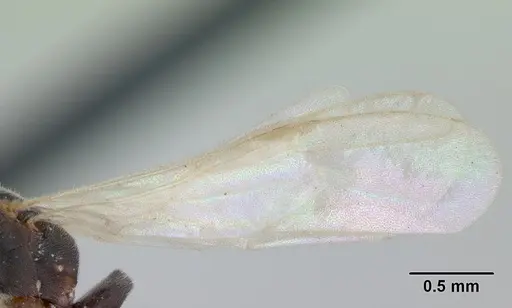
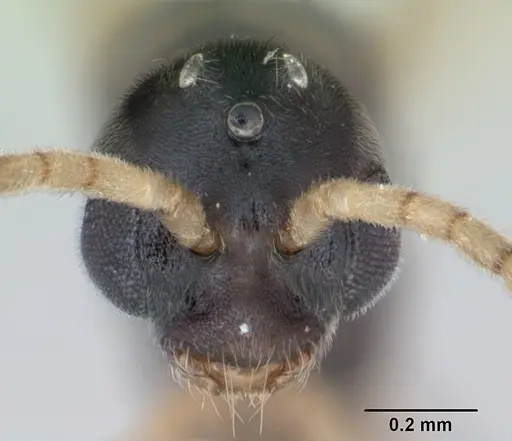
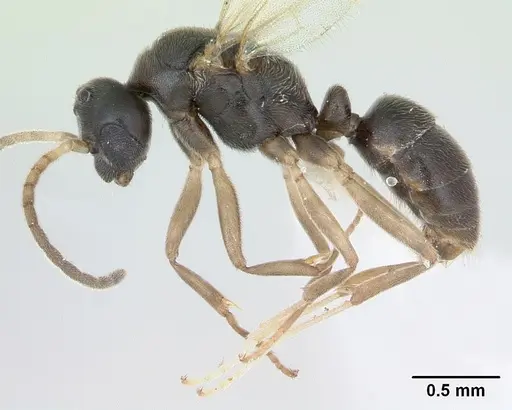
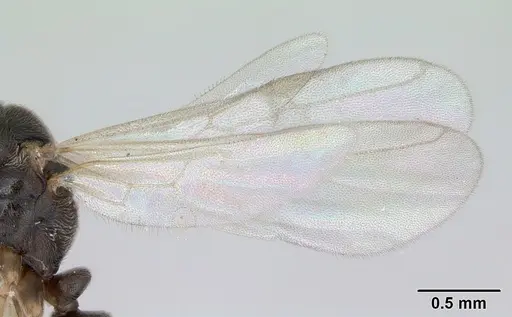
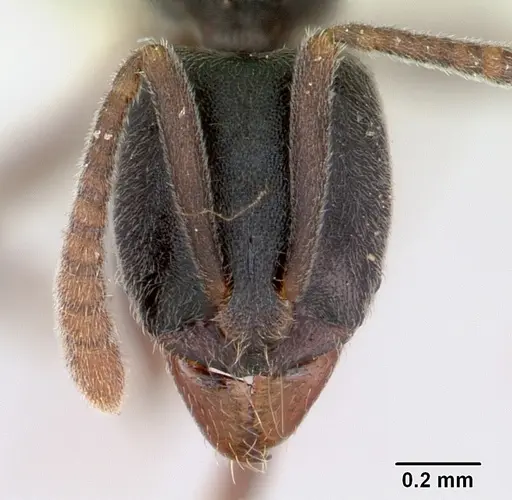
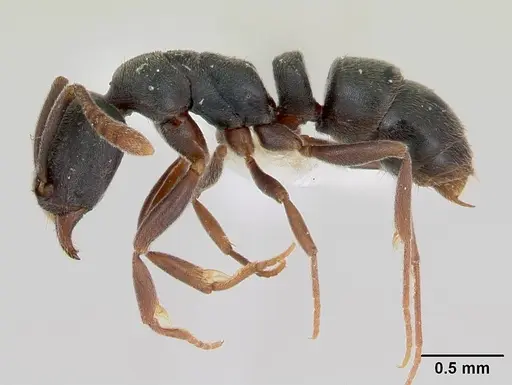
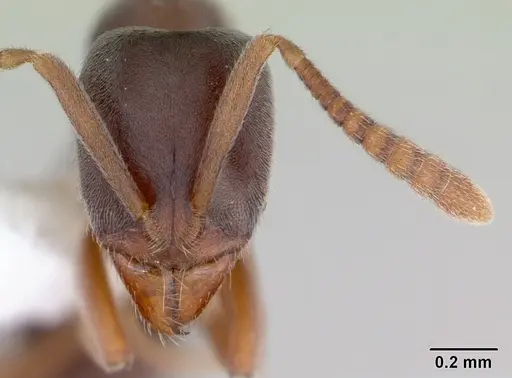
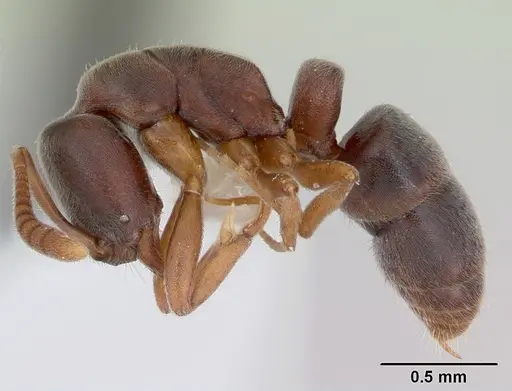
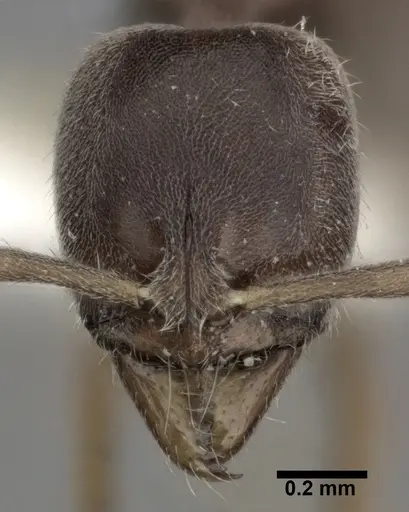
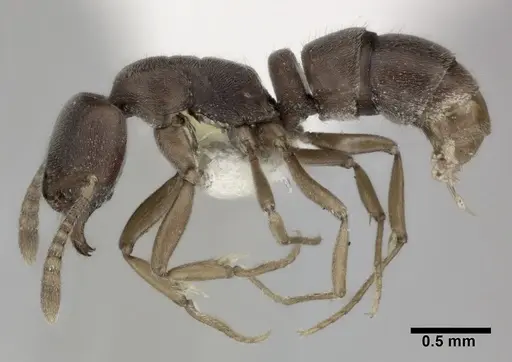
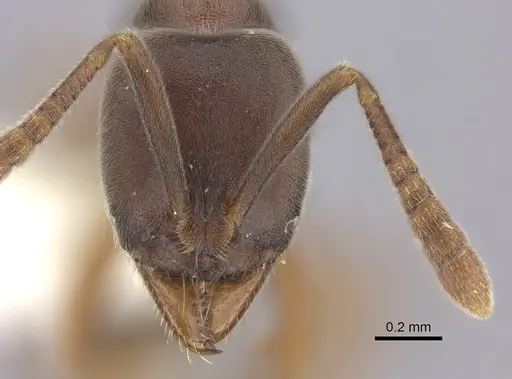
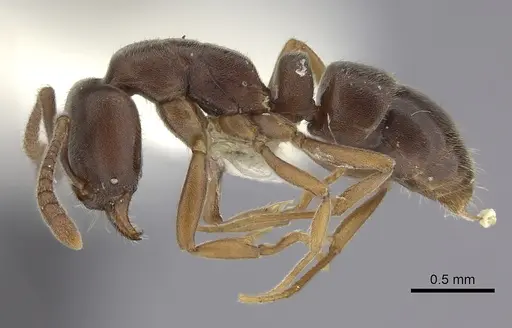
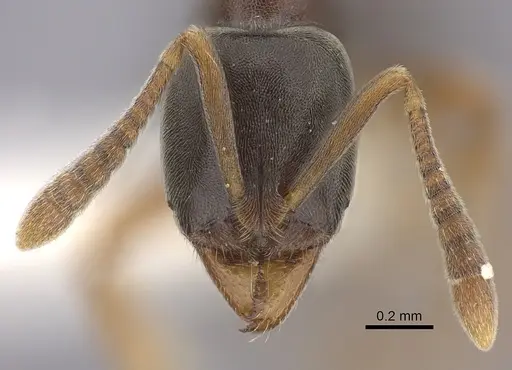
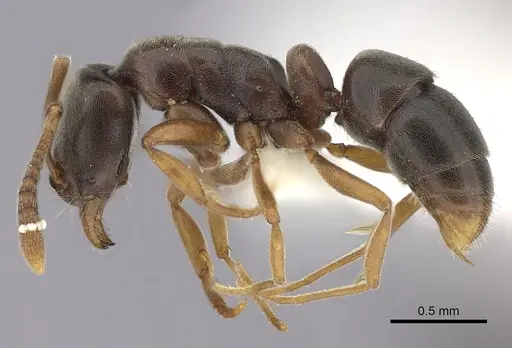
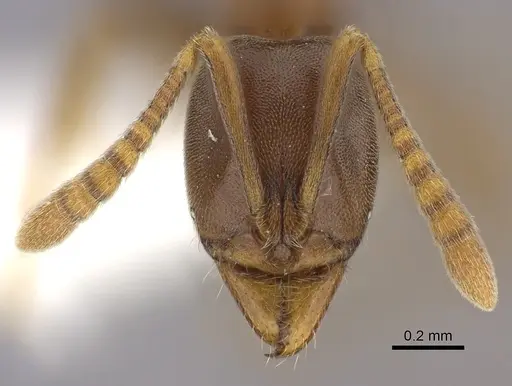
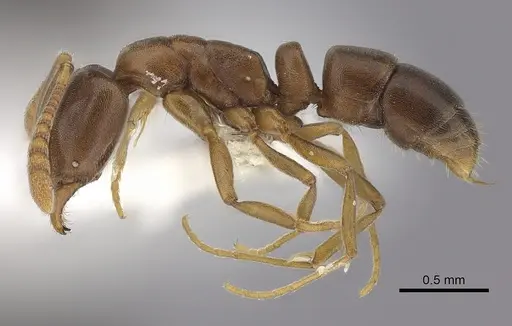
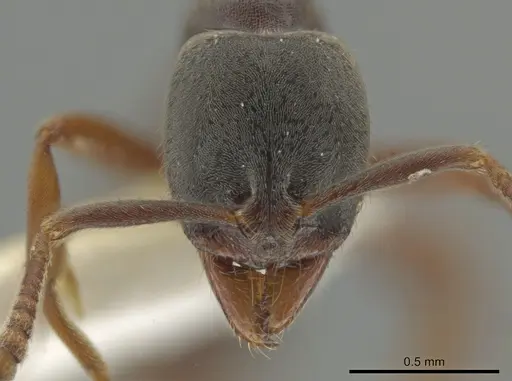
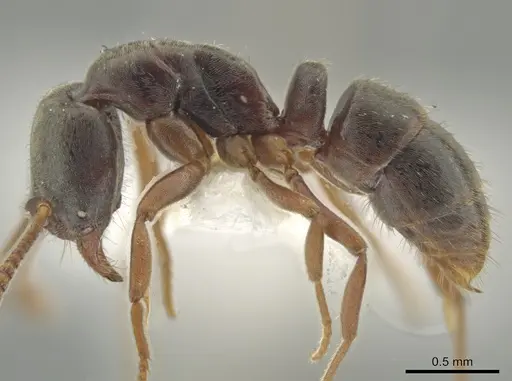
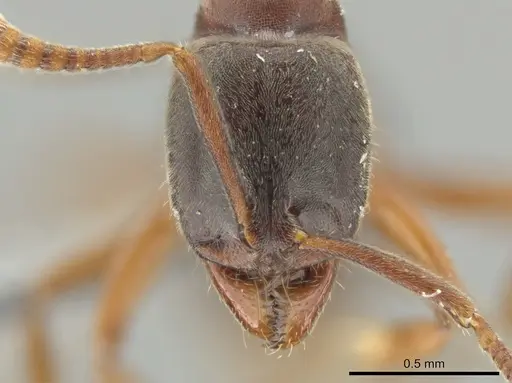
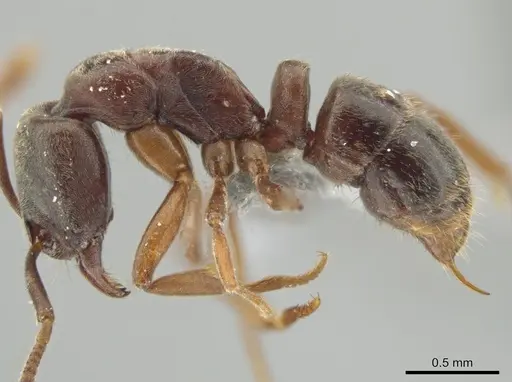
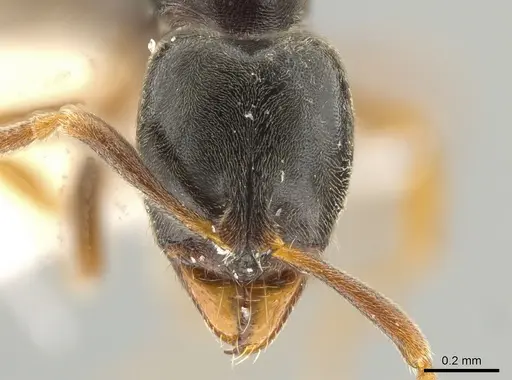
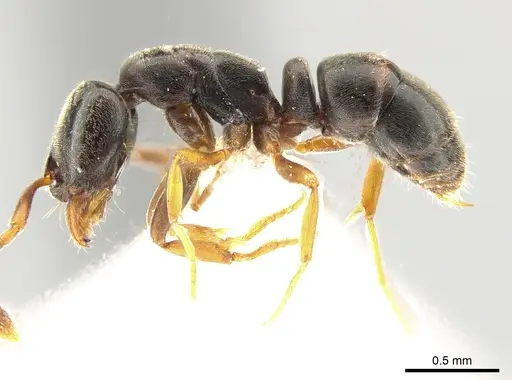
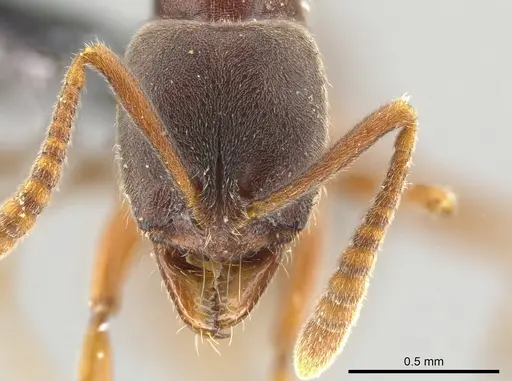
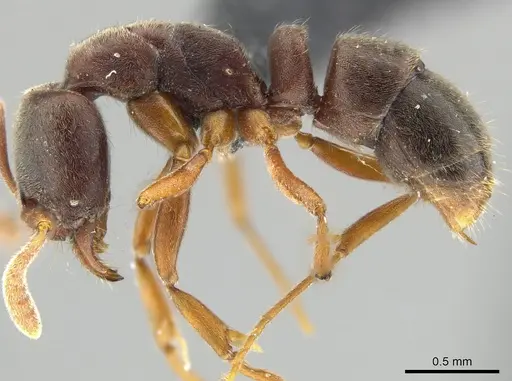
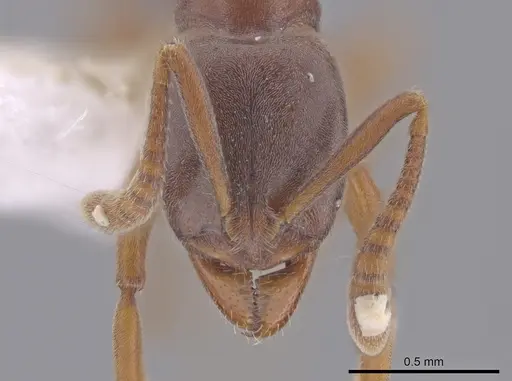
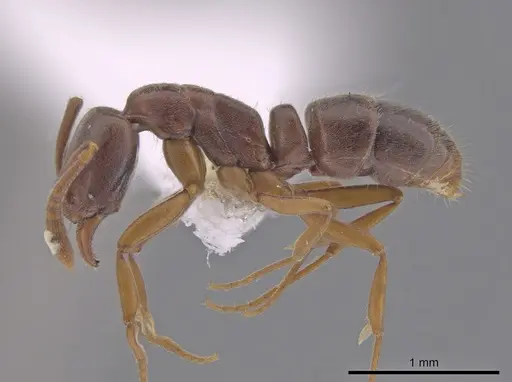
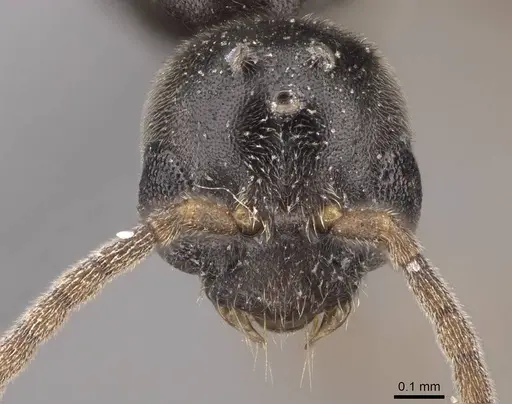
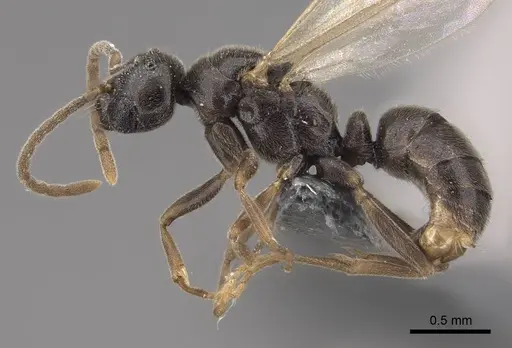
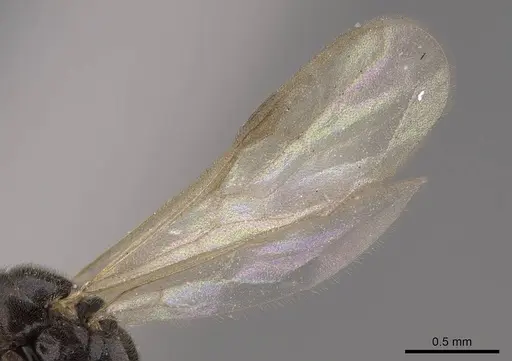
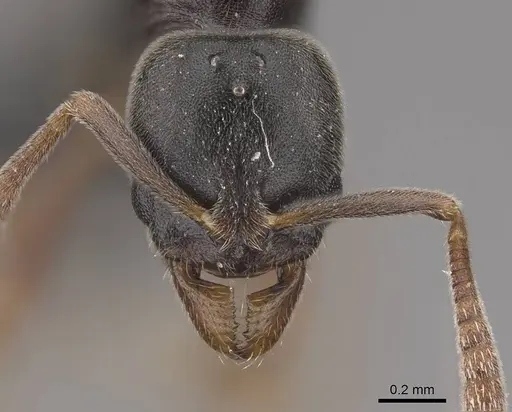
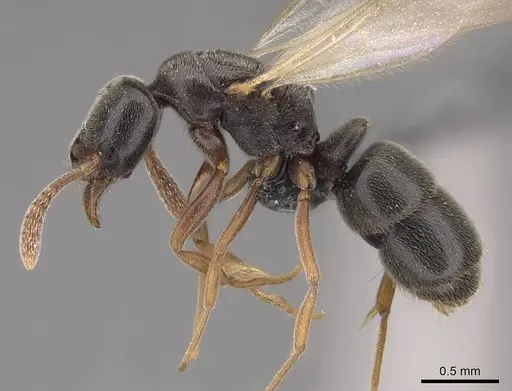
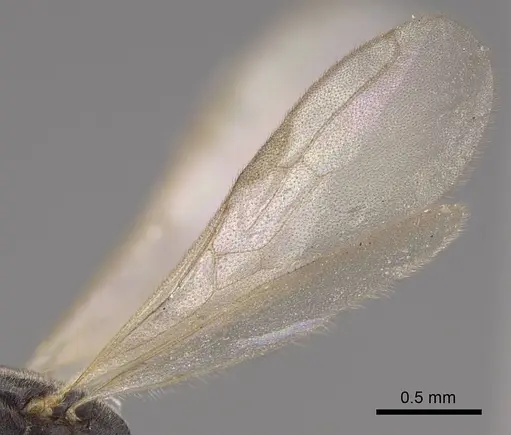
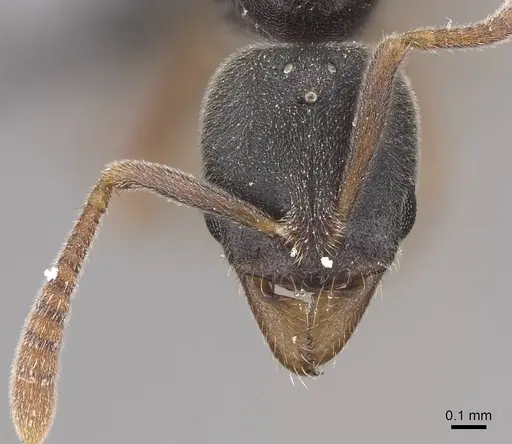
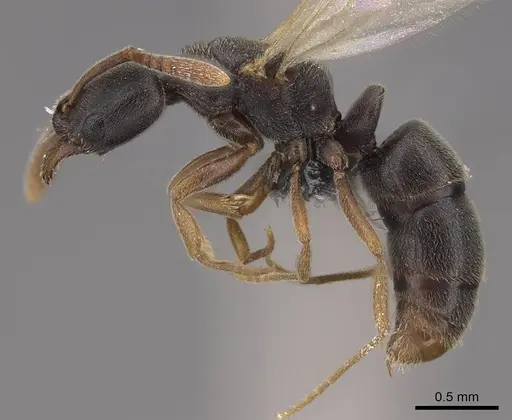
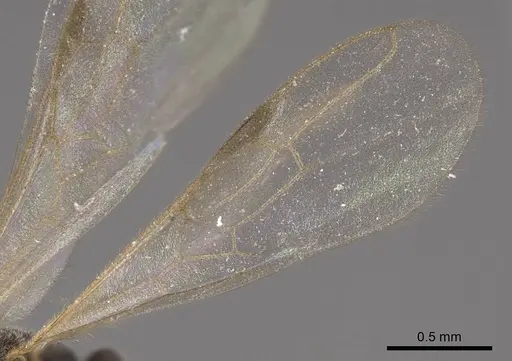
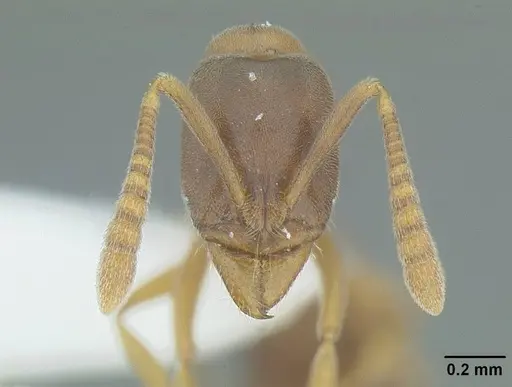
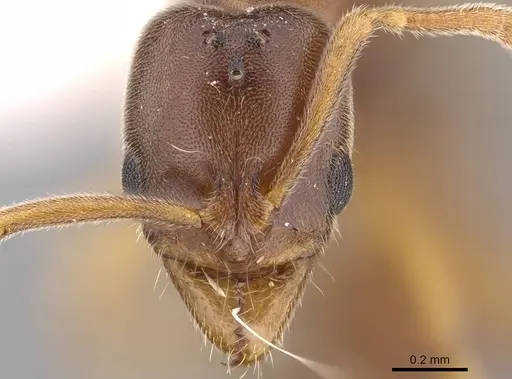
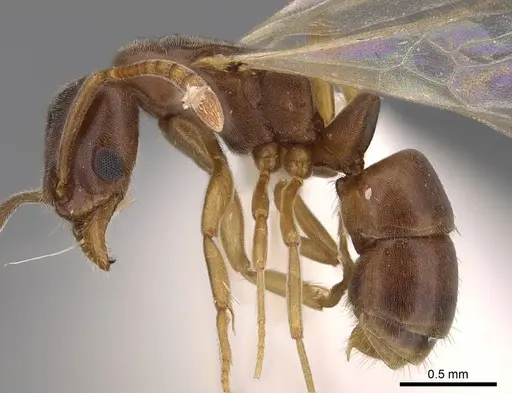
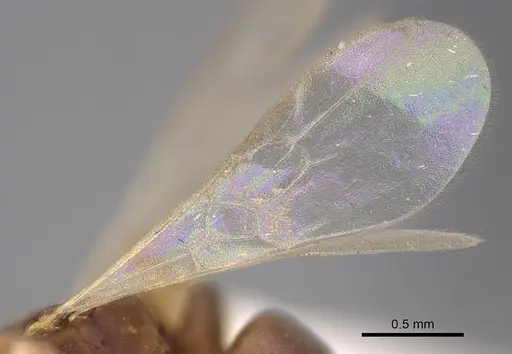
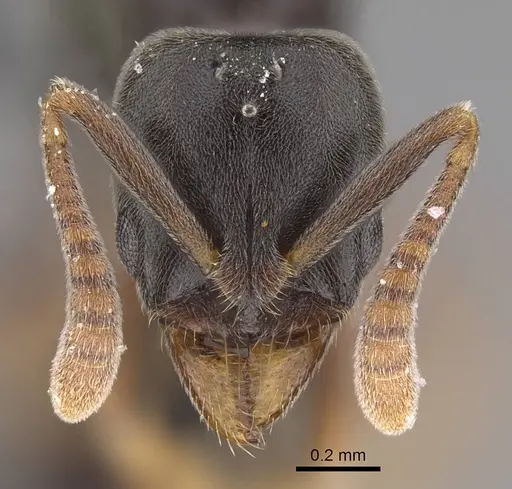
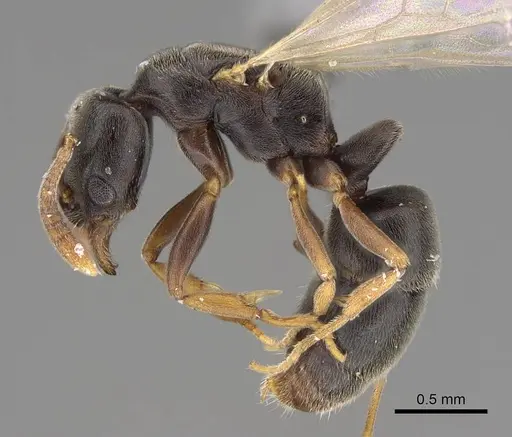
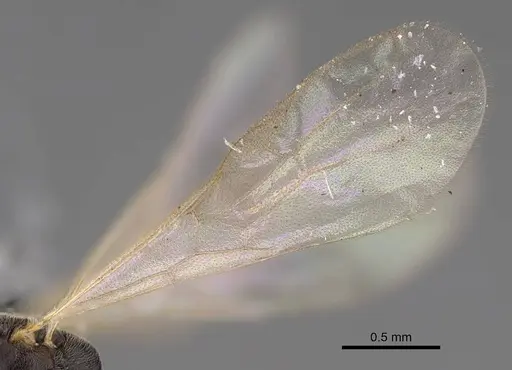
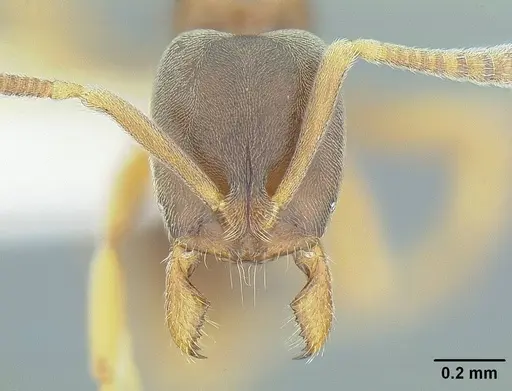
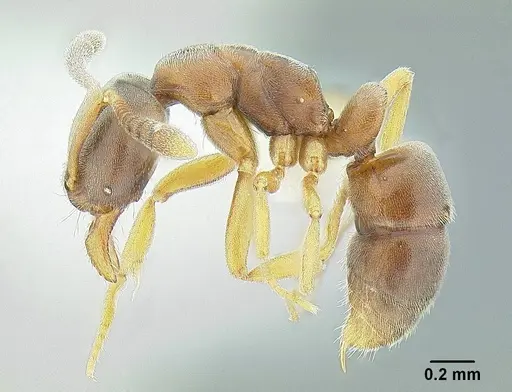
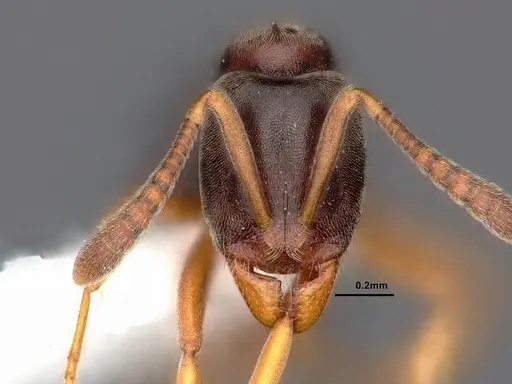
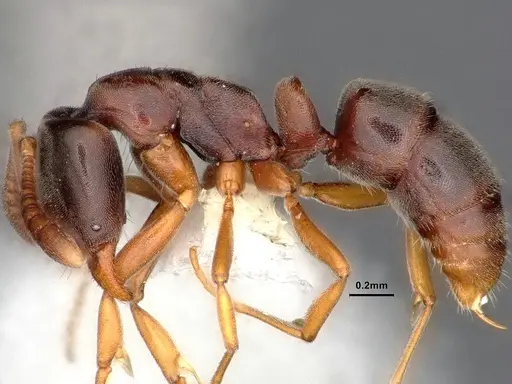
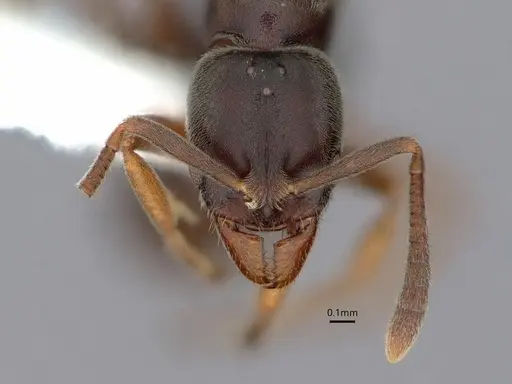
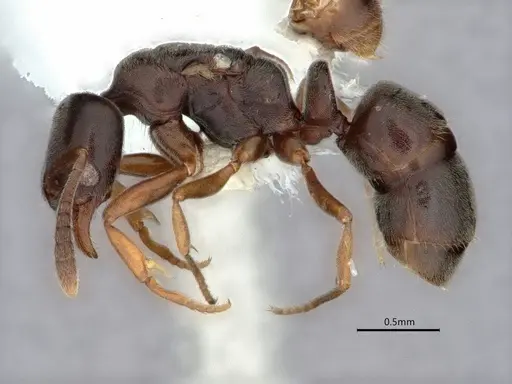
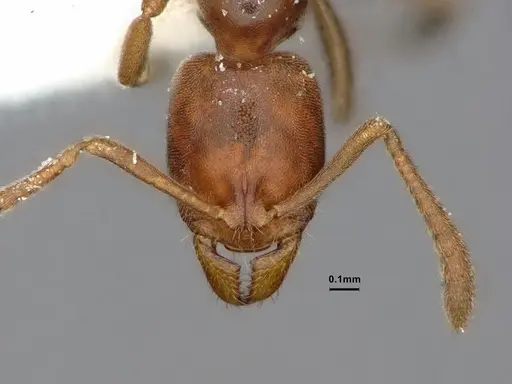
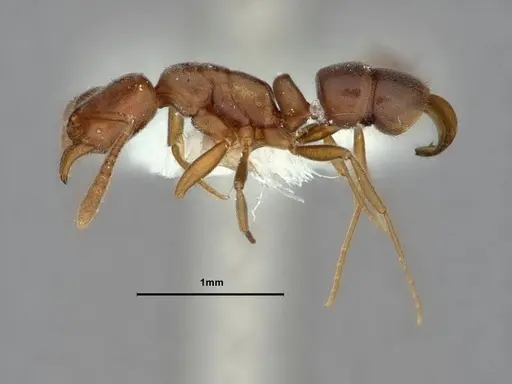
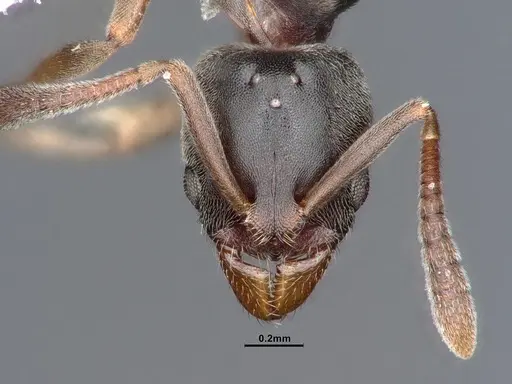
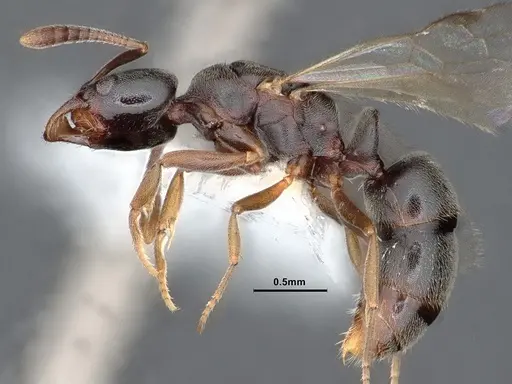
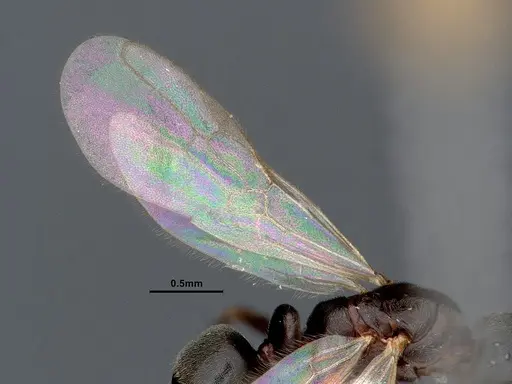
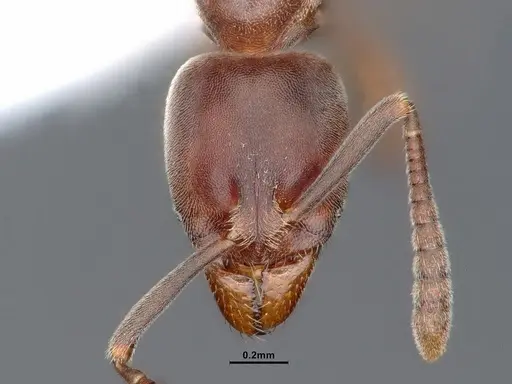
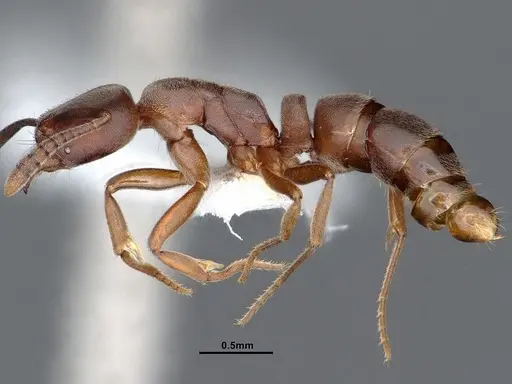
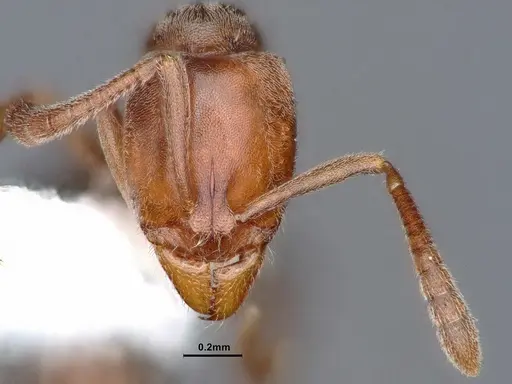
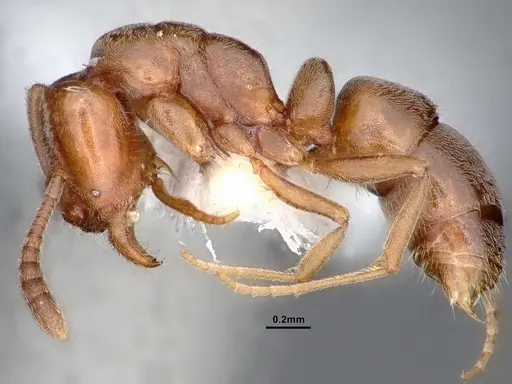
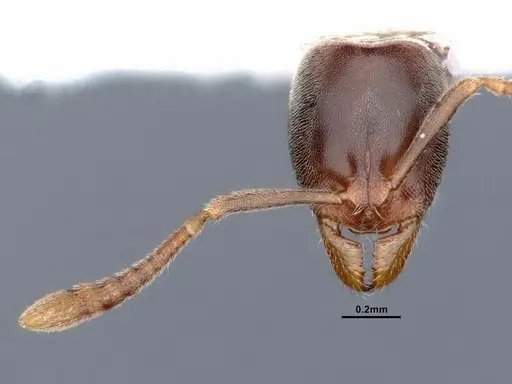
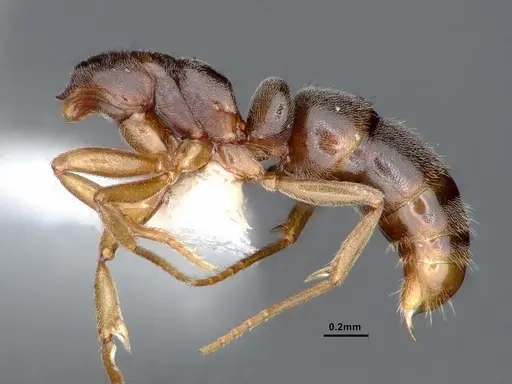
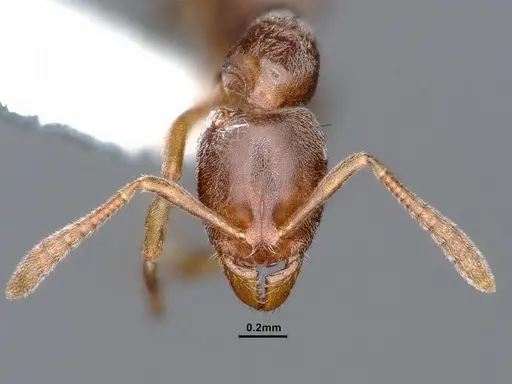
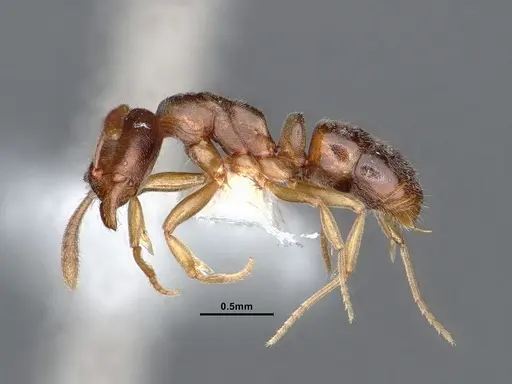
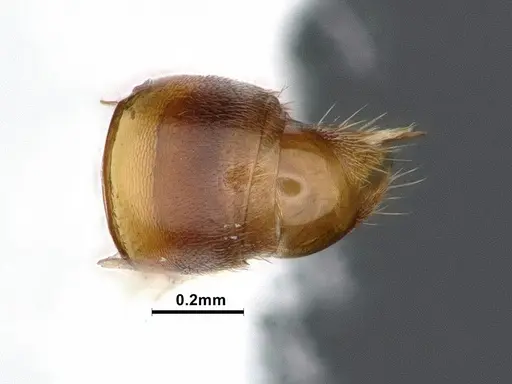
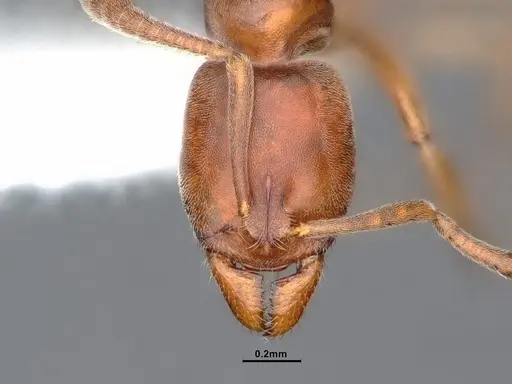
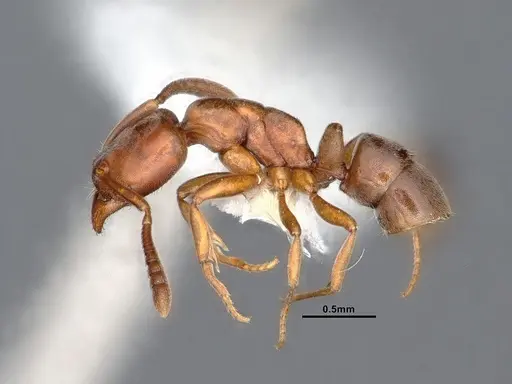
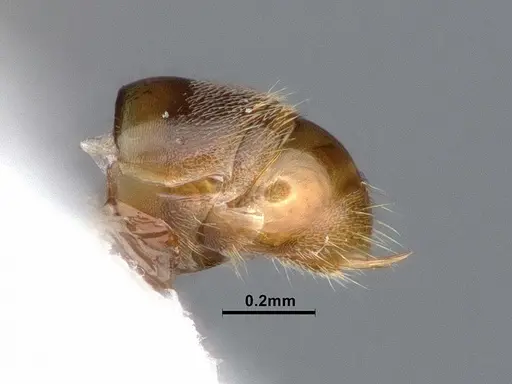
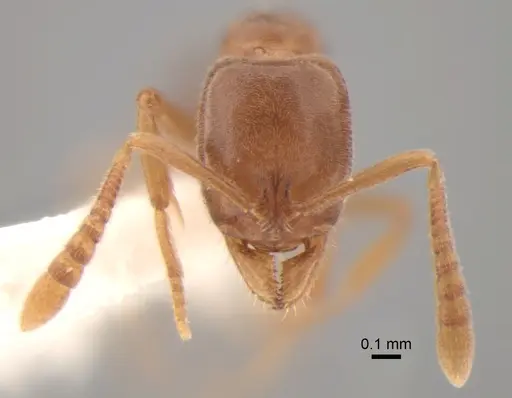
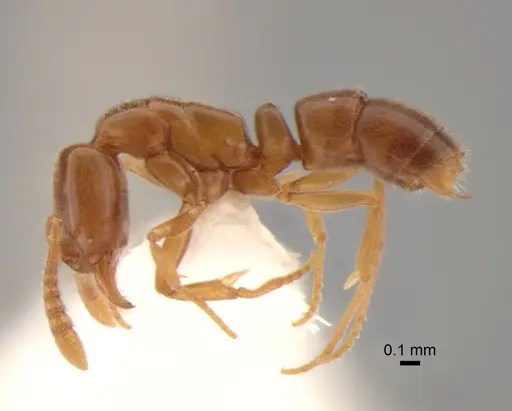
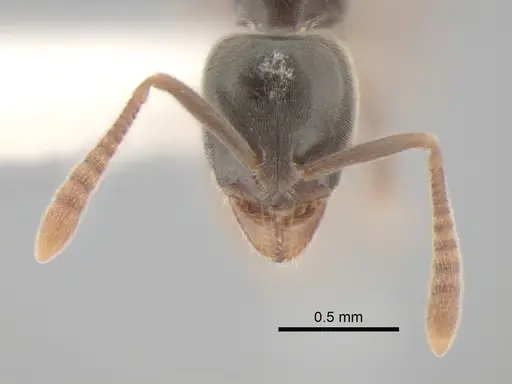
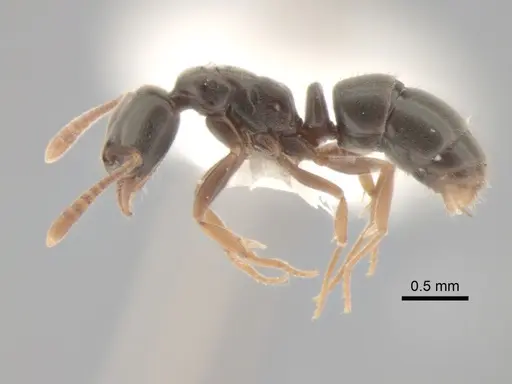
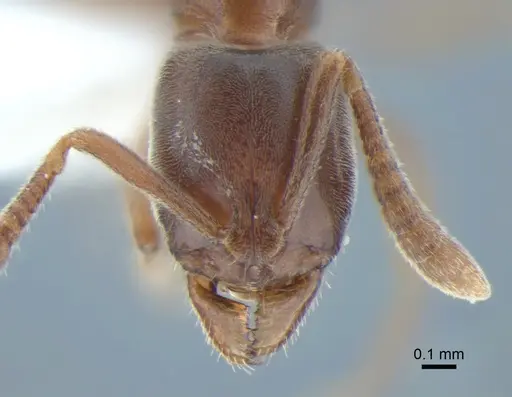
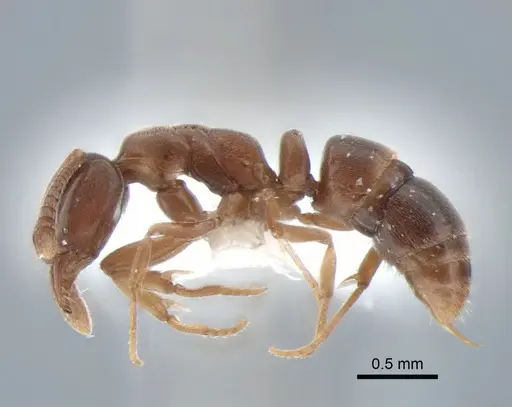
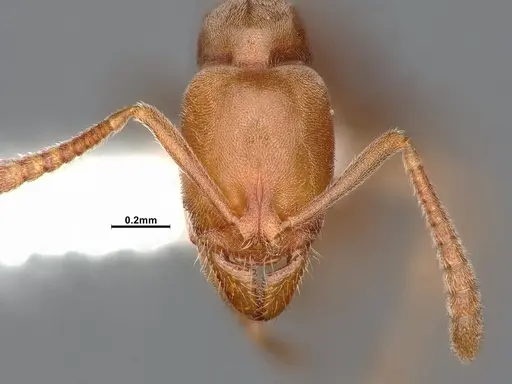
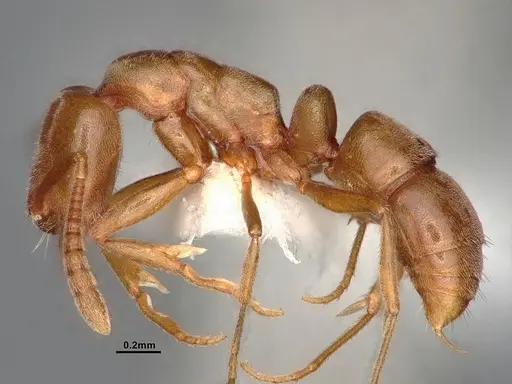
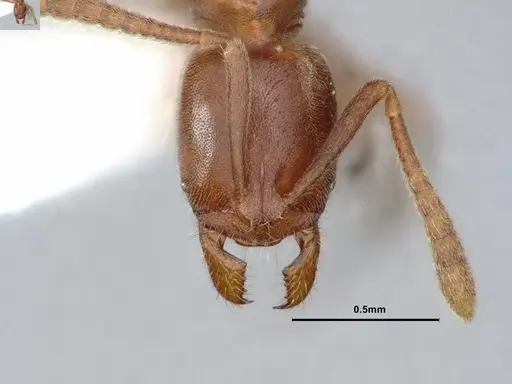
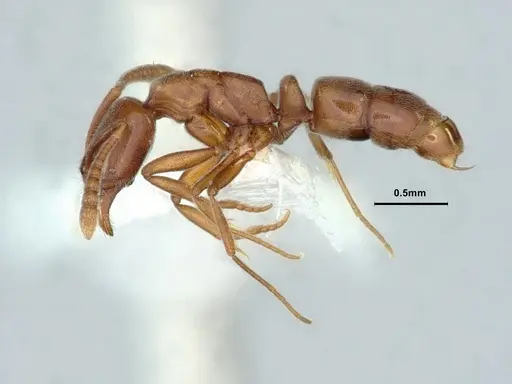
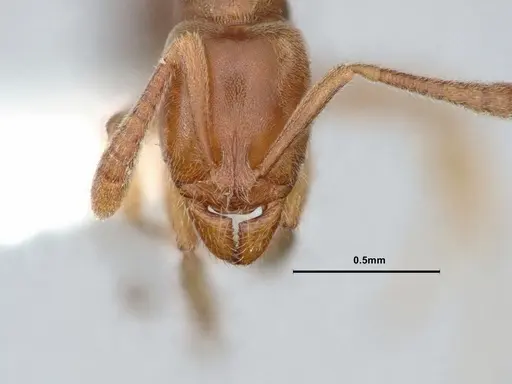
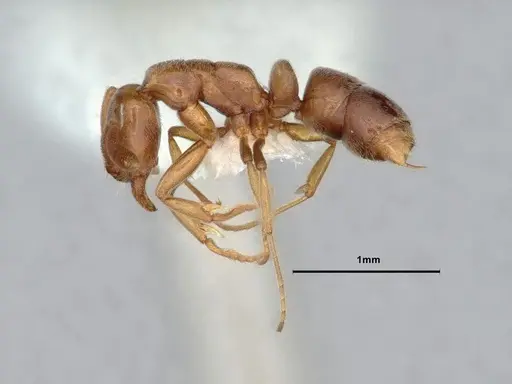
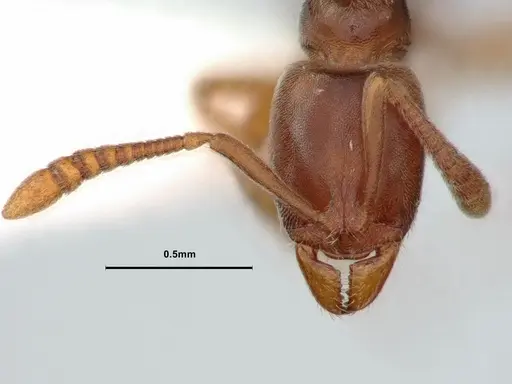
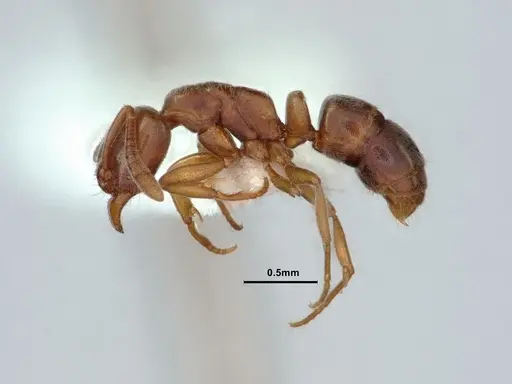
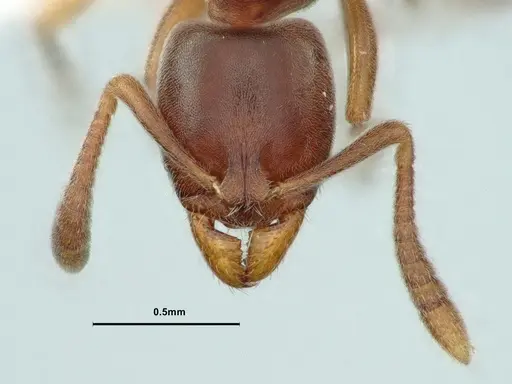
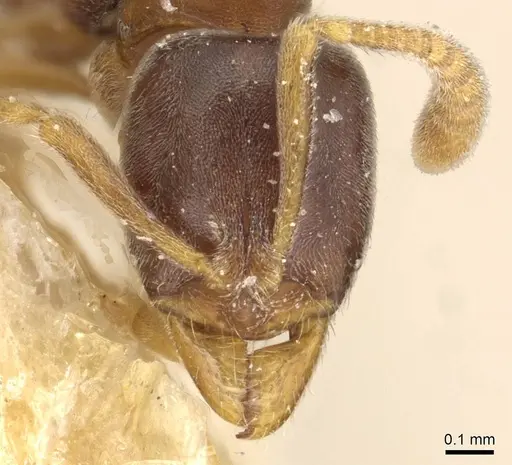
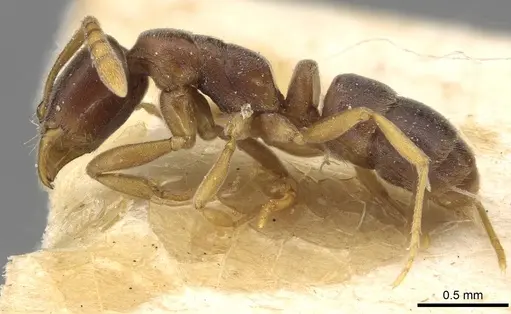
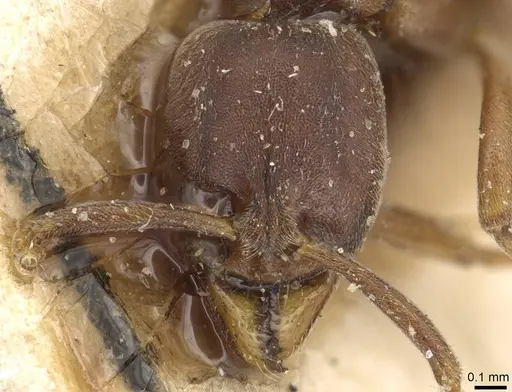
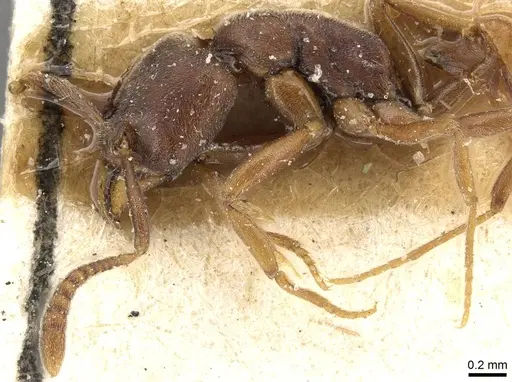
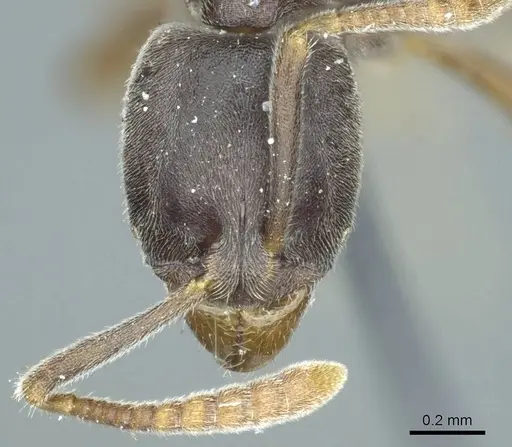
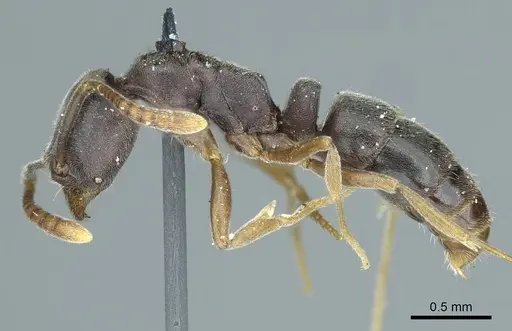
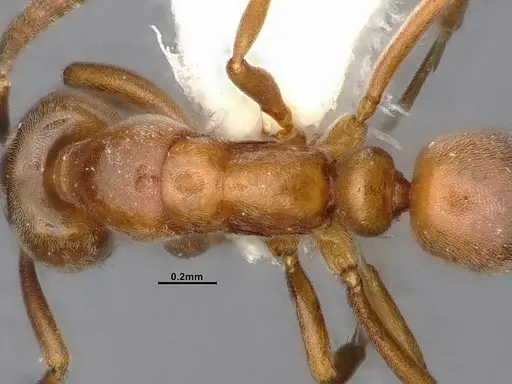
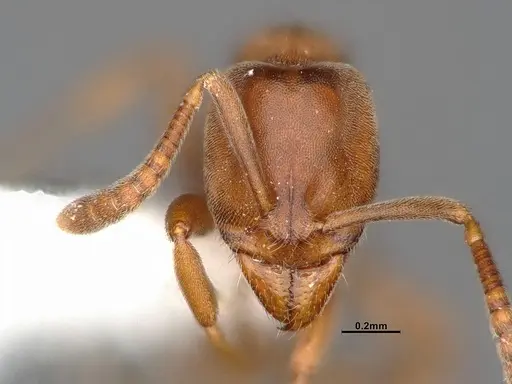
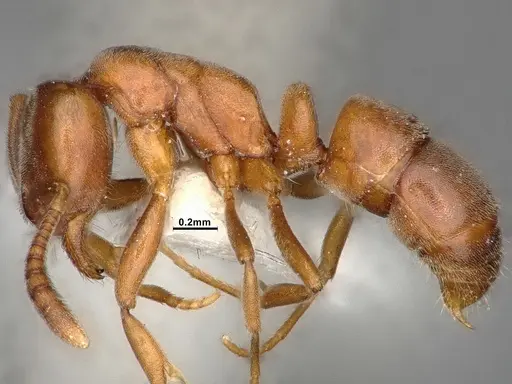
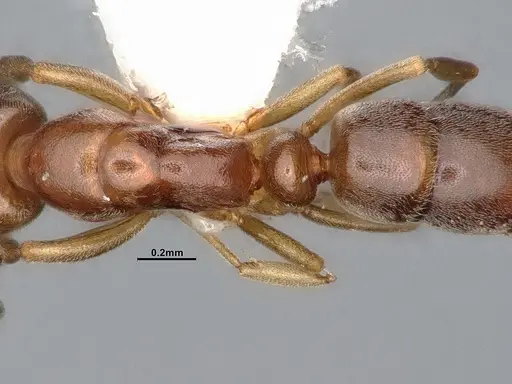
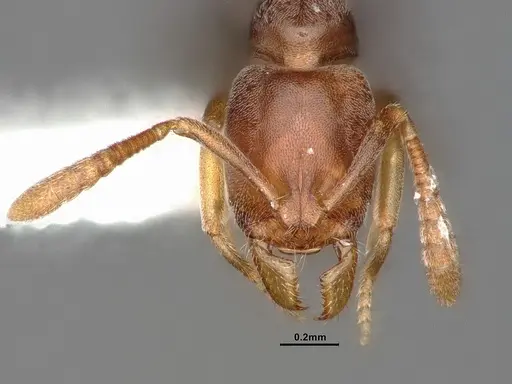
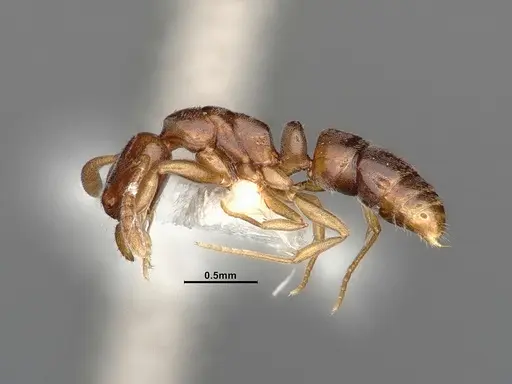
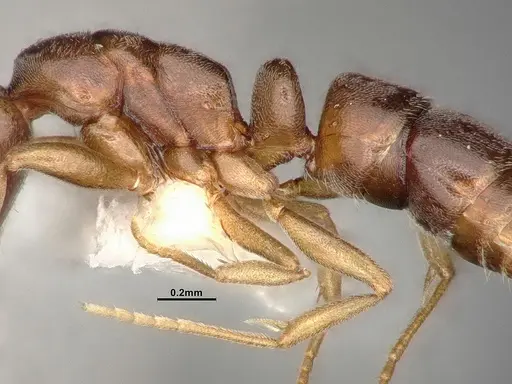
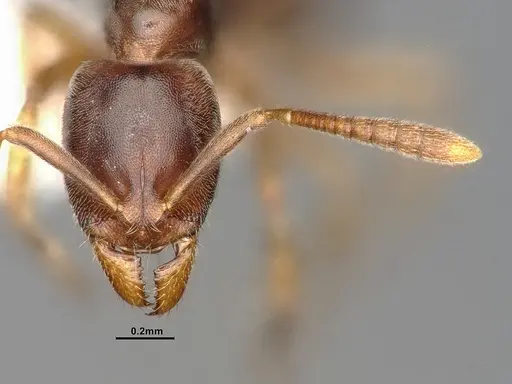
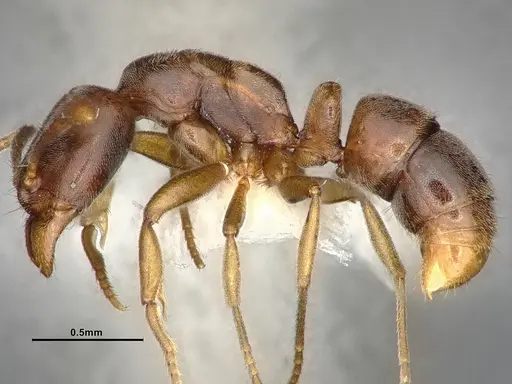
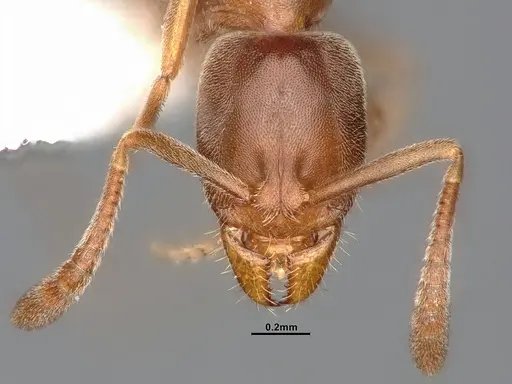
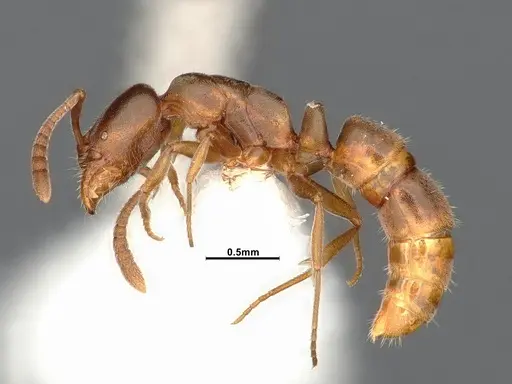
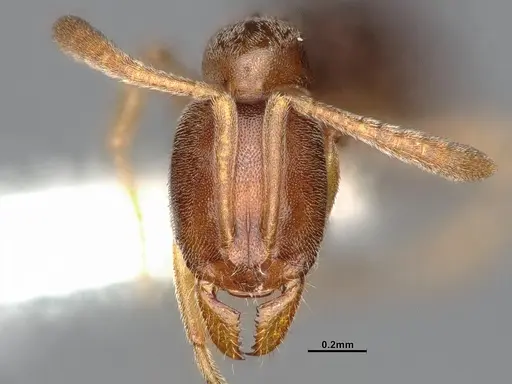
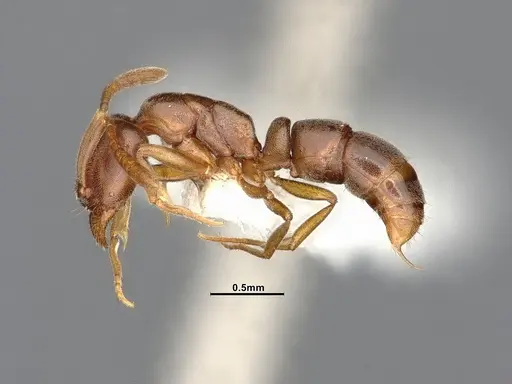
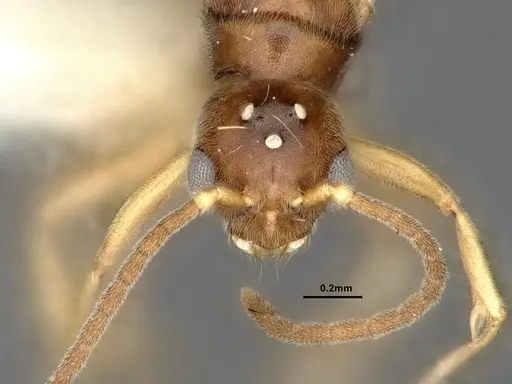
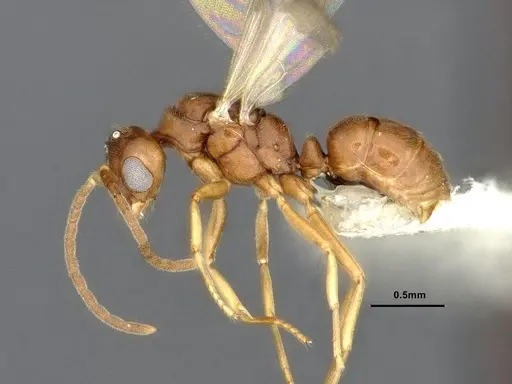
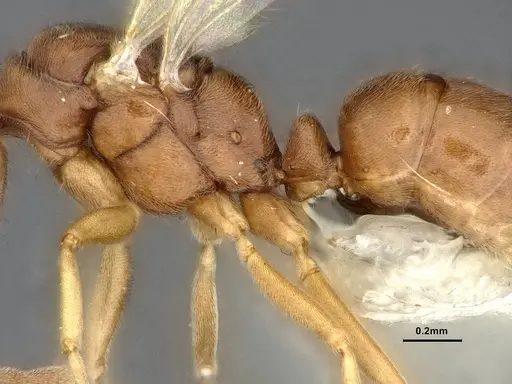
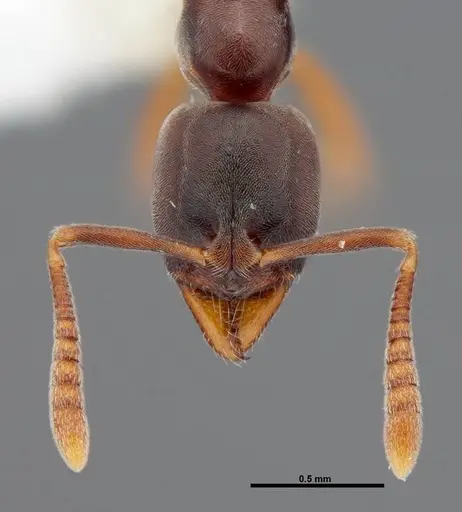
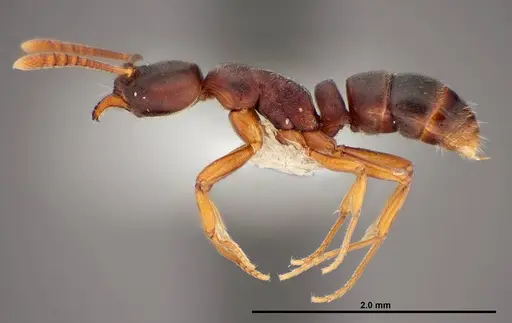
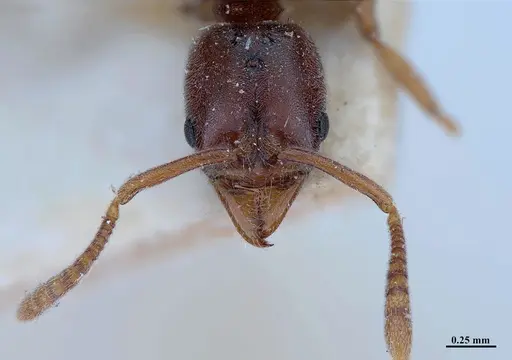
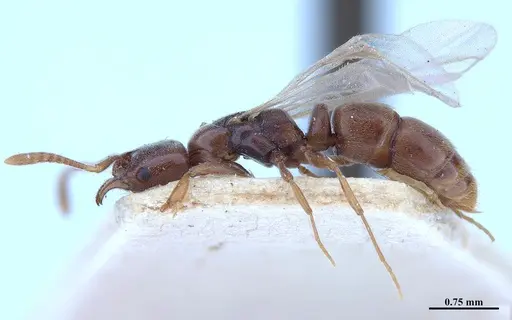
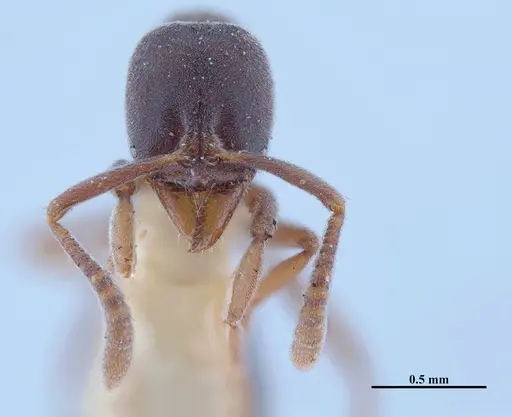
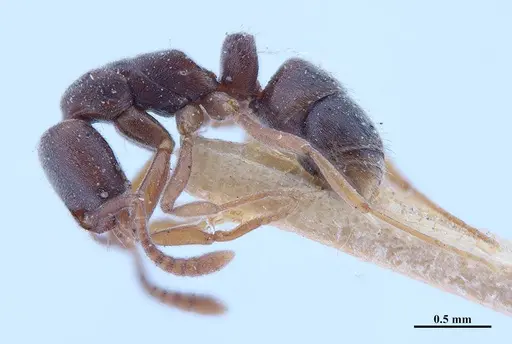
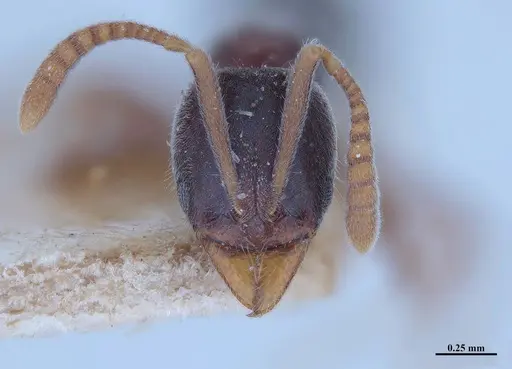
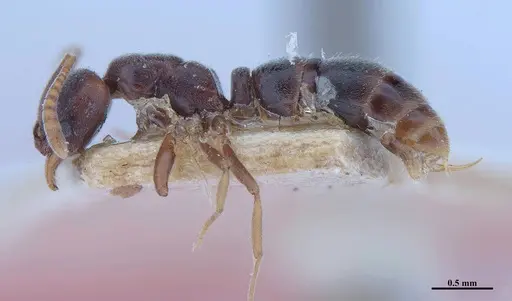
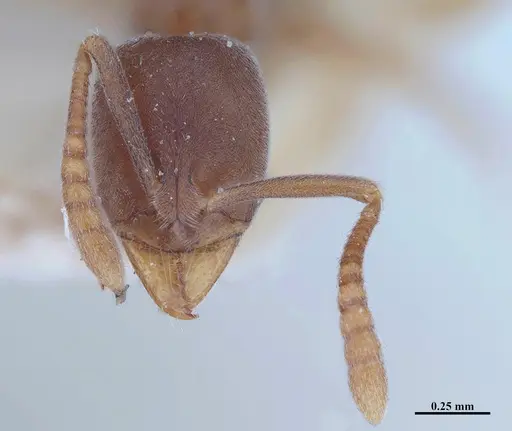
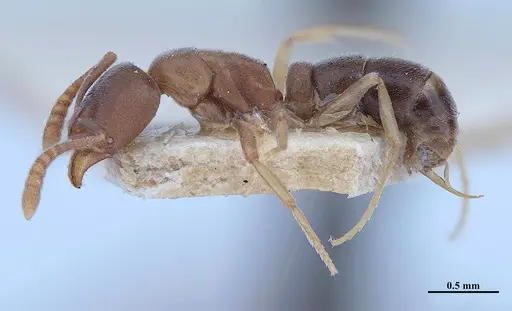
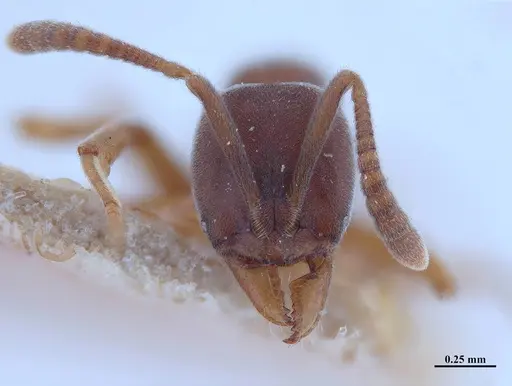
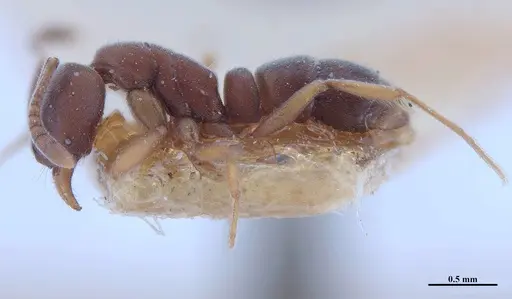
Hypoponera opaciceps is a small, cryptic ponerine ant native to the Americas, ranging from the southern United States to South America. Workers measure approximately 3mm and have a distinctive dark brown to black coloration with a coarse, subopaque body sculpture due to dense minute granulation . The petiole shape is distinctive - nearly rectangular with parallel front and rear faces in lateral view, unlike the triangular petiole of similar species like Hypoponera opacior . This species is cryptobiotic, meaning it hides in dark, moist microhabitats and forages primarily in leaf litter and decaying wood . Queens measure approximately 3.7-4mm and occur in both winged and wingless (apterous) forms. Males are typically wingless (ergatoid), with mating occurring within the nest rather than during flight .
Quick Summary
- Difficulty: Medium
- Origin & Habitat: Native to the Neotropics (Brazil), now widespread across the Americas from South Carolina to Uruguay, and introduced to many Pacific islands and Asia through human commerce [4][5]. Found in wet habitats including marshes, swamp edges, sawgrass bases, fallen logs, and leaf litter in tropical and subtropical regions [2][6].
- Colony Type: Monogyne (single queen) colonies with documented ergatoid (wingless) replacement reproductives. Colonies are small, typically containing up to 84 workers [2]. The presence of ergatoid queens allows for queen replacement if the primary queen dies.
- Size & Growth:
- Queen: 3.7-4mm [2]
- Worker: approximately 3mm [1][2]
- Colony: up to 84 workers [2][7]
- Growth: Slow
- Development: Unknown, no specific development data available for this species (Development timeline has not been directly studied. Based on typical Ponerinae patterns, expect 2-4 months from egg to first worker at warm temperatures.)
- Antkeeping:
- Temperature: Keep at 22-26°C. This species tolerates a range from cool to moderately warm conditions, in the wild they occur from sea level to over 900m elevation in Hawaii and are found in both wet and relatively dry areas [7]. They are cold-tolerant compared to many tropical ants [8].
- Humidity: High humidity is essential. In the wild, nests are wet to saturated, built in debris at water surface level in sawgrass, fallen logs, and decaying wood [2]. Keep the nest substrate consistently moist but not waterlogged.
- Diapause: Unknown, likely reduced activity in winter months in temperate regions. In Florida, alates may be found in the nest year-round, and winged forms are most common in winter [2].
- Nesting: This species nests in decaying wood, leaf litter, soil, and wet debris. In captivity, they do well in naturalistic setups with moist substrate, or in Y-tong/plaster nests with high humidity. They prefer tight, dark chambers and narrow passages. Test tube setups can work but must be kept very humid.
- Behavior: Hypoponera opaciceps is a secretive, cryptic species that forages primarily below ground and in leaf litter. Workers are fast-moving and evasive, when disturbed, their first reaction is to freeze, making them easy to overlook [7]. They are predatory on small arthropods [9][10]. They are not aggressive toward humans but can deliver a noticeable sting if handled or trapped against skin [2][11]. Escape risk is moderate, they are small but not particularly good climbers. Standard escape prevention works well.
- Common Issues: colonies are very small, this is normal, not a sign of failure. Expect under 50 workers in mature colonies., high humidity is critical, colonies fail quickly in dry conditions., they are secretive and rarely seen foraging, do not mistake this for colony death., sting is noticeable but not dangerous, handle with care if sensitive to ant stings., slow growth means patience is required, do not overfeed or disturb the colony.
Housing and Nest Setup
Hypoponera opaciceps requires high humidity and dark, concealed nesting sites. They naturally nest in decaying wood, under stones in wet areas, in sawgrass bases, and in leaf litter at water surfaces [2]. For captive care, a naturalistic setup with moist substrate (a mix of soil and rotting wood) works well, or you can use a Y-tong/plaster nest with a water reservoir. Test tubes can work but require careful humidity management, keep the cotton well-moistened and consider covering the tube with a dark sleeve. They prefer tight chambers and narrow passages scaled to their small size. Avoid tall, open spaces. Provide a moisture gradient so workers can choose their preferred humidity zone.
Feeding and Diet
This is a predatory species that hunts small arthropods in leaf litter [9][10]. In captivity, offer small live prey such as springtails, fruit flies, small crickets, and other micro-arthropods. They are not known to tend aphids or collect honeydew. Acceptance of sugar sources is uncertain, they are predatory and may ignore sweet liquids, though you can offer occasional drops of diluted honey or sugar water to test. Feed small prey items 2-3 times per week, adjusting based on colony size and consumption. Remove uneaten prey after 24 hours to prevent mold.
Temperature and Seasonal Care
Keep the nest area at 22-26°C. This species is more cold-tolerant than many tropical ants, in Hawaii they are found at elevations above 900m and can survive in relatively cool conditions [8][7]. A heating cable on one side of the nest creates a temperature gradient. Room temperature in most homes (20-24°C) is likely acceptable. In winter, expect reduced activity, especially in temperate climates. They do not require a formal diapause but may slow down in cooler months. Avoid temperatures above 30°C.
Behavior and Handling
Hypoponera opaciceps is secretive and rarely seen out in the open. Workers forage primarily below ground and in leaf litter, and they do not come to baits [7]. When their nest is disturbed, workers freeze in place, this is a defense mechanism that makes them easy to overlook. They are not aggressive but can deliver a noticeable sting if handled roughly or trapped against skin [2][11]. The sting is not dangerous for most people but can cause irritation. These ants are not escape artists, but their small size means you should still use standard barriers. They coexist with invasive ants like the Argentine ant in the wild but are typically displaced where Argentine ants are abundant [7][12].
Colony Structure and Growth
Colonies are small, typically containing up to 84 workers [2]. This is normal for the species, do not expect the large colonies typical of many Formicinae or Myrmicinae species. Queens are monogyne (single queen) but ergatoid (wingless) replacement reproductives are known, allowing for queen succession if the primary queen dies [2]. Males are wingless (ergatoid), and mating occurs within the nest rather than during nuptial flights [3]. Growth is slow, expect a colony to take many months to reach 30-40 workers. Patience is essential with this species.
Frequently Asked Questions
How long does it take for Hypoponera opaciceps to have first workers?
The exact development timeline is unknown for this species. Based on typical Ponerinae development, expect 2-4 months from egg to first worker at optimal temperatures (24-26°C). Growth is slow, so be patient.
Can I keep Hypoponera opaciceps in a test tube?
Yes, but with caveats. Test tubes work if kept very humid, keep the water reservoir well-filled and consider covering the tube with a dark sleeve. However, naturalistic setups with moist soil and rotting wood more closely match their natural nesting preferences.
What do Hypoponera opaciceps eat?
They are predatory on small arthropods. Feed small live prey like springtails, fruit flies, and tiny crickets. Sugar sources are not clearly accepted, they are primarily predators.
How big do Hypoponera opaciceps colonies get?
Colonies are small, typically up to 84 workers. This is normal for the species.
Are Hypoponera opaciceps good for beginners?
This species is rated as medium difficulty. Their high humidity requirements and slow growth make them more challenging than hardy species like Lasius or Tetramorium. They are also very secretive, which can make observing the colony less rewarding. Not recommended as a first ant.
Do Hypoponera opaciceps need hibernation?
Diapause requirements are unknown. In temperate regions, they likely reduce activity in winter. In tropical areas, they remain active year-round. If your colony shows reduced activity in winter, keep them cool (15-18°C) for 2-3 months.
Why can't I see my Hypoponera opaciceps workers?
This is normal, they are cryptic, secretive ants that forage primarily below ground and in leaf litter. They rarely come to the surface and do not forage in the open. Their first reaction to disturbance is to freeze. Check the nest carefully before assuming the colony has died.
When should I move Hypoponera opaciceps to a formicarium?
Wait until the colony has at least 20-30 workers. Given their small colony size, you may keep them in a test tube or small container indefinitely. If using a naturalistic setup, they can be housed there from the start.
Report an Issue
The current care sheet is based fully on literature. See inconsistencies, or something that's incorrect? Please , it will be resolved after review from an admin. Contributing to the blogs tab also helps providing information, to make us be able to further improve the caresheets. Thank you for your support!
References

This caresheet is licensed under CC BY-SA 4.0 .
Community Blogs
ANTWEB1060075
View on AntWeb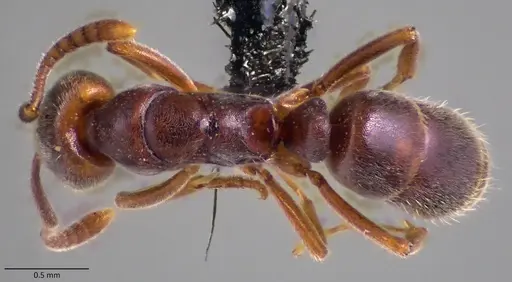
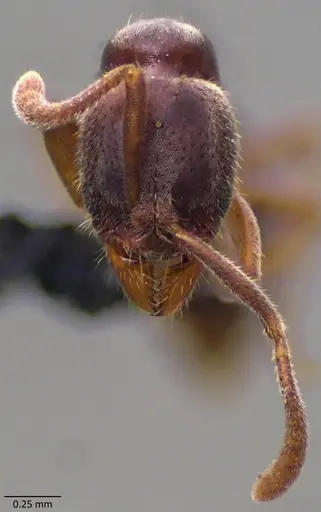
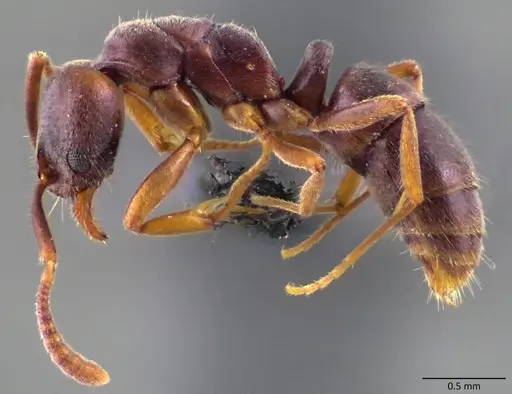
CASENT0005435
View on AntWeb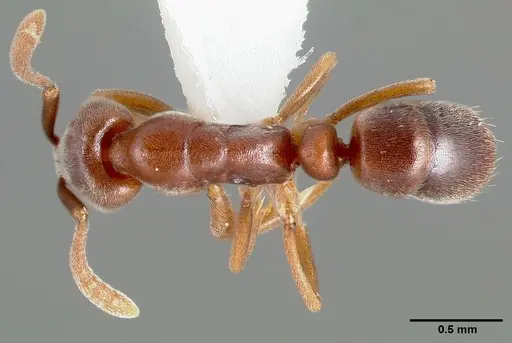
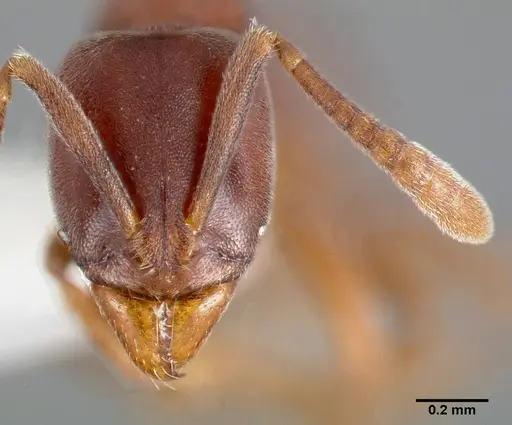
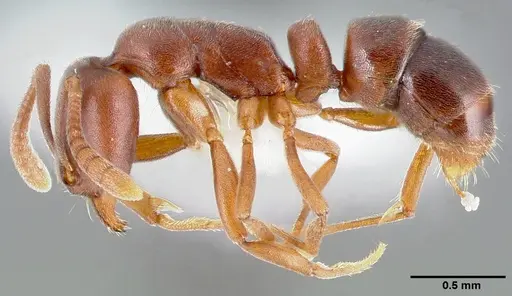
CASENT0005436
View on AntWeb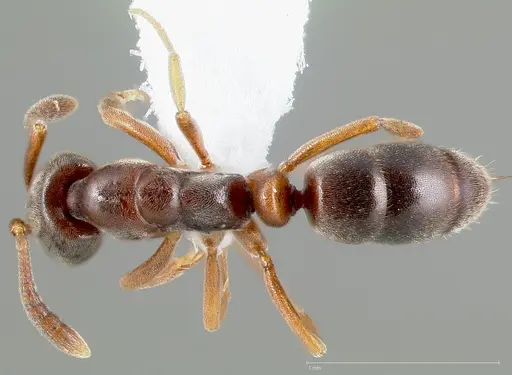
CASENT0005438
View on AntWeb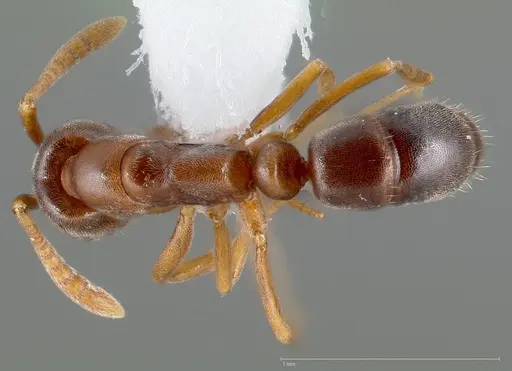
CASENT0102905
View on AntWeb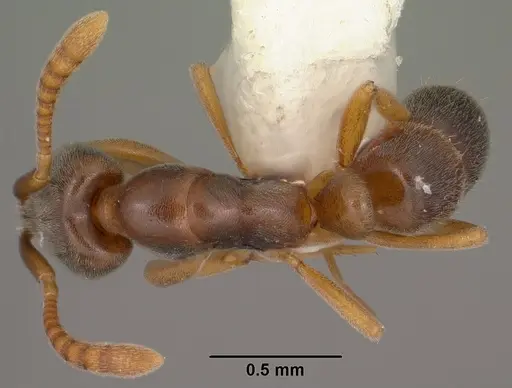
CASENT0103952
View on AntWeb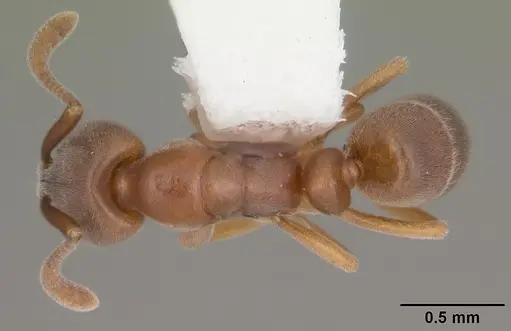
CASENT0103959
View on AntWeb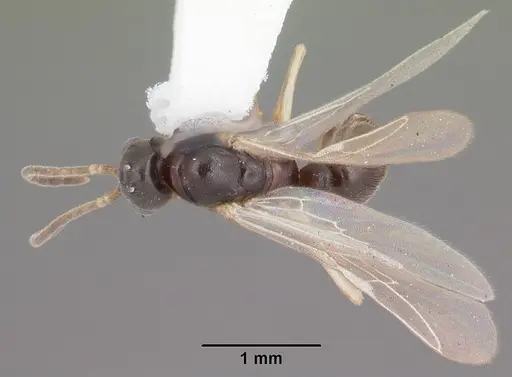
CASENT0104122
View on AntWeb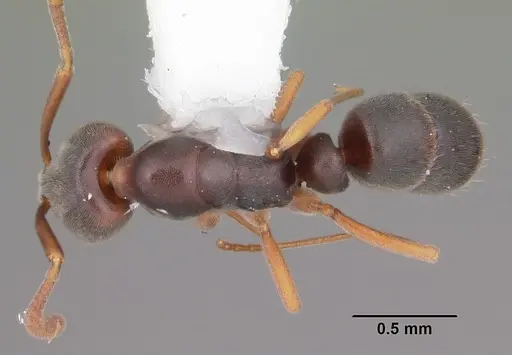
CASENT0104662
View on AntWeb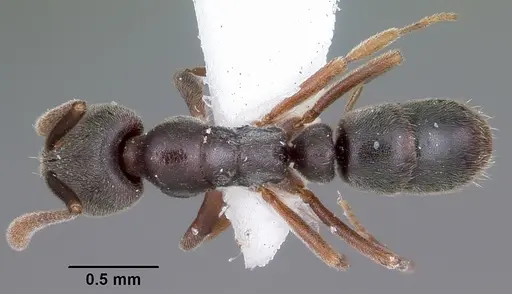
CASENT0104663
View on AntWeb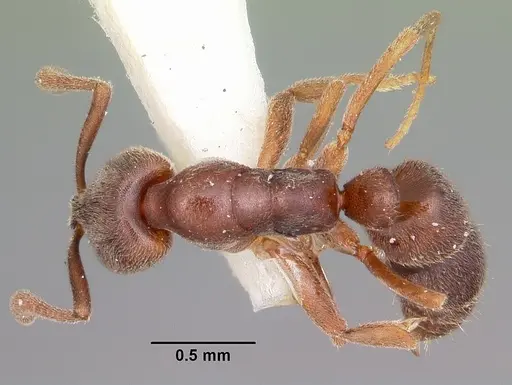
CASENT0106093
View on AntWeb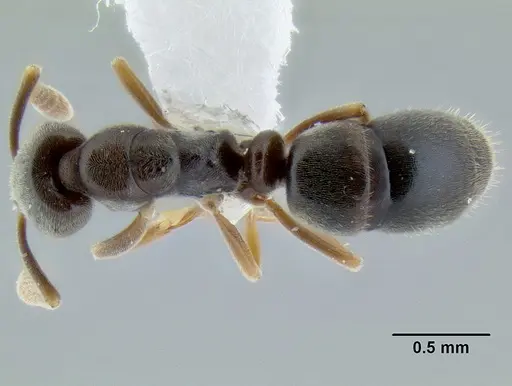
CASENT0171154
View on AntWeb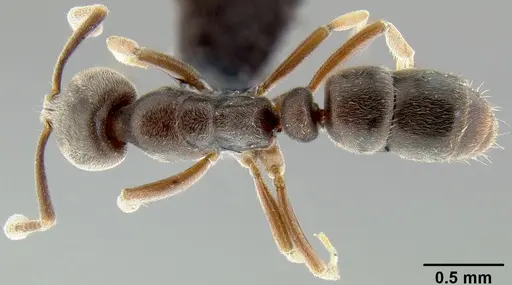
CASENT0173292
View on AntWeb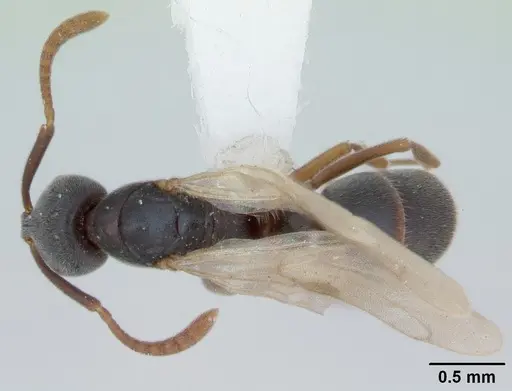
CASENT0173293
View on AntWeb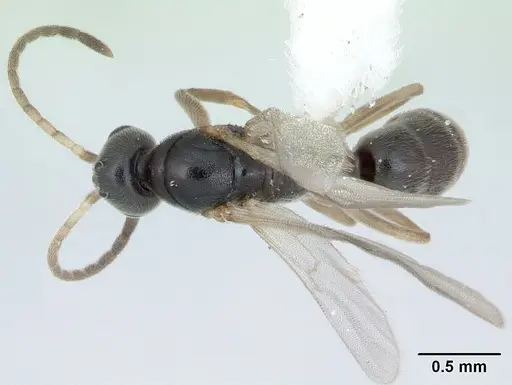
CASENT0173294
View on AntWeb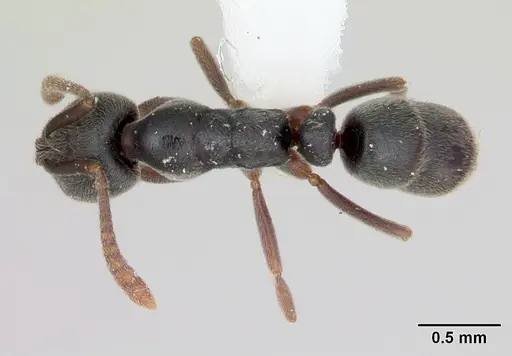
CASENT0173715
View on AntWeb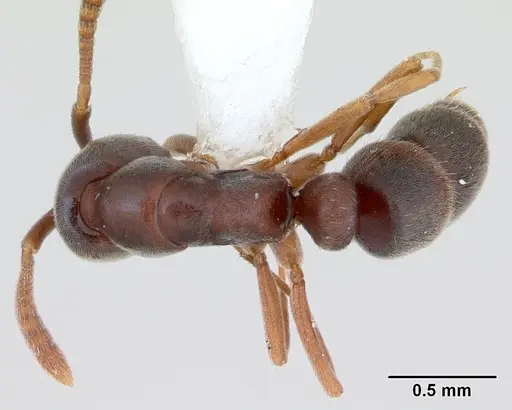
CASENT0246006
View on AntWeb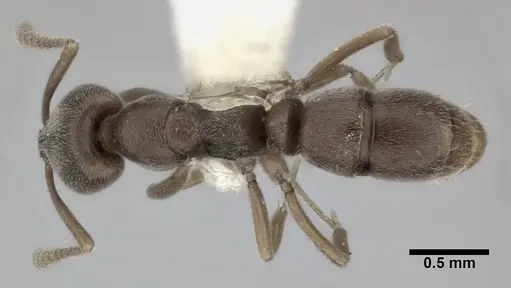
CASENT0260426
View on AntWeb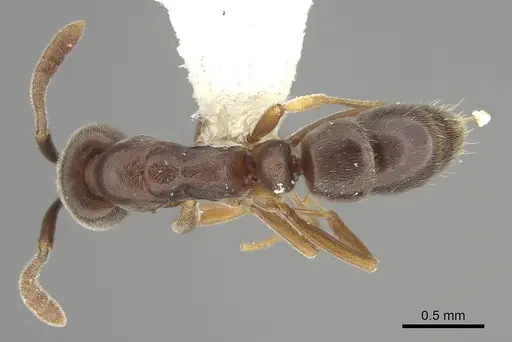
CASENT0260427
View on AntWeb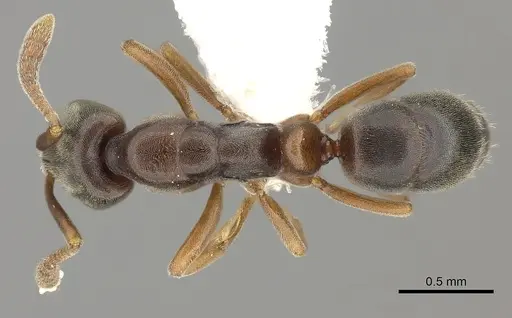
CASENT0260428
View on AntWeb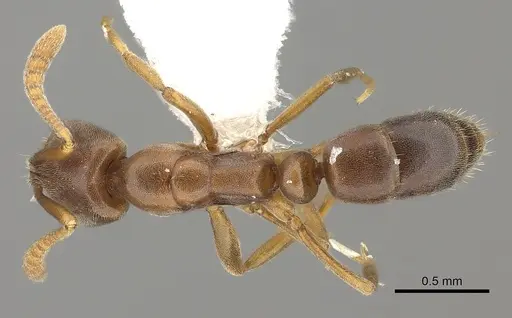
CASENT0635701
View on AntWeb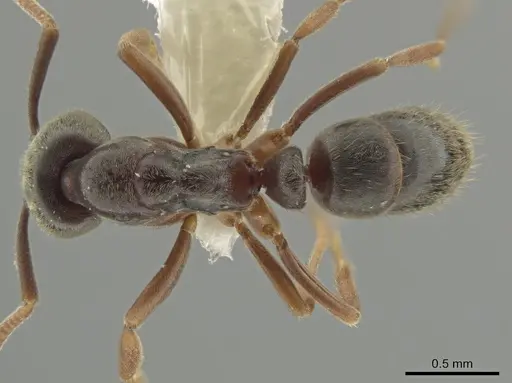
CASENT0647095
View on AntWeb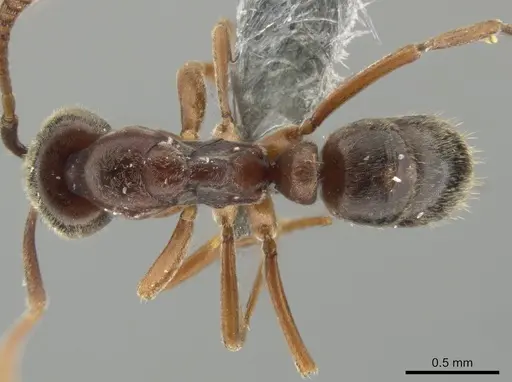
CASENT0650641
View on AntWeb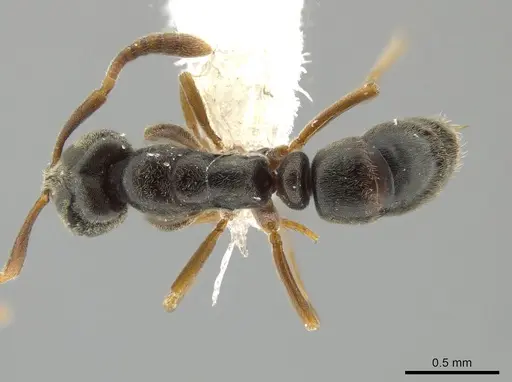
CASENT0650656
View on AntWeb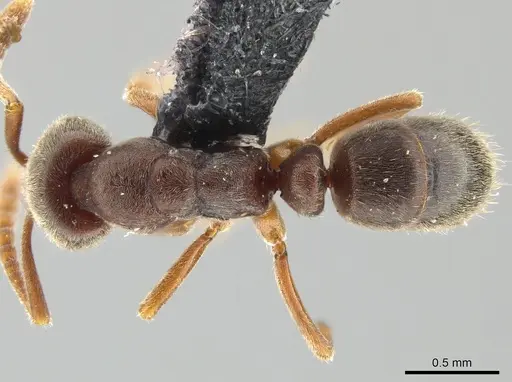
CASENT0654335
View on AntWeb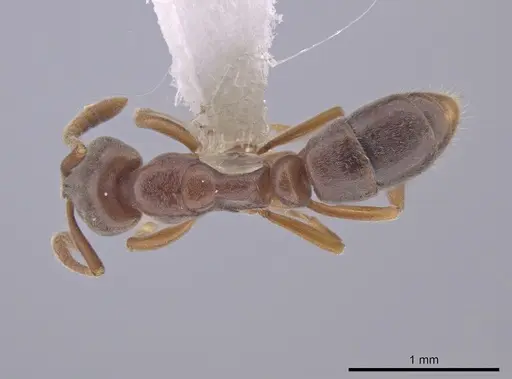
CASENT0724040
View on AntWeb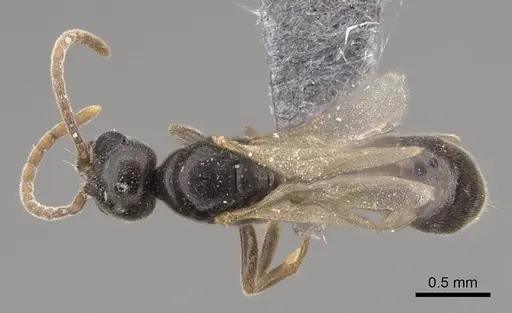
CASENT0724054
View on AntWeb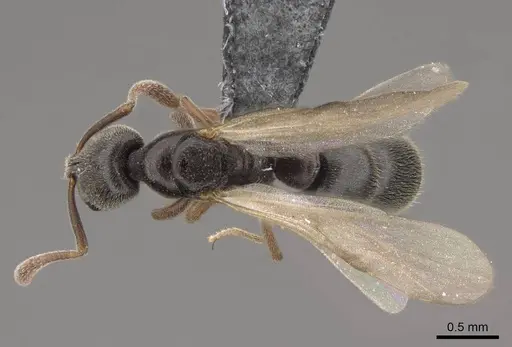
CASENT0724918
View on AntWeb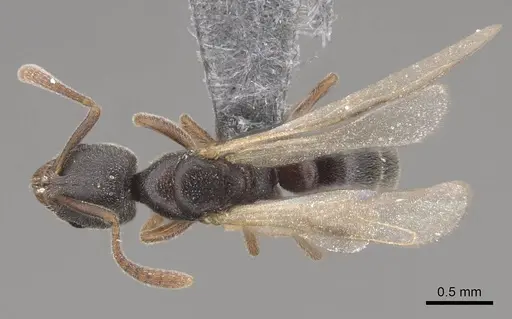
CASENT0732623
View on AntWeb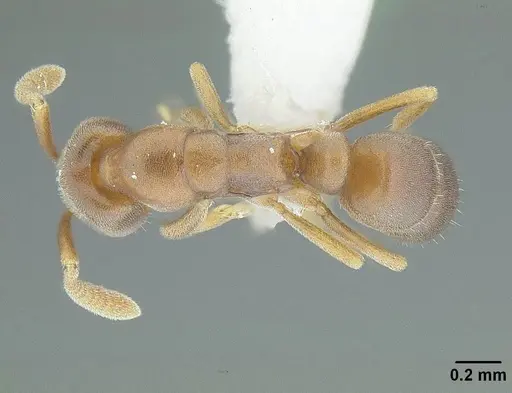
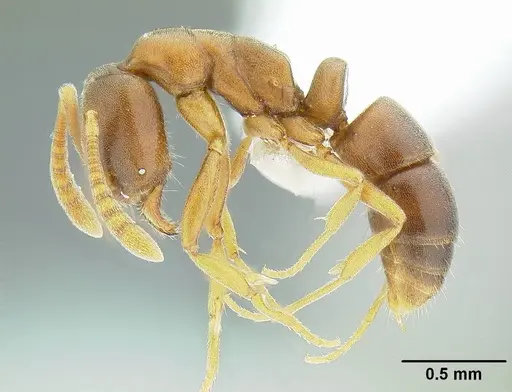
CASENT0843991
View on AntWeb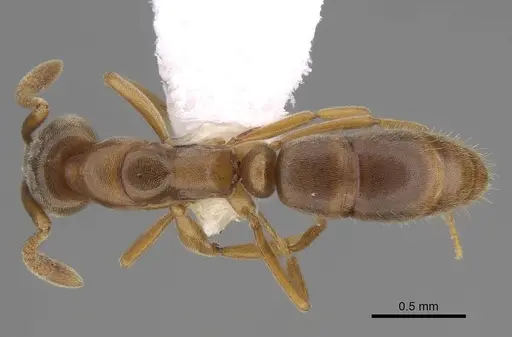
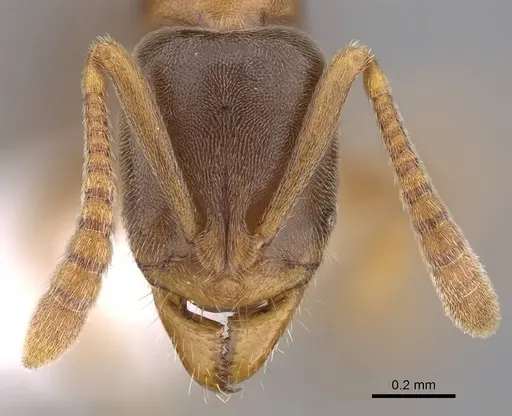
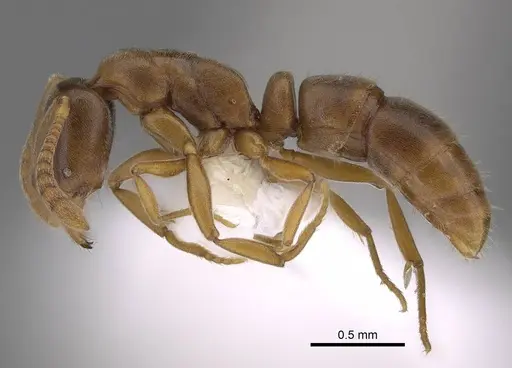
CASENT0843992
View on AntWeb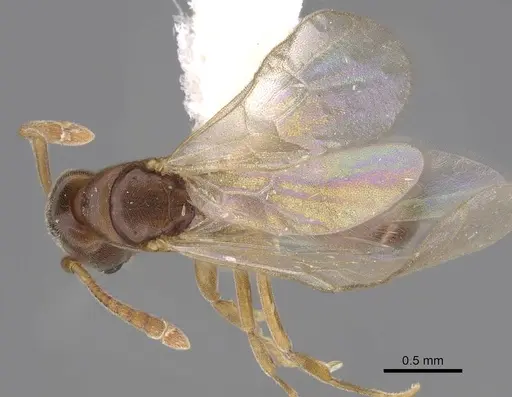
CASENT0843993
View on AntWeb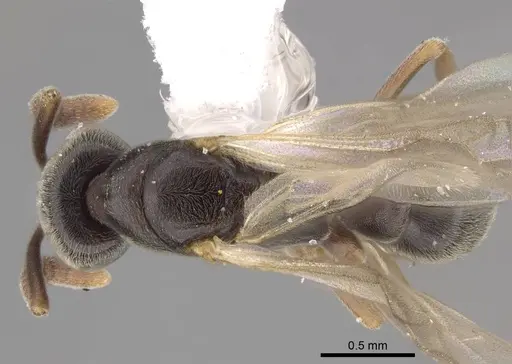
CASENT0844001
View on AntWeb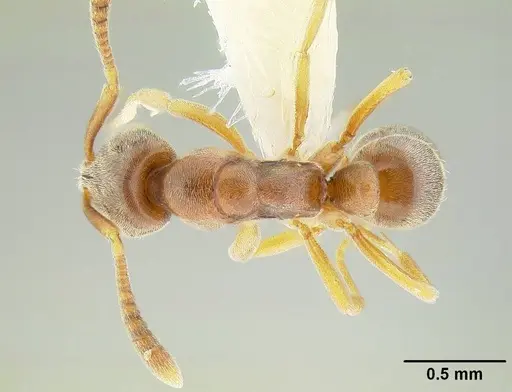
CASENT0844438
View on AntWeb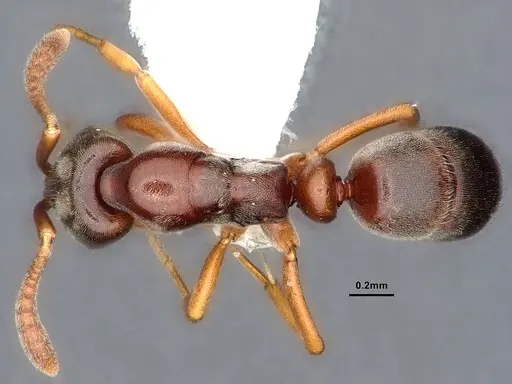
CASENT0882110
View on AntWeb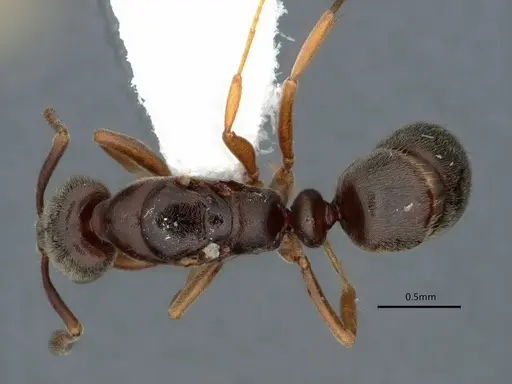
CASENT0882112
View on AntWeb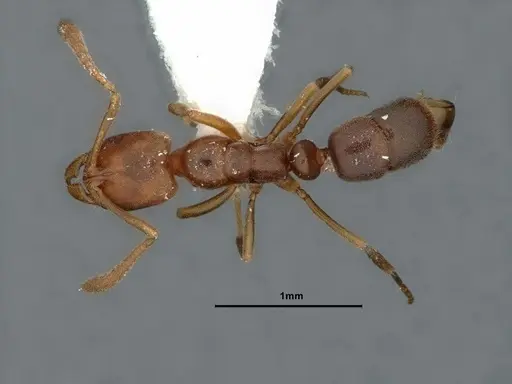
CASENT0884263
View on AntWeb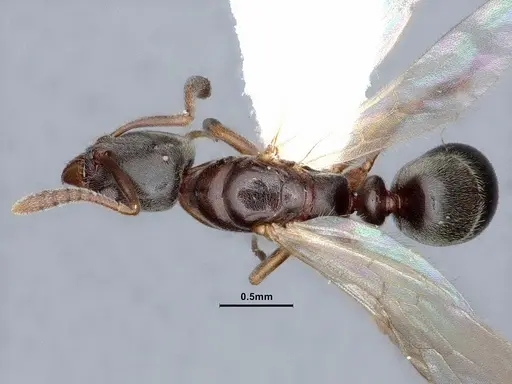
CASENT0884272
View on AntWeb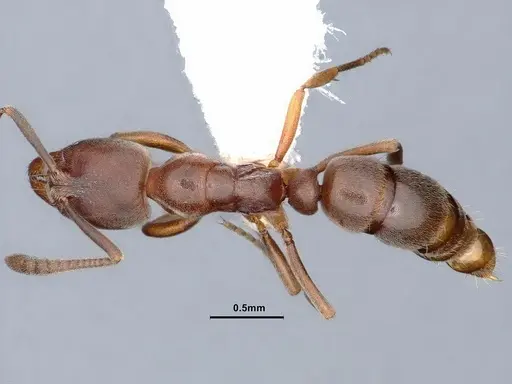
CASENT0884273
View on AntWeb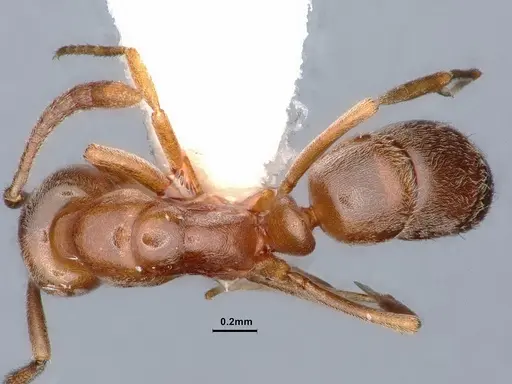
CASENT0884274
View on AntWeb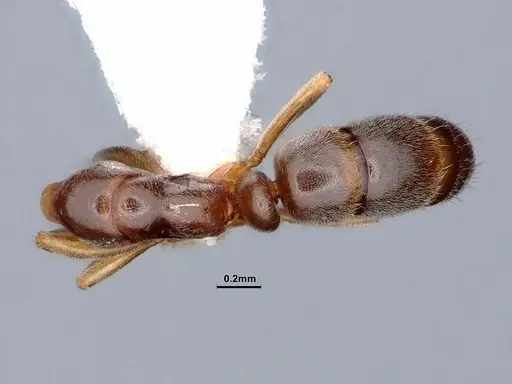
CASENT0884275
View on AntWeb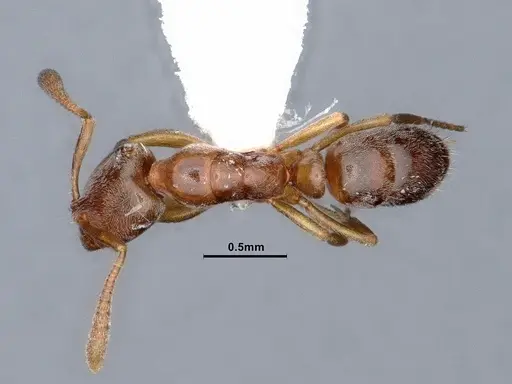
CASENT0884377
View on AntWeb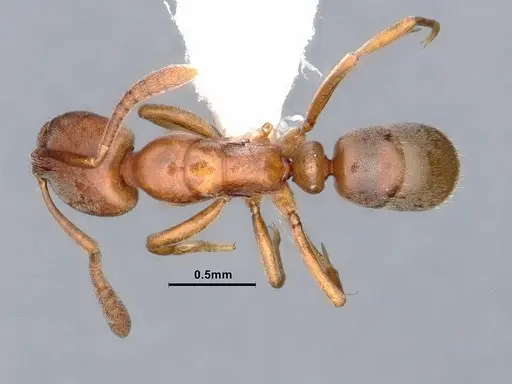
CASENT0886660
View on AntWeb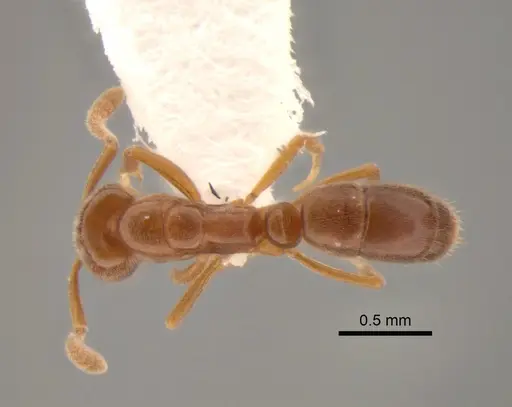
CASENT0886661
View on AntWeb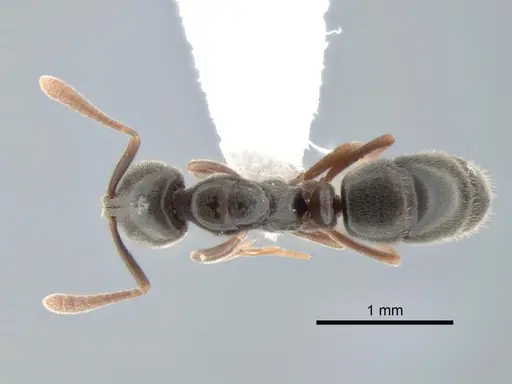
CASENT0886662
View on AntWeb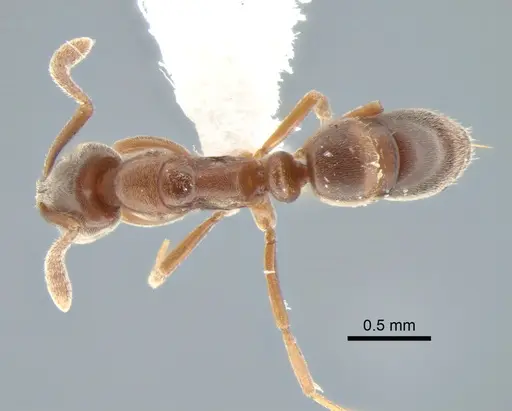
CASENT0886857
View on AntWeb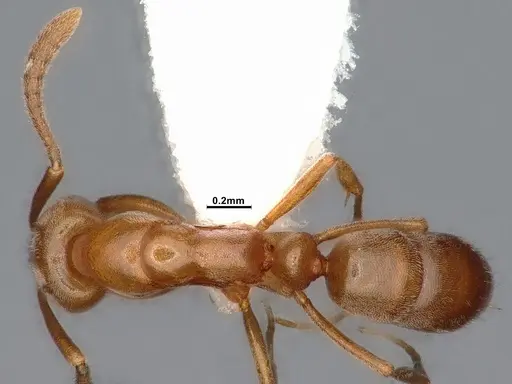
CASENT0886861
View on AntWeb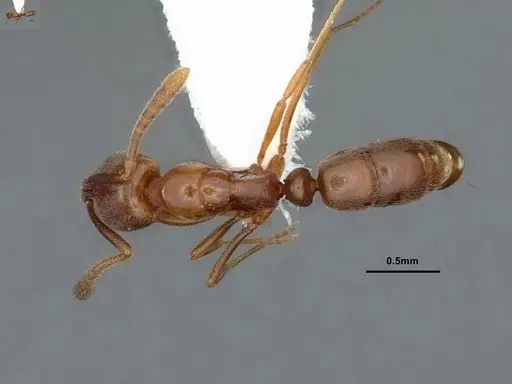
CASENT0886862
View on AntWeb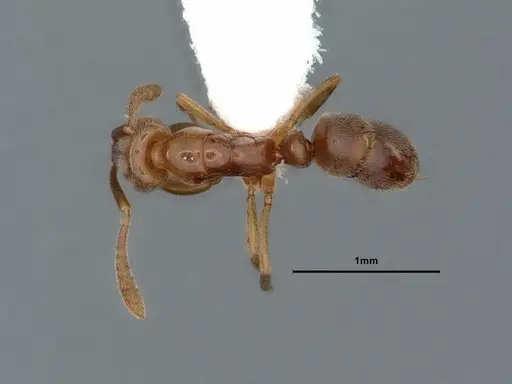
CASENT0886866
View on AntWeb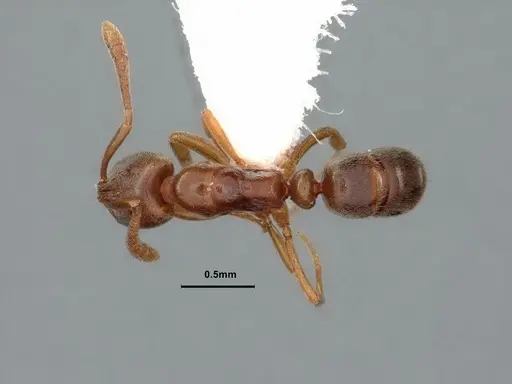
CASENT0886867
View on AntWeb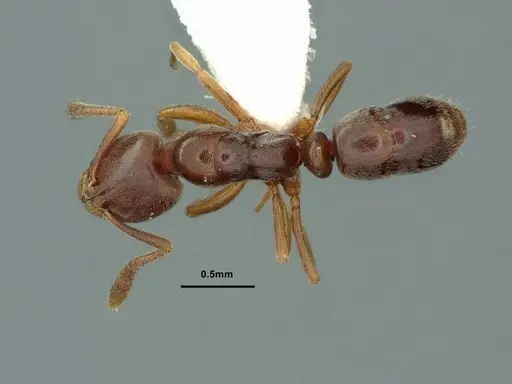
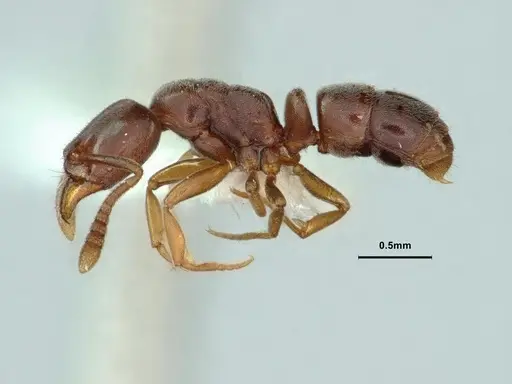
CASENT0907319
View on AntWeb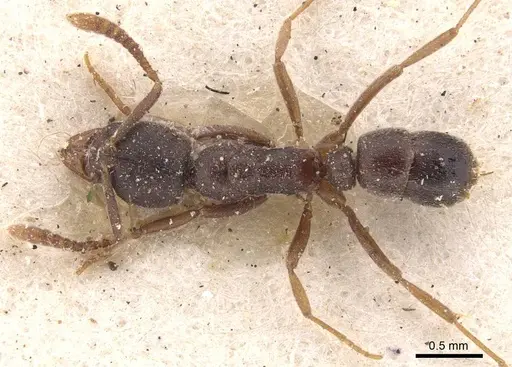
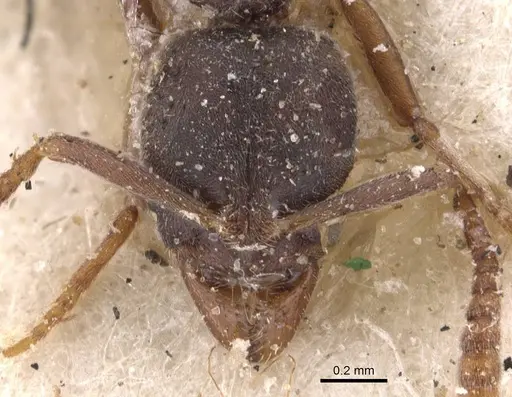
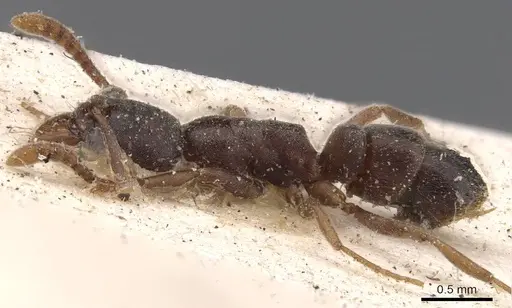
CASENT0915296
View on AntWeb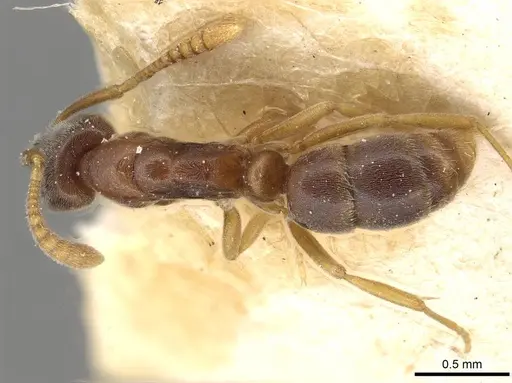
CASENT0915491
View on AntWeb
CASENT0915870
View on AntWeb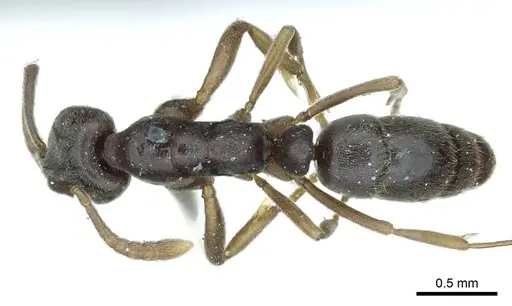
CASENT4031435
View on AntWeb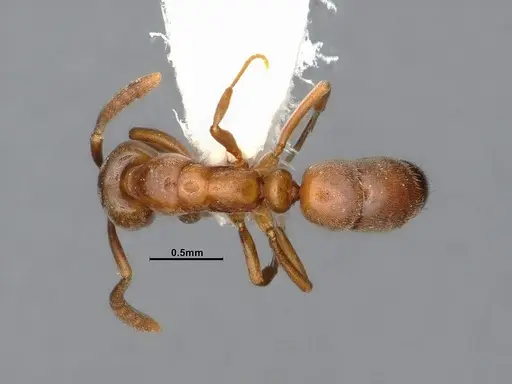
CASENT4031634
View on AntWeb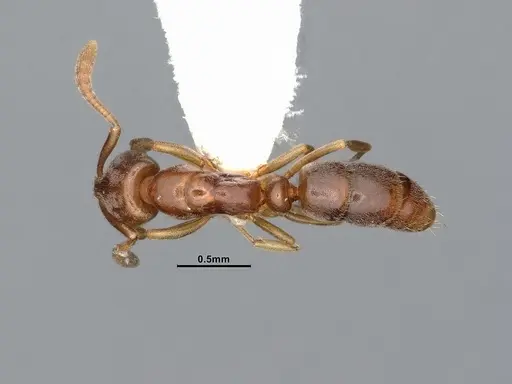
CASENT4031635
View on AntWeb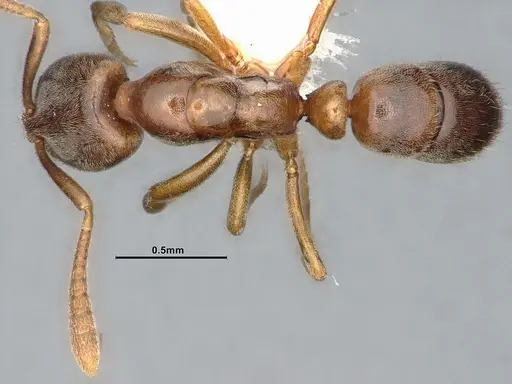
CASENT4032218
View on AntWeb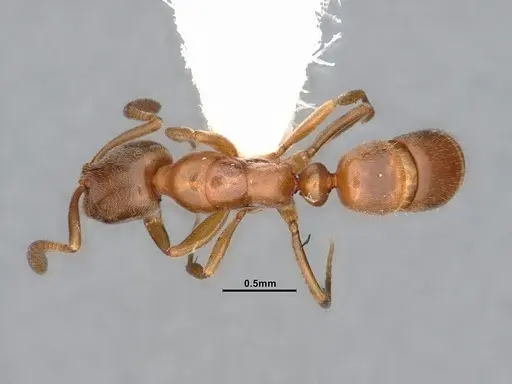
CASENT4032219
View on AntWeb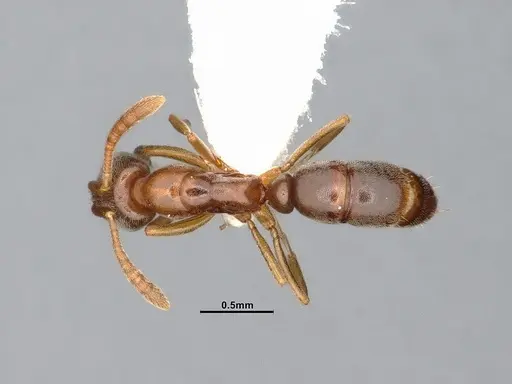
CASENT4032672
View on AntWeb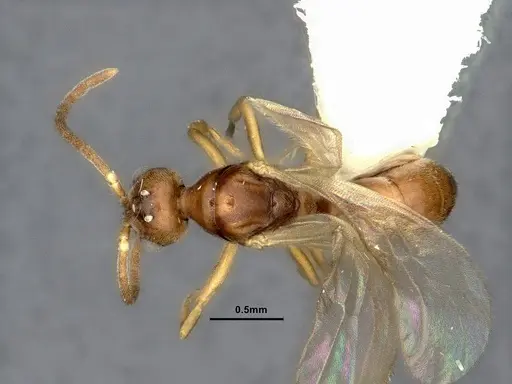
FMNHINS0000088659
View on AntWeb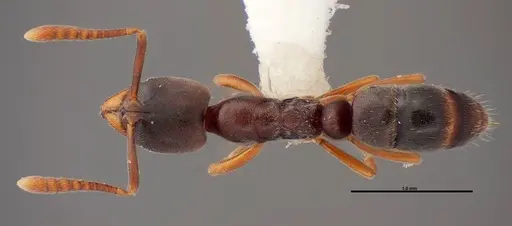
MHNGENTO00094328
View on AntWeb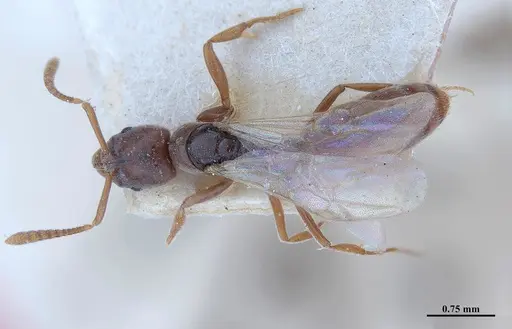
MHNGENTO00094330
View on AntWeb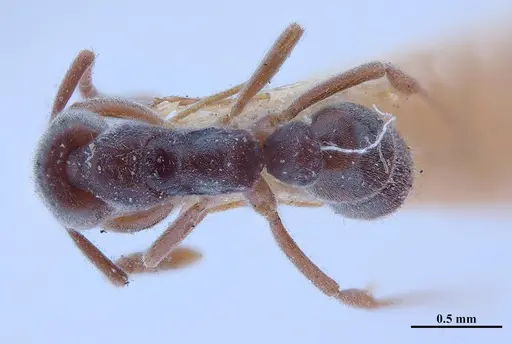
MHNGENTO00094331
View on AntWeb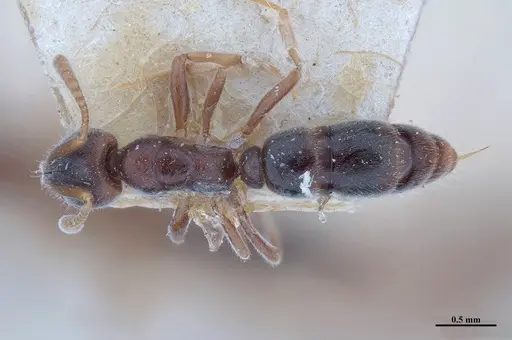
MHNGENTO00094333
View on AntWeb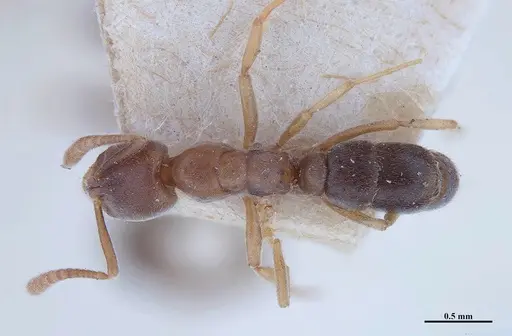
MHNGENTO00094334
View on AntWeb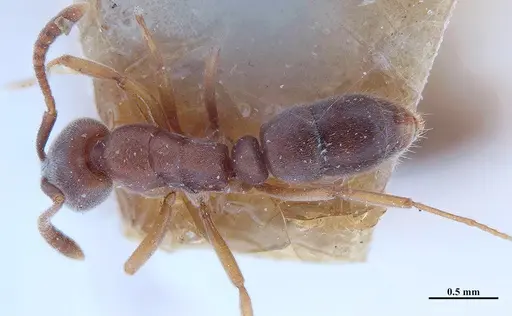
Literature
Loading distribution map...Loading products...