
Hypoponera occidentalis
- Sci. Name
- Hypoponera occidentalis
- Tribe
- Ponerini
- Subfamily
- Ponerinae
- Author
- Bernard, 1953
- Distribution
- Found in 6 countries
Introduction
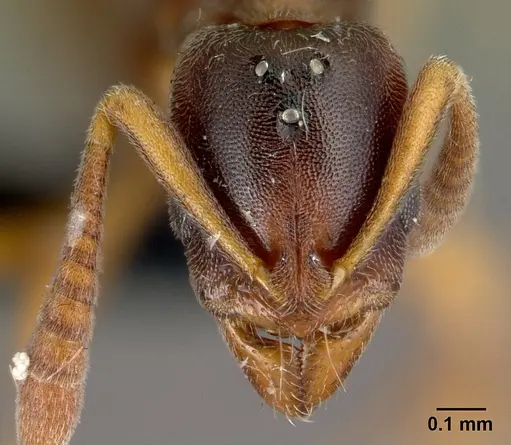
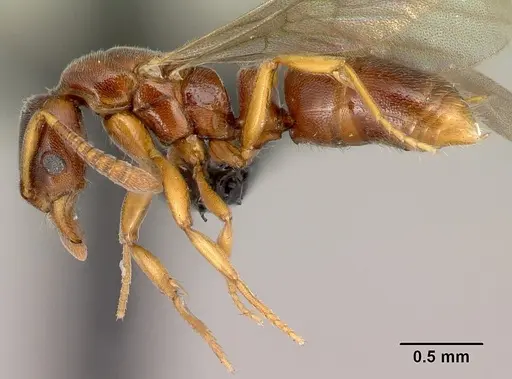
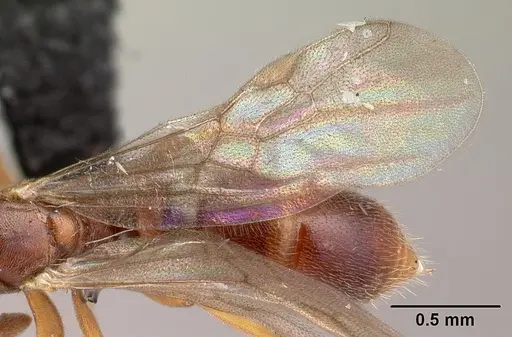
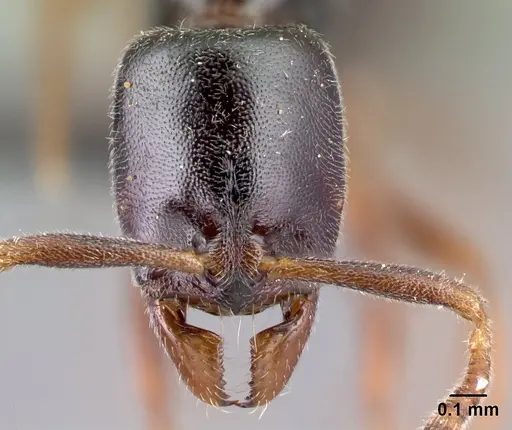
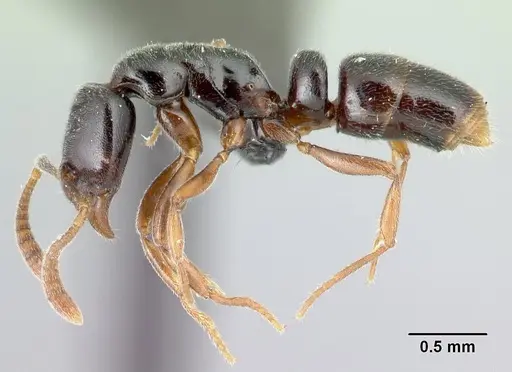
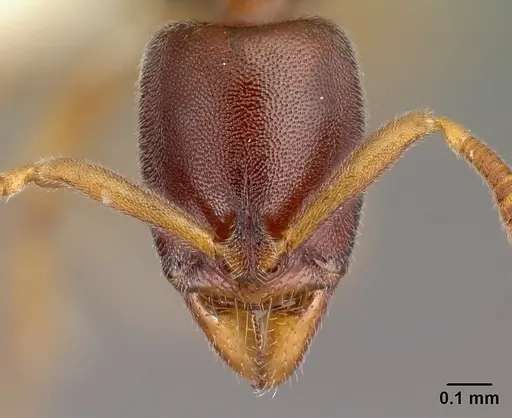
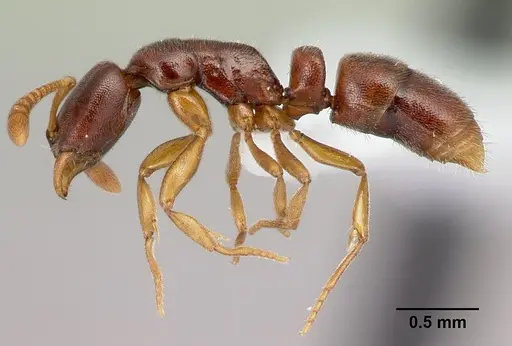
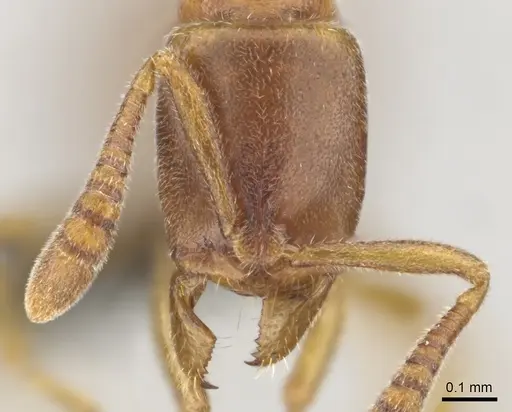
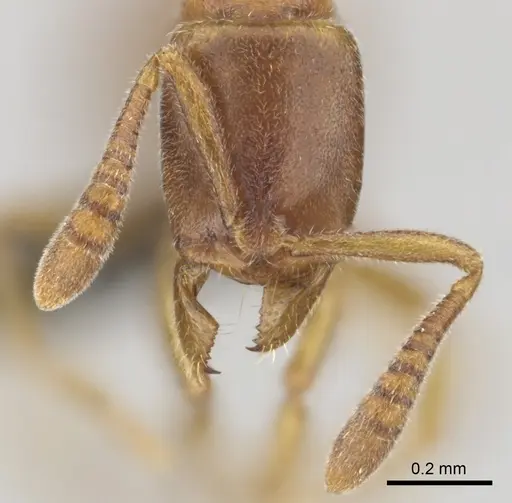
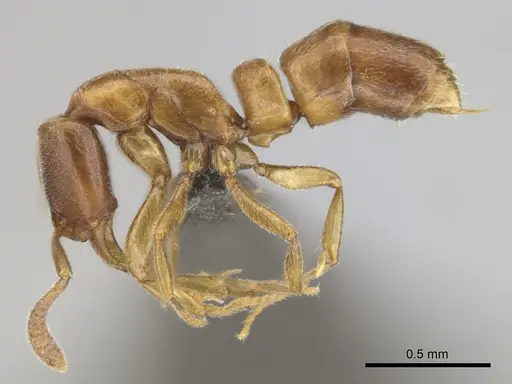
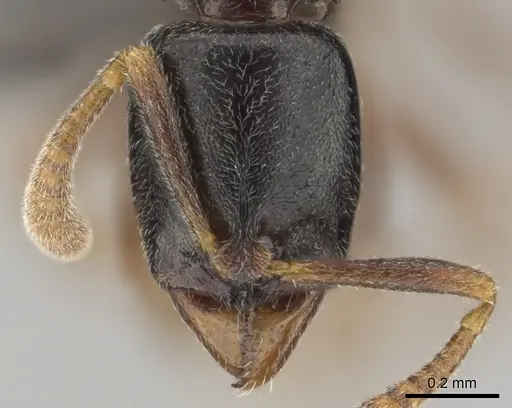
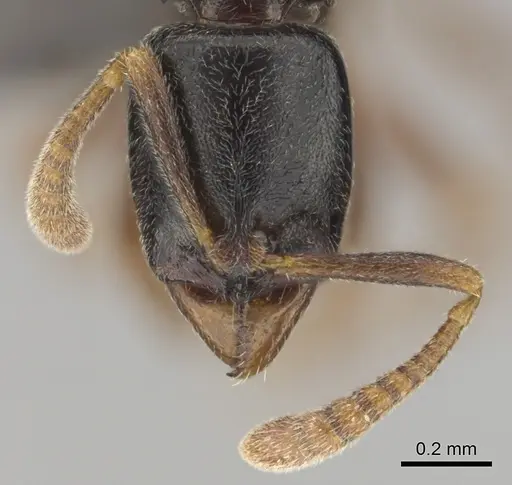
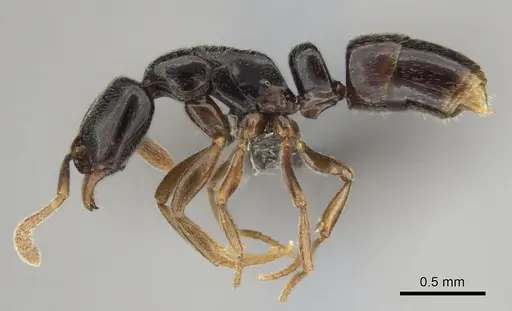
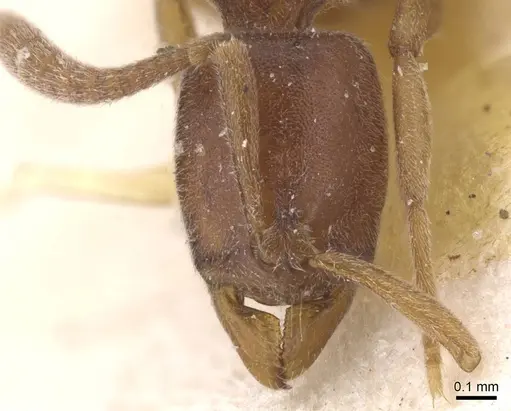
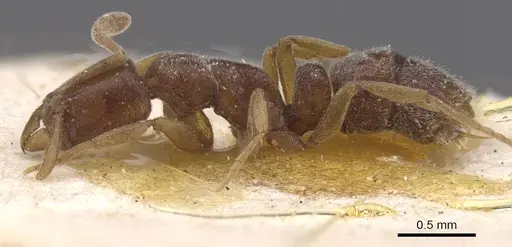
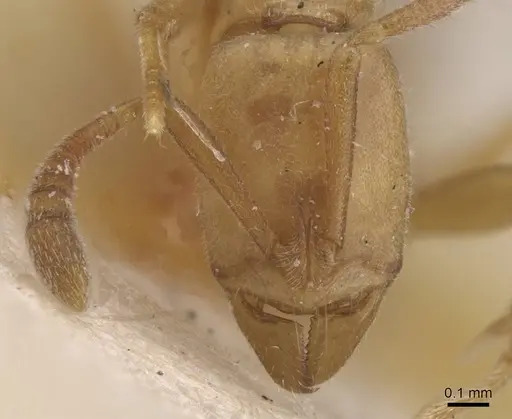
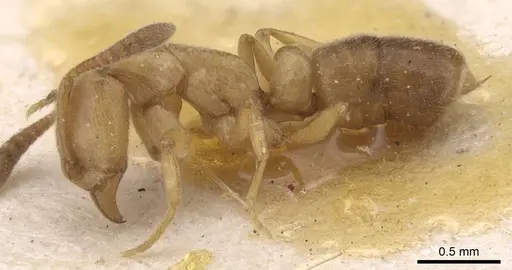
Hypoponera occidentalis is a small predatory ant native to the forests of West and Central Africa. Workers measure approximately 3-4mm in total length and have a distinctive appearance with a smooth, glossy mesosoma and variable eye development - some workers have no eyes while others have just 1-4 tiny eye spots. They belong to the Ponerinae subfamily, meaning they possess a functional stinger. These ants are part of the Hypoponera abeillei species group and are identified by their glossy abdominal segments and the absence of a metanotal groove on the mesosoma . In the wild, these ants live in forest habitats where they nest in ground litter, under objects on the forest floor, and in rotting wood. They are general predators, hunting small invertebrates in the leaf litter layer. This species has been recorded across a wide range in Africa from Guinea to Kenya and down to Zimbabwe, making it one of the more widespread Hypoponera species in the region .
Quick Summary
- Difficulty: Medium
- Origin & Habitat: West and Central African forests, found in Guinea, Ivory Coast, Ghana, Cameroon, Gabon, Equatorial Guinea, Central African Republic, Kenya, Tanzania, Rwanda, Uganda, and Zimbabwe. They live in ground litter, under objects, and in rotting wood [1][2][3].
- Colony Type: Likely single-queen colonies based on typical genus patterns, though queens remain undescribed. Ergatoid (wingless) replacement reproductives may exist given the genus-level pattern of unusual reproductive strategies including combative ergoid males [2].
- Size & Growth:
- Queen: Undescribed, approximately 5-6mm inferred from related species
- Worker: Approximately 3-4mm total length, inferred from genus measurements [1]
- Colony: Likely small colonies, estimated up to 200 workers based on typical Ponerine colony sizes
- Growth: Moderate, estimated 6-10 weeks from egg to worker based on related Ponerine species
- Development: 6-10 weeks (estimated based on genus-level data for Ponerinae) (Development time is estimated as no direct study exists for this species. Ponerine ants typically develop slower than more advanced ant subfamilies.)
- Antkeeping:
- Temperature: Aim for 22-26°C, these are forest-dwelling ants from a tropical to subtropical region. A gentle gradient allowing workers to self-regulate is ideal. Avoid temperatures below 18°C or above 30°C.
- Humidity: Keep substrate moderately moist but not waterlogged. Forest floor conditions mean they prefer damp environments with good ventilation to prevent mold. Provide a moisture gradient with a damp section and a slightly drier area.
- Diapause: Unknown, African forest ants may not require true hibernation but may show reduced activity during cooler/drier seasons. Monitor colony behavior and reduce feeding if workers become less active.
- Nesting: They naturally nest in ground litter, under objects, and in rotting wood. In captivity, a naturalistic setup with substrate (soil/perlite mix), small chambers, or a Y-tong/plaster nest with moisture retention works well. They prefer tight, enclosed spaces over open areas.
- Behavior: Hypoponera are cryptic, slow-moving predators that forage individually through leaf litter. They are not aggressive toward humans but possess a functional stinger capable of delivering a mild sting. Workers are small and can escape through tiny gaps, excellent escape prevention is essential. They are shy and reclusive, spending most of their time hidden in the nest or foraging in concealed areas. Activity levels are moderate, with workers primarily hunting at night or in dim conditions.
- Common Issues: escape prevention is critical, their small size means they can squeeze through standard mesh barriers, slow colony growth can frustrate beginners who overfeed or disturb the nest too often, predatory diet requirements mean they need consistent live prey, they cannot survive on sugar alone, wild-caught colonies may carry parasites that can devastate captive colonies, overheating or drying out quickly kills these humidity-dependent ants
Housing and Nest Setup
Hypoponera occidentalis requires a setup that mimics their natural forest floor habitat. A naturalistic terrarium with a substrate layer of soil mixed with perlite or coco fiber works well, aim for a depth of 3-5 inches to allow for burrowing. The substrate should stay consistently moist but never waterlogged. Add pieces of rotting wood, leaves, and small stones to provide hiding spots and foraging surfaces. Alternatively, a Y-tong nest with narrow chambers and a separate outworld works, but ensure the nest chambers retain moisture well. Regardless of setup, you must use excellent escape prevention, these tiny ants can slip through standard mesh. Use fine mesh or apply fluon to barrier edges. A small outworld connected to the nest allows for feeding without disturbing the colony. [1][3]
Feeding and Diet
As predators, Hypoponera occidentalis requires a protein-based diet of small live invertebrates. They are generalist predators that hunt springtails, booklice, tiny beetles, and other micro-arthropods in the wild. In captivity, offer small live prey such as fruit flies, pinhead crickets, small mealworms, and most importantly, live springtails or isopods. They are unlikely to accept sugar water or honey as a primary food source, while some Ponerines will take nectar, this species appears to be an obligate predator. Feed small prey items every 2-3 days, removing any uneaten prey after 24 hours to prevent mold. A well-fed colony will have workers with distended abdomens, appearing glossy and plump. [2]
Temperature and Humidity
Keep your colony at 22-26°C, ideally around 24°C. These are Afrotropical forest ants, so they prefer warmth but not extreme heat. Avoid temperatures above 30°C as this can kill the colony. A heating cable on one side of the nest can create a temperature gradient, but never place heat directly on the nest, gentle warmth from below is safer. Humidity is critical: maintain substrate moisture so it feels damp but not soggy. Mist the setup occasionally, but rely on a water reservoir or moisture wicking system for consistent humidity. Good ventilation is essential to prevent mold while maintaining humidity, stagnant, overly moist air causes fungal problems that can wipe out a colony.
Behavior and Temperament
Hypoponera ants are cryptic and secretive by nature. Workers move slowly and deliberately, often foraging at night or under cover of debris. They are not aggressive and will flee rather than engage when threatened, but they do possess a functional stinger. The sting is mild due to the ant's small size, most keepers report little to no pain, though sensitive individuals may experience irritation. Colonies are quiet and unobtrusive, making them interesting observation subjects for patient keepers. Workers may show variable eye development, some individuals in a colony may have tiny eyes while others appear eyeless. This is normal for the genus and not a sign of health problems. The colony will establish a central nest area with chambers for the queen, brood, and food storage, with workers venturing out to hunt. [1]
Colony Growth and Development
Expect slow but steady growth from your colony. A newly mated queen will found her colony alone, sealing herself in a chamber. She will lay a small batch of eggs and tend to them until the first workers emerge. The first workers will be smaller than mature workers but will immediately begin hunting to support the colony. Growth rate is moderate, expect 6-10 weeks from egg to worker at optimal temperature. Colonies likely remain small, probably under 200 workers in captivity. The key to successful colony development is consistent, appropriate feeding and stable environmental conditions. Disturb the nest as little as possible once the colony is established.
Frequently Asked Questions
How long does it take for Hypoponera occidentalis to produce first workers?
Expect 6-10 weeks from egg to first worker at optimal temperature (around 24°C). This is an estimate based on related Ponerine species, as no specific development data exists for this species.
What do Hypoponera occidentalis ants eat?
They are obligate predators that need live invertebrate prey. Feed them small live prey like springtails, fruit flies, tiny beetles, and pinhead crickets. They are unlikely to accept sugar water or honey as a food source.
Do Hypoponera occidentalis ants sting?
Yes, they possess a functional stinger as members of the Ponerinae subfamily. However, due to their small size, the sting is typically mild and most keepers report minimal discomfort.
Are Hypoponera occidentalis good for beginners?
They are rated as medium difficulty. While not the easiest ant to keep, they are less demanding than some Ponerines. The main challenges are their escape-prone small size, predatory diet requirements, and need for stable humidity. Experienced antkeepers generally have better success with this species.
How big do Hypoponera occidentalis colonies get?
Colonies likely remain small, probably under 200 workers in captivity. This is typical for Ponerine ants, which tend to have smaller colony sizes than more advanced ant families.
What temperature do Hypoponera occidentalis need?
Keep them at 22-26°C, with 24°C being ideal. Avoid temperatures below 18°C or above 30°C. A gentle temperature gradient allows workers to self-regulate their body temperature.
Do Hypoponera occidentalis need hibernation?
Hibernation requirements are unknown for this species. As African forest ants, they likely do not require a true hibernation period, but may show reduced activity during cooler seasons. Monitor your colony and reduce feeding if activity decreases.
Can I keep multiple Hypoponera occidentalis queens together?
This has not been documented. Based on typical genus patterns, they are likely single-queen colonies. Combining unrelated queens is not recommended without evidence they can coexist.
Why are my Hypoponera occidentalis dying?
Common causes include: escape through tiny gaps (use fine mesh), drying out (maintain humidity), overheating, mold from poor ventilation, or starvation (they need live prey). Wild-caught colonies may also carry parasites. Review each of these factors and adjust husbandry accordingly.
When should I move Hypoponera occidentalis to a formicarium?
Wait until the colony has at least 20-30 workers and is actively foraging in an outworld. Moving a colony too early can cause stress and abandonment of brood. A naturalistic setup often works better than a traditional formicarium for this species.
Report an Issue
The current care sheet is based fully on literature. See inconsistencies, or something that's incorrect? Please , it will be resolved after review from an admin. Contributing to the blogs tab also helps providing information, to make us be able to further improve the caresheets. Thank you for your support!
References

This caresheet is licensed under CC BY-SA 4.0 .
Community Blogs
CASENT0088692
View on AntWeb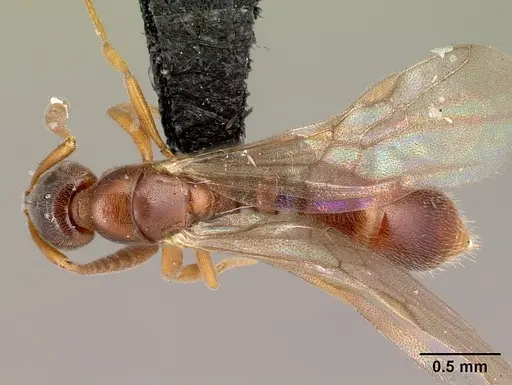
CASENT0192381
View on AntWeb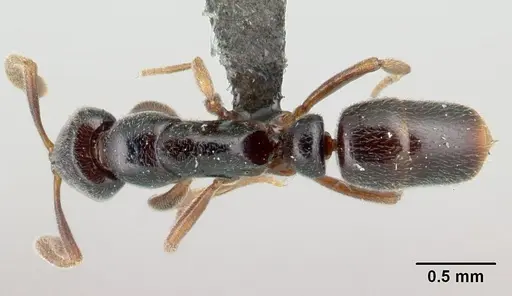
CASENT0218493
View on AntWeb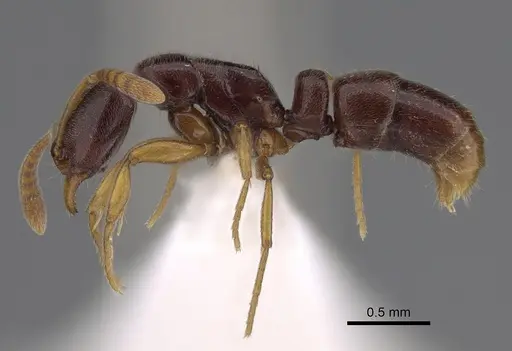
CASENT0218494
View on AntWeb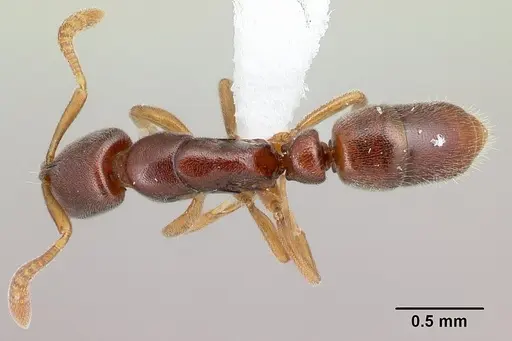
CASENT0250704
View on AntWeb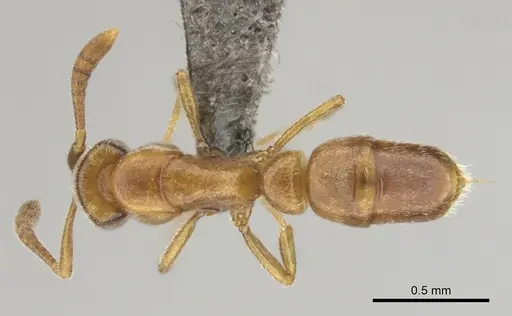
CASENT0250744
View on AntWeb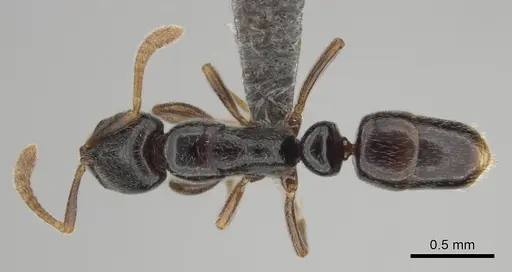
CASENT0915484
View on AntWeb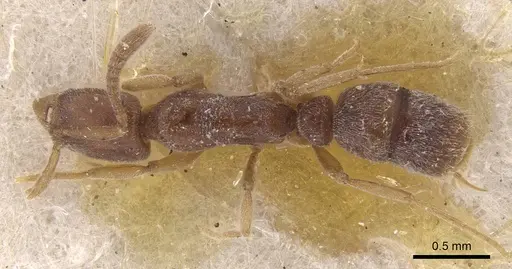
CASENT0915485
View on AntWeb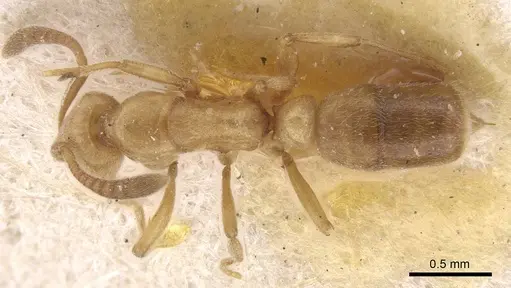
Literature
Loading distribution map...Loading products...