
Hypoponera leveillei
- Sci. Name
- Hypoponera leveillei
- Tribe
- Ponerini
- Subfamily
- Ponerinae
- Author
- Emery, 1890
- Incertae Sedis
- Incertae Sedis in Genus
- Distribution
- Found in 1 countries
Introduction
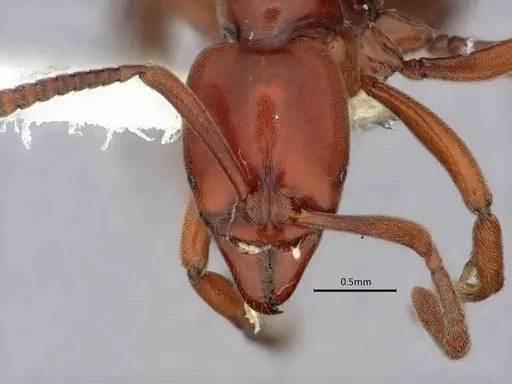
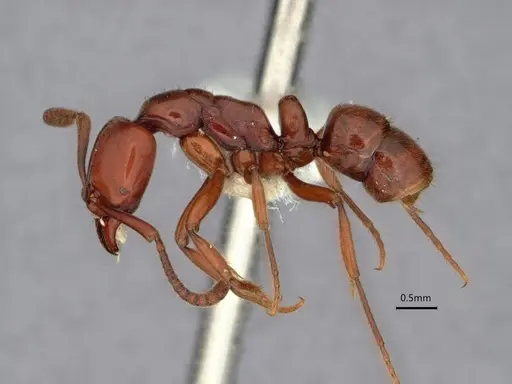
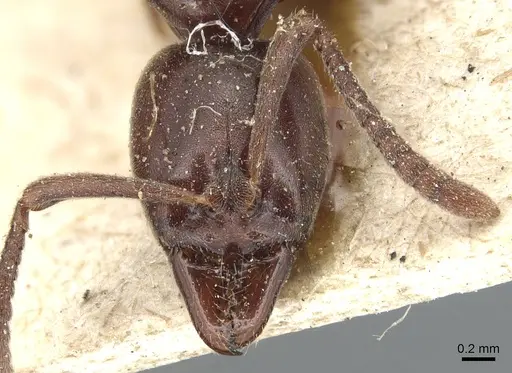
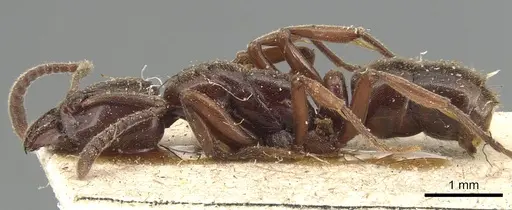
Hypoponera leveillei is a small ant species originally described from Venezuela. Workers are brownish-ferruginous (rusty brown) in color, measuring around 6mm in total length, making them a relatively large species within the genus . The head is slightly longer than wide with arcuate sides, and the body is covered with fine punctures and sparse short hairs. Eyes are small, and the antennae have flagellar articles that are about as long as they are wide. The abdomen is shiny with denser punctation than the thorax. This species was originally collected from Colonie Tovar in Venezuela, representing the northern part of South America. As a member of the Ponerinae subfamily, this ant has a functional stinger [Defense Mechanism].
Quick Summary
- Difficulty: Unknown, likely Advanced
- Origin & Habitat: Venezuela (Colonie Tovar). Based on typical Hypoponera habitat preferences, they likely inhabit forest floor environments in tropical regions.
- Colony Type: Unconfirmed colony structure. Many Hypoponera species are known to have ergatoid (wingless) replacement queens, but this is not confirmed for H. leveillei specifically.
- Size & Growth:
- Queen: Unknown, estimated 6-7mm based on worker size and genus patterns
- Worker: 6mm [1]
- Colony: Unknown, likely up to several hundred workers based on genus patterns
- Growth: Unknown, likely moderate based on typical genus development
- Development: Unknown, estimated 6-10 weeks based on related genus patterns (No specific development data available for this species. Estimates based on typical Hypoponera and Ponerinae development patterns.)
- Antkeeping:
- Temperature: Likely 22-26°C based on tropical Venezuelan origin and typical Hypoponera preferences. Provide a temperature gradient allowing workers to self-select.
- Humidity: Likely 60-80%, prefer humid forest floor conditions. Keep substrate consistently moist but not waterlogged.
- Diapause: Unlikely, being from tropical Venezuela, they probably do not require a true hibernation period. May have reduced activity during dry seasons.
- Nesting: In nature, Hypoponera species typically nest in soil, under stones, or in rotting wood in forest floor habitats. In captivity, a moist test tube setup or a naturalistic plaster nest works well.
- Behavior: Hypoponera leveillei is a predatory ant species, as typical of the genus. Workers are likely to be slow-moving and forage individually on the forest floor, hunting small invertebrates. They have a functional stinger and will use it if threatened, though they are not aggressive colony defenders. Their small eyes suggest they rely more on chemical cues than visual hunting. Escape risk is moderate given their 6mm size, standard barrier methods should suffice.
- Common Issues: lack of captive care information makes proper husbandry challenging, specific dietary requirements are unknown, may require live prey, wild-caught colonies may have parasites that affect survival in captivity, slow colony growth may lead to keeper impatience and overfeeding, humidity control is critical, too dry causes colony decline
Species Background and Identification
Hypoponera leveillei was originally described by Carlo Emery in 1890 from a single worker specimen collected in Venezuela. The species name honors the collector, M. Levaillei. The original description notes the worker is brownish-ferruginous (rusty brown) in color, measuring exactly 6mm in total length. The body has a distinctive fine punctation pattern, with the head being less shiny than the thorax and abdomen. The mandibles are smooth with minute punctures, and the clypeus has a distinct keel. These ants are relatively large for the genus, which typically contains smaller species. The maximum recorded length for the genus is up to 6.5mm [2].
Natural History and Habitat
This species is known only from its original collection in Venezuela, specifically from Colonie Tovar. As a tropical ant species from northern South America, they likely inhabit the forest floor layer in humid tropical environments. Hypoponera species are typically predators, hunting small invertebrates and other soil-dwelling arthropods. They are not known to be aggressive or to form large supercolonies. The original description notes the species has small eyes, suggesting they rely more on chemical pheromone trails than visual cues for foraging and navigation. [1]
Housing and Nesting Preferences
In captivity, Hypoponera leveillei should be provided with a moist nesting environment that mimics their natural forest floor habitat. A well-humidified test tube setup works well for founding colonies, while established colonies can be moved to a naturalistic setup with moist substrate or a plaster formicarium. The nest should have chambers narrow enough that the ants feel secure, but spacious enough for colony expansion. Provide a water source via moist cotton or a small water tube. Since this is a relatively large Hypoponera species at 6mm, they can be housed in standard formicarium setups without needing the ultra-fine mesh escape prevention required for tiny species.
Feeding and Diet
As predatory ants, Hypoponera leveillei likely requires live invertebrate prey for optimal health. Based on genus patterns, they probably accept small insects like fruit flies, pinhead crickets, mealworms, and other appropriately-sized arthropods. The exact prey preferences for this specific species are unknown, so offering a variety of small live prey is recommended. Sugar sources like honey or sugar water may be accepted but should not be the primary food source. Feed every 2-3 days, adjusting based on colony size and consumption rates. Remove uneaten prey to prevent mold issues.
Temperature and Seasonal Care
Being from tropical Venezuela, Hypoponera leveillei likely requires warm temperatures in the range of 22-26°C. A temperature gradient within the nest allows workers to self-regulate their body temperature. Since Venezuela has a tropical climate with relatively stable temperatures year-round, these ants probably do not require a true hibernation period. However, they may show reduced activity during dry seasons in their natural habitat. In captivity, maintain consistent warmth and humidity year-round. Avoid temperatures below 18°C for extended periods.
Colony Development and Growth
The colony development timeline for Hypoponera leveillei is not documented in scientific literature. Based on typical Hypoponera and broader Ponerinae ant development patterns, the time from egg to first worker (nanitics) is estimated at 6-10 weeks under optimal conditions. The first workers will likely be smaller than mature workers. Colonies probably grow slowly compared to faster-breeding Myrmicinae ants. The maximum colony size is unknown but likely reaches several hundred workers based on typical genus patterns. Patience is essential, as Ponerine ants typically develop more slowly than many commonly kept ant species.
Frequently Asked Questions
How long does it take for Hypoponera leveillei to produce first workers?
The exact timeline is unknown, but based on typical Hypoponera development patterns, expect 6-10 weeks from egg to first worker at optimal temperature. Ponerine ants generally develop more slowly than Myrmicinae species.
What do Hypoponera leveillei ants eat?
They are predatory ants that likely require live invertebrate prey. Based on genus patterns, they probably accept small insects like fruit flies, small crickets, and mealworms. Sugar sources may be accepted but should not be the primary food.
What temperature should I keep Hypoponera leveillei at?
Based on their tropical Venezuelan origin, aim for 22-26°C. Provide a temperature gradient so workers can self-select their preferred temperature. Avoid temperatures below 18°C.
Do Hypoponera leveillei need hibernation?
Probably not. Being from tropical Venezuela, they likely do not require a true hibernation period. Maintain warm, stable conditions year-round.
How big do Hypoponera leveillei colonies get?
The maximum colony size is unknown for this specific species. Based on typical genus patterns, colonies likely reach several hundred workers.
Is Hypoponera leveillei good for beginners?
This species is not recommended for beginners due to the lack of captive care information and potentially specialized dietary requirements. Advanced antkeepers interested in rare species may have better success.
Can I keep multiple queens together?
The colony structure of this species is unconfirmed. Many Hypoponera species have ergatoid (wingless) replacement queens, but this does not mean multiple unrelated queens can found a colony together. Combining unrelated foundress queens is not recommended without evidence they can cooperate.
What humidity level do Hypoponera leveillei need?
Based on typical Hypoponera habitat preferences, aim for 60-80% humidity. Keep the nest substrate consistently moist but not waterlogged. These forest floor ants prefer humid conditions.
When should I move Hypoponera leveillei to a formicarium?
Wait until the colony has at least 20-30 workers and the test tube setup becomes crowded. Hypoponera prefer secure, humid environments, ensure the formicarium maintains adequate moisture.
Report an Issue
The current care sheet is based fully on literature. See inconsistencies, or something that's incorrect? Please , it will be resolved after review from an admin. Contributing to the blogs tab also helps providing information, to make us be able to further improve the caresheets. Thank you for your support!
References

This caresheet is licensed under CC BY-SA 4.0 .
Community Blogs
CASENT0882075
View on AntWeb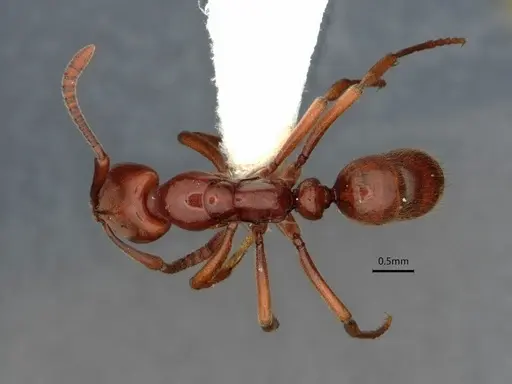
CASENT0903935
View on AntWeb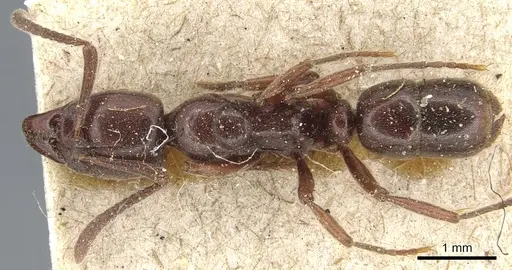
Literature
Loading distribution map...Loading products...