
Hypoponera javana
- Sci. Name
- Hypoponera javana
- Tribe
- Ponerini
- Subfamily
- Ponerinae
- Author
- Forel, 1905
- Distribution
- Found in 0 countries
Introduction
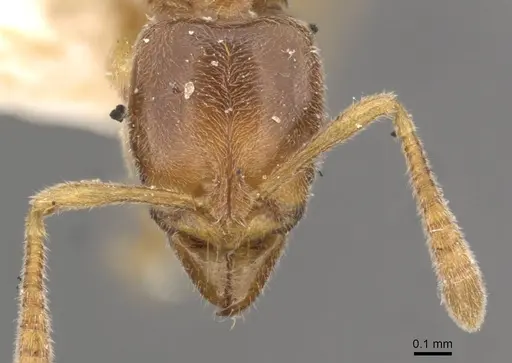
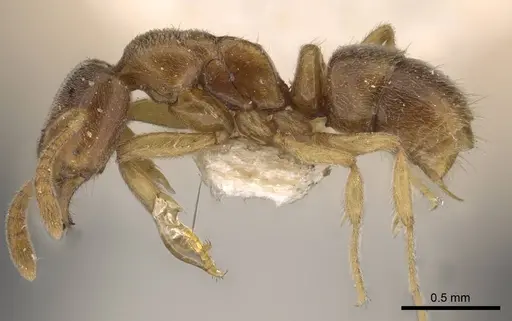
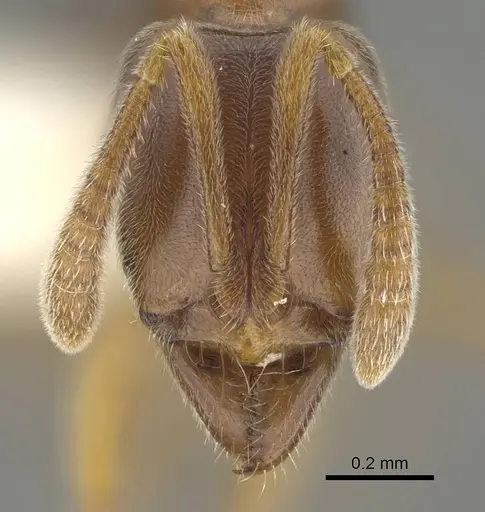
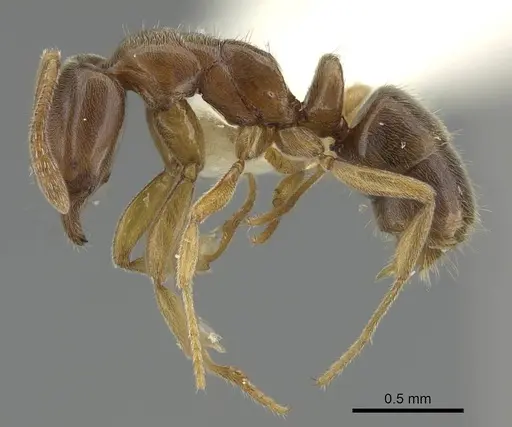
Hypoponera javana is a small ponerine ant native to Southeast Asia, found across the Indomalaya region including Borneo, Indonesia, Malaysia, the Philippines, and Singapore . Workers are small, approximately 2.5-3mm (inferred from genus patterns), with a distinctive appearance featuring a wide head that narrows slightly toward the front, antennal scapes that reach the posterior head margin, and a relatively short propodeum . These ants inhabit leaf litter and upper soil layers in mature secondary forests, making them a cryptic ground-dwelling species . Originally described as a subspecies of Hypoponera confinis, this species was elevated to full species status in 2022 based on morphological differences in head shape, antennal length, petiole structure, and propodeal proportions .
Quick Summary
- Difficulty: Medium
- Origin & Habitat: Southeast Asia, found in Borneo, Indonesia, Krakatau Islands, Malaysia, Philippines, and Singapore. Inhabits leaf litter and upper soil substrate in mature secondary forests [2].
- Colony Type: Likely monogyne (single queen colonies) based on typical Hypoponera patterns. Founding behavior is unconfirmed.
- Size & Growth:
- Queen: Approximately 4-5mm (estimated based on genus patterns)
- Worker: Approximately 2.5-3mm (inferred from genus patterns)
- Colony: Likely small colonies of several dozen to a few hundred workers (estimated from genus patterns)
- Growth: Moderate, typical for small ponerine ants
- Development: Estimated 6-10 weeks based on related Ponerinae species (Development time is estimated from genus-level data, specific timing for this species has not been documented)
- Antkeeping:
- Temperature: Keep warm and stable, roughly 22-26°C (tropical forest floor conditions). A gentle temperature gradient allows the ants to regulate their exposure.
- Humidity: High humidity required, these ants naturally live in leaf litter and soil. Keep the nest substrate consistently moist but not waterlogged. Provide a water tube for drinking access.
- Diapause: Unlikely to require true hibernation given their tropical distribution. Minor temperature reductions during cooler months are natural but not mandatory.
- Nesting: Naturalistic setups work well, they prefer soil-based nests with access to leaf litter material. Y-tong or plaster nests with moist substrate are suitable. Provide moderate to high humidity and darkness.
- Behavior: Generally calm and non-aggressive. Like other Hypoponera, they are predatory and hunt small invertebrates. Workers can deliver a mild sting if threatened, but they rarely do so. They are ground-dwelling and prefer dark, humid environments. Escape prevention is critical due to their small size, they can squeeze through very small gaps.
- Common Issues: small size makes escape prevention critical, use fine mesh and tight-fitting lids, high humidity needs can lead to mold if ventilation is poor, predatory diet requires live prey, they may not accept dead food readily, slow colony growth can frustrate beginners who overfeed or disturb the nest, wild-caught colonies may contain parasites that cause colony failure
Nest Preferences and Housing
Hypoponera javana naturally nests in leaf litter and upper soil layers of mature secondary forests [2]. In captivity, they do best in naturalistic setups with moist soil-based substrate. Y-tong or plaster nests work well, provided the substrate is kept consistently damp. They prefer dark, humid environments and will often occupy the lower, more concealed chambers of a nest. Avoid dry conditions entirely, these forest floor ants quickly decline in dry setups. A water tube should always be available for drinking access, as they regularly need moisture.
Feeding and Diet
Like other Ponerinae ants, Hypoponera javana is predatory and hunts small invertebrates. In captivity, offer small live prey such as fruit flies, springtails, small mealworms, and other micro-arthropods. They are likely specialized predators on tiny soil invertebrates, so live food is important, they may not readily accept dead prey. Sugar sources are not typically important for this genus, though occasional honey or sugar water may be accepted. Feed every 2-3 days with small amounts of live prey, adjusting based on colony size and consumption rate. Remove uneaten prey to prevent mold.
Temperature and Seasonal Care
As a tropical species from Southeast Asia, Hypoponera javana requires warm conditions year-round. Maintain temperatures between 22-26°C, with a slight gradient allowing workers to choose their preferred zone. Room temperature within this range is typically suitable. Unlike temperate species, they do not require a true hibernation period. However, slight temperature variations with seasonal changes are natural and can be mimicked by allowing minor cooling in winter months (no lower than around 20°C). Avoid temperature extremes and sudden fluctuations. Heating cables or mats can be used on one side of the nest to create a gentle gradient if room temperature runs cool.
Behavior and Temperament
Hypoponera javana workers are small but possess a functional stinger, though their sting is mild and rarely significant for keepers. They are not aggressive toward humans and will typically flee rather than attack when disturbed. Colonies are relatively calm and not particularly defensive. Workers are active foragers hunting through leaf litter and soil, using their keen senses to locate prey. They are ground-dwelling and rarely climb, so escape prevention focuses on sealing all openings rather than vertical barriers. Their small size means they can squeeze through remarkably small gaps, excellent escape prevention is essential.
Colony Founding
Founding behavior for Hypoponera javana has not been documented in the literature, but based on typical Hypoponera patterns, it is likely claustral. The queen would seal herself in a small chamber underground, living entirely on stored fat reserves while raising the first brood alone. Once the first workers (nanitics) emerge, they begin foraging to support continued colony growth. This process typically takes 6-10 weeks from egg to first worker in related species, though specific timing for H. javana is unknown. During founding, the queen requires complete darkness and stable humidity, avoid disturbing the founding chamber until workers have emerged.
Frequently Asked Questions
How long does it take for Hypoponera javana to produce first workers?
Based on related Ponerinae species, expect approximately 6-10 weeks from egg to first worker at optimal temperature (22-26°C). Specific development timing for this species has not been documented, so this is an estimate.
Can I keep Hypoponera javana in a test tube setup?
Yes, test tubes work well for founding colonies. Keep the tube humid and dark, with a water reservoir at one end. Transfer to a proper nest once the colony outgrows the tube.
What do Hypoponera javana eat?
They are predatory ants that hunt small invertebrates. Feed live prey such as fruit flies, springtails, small mealworms, and other tiny arthropods. Live food is important as they may not accept dead prey.
Are Hypoponera javana good for beginners?
They are rated as medium difficulty. Their high humidity requirements and need for live prey make them better suited for keepers with some experience. Beginners may struggle with their specific needs.
How big do Hypoponera javana colonies get?
Based on genus patterns, colonies likely reach several dozen to a few hundred workers. They are not among the largest ant species.
Do Hypoponera javana need hibernation?
No, as a tropical species they do not require true hibernation. Minor temperature reduction in winter months is appropriate but not mandatory.
Why are my Hypoponera javana dying?
Common causes include: too dry conditions (they need high humidity), lack of live prey, mold from poor ventilation, or escape/stress from excessive disturbance. Check humidity levels first.
Can I keep multiple queens together?
This has not been documented for this species. Based on typical Hypoponera behavior, single-queen colonies are most likely. Combining unrelated queens is not recommended.
When should I move Hypoponera javana to a formicarium?
Move from test tube to a proper nest when the colony shows signs of outgrowing the tube, such as when they start exploring beyond the tube or when the tube becomes crowded. A naturalistic or Y-tong setup with moist substrate works well.
Report an Issue
The current care sheet is based fully on literature. See inconsistencies, or something that's incorrect? Please , it will be resolved after review from an admin. Contributing to the blogs tab also helps providing information, to make us be able to further improve the caresheets. Thank you for your support!
References

This caresheet is licensed under CC BY-SA 4.0 .
Community Blogs
CASENT0907307
View on AntWeb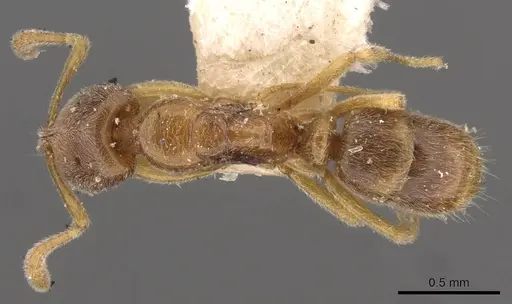
CASENT0919893
View on AntWeb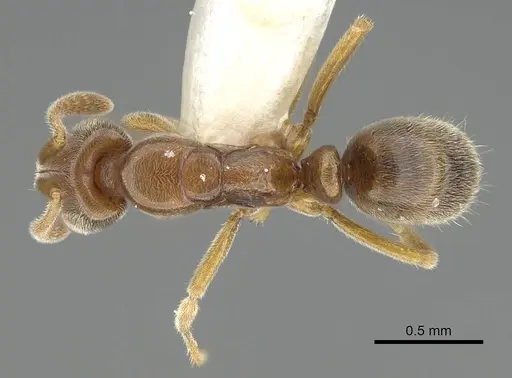
Literature
Loading distribution map...Loading products...