
Hypoponera indigens
- Sci. Name
- Hypoponera indigens
- Tribe
- Ponerini
- Subfamily
- Ponerinae
- Author
- Forel, 1895
- Distribution
- Found in 4 countries
Introduction
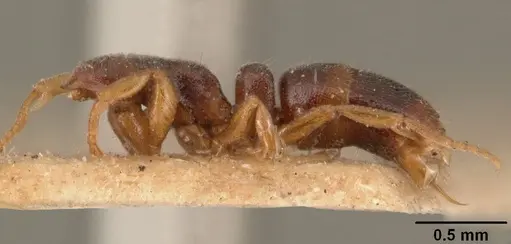
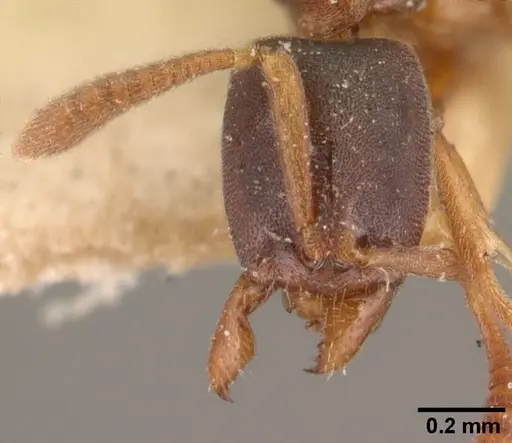
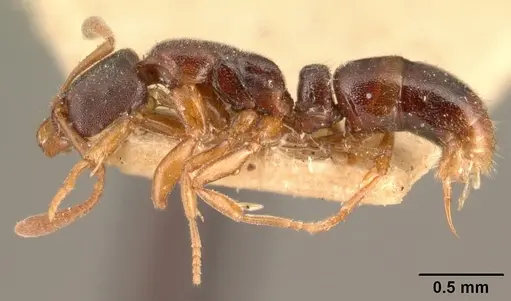
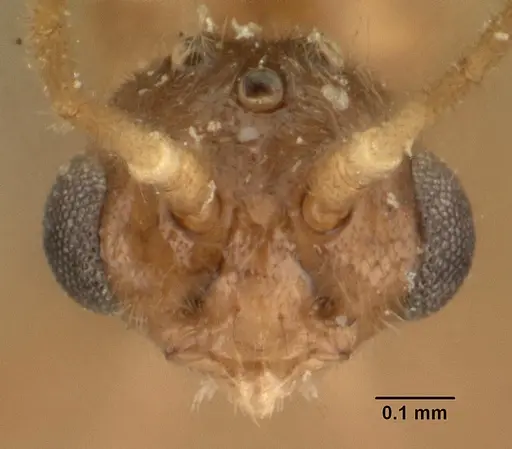
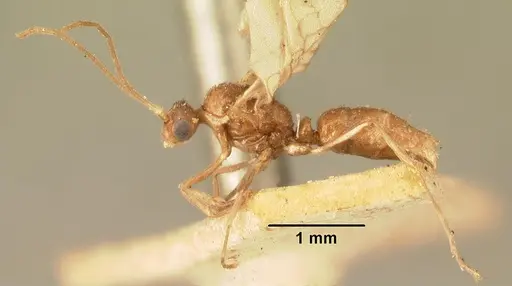
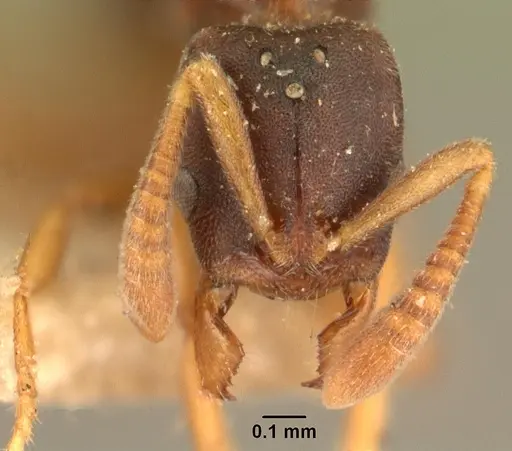
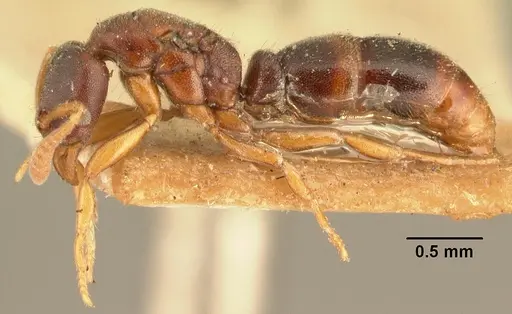
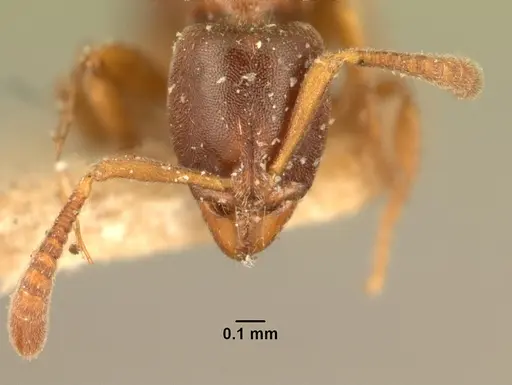
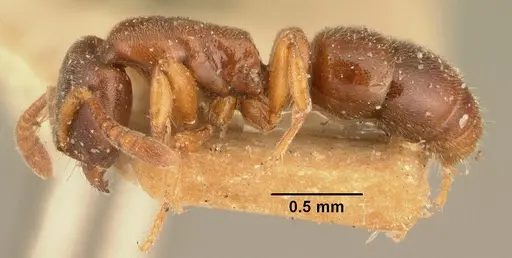
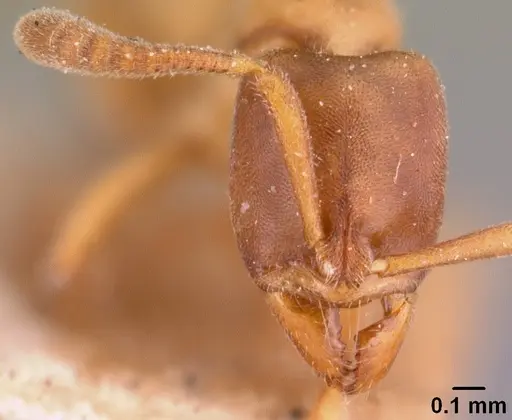
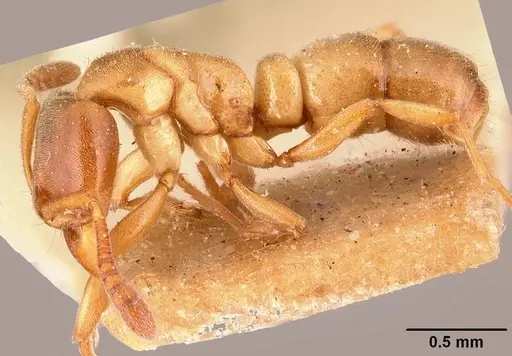
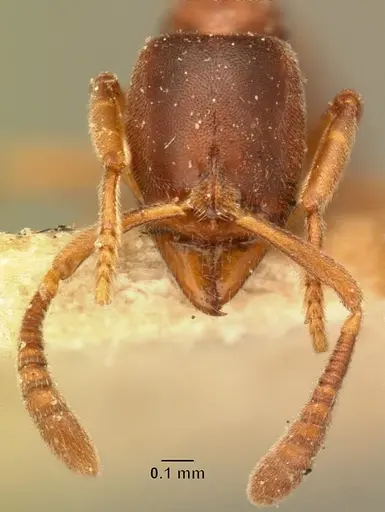
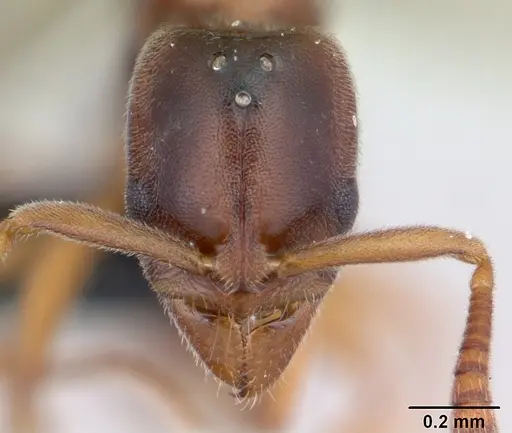
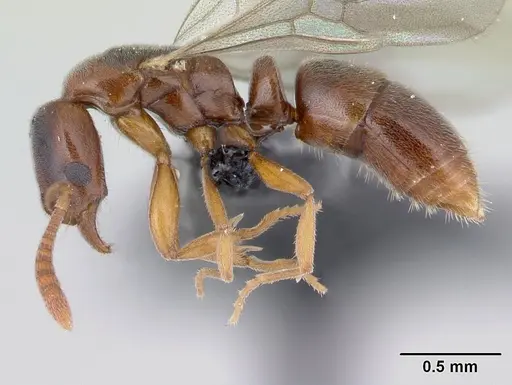
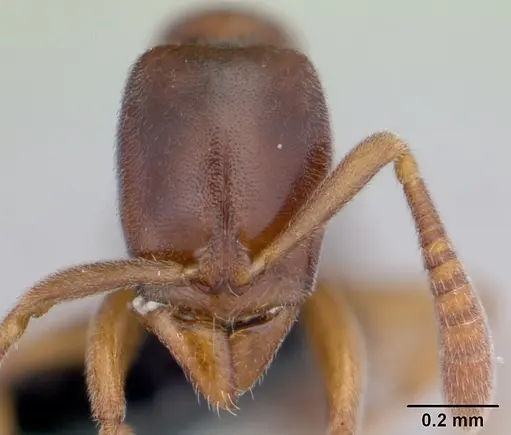
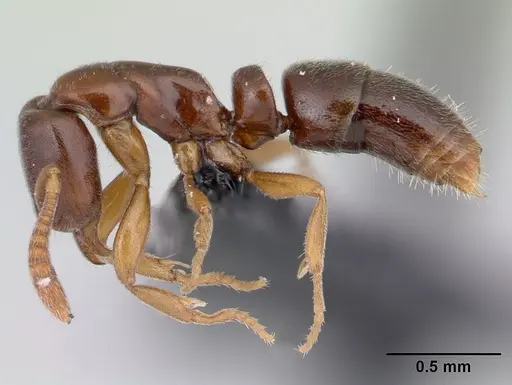
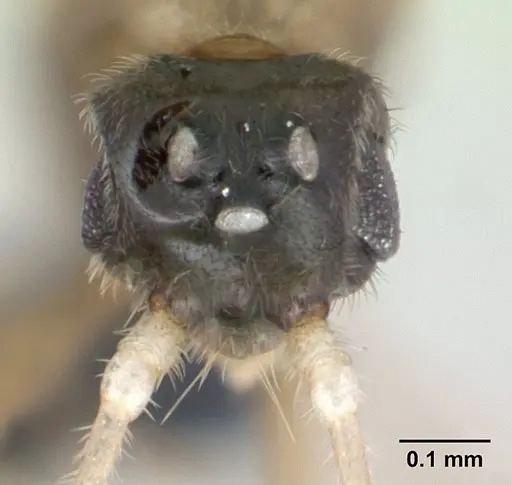
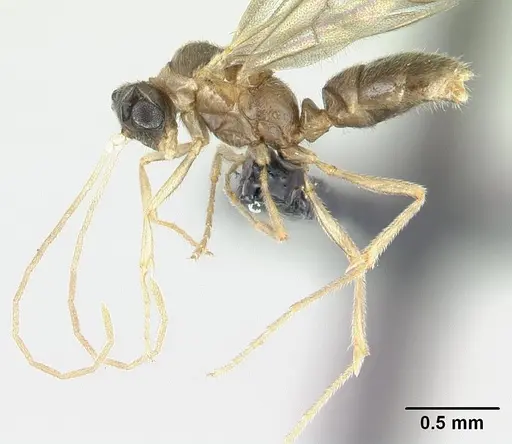
Hypoponera indigens is a small Ponerine ant species native to Madagascar and the Comoros islands. Workers are tiny with the typical dark coloration and slender build characteristic of the genus. As a Ponerine ant, they possess a functional stinger capable of delivering venom, though given their small size, the sting is rarely significant to humans. This species has been documented in dry deciduous forest habitats in western Madagascar, specifically in the Beanka Reserve region where they were found in forest leaf litter samples . The type locality is Moramanga in central Madagascar . Little is known about their specific colony structure or behavior in the wild, making them a challenging species for antkeepers interested in lesser-studied Malagasy ants.
Quick Summary
- Difficulty: Hard
- Origin & Habitat: Madagascar and Comoros islands, documented in dry deciduous forest and grassland habitats in the Beanka Reserve region of western Madagascar [1]. Type locality is Moramanga in central Madagascar [2].
- Colony Type: Colony structure is unconfirmed for this species.
- Size & Growth:
- Queen: size data unavailable, no specific measurements exist for this species
- Worker: size data unavailable, no specific measurements exist for this species
- Colony: size data unavailable
- Growth: Unknown
- Development: Unknown, no specific development data exists for this species (Development timeline is unstudied. Related tropical Ponerines may take several months at warm temperatures.)
- Antkeeping:
- Temperature: Keep at 24-28°C. As a tropical Madagascar species, they need warm conditions year-round.
- Humidity: Moderate to high humidity. Keep the nest substrate consistently moist but not waterlogged.
- Diapause: No, this is a tropical species that does not require hibernation. Keep temperatures stable year-round.
- Nesting: In captivity, they do well in test tube setups or small nests with moist substrate. Given their small size and leaf litter habitat, a naturalistic setup with damp soil and leaf litter works well.
- Behavior: Hypoponera ants are typically predatory, hunting small invertebrates in the leaf litter. Workers are secretive and often forage in dim conditions. They are not aggressive toward humans but will sting if handled roughly. Their small size means escape prevention is critical, they can squeeze through very small gaps.
- Common Issues: very limited species-specific information means care is largely based on genus inference, small size makes escape prevention challenging, use fine mesh barriers, predatory diet requires live prey which can be difficult to source consistently, tropical temperature requirements mean year-round heating is necessary, no specific development data makes colony growth unpredictable
Housing and Nest Setup
Hypoponera indigens is a small leaf-litter ant that does well in test tube setups or small nests. Because they are tiny, use test tubes with a narrow diameter to prevent workers from falling into the water reservoir. The nest area should be kept dark, these ants prefer dim conditions and will be more active in shaded areas. A small outworld connected to the nest allows for feeding. Given their small size, escape prevention is critical. Apply Fluon or similar barriers to all edges, and ensure any ventilation holes are covered with fine mesh.
Feeding and Diet
As a Ponerine ant, Hypoponera indigens is predatory and needs live small invertebrates. Offer small prey items like fruit flies, pinhead crickets, small mealworms, and micro-arthropods like springtails. Feed protein prey several times per week, removing any uneaten prey after 24 hours. Sugar sources are not typically important for Ponerine ants, they get their energy from prey. Some keepers report that Ponerines occasionally accept honey or sugar water, but this should be offered experimentally and not relied upon. Always ensure fresh water is available.
Temperature and Humidity
This Madagascar species requires warm, stable temperatures between 24-28°C year-round. Use a heating cable placed on top of the nest to maintain warmth. Create a thermal gradient so workers can choose their preferred temperature. For humidity, aim for moderate to high levels. Keep the nest substrate consistently moist but not saturated, the substrate should feel damp but not have standing water. Mist the nest occasionally, but allow it to dry slightly between mistings.
Colony Development and Growth
Expect slow and unpredictable colony growth, there is no specific development data for this species. Ponerine ants typically develop more slowly than many common species. Do not overfeed, Ponerine colonies are prone to mold problems from excess food. Keep the nest clean by removing dead prey and waste. Be patient, these ants are a long-term project rather than a species for keepers wanting rapid results.
Handling and Safety
Hypoponera ants have a functional stinger typical of Ponerine ants, though their small size means the sting is usually not significant to humans. Avoid handling the ants directly, use gentle tapping or blowing to encourage them into containers instead. If stung, wash the area with soap and water. Workers are not aggressive and will flee rather than attack when disturbed. However, they may sting if accidentally crushed or handled roughly. Keep the colony away from direct sunlight and vibrations, as this stresses the ants.
Frequently Asked Questions
How long does it take for Hypoponera indigens to produce first workers?
Unknown, no specific development data exists for this species. Related tropical Ponerines may take several months at optimal temperatures.
What do Hypoponera indigens eat?
They are predatory and need live small invertebrates. Feed fruit flies, tiny crickets, springtails, or small mealworms. Offer protein several times per week. Sugar sources may be accepted experimentally but are not required.
What temperature do Hypoponera indigens need?
Keep them warm at 24-28°C year-round. This tropical Madagascar species does not tolerate cool temperatures and needs consistent warmth for colony development.
Can I keep Hypoponera indigens in a test tube?
Yes, test tubes work well for this small species. Use a narrow-diameter tube to prevent workers falling into the water reservoir. Keep the setup dark and humid, and ensure excellent escape prevention due to their tiny size.
How big do Hypoponera indigens colonies get?
Unknown, no specific colony size data exists for this species.
Do Hypoponera indigens need hibernation?
No, this is a tropical species from Madagascar and does not require hibernation. Keep temperatures stable year-round in the 24-28°C range.
Is Hypoponera indigens good for beginners?
No, this species is not recommended for beginners. There is very limited species-specific care information, they require specific prey foods, need year-round heating, and have unpredictable colony growth. They are better suited for experienced antkeepers interested in lesser-studied species.
Why are my Hypoponera indigens dying?
Common causes include: temperatures too cool, incorrect humidity, stress from too much light or vibration, mold from overfeeding, or lack of appropriate live prey. Review each parameter and adjust accordingly. Also ensure escape prevention is adequate, stressed colonies may decline rapidly.
When should I move Hypoponera indigens to a formicarium?
Wait until the colony has a substantial number of workers before moving to a larger setup. Ponerines prefer stable conditions and may struggle with frequent moves. A small nest or naturalistic setup works well once the colony outgrows the test tube.
Report an Issue
The current care sheet is based fully on literature. See inconsistencies, or something that's incorrect? Please , it will be resolved after review from an admin. Contributing to the blogs tab also helps providing information, to make us be able to further improve the caresheets. Thank you for your support!
References

This caresheet is licensed under CC BY-SA 4.0 .
Community Blogs
CASENT0101012
View on AntWeb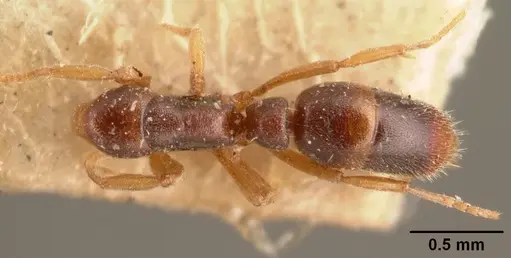
CASENT0101013
View on AntWeb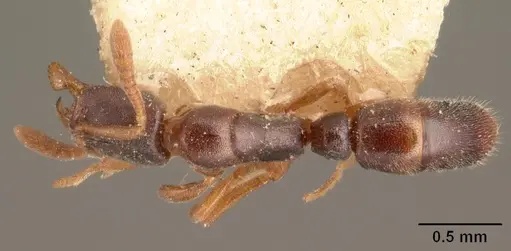
CASENT0101610
View on AntWeb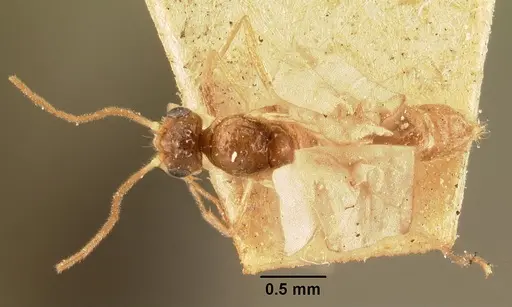
CASENT0101730
View on AntWeb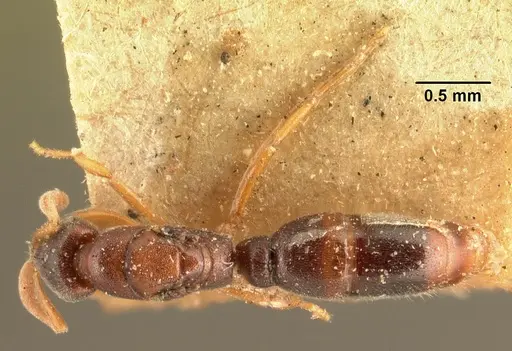
CASENT0101787
View on AntWeb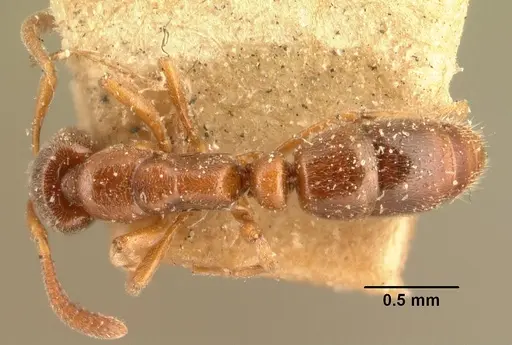
CASENT0101792
View on AntWeb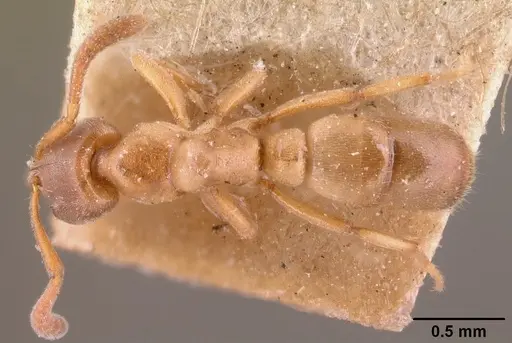
CASENT0101955
View on AntWeb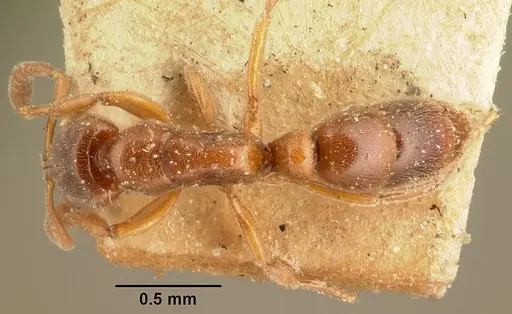
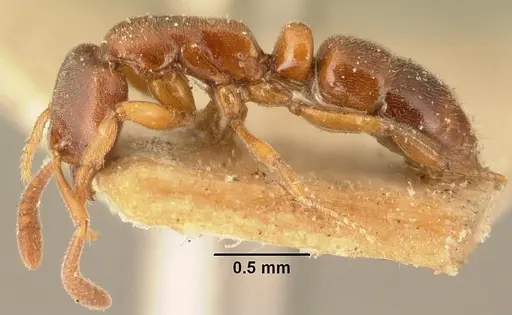
CASENT0101958
View on AntWeb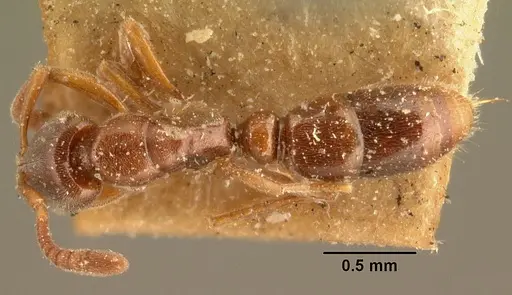
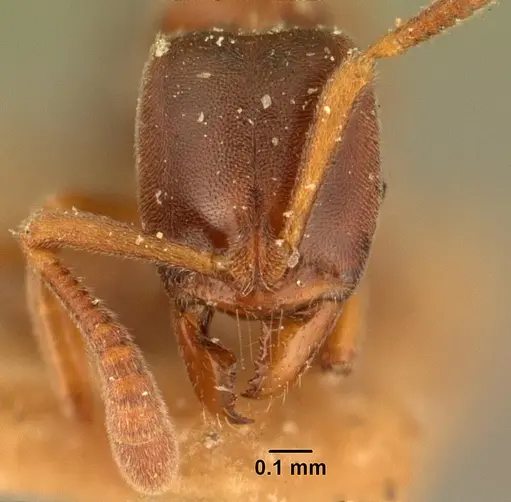
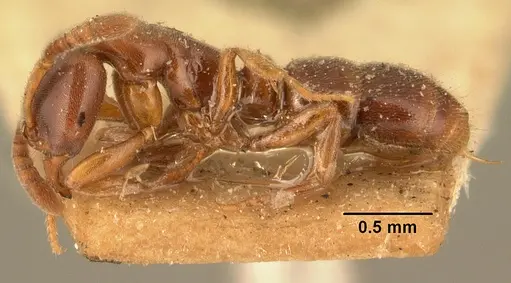
CASENT0133703
View on AntWeb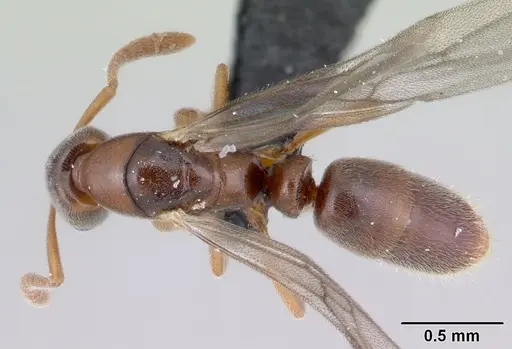
CASENT0133875
View on AntWeb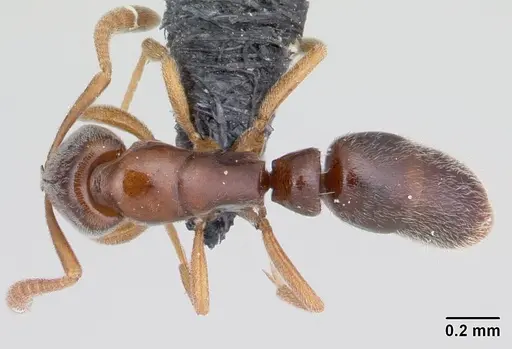
CASENT0137535
View on AntWeb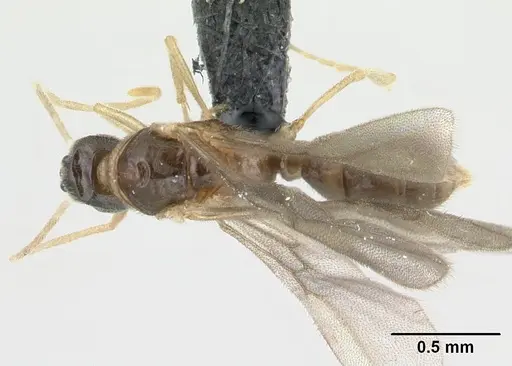
Literature
Loading distribution map...Loading products...