
Hypoponera inaudax
- Sci. Name
- Hypoponera inaudax
- Tribe
- Ponerini
- Subfamily
- Ponerinae
- Author
- Santschi, 1919
- Distribution
- Found in 5 countries
Introduction
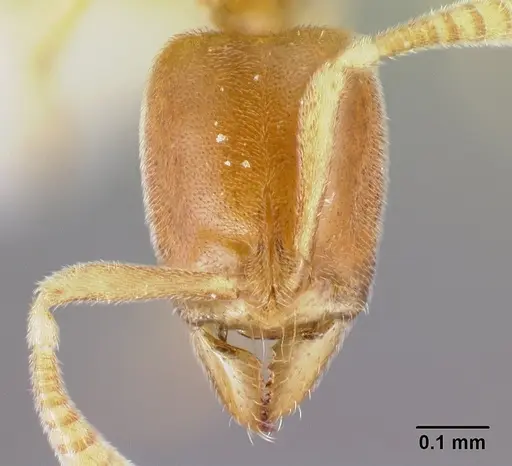
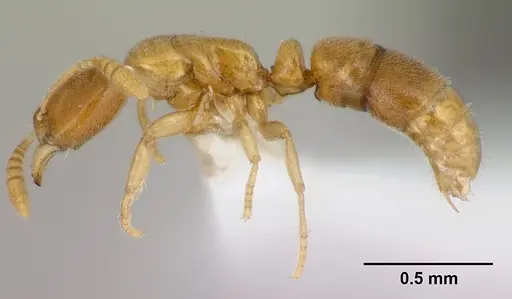
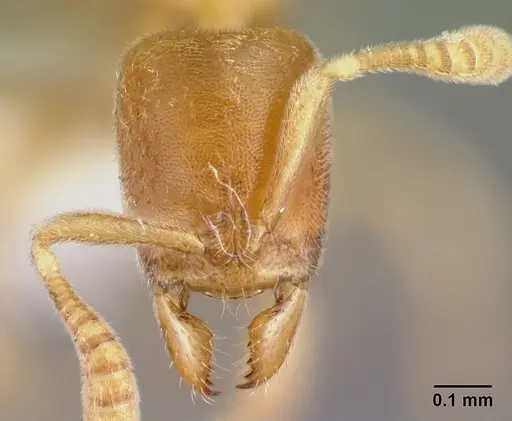
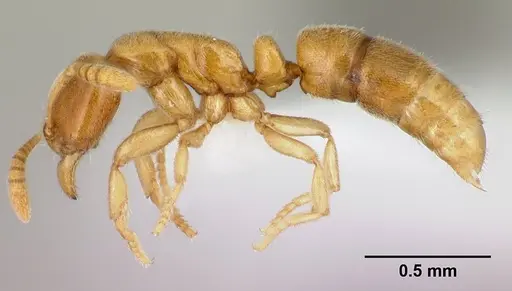
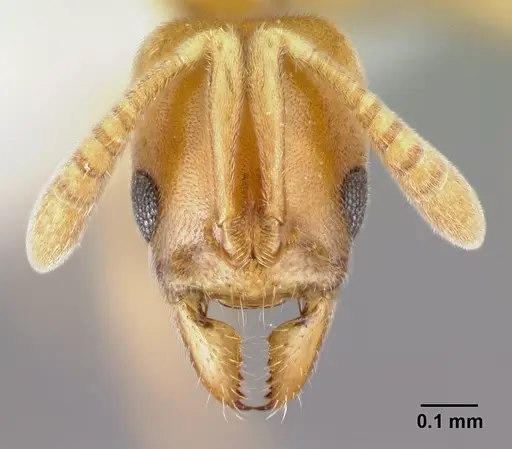
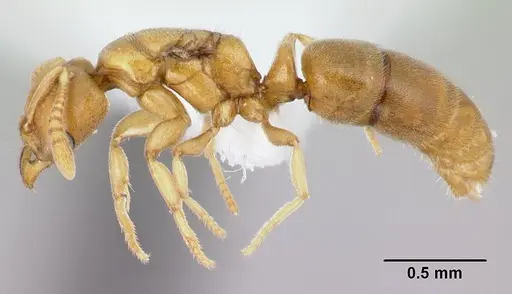
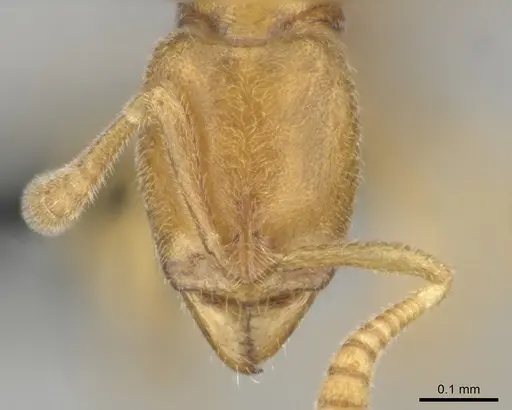
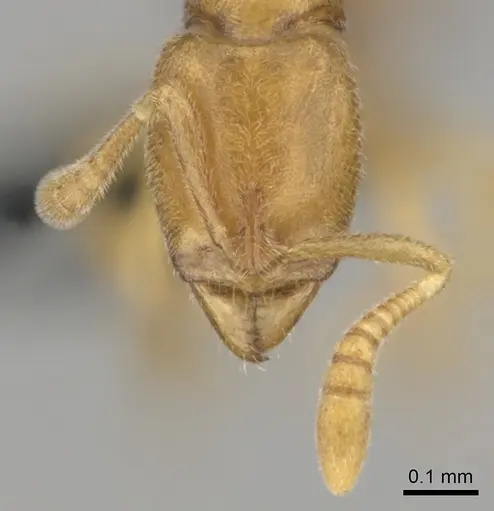
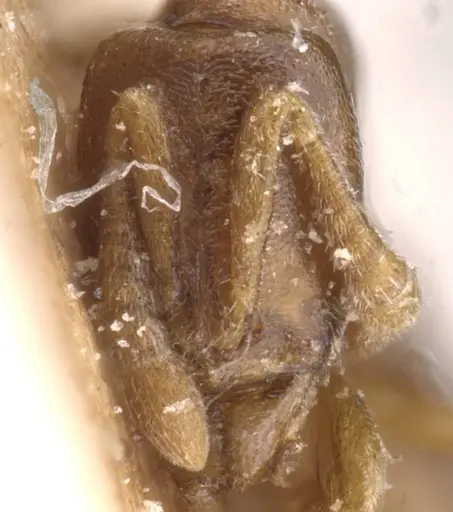
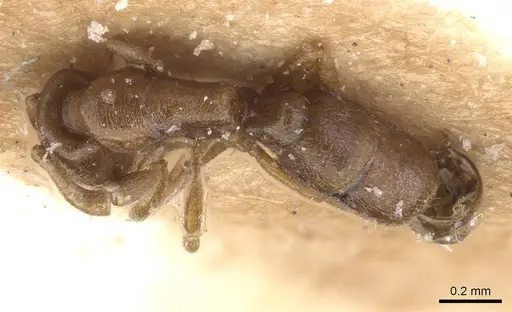
Hypoponera inaudax is a small, yellow ant native to rainforests of West and Central Africa. Direct body size measurements are not available, but workers have a head length of 0.40-0.46mm . They are completely eyeless and navigate using chemical cues . The species is closely related to Hypoponera coeca and often found in sifted leaf-litter samples . This cryptic, ground-dwelling species lives in humid rainforest leaf-litter. They are predatory like other Ponerinae ants, using their sting to subdue prey. Their tiny size and specific humidity requirements make them suited for antkeepers with experience in delicate setups.
Quick Summary
- Difficulty: Medium
- Origin & Habitat: West and Central Africa, including Guinea, Ivory Coast, Ghana, Nigeria, Cameroon, Gabon, Democratic Republic of Congo, and Kenya. Inhabits rainforest leaf-litter in humid, shaded environments [1][2].
- Colony Type: Unconfirmed, colony structure has not been documented in scientific literature.
- Size & Growth:
- Queen: Unknown, no measurements available
- Worker: Size data unavailable, no total length measurements in literature
- Colony: Unknown, no specific data available
- Growth: Unknown
- Development: Unknown, no direct studies, but based on related tropical ants, estimate 6-10 weeks at optimal temperature (Development time is estimated from related species, no specific studies on H. inaudax exist)
- Antkeeping:
- Temperature: Keep warm, roughly 24-28°C, based on tropical habitat
- Humidity: Keep nest substrate consistently moist but not waterlogged, as they live in humid rainforest leaf-litter
- Diapause: No, tropical species do not require hibernation [2]
- Nesting: Natural nesting in leaf-litter, in captivity, use test tube setups or small plaster nests with moist substrate [2]
- Behavior: Cryptic and slow-moving, predatory with a sting that is too small to harm humans. Escape prevention is critical due to tiny size.
- Common Issues: high humidity maintenance is challenging, too wet causes drowning, too dry kills them quickly, very small size makes escape prevention difficult, use fine mesh and tight-fitting lids, slow colony growth can frustrate keepers expecting rapid development, wild-caught colonies may be stressed from collection and difficult to establish, feeding small live prey is required, they cannot tackle larger insects
Housing and Nest Setup
Hypoponera inaudax requires a setup that recreates humid rainforest conditions. A small test tube setup works well for founding colonies, use a test tube with a water reservoir at one end, stuffed with cotton to create a moist chamber. For established colonies, a small plaster nest with tight chambers scaled to their tiny size works best. The chambers should be narrow to make ants feel secure. Cover the nest with a damp substrate layer to maintain humidity. Always use excellent escape prevention, their tiny size allows them to squeeze through gaps. Fine mesh on ventilation holes is essential [2].
Feeding and Diet
Like other Ponerinae ants, Hypoponera inaudax is predatory and feeds on small arthropods. In captivity, offer small live prey such as springtails, fruit flies, or tiny mealworms. They cannot tackle large prey. Feed small prey every 2-3 days, removing uneaten items to prevent mold. Sugar sources are unlikely to be accepted, these are specialized predators.
Temperature and Humidity
As a tropical rainforest species, Hypoponera inaudax needs warm and humid conditions. Maintain temperatures around 24-28°C, use a heating cable on one side for a gentle gradient. Humidity is critical, keep the nest substrate consistently damp but not waterlogged. A water tube attached to the nest can help maintain moisture.
Colony Establishment
Establishing colonies can be challenging. Wild-caught colonies are often stressed from collection. Give them time to settle in a quiet, dark location with minimal disturbance. Do not check frequently during the first few weeks. If the colony includes a queen, she may seal herself in a claustral chamber. Be patient, these are naturally small colonies that grow gradually.
Behavior and Observation
Hypoponera inaudax is cryptic and not particularly active. Workers forage slowly along the substrate, searching for small prey. They are not aggressive and retreat from threats. Their completely eyeless condition means they navigate through chemical and tactile cues [1]. Observation is best with a magnifying glass due to their tiny size.
Frequently Asked Questions
How long does it take for Hypoponera inaudax to produce first workers?
The exact timeline is unknown. Based on related Ponerinae and tropical ant development patterns, expect 6-10 weeks from egg to first worker at optimal temperature (24-28°C).
Can I keep Hypoponera inaudax in a test tube?
Yes, test tubes work well for founding colonies. Use a small test tube with a water reservoir and cotton barrier. Keep the tube horizontal so ants can choose between humid and drier areas. Cover with a dark cloth to reduce stress [2].
What do Hypoponera inaudax ants eat?
They are predatory and need small live prey like springtails or fruit flies. Feed every 2-3 days. Sugar sources are unlikely to be accepted.
Are Hypoponera inaudax good for beginners?
No, this species is not ideal for beginners due to tiny size, specific humidity needs, and requirement for small live prey.
Do Hypoponera inaudax need hibernation?
No, they do not require hibernation as a tropical species. Maintain warm conditions year-round [2].
How big do Hypoponera inaudax colonies get?
Colony size is not well documented. They are naturally small colonies that grow slowly.
Why are my Hypoponera inaudax dying?
Common causes are incorrect humidity (too dry or too wet), temperature stress, or inadequate food. Check substrate moisture, temperature range, and prey size.
Can I keep multiple queens together?
This has not been documented. It is not recommended to combine unrelated queens as this behavior is unconfirmed for this species.
When should I move Hypoponera inaudax to a formicarium?
Move them when the test tube setup becomes crowded. Ensure the new setup maintains high humidity. Use a small plaster nest with appropriately-sized chambers [2].
Report an Issue
The current care sheet is based fully on literature. See inconsistencies, or something that's incorrect? Please , it will be resolved after review from an admin. Contributing to the blogs tab also helps providing information, to make us be able to further improve the caresheets. Thank you for your support!
References

This caresheet is licensed under CC BY-SA 4.0 .
Community Blogs
CASENT0192360
View on AntWeb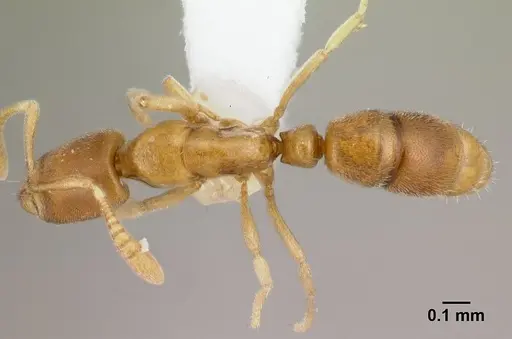
CASENT0192370
View on AntWeb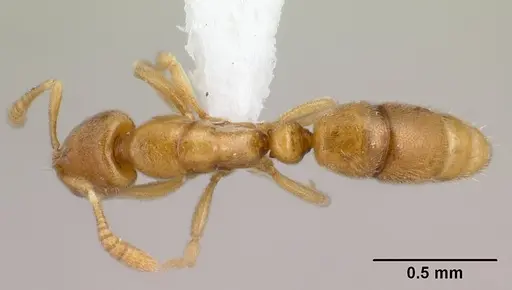
CASENT0217333
View on AntWeb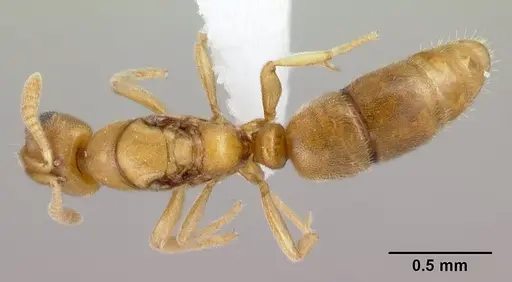
CASENT0815666
View on AntWeb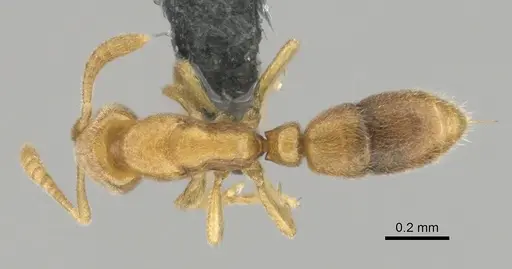
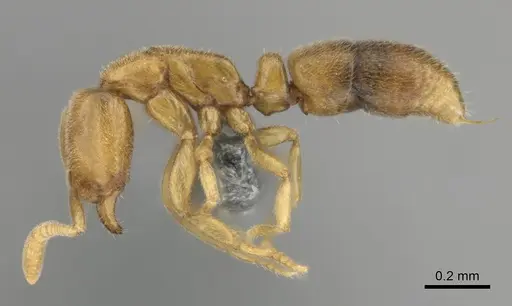
CASENT0915197
View on AntWeb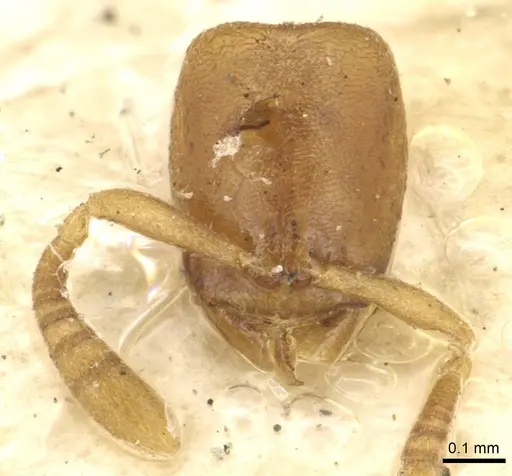
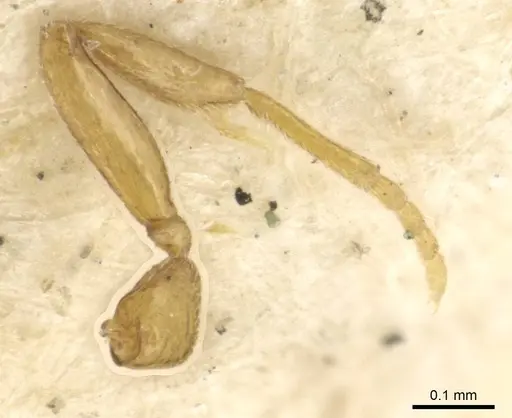
RMCAENT000017729
View on AntWeb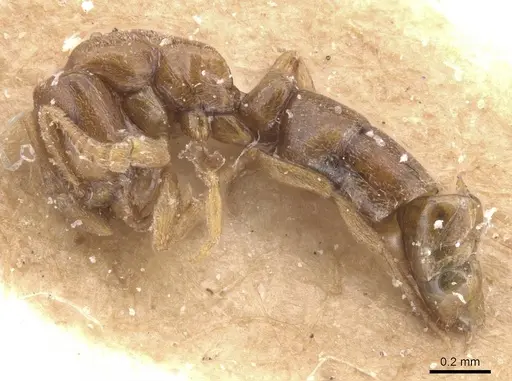
Literature
Loading distribution map...Loading products...