
Hypoponera iheringi
- Sci. Name
- Hypoponera iheringi
- Tribe
- Ponerini
- Subfamily
- Ponerinae
- Author
- Forel, 1908
- Distribution
- Found in 1 countries
Introduction
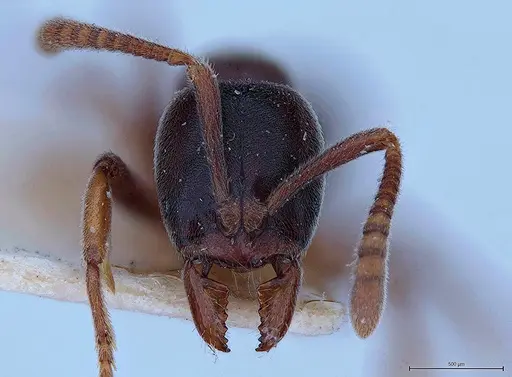
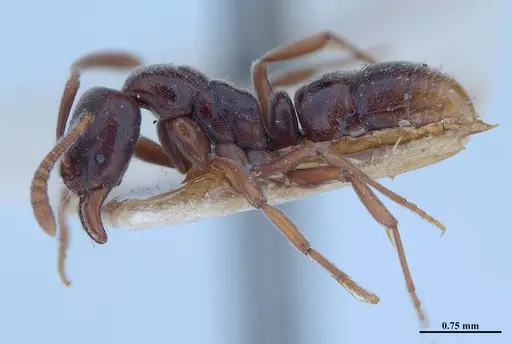
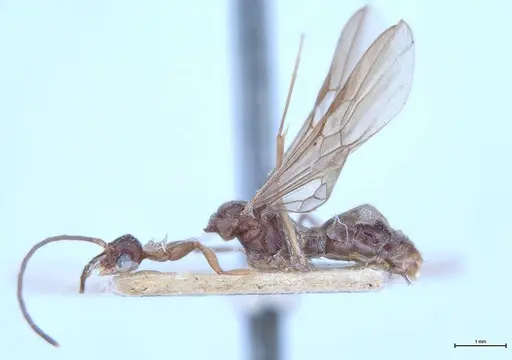
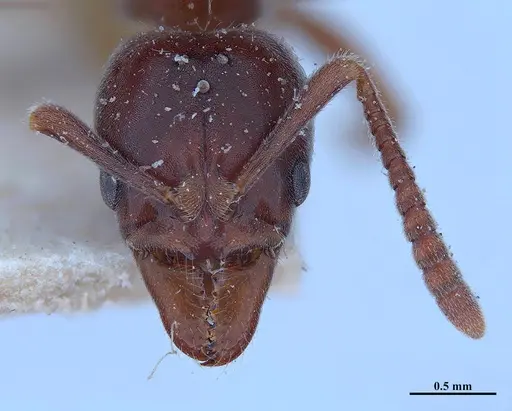
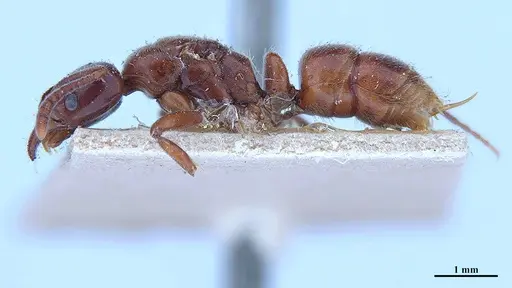
Hypoponera iheringi is a small predatory ant species native to the Atlantic Forest region of southeastern Brazil. Workers measure up to 5mm in total length, making them a modest-sized ant with the typical dark coloration common to many Ponerinae species. The genus Hypoponera is known for their cryptic lifestyle - these ants are often found nesting in soil, under stones, or within rotting wood in humid forest habitats. Unlike many more conspicuous ant species, Hypoponera tends to form small, discreet colonies that forage primarily at night, hunting small invertebrates in the leaf litter and soil layers . This species was originally described as Ponera iheringi by Forel in 1908 from specimens collected in São Paulo state, Brazil. The species has since been transferred to the genus Hypoponera and remains poorly studied in terms of its captive care requirements. As a Ponerinae ant, H. iheringi retains a functional sting - though the pain level is minimal due to their small size. These ants are predatory by nature, hunting springtails, mites, and other tiny arthropods in their natural habitat .
Quick Summary
- Difficulty: Medium
- Origin & Habitat: Southeastern Brazil, specifically the Atlantic Forest regions of São Paulo and Rio de Janeiro states. They inhabit humid forest floors, typically nesting in soil, under stones, or within decaying wood in shaded, damp areas [2][1][3].
- Colony Type: Likely monogyne based on typical Hypoponera patterns. Colonies remain small.
- Size & Growth:
- Queen: Approximately 5-6mm (estimated from genus patterns)
- Worker: Up to 5mm total length [1]
- Colony: Small colonies, likely under 100 workers based on typical genus behavior
- Growth: Moderate, Ponerinae typically develop more slowly than myrmicines
- Development: Estimated 8-12 weeks at tropical room temperature (24-26°C) (Development time is inferred from related Ponerinae species, specific data for H. iheringi is unavailable.)
- Antkeeping:
- Temperature: Keep around 24-28°C. As a Brazilian species from the Atlantic Forest, they prefer warm, stable conditions. A heating cable on one side of the nest creates a gradient allowing workers to self-regulate. Avoid temperatures below 20°C for extended periods.
- Humidity: High humidity is essential, these forest-floor ants need consistently moist substrate. Keep the nest substrate damp but not waterlogged. A water reservoir connected to the nest helps maintain humidity.
- Diapause: Unlikely, as a tropical/subtropical species from southeastern Brazil, they probably do not require a true hibernation period. However, they may show reduced activity during cooler winter months if your room temperature drops.
- Nesting: Y-tong (AAC) nests or plaster nests work well for this species. The chambers should be appropriately sized for their workers, not too large. They prefer dark, enclosed spaces. A naturalistic setup with soil and decaying wood pieces can also work, but watch for mold. Test tube setups are suitable for founding colonies.
- Behavior: Hypoponera iheringi is a cryptic, nocturnal predator. Workers are not aggressive toward humans and will typically flee rather than attack. However, they will use their sting if handled roughly or if the colony is threatened. They are not escape artists in terms of climbing, their small size means they can slip through standard test tube barriers, but they are not particularly active climbers. Foraging occurs primarily at night, with workers hunting small prey in the leaf litter. Colonies are small and relatively inactive compared to many common ant species.
- Common Issues: colonies often fail due to overfeeding, leftover prey decays quickly in humid nest conditions and causes mold, stress from excessive disturbance, these cryptic ants prefer minimal intervention, humidity management is tricky, too wet causes fungal issues, too dry kills brood, wild-caught colonies may contain parasites that can devastate captive populations, slow growth tests keeper patience, beginners may abandon colonies before first workers mature
Nest Preferences and Setup
Hypoponera iheringi nests naturally in humid forest floor environments, in soil, under stones, or within rotting wood. For captive care, Y-tong (AAC) nests or plaster nests work well because they allow you to control humidity more easily than soil-based setups. Keep the nest chambers appropriately sized for their workers, too large and they may feel exposed and stressed. A dark nest cavity is preferred, as these are cryptic ants that avoid light. For founding colonies, a standard test tube setup with a water reservoir works fine, just ensure the cotton is packed firmly enough to prevent flooding but not so tight that it wicks moisture too slowly. If using a naturalistic setup with soil, use a moisture-retaining substrate and avoid compacting it too tightly. [1][2][3]
Feeding and Diet
As a Ponerinae ant, H. iheringi is primarily predatory, hunting small invertebrates in nature. In captivity, their diet should focus on protein-rich foods: small live prey is ideal, with springtails being an excellent choice due to their size and nutritional value. Other suitable prey includes fruit flies, tiny crickets, and small mealworms. You can also offer small pieces of other insects like fruit flies or bloodworms. Unlike many ants, Hypoponera species are not particularly interested in sugar sources, their metabolism is geared toward protein. However, you can occasionally offer a drop of diluted honey or sugar water, but do not expect enthusiasm. Feed small amounts of prey every 2-3 days, removing any uneaten prey within 24 hours to prevent mold in the humid nest environment. A well-fed colony will have workers with plump abdomens.
Temperature and Seasonal Care
Being from southeastern Brazil's Atlantic Forest, these ants prefer warm, humid conditions year-round. Maintain temperatures between 24-28°C for optimal colony health and brood development. A slight temperature gradient (warm side around 28°C, cooler side around 24°C) allows workers to self-regulate. You can achieve this with a small heating cable placed on one side of the nest, always place heating on top of the nest, not underneath, to avoid evaporating all the moisture. Unlike temperate species, they do not require a true hibernation period. However, if your room temperature drops significantly in winter, you may notice reduced activity, this is normal and they will become more active again when warmed. Avoid sudden temperature changes and keep them away from air conditioning vents or drafty windows. [2]
Behavior and Colony Dynamics
Hypoponera iheringi is a cryptic, secretive ant that prefers to stay out of sight. Workers are not aggressive and will typically retreat when disturbed rather than attack. They are primarily nocturnal, with most foraging activity occurring at night when humidity is higher and predators are fewer. In the wild, these ants hunt alone, using their sting to subdue small prey like springtails and mites. In captivity, you may rarely see foragers during daylight hours, this is normal behavior. Colonies remain small, typically under 100 workers even in mature colonies. The queen is relatively modest in size and does not produce massive numbers of eggs. Workers have a functional sting, but due to their small size, it causes minimal discomfort to humans. The colony will be most active during warmer months and may show reduced activity when cooler. [1]
Handling and Health
These ants are not suitable for handling, they are small, fast, and would rather flee than stay on your hand. If you need to move them, use gentle techniques like tapping the test tube to encourage them to move, or use soft brushes. When transferring colonies, work slowly and minimize stress. Common health issues include: mold from overfeeding or excessive humidity, mite infestations (often from wild-caught colonies), and stress-related deaths from too much disturbance. Quarantine any new colonies for several weeks before introducing them to your existing collection. If a colony appears unhealthy (lethargic workers, dead brood, workers wandering aimlessly), check your humidity levels and reduce feeding before it escalates. These ants are not resilient to poor conditions, quick intervention is often necessary to save a struggling colony.
Frequently Asked Questions
How long does it take for Hypoponera iheringi to produce first workers?
Expect 8-12 weeks from founding to first nanitic workers at 24-28°C. This is slower than many common ant species, Ponerinae generally have longer development times. Be patient and avoid disturbing the queen during this critical period.
Can I keep Hypoponera iheringi in a test tube setup?
Yes, test tubes work well for founding colonies. Use a standard test tube with a water reservoir and cotton plug. Keep it horizontal so the queen can move between the wet and dry ends. Once the colony reaches 20-30 workers, consider moving to a small formicarium or Y-tong nest.
What do Hypoponera iheringi eat?
They are predatory ants that need protein. Feed small live prey like springtails, fruit flies, or tiny crickets. You can also offer small insects, bloodworms, or occasional mealworm pieces. They are not interested in sugar like many other ants, though you can offer occasional honey water.
Are Hypoponera iheringi good for beginners?
They are considered intermediate difficulty. While not as demanding as some exotic species, they require more attention to humidity and are slower-growing than beginner-friendly species like Lasius or Camponotus. They are best suited for keepers who already have some experience with ant keeping.
How big do Hypoponera iheringi colonies get?
Colonies remain relatively small, typically under 100 workers even in mature colonies. This is typical for the genus Hypoponera. They are not a species that will produce massive worker numbers.
Do Hypoponera iheringi need hibernation?
No, they do not require hibernation. As a Brazilian tropical species, they prefer consistent warm temperatures year-round. However, they may show reduced activity during cooler winter months if your room temperature drops.
Why are my Hypoponera iheringi dying?
Common causes include: overfeeding leading to mold, incorrect humidity (too wet or too dry), stress from excessive disturbance, temperature extremes, or parasites from wild-caught colonies. Check your setup immediately and correct any issues. These ants are sensitive to poor conditions.
When should I move Hypoponera iheringi to a formicarium?
Move them once the colony reaches around 20-30 workers and the test tube is becoming crowded. A small Y-tong nest or plaster nest works well. Make sure the new enclosure can maintain humidity, these ants cannot survive in dry conditions.
Can I keep multiple queens together?
Not recommended. Hypoponera iheringi is likely monogyne (single queen colonies). Combining unrelated queens has not been studied for this species and would likely result in fighting. Only keep one queen per colony.
Report an Issue
The current care sheet is based fully on literature. See inconsistencies, or something that's incorrect? Please , it will be resolved after review from an admin. Contributing to the blogs tab also helps providing information, to make us be able to further improve the caresheets. Thank you for your support!
References

This caresheet is licensed under CC BY-SA 4.0 .
Community Blogs
CASENT0281914
View on AntWeb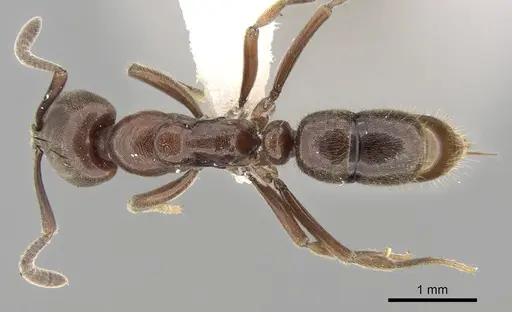
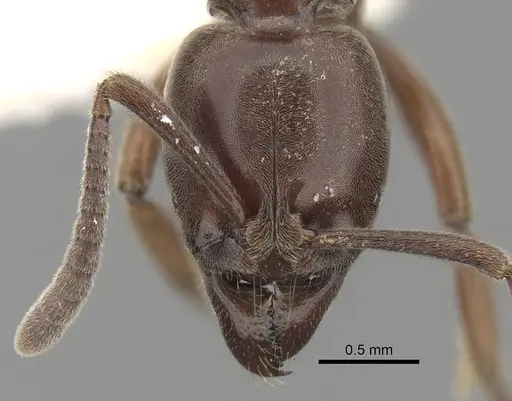
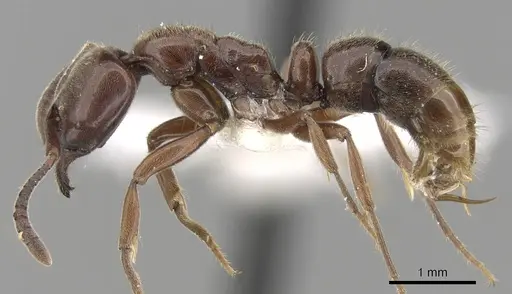
MHNGENTO00094323
View on AntWeb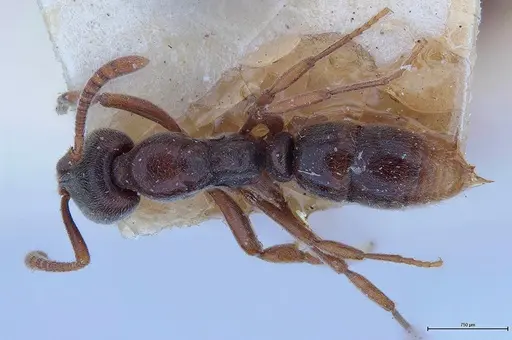
MHNGENTO00094325
View on AntWeb
MHNGENTO00094326
View on AntWeb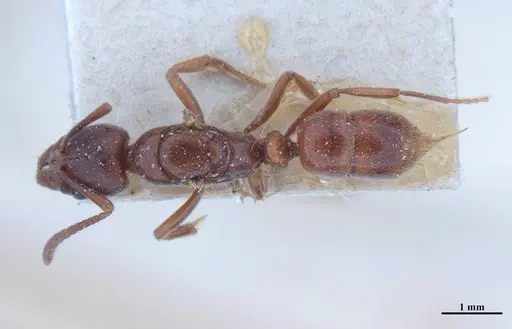
Literature
Loading distribution map...Loading products...