
Hypoponera ignavia
- Sci. Name
- Hypoponera ignavia
- Tribe
- Ponerini
- Subfamily
- Ponerinae
- Author
- Bolton & Fisher, 2011
- Distribution
- Found in 1 countries
Introduction
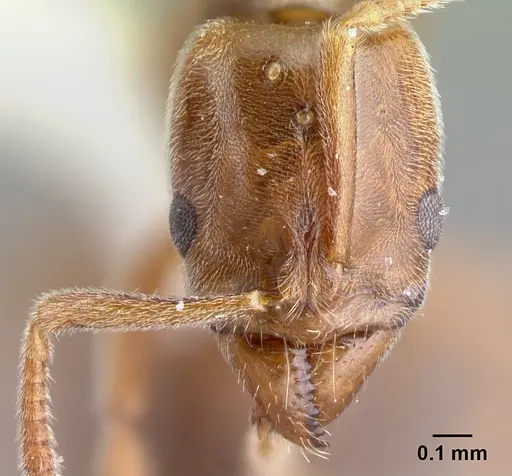
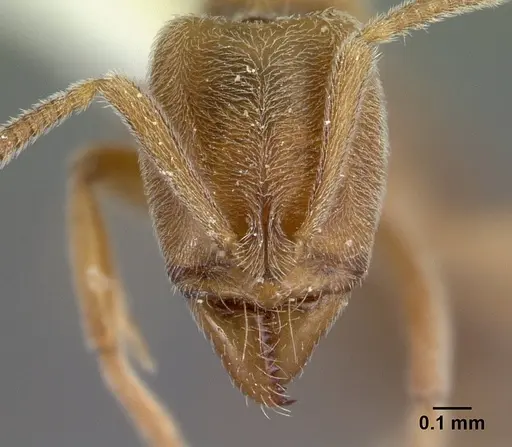
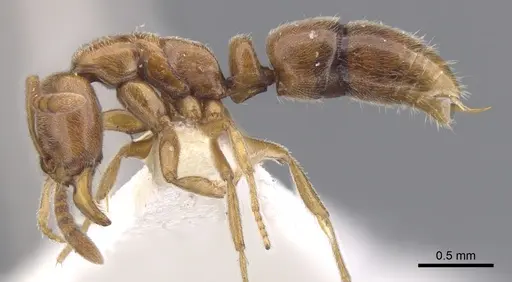
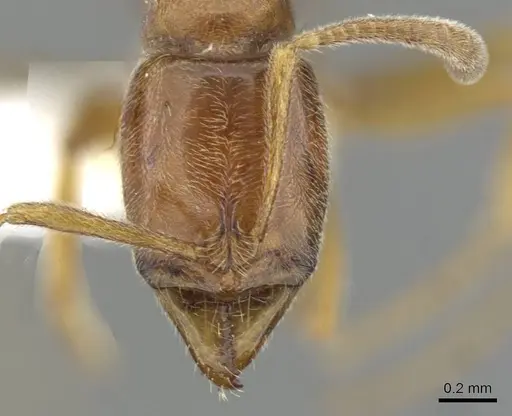
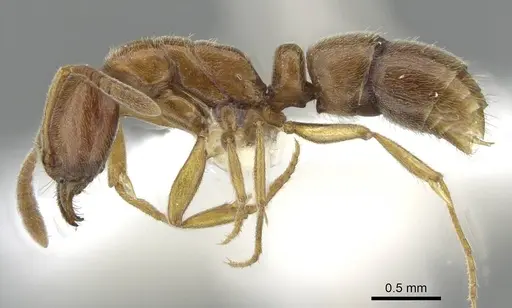
Hypoponera ignavia is a tiny ponerine ant native to southern Africa, specifically found in Zimbabwe (Umtali, Melsetter at 1700m elevation) and the Drakensberg Mountains of South Africa . Workers are among the smallest in the genus, with a light brown coloration . This species belongs to the Hypoponera boerorum group and is closely related to H. boerorum and H. spei . A remarkable trait is the extreme variation in eye development, some specimens have no eyes at all, others have a tiny single ommatidium, and the largest specimens have a featureless blister-like eye . This ant is known from only a handful of specimens, making it one of the rarest and least-studied African ants in captivity .
Quick Summary
- Difficulty: Medium
- Origin & Habitat: High elevation mountains in Zimbabwe (Umtali, Melsetter at 1700m) and South Africa (Drakensberg Mountains) [1][2]. Based on typical Hypoponera habitat preferences, they likely inhabit forest floor leaf litter and rotting wood in cool, shaded areas.
- Colony Type: Unknown, colony structure has not been documented for this species.
- Size & Growth:
- Queen: Size data unavailable, queen measurements have not been described in literature
- Worker: Approximately 2.5-3mm total length (inferred from genus patterns)
- Colony: Likely small based on limited field specimens
- Growth: Unknown
- Development: Unconfirmed, development has not been studied for this species (Estimates based on related Hypoponera species patterns suggest several months from egg to first worker at warm temperatures.)
- Antkeeping:
- Temperature: Keep around 20-24°C. The high-elevation mountain habitat suggests they prefer cooler conditions. A gentle gradient allowing workers to self-regulate is ideal.
- Humidity: Moderate to high (60-80%). These are forest floor ants that likely prefer damp but not waterlogged conditions. Keep the nest substrate consistently moist but allow some drying areas.
- Diapause: Likely yes. The Drakensberg Mountains experience cold winters, so expect a winter rest period around 10-15°C for 2-3 months. This is inferred from the high-elevation habitat.
- Nesting: Typical Hypoponera nesting preferences apply: they prefer dark, humid spaces in rotting wood, leaf litter, or soil. In captivity, a Y-tong (AAC) nest or plaster nest with good humidity works well. Keep nesting areas dark and humid.
- Behavior: Hypoponera ants are typically secretive, slow-moving predators that hunt small arthropods in leaf litter. Workers are non-aggressive and possess a stinger but rarely use it defensively. Their tiny size and cryptic nature make them fascinating to observe but challenging to feed. Their small size means they can slip through very small gaps, excellent escape prevention is essential.
- Common Issues: very small size means escape prevention must be excellent, they can slip through gaps too small for most ants, limited data means care requirements are largely inferred from genus patterns, not species-specific studies, slow growth can frustrate keepers expecting rapid colony development, predatory diet may be difficult to satisfy with appropriately-sized live prey, high-elevation origin means they likely need cooler temperatures than typical tropical ants
Nest Preferences
Hypoponera ignavia is a tiny leaf-litter ant that in the wild inhabits dark, humid microhabitats in forest floors. They nest in rotting wood, under stones, or within compacted leaf litter where conditions remain cool and moist [1]. In captivity, replicate these conditions using a Y-tong (AAC) nest or a plaster formicarium with good humidity retention. Keep the nesting area dark, these ants avoid light and will retreat to the deepest chambers if exposed. The chambers should be appropriately sized for their tiny workers, overly large spaces stress small colonies. A water reservoir connected to the nest helps maintain consistent humidity without flooding.
Feeding and Diet
As a Ponerine ant, Hypoponera ignavia is predatory and hunts small arthropods in nature. Their tiny workers likely target micro-prey like springtails, booklice, and other minute soil invertebrates. In captivity, offer small live prey items such as live springtails, fruit flies, tiny mealworms, or freshly killed small insects. Prey should be appropriately sized, insects only slightly larger than the ant's head. Unlike larger ponerines, they cannot tackle large prey items. Sugar sources are sometimes accepted, but this species is primarily protein-focused. Feed protein prey 2-3 times per week, and remove any uneaten prey within 24 hours to prevent mold.
Temperature and Seasonal Care
Based on their high-elevation mountain habitat (1700m in Zimbabwe), Hypoponera ignavia prefers cooler temperatures than many tropical ants. Keep the nest around 20-24°C with a gentle gradient so workers can self-regulate. Avoid overheating, temperatures above 28°C are likely stressful. During winter, provide a diapause period of 2-3 months at 10-15°C, mimicking the cold Drakensberg winters. Reduce feeding during this period and avoid disturbing the colony. The dramatic eye variation in this species (some specimens completely eyeless) suggests they are adapted to low-light forest floor conditions and may be sensitive to excessive light exposure [1].
Behavior and Observation
Hypoponera ants are cryptic predators known for their slow, deliberate movements. Workers forage individually rather than in trails, hunting through leaf litter for small prey. They are not aggressive and possess a stinger but rarely use it defensively. The extreme variation in eye development across specimens is fascinating: some workers are completely eyeless while others have tiny, depigmented eyes [1]. This suggests they rely more on chemical and tactile senses than vision. Observing their hunting behavior is rewarding but requires patience, they are not active foragers like larger ants. Keep the observation container well-lit but the nest dark to encourage natural behavior.
Frequently Asked Questions
How long does it take for Hypoponera ignavia to produce first workers?
The exact timeline is unconfirmed for this species. Based on typical Ponerinae development at around 24°C, expect approximately several months from egg to first worker. The slow development is one reason these ants are challenging for beginners.
What do Hypoponera ignavia ants eat?
They are predatory and need small live prey. Offer live springtails, fruit flies, tiny mealworms, or other appropriately-sized insects. Prey should be no larger than the ant's head. Some colonies may accept sugar water occasionally, but protein prey is essential.
Can I keep Hypoponera ignavia in a test tube?
Yes, a test tube setup works well for founding colonies. Use a small test tube with a water reservoir sealed with cotton, keeping it horizontal in a dark, humid space. Ensure excellent escape prevention, this species is tiny and can slip through very small gaps.
What temperature do Hypoponera ignavia need?
Keep them around 20-24°C. The high-elevation mountain habitat suggests they prefer cooler conditions than typical tropical ants. Avoid temperatures above 28°C and provide a cooler area within the setup for self-regulation.
Do Hypoponera ignavia need hibernation?
Yes, likely a 2-3 month winter rest period around 10-15°C. The Drakensberg Mountains experience cold winters, so a diapause period is probably essential for colony health. Reduce feeding and avoid disturbing the colony during this time.
How big do Hypoponera ignavia colonies get?
Likely small, based on very few specimens collected in the wild, colony sizes appear to be naturally small. Do not expect the large colonies typical of some ant species.
Are Hypoponera ignavia good for beginners?
They are challenging due to their tiny size, specific temperature needs, and predatory diet requirements. The limited available care information adds difficulty. Experienced antkeepers interested in unusual species may find them rewarding, but they are not ideal for beginners.
Why do some Hypoponera ignavia have no eyes?
This species shows remarkable eye variation, some specimens are completely eyeless while others have tiny single ommatidia or larger blister-like eyes [1]. This variation is associated with overall body size and likely represents adaptation to low-light forest floor environments where vision is less important than chemical and tactile senses.
When should I move my colony to a formicarium?
Move to a formicarium when the colony reaches 15-20 workers and the test tube space becomes cramped. Hypoponera prefer dark, humid nests, so choose a Y-tong or plaster nest with good humidity control. Do not upgrade too early, small colonies thrive in simple test tube setups.
Report an Issue
The current care sheet is based fully on literature. See inconsistencies, or something that's incorrect? Please , it will be resolved after review from an admin. Contributing to the blogs tab also helps providing information, to make us be able to further improve the caresheets. Thank you for your support!
References

This caresheet is licensed under CC BY-SA 4.0 .
Community Blogs
CASENT0217324
View on AntWeb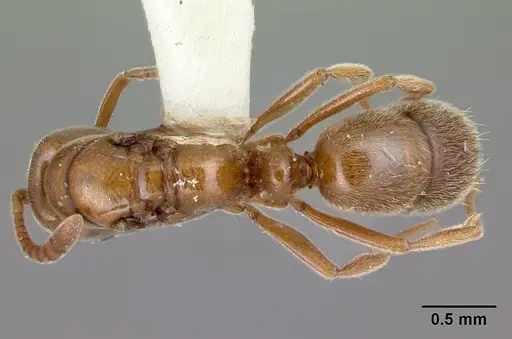
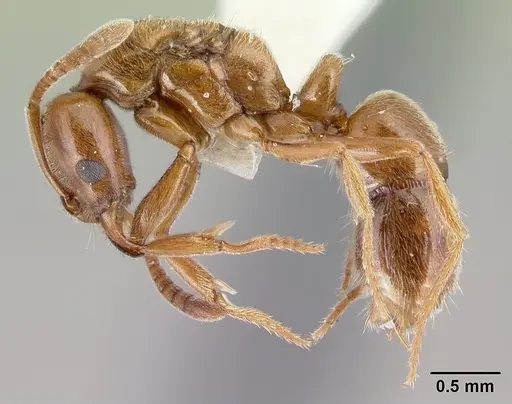
CASENT0218463
View on AntWeb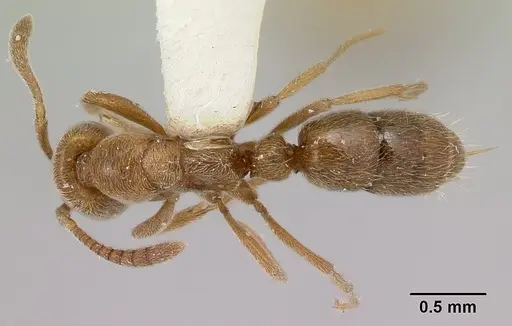
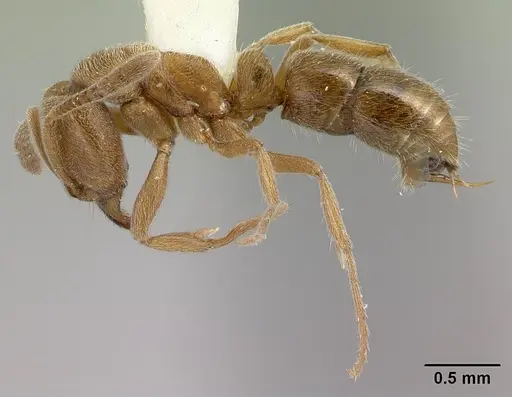
CASENT0902546
View on AntWeb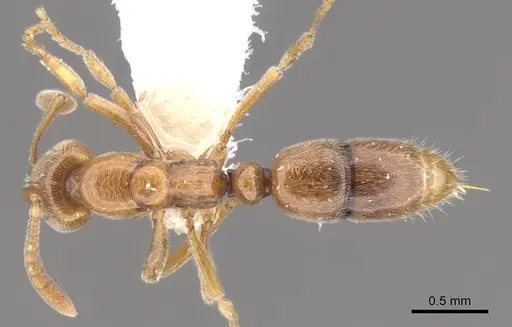
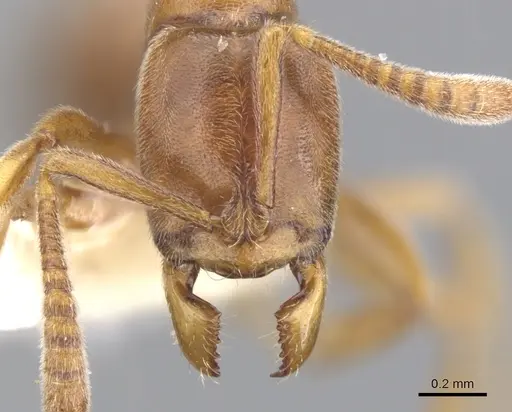
CASENT0911175
View on AntWeb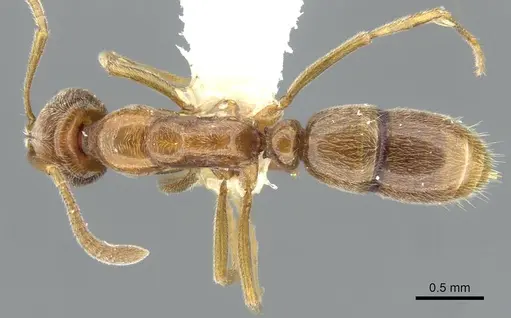
Literature
Loading distribution map...Loading products...