
Hypoponera blanda
- Sci. Name
- Hypoponera blanda
- Tribe
- Ponerini
- Subfamily
- Ponerinae
- Author
- Bolton & Fisher, 2011
- Distribution
- Found in 3 countries
Introduction
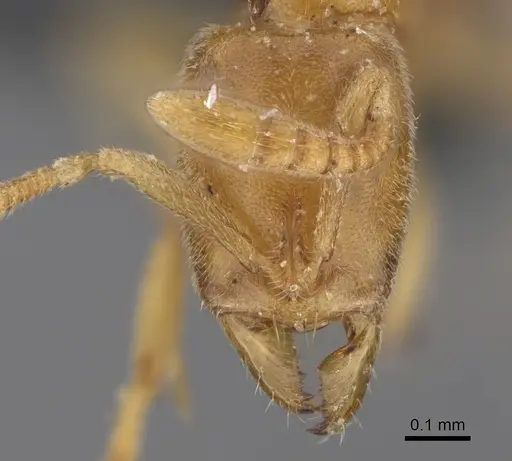
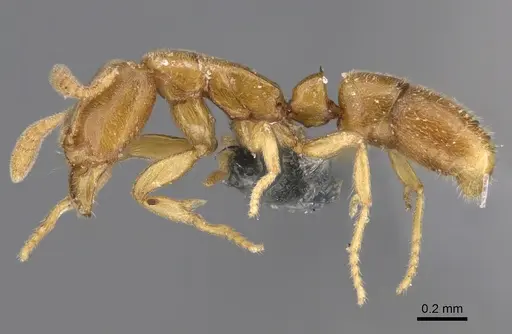
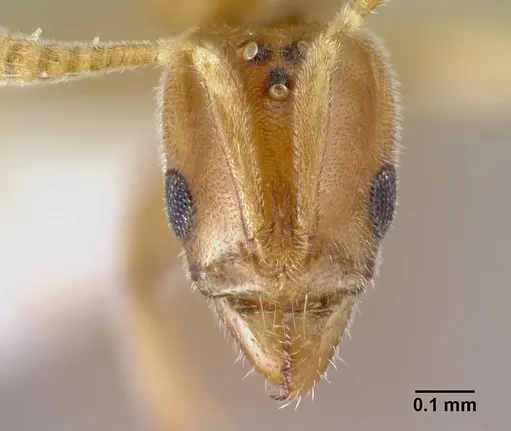
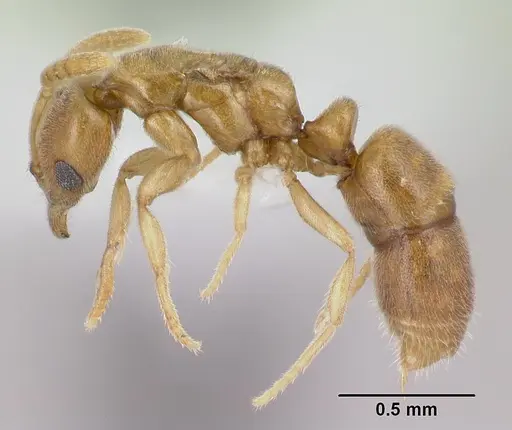
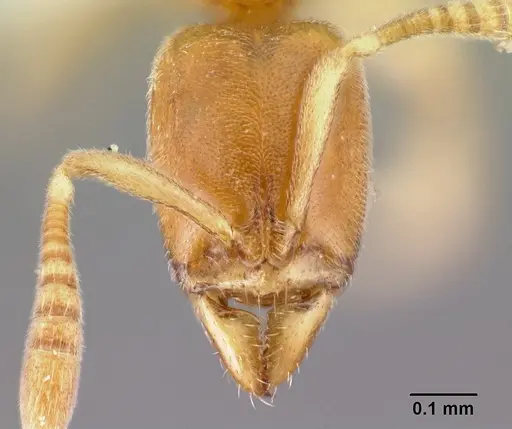
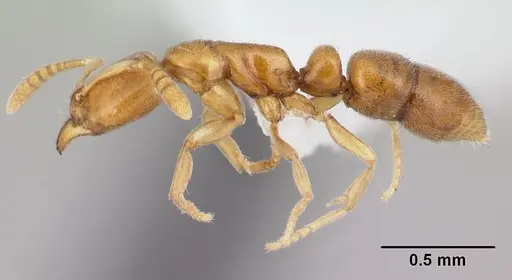
Hypoponera blanda is a tiny yellow ponerine ant native to Central African rainforests. Workers are approximately 2mm in total length, making them among the smaller ants in the hobby. They belong to the Hypoponera abeillei group and can be identified by their completely yellow coloration, lack of eyes, and the distinctive shape of their petiole node which is longer and lower than similar species . This species is known only from a handful of specimens collected in rainforest leaf litter and rotting wood in the Central African Republic and Uganda . This is a rarely kept species in captivity, and much of what we know comes from taxonomic descriptions rather than biological studies. As a Ponerine ant, they are predatory hunters, though their exact diet in the wild has not been documented.
Quick Summary
- Difficulty: Expert
- Origin & Habitat: Central African Republic and Uganda. Found in tropical rainforest, collected from leaf litter and rotting wood [1][2].
- Colony Type: Unconfirmed colony structure. Most Hypoponera species are single-queen colonies, but this has not been documented for H. blanda specifically.
- Size & Growth:
- Queen: Size data unavailable, queens described in original description but measurements not provided [1].
- Worker: Approximately 2mm total length, inferred from genus patterns [1].
- Colony: Unknown, no colony size data exists for this species.
- Growth: Unknown, no development data exists for this species.
- Development: Unconfirmed. No direct development data exists for this species. (No development data exists for this species.)
- Antkeeping:
- Temperature: Keep at 24-27°C. As a tropical rainforest species, they need warm, stable temperatures.
- Humidity: High humidity is essential. These ants live in rainforest leaf litter where conditions are constantly moist. Keep the nest substrate consistently damp but not waterlogged.
- Diapause: No, being a tropical species from consistent rainforest environments, they do not require hibernation.
- Nesting: Natural nesting occurs in leaf litter and rotting wood. In captivity, a naturalistic setup with moist substrate works well. Small test tubes with cotton and water can work for founding colonies, but ensure humidity is maintained. Because of their tiny size, escape prevention must be excellent.
- Behavior: Behavior is not well documented. As Ponerine ants, they have a functional stinger and may sting if threatened, though their small size means the sting is unlikely to penetrate human skin significantly. They are probably predatory, hunting small invertebrates in the leaf litter layer. Workers are likely modest foragers, staying close to the nest. Their yellow coloration provides camouflage in leaf litter. Escape risk is high due to their tiny size, use fine mesh barriers and ensure all connections are sealed.
- Common Issues: tiny size makes escape prevention critical, standard barriers may not contain them, no established husbandry guidelines exist, this is a species for experienced keepers willing to experiment, humidity management is challenging, too dry causes colony failure, too wet causes mold, virtually no information on acceptable foods, you may need to experiment with various small prey, wild-caught colonies may have parasites or diseases that cause captive failure
Housing and Setup
Hypoponera blanda requires a setup that maintains high humidity while preventing escapes. A naturalistic terrarium-style setup works well, use a container filled with moist substrate (a mix of coco fiber, peat, and some rotting wood pieces mimics their natural leaf litter habitat). Because they are tiny, even small gaps will allow escapes. Cover all ventilation holes with fine mesh. A test tube setup can work for founding colonies, but you must monitor humidity closely, the cotton ball will dry out quickly, and the ants are too small to push through standard cotton barriers effectively. [1][2]
Feeding and Diet
Feeding has not been documented for this species, but as a Ponerine ant, they are almost certainly predatory. In the wild, they likely hunt small soil micro-arthropods like springtails, mites, and tiny insects in the leaf litter layer. In captivity, start with live small prey: fruit flies, small live worms, or newly hatched crickets. Offer prey items that are roughly the size of the ant's head or smaller. Sugar sources may be accepted, try a small drop of honey or sugar water, but do not rely on carbohydrates as a primary food source. Feed every 2-3 days and remove uneaten prey within 24 hours to prevent mold.
Temperature and Humidity
Maintain temperatures between 24-27°C. This is a tropical rainforest species from Central Africa, so they need consistent warmth. A small heating cable placed on one end of the nest can create a temperature gradient, but avoid direct heat on the ants. Humidity should be high, the substrate should feel consistently moist but not have standing water. Mist the setup regularly and ensure the water tube in test tube setups is always filled. Poor humidity will kill colonies quickly. Aim for 70-85% relative humidity in the nest area. [1]
Colony Establishment
Establishing a colony of this species will require patience and experimentation. If you obtain a founding queen, she should be placed in a small setup with moist substrate. Do not expect the same reliable founding behavior as claustral species, if she is semi-claustral, she will need access to small prey items to survive and produce her first workers. Keep the setup in darkness and minimize disturbances for the first few weeks. Once workers emerge, growth will likely be slow, Ponerine colonies typically develop more slowly than many common species like Lasius or Camponotus. Do not overfeed, as excess prey will mold and can kill the colony.
Handling and Temperament
Hypoponera blanda workers are tiny and likely docile. As Ponerine ants, they possess a stinger, but their small size means they are unlikely to penetrate human skin or cause significant pain. They should be considered non-aggressive and will likely flee rather than attack when disturbed. However, their small size makes them difficult to handle and easy to lose. When working with them, use soft bristle brushes to move them rather than forceps. Always work over a white surface so escaped ants can be spotted quickly. Their yellow coloration makes them difficult to see against leaf litter.
Frequently Asked Questions
How long does it take for Hypoponera blanda to produce first workers?
Unknown, no development data exists for this species.
Can I keep Hypoponera blanda in a test tube?
Yes, but with challenges. Their tiny size means standard cotton barriers may not contain them effectively. Use tightly packed cotton and consider adding a small piece of fine mesh over the cotton. Monitor humidity closely as test tubes dry out quickly. A naturalistic setup with moist substrate may be more successful long-term.
What do Hypoponera blanda ants eat?
Likely small live prey, they are predatory Ponerine ants. Start with flightless fruit flies, small springtails, or tiny live worms. They may accept sugar water or honey experimentally. Do not feed prey larger than their head.
Is Hypoponera blanda good for beginners?
No. This is an obscure species with no established husbandry guidelines. There is virtually no information on their care in captivity. This species is for experienced antkeepers willing to experiment and document their findings.
How big do Hypoponera blanda colonies get?
Unknown, no colony size data exists for this species.
Do Hypoponera blanda need hibernation?
No, they are tropical rainforest ants from Central Africa and do not require hibernation.
Why are my Hypoponera blanda dying?
Common causes include: low humidity (they need consistently moist conditions), escapes (their tiny size allows them to squeeze through small gaps), improper feeding (they likely need live prey, not just sugar), and stress from disturbance during founding. Ensure your setup maintains high humidity and provides appropriate small live prey.
Can I keep multiple queens together?
Unknown, colony structure has not been documented for this species. Most Hypoponera species are single-queen colonies. Do not attempt combining unrelated queens without evidence they will accept each other.
What temperature should I keep Hypoponera blanda at?
Keep at 24-27°C. As a tropical rainforest species from Central Africa, they need warm, stable conditions. Avoid temperatures below 20°C or above 30°C.
Report an Issue
The current care sheet is based fully on literature. See inconsistencies, or something that's incorrect? Please , it will be resolved after review from an admin. Contributing to the blogs tab also helps providing information, to make us be able to further improve the caresheets. Thank you for your support!
References

This caresheet is licensed under CC BY-SA 4.0 .
Community Blogs
CASENT0356319
View on AntWeb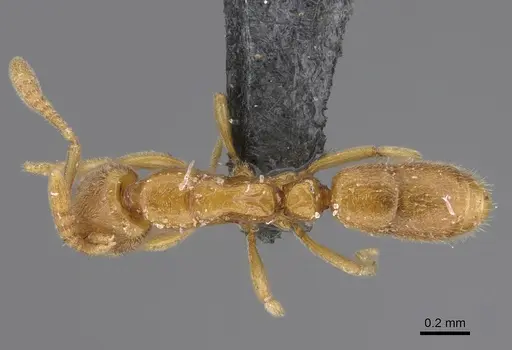
CASENT0401861
View on AntWeb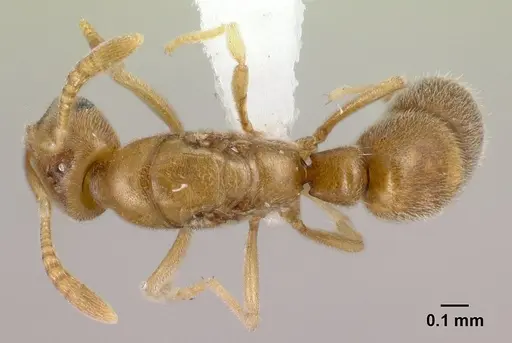
CASENT0417321
View on AntWeb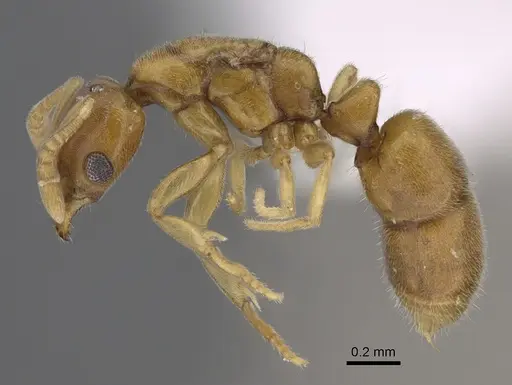
CASENT0417325
View on AntWeb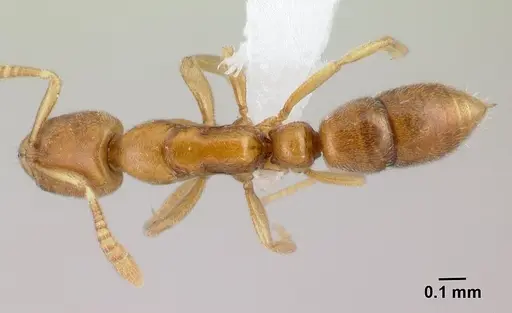
Literature
Loading distribution map...Loading products...