
Hypoponera argentina
- Sci. Name
- Hypoponera argentina
- Tribe
- Ponerini
- Subfamily
- Ponerinae
- Author
- Santschi, 1922
- Distribution
- Found in 1 countries
Introduction
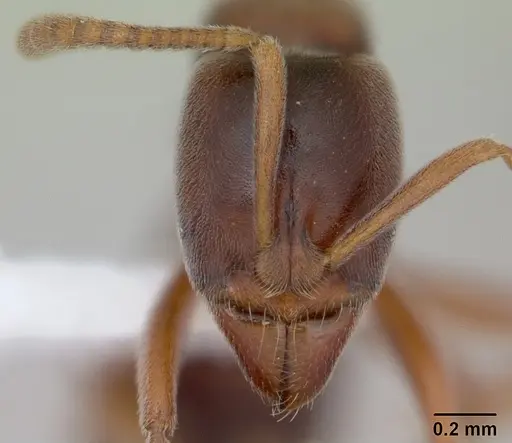
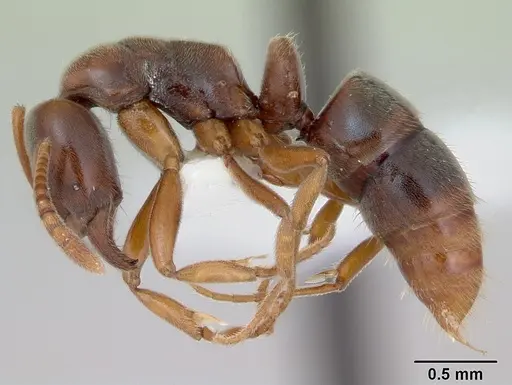
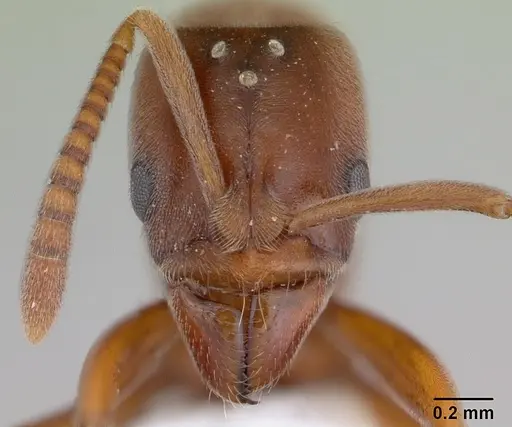
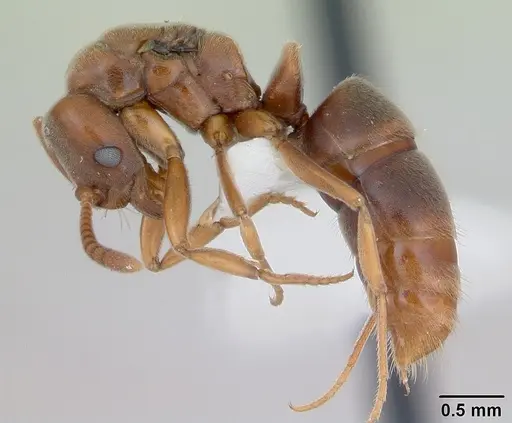
Hypoponera argentina is a small Ponerine ant native to the Neotropical region, specifically found in Argentina and Paraguay . Workers are modest in size and typically dark brown to black in color, characteristic of the genus Hypoponera. This species belongs to the Ponerinae subfamily, tribe Ponerini, known for their predatory habits and functional sting . They are assigned to the 'cryptic species' functional group, meaning they are secretive ground-nesters that prefer hidden microhabitats and are often overlooked in surveys . These ants are rarely seen by casual observers due to their cryptic lifestyle, nesting in soil, under stones, or in decaying wood in forest habitats.
Quick Summary
- Difficulty: Medium
- Origin & Habitat: Native to the Neotropical region, specifically Argentina and Paraguay. Found in Santa Fe province and surrounding areas in central Argentina [1][3][2]. As a cryptic species, they inhabit forest floors, nesting in soil, under stones, or in rotting wood in shaded, humid microhabitats.
- Colony Type: Colony structure is unconfirmed. Many Hypoponera species have ergatoid (wingless) queens that can serve as replacement reproductives, but this has not been documented for H. argentina specifically.
- Size & Growth:
- Queen: Size data unavailable, inferred from Hypoponera genus (~5-6mm)
- Worker: Size data unavailable, inferred from Hypoponera genus (~2.5-3.5mm)
- Colony: Colony size data unavailable for this species
- Growth: Growth rate data unavailable
- Development: Development timeline unconfirmed for this species (Ponerine ants typically develop slower than many Myrmicines, but exact timeline for H. argentina is unknown.)
- Antkeeping:
- Temperature: Keep at 22-26°C. Provide a temperature gradient allowing workers to select their preferred zone. Ponerines are generally tolerant but prefer warmth.
- Humidity: High humidity required. Keep nest substrate consistently moist but not waterlogged. These cryptic forest-floor species need damp conditions.
- Diapause: Diapause requirements unconfirmed for this species. Given the subtropical origin in central Argentina, a mild winter rest may be beneficial.
- Nesting: Prefers humid, dark nesting sites. Test tubes with water reservoirs work well, or a Y-tong/plaster nest with consistent moisture. Provide a small outworld for foraging. Avoid dry conditions completely.
- Behavior: Hypoponera argentina is a cryptic, secretive species. Workers are small, agile, and likely nocturnal or crepuscular. They are predatory, hunting small invertebrates in the soil. As Ponerines, they possess a functional sting, use caution during handling. They are not aggressive toward humans but will defend if threatened. Escape prevention should be good despite their small size, as they prefer to stay hidden rather than climb. They are likely slow to establish and cautious in new environments.
- Common Issues: high humidity requirements mean mold can be a problem if ventilation is poor, they are secretive and may seem inactive, this is normal behavior, not a problem, Ponerine stings are painful for their size, handle with care, colony growth is slow and may frustrate beginners expecting fast development, wild-caught colonies may have parasites that are difficult to treat in captivity
Nest Preferences and Housing
Hypoponera argentina is a cryptic species that prefers dark, humid nesting sites. In captivity, they do well in test tube setups with water reservoirs, or in Y-tong/plaster nests that maintain consistent moisture. The nest should be kept in a dark or dimly lit area, as these ants avoid light. Provide a small outworld for foraging, they will venture out to hunt prey but prefer to stay hidden. Avoid dry conditions completely, as this species requires high humidity to survive. A small water tube or cotton-moistened setup works well for maintaining humidity. Because they are small and secretive, avoid disturbing the nest frequently during the founding stage. [3]
Feeding and Diet
As a Ponerine ant, Hypoponera argentina is predatory and will hunt small invertebrates. In captivity, offer small live prey such as fruit flies, pinhead crickets, small mealworms, and other appropriately-sized insects. They are likely to accept protein-rich foods readily. Sugar sources may be accepted occasionally, but Ponerines are primarily predatory and do not rely on honeydew or sugar water like some other ants. Feed small amounts of prey 2-3 times per week, removing any uneaten prey after 24 hours to prevent mold. During founding, the queen will likely capture prey to feed her first brood. Once workers emerge, they will hunt independently.
Temperature and Seasonal Care
Keep Hypoponera argentina at 22-26°C, with a slight gradient if possible. They tolerate warmth but not extreme heat. Given their origin in central Argentina (a subtropical region with distinct seasons), they may benefit from a mild winter rest period. Reduce temperature to 15-18°C for 2-3 months during winter, reducing feeding accordingly. This winter rest helps synchronize their annual cycle and may improve colony health long-term. Do not cool them abruptly, allow a gradual transition over 1-2 weeks. Room temperature within their range is acceptable, but avoid placing the nest near heating vents or in direct sunlight that could cause temperature swings.
Behavior and Temperament
This is a secretive, cryptic species that spends most of its time hidden within the nest or foraging in darkness. Workers are small but determined predators, using their sting to subdue prey. They are not particularly aggressive toward humans but will defend the nest if directly threatened. Their sting is present and functional, while small, it can deliver a noticeable sting comparable to other Ponerines of their size. They are not escape artists in the typical sense, they prefer to stay hidden rather than explore and climb, so standard escape prevention measures are usually sufficient. Colonies may appear inactive for long periods, especially during the day, this is normal cryptic behavior, not a sign of problems. They are slow to establish and should be given plenty of patience during the founding phase.
Frequently Asked Questions
How long does it take for Hypoponera argentina to produce first workers?
Exact development timeline is unconfirmed for this species. Ponerine ants generally take longer to develop than many common ant species, so expect several months for first workers under optimal warm conditions. Patience is essential during the founding stage.
What do Hypoponera argentina eat?
They are predatory ants that hunt small invertebrates. Feed them small live prey such as fruit flies, pinhead crickets, small mealworms, or other appropriately-sized insects. They may accept occasional sugar sources but protein prey should be their primary food.
Can I keep Hypoponera argentina in a test tube?
Yes, test tubes work well for this species. Use a test tube with a water reservoir (cotton ball) to maintain humidity. Keep the setup in a dark or dimly lit area, as they prefer dark conditions. Provide a small outworld for foraging.
Are Hypoponera argentina good for beginners?
They are rated as medium difficulty. They require high humidity and have slower growth than many beginner species. They are also secretive, which can make observing them less engaging. They are best suited for keepers who are patient and can maintain consistent humidity levels.
Do Hypoponera argentina need hibernation?
Diapause requirements are unconfirmed for this species. Given their subtropical origin in Argentina, a mild winter rest may be beneficial. Consider reducing temperatures to 15-18°C for 2-3 months during winter. Do not feed them during this dormant period.
How big do Hypoponera argentina colonies get?
Colony size data is unavailable for this specific species. Based on typical Hypoponera species patterns, colonies may reach several hundred workers over several years, but this is not confirmed.
Why does my Hypoponera argentina colony seem inactive?
This is normal behavior, they are cryptic ants that prefer to stay hidden. They are likely most active at night or in dim conditions. Do not disturb the nest frequently. As long as the queen is alive and there are no other signs of problems, inactivity is not a concern.
Report an Issue
The current care sheet is based fully on literature. See inconsistencies, or something that's incorrect? Please , it will be resolved after review from an admin. Contributing to the blogs tab also helps providing information, to make us be able to further improve the caresheets. Thank you for your support!
References

This caresheet is licensed under CC BY-SA 4.0 .
Community Blogs
CASENT0173710
View on AntWeb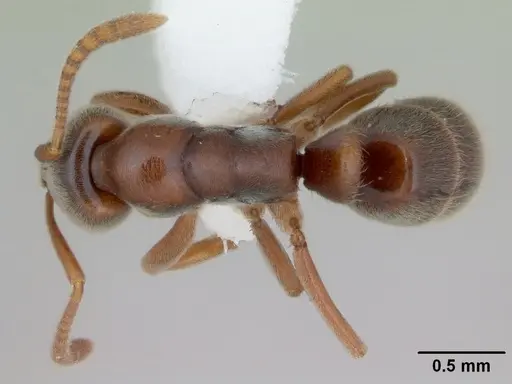
CASENT0173711
View on AntWeb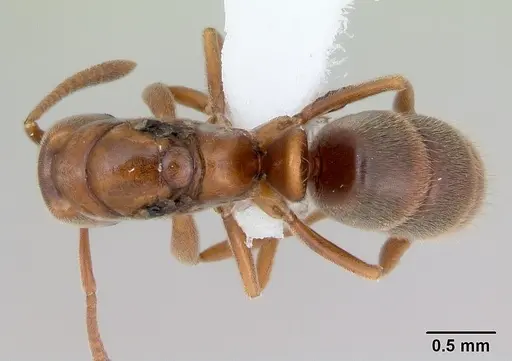
Literature
Loading distribution map...Loading products...