
Hylomyrma reitteri
- Sci. Name
- Hylomyrma reitteri
- Tribe
- Pogonomyrmecini
- Subfamily
- Myrmicinae
- Author
- Mayr, 1887
- Distribution
- Found in 4 countries
Introduction
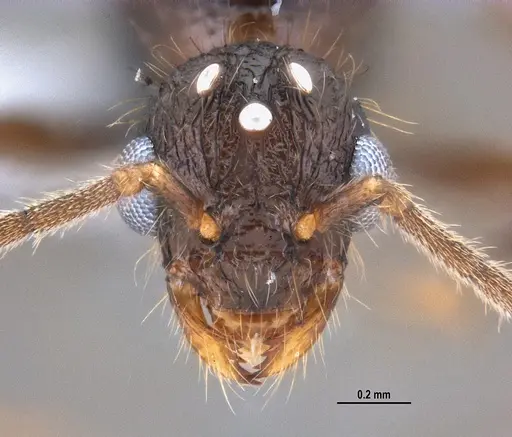
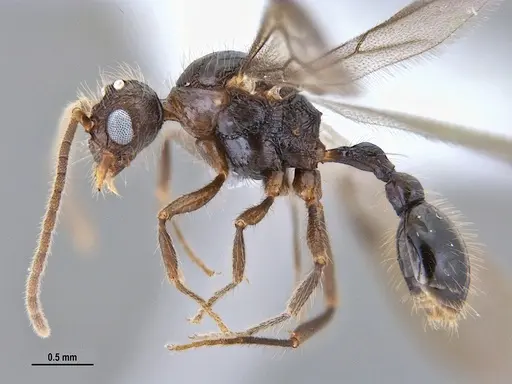
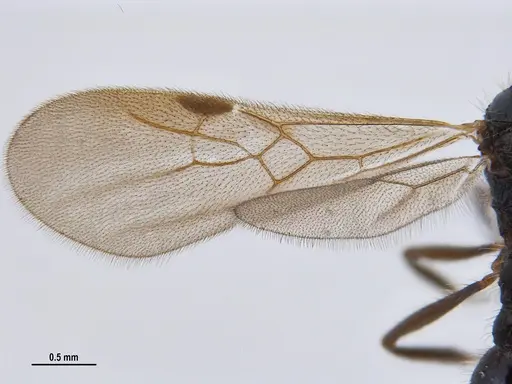
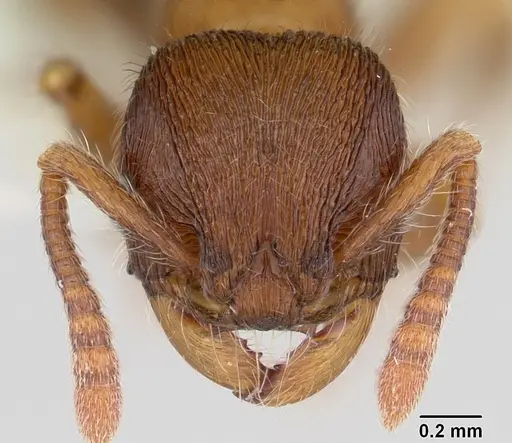
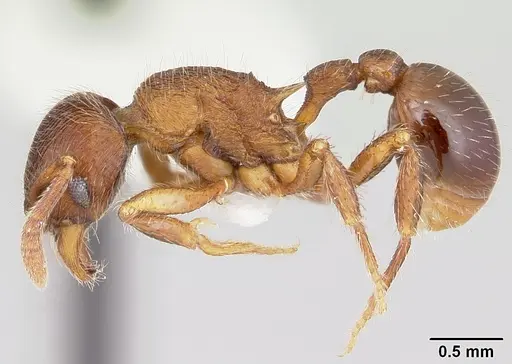
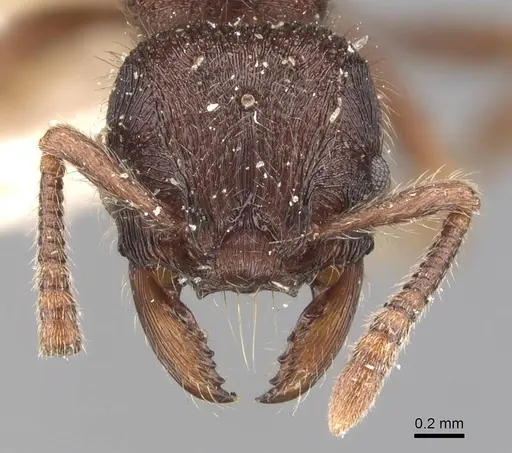
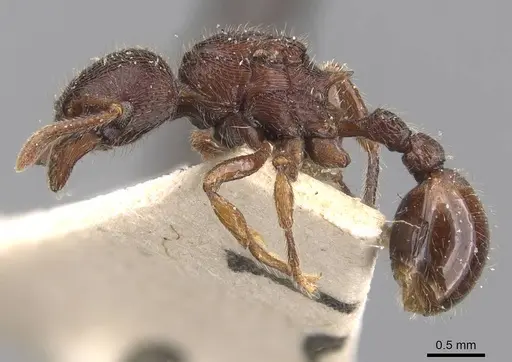
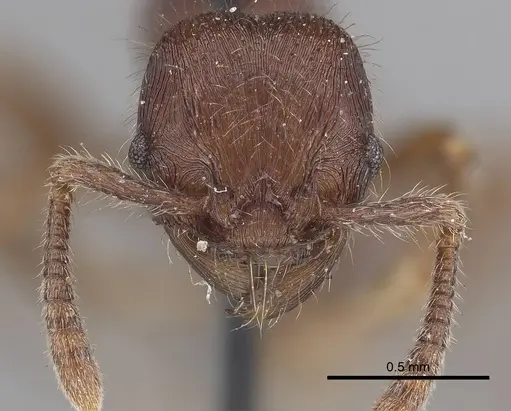
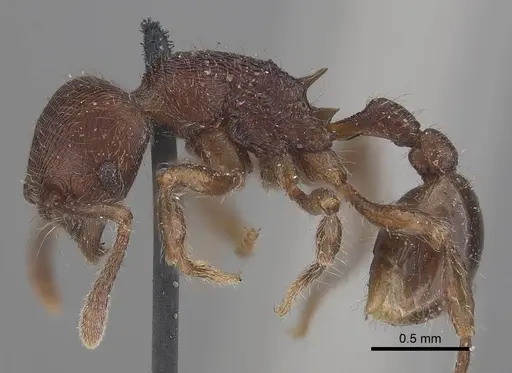
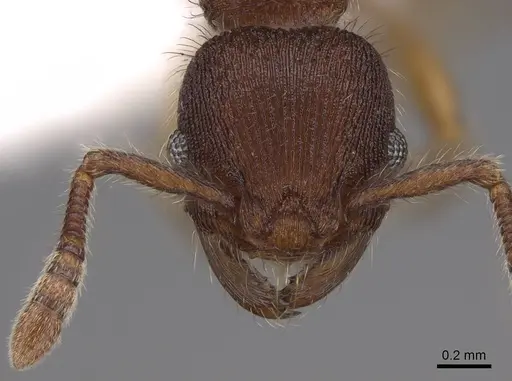
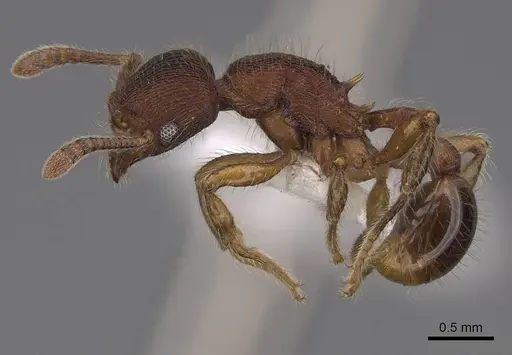
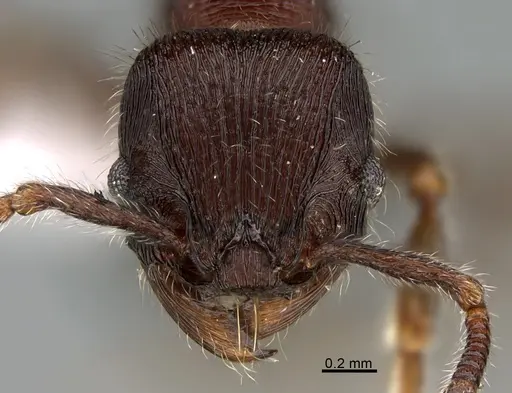
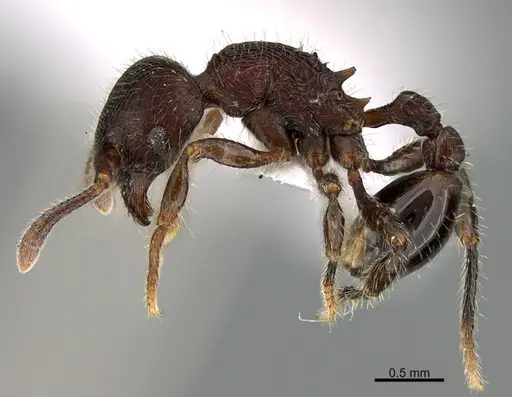
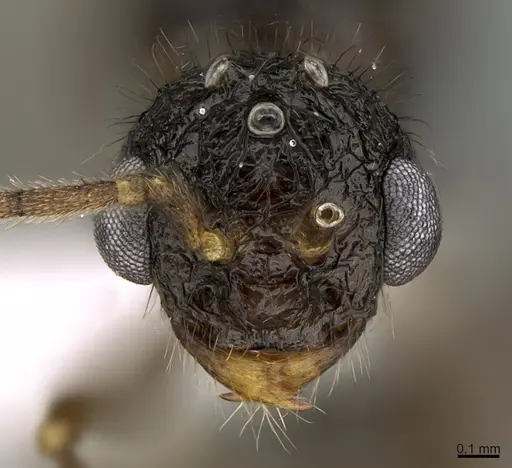
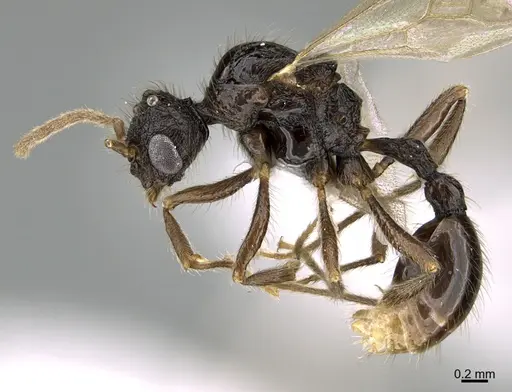
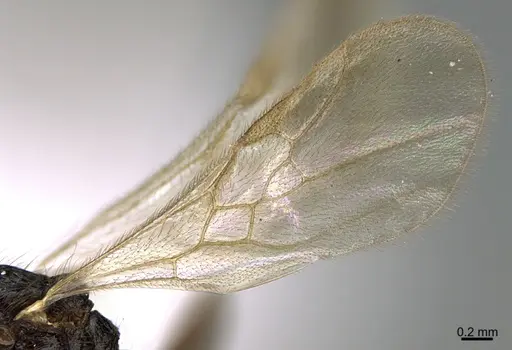
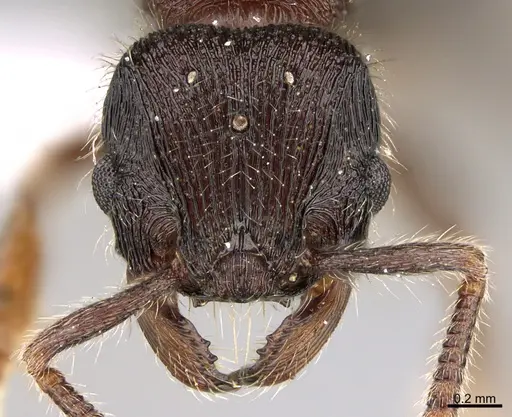
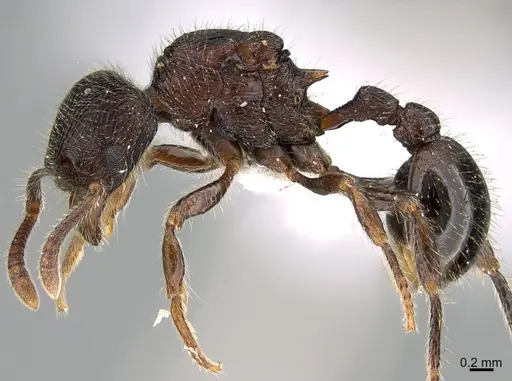
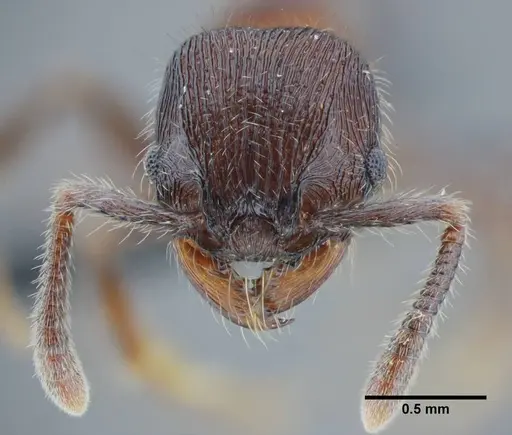
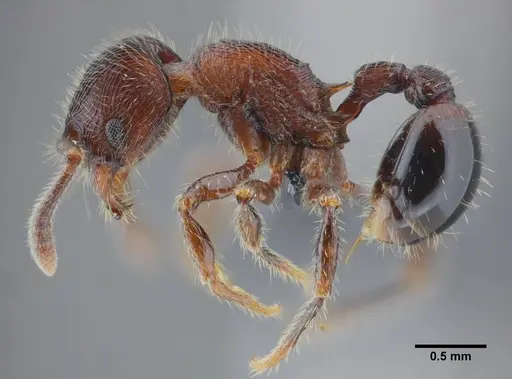
Hylomyrma reitteri is a small to midsized ant measuring 4.26-5.28mm for workers and 5.01-5.74mm for queens . They have a shiny integument with distinctive branched setae - thin ones with 2-3 short branches and thick flattened hairs with several branches. Their reniform (kidney-shaped) eyes and longitudinal striae on the mesosoma help distinguish them from similar species . This ant inhabits the Atlantic forest regions of eastern Brazil from southern Bahia to Rio Grande do Sul, with additional populations in Paraguay, Argentina, and Colombia . They nest in fallen logs, rotten wood, between leaves, or in natural cavities of shallow soil layers . What makes H. reitteri unusual is the high number of intercastes - individuals with mixed worker and queen traits - found in samples. Out of 1,037 female specimens analyzed,730 were intercastes, and winged queens were sometimes collected together with queen-like intercastes in the same samples . They are leaf-litter dwellers, moving slowly through the forest floor as solitary hunters .
Quick Summary
- Difficulty: Medium
- Origin & Habitat: Eastern Brazil (Bahía to Rio Grande do Sul), Paraguay, Argentina, and Colombia. Primarily Atlantic forest, with records in Cerrado (Brazilian savanna) in Goiás and coffee plantations in Minas Gerais [1]. Found in leaf-litter samples, nesting in fallen logs, rotten wood, between leaves, or in shallow soil cavities [1]. They occur in forest habitats and have been recorded in eucalyptus plantations [6][7].
- Colony Type: Colony structure is not directly documented. The species shows significant morphological variation with many intercastes (mixed worker-queen traits). Winged queens and queen-like intercastes have been collected together, suggesting potential for multiple reproductive individuals, but this does not confirm polygyny. Ergatoid (wingless queen) presence is suspected based on intercaste morphology [1].
- Size & Growth:
- Queen: 5.01-5.74 mm [1]
- Worker: 4.26-5.28 mm [1]
- Colony: Unknown, no colony size data available in research
- Growth: Unknown, no development data available for this species
- Development: Unconfirmed, no direct development data exists for this species (Related Hylomyrma species and typical Myrmicinae patterns suggest development may take 6-10 weeks at tropical temperatures, but this is an estimate only)
- Antkeeping:
- Temperature: Keep at 22-26°C based on their Atlantic forest habitat in southeastern Brazil. They prefer stable, warm, humid conditions. Room temperature within this range works well, use a heating cable on one side of the nest if needed.
- Humidity: High humidity is essential, they live in leaf-litter and rotting wood in humid forests. Keep the nest substrate consistently moist but not waterlogged. Provide a water tube and occasional misting, but avoid standing water. The substrate should feel damp to the touch.
- Diapause: Unknown, no specific research on diapause requirements. As a tropical/subtropical species from Atlantic forest, they likely have reduced activity in cooler months but may not require true hibernation. Keep at slightly reduced temperatures (18-20°C) during winter months and reduce feeding.
- Nesting: They naturally nest in rotting wood, fallen logs, and leaf-litter cavities. In captivity, they do well in naturalistic setups with rotting wood pieces or cork bark, or in Y-tong/plaster nests with high humidity. Test tubes can work but may need modification to provide more space and moisture retention. They prefer tight, humid chambers.
- Behavior: These are cryptic leaf-litter ants with slow, deliberate movements [5][8]. They are classified as solitary hunters and specialist predators [9][4], foraging alone through the leaf-litter layer rather than in visible trails. They are not aggressive and pose minimal escape risk given their moderate size. They are shy and will retreat when disturbed. Escape prevention is standard, they are not known as escape artists.
- Common Issues: high humidity needs can lead to mold if ventilation is poor, balance is key, slow growth with no available development data means patience is required, wild-caught colonies may have parasites given their leaf-litter habitat, intercastes may cause confusion about colony structure but are normal for this species, they are sensitive to drying out, monitor substrate moisture closely
Natural History and Distribution
Hylomyrma reitteri is found across eastern Brazil from southern Bahia to Rio Grande do Sul, with additional populations in Paraguay, Argentina, and Colombia [1][2][3]. Their primary habitat is the Atlantic forest, though they also occur in Cerrado (Brazilian savanna) in Goiás state and in coffee plantations in Minas Gerais [1].
They are classic leaf-litter ants, found most often in Winkler extractor samples of sifted leaf-litter from the forest floor [1]. This collecting method involves hanging leaf-litter in mesh bags to let small arthropods fall out over time, indicating these ants live deep in the litter layer. Their nests are located in fallen logs, rotten wood, between accumulated leaves, or inside natural cavities in the top layers of soil [1]. They are typically found in the superficial soil layer (0-10 cm depth) [10].
The species is considered important for forest ecosystems and is classified as a cryptic species typical of forest environments [5]. They show slow, deliberate movements through leaf-litter, which is part of why they are often missed in standard surveys. They have been recorded in eucalyptus plantations but are more common in native forest [6][7].
Unique Morphology and Identification
H. reitteri has several distinctive features that set it apart from other Hylomyrma species. Workers have a shiny integument (smooth, glossy outer surface) and distinctive branched setae (hair-like structures) of two types: thin hairs with 2-3 short branches, and thick flattened hairs with several branches [1].
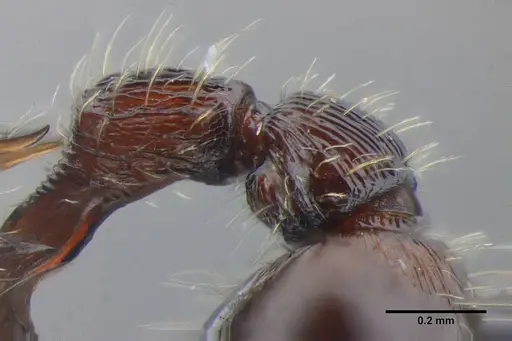
Their eyes are reniform, meaning kidney-shaped, which helps distinguish them from similar species. The head has regular longitudinal striae (grooves) that diverge toward the back of the head. The mesosoma (middle body section) has longitudinal striae that are regular to irregular. The ventral surface of the petiole node is smooth, and the first gastral segment has striae restricted to the base [1].
This species can be distinguished from H. balzani (which it overlaps with in distribution) by the regular to irregular striae on the mesosoma versus rugose striae, and the smooth ventral surface of the petiole versus a striate surface [1].
Housing and Nest Preferences
In captivity, H. reitteri does best in setups that replicate their natural leaf-litter and rotting wood habitat. A naturalistic setup with pieces of rotting wood, cork bark, or leaf-litter material works well. Alternatively, Y-tong or plaster nests with high humidity chambers are suitable.
Keep the nest chamber tight and appropriately sized, these are small ants at 4-5mm. Provide a water tube for humidity and ensure the substrate stays consistently moist. Because they come from humid forest floors, they are sensitive to drying out.
Test tubes can work for founding colonies but may need modification to maintain humidity. Place a damp cotton ball in the test tube and monitor moisture levels. A small outworld for foraging completes the setup.
Feeding and Diet
Based on guild classification, H. reitteri is a specialist predator that hunts alone through leaf-litter [9][4]. They are also classified as litter omnivores and scavengers [11], meaning they likely accept a variety of foods including small prey and organic matter.
In captivity, offer small live prey appropriate to their size: fruit flies, pinhead crickets, small mealworms, and other tiny insects. They may also accept protein-based commercial ant foods. Sugar sources like honey water or sugar water may be accepted but are not a primary part of their natural diet.
Feed every 2-3 days, removing uneaten prey after 24 hours to prevent mold. Adjust feeding frequency based on colony consumption.
Temperature and Seasonal Care
Maintain temperatures between 22-26°C, which matches their native Atlantic forest habitat in southeastern Brazil. Room temperature within this range is typically suitable. If needed, use a heating cable on one side of the nest to create a gentle gradient.
As a tropical/subtropical species, they likely do not require true hibernation. However, during cooler winter months, you may reduce temperatures slightly to 18-20°C and reduce feeding to match reduced activity levels. This simulates the seasonal changes in their native habitat.
Avoid temperature extremes and sudden fluctuations. They prefer stable conditions. [1]
Behavior and Temperament
Hylomyrma reitteri is a shy, cryptic ant with slow, deliberate movements [5][8]. They are solitary foragers, hunting alone through the leaf-litter rather than forming visible foraging trails. When disturbed, they retreat rather than confront threats.
They are not aggressive and pose no significant danger to keepers. Their moderate size (4-5mm) means standard escape prevention measures are sufficient, they are not known escape artists like some smaller species.
The high number of intercastes (mixed worker-queen individuals) observed in wild populations is notable [1]. These are morphological intermediates between workers and queens and appear to be a normal part of this species' social structure, possibly related to their reproductive flexibility.
Frequently Asked Questions
How long does it take for Hylomyrma reitteri to develop from egg to worker?
The development timeline is unconfirmed, no specific research exists for this species. Based on typical Myrmicinae patterns and related Hylomyrma species, expect approximately 6-10 weeks at optimal temperatures (24-26°C). This is an estimate only.
What do Hylomyrma reitteri ants eat?
They are specialist predators and scavengers. Feed small live prey like fruit flies, tiny crickets, and small insects. They may also accept commercial protein foods. Sugar sources like honey water may be accepted but are not primary.
Can I keep multiple Hylomyrma reitteri queens together?
The colony structure is not well documented. The presence of winged queens and queen-like intercastes together in samples suggests some flexibility, but combining unrelated queens has not been studied. It is not recommended based on typical ant behavior.
Are Hylomyrma reitteri good for beginners?
This species is rated as medium difficulty. Their main challenges are high humidity requirements and the lack of available development data, meaning keepers must be patient. They are not aggressive and do not require special escape prevention beyond standard measures.
What temperature should I keep Hylomyrma reitteri at?
Keep them at 22-26°C based on their Atlantic forest habitat. Room temperature within this range is typically suitable. Use a heating cable on one side of the nest if your room runs cooler.
Do Hylomyrma reitteri need hibernation?
Diapause requirements are unknown. As a tropical/subtropical species, they likely do not require true hibernation. However, reducing temperatures slightly to 18-20°C during winter months and reducing feeding is recommended.
How big do Hylomyrma reitteri colonies get?
Colony size is unknown, no research data exists on maximum colony size for this species. Based on their leaf-litter habitat and moderate worker size, colonies are likely moderate (likely under a few hundred workers).
What type of nest is best for Hylomyrma reitteri?
Naturalistic setups with rotting wood or cork bark work well, replicating their natural nesting in fallen logs. Y-tong or plaster nests with high humidity chambers are also suitable. Keep substrate consistently moist.
Why does Hylomyrma reitteri have so many intercastes?
Intercastes (individuals with mixed worker-queen traits) are unusually common in this species, 730 out of 1,037 female specimens were intercastes [1]. This appears to be a natural feature of their social structure, possibly related to reproductive flexibility. They are not a problem and are normal for this species.
Report an Issue
The current care sheet is based fully on literature. See inconsistencies, or something that's incorrect? Please , it will be resolved after review from an admin. Contributing to the blogs tab also helps providing information, to make us be able to further improve the caresheets. Thank you for your support!
References

This caresheet is licensed under CC BY-SA 4.0 .
Community Blogs
ANTWEB1047727
View on AntWeb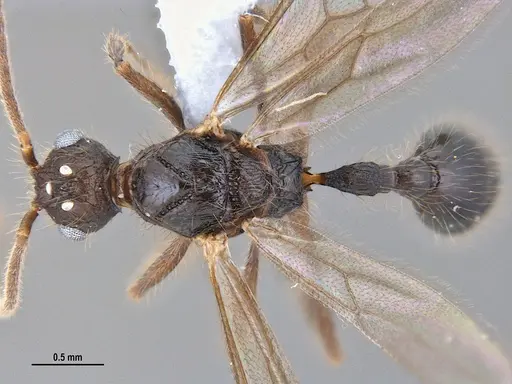
CASENT0173969
View on AntWeb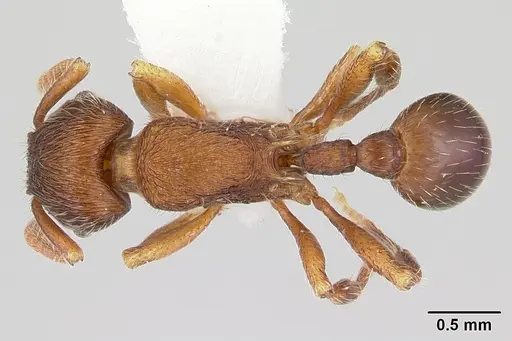
CASENT0907677
View on AntWeb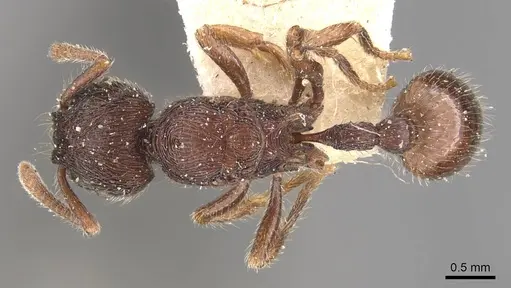
CASENT0919630
View on AntWeb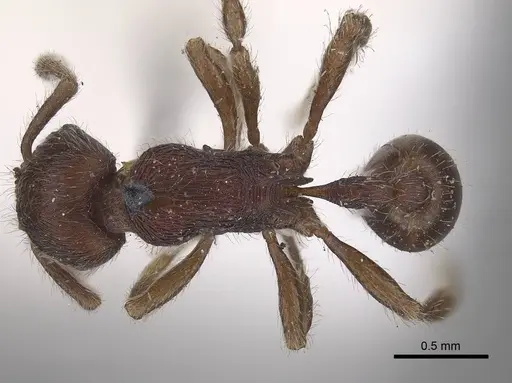
CASENT0923019
View on AntWeb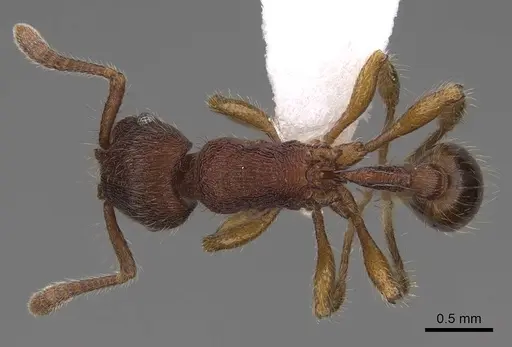
CASENT0923629
View on AntWeb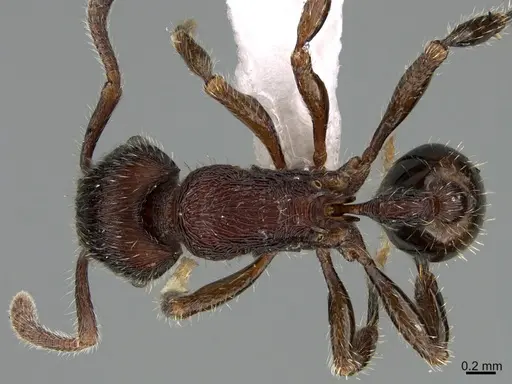
CASENT0923630
View on AntWeb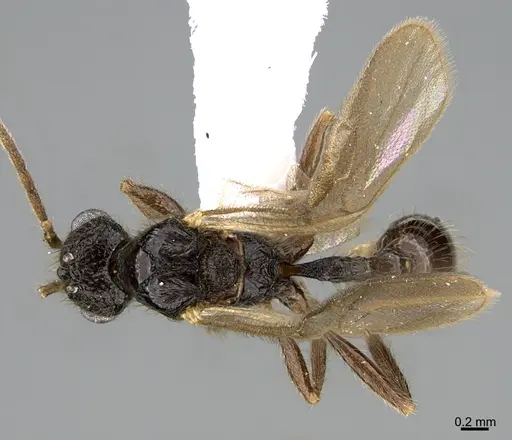
CASENT0923631
View on AntWeb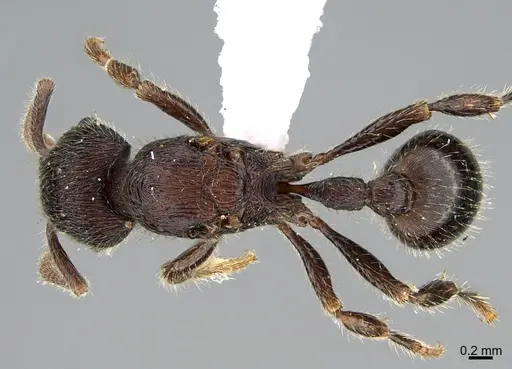
UFV-LABECOL-000141
View on AntWeb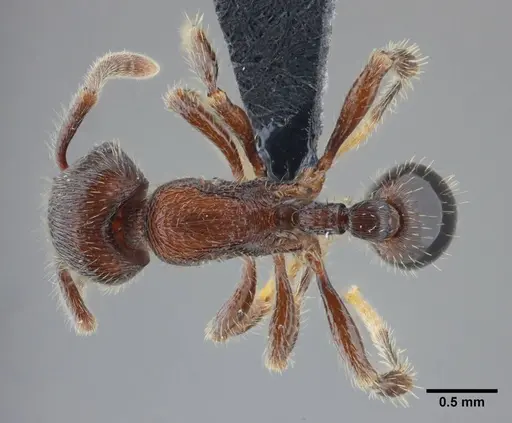
Literature
Loading distribution map...Loading products...