
Hylomyrma primavesi
- Sci. Name
- Hylomyrma primavesi
- Tribe
- Pogonomyrmecini
- Subfamily
- Myrmicinae
- Author
- Ulysséa, 2021
- Distribution
- Found in 1 countries
Introduction
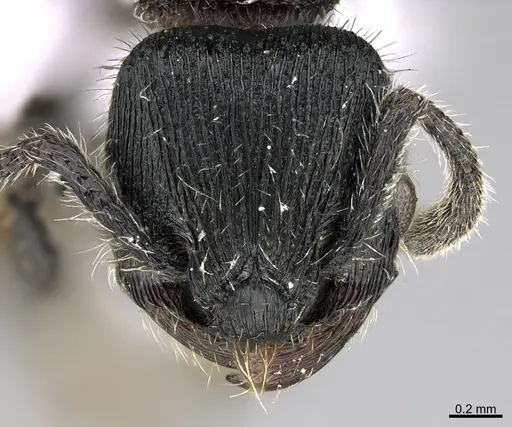
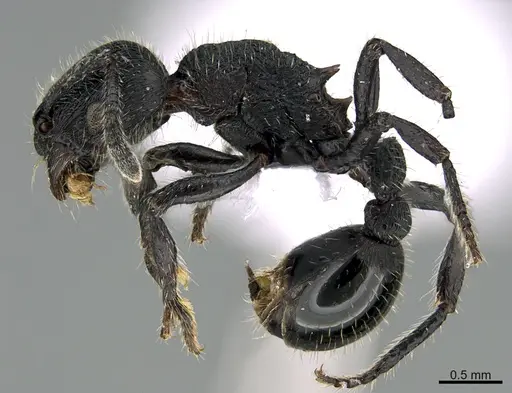
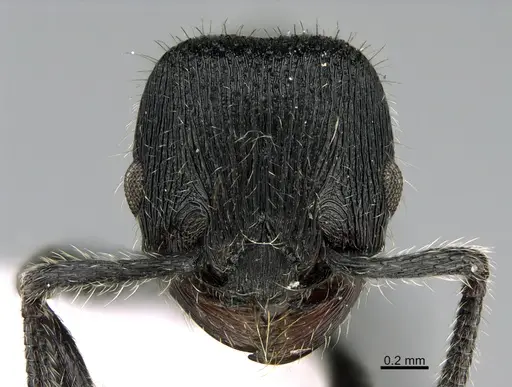
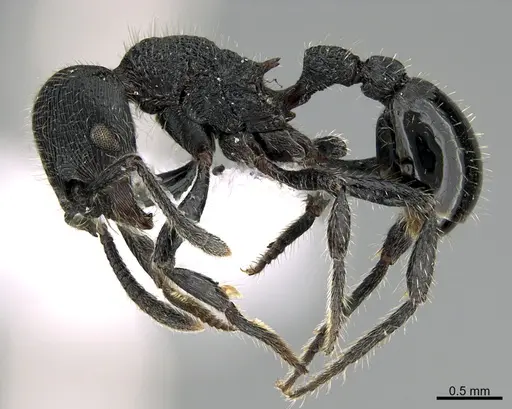
Hylomyrma primavesi is a medium-large ant species native to the high-elevation campos rupestres (rocky savannas) of Serra do Cipó in Minas Gerais, Brazil. Workers measure 5.32-5.78mm and have a distinctive black body with unique striation patterns on their head and mesosoma . This species is remarkable for being the only known Hylomyrma that reproduces exclusively through ergatoid (wingless) queens rather than winged queens . Colonies are small, containing 7-65 workers plus intercaste specimens, all centered around a single ergatoid queen . The species was named in honor of Ana Maria Primavesi, a pioneering Brazilian agronomist .
Quick Summary
- Difficulty: Medium
- Origin & Habitat: Serra do Cipó, Minas Gerais, Brazil at elevations 1100-1400m in campos rupestres (rocky savannas/grasslands) [1][2]
- Colony Type: Single-queen colonies with one ergatoid (wingless) queen per colony. Ergatoid queens are the only reproductive caste known, no winged queens have been documented [2]. Workers and intercaste specimens have limited reproductive anatomy (one pair of ovarioles, no spermatheca), while ergatoid queens have three pairs of ovarioles and a functional spermatheca [2].
- Size & Growth:
- Queen: 5.73-6.05mm ergatoid queen [2]
- Worker: 5.32-5.78mm [1]
- Colony: up to 65 workers plus intercaste specimens per colony [2]
- Growth: Unknown, no development data available
- Development: Unknown, development has not been studied. (Eggs are whitish, semi-transparent, smooth, oval with approximately 3:1 length:width ratio. Young larvae are 1.5-1.8mm, nearly adult larvae reach 3.8-4.1mm [2]. No data on development duration.)
- Antkeeping:
- Temperature: Keep at room temperature or slightly warm. Based on high-elevation campos rupestres habitat (1100-1400m), they likely prefer cooler conditions than lowland tropical ants. Start around 20-24°C and observe colony activity.
- Humidity: Native to sandy soil in relatively open, rocky savanna. Keep nest substrate moderately moist but not waterlogged. Allow some drying between waterings [2]
- Diapause: Unknown, no data on seasonal requirements. The campos rupestres experience cooler temperatures and seasonal variation, so a cool period may be beneficial.
- Nesting: Natural nests are shallow (5.5-9cm deep) in sandy soil with a simple straight tunnel leading to a final chamber. Tube entrances are small (0.2-0.5cm), often curved, made of sand grains and grass fragments [2]. In captivity, a small formicarium or test tube setup with sandy substrate works well. Keep chambers appropriately sized for their medium-large size.
- Behavior: These ants are docile and non-aggressive. Workers forage solitarily over short distances (up to 4m from nest) and prefer very small prey items [2]. When threatened by other ants (Linepithema), they retreat and hide rather than fight, a single 2-3mm Linepithema worker can dominate a 5.3-5.8mm Hylomyrma worker [2]. When disturbed, workers carry brood (eggs, larvae, pupae) to safety [2]. They are not escape artists but standard containment is recommended.
- Common Issues: small colony size means slower population growth, don't expect rapid expansion, diet specialization on tiny insects may make feeding challenging, offer small prey items, ergatoid queen reproduction is slow, colonies remain small, solitary foraging means you may not see activity often, lack of development data makes timing uncertain, patience is required, sensitive to aggressive ant encounters, keep them away from other ant species
Housing and Nest Setup
Hylomyrma primavesi nests in shallow sandy soil in the wild, with tunnels only 5.5-9cm deep [2]. For captivity, use a small formicarium with sandy or loose soil substrate that allows them to dig simple tunnels. A test tube setup with a sand-filled chamber can also work, though they may prefer the option to dig. The nest entrance in the wild is very small (0.2-0.5cm diameter), often curved and made of sand grains and grass pieces [2]. In captivity, provide a small, inconspicuous entrance. Since colonies stay small (max 65 workers), they don't need large spaces. Keep the nest moderately humid but allow the substrate to dry partially between waterings, these are not high-humidity ants. Provide an outworld area for foraging, but since they forage solitarily over short distances, a simple setup is sufficient [2].
Feeding and Diet
In the wild, H. primavesi forages for very small insects including Collembola (springtails), Diptera larvae and pupae, and Coleoptera larvae and adults [2]. Workers also bring back minute pieces of vegetable matter and sand grains to the nest. In captivity, foragers accepted live clothes moth larvae, cocoons of parasitoid wasps, living and dead Tenebrio larvae, dead mosquitos, and dead flies [2]. Notably, live mosquito larvae were rejected [2]. They prefer tiny prey items, avoid offering large insects. A varied diet of small protein sources is ideal. Sugar sources have not been documented as accepted. Feed small prey items every few days, removing uneaten food promptly.
Temperature and Seasonal Care
This species comes from high elevations (1100-1400m) in the campos rupestres of Serra do Cipó, Brazil [1]. This habitat is characterized by cooler temperatures than lowland tropical areas, with rocky savanna and grassland conditions. Keep them at room temperature or slightly warm, aim for 20-24°C and observe colony behavior. If workers seem sluggish, slightly warmer temperatures may help. Do not overheat. Information on diapause or winter requirements is unknown, but the seasonal variation in their native habitat suggests they may benefit from a cooler period.
Behavior and Colony Dynamics
This species has several unusual traits that affect keeping. Most remarkably, they are the only Hylomyrma species with exclusively ergatoid (wingless) queens, winged queens have never been documented [2]. This means queens cannot fly to disperse and establish new colonies, instead, they likely establish in pre-existing cavities near the parent nest. Colonies are small, with up to 65 workers plus intercaste specimens [2]. Workers forage solitarily rather than in groups, traveling up to 4 meters from the nest [2]. They are docile and avoid conflict, when encountering aggressive Linepithema ants, they retreat and hide rather than fight [2]. When disturbed, workers carry brood (eggs, larvae, pupae) to safety [2]. This defensive behavior should be considered when handling or moving nests.
Understanding Ergatoid Queens
Hylomyrma primavesi is unique among Hylomyrma species for having only ergatoid queens [2]. Ergatoid queens are wingless females that can reproduce but developed from worker-like forms rather than the typical winged queen caste. In this species, ergatoid queens are slightly larger than workers (5.73-6.05mm vs 5.32-5.78mm) and have three pairs of ovarioles plus a functional spermatheca for storing sperm [2]. Workers and intercaste specimens have only one pair of ovarioles and lack a spermatheca, making them non-reproductive [2]. This colony structure means you will have one queen that never produces wings, the colony expands through worker production rather than dispersal. The ergatoid queen system also means colonies may grow more slowly than species with winged queens.
Frequently Asked Questions
How long does it take for Hylomyrma primavesi to produce first workers?
The egg-to-worker development time is unknown, this has not been studied in the scientific literature. You will need patience with this species.
Can I keep multiple Hylomyrma primavesi queens together?
No. Wild colonies consistently have exactly one ergatoid queen per colony [2]. There is no evidence that multi-queen arrangements occur naturally, and combining unrelated queens is not recommended.
What do Hylomyrma primavesi ants eat?
They prefer very small insects including springtails (Collembola), fly larvae and pupae, and small beetle larvae [2]. In captivity, they accept small prey like clothes moth larvae, Tenebrio larvae, and dead insects. They do not accept larger prey or live mosquito larvae. Sugar sources have not been documented as accepted.
How big do Hylomyrma primavesi colonies get?
Colonies are small, reaching approximately up to 65 workers plus intercaste specimens in the wild [2]. This is a relatively small colony size compared to many ant species.
Do Hylomyrma primavesi ants sting?
Hylomyrma belongs to the subfamily Myrmicinae, which includes ants with stingers. However, their sting is likely too weak to penetrate human skin. They are docile and prefer to retreat from threats rather than fight [2].
Are Hylomyrma primavesi good for beginners?
This species is rated as medium difficulty. While not aggressive, their small colony sizes, specific diet requirements (tiny prey), and lack of available development data make them more challenging than common beginner species. Their unique ergatoid queen system also means colonies grow slowly. Experienced antkeepers interested in unusual species will find them rewarding.
What temperature do Hylomyrma primavesi need?
Based on their high-elevation habitat in Serra do Cipó (1100-1400m), they likely prefer cooler conditions than typical tropical ants. Keep them at room temperature, around 20-24°C. Avoid overheating. Monitor colony activity to find the ideal range.
Do Hylomyrma primavesi need hibernation?
Diapause requirements are unknown. Their native habitat in the Brazilian highlands experiences seasonal temperature variation, so a cooler period may be beneficial. More research is needed on their exact seasonal requirements.
Why are my Hylomyrma primavesi dying?
Potential issues include: prey items too large (they need tiny insects), excessive humidity (they prefer moderately dry conditions), overheating, or stress from disturbance. They are sensitive to aggressive ant encounters, keep them away from other ant species. Also ensure they are not overhandled, as they carry brood when disturbed [2].
When should I move Hylomyrma primavesi to a formicarium?
Since wild colonies stay small (under 65 workers), they can remain in a test tube or small setup for most of their colony life. Move them when the current setup becomes too small or the colony shows signs of outgrowing the space. They naturally nest in shallow sandy soil, so a naturalistic setup with sandy substrate works well.
Report an Issue
The current care sheet is based fully on literature. See inconsistencies, or something that's incorrect? Please , it will be resolved after review from an admin. Contributing to the blogs tab also helps providing information, to make us be able to further improve the caresheets. Thank you for your support!
References

This caresheet is licensed under CC BY-SA 4.0 .
Community Blogs
CASENT0923627
View on AntWeb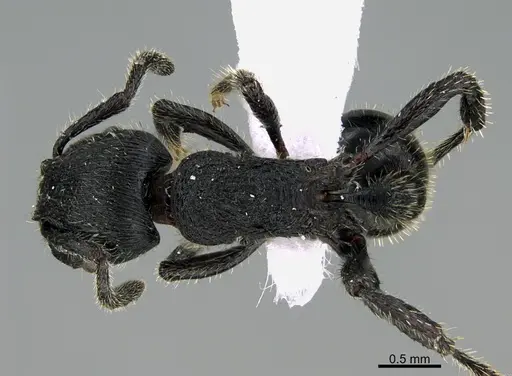
CASENT0923628
View on AntWeb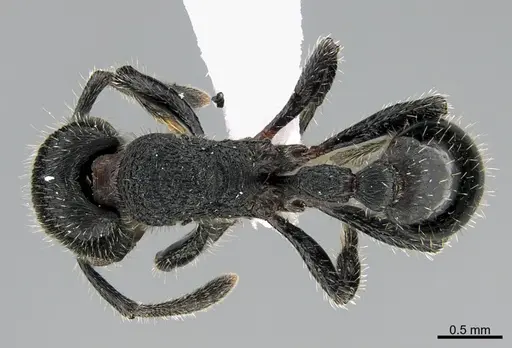
Literature
Loading distribution map...Loading products...