
Hylomyrma longiscapa
- Sci. Name
- Hylomyrma longiscapa
- Tribe
- Pogonomyrmecini
- Subfamily
- Myrmicinae
- Author
- Kempf, 1961
- Distribution
- Found in 2 countries
Introduction
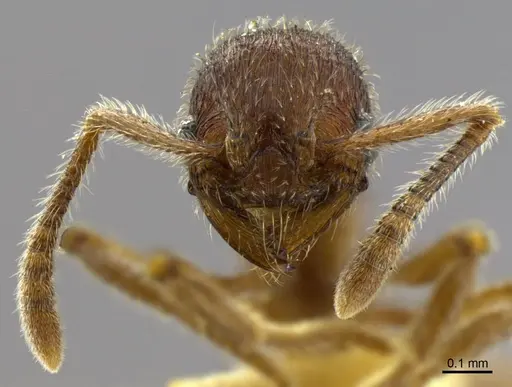
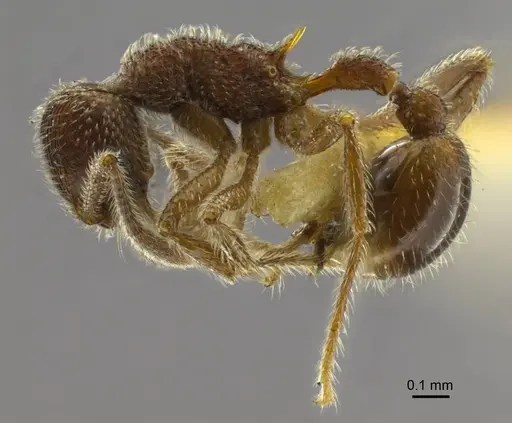
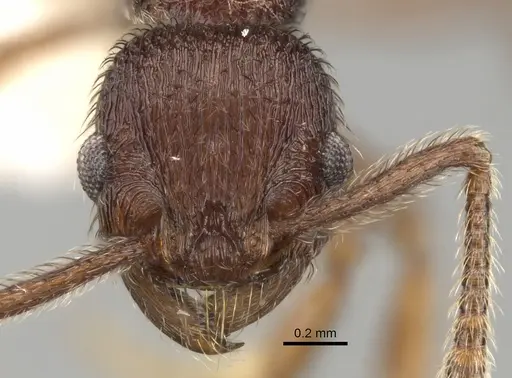
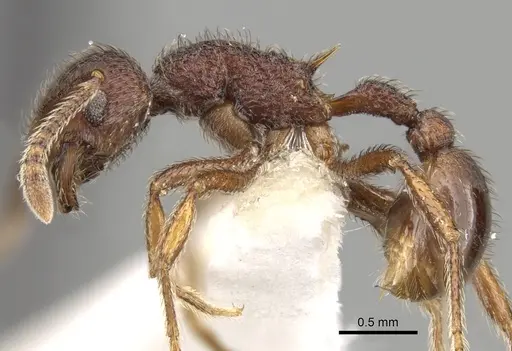
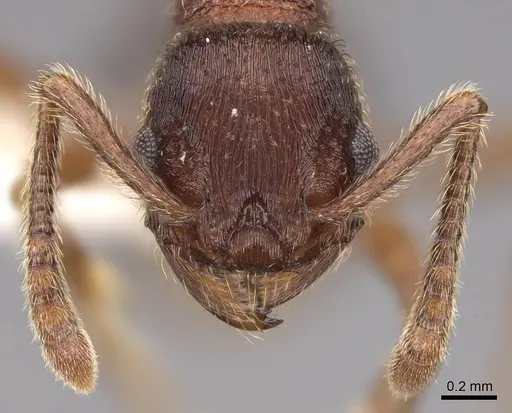
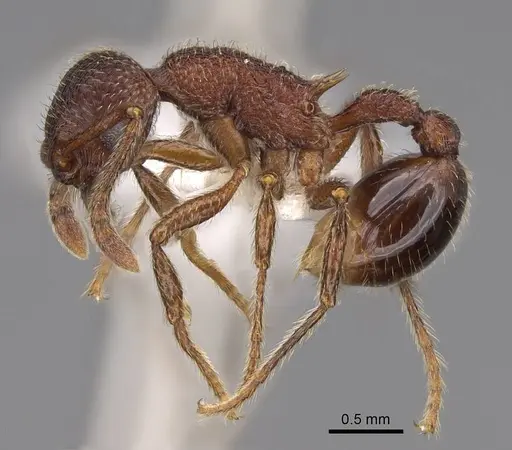
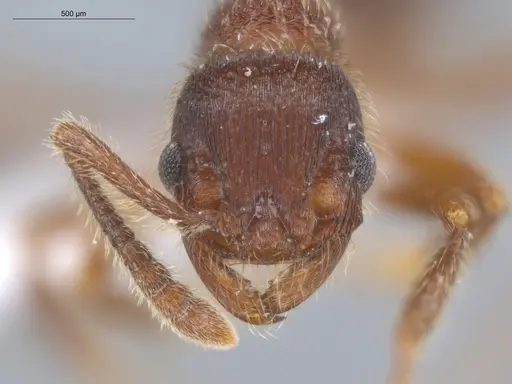
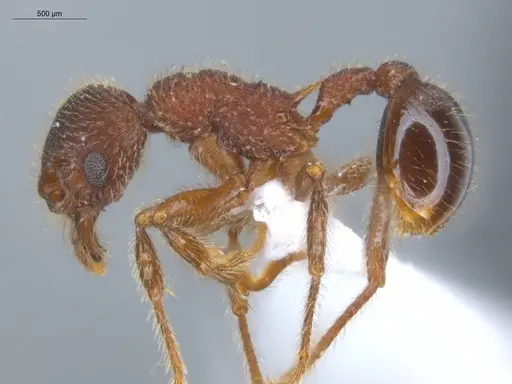
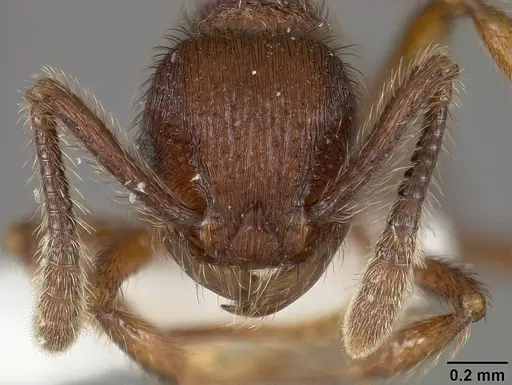
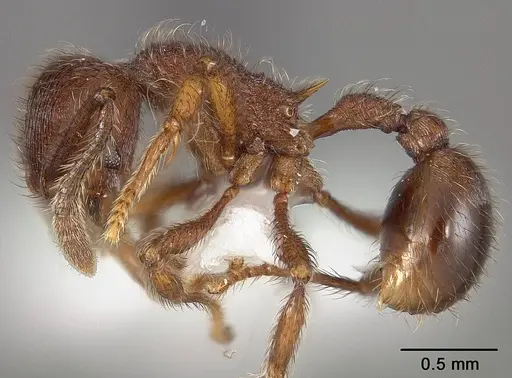
Hylomyrma longiscapa is a small to midsized myrmicine ant native to northern South America. Workers measure 4.33-4.78mm in total length with a shiny dark integument and remarkably long antennal scapes that extend beyond the head margin . The body is covered in many branched setae, with unbranched setae predominating on the gaster. The head has regular longitudinal striae running parallel toward the posterior margin, while the mesosoma displays vermicular striations. The petiole has a discontinuous dorsal margin and the ventral surface is entirely covered with transverse striae. This species inhabits forested areas across Brazil's Atlantic forest, Amazon rainforest, Cerrado savanna, and semideciduous forest enclaves, typically nesting in leaf-litter, fallen logs, rotten wood, or shallow soil cavities . The name 'longiscapa' comes from Latin meaning 'long stem, ' referring to their distinctive long antennal scapes . Queens are slightly larger than workers at 4.76-5mm . This species has been recorded in Brazil, Ecuador, French Guiana, Peru, Venezuela, Colombia, Guyana, and Suriname .
Quick Summary
- Difficulty: Medium
- Origin & Habitat: Northern South America including Brazil (Atlantic forest Northeast, Amazon, Cerrado, Minas Gerais, Maranhão), Ecuador, French Guiana, Peru, Venezuela, Colombia, Guyana, and Suriname. Inhabits forested areas including tropical rainforest, Atlantic forest, Brazilian savanna (Cerrado), and semideciduous forest [1][3][4][2].
- Colony Type: Colony structure is unconfirmed. Intercastes (individuals with intermediate characteristics between castes) have been documented in several populations including Brazil, Ecuador, Peru, and Venezuela [1].
- Size & Growth:
- Antkeeping:
- Temperature: Aim for 22-26°C. This species comes from tropical and subtropical forests in South America, so warmth is important. Avoid temperatures below 20°C or above 30°C.
- Humidity: Keep substrate consistently moist but not waterlogged. These ants live in leaf-litter and rotting wood in humid forests, so they need damp conditions. Mist the outworld regularly and ensure the nest substrate does not dry out completely.
- Diapause: Unknown, diapause requirements have not been studied. As a tropical species from northern South America, they may not require a true hibernation.
- Nesting: In nature they nest in leaf-litter, fallen logs, rotten wood, and shallow soil cavities [1]. In captivity, a naturalistic setup with moist substrate, pieces of rotting wood, and leaf-litter material works well. Alternatively, a Y-tong (AAC) or plaster nest with moisture chambers can work. Avoid dry, desert-like setups.
- Behavior: Behavior is not well-documented in scientific literature. Workers are small but not tiny, so escape risk is moderate, use standard barrier methods.
- Common Issues: lack of documented care information makes proper husbandry challenging, much is inferred from related species, humidity management is critical, too dry and colonies will fail, too wet and mold becomes a problem, colony size is unknown so it is difficult to know when to upgrade to larger setups, founding behavior is unconfirmed, queen may be claustral or semi-claustral, intercastes presence suggests complex caste determination, colony development may be unusual
Natural History and Distribution
Hylomyrma longiscapa is found across northern South America, with confirmed records in Brazil, Ecuador, French Guiana, Peru, Venezuela, Colombia, Guyana, and Suriname [1][3]. The species was originally described from Suriname in 1959 and has since been found across multiple countries. In Brazil, it occurs in diverse biomes including the Atlantic forest in the Northeast, the Amazon tropical rainforest, the Cerrado (Brazilian savanna), and semideciduous forest enclaves in Minas Gerais [1]. Specimens are most commonly collected through leaf-litter sampling, which involves sifting through decomposed leaf material on the forest floor. This suggests the species is a leaf-litter dweller that nests in moist, shaded microhabitats such as fallen logs, rotting wood, or natural cavities in the top layers of soil [1]. The presence of intercastes (individuals with intermediate morphological characteristics between workers and queens) has been documented in populations from Brazil, Ecuador, Peru, and Venezuela, indicating some flexibility in caste determination [1].
Identification and Distinguishing Features
Hylomyrma longiscapa workers are small to midsized ants measuring 4.33-4.78mm in total length [1]. The most distinctive feature is the long antennal scape, which extends beyond the posterior margin of the head, this is where the species gets its name ('longiscapa' means 'long stem' in Latin) [1]. The head has regular, longitudinal striations that run parallel toward the posterior margin. The mesosoma displays vermicular striations. The petiole has a discontinuous dorsal margin and its ventral surface is entirely covered with transverse striations. The postpetiole has regular, longitudinal striations that are slightly anastomosed. The first gastral segment has long striations on its upper surface, approximately 1.5 times the length of the postpetiole [1]. The body is covered in many branched setae with branches of equal size, while the gaster primarily has unbranched setae. The species is similar to Hylomyrma marielleae but can be distinguished by its thin and light setae (versus thick and dark in H. marielleae) and the well-marked transverse striations on the ventral surface of the petiole (versus weakly marked in H. marielleae) [1].
Nest Preferences and Housing
In their natural habitat, Hylomyrma longiscapa nests in leaf-litter, fallen logs, rotting wood, and shallow soil cavities in forested areas [1]. This means they prefer humid, shaded environments with access to decaying organic material. For captive care, a naturalistic setup works best, use a container filled with a moist soil or peat mixture, add pieces of rotting wood or bark, and include some leaf-litter material on the surface. This replicates their natural leaf-litter microhabitat. Alternatively, a Y-tong (AAC) nest or plaster nest with moisture chambers can work if you maintain proper humidity. The key is keeping the substrate consistently moist but not waterlogged. These ants are not extreme escape artists due to their moderate size, so standard barrier methods like Fluon on smooth surfaces should be adequate. Provide a water tube for drinking water and mist the outworld regularly to maintain humidity.
Feeding and Diet
The diet of Hylomyrma longiscapa has not been specifically documented in scientific literature. For captive care, offer a varied diet including sugar water or honey as an energy source, and small protein sources like fruit flies, small crickets, or mealworms. Feed protein sources a few times per week and keep sugar water available constantly. Remove uneaten prey after 24-48 hours to prevent mold issues.
Temperature and Seasonal Care
Hylomyrma longiscapa originates from tropical and subtropical forests in northern South America, so they require warm and humid conditions. Aim for temperatures in the range of 22-26°C. Avoid temperatures below 20°C for extended periods, as this could stress or kill the colony. Regarding seasonal care, diapause requirements are not documented for this species. As a tropical species from regions near the equator, they likely do not require a true hibernation period. Monitor colony activity and adjust temperatures accordingly. Never let the nest dry out, even during cooler periods.
Colony Development and Growth
There is very limited information about colony development for Hylomyrma longiscapa. Queens measure 4.76-5mm, slightly larger than workers, but the founding behavior is unconfirmed [1]. The presence of intercastes documented in wild populations suggests some flexibility in caste development, intercastes are individuals with intermediate characteristics between workers and queens, which may indicate variable nutrition or environmental conditions affecting caste determination [1]. Without specific data, expect colony growth to be slow initially. Be patient with founding colonies.
Challenges and Considerations
Keeping Hylomyrma longiscapa presents challenges due to the limited scientific data available on their biology and care requirements. Much of what we know is inferred from their habitat and genus placement, rather than direct observation of this specific species. This means you will need to be prepared to experiment and adapt your care based on colony behavior. The main challenges include establishing the correct humidity balance, determining appropriate feeding schedules and food preferences, understanding if they need any seasonal temperature variation, and knowing when to upgrade to larger enclosures since colony size is unknown. Start with a well-humidified naturalistic setup, offer varied foods, and observe your colony preferences. If workers are clustering near moisture, the humidity is right. If they avoid certain areas, adjust accordingly.
Frequently Asked Questions
How long does it take for Hylomyrma longiscapa to produce first workers?
The egg-to-worker timeline is unconfirmed for this species.
What do Hylomyrma longiscapa ants eat?
Specific diet documentation is lacking. Based on their tribe placement in Pogonomyrmecini, they likely accept sugar sources and small insects. Offer protein a few times per week and keep sugar water available constantly. Remove uneaten prey within 24-48 hours.
What temperature do Hylomyrma longiscapa ants need?
Aim for 22-26°C. As a tropical forest species from northern South America, they need warmth. Avoid temperatures below 20°C or above 30°C.
What humidity level do Hylomyrma longiscapa ants need?
Keep substrate consistently moist but not waterlogged. These leaf-litter ants need damp conditions, mist the outworld regularly and ensure the nest substrate does not dry out.
Can I keep Hylomyrma longiscapa in a test tube?
Test tubes can work for founding colonies, but these ants prefer humid conditions and may do better in a naturalistic setup with moist substrate. If using test tubes, ensure the water reservoir is adequate and monitor for drying.
How big do Hylomyrma longiscapa colonies get?
Colony size is unknown, no data exists on maximum colony size for this species.
Are Hylomyrma longiscapa good for beginners?
This species is rated as Medium difficulty. While not extremely challenging, the lack of documented care information makes them more suitable for keepers who are comfortable experimenting and adapting care based on colony behavior.
Do Hylomyrma longiscapa need hibernation?
Diapause requirements are unconfirmed. As a tropical species from near the equator, they likely do not require true hibernation.
What type of nest is best for Hylomyrma longiscapa?
A naturalistic setup with moist soil or peat, rotting wood pieces, and leaf-litter material works best to replicate their natural leaf-litter habitat. Alternatively, a Y-tong (AAC) or plaster nest with moisture chambers can work if humidity is maintained properly.
Can I keep multiple Hylomyrma longiscapa queens together?
Colony structure (monogyne vs polygyne) is unconfirmed for this species. Combining unrelated queens has not been documented and is not recommended.
Why is my Hylomyrma longiscapa colony dying?
The most likely causes are improper humidity (too dry or too wet), temperature stress (too cold below 20°C or too hot above 30°C), or inadequate nutrition. Review your setup parameters and adjust gradually.
Report an Issue
The current care sheet is based fully on literature. See inconsistencies, or something that's incorrect? Please , it will be resolved after review from an admin. Contributing to the blogs tab also helps providing information, to make us be able to further improve the caresheets. Thank you for your support!
References

This caresheet is licensed under CC BY-SA 4.0 .
Community Blogs
ANTWEB1008991
View on AntWeb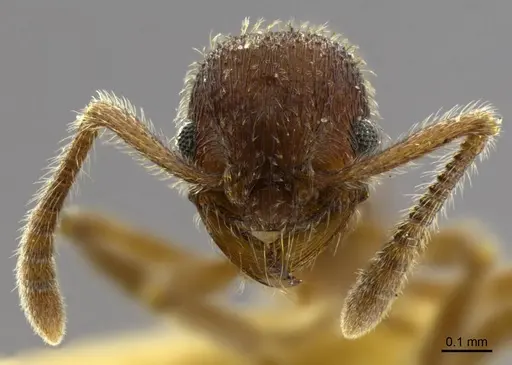
CASENT0280843
View on AntWeb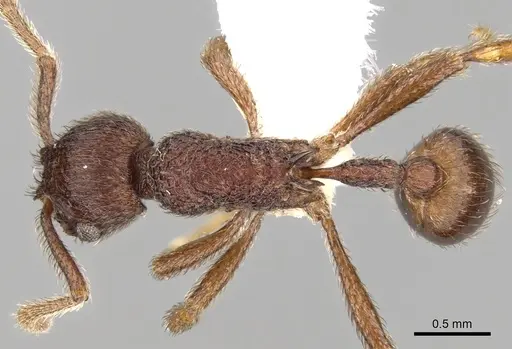
CASENT0923017
View on AntWeb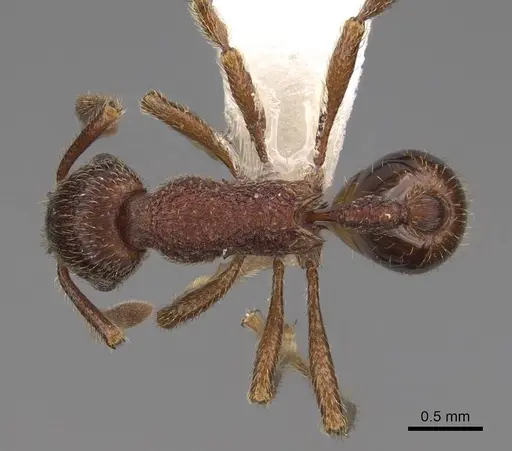
ECOFOG-SL13-1192-46
View on AntWeb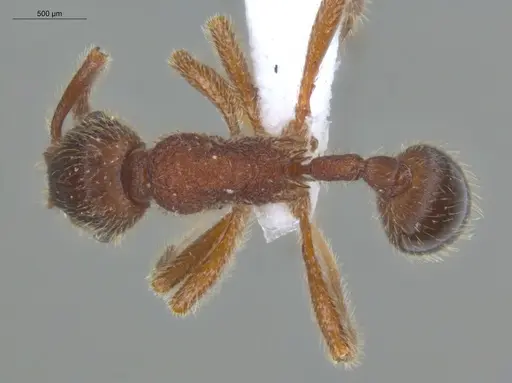
USNMENT01124228
View on AntWeb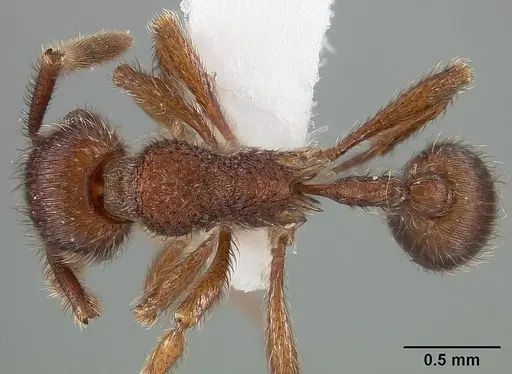
Literature
Loading distribution map...Loading products...