
Hylomyrma balzani
- Sci. Name
- Hylomyrma balzani
- Tribe
- Pogonomyrmecini
- Subfamily
- Myrmicinae
- Author
- Emery, 1894
- Distribution
- Found in 5 countries
Introduction
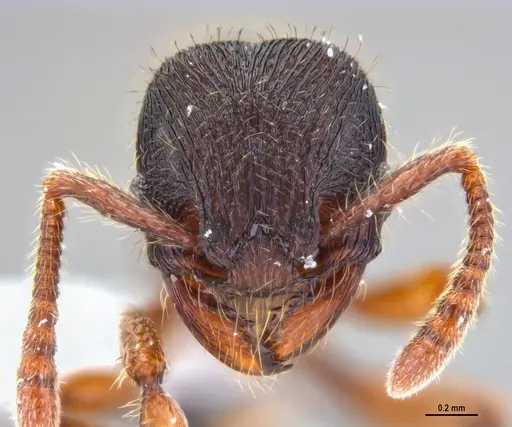
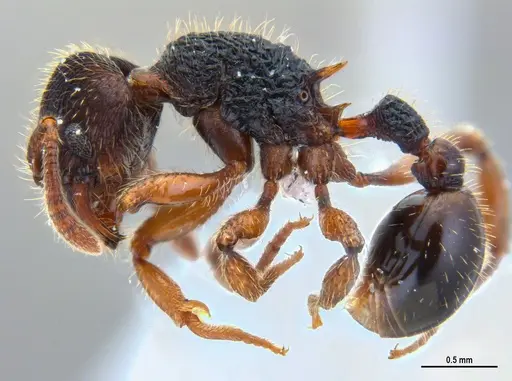
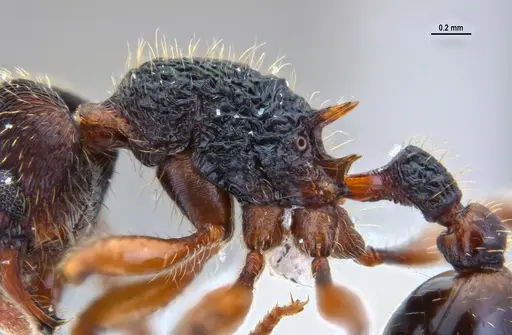
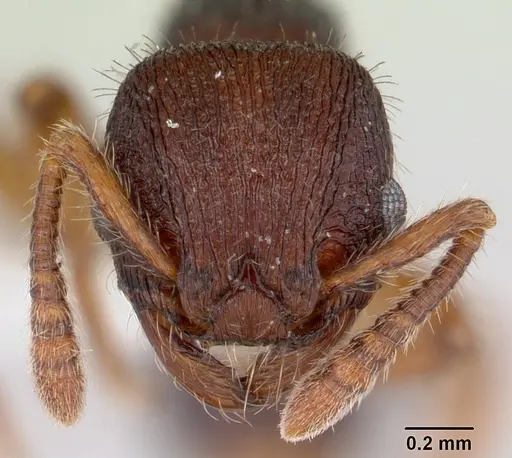
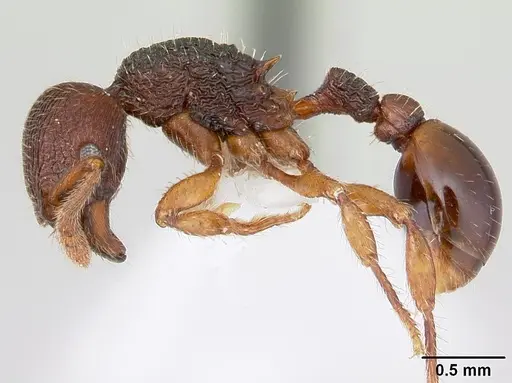
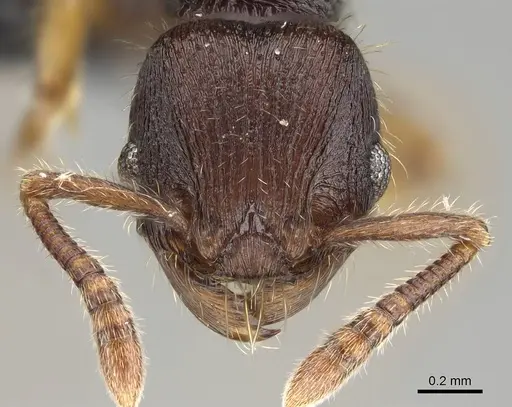
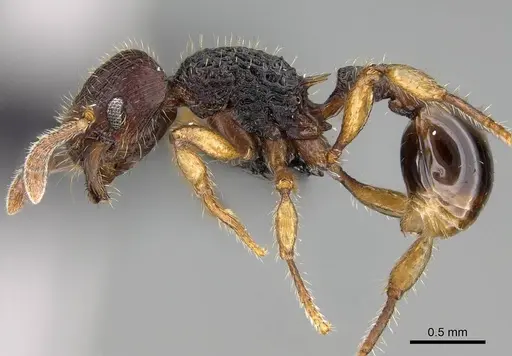
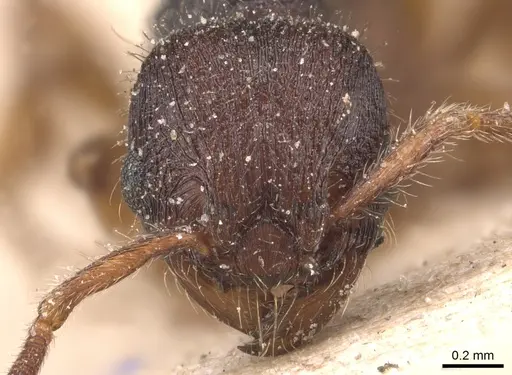
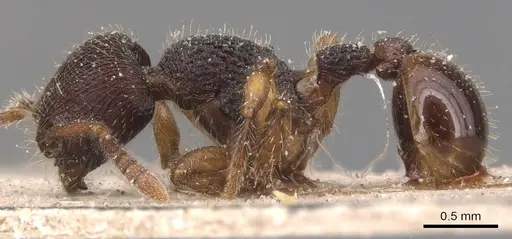
Hylomyrma balzani is a small to midsized ant native to the Neotropical region, found across northern Argentina, Brazil, Paraguay, Ecuador, and French Guiana . Workers measure 4.27-5.23mm in total length with a shiny integument and distinctive branched setae - thin setae with 2-4 branches and thicker flattened setae with multiple branches . The head has regular longitudinal striae that diverge toward the back, while the mesosoma and petiole show rougher rugose striae. Queens are larger at 5.10-5.56mm. This species is notable for its significant phenotypic plasticity - it produces intercastes (intermediate forms between workers and queens) with varying numbers of ocelli and mesosoma modifications, making it one of three Hylomyrma species with the most extreme variation . They are litter-dwelling ants, most commonly collected from leaf-litter in Atlantic forest areas and forested enclaves in central Brazil.
Quick Summary
- Difficulty: Medium
- Origin & Habitat: Native to the Neotropical region, Argentina, Brazil, Paraguay, Ecuador, and French Guiana [1]. Inhabits Atlantic forest areas and forested enclaves in central-west Brazil (Serra da Bodoquena in Mato Grosso do Sul) [2][3]. Found in various forest types including semi-deciduous Atlantic forest, Amazonian forest, and Restinga (coastal sand dune vegetation) [4][5]. Primarily a litter-dwelling species collected from leaf-litter using winkler extractors [2][4][6].
- Colony Type: Colony structure is unconfirmed. The species shows significant phenotypic plasticity with intercastes (intermediate forms between workers and queens) and possibly ergatoids (wingless replacement queens). Multiple queens have been found in some populations, but whether this represents true polygyny or simply ergatoid replacement systems is unknown.
- Size & Growth:
- Antkeeping:
- Temperature: Keep at 24-28°C as a starting point. This is a tropical forest species from Brazil and surrounding countries, so warmth is important. Create a gentle gradient so ants can choose their preferred temperature.
- Humidity: Maintain moderate to high humidity, similar to damp forest floor conditions. Keep the nest substrate consistently moist but not waterlogged. These ants live in leaf-litter, so they prefer humid conditions with some drier areas available for escape.
- Diapause: No, this is a tropical species that does not experience true hibernation. However, slight seasonal slowdowns may occur during cooler periods in their native range.
- Nesting: Litter-dwelling ant that prefers naturalistic setups with leaf-litter material or soil-based nests. A Y-tong (AAC) nest with moist substrate or a naturalistic setup with soil and leaf-litter works well. They are small ants, so ensure chambers are appropriately scaled. Avoid completely dry conditions.
- Behavior: This is a relatively calm, non-aggressive ant species. Workers are small and docile, they are not known to be particularly defensive or to sting. As a litter-dwelling species, they forage in the upper substrate layers and leaf-litter. Escape risk is moderate due to their small size, use standard barriers but fine mesh is less critical than for tiny species. They are generalist foragers based on their presence in various sampling methods (honey baits, pitfall traps) [2][4].
- Common Issues: no documented biology means founding and early colony development is high-risk without established protocols, slow growth and lack of data means beginners may lose patience or make mistakes that kill the colony, tropical humidity requirements can lead to mold issues if ventilation is poor, intercastes presence may cause confusion about colony structure, these are normal, not a problem, wild-caught colonies may have parasites or stress from collection that causes captive failure
Natural History and Distribution
Hylomyrma balzani is a Neotropical ant species with a broad distribution spanning from northern Argentina through Brazil to Ecuador and French Guiana [1]. In Brazil, they are found across multiple biomes including the Atlantic Forest (São Paulo, Minas Gerais, Rio de Janeiro, Santa Catarina, Bahia, Ceará, Paraná, Rio Grande do Sul), the Amazon basin (Pará, Maranhão), and forested enclaves in the Central-West (Serra da Bodoquena in Mato Grosso do Sul) [7][8][9]. They are primarily litter-dwelling ants, meaning they live in the layer of decomposing leaves and organic matter on the forest floor. Most specimens have been collected using winkler extractors (devices that shake leaf-litter to extract ants), though some have been caught in pitfall traps, honey baits, and Berlese-Tüllgren funnels [2]. This species shows remarkable phenotypic plasticity with intercastes, intermediate forms between workers and queens that can have one to three ocelli (simple eyes) and various mesosoma modifications. This plasticity, shared with Hylomyrma lopesi and Hylomyrma reitteri, makes identification challenging and suggests complex caste determination in this genus [2][4][6].
Housing and Nest Preferences
Since Hylomyrma balzani is a litter-dwelling ant from tropical forests, they do best in naturalistic setups that mimic their natural environment. A setup with a soil-based substrate mixed with leaf-litter material works well, this provides the damp, humid conditions they need while allowing them to forage naturally [2]. Alternatively, a Y-tong (AAC) formicarium with moist substrate can work, though adding some leaf-litter or organic material on the outworld helps them feel at home. The chambers should be appropriately scaled to their small size, workers are 4-5mm total length. Avoid completely dry conditions, as these are forest-floor ants that need humidity. However, ensure adequate ventilation to prevent mold buildup, which is a common problem in humid tropical setups. A water test tube connected to the nest area provides drinking water and helps maintain humidity.
Feeding and Diet
Based on their presence in honey bait samples and their position in the Myrmicinae subfamily, Hylomyrma balzani is likely a generalist forager with an omnivorous diet. They probably consume honeydew from aphids and scale insects, small insects and arthropods, and possibly seeds. In captivity, offer a varied diet including sugar water or honey as a constant energy source, protein sources like small mealworms or fruit flies, and occasional seeds or plant matter. Since they are small ants, prey items should be appropriately sized. The fact that they were attracted to honey baits in field studies confirms they will readily accept sugar sources [2][4]. Feed protein roughly twice weekly and keep sugar water available at all times.
Temperature and Seasonal Care
As a tropical species from Brazil and surrounding countries, Hylomyrma balzani requires warm temperatures. Aim for 24-28°C as a baseline, with a slight gradient so ants can move between warmer and cooler areas if needed. This range reflects their native Atlantic Forest and Amazonian habitats where temperatures are consistently warm [2]. Unlike temperate ants, they do not require hibernation or a true diapause period. However, slight seasonal variations in activity may occur naturally, you might notice slightly reduced activity during cooler months even in captivity. No special winter preparations are needed beyond maintaining stable room temperature. If your room temperature falls below 22°C, consider using a heating cable on one side of the nest to create a warm zone, but always ensure they can escape to cooler areas if needed.
Understanding Intercastes
One of the most interesting aspects of Hylomyrma balzani is its significant phenotypic plasticity. The species produces intercastes, ants that are intermediate between workers and queens in morphology. These intercastes can have varying numbers of ocelli (from one to three) and show gradations in mesosoma structure that resemble queen features like wing insertion regions. Some intercastes may have more queen-like traits and could potentially function as replacement reproductives (ergatoids). This is normal for this species and not a sign of problems in your colony. If you notice ants that look slightly different, perhaps with small eyes or slight modifications to the thorax, these are likely intercastes, not deformities or diseases. This plasticity is actually one of the distinguishing characteristics of the species [2].
Challenges and Known Limitations
The biggest challenge in keeping Hylomyrma balzani is the complete lack of documented biology in scientific literature. We have no information on founding behavior, colony development times, maximum colony size, or specific care requirements. This makes them a species for keepers who are comfortable with experimentation and observation. Start with standard Myrmicinae care protocols and adjust based on colony response. Expect slow growth, without specific data, assume tropical development timelines. Colonies may remain small given their litter-dwelling nature. The lack of data also means there are no established protocols for founding colonies, so wild-caught colonies or queens may have higher failure rates than better-studied species. Document your observations carefully, they could contribute to our understanding of this poorly studied genus.
Frequently Asked Questions
How long does it take for Hylomyrma balzani to go from egg to worker?
The exact development timeline has not been documented in scientific literature. This is a challenge in keeping this species, there is simply no data available on development timing.
What do Hylomyrma balzani ants eat?
They are likely omnivorous generalists. Based on their attraction to honey baits in field studies and their genus placement, they probably accept sugar sources (honey water, sugar water), small insects and arthropods, and possibly seeds. Offer sugar water constantly and protein (like small mealworms or fruit flies) roughly twice weekly.
Can I keep multiple Hylomyrma balzani queens together?
The colony structure is unconfirmed, we don't have documented evidence of whether they are monogyne (single queen) or polygyne (multiple queens). Some specimens suggest multiple queens may occur, but this hasn't been studied. Unless you have an established colony with multiple queens already living peacefully, combining unrelated queens is not recommended given the lack of data on their founding behavior.
What temperature do Hylomyrma balzani need?
Keep them warm at 24-28°C. This is a tropical species from Brazil and surrounding countries, so they need consistent warmth. A slight temperature gradient allows them to choose their preferred spot. Avoid temperatures below 22°C for extended periods.
Are Hylomyrma balzani good for beginners?
Probably not ideal for complete beginners. While they are docile and not difficult to keep alive initially, the complete lack of documented biology means there are no established care protocols. You may face challenges with founding colonies, development timing, and colony growth that more studied species don't have. If you're experienced with Myrmicinae and enjoy experimentation, they can be an interesting project.
Do Hylomyrma balzani need hibernation?
No, they do not require hibernation. This is a tropical species from regions that do not experience freezing temperatures. They may show slight seasonal variations in activity, but no formal diapause or hibernation period is needed or documented.
How big do Hylomyrma balzani colonies get?
The maximum colony size is unknown, no scientific data exists on colony size for this species. Based on their small size and litter-dwelling habit, colonies likely remain relatively small. This is another area where keeper observations would be valuable.
What nest type is best for Hylomyrma balzani?
A naturalistic setup with soil-based substrate and leaf-litter material works best to mimic their natural forest-floor habitat. A Y-tong (AAC) formicarium with moist substrate is also suitable. Ensure chambers are appropriately sized for their small workers. Maintain humid conditions without allowing the nest to become waterlogged.
Why do some of my ants look different (intercastes)?
This is normal for Hylomyrma balzani! The species is known for its significant phenotypic plasticity and produces intercastes, intermediate forms between workers and queens. These ants may have one to three ocelli (simple eyes) and modifications to the mesosoma that resemble queen features. This is not a problem or disease, it's a natural characteristic of this species.
Report an Issue
The current care sheet is based fully on literature. See inconsistencies, or something that's incorrect? Please , it will be resolved after review from an admin. Contributing to the blogs tab also helps providing information, to make us be able to further improve the caresheets. Thank you for your support!
References

This caresheet is licensed under CC BY-SA 4.0 .
Community Blogs
ANTWEB1047385
View on AntWeb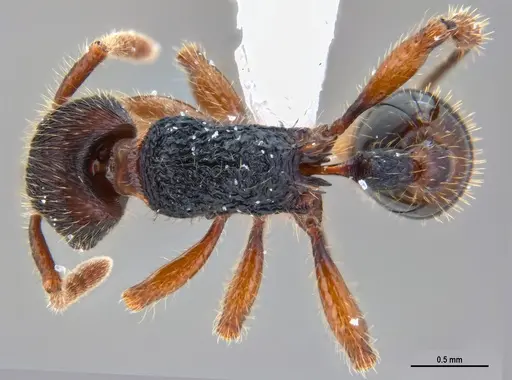
CASENT0173968
View on AntWeb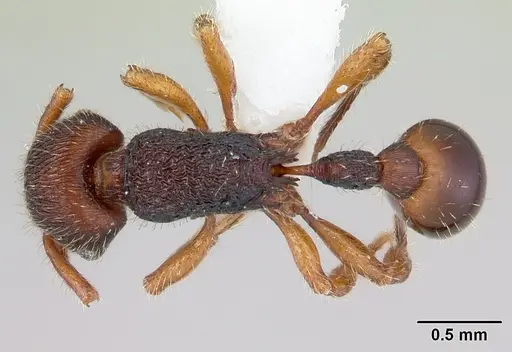
CASENT0227904
View on AntWeb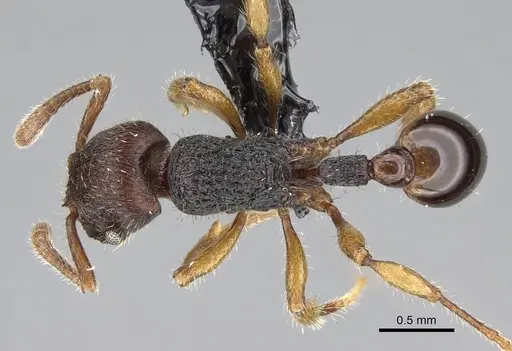
CASENT0904862
View on AntWeb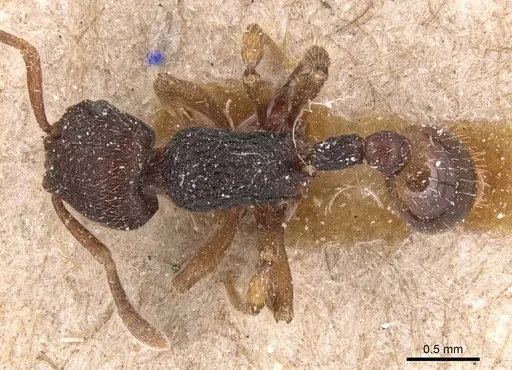
Literature
Loading distribution map...Loading products...