
Striated Ant
Huberia striata
- Sci. Name
- Huberia striata
- Tribe
- Crematogastrini
- Subfamily
- Myrmicinae
- Author
- Smith, 1876
- Common Name
- Striated Ant
- Distribution
- Found in 1 countries
Introduction
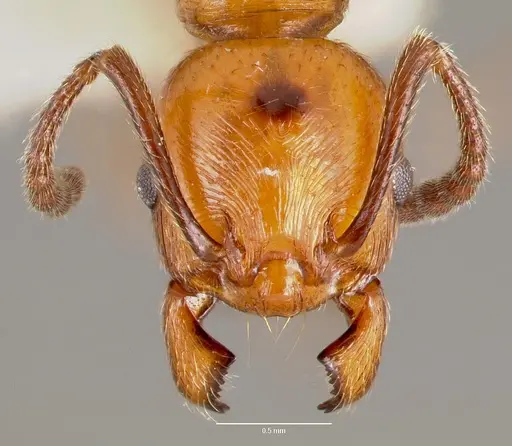
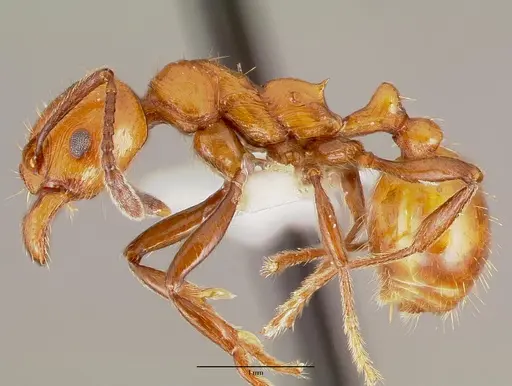
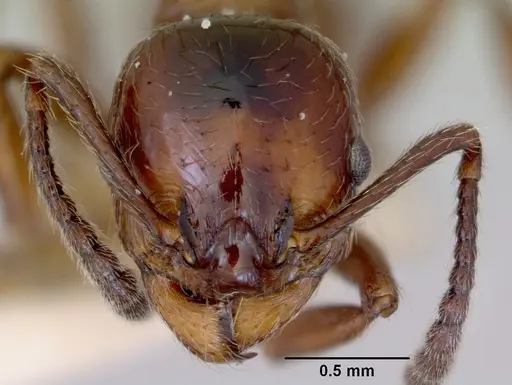
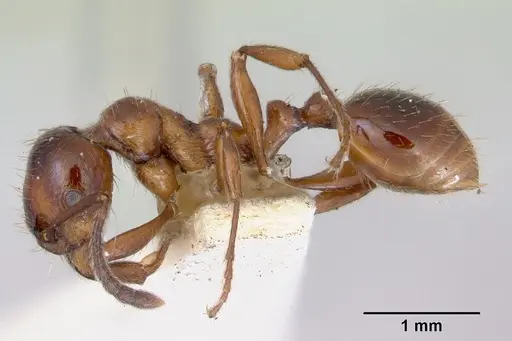
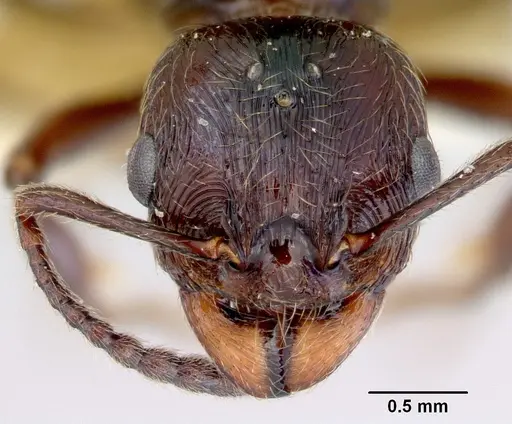
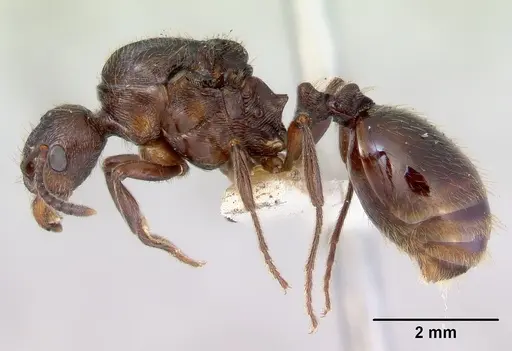
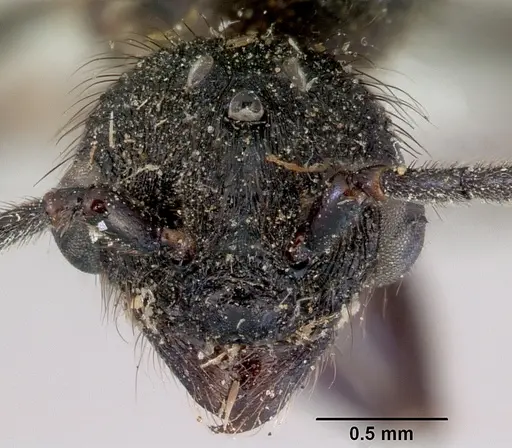
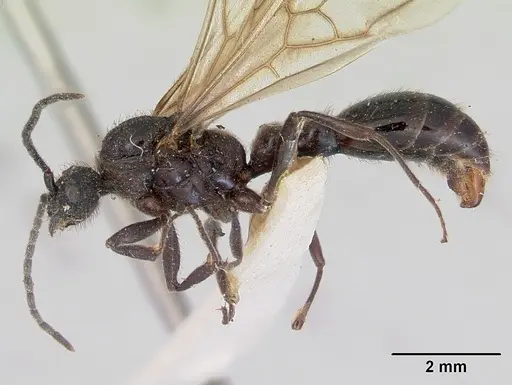
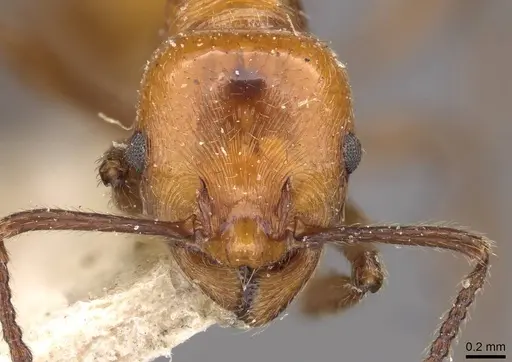
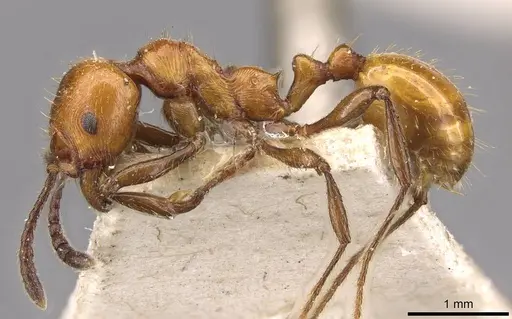
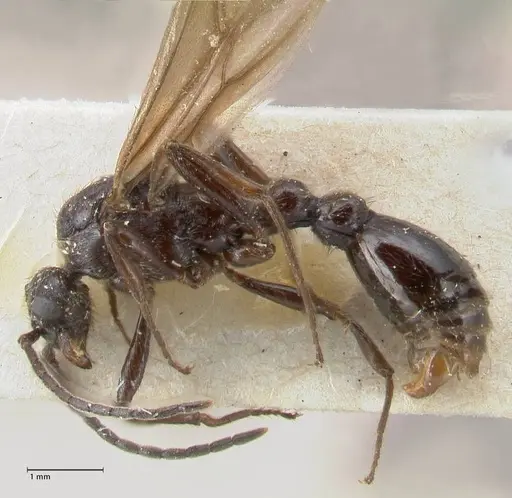
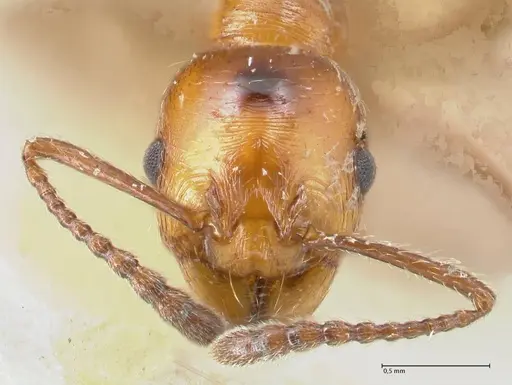
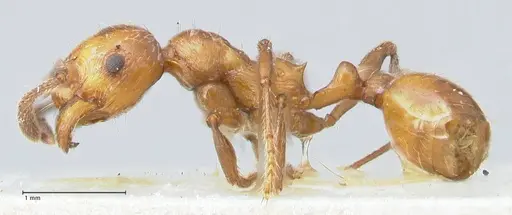
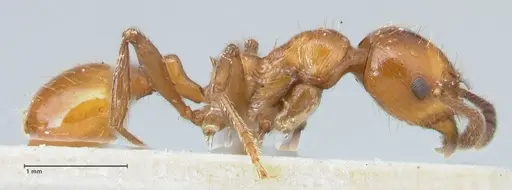
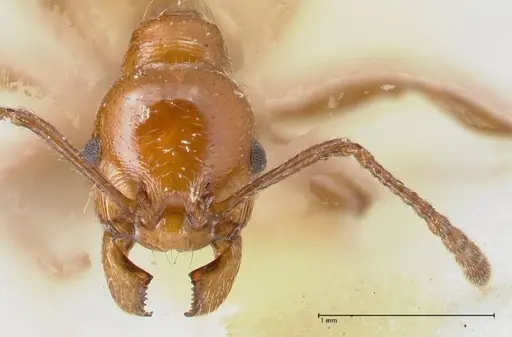
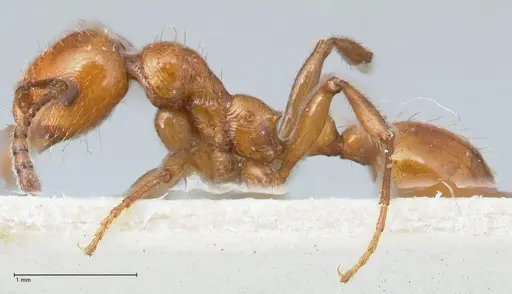
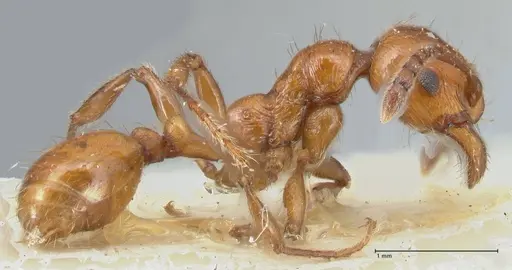
Huberia striata is a medium-sized ant native to New Zealand, found throughout both North and South Islands as well as Stewart Island. Workers measure 4-5mm, with queens significantly larger at 7.5-9mm. The coloration is remarkably variable - workers range from bright reddish-yellow to nearly jet black, with intermediates showing various mottled patterns. This species forms very populous colonies that nest in soil, often under stones in cooler areas, and frequently in rotting wood in northern regions. They are general feeders and tend homopterans (aphids and scale insects) within their nests .
Quick Summary
- Difficulty: Medium
- Origin & Habitat: Endemic to New Zealand, found throughout North Island, South Island, and Stewart Island. Nests in soil, often under stones in cooler areas, and in rotting wood in northern regions [1][2].
- Colony Type: Forms very populous colonies without definite limits. Groups from different localities can be easily combined into a single nest, suggesting potential tolerance for multiple queens, though colony structure requires further study [1].
- Size & Growth:
- Queen: 7.5-9mm [1]
- Worker: 4-5mm (minims can be slightly below 4mm) [1]
- Colony: Very populous colonies, exact maximum unknown but colonies are large [1]
- Growth: Moderate, estimated based on temperate climate and medium worker size
- Development: 8-12 weeks (estimated based on typical Myrmicinae development in temperate climate) (Development time is estimated, no specific studies found for this species.)
- Antkeeping:
- Temperature: Keep at room temperature, roughly 18-22°C. As a temperate New Zealand species, they do not require high heat.
- Humidity: Moderate humidity, they nest in soil and rotting wood, so keep substrate moist but not waterlogged.
- Diapause: Likely yes, as a temperate species from New Zealand, they probably need a winter rest period.
- Nesting: In nature they nest in soil, under stones, and in rotting wood. For captivity, a naturalistic setup with soil substrate or a Y-tong/plaster nest works well.
- Behavior: General feeders that tend homopterans (aphids, scale insects) for honeydew. Workers are active foragers and will explore their environment. Colonies are very populous and can grow large. Medium-sized Myrmicinae typically have a mild sting. Escape prevention should be moderate, workers at 4-5mm can fit through small gaps.
- Common Issues: colonies can become very large, ensure you have space for expansion, humidity control is important, too wet or too dry can cause problems, as a temperate species, they likely need winter rest, wild-caught colonies may have parasites, quarantine and observe new colonies, combining colonies is easy per research, but introduce slowly to monitor aggression
Housing and Nest Setup
Huberia striata adapts well to various nest types. In the wild, they nest in soil, under stones, and in rotting wood, this flexibility carries over to captivity. A naturalistic setup with a soil-filled container works well, as does a Y-tong or plaster nest. Test tubes can work for founding colonies but will need upgrading as the colony grows. Because they form very populous colonies, plan for significant expansion space. Provide a foraging area with easy access to the nest chamber. Ensure the nest maintains moderate humidity, these ants prefer conditions that mimic damp forest floor environments. [1]
Feeding and Diet
As general feeders, Huberia striata accepts a wide variety of foods. They naturally tend homopterans (aphids and scale insects) for honeydew, so sugar sources are readily accepted. Offer sugar water, honey, or diluted syrup regularly. For protein, provide small insects, mealworms, or other appropriate-sized prey. Their tendency to farm homopterans means they may also accept specialized feeds if you keep aphids in their outworld. Feed protein sources 2-3 times per week, and keep sugar water available at all times. Remove uneaten prey after 24-48 hours to prevent mold. [1]
Temperature and Seasonal Care
As a temperate species from New Zealand, Huberia striata does not require warm conditions. Room temperature (18-22°C) is suitable, with a slight gradient allowing workers to choose their preferred temperature. Avoid excessive heat, they are adapted to cooler conditions than tropical ants. During New Zealand winter (roughly June-August), expect reduced activity. While specific diapause requirements are not documented, temperate ant species typically need a winter rest period. Consider reducing temperatures slightly in winter months, but do not refrigerate unless you have specific guidance for this species.
Colony Management
One interesting characteristic of Huberia striata is that colonies can be easily combined, researchers have successfully merged groups from different localities into a single nest without aggression [1]. This makes colony management relatively straightforward. However, this also means you should not release these ants in other countries, they are endemic to New Zealand and could become invasive. Colonies grow very populous over time, so plan for long-term housing needs. The species shows variable coloration, workers in the same colony may range from reddish to nearly black, which is normal for this species.
Behavior and Defense
Huberia striata workers are active foragers that will explore their environment searching for food. They are generalist feeders and will readily exploit various food sources. As Myrmicinae, they possess a stinger, though the sting is typically mild for humans, these ants are not considered dangerous. Workers may exhibit mild defensive behavior if the nest is disturbed, but they are not particularly aggressive. Their large colony size means you will see significant worker activity once the colony is established.
Frequently Asked Questions
How long does it take for Huberia striata to produce first workers?
Exact development time is not documented, but based on typical Myrmicinae development in temperate climates, expect 8-12 weeks from egg to first worker. This is an estimate, actual timing may vary with temperature and conditions.
What do Huberia striata ants eat?
They are general feeders. Offer sugar water, honey, or syrup as a constant carbohydrate source. For protein, provide small insects like fruit flies, pinhead crickets, or mealworms. They naturally tend homopterans for honeydew, so sugar sources are particularly important.
Do Huberia striata ants sting?
Yes, they have a stinger as all Myrmicinae do. However, they are not considered dangerous to humans, the sting is mild in intensity. These ants are not particularly aggressive toward keepers.
Are Huberia striata good for beginners?
They are rated as medium difficulty. They are adaptable to various nest types and not particularly aggressive, but their large colony size and specific temperature needs require some experience. They are more challenging than simple species like Lasius but manageable for intermediate antkeepers.
How big do Huberia striata colonies get?
They form very populous colonies. While exact maximums are not documented, expect thousands of workers in mature colonies. They are known for large colony sizes without definite limits.
Do Huberia striata need hibernation?
As a temperate species from New Zealand, they likely require a winter rest period. Specific diapause requirements are not well documented, but reduce temperatures slightly during winter months (roughly June-August in the Southern Hemisphere) and reduce feeding.
Can I keep multiple Huberia striata queens together?
Colony structure (monogyne vs polygyne) has not been specifically documented. The ability to combine colonies from different localities has been observed, but this does not confirm polygyny. It is best to start with a single queen until more research is available.
What temperature do Huberia striata need?
Room temperature is suitable, roughly 18-22°C. As a temperate New Zealand species, they do not require heat supplementation like tropical ants do. A gentle temperature gradient in the setup allows workers to choose their preferred area.
When should I move Huberia striata to a formicarium?
Start them in a test tube setup for founding. Once the colony reaches 20-30 workers and the test tube becomes crowded, consider moving to a larger setup. Because they form very populous colonies, plan to upgrade to a spacious formicarium or naturalistic setup as they grow.
Why are my Huberia striata workers different colors?
This is normal for the species. Workers range from bright reddish-yellow to nearly jet black, with various mottled patterns in between. Color variation is a natural characteristic of Huberia striata and does not indicate a problem.
Report an Issue
The current care sheet is based fully on literature. See inconsistencies, or something that's incorrect? Please , it will be resolved after review from an admin. Contributing to the blogs tab also helps providing information, to make us be able to further improve the caresheets. Thank you for your support!
References

This caresheet is licensed under CC BY-SA 4.0 .
Community Blogs
CASENT0006149
View on AntWeb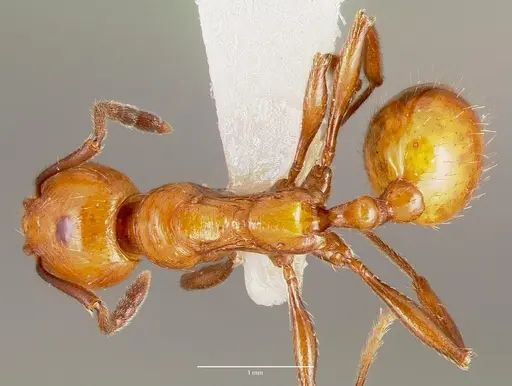
CASENT0172284
View on AntWeb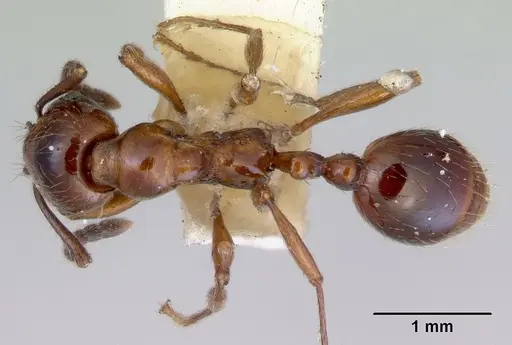
CASENT0172285
View on AntWeb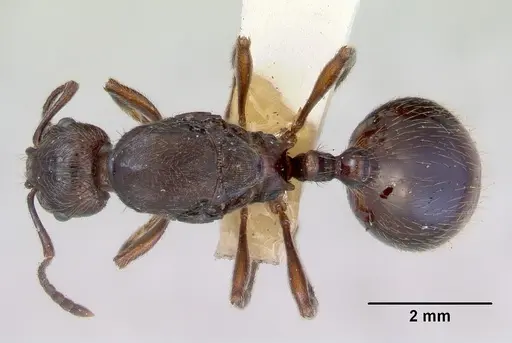
CASENT0172286
View on AntWeb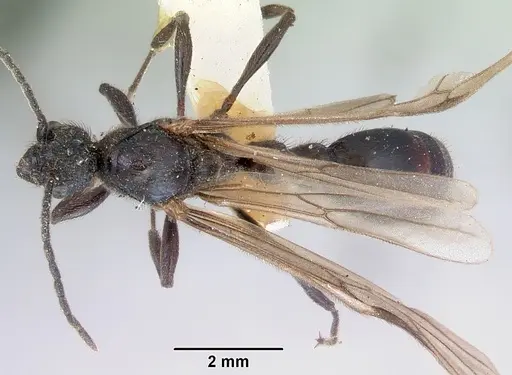
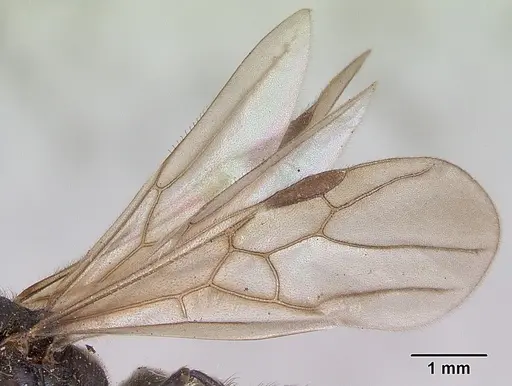
CASENT0901012
View on AntWeb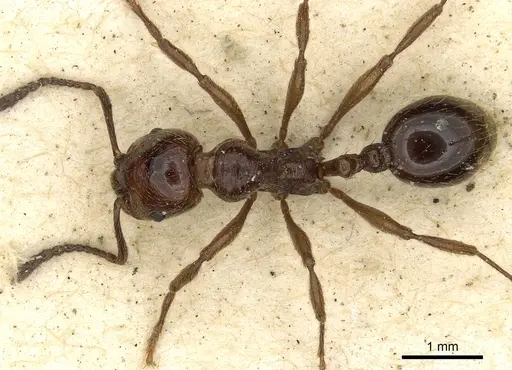
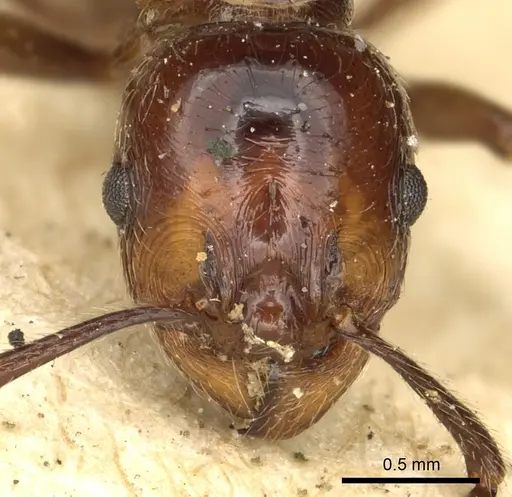
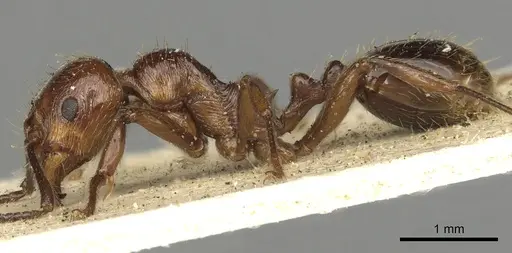
CASENT0908669
View on AntWeb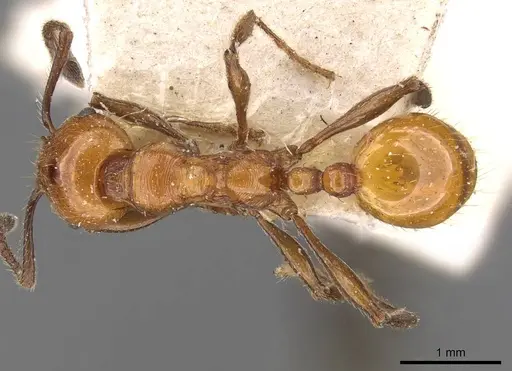
CASENT0923013
View on AntWeb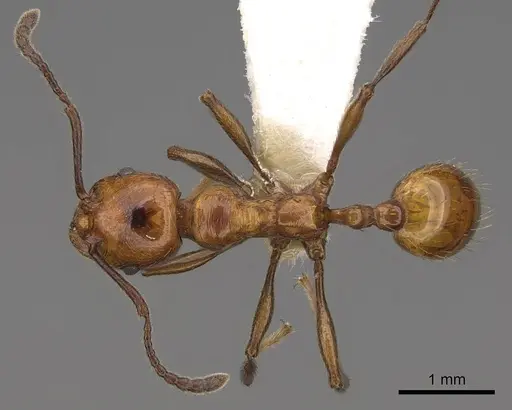
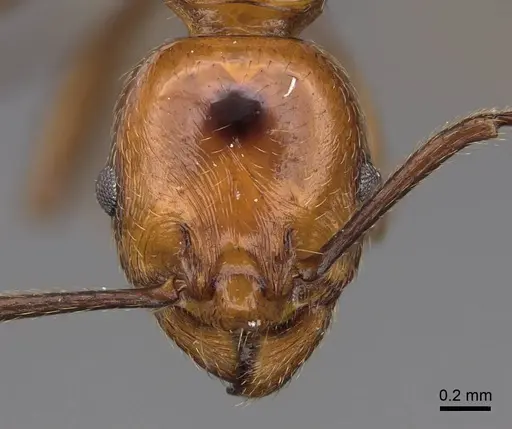
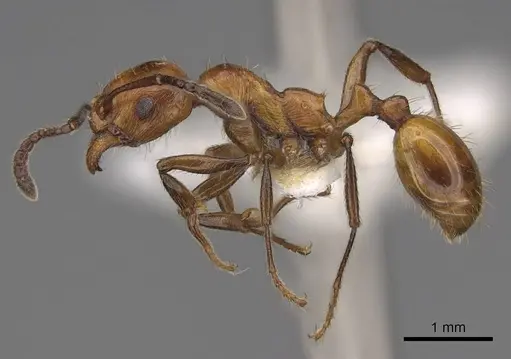
FOCOL1677
View on AntWeb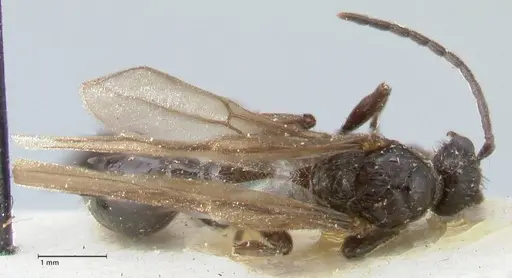
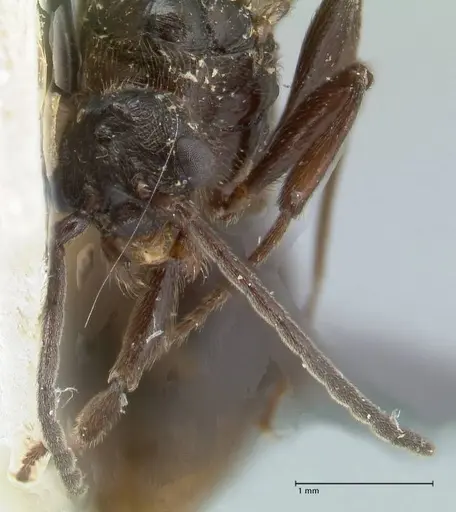
FOCOL1678
View on AntWeb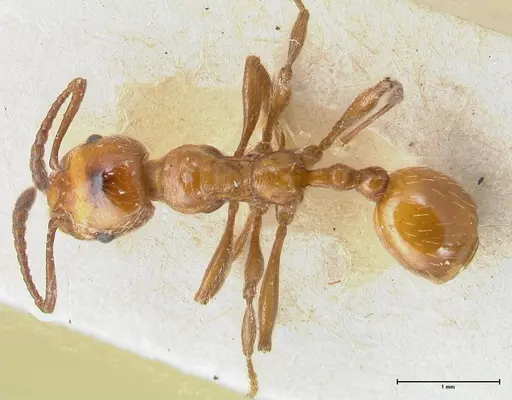
FOCOL1679
View on AntWeb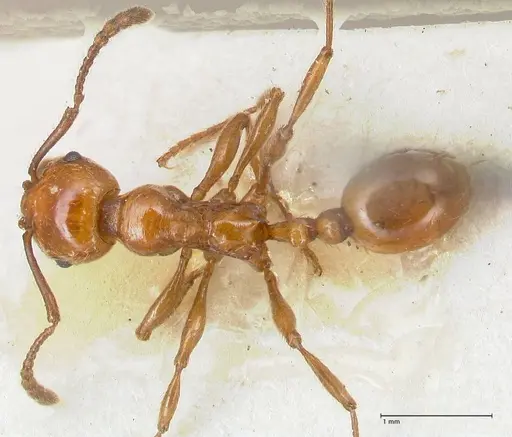
Literature
Loading distribution map...Loading products...