
Holcoponera striatula
- Sci. Name
- Holcoponera striatula
- Tribe
- Ectatommini
- Subfamily
- Ectatomminae
- Author
- Mayr, 1884
- Distribution
- Found in 15 countries
Introduction
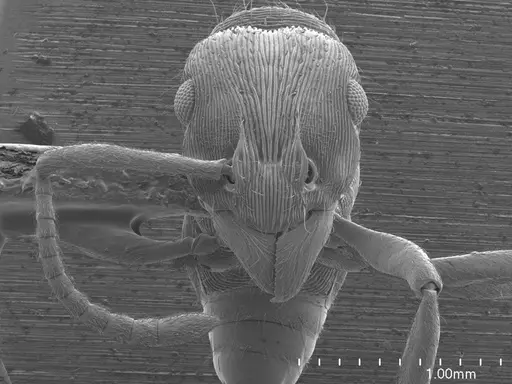
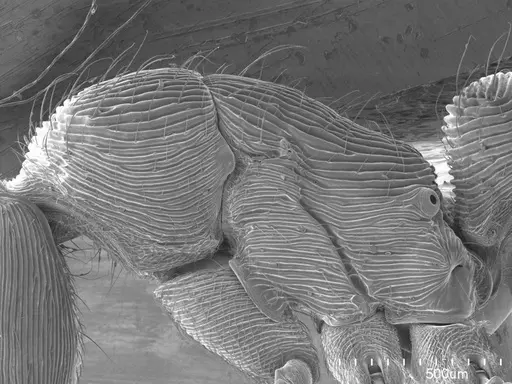
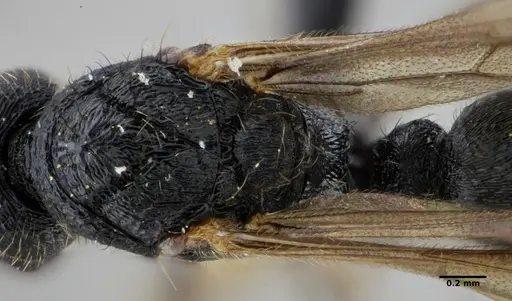
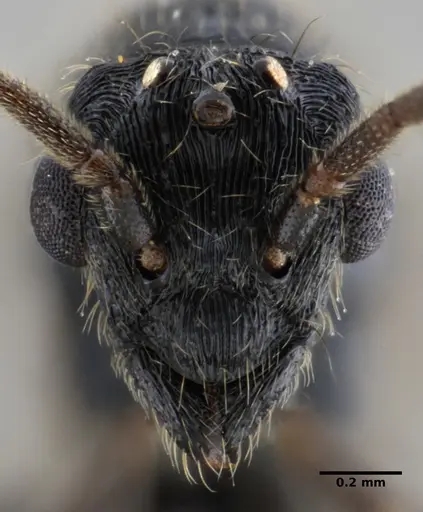
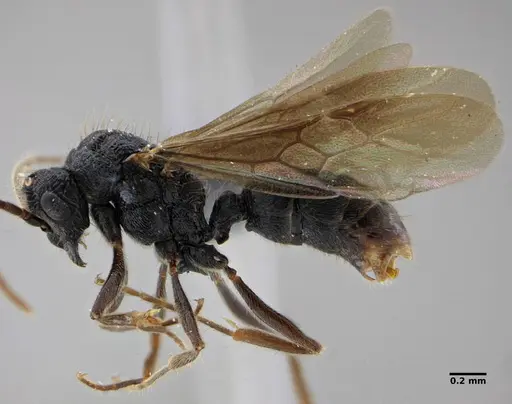
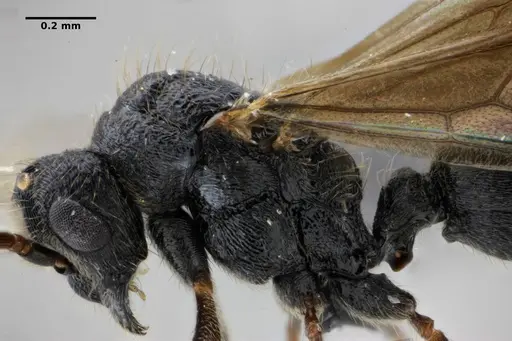
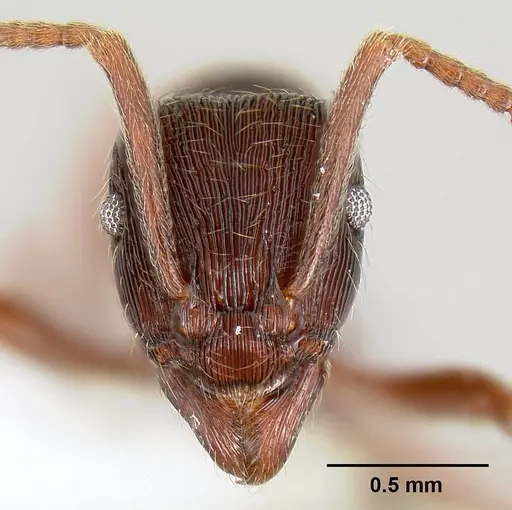
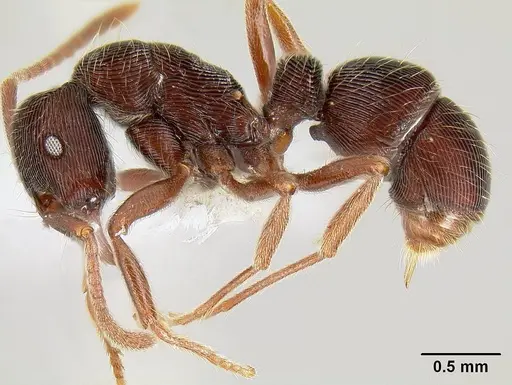
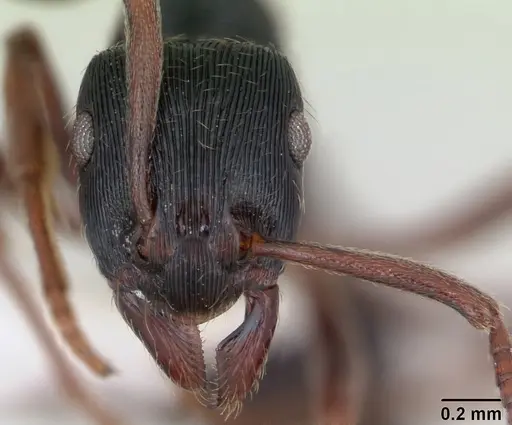
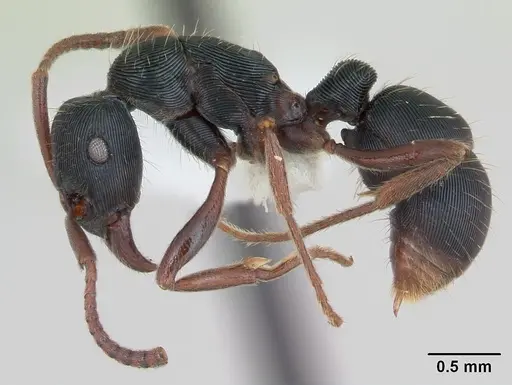
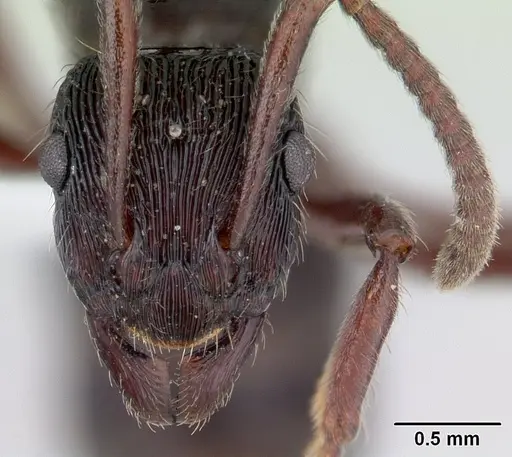
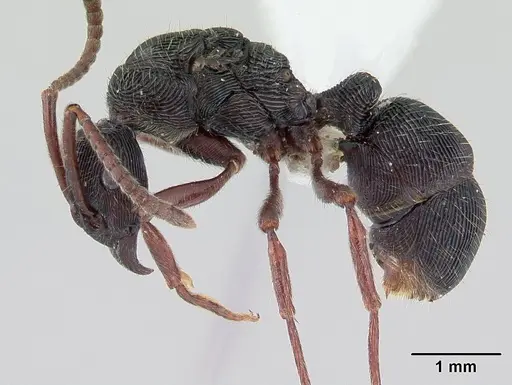
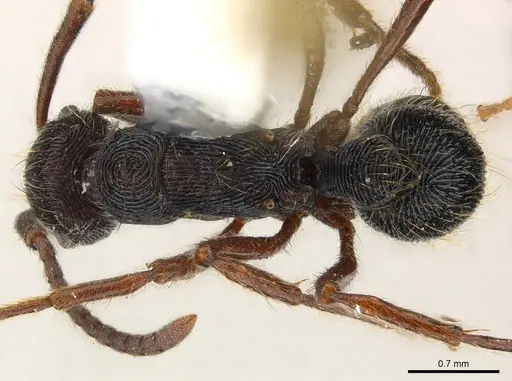
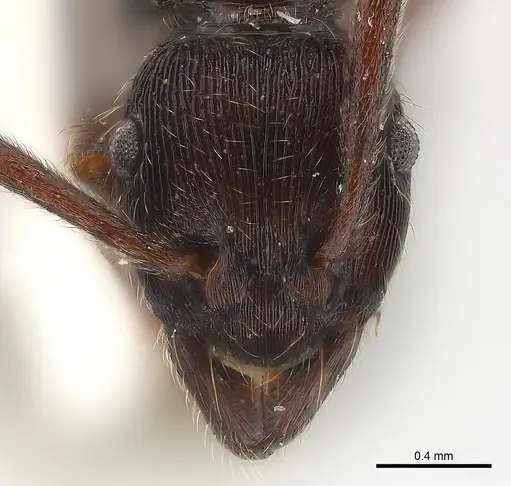
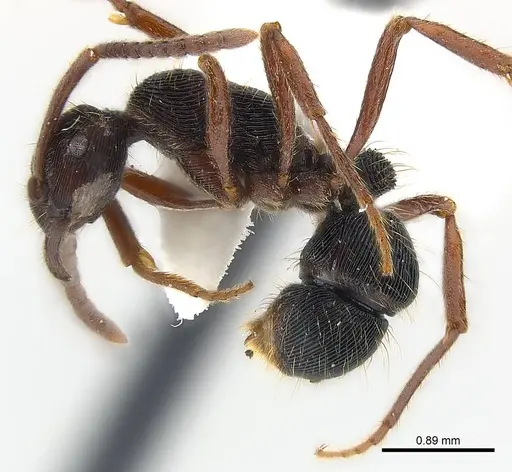
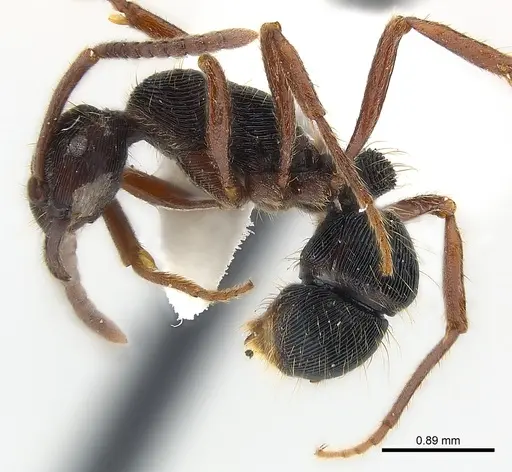
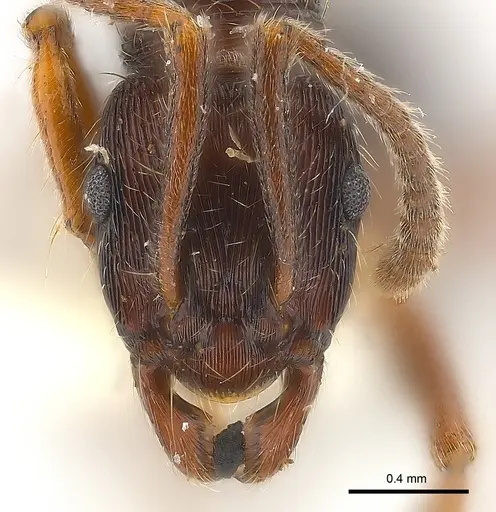
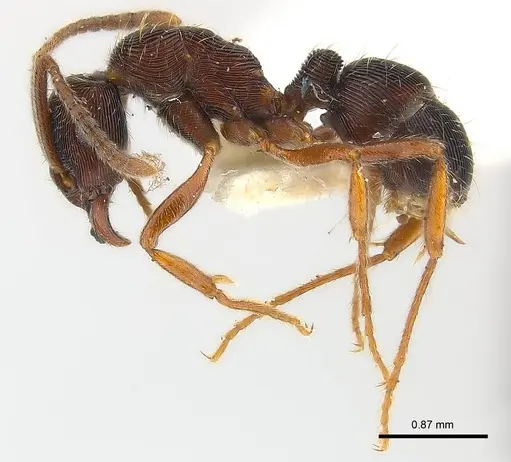
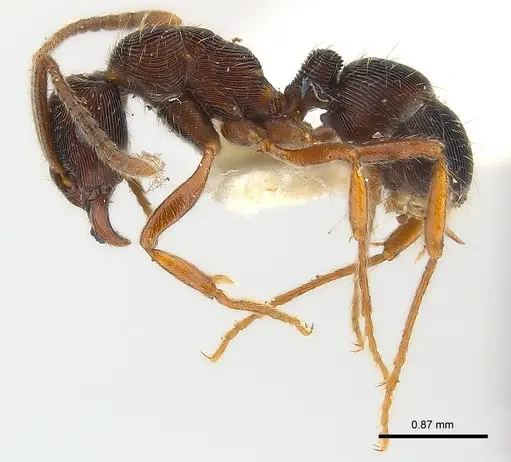
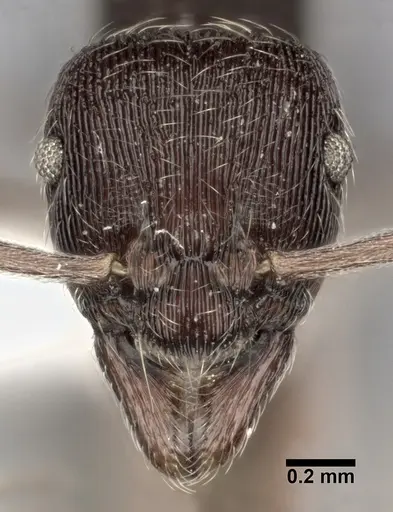
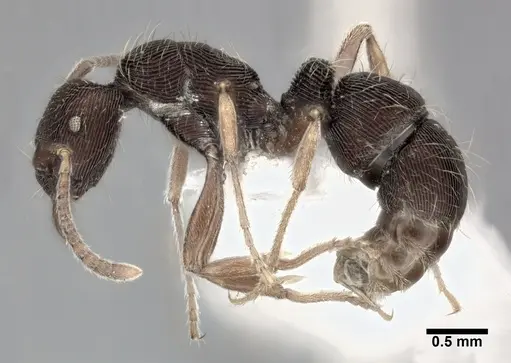
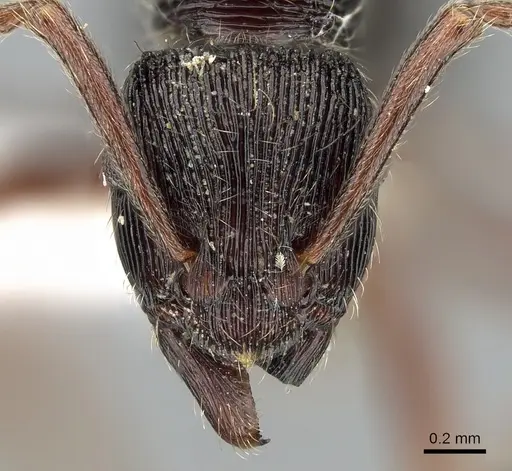
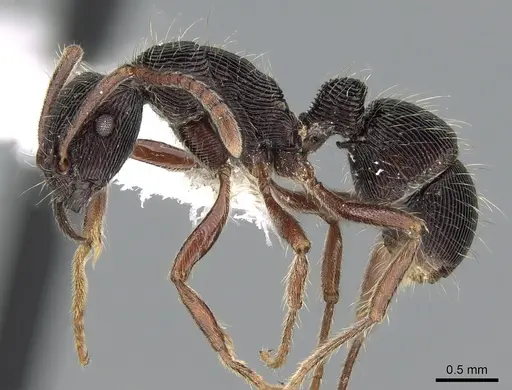
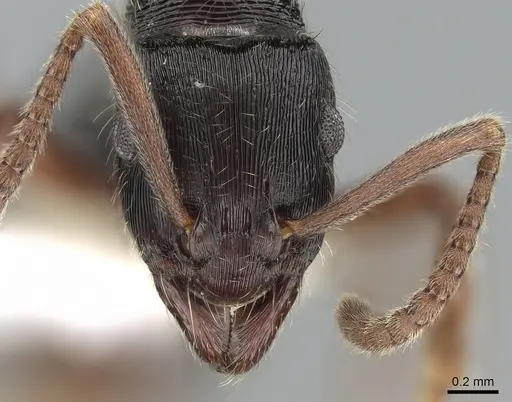
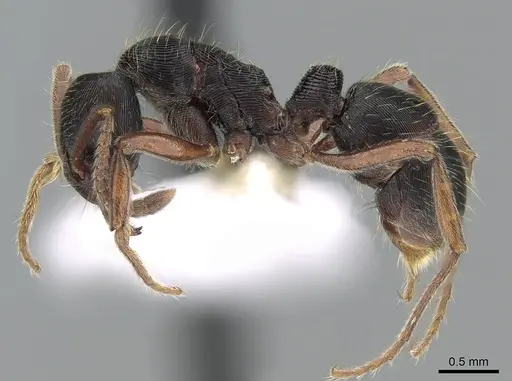
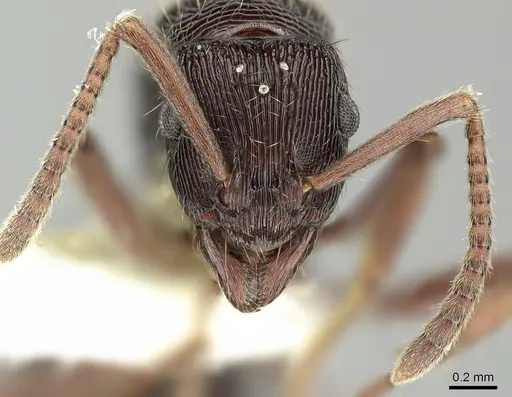
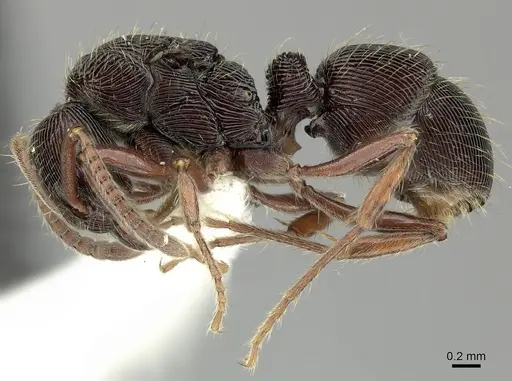
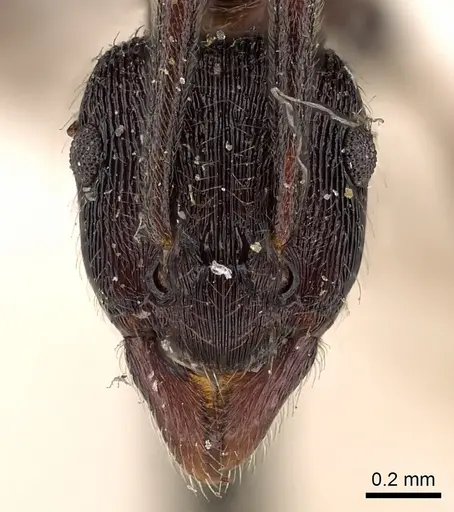
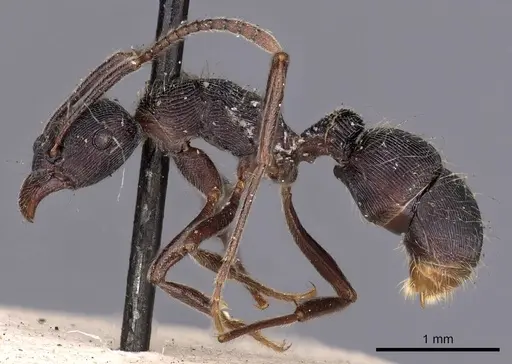
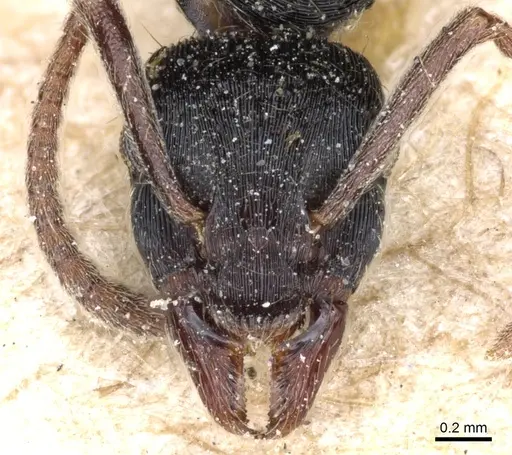
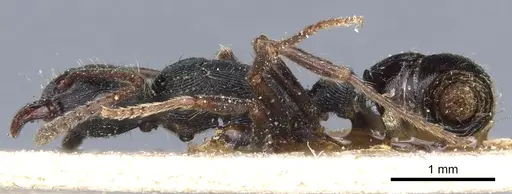
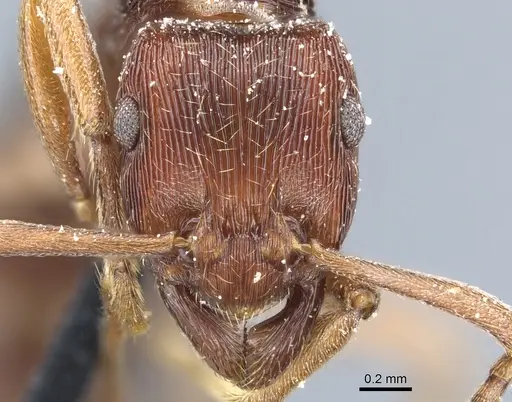
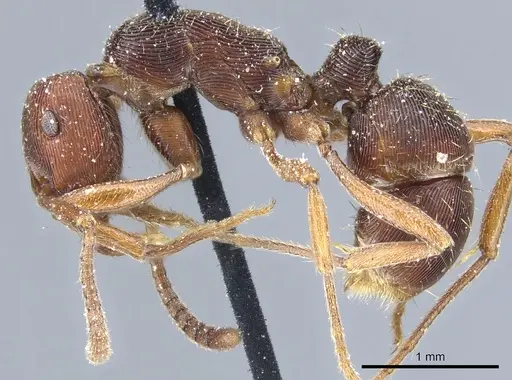
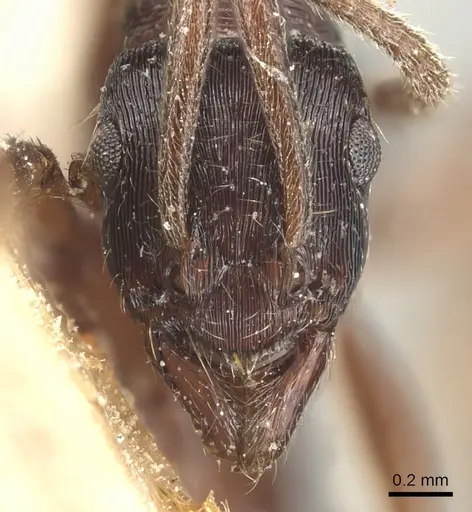
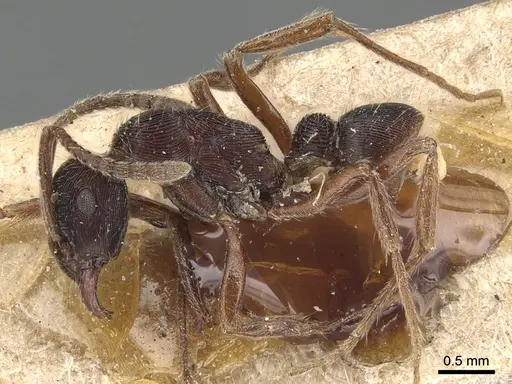
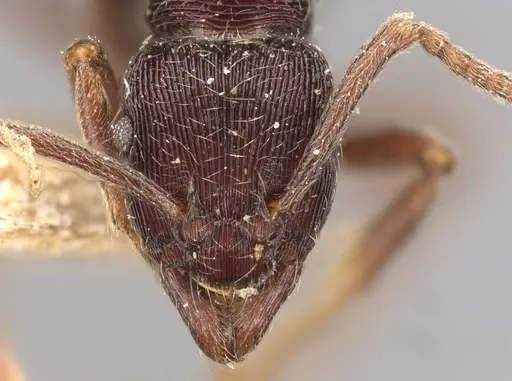
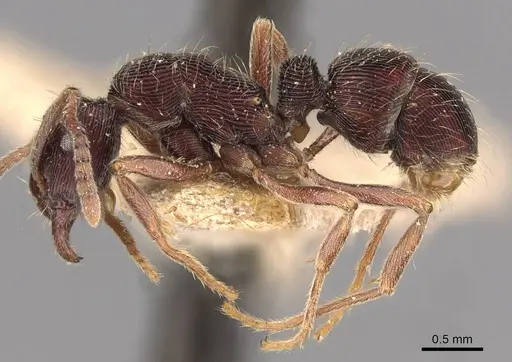
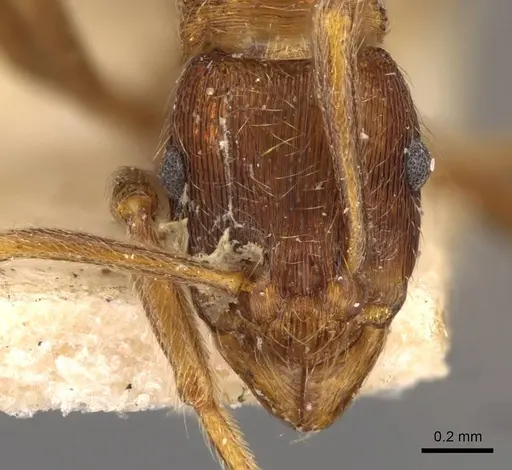
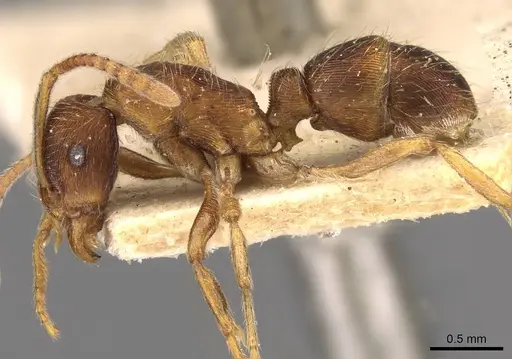
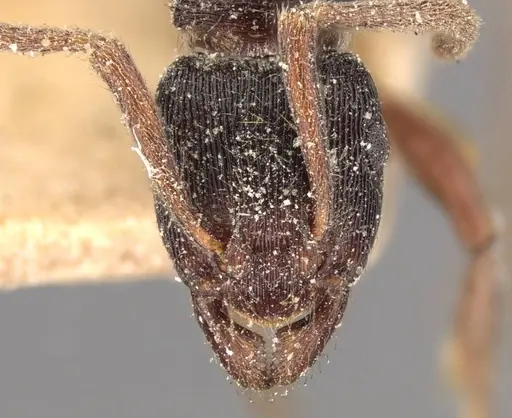
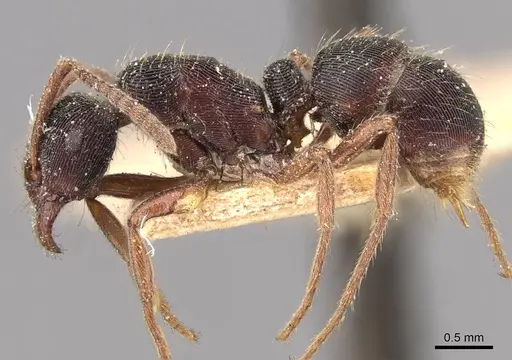
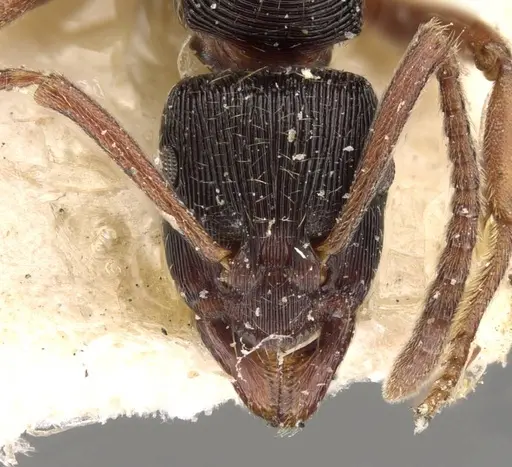
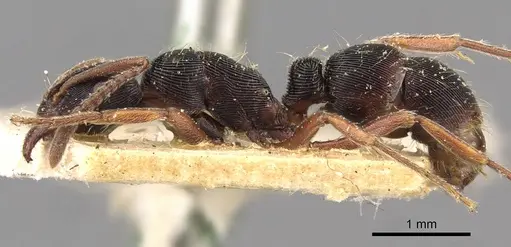
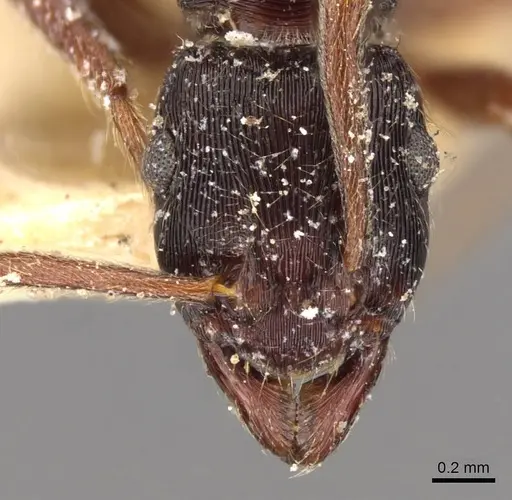
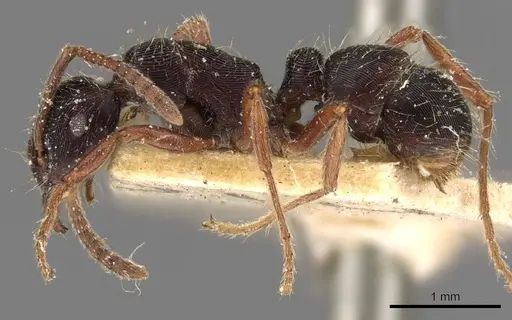
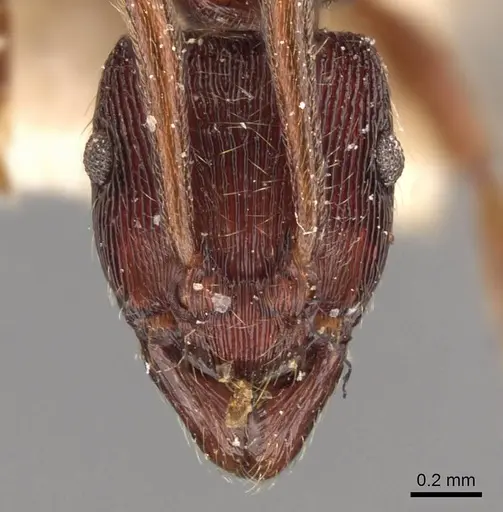
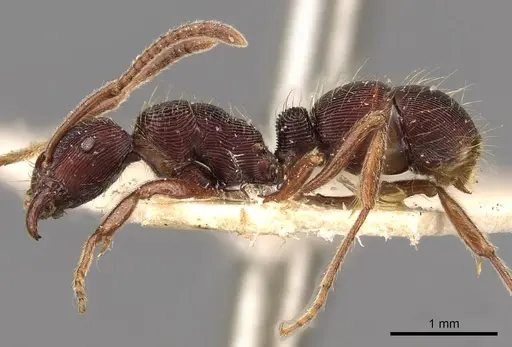
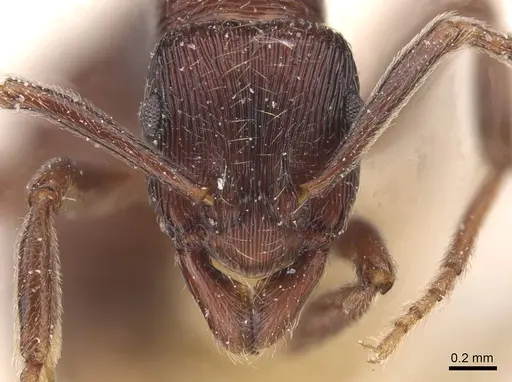
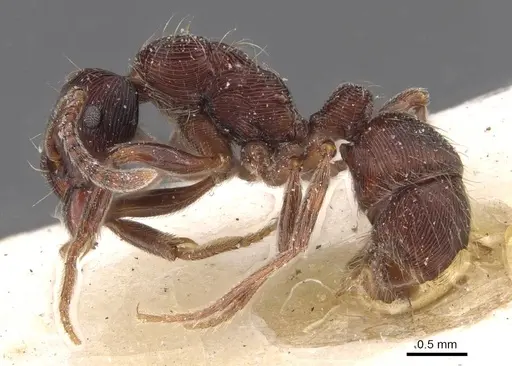
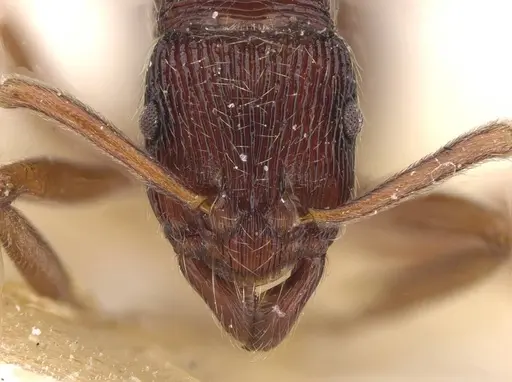
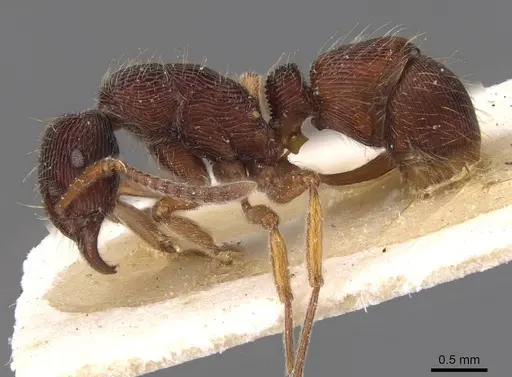
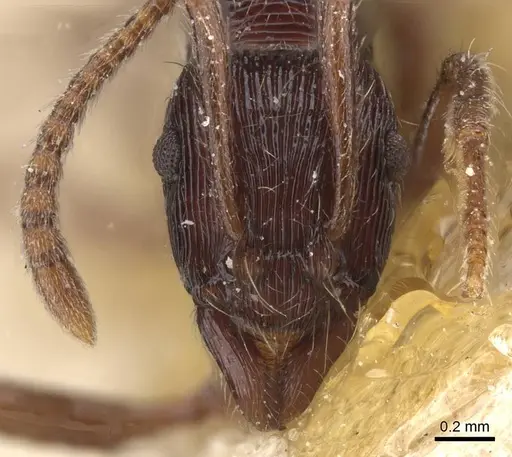
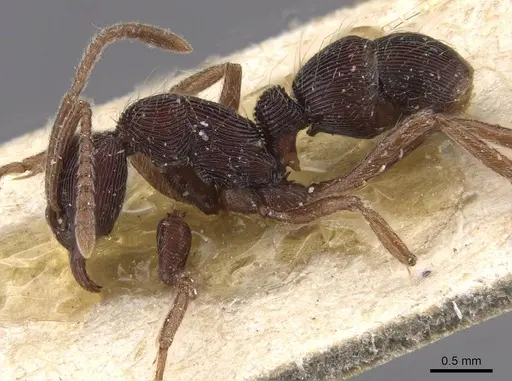
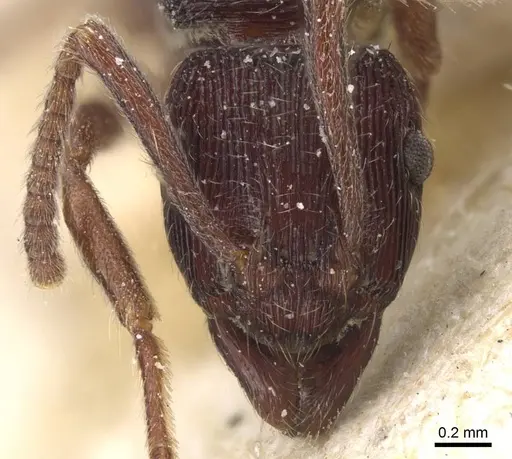
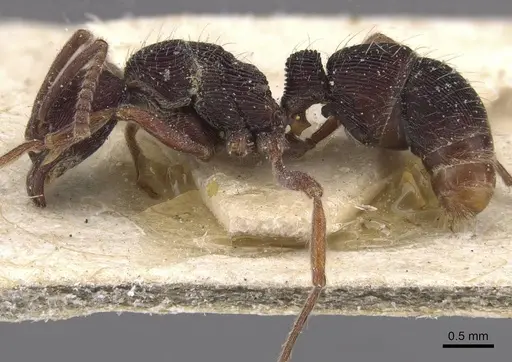
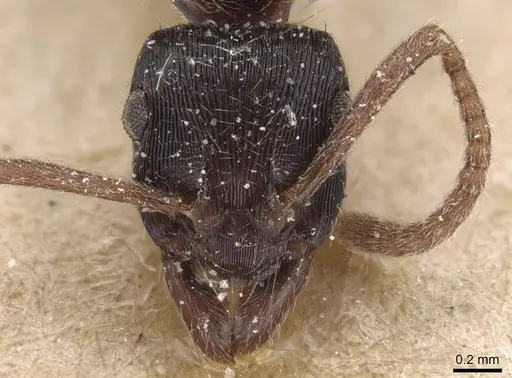
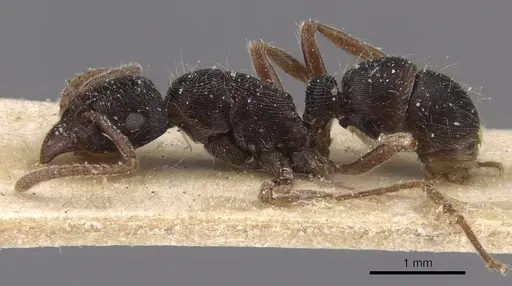
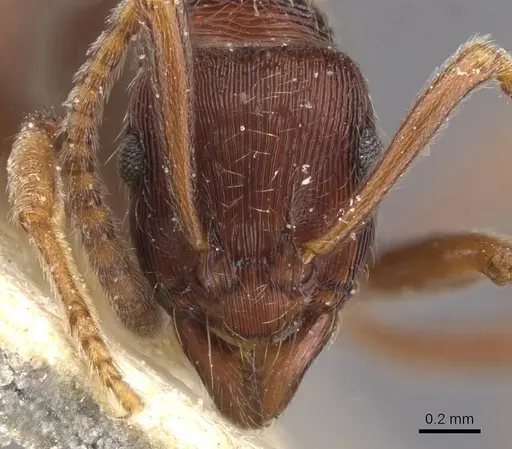
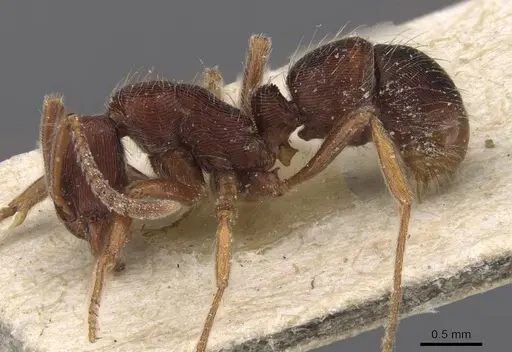
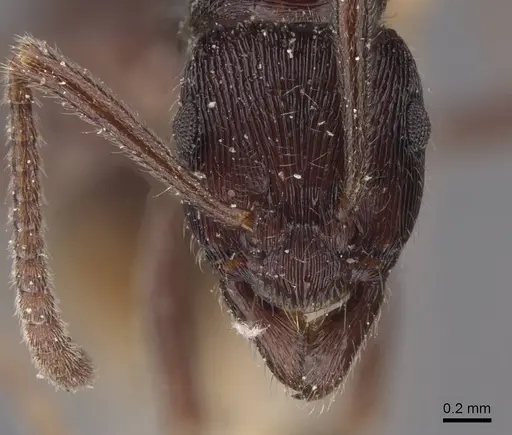
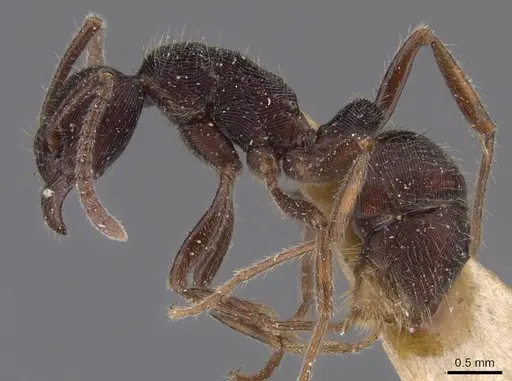
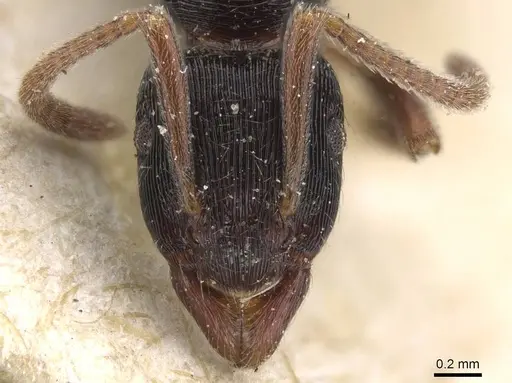
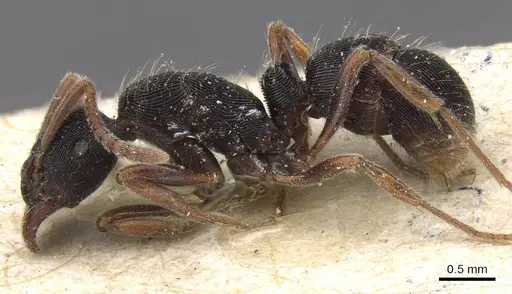
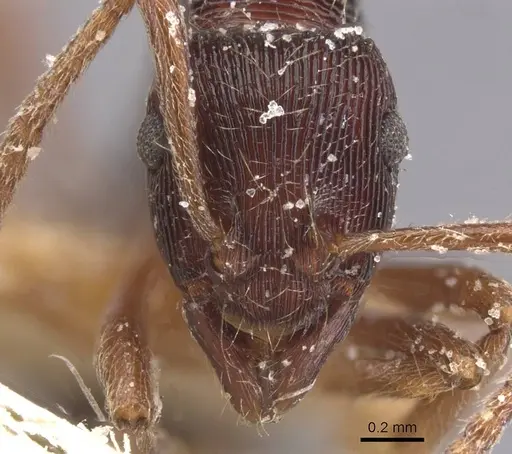
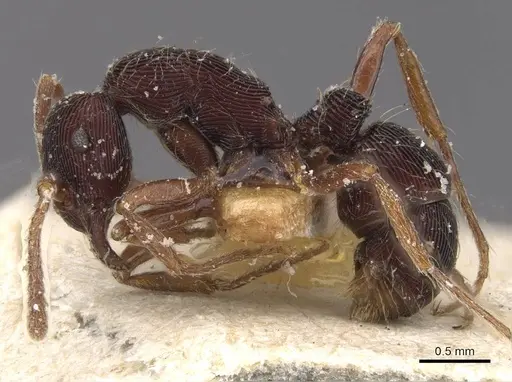
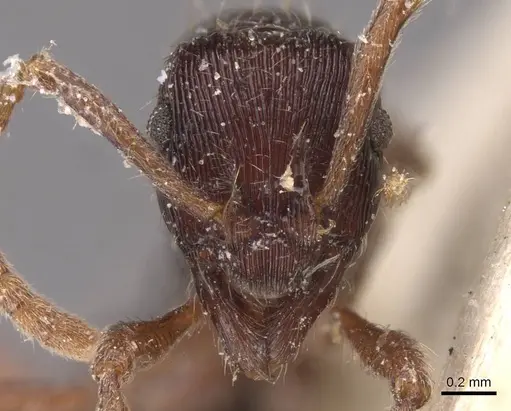
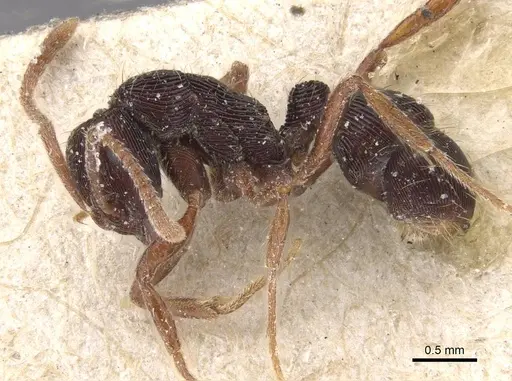
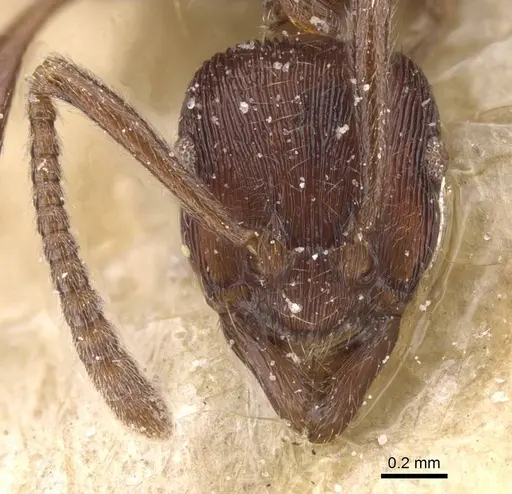
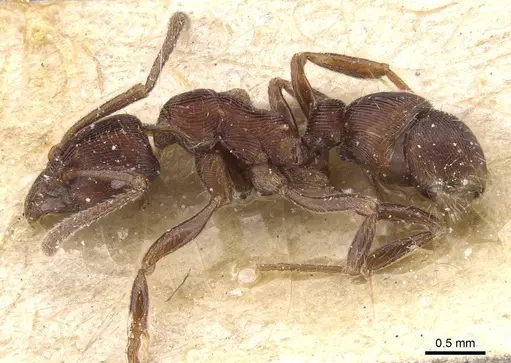
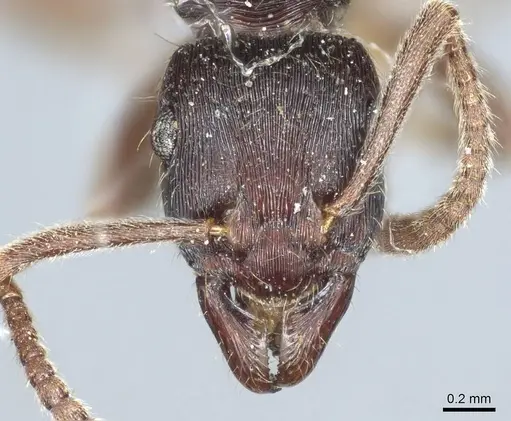
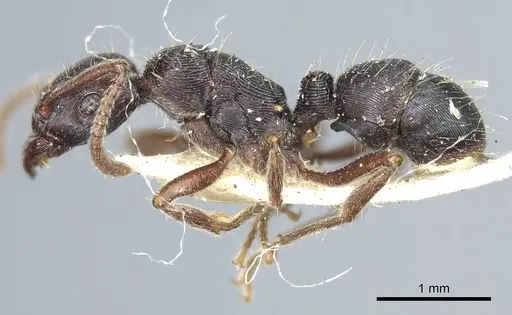
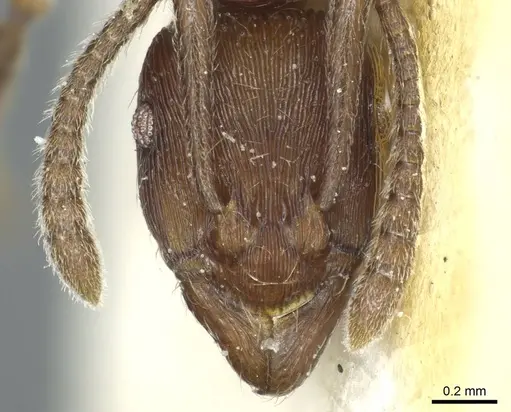
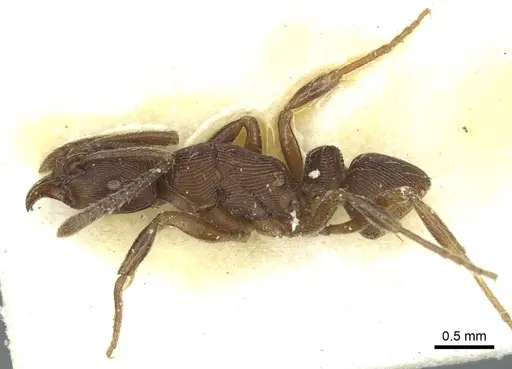
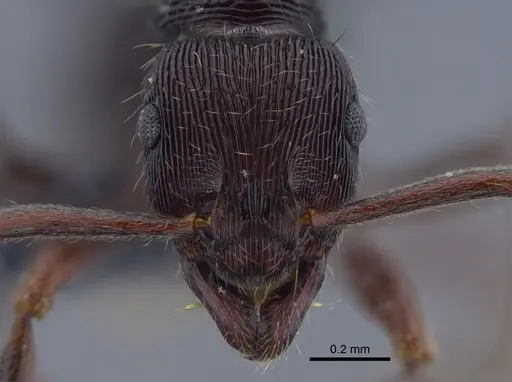
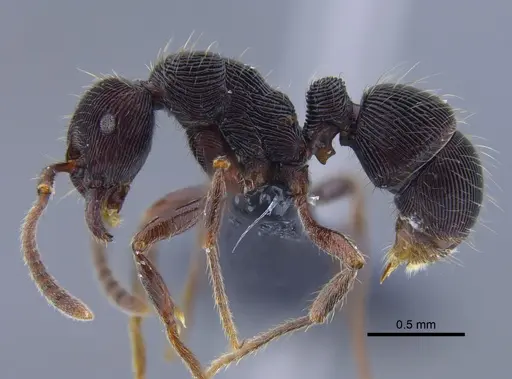
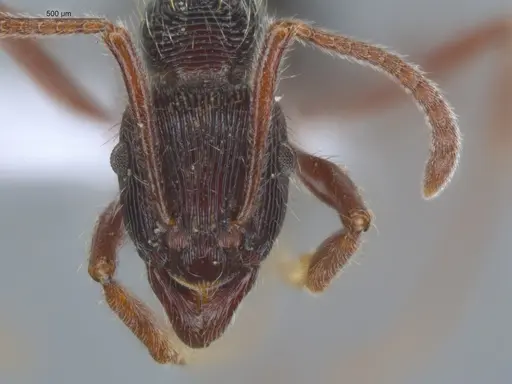
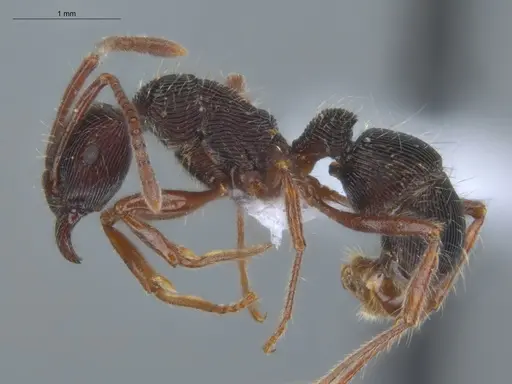
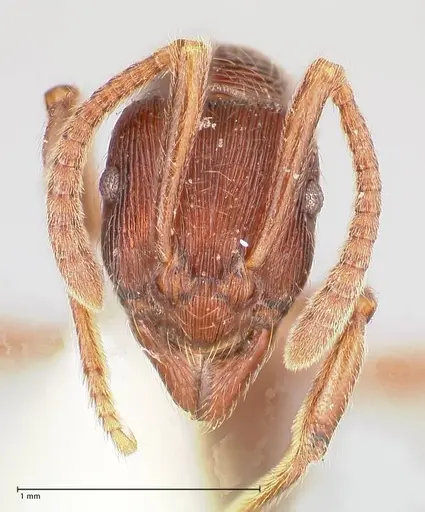
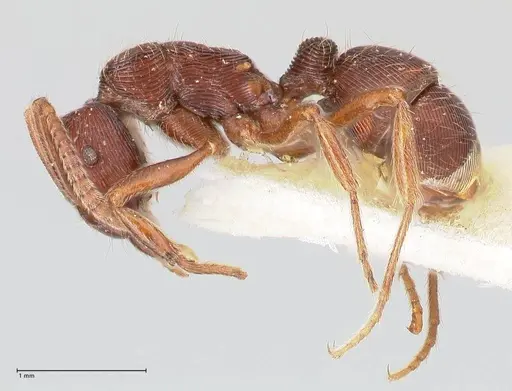
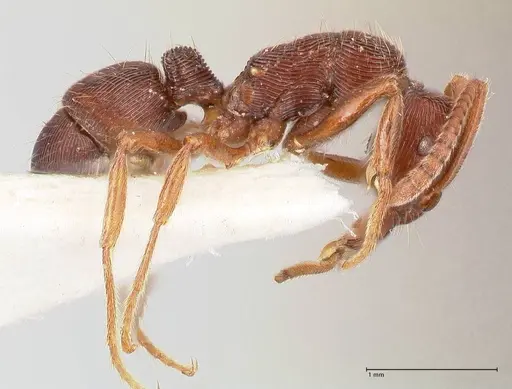
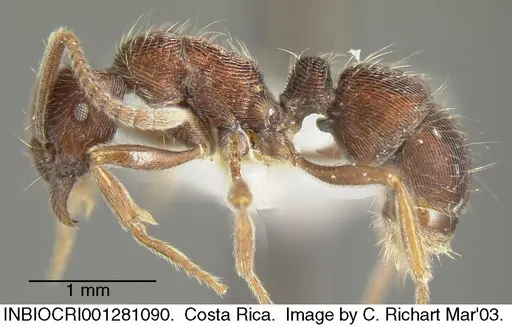
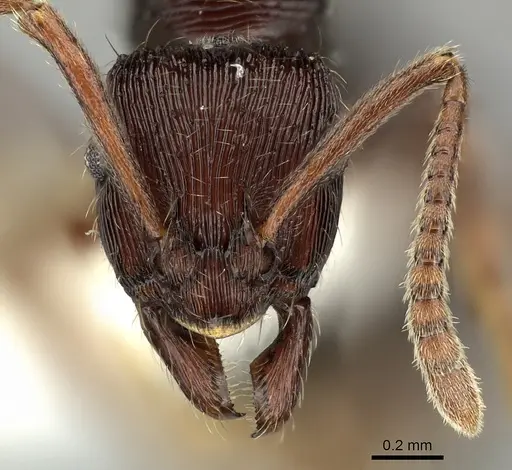
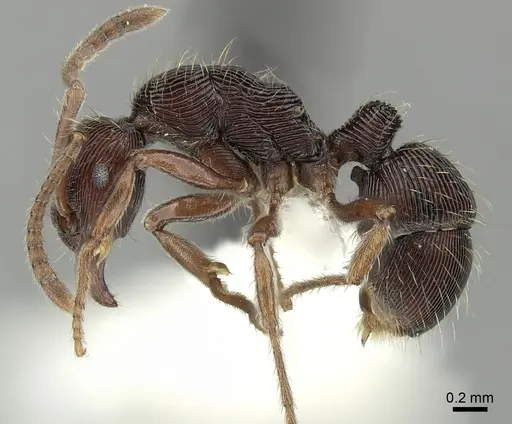
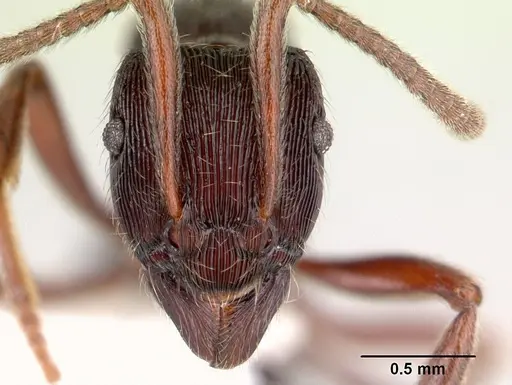
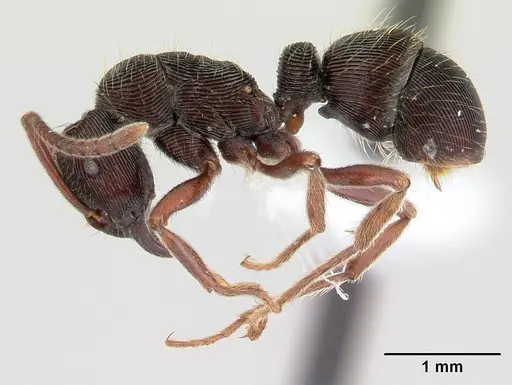
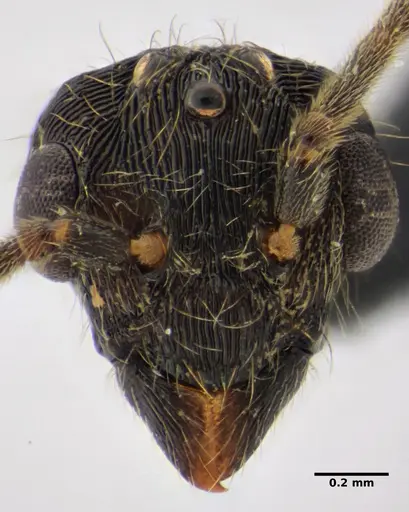
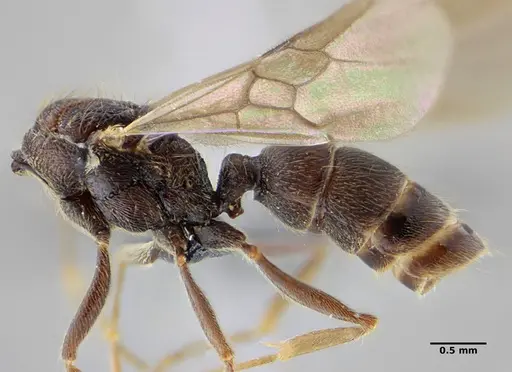
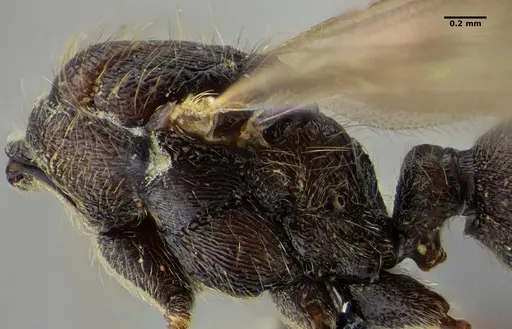
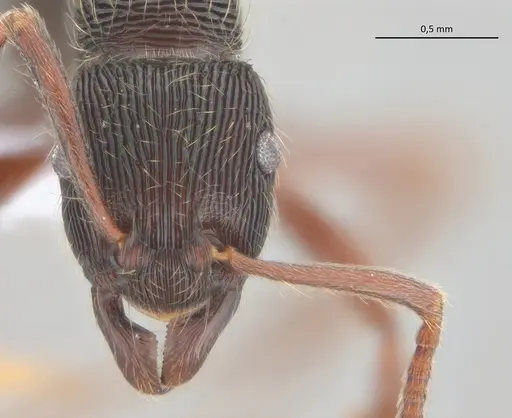
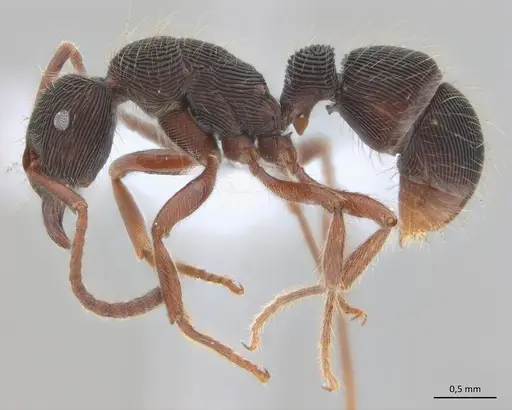
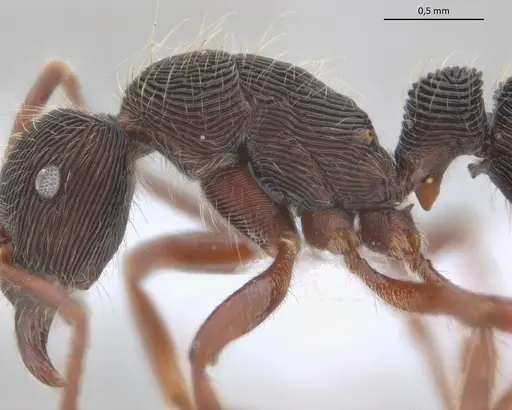
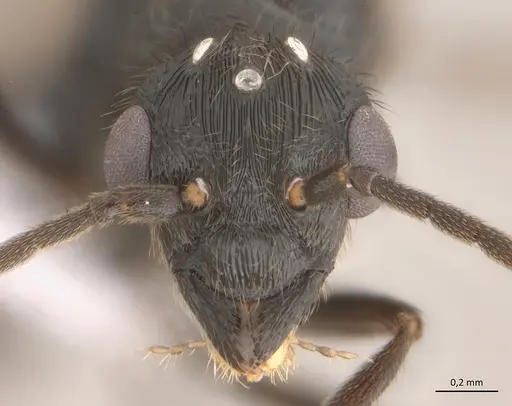
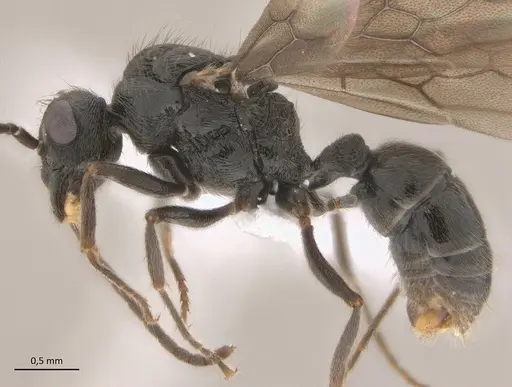
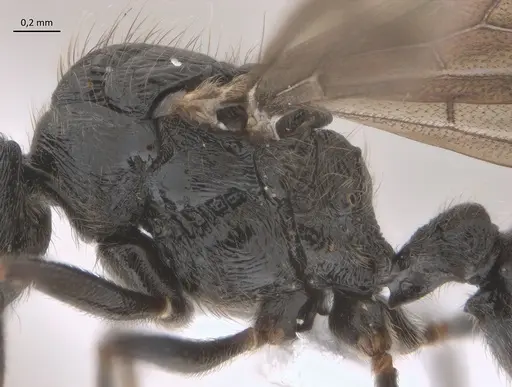
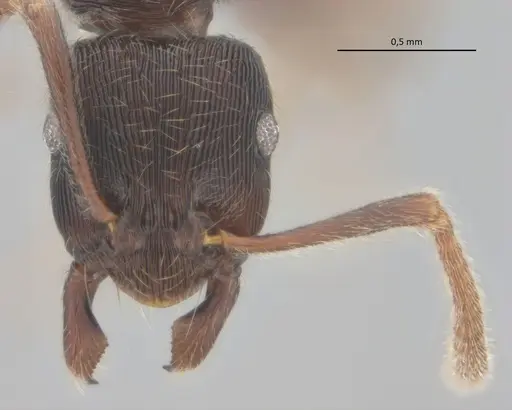
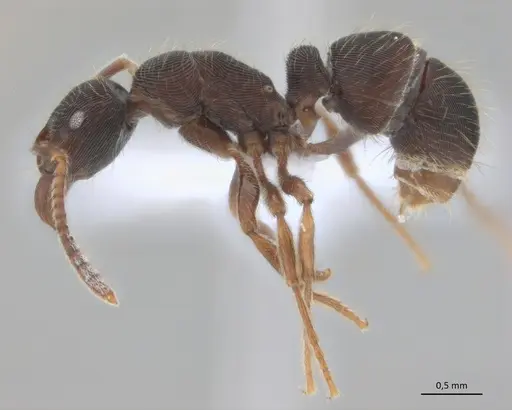
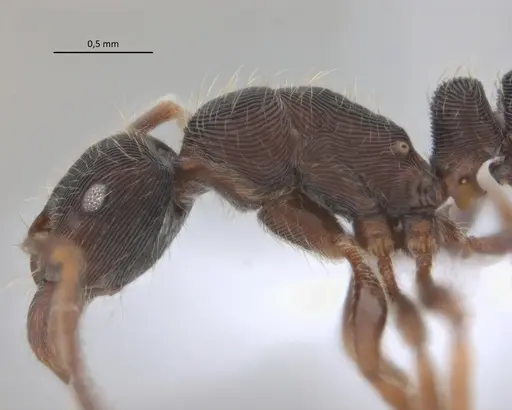
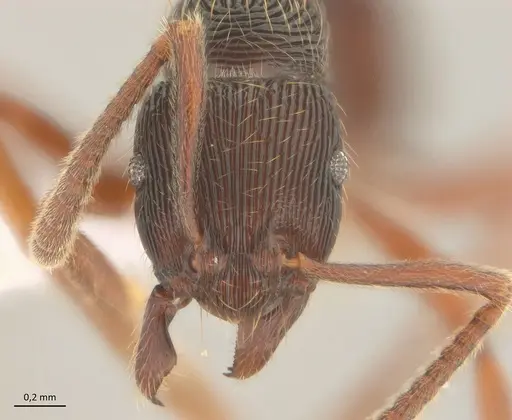
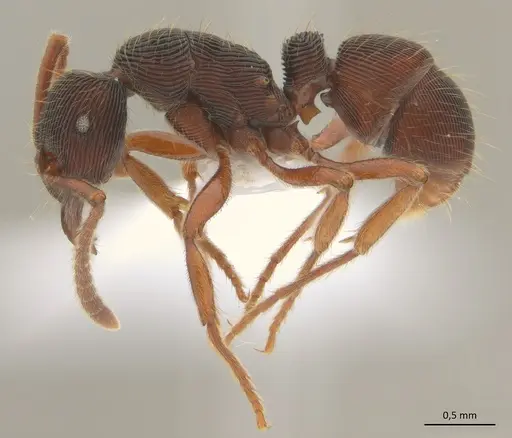
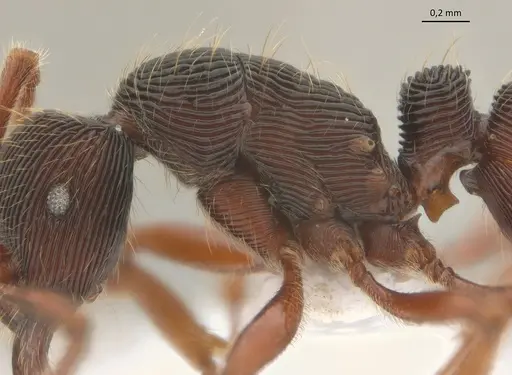
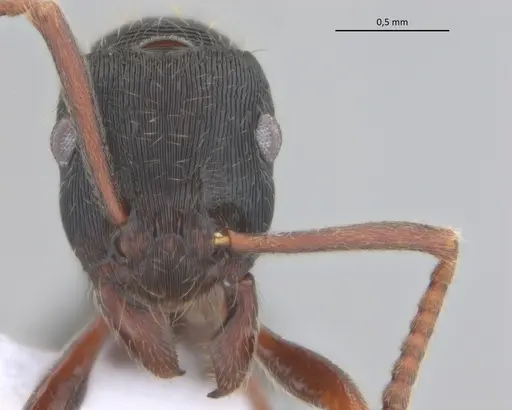
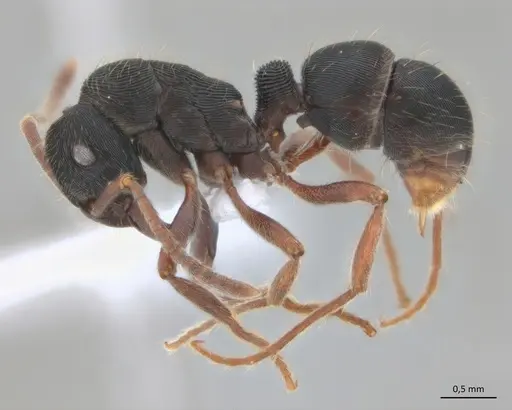
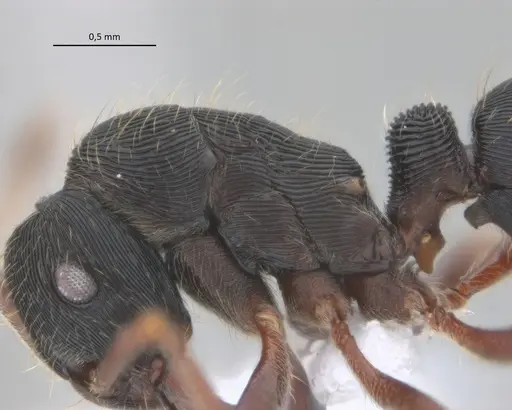
Holcoponera striatula is a medium-sized predatory ant native to Central and South America, ranging from Mexico to Argentina and across the Caribbean . Workers have a distinctive dark brown body with semicircular ridges on the pronotum and longitudinal ridges on the mesosoma . This species is a generalist predator that forages in leaf litter and on the ground, feeding on various small insects and arthropods including caterpillars, flies, beetle larvae, and other ants . What makes H. striatula particularly interesting is its flexible social structure - colonies can be headed by multiple egg-laying queens, or in queenless colonies, workers (called gamergates) can mate and take over reproduction . This is one of the few ant species where workers retain full reproductive capacity and can become replacement reproductives.
Quick Summary
- Difficulty: Medium
- Origin & Habitat: Native to Central and South America, found from Mexico to northern Argentina and across the Caribbean islands [1][2]. Inhabits humid primary and secondary forests, including shaded coffee plantations, from sea level to 1600m elevation [3][4]. Nests in decomposing wood on the soil surface, twigs in leaf litter, under rocks, and in rock cavities [3][9].
- Colony Type: Polygynous (multi-queen) colonies with 2-44 reproductive queens per colony (average 14±18), though queenless colonies with gamergates (mated reproducing workers) also occur naturally [8][7]. Colonies contain up to 200 workers typically, with documented colonies reaching up to 1200 workers [10][8]. New colonies form through budding or colony fusion [3][11].
- Size & Growth:
- Queen: size data unavailable, no total length measurements found in research literature
- Worker: size data unavailable, research provides only partial body measurements (head width 0.83-0.88mm, Weber's length 1.21-1.29mm) which do not represent full body length
- Colony: up to 1200 workers
- Growth: Moderate
- Development: development time unstudied for this species (No direct data available on development duration. Related tropical Poneromorph ants typically require several months from egg to adult.)
- Antkeeping:
- Temperature: Keep at 22-26°C, this is a tropical species that prefers warm, stable conditions [3]. Room temperature within this range works well.
- Humidity: High humidity required, these are forest floor ants from humid environments. Keep nest substrate consistently moist but not waterlogged. Provide a water source.
- Diapause: No, as a tropical species, they do not require hibernation or winter dormancy [3]. Maintain consistent temperatures year-round.
- Nesting: In nature they nest in decomposing wood, twigs in leaf litter, and under rocks [9][3]. For captivity, use a naturalistic setup with moist substrate (soil/peat mix) and provide small twigs or pieces of decaying wood as nest material. In the wild they commonly colonize twigs with diameters around 10-46mm [12]. Test tubes with cotton can work but they prefer more complex nesting sites. Y-tong or plaster nests with small chambers also suitable.
- Behavior: These ants are relatively docile and not aggressive toward keepers. Workers forage individually in leaf litter rather than forming obvious foraging trails [6][9]. They are primarily nocturnal, showing a preference for nighttime foraging [13]. They are generalist predators that hunt small invertebrates. Escape prevention is moderate, they are not strong climbers but can squeeze through small gaps, so standard barriers work adequately. The most fascinating behavior is their flexible reproductive system: when queens die, workers can become gamergates (mated reproducing workers) and take over egg-laying [7].
- Common Issues: queen loss triggers worker reproduction, if your queen dies, workers may become gamergates and continue the colony, which can cause social instability, slow colony growth means beginners may lose patience, expect moderate growth rates over many months, wild-caught colonies may have parasites that can decimate the colony in captivity, high humidity requirements can lead to mold problems if ventilation is poor, they are specialized leaf-litter predators and may refuse artificial foods, live prey is essential
Housing and Nest Setup
Holcoponera striatula requires a naturalistic setup that mimics their forest floor habitat. Use a mixture of soil and decomposed leaf material as substrate, kept consistently moist but not waterlogged. Provide small twigs, pieces of decaying wood, or flat stones as nest-building materials, in the wild they commonly colonize twigs in the leaf litter with diameters around 10-46mm [12]. A formicarium with connected outworld works well, or you can use a simple setup with a test tube setup connected to a foraging area filled with moist substrate. Since they are poor climbers, ensure the outworld has smooth walls or appropriate barriers. Ambient humidity should be high (70-80%) to match their native humid forest environment [3]. Lighting should be moderate, they prefer dimmer conditions and are naturally nocturnal.
Feeding and Diet
These ants are generalist predators that primarily hunt small invertebrates in the leaf litter. Offer live prey such as small crickets, fruit flies, mealworms, and other small insects. They have been observed consuming various insect orders including Lepidoptera larvae, Diptera (adults and larvae), Coleoptera larvae, and even other ants like Camponotus albicoxis [5]. They will scavenge on dead insects as well. While they use sucrose in laboratory tests, they show only moderate attraction to sugar sources and are not strongly attracted to honeydew equivalents like melezitose [13]. Offer protein prey 2-3 times per week and remove uneaten prey after 24 hours. A small dish with sugar water can be offered occasionally but should not be the primary food source.
Social Structure and Reproduction
This species has one of the most fascinating social structures in the ant world. Colonies are typically polygynous with multiple egg-laying queens (2-44 queens documented, averaging 14 per colony) [8]. However, about 4% of wild colonies are queenless and instead contain gamergates, workers that have mated and taken over reproduction [7]. When a colony loses its queen, workers can develop ovaries and become gamergates within 9-15 days, performing sexual calling behavior to attract males into the nest for mating [7]. This is facultative, the colony can continue reproducing either with queens or through worker-turned-gamergates. In queenright colonies, workers never show sexual behavior, but orphaned workers rapidly develop reproductive capacity. The cuticular hydrocarbon profile signals fertility status, allowing nestmates to recognize reproductive status [14]. This flexibility likely helps colonies survive queen loss events in the unpredictable tropical forest environment.
Temperature and Seasonal Care
As a tropical species from Central and South American forests, Holcoponera striatula requires warm temperatures year-round. Maintain the nest area at 22-26°C, which is ideal for their development and activity [3]. Room temperature within this range is usually sufficient. Avoid temperatures below 20°C or above 30°C. Unlike temperate species, they do not require any diapause or winter rest period. Their natural range spans from sea level to 1600m elevation across various biomes, but they prefer stable, warm, humid conditions [9]. A heating cable on one side of the nest can create a gentle gradient if your room temperature runs cool, but ensure it doesn't dry out the substrate or create hot spots. Consistency is more important than exact temperature within the comfortable range.
Handling and Temperament
Holcoponera striatula is a relatively docile species that poses no danger to keepers. They are not aggressive and do not have a painful sting, their small size and docile nature make them safe to handle. Workers forage individually in the leaf litter rather than forming aggressive swarms [6]. They are not known for escape artistry compared to some other ants, but standard escape prevention measures should still be used. The most interesting aspect of their behavior is the lack of kin discrimination, they do not preferentially treat relatives over non-relatives in mate choice or larval care contexts [15]. This is unusual in ants and makes them particularly interesting for observing natural social dynamics. When observing the colony, you may witness the fascinating larval begging behavior where larvae sway and reach toward workers or food to request feeding [16].
Frequently Asked Questions
How long does it take for Holcoponera striatula to produce first workers?
Development time has not been directly studied for this species. Based on related tropical Poneromorph ants, expect several months from egg to first worker at optimal temperature (22-26°C). Colony growth is moderate, patience is required as they are not fast growers.
Can I keep multiple queens together in one colony?
Yes, this is natural for this species. Holcoponera striatula is polygynous, colonies typically have multiple egg-laying queens (2-44 documented). Queens can coexist peacefully and all lay eggs. In fact, queenless conditions trigger workers to become reproductives, so the colony is remarkably resilient to queen loss.
What do Holcoponera striatula ants eat?
They are generalist predators that eat small live insects and arthropods. Offer live prey like fruit flies, small crickets, mealworms, and other tiny insects. They will also scavenge on dead insects. They show moderate interest in sugar sources but these should not be the primary food. Protein-rich live prey is essential for colony health.
Do Holcoponera striatula ants sting?
No, they are not known for stinging and pose no danger to keepers. They are small, docile ants that focus on hunting small invertebrates in the leaf litter rather than defending aggressively against threats.
Are Holcoponera striatula good for beginners?
They are rated as medium difficulty. While fascinating and relatively docile, they require specific conditions: high humidity, warm temperatures, and primarily live food. Their slow growth and the need for appropriate prey can make them challenging for complete beginners, but they are rewarding for keepers willing to provide proper care.
What happens if my queen dies?
This is one of the most interesting aspects of this species. If the queen dies, workers can become gamergates (mated reproducing workers) and take over reproduction. Workers begin showing sexual calling behavior within 9-15 days of queen removal, attract males into the nest, and mate to continue the colony's genetic line. The colony essentially has a built-in backup reproductive system.
Do they need hibernation?
No, they do not require hibernation. As a tropical species from Central and South America, they need consistent warm temperatures year-round (22-26°C). Do not expose them to cold temperatures or attempt to cool them for winter dormancy.
What type of nest should I use?
They prefer naturalistic setups with moist substrate. Use a soil/peat mixture with small twigs, pieces of decaying wood, or flat stones as nest material. They commonly nest in twigs in leaf litter in the wild. Test tubes can work but they do better with more complex, multi-chamber setups that allow them to choose nesting sites. Y-tong or plaster nests with small chambers work well.
Why are my ants dying?
Common causes include: low humidity (they need 70-80% humidity), temperatures outside 22-26°C range, insufficient live prey (they are obligate predators), mold from overwatering with poor ventilation, or stress from frequent disturbance. Wild-caught colonies may also carry parasites that can cause colony decline. Ensure proper humidity, temperature, and nutrition before investigating other causes.
How big do colonies get?
Colonies typically reach up to 200 workers, though colonies with up to 1200 workers have been documented in the wild [10][8]. Growth is moderate, expect several months to reach significant numbers. The polygynous structure with multiple egg-laying queens supports steady growth over time.
Report an Issue
The current care sheet is based fully on literature. See inconsistencies, or something that's incorrect? Please , it will be resolved after review from an admin. Contributing to the blogs tab also helps providing information, to make us be able to further improve the caresheets. Thank you for your support!
References

This caresheet is licensed under CC BY-SA 4.0 .
Community Blogs
ANTWEB1008531
View on AntWeb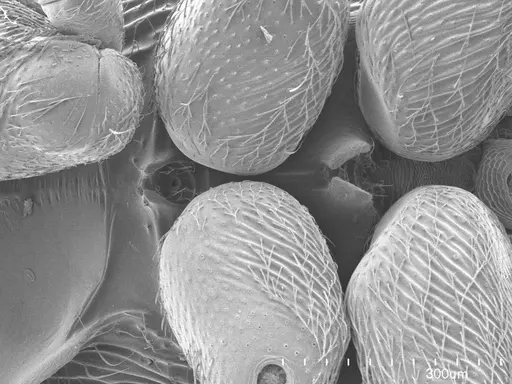
ANTWEB1032894
View on AntWeb
CASENT0106042
View on AntWeb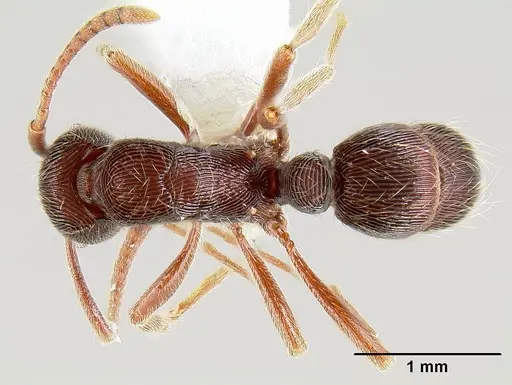
CASENT0173386
View on AntWeb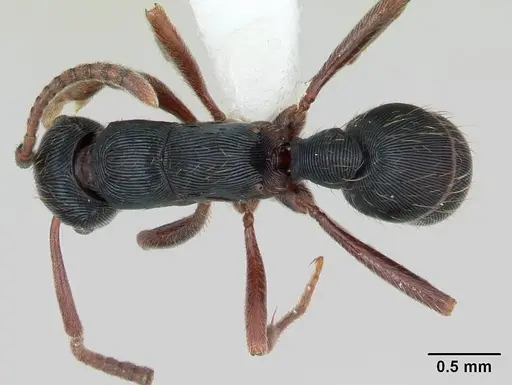
CASENT0178660
View on AntWeb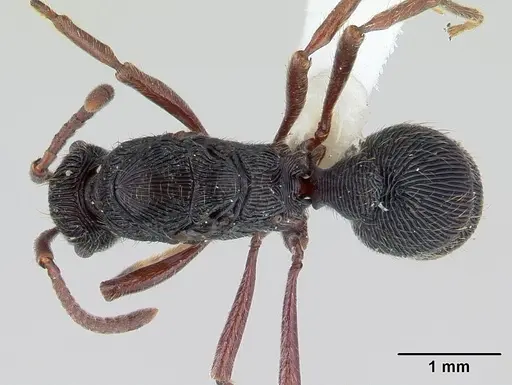
CASENT0179952
View on AntWeb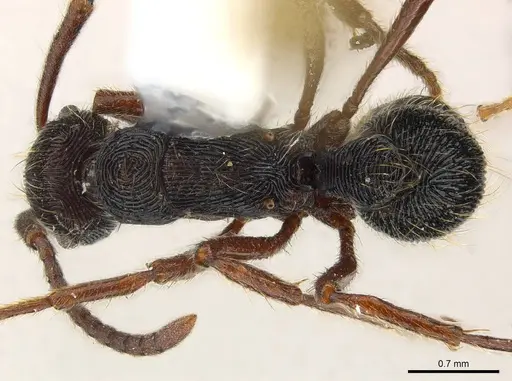
CASENT0179953
View on AntWeb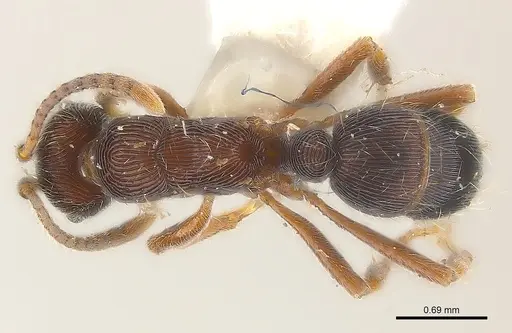
CASENT0246691
View on AntWeb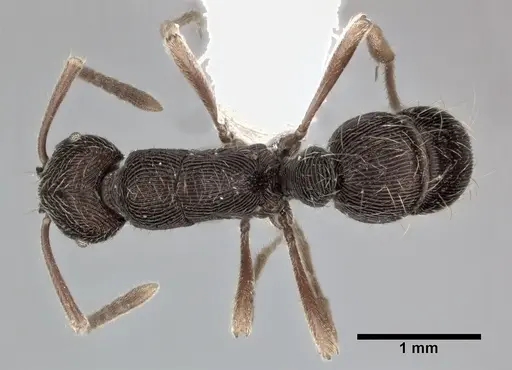
CASENT0281228
View on AntWeb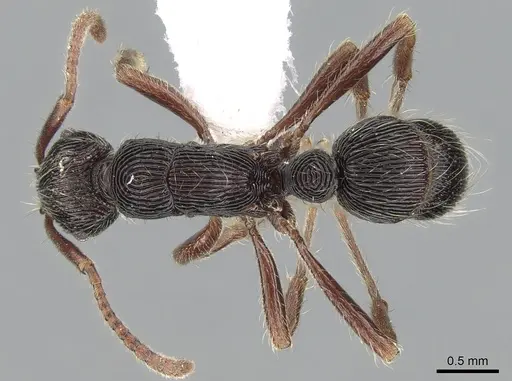
CASENT0281229
View on AntWeb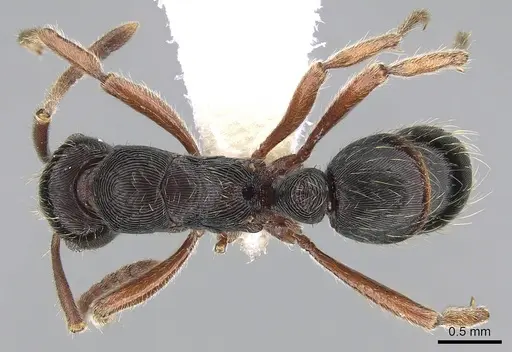
CASENT0619181
View on AntWeb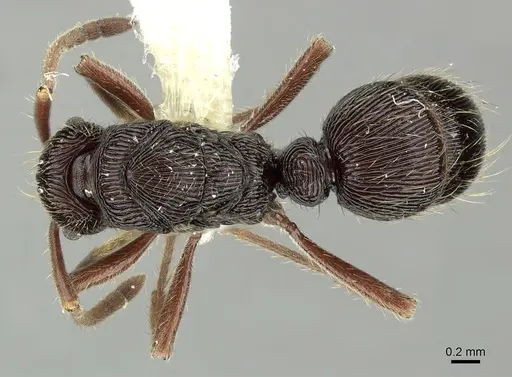
CASENT0900551
View on AntWeb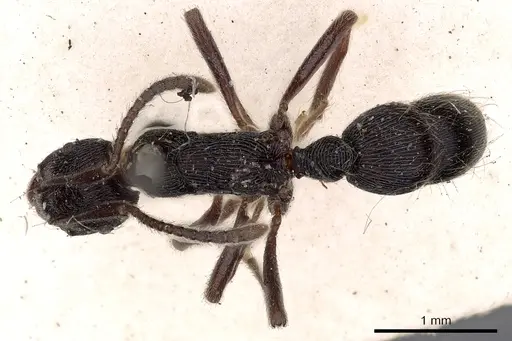
CASENT0903834
View on AntWeb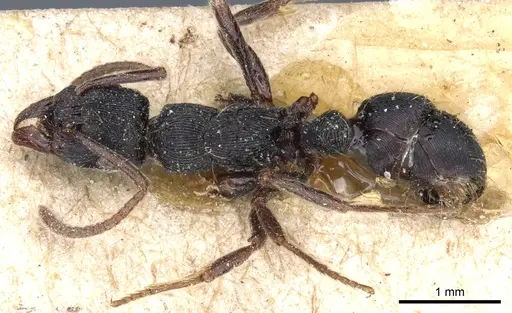
CASENT0903837
View on AntWeb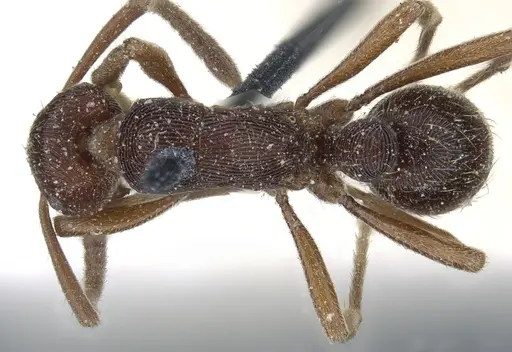
CASENT0903839
View on AntWeb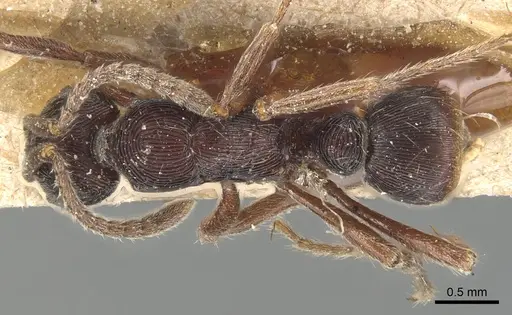
CASENT0907168
View on AntWeb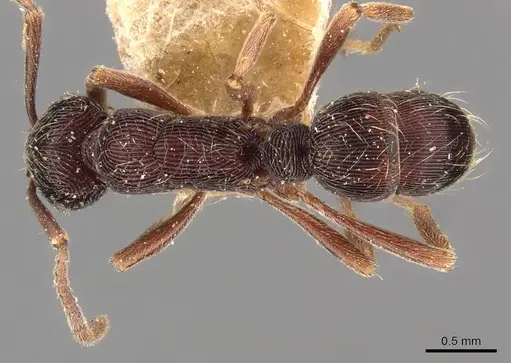
CASENT0907169
View on AntWeb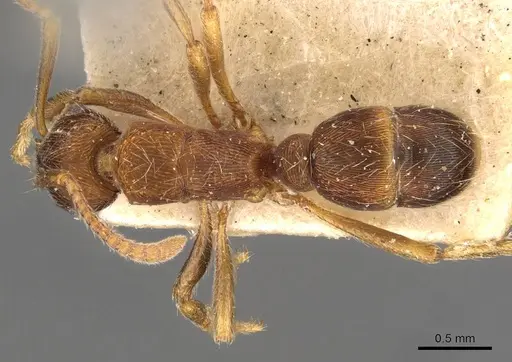
CASENT0907170
View on AntWeb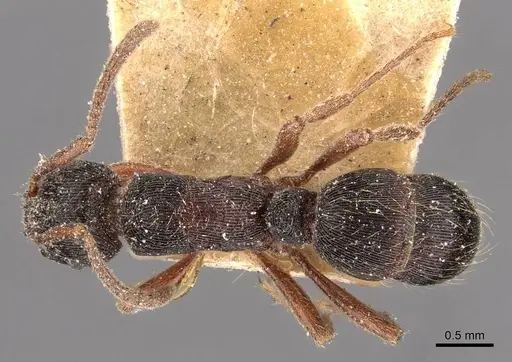
CASENT0907174
View on AntWeb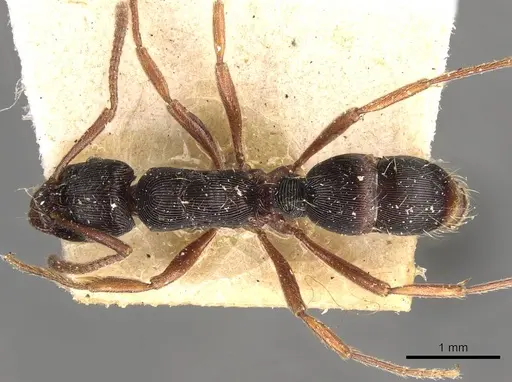
CASENT0907175
View on AntWeb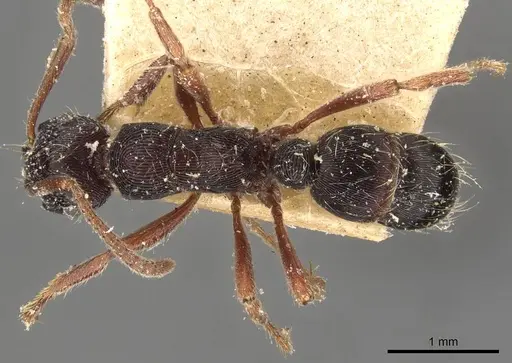
CASENT0907176
View on AntWeb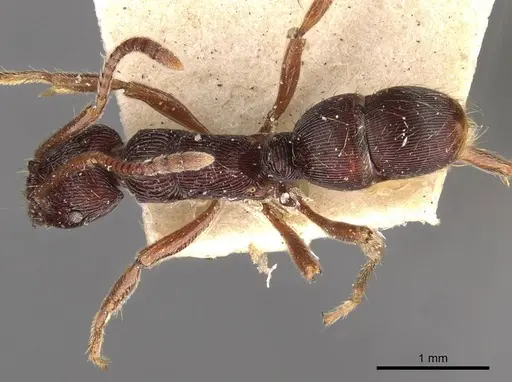
CASENT0915110
View on AntWeb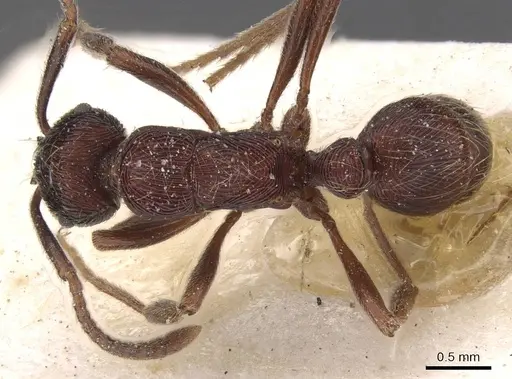
CASENT0915111
View on AntWeb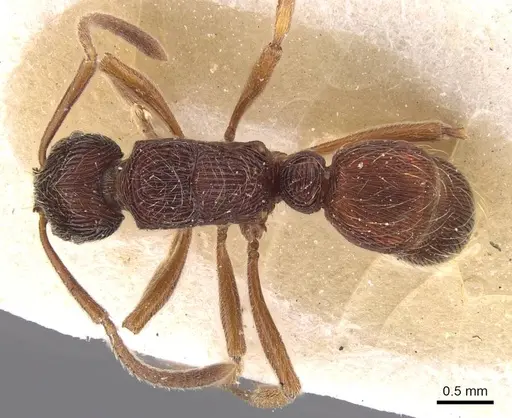
CASENT0915120
View on AntWeb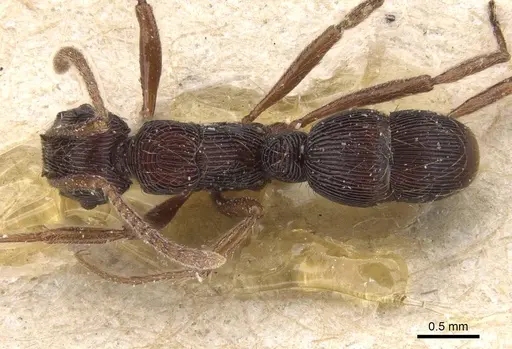
CASENT0915121
View on AntWeb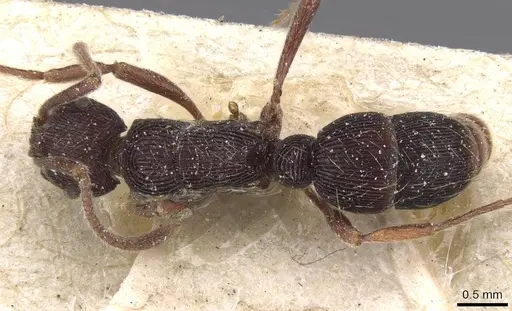
CASENT0915122
View on AntWeb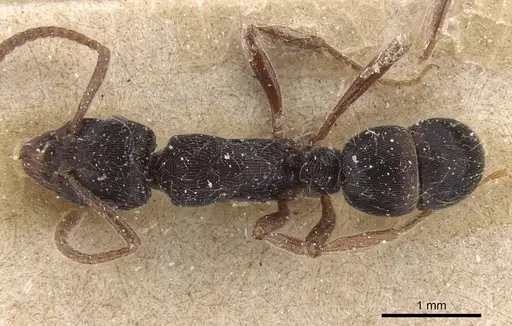
CASENT0915123
View on AntWeb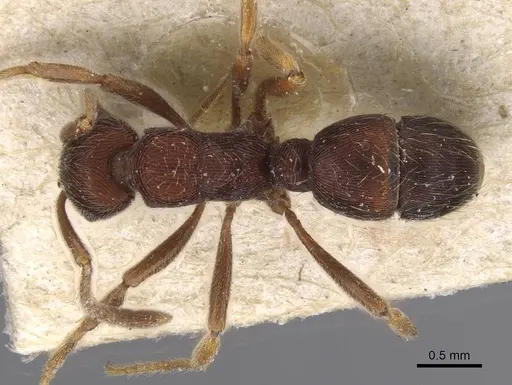
CASENT0915124
View on AntWeb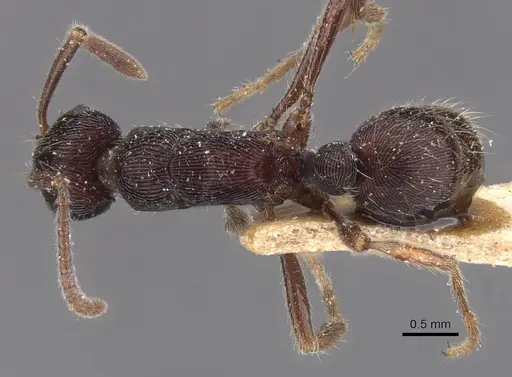
CASENT0915125
View on AntWeb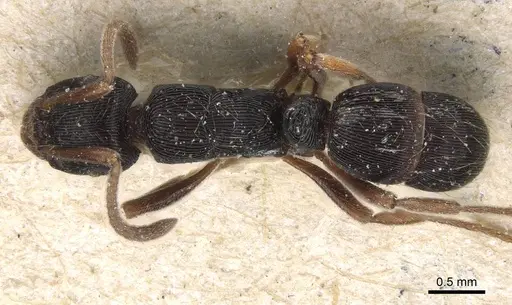
CASENT0915128
View on AntWeb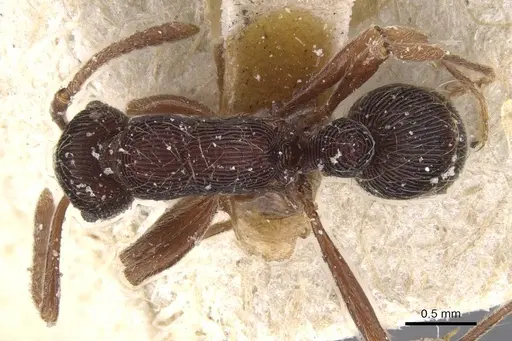
CASENT0915129
View on AntWeb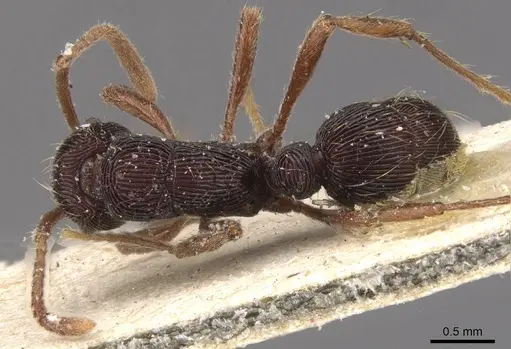
CASENT0915130
View on AntWeb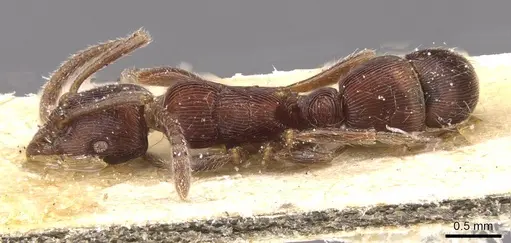
CASENT0915917
View on AntWeb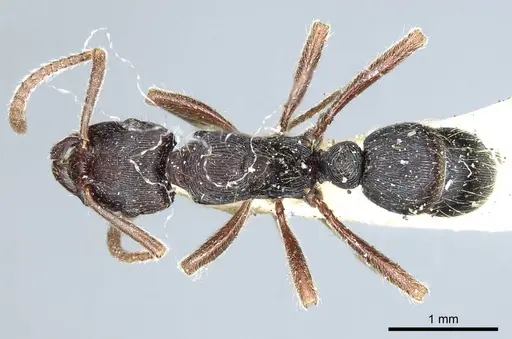
CASENT0915921
View on AntWeb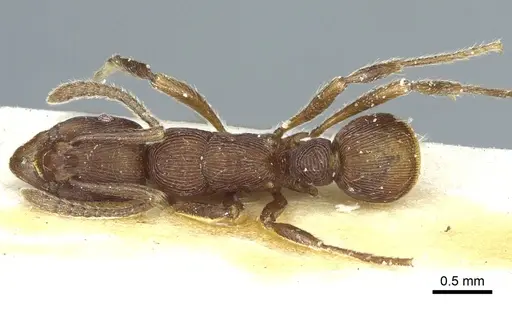
CBUMAGENT41769
View on AntWeb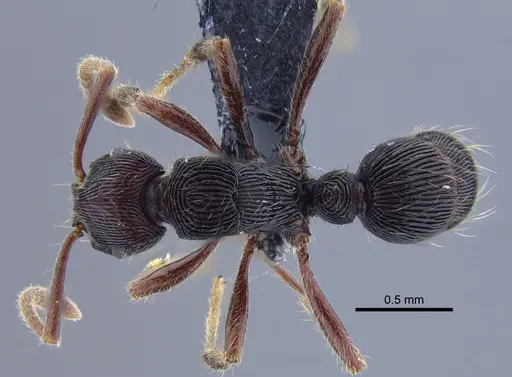
ECOFOG-MI15-0375-19
View on AntWeb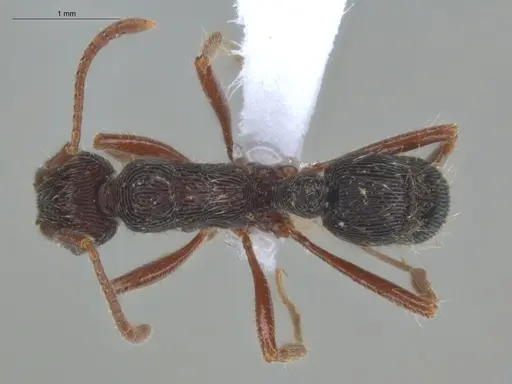
FOCOL0866
View on AntWeb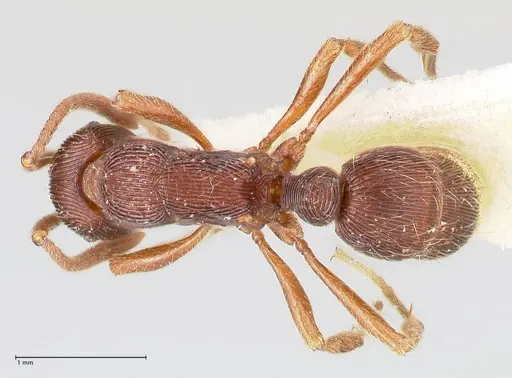
INBIOCRI001281090
View on AntWeb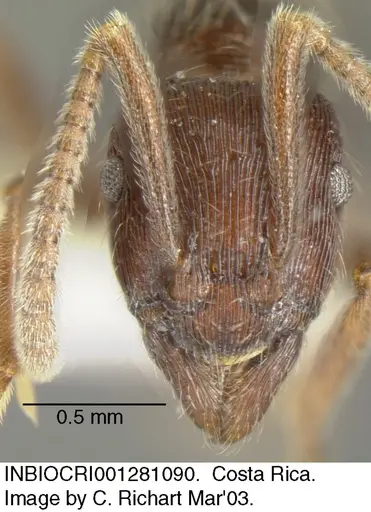
INBIOCRI002281364
View on AntWeb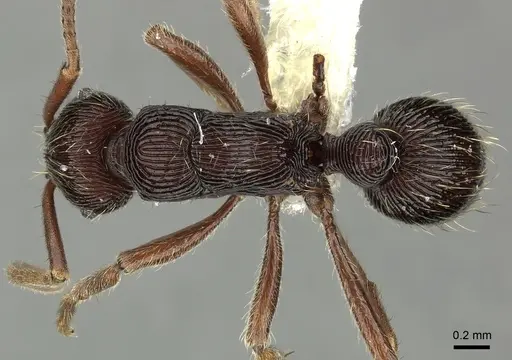
JTLC000010271
View on AntWeb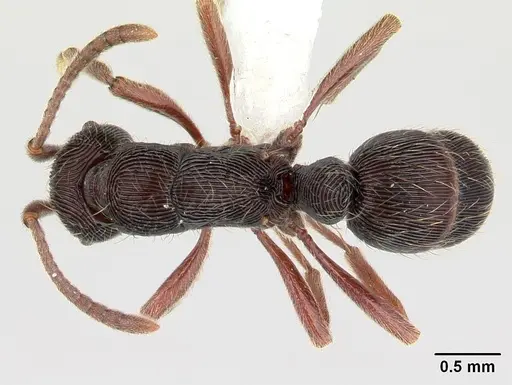
UFV-LABECOL-005792
View on AntWeb
UFV-LABECOL-010960
View on AntWeb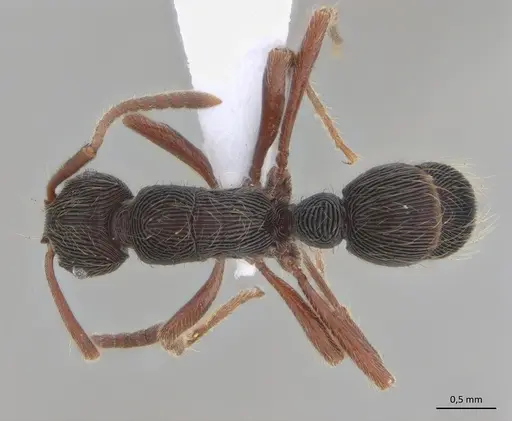
UFV-LABECOL-010961
View on AntWeb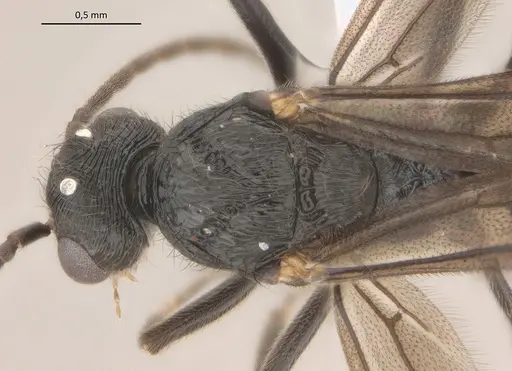
UFV-LABECOL-011079
View on AntWeb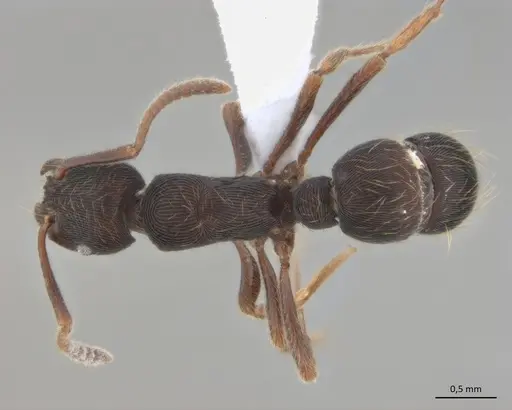
UFV-LABECOL-011081
View on AntWeb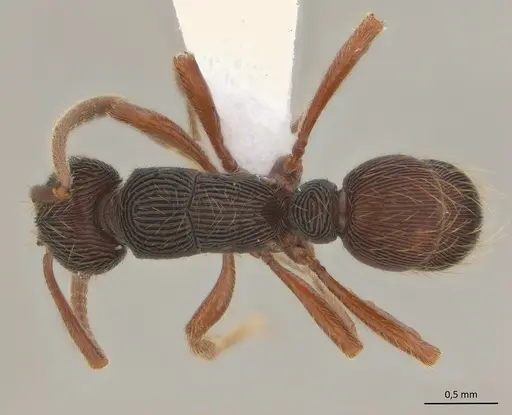
UFV-LABECOL-011087
View on AntWeb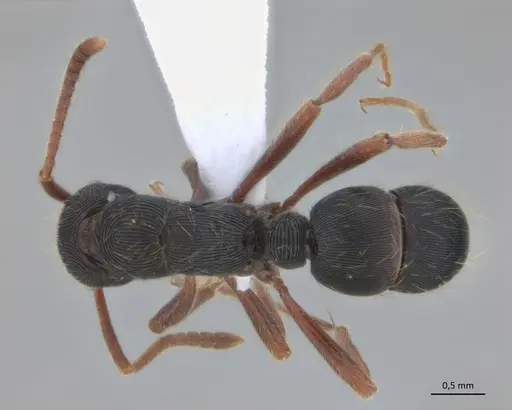
Literature
Loading distribution map...Loading products...