
Holcoponera moelleri
- Sci. Name
- Holcoponera moelleri
- Tribe
- Ectatommini
- Subfamily
- Ectatomminae
- Author
- Forel, 1912
- Distribution
- Found in 7 countries
Introduction
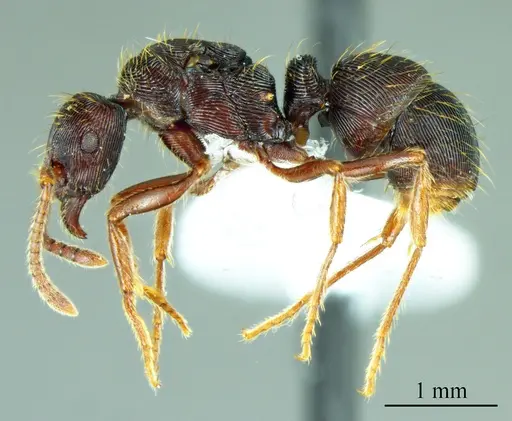
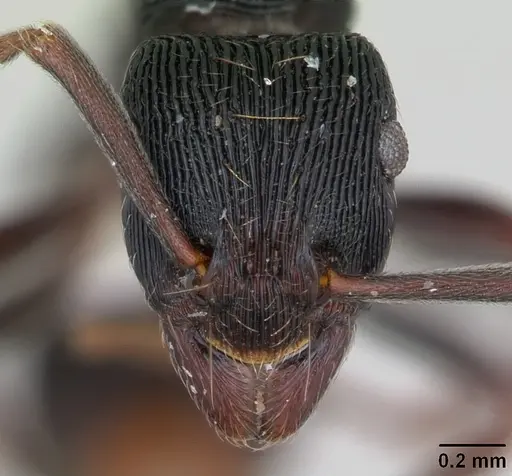
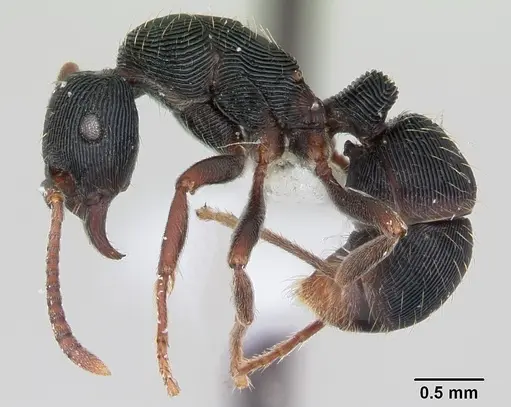
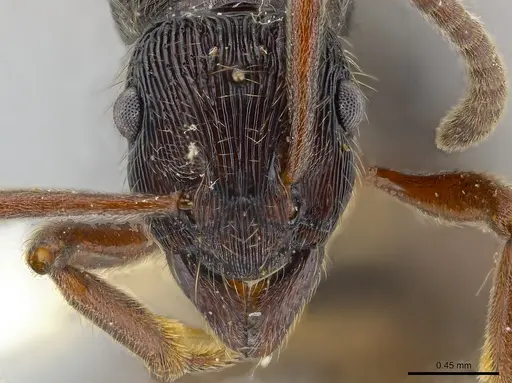
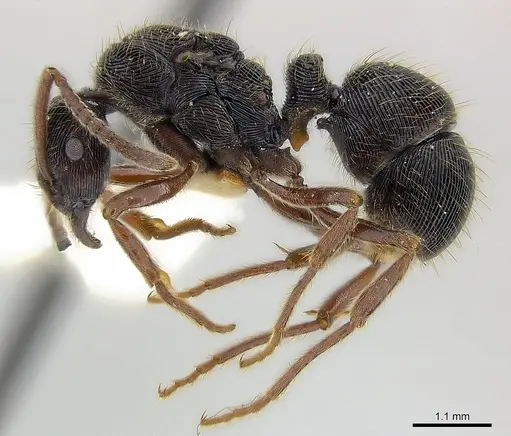
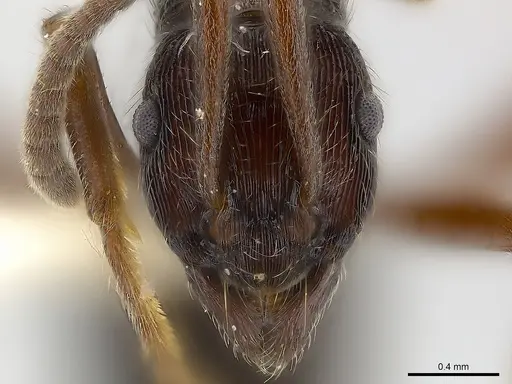
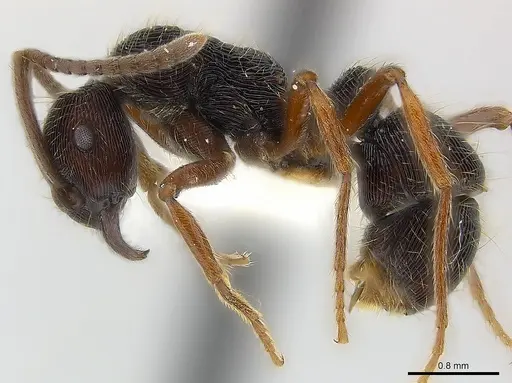
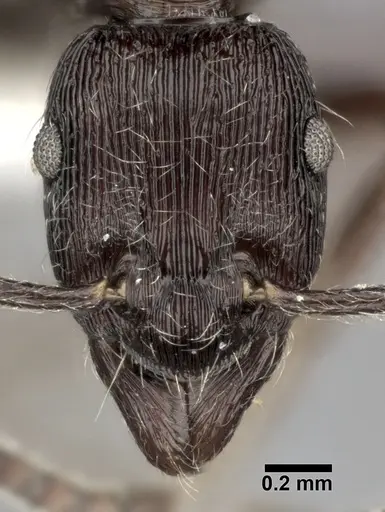
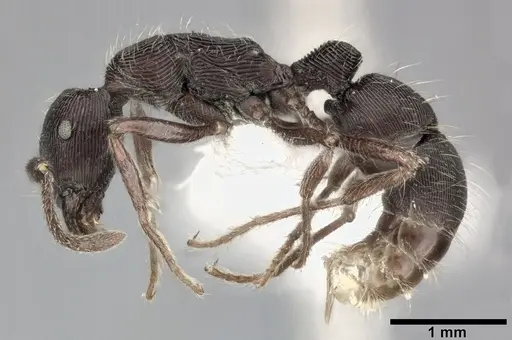
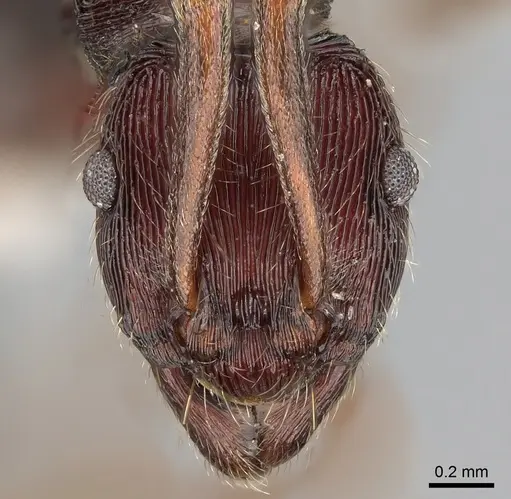
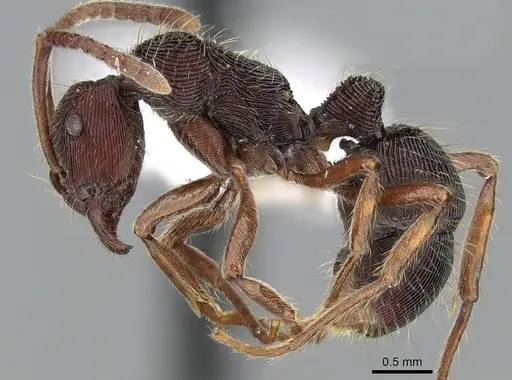
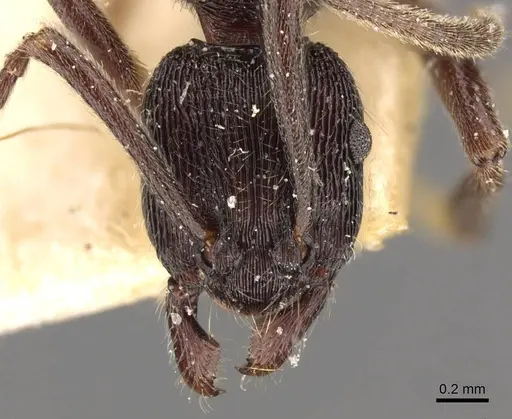
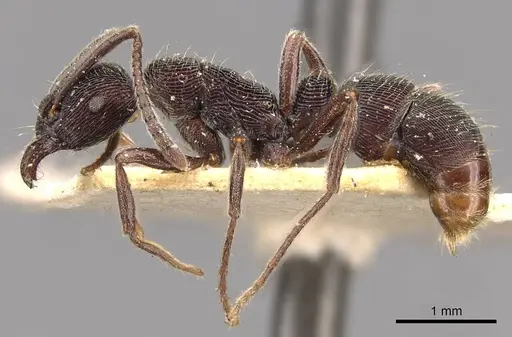
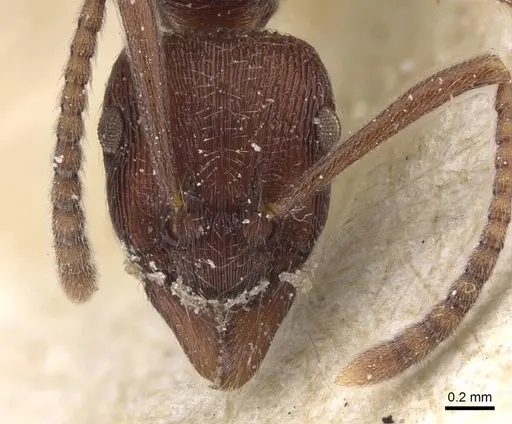
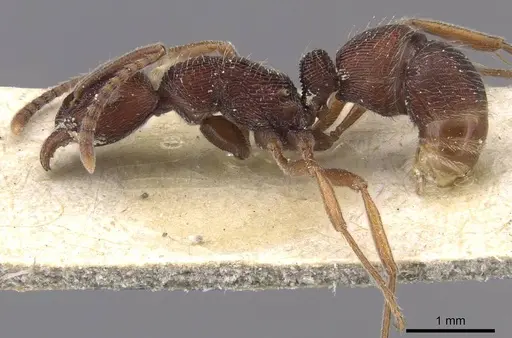
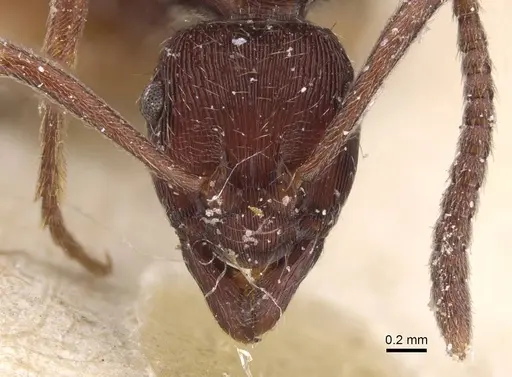
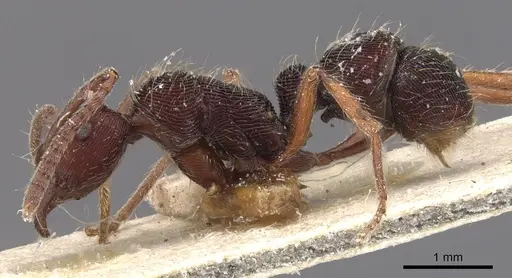
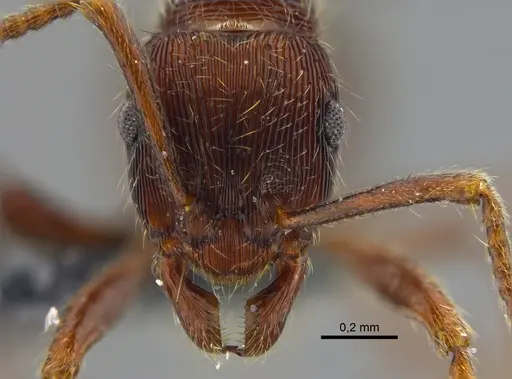
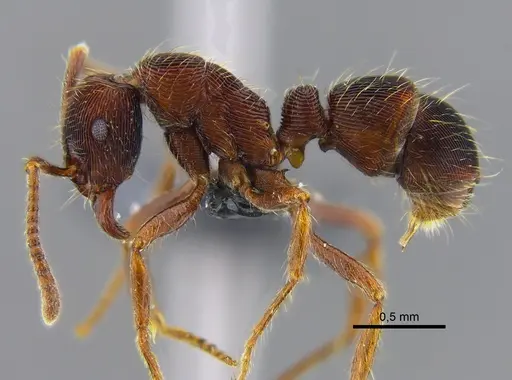
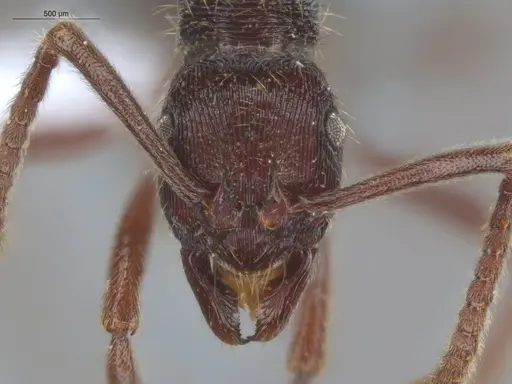
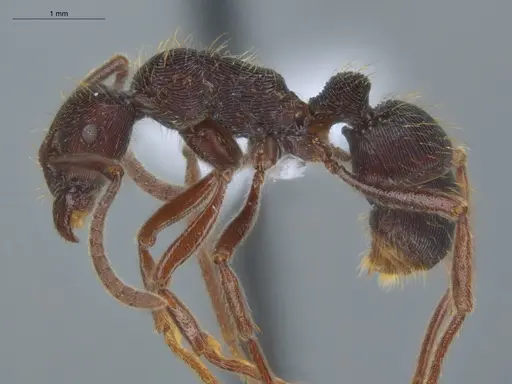
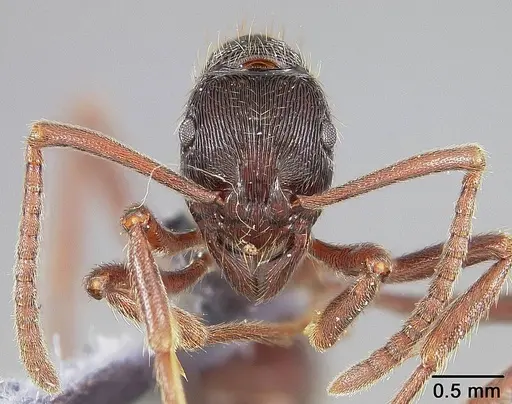
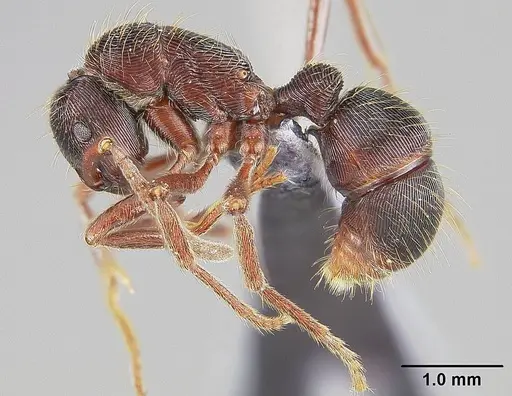
Holcoponera moelleri is a medium-sized predatory ant native to the Neotropical region, found across northern South America from Argentina to Venezuela. Workers measure approximately 5mm in total length with distinctive striated (ridged) sculpture on the thorax and a semi-square subpetiolar process. These ants are arboreal nesters that live almost exclusively within bromeliad plants, where they build colonies of typically 100-200 workers. Unlike most ants, they forage almost exclusively on their host plant rather than roaming the forest floor, hunting solo but recruiting nestmates for large prey items. This species has an unusual reproductive system where both the queen and workers (called gamergates) can lay eggs.
Quick Summary
- Difficulty: Medium
- Origin & Habitat: Neotropical lowland humid forests of South America, primarily below 1000m elevation, from Argentina through Brazil to Colombia and Venezuela. Nests in bromeliad plants, decaying wood on the ground, and among leaf litter [1][2].
- Colony Type: Queenright colonies with one queen, but also documented queenless colonies with reproductive workers (gamergates). Both queens and workers can reproduce, this is called a Q+G reproductive strategy [3][4].
- Size & Growth:
- Queen: size data unavailable
- Worker: ~5mm (0.5 cm) in total length [5][6].
- Colony: Up to 200 workers [1][2][7]. Mean colony size approximately 142 workers [6].
- Growth: Moderate
- Development: Estimated 6-10 weeks based on similar Ponerinae species (Development time not directly studied for this species. Summer colonies show more larvae and pupae, alates appear more commonly in winter [3].)
- Antkeeping:
- Temperature: Tropical species, keep warm around 24-28°C. They are active year-round in their native habitat with no true hibernation. Provide a temperature gradient if possible.
- Humidity: High humidity required, these are forest bromeliad nesters. Keep the nest substrate consistently moist but not waterlogged. Mist occasionally and provide a water source.
- Diapause: No, tropical species with no hibernation requirement. However, foraging activity decreases in winter months in the wild (winter mean foraging distance 34.6cm vs summer 44.9cm) [3].
- Nesting: Arboreal nesting specialists, in captivity they do well in naturalistic setups with live or artificial bromeliads, or in Y-tong nests placed in humid conditions. They prefer tight, enclosed spaces mimicking bromeliad leaf bases.
- Behavior: These ants are primarily nocturnal or crepuscular, with workers foraging almost exclusively on their nest plant. They hunt alone but recruit 3-12 workers for large prey items using a unique communication method, the scout taps its stinger on the substrate to leave a chemical trail for nestmates. They are predatory and will take a wide variety of arthropod prey. Escape risk is moderate, they are small but not particularly agile climbers. They possess a stinger but are not aggressive toward humans.
- Common Issues: queenless colonies may fail if gamergates don't establish, ensure you have a functional queen or established reproductive worker, colonies kept in dry conditions will decline rapidly, humidity is critical for this bromeliad-dwelling species, overfeeding large prey can lead to mold issues in the nest, remove uneaten prey within 24 hours, wild-caught colonies may have parasites or be stressed from collection, quarantine and monitor closely, their arboreal nature means they may not adapt well to fully terrestrial nest setups
Nesting and Housing
Holcoponera moelleri is an obligate bromeliad nester in the wild, making its housing requirements unique among ant species. In captivity, you can use naturalistic setups with live or artificial bromeliads, or standard formicarium nests kept in humid conditions. The key is providing enclosed spaces that mimic the tight leaf bases where they naturally nest. Y-tong setups work well, but place them in a humid room or enclosure. Avoid dry, open setups, these ants will not thrive in typical test tube arrangements. Some keepers have success with setups that include live plants or moss to maintain humidity. Colonies occupy only 1-3 leaves of their host bromeliad in the wild, so they don't need large spaces [3].
Feeding and Diet
These are predatory ants with a broad diet. In the wild, they eat almost anything they can catch or scavenge, their prey includes mosquitoes (25% of items), termites (19%), various beetles, flies, caterpillars, and even other ants. They also feed on extrafloral nectar and will scavenge dead animals [3]. In captivity, offer a variety of small live prey like fruit flies, pinhead crickets, and small worms. They will also accept dead insects and can be fed protein-rich foods like pieces of mealworm or cricket. Unlike many ants, they show little interest in sugar sources, their diet is primarily predatory. Feed every 2-3 days, removing uneaten prey to prevent mold. The hunting method is solitary, workers hunt alone but recruit help for large items that can't be carried by one ant [8][9][5].
Foraging and Recruitment Behavior
This species has fascinating foraging behavior that sets it apart from many ants. Workers forage almost exclusively on their nest bromeliad rather than roaming far from home, foraging distances average 35-45cm from the nest. They hunt solitarily but use group recruitment for large prey items. When a scout finds something too big to carry alone (over 7mm), it recruits 3-12 workers to help transport it. The recruitment communication is unique, the returning scout taps its stinger on the substrate to leave a chemical trail, rather than using typical pheromone trails. This stinger tapping behavior has been documented in experiments and appears to transmit information about food location to nestmates [5]. Small prey (under 90% of items in the wild) is retrieved solo. They are primarily nocturnal, with more foraging activity in summer than winter [3][5].
Reproduction and Colony Structure
Holcoponera moelleri has an unusual reproductive system. Wild colonies can be either queenright (with a single queen) or queenless with gamergates, workers that have become reproductive and can lay eggs. Studies found 6 queenright colonies and 3 queenless colonies out of 9 studied [3]. Both the queen and gamergates have 10 ovarioles (egg-producing tubes), while regular workers have 6 [7]. This means you may keep either a functional queen colony or establish a queenless colony with reproductive workers. Alates (winged reproductives) appear more commonly in winter, while colonies have more larvae and pupae in summer [3]. The maximum colony size is around 200 workers [7].
Temperature and Seasonal Care
As a tropical species from lowland South American forests, H. moelleri requires warm, stable temperatures. Aim for 24-28°C, this matches their native bromeliad habitat. Unlike temperate ants, they do not require hibernation or diapause. However, they do show seasonal variation in activity: foraging activity is higher in summer (when prey is more abundant) and reduced in winter. In winter, foragers sometimes remain motionless on leaves for 1-3 minutes, a behavior never seen in summer [3]. You can simulate this by slightly reducing temperatures in winter (by 2-3°C) if you wish, but it's not required. The most important factor is maintaining humidity alongside the warmth.
Defense and Handling
These ants possess a functional stinger but are not aggressive toward humans [10]. They are small and relatively docile, making them safe to handle. Their primary defense is fleeing or retreating into the nest structure. When hunting, they use their stinger to subdue prey. In captivity, they are unlikely to sting unless directly threatened. The stinger is also used in their unique recruitment communication, they tap it on surfaces to mark food locations [5].
Frequently Asked Questions
Can I keep Holcoponera moelleri in a test tube setup?
Standard test tube setups are not ideal for this species. They are arboreal bromeliad nesters that need high humidity and enclosed spaces. Use a naturalistic setup with plants or a humid formicarium nest instead.
How long does it take for the first workers to appear?
Exact development time is unconfirmed for this species. Based on similar Ponerinae ants, expect 6-10 weeks from egg to worker at optimal temperature (around 26°C).
Do Holcoponera moelleri ants need hibernation?
No, they are tropical ants with no hibernation requirement. However, they naturally reduce foraging activity in winter months in the wild.
What do Holcoponera moelleri eat?
They are predatory ants that eat mostly arthropods. Feed small live prey like fruit flies, pinhead crickets, and small worms. They also scavenge dead insects and will take extrafloral nectar. They are not interested in sugar water.
Can I keep multiple queens together?
This species is monogyne, colonies typically have one queen. However, queenless colonies with gamergates (reproductive workers) also exist naturally. It's best to keep single-queen colonies.
How big do colonies get?
Colonies reach up to 200 workers in the wild, with an average of around 142 workers [7][6]. This is a moderately sized colony for a Ponerine ant.
Do Holcoponera moelleri ants sting?
Yes, they have a stinger but are not aggressive toward humans. Stings are rare and mild, these ants are docile and will flee rather than attack.
Are Holcoponera moelleri good for beginners?
This is a medium-difficulty species. The main challenges are providing proper humidity (they're bromeliad specialists) and their specific dietary needs (predatory, not interested in sugar). Experienced antkeepers familiar with Ponerine ants will have success.
When should I move them to a formicarium?
Move them when the colony reaches around 50 workers or when you notice they need more space than their initial setup provides. They prefer naturalistic or humid setups over standard formicariums.
Why do my ants tap their stinger on surfaces?
This is their unique recruitment communication! When a forager finds large prey, it taps its stinger on the substrate while returning to the nest to leave a chemical trail for nestmates. This is different from typical pheromone trails used by other ants [5].
Report an Issue
The current care sheet is based fully on literature. See inconsistencies, or something that's incorrect? Please , it will be resolved after review from an admin. Contributing to the blogs tab also helps providing information, to make us be able to further improve the caresheets. Thank you for your support!
References

This caresheet is licensed under CC BY-SA 4.0 .
Community Blogs
ANTWEB1041408
View on AntWeb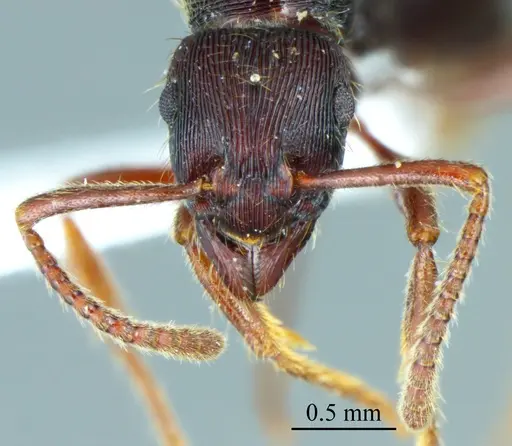
CASENT0173384
View on AntWeb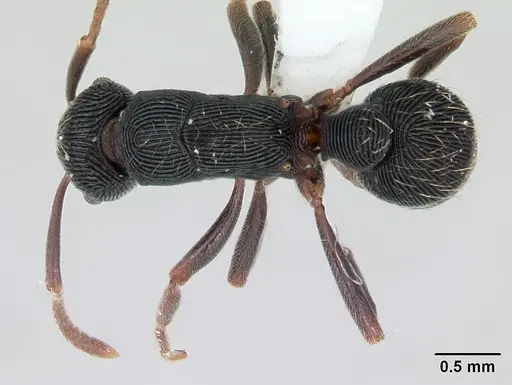
CASENT0179955
View on AntWeb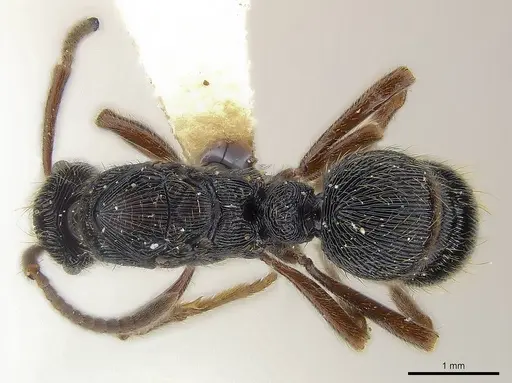
CASENT0179956
View on AntWeb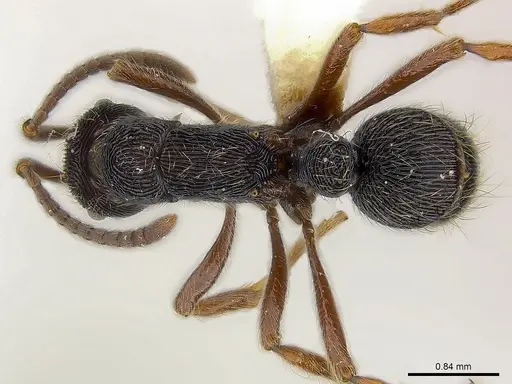
CASENT0246692
View on AntWeb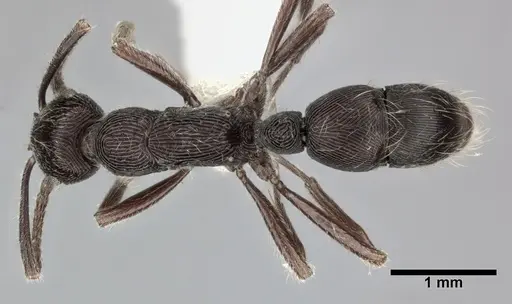
CASENT0246693
View on AntWeb
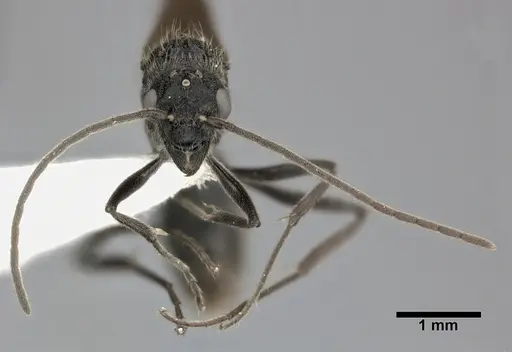
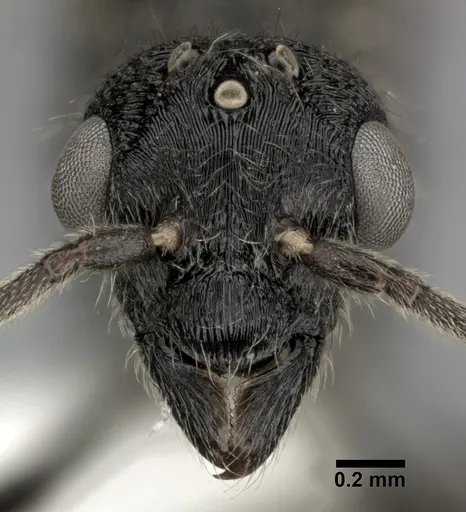
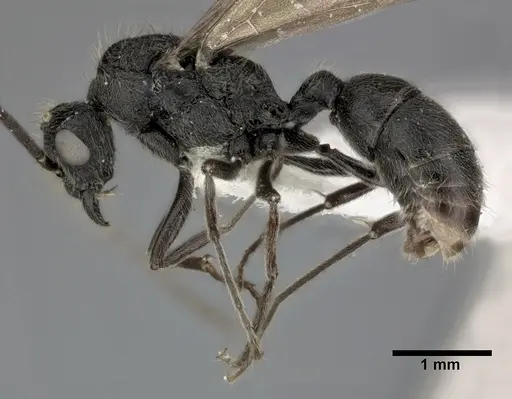
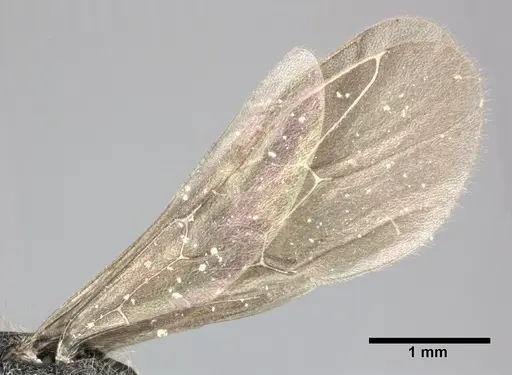
CASENT0281214
View on AntWeb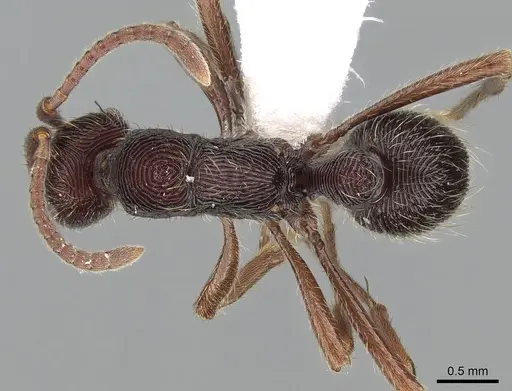
CASENT0907171
View on AntWeb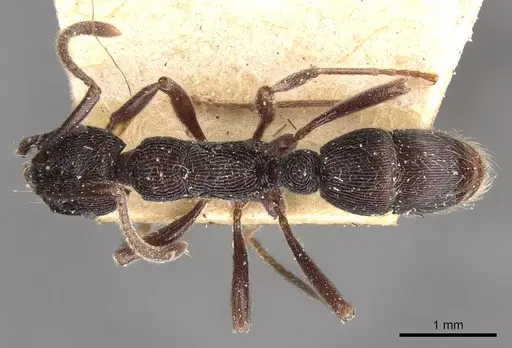
CASENT0915119
View on AntWeb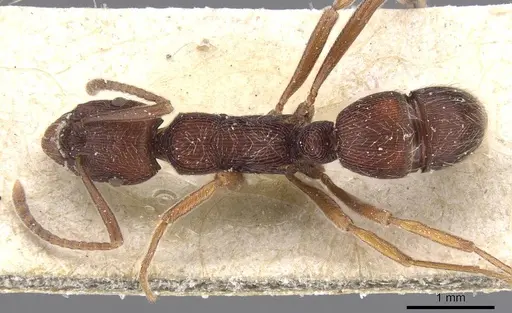
CASENT0915127
View on AntWeb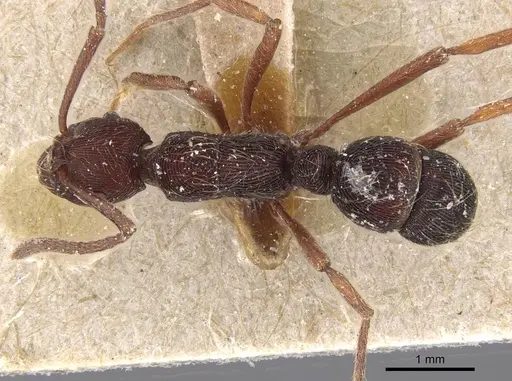
CBUMAGENT41983
View on AntWeb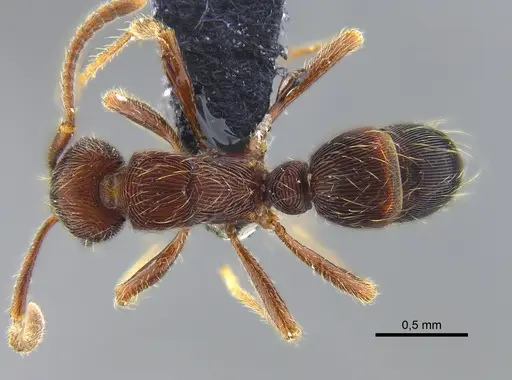
ECOFOG-IT14-0274-04
View on AntWeb
USNMENT00445954
View on AntWeb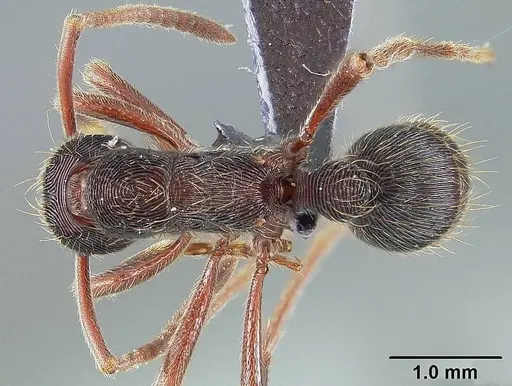
Literature
Loading distribution map...Loading products...