
Holcoponera aterrima
- Sci. Name
- Holcoponera aterrima
- Tribe
- Ectatommini
- Subfamily
- Ectatomminae
- Author
- Mann, 1921
- Distribution
- Found in 2 countries
Introduction
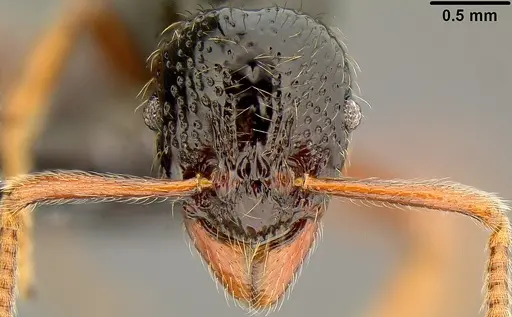
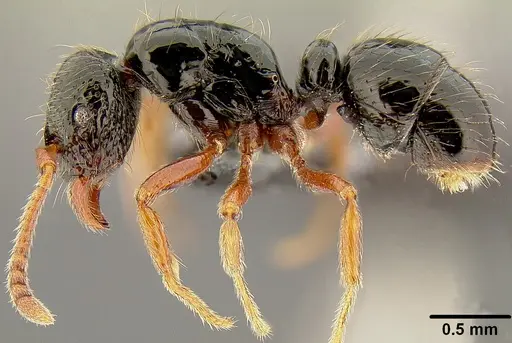
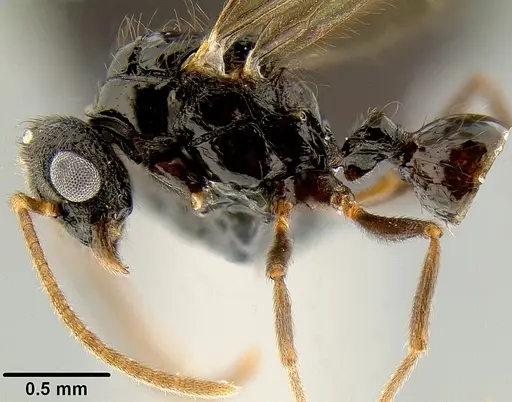
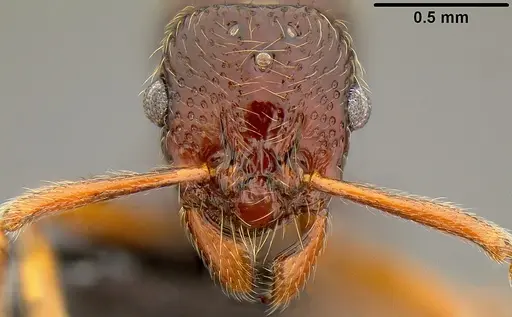
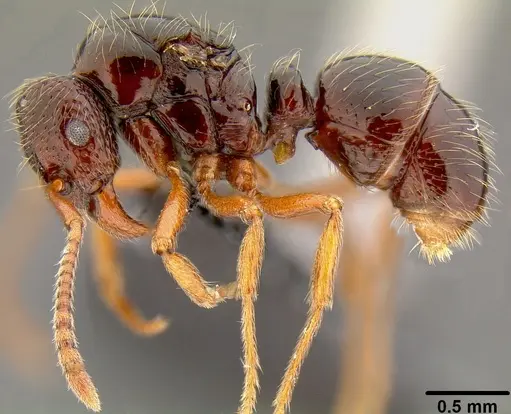
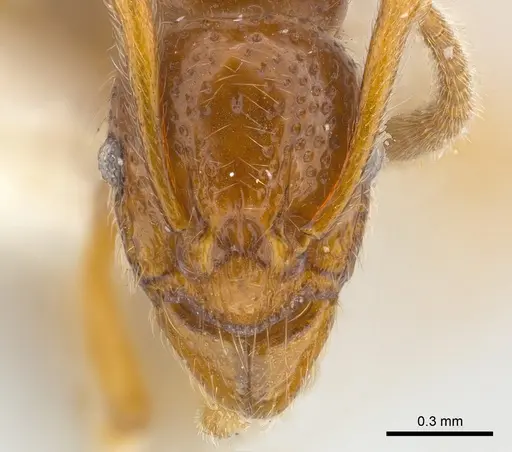
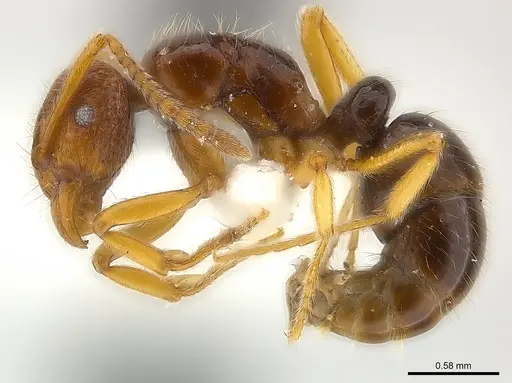
Holcoponera aterrima is a small, dark brown ant endemic to the Fiji Islands. Workers measure approximately 4-5mm in total length, making them a modest-sized ponerine ant. The species is distinctive for having a single waist segment (petiole) with a subpetiolar process, a functional sting, small convex eyes, and a unique combination of a foveate (pitted) face with a glassy smooth mesosoma and gaster . This ant holds a special place in Fijian ecology as the only representative of the subfamily Ectatomminae in Fiji and the sole Holcoponera species found there . The species appears to be a relatively recent arrival to Fiji, representing the most eastern extent of Asian members of the genus . Unlike many ants that actively forage in the open, H. aterrima workers are rarely seen wandering exposed surfaces - they spend most of their time hidden in leaf litter, under stones, or within rotting wood . This secretive lifestyle makes them a challenging but fascinating species for dedicated antkeepers.
Quick Summary
- Difficulty: Hard
- Origin & Habitat: Endemic to the Fiji Islands in the South Pacific, found across multiple islands including Viti Levu, Vanua Levu, Kadavu, Taveuni, Beqa, Gau, Koro, Moala, and Ovalau [1][2]. In the wild, they nest in small colonies beneath stones, in dead logs, and within rotting sticks in rainforest leaf litter [3]. The species prefers damp, shaded microhabitats typical of tropical forest floors.
- Colony Type: Colony structure is not well documented in scientific literature. Based on limited field observations, colonies are small and found under stones or in decaying wood [3]. The presence of both queens and males in malaise trap catches suggests established colonies exist in the wild, but whether they are single-queen (monogyne) or multi-queen (polygyne) is currently unconfirmed.
- Size & Growth:
- Queen: Approximately 5-6mm, inferred from Holcoponera genus
- Worker: Approximately 4-5mm, inferred from Holcoponera genus
- Colony: Colonies are described as small in field observations [3]. Maximum colony size is unknown but likely under 100 workers based on similar ponerine patterns.
- Growth: Growth rate is unconfirmed but likely moderate for a tropical ponerine species.
- Development: Development timeline is unconfirmed for this species. Based on typical tropical Ponerinae development patterns, estimate 6-10 weeks at optimal temperature. (Development timeline is estimated from related species, no direct measurements exist for H. aterrima.)
- Antkeeping:
- Temperature: As a tropical species from Fiji, keep temperatures warm. Aim for 24-28°C with a gentle gradient. Avoid temperatures below 20°C. Room temperature (22-25°C) in most homes should be suitable as a starting point.
- Humidity: High humidity is essential, these ants live in damp rainforest leaf litter. Keep nest substrate consistently moist but not waterlogged. Provide a water tube for drinking access. Mist the outworld occasionally and ensure the nest area maintains humidity around 70-80%.
- Diapause: No diapause required. As a tropical species from near the equator, they do not experience harsh winters. Maintain consistent warm conditions year-round.
- Nesting: Natural nesting occurs in rotting wood, under stones, and within leaf litter. In captivity, a naturalistic setup with moist substrate (soil/peat mix) works well, or a Y-tong/plaster nest with moisture chambers. Provide plenty of hiding spaces and cover, these ants are secretive and prefer dark, confined spaces. Avoid bright lighting in the nest area.
- Behavior: This is a secretive, non-aggressive species that avoids confrontation. Workers are rarely seen foraging openly and spend most of their time within the nest or in covered spaces [1]. They possess a functional sting but are too small to pose any threat to humans. The species is predatory, using their sting to subdue prey. Escape risk is moderate, their small size means they can squeeze through small gaps, but they are not strong climbers. Use standard barrier methods and ensure any gaps in your setup are sealed.
- Common Issues: small size makes escape likely without fine mesh barriers and tight-fitting lids, secretive nature means workers may remain hidden, making it difficult to monitor colony health, predatory diet requires live prey, colonies may fail if only sugar water is offered, high humidity requirements can lead to mold if ventilation is inadequate, limited availability as a species, wild-caught colonies may have been stressed during collection
Housing and Setup
Holcoponera aterrima is a secretive species that thrives in a naturalistic setup mimicking its natural leaf litter habitat. Use a terrarium-style enclosure with a moist soil/peat substrate at least 5cm deep. Add pieces of rotting wood, leaves, and small stones to provide hiding places and foraging surfaces. The ants will create their own chambers in the substrate or use pre-existing cavities in wood pieces. Alternatively, a Y-tong (AAC) nest with narrow chambers and a moisture reservoir works well for observing the colony. Cover the outworld partially to reduce light exposure, these ants avoid bright conditions. A small water tube should be provided for drinking access, and mist the enclosure regularly to maintain humidity. [1][3]
Feeding and Diet
As a member of the subfamily Ponerinae, H. aterrima is predatory and likely hunts small invertebrates. In captivity, offer small live prey such as fruit flies, pinhead crickets, small mealworms, and other tiny arthropods. Prey should be appropriately sized, no larger than the ant's head. Unlike some ponerines, these ants are small and cannot tackle large prey. They may accept protein gels or crushed insects if live prey is not available, but success with non-living food is uncertain. Sugar sources are not a primary food but may be occasionally accepted. Feed prey 2-3 times per week, adjusting based on colony size and consumption rate. Remove uneaten prey after 24 hours to prevent mold.
Temperature and Seasonal Care
Maintain warm temperatures year-round, as this is a tropical species from near the equator. The ideal range is 24-28°C, with a slight gradient allowing the ants to choose their preferred temperature. Room temperature in most homes (22-25°C) is acceptable as a starting point. If your room is cooler, use a heating cable on one side of the nest to create warmth, place it on top of the nest material, not underneath, to avoid drying out the substrate. No hibernation or winter rest period is needed. Sudden temperature drops should be avoided. Monitor colony activity, if workers become sluggish, the temperature may be too low.
Behavior and Observation
This species is not a display ant, workers spend most of their time hidden within the nest or under cover. You may rarely see foragers unless you provide well-covered foraging areas or search through the leaf litter in the outworld. The colony will likely establish nests in the darkest, most humid areas of the setup. When disturbed, workers may retreat deeper into the nest rather than displaying aggression. They possess a functional sting but are too small to penetrate human skin effectively. Observation is best done with a red film or by using low-light conditions, as bright light causes them to hide. Patience is key with this species, the reward is watching a secretive ant behave naturally in a naturalistic setup. [1]
Colony Establishment
Establishing a colony may prove challenging due to limited availability. If you obtain a queen or colony, the founding chamber should be dark, humid, and undisturbed. Based on typical ponerine patterns, the queen will likely seal herself in a chamber and lay eggs after feeding. The first brood will develop into nanitic (first) workers over several weeks. During founding, provide minimal disturbance and ensure the tube or chamber remains moist. Do not attempt to feed during the founding stage, the queen has sufficient fat reserves. Once workers emerge, you can gradually introduce small prey items to the outworld.
Frequently Asked Questions
How long does it take for Holcoponera aterrima to develop from egg to worker?
The exact development timeline has not been documented for this species. Based on typical tropical Ponerinae development, expect approximately 6-10 weeks from egg to first worker at optimal temperature (around 25°C). This is an estimate, actual times may vary.
What do Holcoponera aterrima ants eat?
They are predatory ants that hunt small invertebrates. Feed small live prey such as fruit flies, pinhead crickets, small mealworms, and other tiny arthropods. They may accept protein-based foods experimentally, but live prey is preferred. Sugar sources are not a primary food source.
Are Holcoponera aterrima good for beginners?
No. This species is considered difficult for antkeepers. They are small, secretive, require high humidity, need live prey, and are rarely available. They are best suited for experienced antkeepers interested in keeping unusual tropical species.
Do Holcoponera aterrima ants sting?
Yes, they possess a functional sting. However, they are too small to penetrate human skin effectively, so the sting poses no danger to keepers. Their response to disturbance is to hide rather than to sting.
What temperature do Holcoponera aterrima need?
Keep them warm at 24-28°C. Room temperature (22-25°C) in most homes is acceptable. Avoid temperatures below 20°C. A heating cable on one side of the nest can provide additional warmth if needed.
How big do Holcoponera aterrima colonies get?
Colonies are described as small in the wild. Maximum size is not well documented but is likely under 100 workers at maturity based on similar ponerine species. They are not large colony formers.
Can I keep multiple Holcoponera aterrima queens together?
The colony structure (monogyne vs polygyne) has not been documented for this species. Combining unrelated queens is not recommended due to lack of information about their social structure. It is safest to keep a single queen per colony.
Do Holcoponera aterrima need hibernation?
No. As a tropical species from Fiji (near the equator), they do not experience winter and require no hibernation or diapause. Maintain consistent warm, humid conditions year-round.
What is the best nest type for Holcoponera aterrima?
A naturalistic setup with moist substrate (soil/peat mix), rotting wood pieces, and hiding spots works best. Alternatively, a Y-tong nest with narrow chambers and moisture chambers can work. They prefer dark, humid, confined spaces and avoid bright light.
Why are my Holcoponera aterrima always hiding?
This is normal behavior. Workers are rarely seen foraging openly and prefer to stay hidden in the nest or under cover [1]. This secretive nature is typical of the species. Provide a well-covered outworld with leaf litter or other hiding spots to encourage some foraging activity.
Report an Issue
The current care sheet is based fully on literature. See inconsistencies, or something that's incorrect? Please , it will be resolved after review from an admin. Contributing to the blogs tab also helps providing information, to make us be able to further improve the caresheets. Thank you for your support!
References

This caresheet is licensed under CC BY-SA 4.0 .
Community Blogs
CASENT0171062
View on AntWeb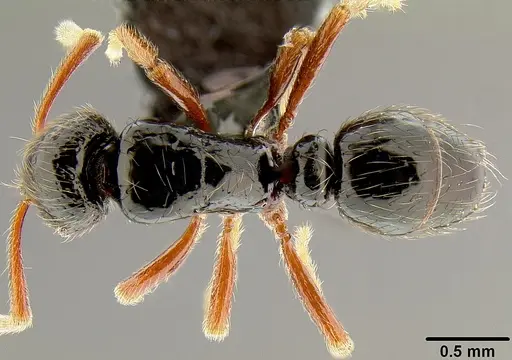
CASENT0171063
View on AntWeb
CASENT0171095
View on AntWeb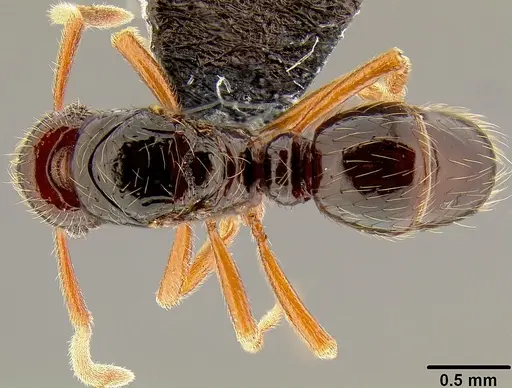
CASENT0179981
View on AntWeb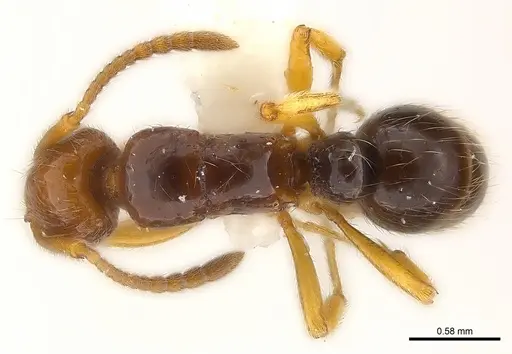
Literature
Loading distribution map...Loading products...