
Heteroponera inermis
- Sci. Name
- Heteroponera inermis
- Tribe
- Heteroponerini
- Subfamily
- Ectatomminae
- Author
- Emery, 1894
- Distribution
- Found in 1 countries
Introduction
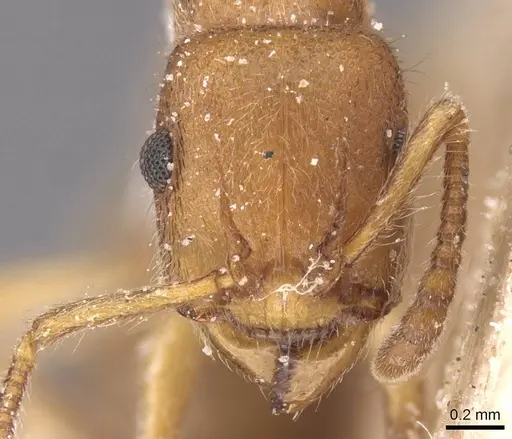
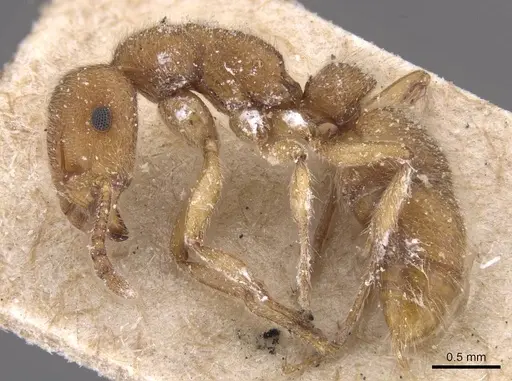
Heteroponera inermis is a small ant native to the Atlantic Forest regions of southern and southeastern Brazil. Workers measure 3.39-4.39mm and range in color from yellow to brown . The species is characterized by having vestigial propodeal spines and a petiole without the distinctive tooth found in some related species . Originally described as a variety of another species, it was later elevated to full species status [Kempf,1962]. This ant belongs to the subfamily Ectatomminae, which includes primitive ants with relatively simple social structures compared to more advanced ant groups.
Quick Summary
- Difficulty: Medium
- Origin & Habitat: Atlantic Forest of southern and southeastern Brazil, including Rio de Janeiro (Nova Friburgo), São Paulo, and Santa Catarina regions [1][3]. Found in both preserved and disturbed forest fragments.
- Colony Type: Colony structure is not documented in scientific literature. Based on typical Heteroponera patterns, likely single-queen colonies.
- Size & Growth:
- Queen: Size data unavailable, queen has not been measured in available literature
- Worker: 3.39-4.39mm [1]
- Colony: Unknown, no documented colony size in research
- Growth: Growth rate is unconfirmed
- Development: Timeline not documented, estimates based on related species suggest several months (Poneromorph species typically develop slower than more advanced ant genera)
- Antkeeping:
- Temperature: Keep at 24-28°C. As a Neotropical species from Brazil's Atlantic Forest, they prefer warm, stable conditions. A heating cable on one side of the nest creates a suitable gradient.
- Humidity: Maintain moderate to high humidity (60-80%). The Atlantic Forest is a humid environment, so keep the nest substrate consistently moist but not waterlogged.
- Diapause: Unlikely to require true diapause given their tropical origin. A slight reduction in temperature during winter months (cooling to around 20-22°C) may be beneficial if mimicking natural seasonal cycles.
- Nesting: In nature, they likely nest in soil or rotting wood in forest floor habitats. In captivity, a naturalistic setup with moist substrate or a Y-tong/plaster nest works well. They prefer tight, humid chambers scaled to their small size.
- Behavior: These ants are predatory Poneromorphs, as evidenced by their attraction to sardine baits in field studies [4][5][6]. They also interact with fallen fleshy fruits, showing some omnivorous tendencies [7]. Workers are relatively small and can squeeze through small gaps, so escape prevention must be excellent. Their sting is present but their small size limits its effectiveness against humans.
- Common Issues: escape prevention is critical due to their very small size, use fine mesh barriers and tight-fitting lids, limited available care information makes trial-and-error learning necessary, predatory diet requirements may be challenging for beginners to meet consistently, high humidity needs can lead to mold problems if ventilation is inadequate, slow colony growth may lead to impatience and overfeeding, causing pest problems
Nest Preferences
Heteroponera inermis is a ground-nesting species native to the Atlantic Forest floor of Brazil. In captivity, they do well in naturalistic setups with moist substrate or in Y-tong/plaster nests that maintain humidity. The key is providing tight chambers scaled to their small worker size. They prefer dark, humid conditions similar to their forest floor microhabitat. Avoid dry, airy setups as this species is adapted to the consistently moist conditions of the Brazilian Atlantic Forest. [1]
Feeding and Diet
Field studies show these ants are primarily predatory, attracted to sardine baits placed in vegetation in the Atlantic Forest [4][5][6]. This indicates a strong preference for protein-rich animal matter. They also interact with fallen fleshy fruits, showing some omnivorous flexibility [7]. In captivity, offer small live prey such as fruit flies, pinhead crickets, and small mealworms. Sugar water or honey can be offered occasionally but protein should be the primary food source. Feed every 2-3 days, removing uneaten prey to prevent mold.
Temperature and Care
As a Neotropical species from the warm Atlantic Forest of Brazil, Heteroponera inermis requires temperatures in the 24-28°C range for optimal activity and brood development. Use a heating cable on one side of the nest to create a gentle gradient, allowing workers to regulate their own temperature. Room temperature alone is likely insufficient for this tropical species. Humidity should be maintained at 60-80%, keeping the nest substrate consistently moist but not waterlogged. Given their tropical origin, a true diapause is not required, though a slight seasonal temperature reduction (to around 20-22°C) during winter months may be appropriate if mimicking natural cycles.
Behavior and Temperament
Heteroponera inermis is a predatory ant with workers that are active foragers. Their small size means they can squeeze through remarkably small gaps, making escape prevention essential. Use fine mesh barriers and ensure all enclosure openings are sealed. While they possess a stinger, their small size limits its effectiveness against human skin, most keepers report minimal reaction to their sting. Workers are likely to be moderately aggressive when defending the nest or capturing prey. Provide an outworld connected to the nest for foraging, and ensure any gaps are too small for workers to escape through. [1][2]
Colony Establishment
Colony founding behavior has not been documented for this species. If you obtain a founding queen, provide her with small prey items (small insects, pieces of mealworm) alongside her founding chamber. Be patient, Poneromorph colonies often grow more slowly than more advanced ant species. Monitor the colony closely and adjust feeding and humidity based on observed behavior.
Frequently Asked Questions
How long does it take for Heteroponera inermis to produce first workers?
The exact timeline is not documented. Based on related Poneromorph species, expect several months from egg to first worker at optimal temperatures (24-28°C). Growth is slower than many common ant species, so patience is required.
What do Heteroponera inermis ants eat?
They are primarily predatory, attracted to protein baits like sardines in the wild. In captivity, feed small live prey such as fruit flies, pinhead crickets, and small mealworms. They also occasionally interact with fallen fruits, so sugar sources like honey water can be offered occasionally, but protein should be the main diet.
Can I keep Heteroponera inermis in a test tube setup?
Test tubes can work for founding colonies, but due to their small size and humidity needs, a naturalistic setup with moist substrate or a Y-tong/plaster nest is often more successful long-term. If using test tubes, ensure excellent escape prevention as they can squeeze through tiny gaps.
Do Heteroponera inermis ants sting?
Yes, they possess a stinger, but due to their very small size (workers are 3.39-4.39mm), the sting is typically ineffective against human skin. Most keepers report minimal to no pain from their sting.
Are Heteroponera inermis good for beginners?
This species is rated as Medium difficulty. While not the most challenging ant, the limited available care information and specific humidity and temperature requirements make it better suited for keepers with some experience. Their small size and escape risk add an additional challenge.
How big do Heteroponera inermis colonies get?
Colony size is not well documented in scientific literature. They are not among the larger Poneromorph species, but exact maximum sizes are unknown.
Do Heteroponera inermis need hibernation?
True hibernation is not required due to their tropical origin. However, a slight seasonal temperature reduction to around 20-22°C during winter months may be beneficial if you want to mimic natural cycles. Avoid temperatures below 18°C.
What temperature is best for Heteroponera inermis?
Keep them at 24-28°C. As a Neotropical species from Brazil's Atlantic Forest, they prefer warm, stable conditions. Use a heating cable on one side of the nest to create a gradient.
Why are my Heteroponera inermis escaping?
Their very small size allows them to squeeze through remarkably small gaps. Use fine mesh (at least 0.5mm or smaller), ensure all lids fit tightly, and check all connections and tubing for any gaps. Escape prevention must be excellent.
When should I move Heteroponera inermis to a formicarium?
Wait until the colony has a decent number of workers before moving to a larger formicarium. Poneromorphs prefer stable, dark nesting sites, so any move should be done carefully with minimal disturbance. They do well in naturalistic setups with moist substrate.
Report an Issue
The current care sheet is based fully on literature. See inconsistencies, or something that's incorrect? Please , it will be resolved after review from an admin. Contributing to the blogs tab also helps providing information, to make us be able to further improve the caresheets. Thank you for your support!
References

This caresheet is licensed under CC BY-SA 4.0 .
Community Blogs
CASENT0915132
View on AntWeb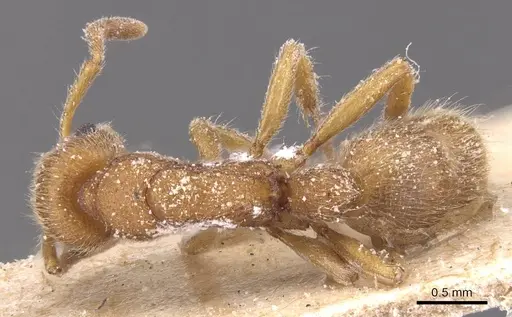
Literature
Loading distribution map...Loading products...