
Heteroponera inca
- Sci. Name
- Heteroponera inca
- Tribe
- Heteroponerini
- Subfamily
- Ectatomminae
- Author
- Brown, 1958
- Distribution
- Found in 1 countries
Introduction
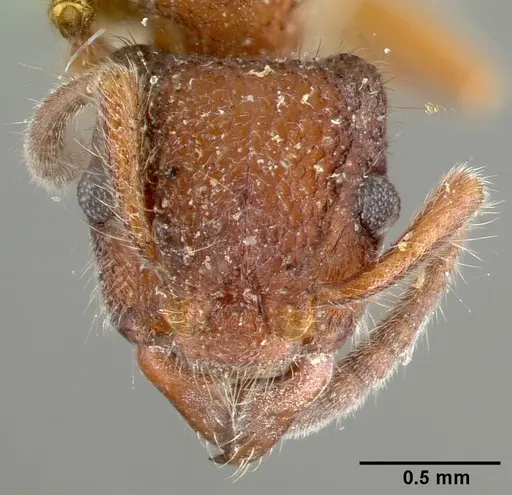
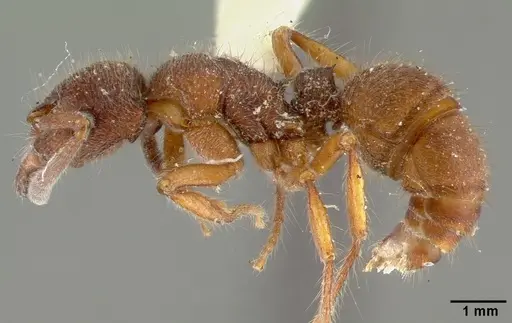
Heteroponera inca is a small to medium-sized ectatommine ant found only in Colombia. Workers measure 4.0–4.82 mm in total length and are dark reddish‑brown with noticeably lighter legs . The head has distinct projecting occipital corners that form lobed protrusions, and the species sports long, sharp propodeal spines . This ant is a cryptic predator – it hunts by roaming through leaf litter and soil rather than actively chasing prey . Found exclusively in the Colombian Andes at elevations between 800–2100 m, these ants inhabit mature, minimally disturbed cloud forests where they serve as an indicator species for forest health .
Quick Summary
- Difficulty: Medium
- Origin & Habitat: Endemic to Colombia, found in the departments of Antioquia, Boyacá, Chocó, Cundinamarca, Nariño, Risaralda, Santander, and Valle del Cauca at elevations of 800–2100 m [6][7]. They inhabit mature cloud forests and are indicators of minimally disturbed forest ecosystems [5]. The type locality is near Cali at 1630 m elevation [2][3].
- Colony Type: Colony structure is unconfirmed. Based on typical Heteroponera genus patterns, likely single‑queen (monogyne) colonies. No data on ergatoid replacement reproductives for this specific species.
- Size & Growth:
- Queen: Unknown – queens not described in available literature.
- Worker: 4.0–4.82 mm total length [1].
- Colony: Unknown – based on typical Heteroponera patterns, likely under 200 workers.
- Growth: Unknown – estimated moderate based on Heteroponera patterns.
- Development: Estimated 6–10 weeks based on typical poneromorph development patterns. No direct data for this species. (Development time is estimated from related species – actual timing may vary.)
- Antkeeping:
- Temperature: Keep around 20–24 °C. Their highland Colombian origin suggests a preference for cooler, stable temperatures. Avoid overheating – these ants come from cloud forests with moderate temperatures.
- Humidity: High humidity required, mimicking their cloud forest habitat. Keep the nesting substrate consistently moist but not waterlogged. Provide a humidity gradient so ants can choose their preferred zone.
- Diapause: Unknown – no specific data on overwintering requirements. Given their highland Colombian origin (800–2100 m), they likely experience seasonal temperature variations and may benefit from a slight cool period in winter, but this is unconfirmed.
- Nesting: In nature, they likely nest in soil or rotting wood within the forest floor litter layer, typical of cryptic poneromorphs. In captivity, a naturalistic setup with moist substrate (soil or plaster) works well. Test tubes can work but require careful humidity management.
- Behavior: These are cryptic, slow‑moving predators that hunt through leaf litter and soil [4]. They are not aggressive toward humans but have a functional sting for defense – however, their small size means sting penetration is difficult. Workers are solitary foragers rather than using recruitment. Escape risk is moderate – they are not strong climbers but can navigate smooth surfaces.
- Common Issues: high humidity maintenance – these cloud forest ants easily develop mold problems in poorly ventilated setups, slow colony growth – poneromorphs naturally grow slower than many common ant species, which can frustrate beginners, predatory feeding requirements – they need live prey and may not accept commercial ant foods, making them harder to feed than omnivorous species, stress from disturbance – cryptic species are sensitive to vibrations and light, as an indicator species of minimally disturbed forests [5], frequent nest inspections can cause colony abandonment, difficulty establishing wild‑caught colonies – their sensitivity to habitat change makes long‑term keeping challenging
Housing and Nest Setup
Heteroponera inca requires a setup that mimics their cloud forest floor habitat [5][6]. A naturalistic terrarium‑style formicarium with a deep layer of moist soil works best – this allows the ants to create their own tunnels like they would in nature. You can also use a Y‑tong or plaster nest, but these require more careful humidity monitoring. The key is maintaining high humidity without stagnation. Use a moisture reservoir or regular light misting to keep the substrate damp. Provide a water tube for drinking and ensure ventilation is adequate to prevent mold. These ants are not strong climbers, so you do not need escape‑proof barriers like you would for more climber species – but good practice anyway.
Feeding and Diet
As a cryptic poneromorph predator, Heteroponera inca is primarily a carnivore. In the wild, they hunt small invertebrates in leaf litter – springtails, mites, tiny beetles, and other micro‑arthropods [4]. In captivity, offer small live prey such as fruit flies, pinhead crickets, small mealworms, and most importantly, live springtails. They are unlikely to accept sugar water or honey – poneromorphs are not typically attracted to sweets. Some keepers report success with very small pieces of raw meat or insect parts, but live prey is the most reliable food source. Feed every 2–3 days, offering prey items roughly the size of the ant's head or smaller. Remove uneaten prey after 24 hours to prevent mold.
Temperature and Humidity
These ants come from Colombian cloud forests at 800–2100 m elevation [6], so they prefer cooler temperatures than most tropical ants – aim for 20–24 °C. Room temperature is often suitable if your home stays in this range. Avoid placing the nest in direct sunlight or near heat sources – overheating is a common killer of these ants. Humidity is critical: keep the substrate consistently moist but not waterlogged. The goal is damp soil that holds its shape when squeezed, not standing water. A humidity gradient allows the colony to self‑regulate – keep one side moister than the other. Mist the nest lightly every few days rather than flooding it. Poor ventilation combined with high humidity causes mold that can devastate colonies.
Behavior and Colony Life
Heteroponera inca workers are solitary foragers – they do not use recruitment trails like many ants [4]. Each worker hunts independently through the substrate, searching for prey [4]. This makes them less exciting to watch than species with complex foraging networks, but their slow, methodical hunting is interesting in its own right. Colonies are relatively small, likely reaching only a few hundred workers at maturity. The queen is not heavily attended – these are not highly socialized species. Workers may live several years, and the colony grows slowly. When threatened, they can sting, but their small size makes the sting ineffective on human skin. Their main defense is their cryptic lifestyle – staying hidden in leaf litter and soil.
Acquiring and Establishing
This species is not commonly available in the antkeeping hobby. Wild‑caught colonies are the most likely source, collected from their native Colombian cloud forests. However, they are an indicator species of minimally disturbed forests [5], meaning they are highly sensitive to habitat change. This makes them difficult to establish in captivity – colonies collected from the wild often struggle with the sudden change in environment. If you obtain a colony, minimize disturbances during the establishment phase. Keep the nest in a dark, quiet location and avoid checking on them too frequently for the first few months. The slow growth typical of poneromorphs means patience is essential – do not expect rapid population increases.
Frequently Asked Questions
How long does it take for Heteroponera inca to produce first workers?
Exact timing is unknown, but based on typical poneromorph development, expect 6–10 weeks from egg to worker at optimal temperature (around 22 °C). Poneromorphs naturally develop slower than many common ant species.
Do Heteroponera inca ants sting?
Yes, they have a functional sting. However, due to their small size (4–4.82 mm), the sting typically cannot penetrate human skin. They are not considered dangerous to humans.
What do Heteroponera inca eat?
They are predatory ants that hunt small invertebrates. Feed live springtails, fruit flies, pinhead crickets, small mealworms, and other tiny arthropods. They are unlikely to accept sugar sources or commercial ant foods [4].
Are Heteroponera inca good for beginners?
No – they are considered intermediate to advanced. Their high humidity requirements, need for live prey, slow growth, and sensitivity to disturbance make them challenging for beginners. They are also rarely available.
What temperature do Heteroponera inca need?
Keep them at 20–24 °C. They come from high‑elevation Colombian cloud forests and prefer cooler temperatures than typical tropical ants [6]. Avoid overheating.
How big do Heteroponera inca colonies get?
Colony size is not well documented, but based on typical Heteroponera patterns, colonies likely reach under 200 workers at maturity. They are not large colonies.
Can I keep multiple queens together?
This has not been documented for this species. Based on typical genus patterns, they likely form single‑queen colonies. Combining unrelated queens is not recommended.
Do Heteroponera inca need hibernation?
Diapause requirements are unconfirmed. Their highland Colombian origin suggests they experience seasonal temperature changes, but captive colonies may not require a formal hibernation period. A slight cool period in winter may be beneficial.
Why is my colony declining?
Common causes include: low humidity (they need consistently moist substrate), inadequate food (they need live prey, not just sugar), stress from too much disturbance, mold from poor ventilation, or simply the natural slow growth of poneromorphs. Review your setup against their cloud forest habitat needs [5].
Where is Heteroponera inca found?
Only in Colombia, South America. They live in the Andes mountains at elevations of 800–2100 m in the departments of Antioquia, Valle del Cauca, and several other Colombian regions. They are endemic to this area [6][7].
Report an Issue
The current care sheet is based fully on literature. See inconsistencies, or something that's incorrect? Please , it will be resolved after review from an admin. Contributing to the blogs tab also helps providing information, to make us be able to further improve the caresheets. Thank you for your support!
References

This caresheet is licensed under CC BY-SA 4.0 .
Community Blogs
CASENT0902409
View on AntWeb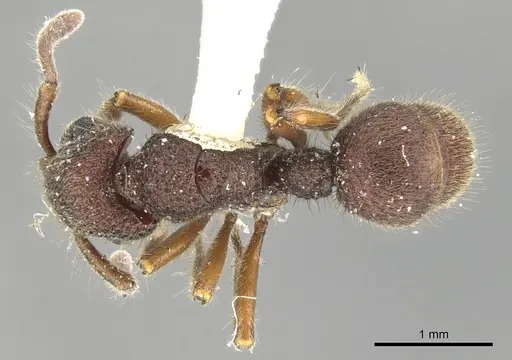
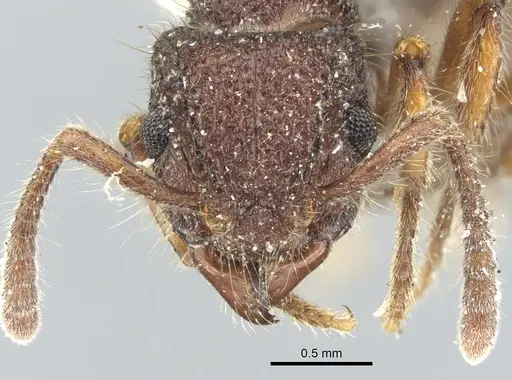
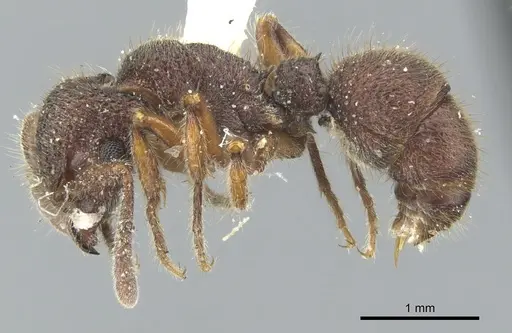
CASTYPE06890
View on AntWeb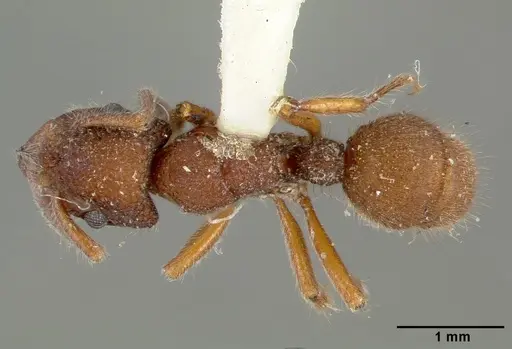
Literature
Loading distribution map...Loading products...