
Heteroponera dolo
- Sci. Name
- Heteroponera dolo
- Tribe
- Heteroponerini
- Subfamily
- Ectatomminae
- Author
- Roger, 1860
- Distribution
- Found in 2 countries
Introduction
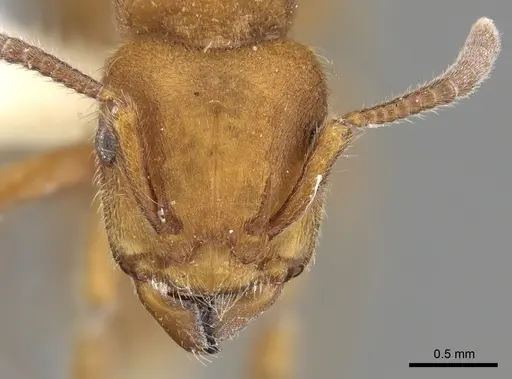
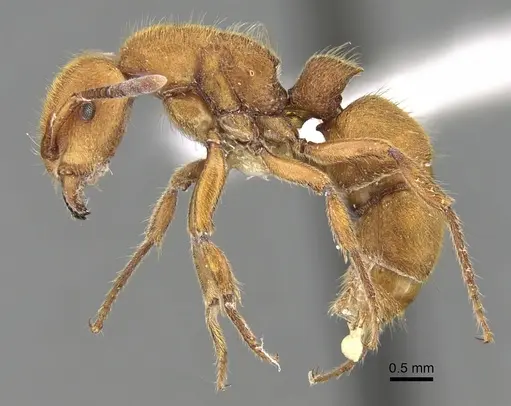
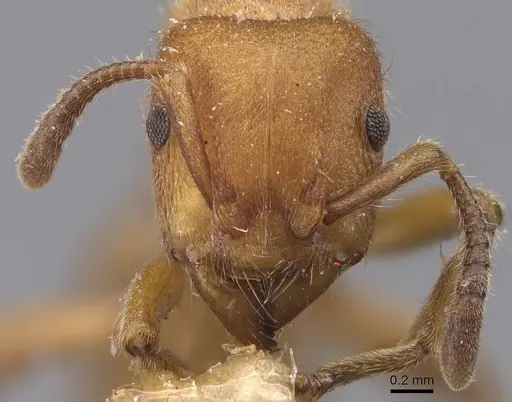
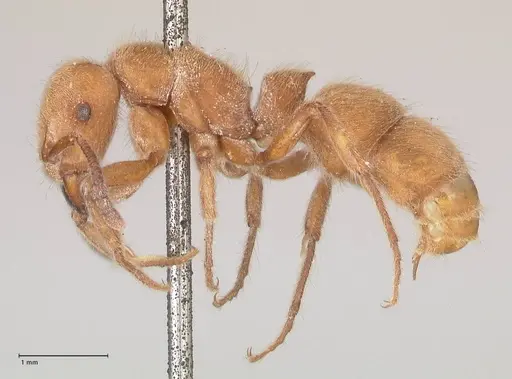
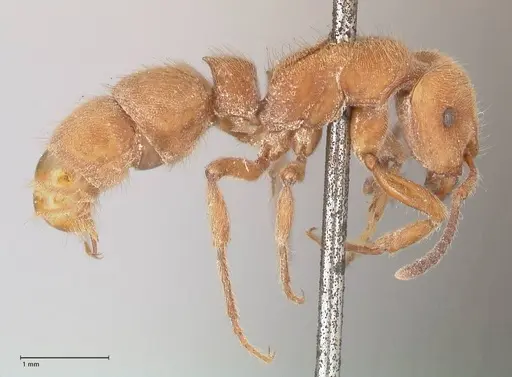
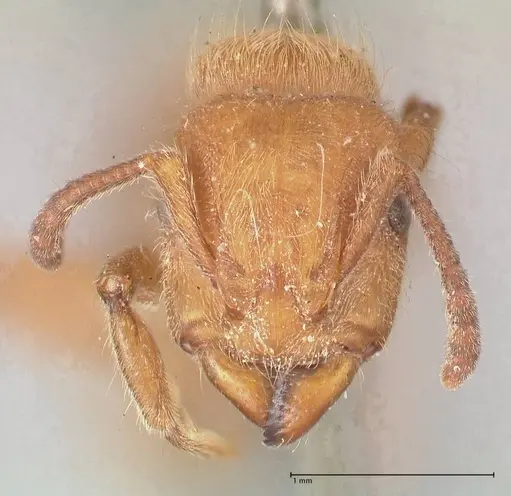
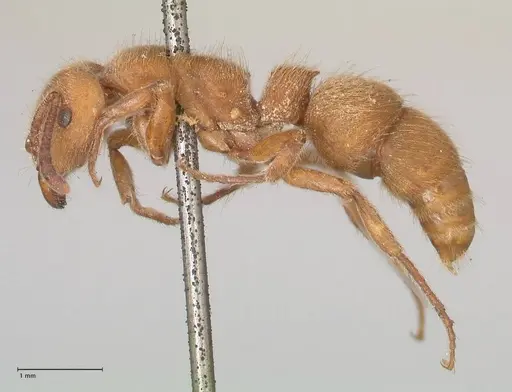
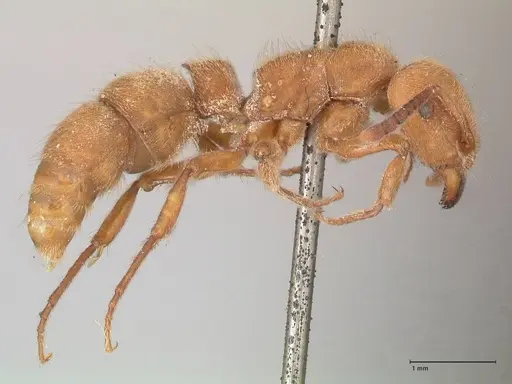
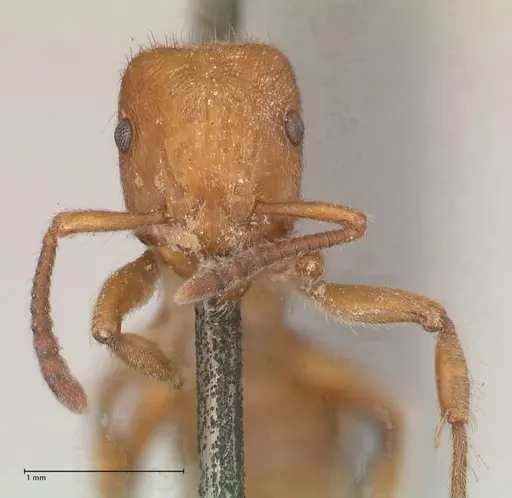
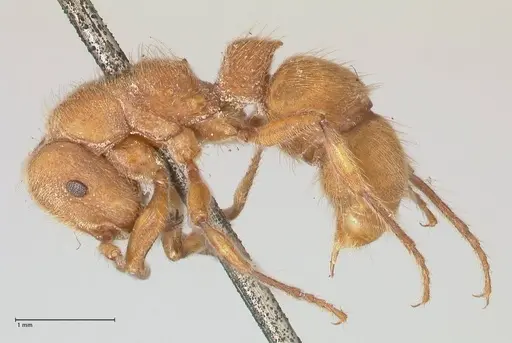
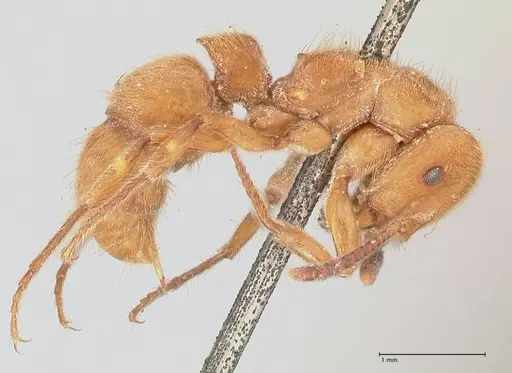
Heteroponera dolo is a medium-sized ant native to the Neotropical region, found from northern Brazil to northern Argentina and Uruguay. It is the most common species of its genus . Workers measure 5.29–7.01 mm and range in color from yellow-light to black, with a heavily sculptured body covered in dense punctures and foveae on the front of the abdomen . They inhabit humid Atlantic Forest areas where they nest in cavities of fallen logs, under rocks, in bamboo internodes, and inside stems of Piper plants . Colonies have also been found in termite nests and other ant nests . The most notable feature of H. dolo is its extremely slow development – the complete egg-to-adult cycle takes about seven months, much longer than most ants . They also show flexibility in colony structure: most colonies have a single queen, but some contain multiple queens . Their diet includes various small arthropods and diluted honey . This species has a functional stinger .
Quick Summary
- Difficulty: Medium
- Origin & Habitat: Neotropical region – northern Brazil to northern Argentina and Uruguay, with very dense populations in the Atlantic Forest domain. They nest in humid forest areas in cavities of fallen logs, under rocks, in bamboo internodes, and in stems of Piper plants [1].
- Colony Type: Primarily monogynous (single-queen) colonies, but some colonies with multiple queens (facultatively polygynous). Colony size typically under 100 workers, but can exceed 150 adults with up to 200 immatures [1].
- Size & Growth:
- Queen: Size data unavailable (no published measurements for queens).
- Worker: 5.29–7.01 mm [1]
- Colony: Up to 150+ workers with approximately 200 immatures in larger colonies [1]
- Growth: Slow
- Development: Approximately 7 months (28–30 weeks) [1] (Pupae develop with and without cocoons in about a 3:1 ratio [1]. This is unusually slow compared to most ants.)
- Antkeeping:
- Temperature: Based on their natural habitat in humid subtropical/tropical forests, maintain temperatures around 24–26°C. Provide a thermal gradient using a heating cable on one side of the nest. Adjust according to colony behavior.
- Humidity: High humidity is essential. Keep the nest substrate consistently moist but not waterlogged. The substrate should feel damp. Provide a water source for drinking and humidity. Good ventilation is important to prevent mold.
- Diapause: Unknown. This species inhabits subtropical/tropical regions where temperatures remain warm year-round. There is no evidence that a hibernation period is required. Avoid cooling the colony unless you observe a natural slowdown.
- Nesting: In the wild they nest in cavities of fallen logs, under rocks, in bamboo, and in stems of Piper plants [1]. They have also been found in termite nests [1]. In captivity, use a naturalistic setup with pieces of rotting wood, or a Y-tong/plaster nest with moisture chambers. Keep the nest humid and dark.
- Behavior: Heteroponera dolo is a relatively docile ponerine with a functional stinger [4]. Workers are active foragers that hunt small arthropods. They are not aggressive toward humans but may sting if handled roughly. Their medium size (5–7 mm) means they can climb smooth surfaces, so standard escape prevention (e.g., fluon barriers) is recommended. Colonies remain small, so they won't overwhelm a setup. The slow growth rate requires patience.
- Common Issues: founding queens may fail during the 7-month development period before first workers emerge – avoid disturbing the queen., high humidity requirements can lead to mold if ventilation is inadequate, potentially harming brood., wild-caught colonies may carry parasites, quarantine new colonies., small colony size makes them vulnerable to stress, minimize nest inspections., they may reject test tube setups preferring naturalistic nests with rotting wood., uneaten protein food spoils quickly in humid conditions, remove after 24 hours.
Nest Preferences and Housing
In the wild, Heteroponera dolo nests in humid forest environments, specifically in cavities of fallen logs on the ground, under rocks, in bamboo internodes, and within stems of Piper plants [1]. They are often found in dead wood on the soil and require humid conditions. In captivity, a naturalistic setup with pieces of rotting wood or cork works well. Alternatively, a Y-tong (AAC) nest or plaster nest with moisture chambers can provide the humidity they need. The nest should have chambers scaled to their medium size (5–7 mm workers) with some narrow passages. Keep the nest humid and provide a water tube for drinking and humidity maintenance. Avoid overly wet conditions that promote mold – aim for damp substrate with adequate ventilation. They do well in setups that mimic their natural forest floor habitat with some cover and darkness.
Feeding and Diet
In laboratory conditions, Heteroponera dolo accepts a variety of foods including Tenebrio mollitor larvae and adults, Alphitobius larvae, Folsomia candida adults, Drosophila larvae, and diluted honey [2][5][3]. In nature, workers have been observed carrying small arthropods back to the nest, indicating they are predators that hunt small invertebrates [2][3]. They are also attracted to protein baits like sardine in the wild [5][3]. For captive colonies, offer protein sources like small insects (fruit flies, small mealworms, crickets) 2–3 times per week. Sugar sources like diluted honey or sugar water can be offered occasionally, though they show a stronger preference for protein. Always remove uneaten prey after 24–48 hours to prevent mold. A varied diet helps ensure healthy brood development.
Temperature and Seasonal Care
As a Neotropical species from the Atlantic Forest, Heteroponera dolo prefers warm, stable temperatures in the range of 24–26°C. This aligns with their natural habitat in humid forest environments of Brazil and surrounding countries. A heating cable placed on one side of the nest can create a temperature gradient, allowing ants to self-regulate. Monitor colony activity – if workers cluster near the heat source, the temperature is appropriate, if they avoid it, reduce heat slightly. Regarding diapause, this is not well-documented since the species comes from a tropical/subtropical region where temperatures remain warm year-round. There is no evidence that a hibernation period is required. The key is maintaining humidity alongside warmth, as dry heat can be harmful. [1]
Behavior and Temperament
Heteroponera dolo has a functional stinger, though its sting is not particularly powerful or painful to humans [4]. Workers are active foragers that hunt small arthropods in nature. Based on available observations, they are not aggressive toward keepers but will use their stinger if directly threatened or handled roughly. Colonies remain small (typically under 100 workers, occasionally up to 150+), so they won't become overwhelming in captivity. The most notable behavioral trait is their extremely slow development – the egg-to-worker timeline is approximately seven months, which is unusually long for ants. This means keepers need patience during the founding phase. Workers are medium-sized (5–7 mm) and can climb smooth surfaces reasonably well, so standard escape prevention measures (fluon barriers, tight-fitting lids) should be used. They prefer dim, humid environments and will thrive with some cover over their nest area.
Colony Growth and Development
The most remarkable aspect of Heteroponera dolo is the extremely slow development. The complete development time from egg to adult takes approximately seven months – about 4–6 times longer than most ant species [1]. This slow growth has significant implications for keepers. A founding queen may take 6–8 months before her first workers (nanitics) emerge, and the colony will remain small for a long time. Pupae are produced with and without cocoons in approximately a 3:1 proportion, which is unusual among ants [1]. Colonies reach a maximum of around 150 workers with approximately 200 immature brood in established colonies. The reproductive season runs from October to June in their native range, so if you have a mature colony, you may see alates (reproductives) during these months. Given the slow growth, this species requires patient keepers who understand that ant keeping is a long-term commitment.
Common Problems and Solutions
Several issues commonly affect Heteroponera dolo colonies in captivity. First, the extremely slow development (7 months egg-to-worker) means many founding colonies fail before first workers emerge – this is the biggest challenge. Keepers must resist the urge to disturb the queen during this long founding period. Second, high humidity requirements can lead to mold problems if ventilation is inadequate – balance moisture with airflow. Third, wild-caught colonies may carry parasites that can devastate the colony in captivity – quarantine and observe new colonies carefully. Fourth, their small colony size makes them vulnerable to stress – avoid frequent nest inspections or moving the colony unnecessarily. Fifth, because they accept a relatively wide variety of foods in the lab (including honey), keepers might overfeed – uneaten food leads to mold in humid setups. Finally, their preference for dead wood nesting means they may not readily accept test tube setups, naturalistic or Y-tong nests often work better. [1]
Frequently Asked Questions
How long does it take for Heteroponera dolo to produce first workers?
Approximately seven months from egg to adult. This is unusually slow – most ant species complete development in 6–12 weeks. You'll need significant patience during the founding phase.
What do Heteroponera dolo ants eat?
They accept various protein sources including Tenebrio larvae, Alphitobius larvae, fruit flies, and other small insects. They also consume diluted honey. In nature, workers hunt small arthropods. Offer protein 2–3 times per week and sugar sources occasionally.
Do Heteroponera dolo ants sting?
Yes, they have a functional stinger. However, their sting is not particularly painful to humans. They are not aggressive and will only sting if directly threatened or handled roughly.
What is the best nest type for Heteroponera dolo?
They naturally nest in dead wood and cavities in fallen logs. In captivity, a naturalistic setup with rotting wood pieces, a Y-tong (AAC) nest, or plaster nest with moisture chambers works well. They need high humidity and prefer dim conditions.
How big do Heteroponera dolo colonies get?
Colonies typically reach under 100 workers, though some larger colonies have been recorded with 150+ workers and around 200 immature brood. They remain relatively small compared to many ant species.
Are Heteroponera dolo good for beginners?
This is a medium-difficulty species. While their diet is straightforward once established, the extremely slow development (7 months to first workers) requires significant patience. Beginners may struggle with the long wait and may accidentally disturb the queen. They also require high humidity.
Do Heteroponera dolo need hibernation?
Diapause is not well-documented for this species since they come from a tropical/subtropical region. There is no evidence that a hibernation period is required. Avoid cooling unless you observe a natural slowdown.
Can I keep multiple queens together?
While most colonies are monogynous (single queen), some colonies have been observed with multiple queens. However, combining unrelated foundresses is not recommended as it hasn't been studied and could result in fighting. If you capture a colony with multiple queens, they may coexist.
What temperature should I keep Heteroponera dolo at?
Start with 24–26°C, which matches their natural humid forest habitat in the Atlantic Forest. A heating cable on one side of the nest creates a gradient. Adjust based on colony behavior – increase slightly if sluggish, decrease if they avoid the heated area.
Why are my Heteroponera dolo dying?
Common causes include: mold from excessive humidity without adequate ventilation, disturbance during the long founding phase, parasites from wild-caught colonies, and stress from frequent nest inspections. The 7-month development time also means many founding queens fail before first workers emerge – this is normal for the species.
When should I move Heteroponera dolo to a formicarium?
Wait until the colony is well-established with at least 20–30 workers. These ants prefer naturalistic setups with rotting wood or moisture-retaining nests. Moving too early can stress the colony. They do well in setups that mimic their natural forest floor habitat.
What humidity level do Heteroponera dolo need?
High humidity is essential – they naturally inhabit humid forest environments. Keep the nest substrate consistently moist but not waterlogged. The substrate should feel damp to the touch. A water tube helps maintain humidity and provides drinking water.
Report an Issue
The current care sheet is based fully on literature. See inconsistencies, or something that's incorrect? Please , it will be resolved after review from an admin. Contributing to the blogs tab also helps providing information, to make us be able to further improve the caresheets. Thank you for your support!
References

This caresheet is licensed under CC BY-SA 4.0 .
Community Blogs
CASENT0281850
View on AntWeb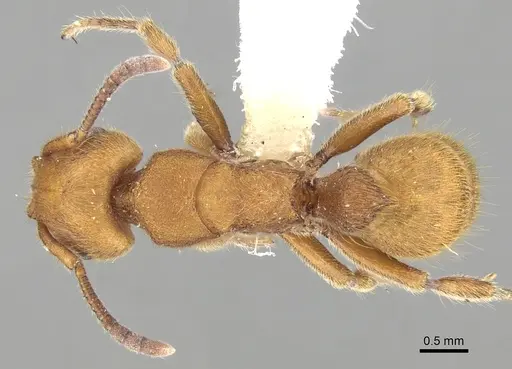
CASENT0907132
View on AntWeb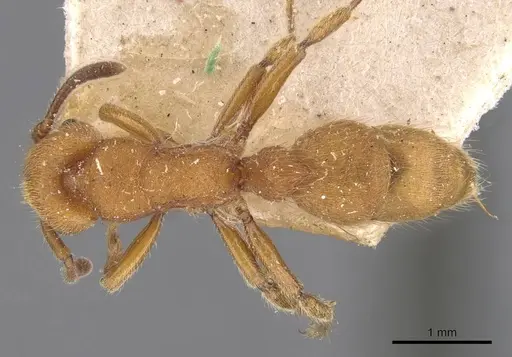
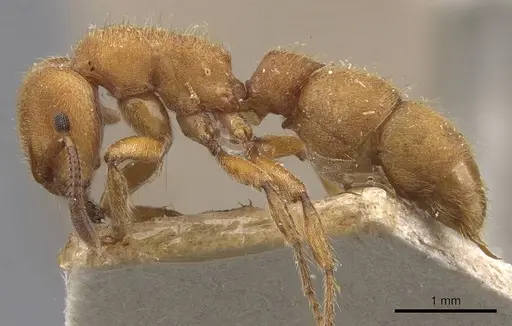
FOCOL0863
View on AntWeb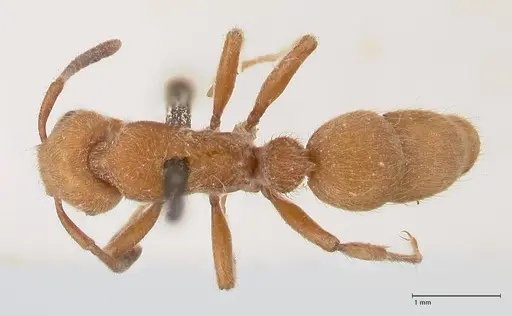
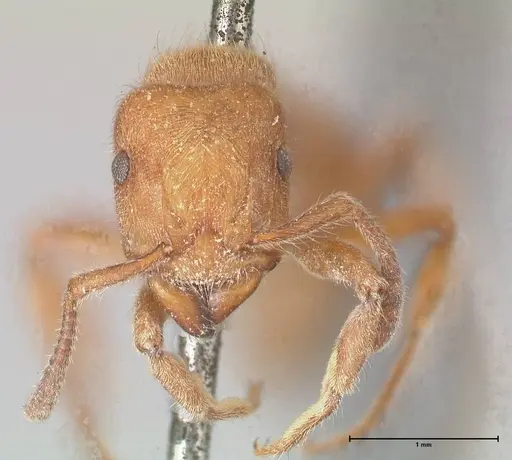
FOCOL0864
View on AntWeb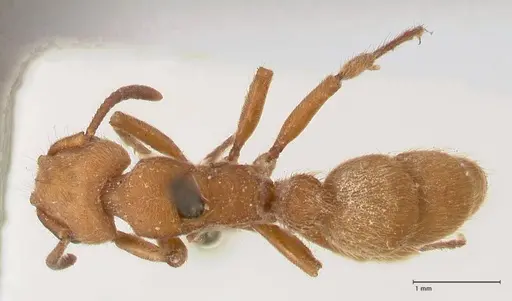
FOCOL0865
View on AntWeb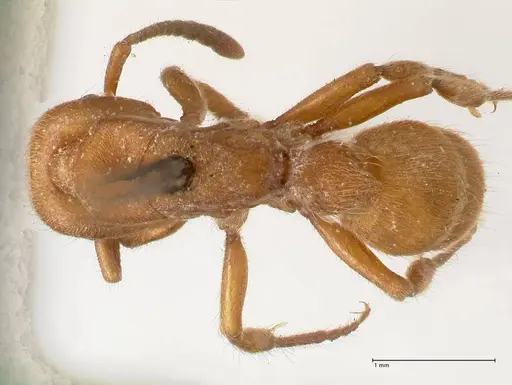
Literature
Loading distribution map...Loading products...