
Heteroponera carinifrons
- Sci. Name
- Heteroponera carinifrons
- Tribe
- Heteroponerini
- Subfamily
- Ectatomminae
- Author
- Mayr, 1887
- Distribution
- Found in 1 countries
Introduction
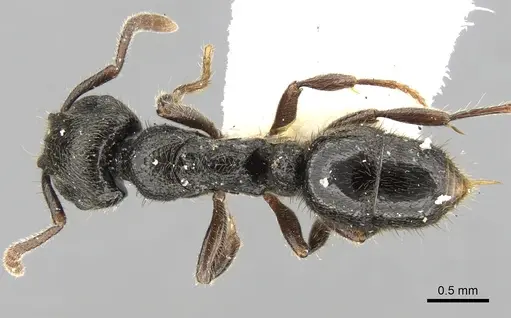
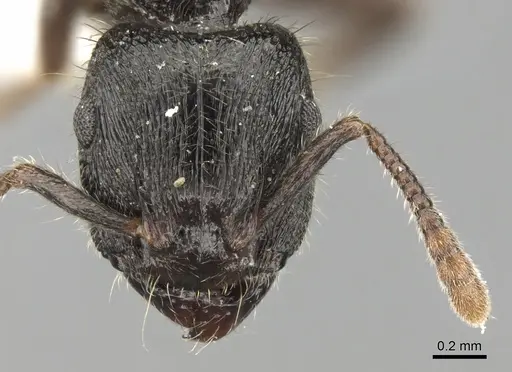
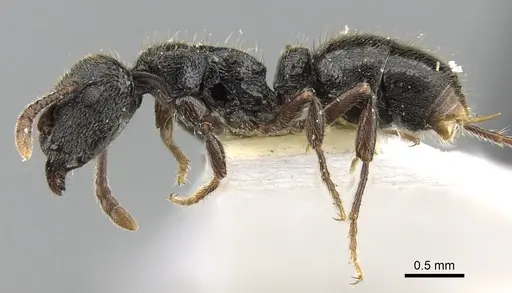
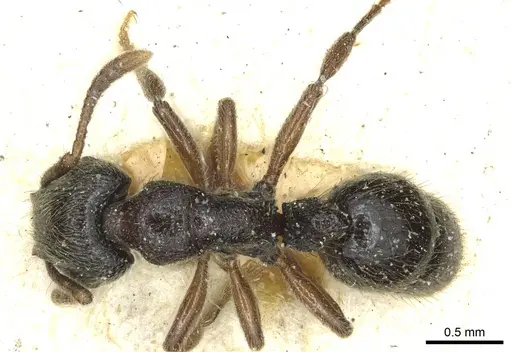
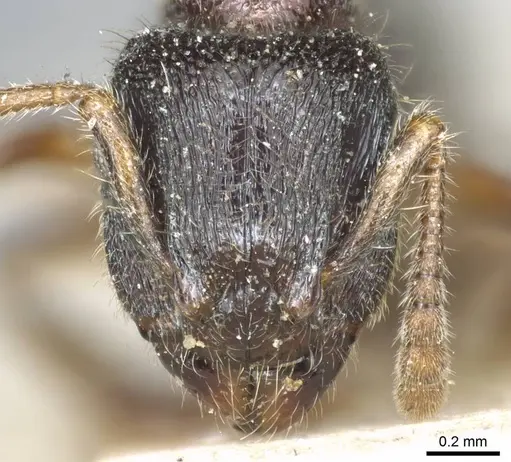
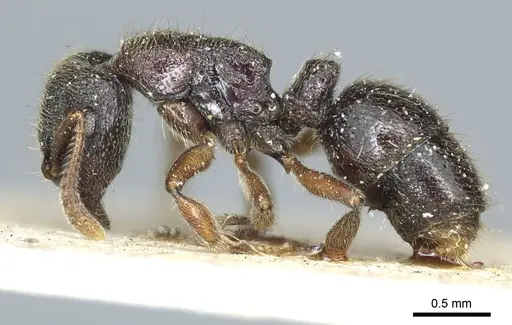
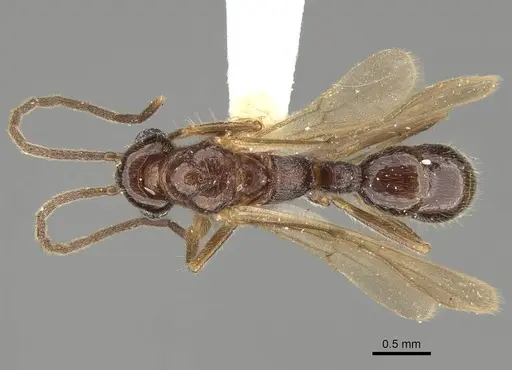
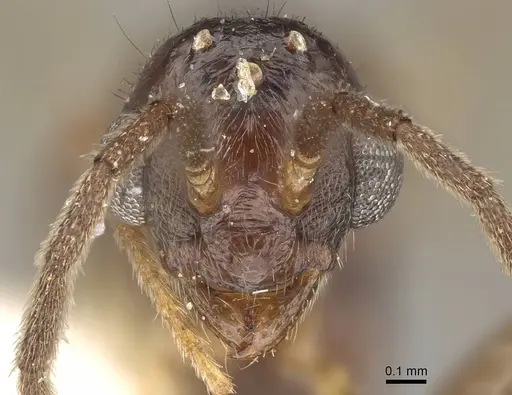
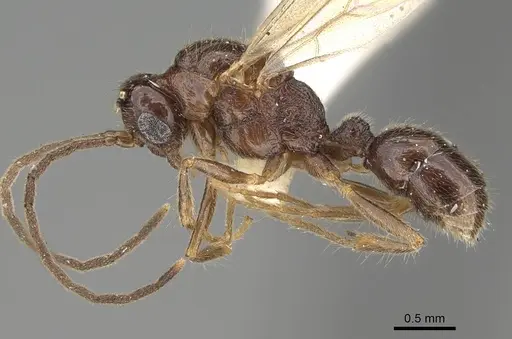
Heteroponera carinifrons is a medium-sized predatory ant native to south-central Chile, where it inhabits mountain forest environments. Workers measure approximately 4mm and are dark brown to black in color, with a distinctive smooth and shiny gaster that helps distinguish them from related species. The petiole is narrow and tall when viewed from the side, giving these ants an elegant appearance. This species represents the southernmost limit of the genus Heteroponera in the Neotropical region and is endemic to Chile . What makes H. carinifrons particularly notable for antkeepers is its potent sting, which has been documented to cause anaphylactic shock in humans - a rare and serious reaction that requires immediate medical attention . This places them in the 'expert-only' category for keepers who must exercise extreme caution when working with them. As predatory ants, they hunt and subdue prey rather than simply collecting honeydew, which makes their care distinct from more common omnivorous ant species.
Quick Summary
- Difficulty: Expert
- Origin & Habitat: South-central Chile, specifically mountain forests in the Valdivia region. This species is endemic to Chile and represents the southern limit of the genus in the Neotropical region [1][4].
- Colony Type: Unconfirmed colony structure. The colony type (single-queen or multi-queen) has not been documented in scientific literature.
- Size & Growth:
- Queen: Size data unavailable, queen has not been described in primary literature
- Worker: Approximately 4mm [1]
- Colony: Unknown, no colony size data available
- Growth: Unknown, no development studies exist for this species
- Development: Unknown, no direct measurements available (No development studies exist for this species. Based on related species and temperate location, development likely takes several months.)
- Antkeeping:
- Temperature: Keep at room temperature, roughly 18-22°C. No specific studies exist, but their Chilean mountain forest habitat suggests they prefer cooler conditions than tropical species.
- Humidity: Moderate to high, mountain forest environments typically have high ambient humidity. Keep the nest substrate consistently moist but not waterlogged.
- Diapause: Likely yes, based on their temperate Chilean distribution (Valdivia region experiences cold winters). Expect a winter rest period of 2-3 months at reduced temperatures around 10-15°C.
- Nesting: Natural nesting under stones or in soil. In captivity, a Y-tong (AAC) nest or plaster formicarium with moisture retention works well. Provide a moist nesting chamber with access to a dry outworld area.
- Behavior: These are predatory ants that actively hunt and subdue prey using their sting. Workers are moderately aggressive and will defend the colony vigorously. They are not escape artists in terms of climbing smooth surfaces, but their potent sting means handling requires extreme care. Workers forage individually rather than in groups, searching for prey items. The sting is medically significant, anaphylactic reactions have been documented in humans [3][4].
- Common Issues: sting hazard is severe, anaphylactic shock has been documented in humans, keep epinephrine accessible and seek immediate medical help if stung, colony founding is extremely difficult, no documented captive breeding success exists for this species, slow growth expected, limited data suggests development may take several months from egg to worker, humidity management is critical, too dry causes brood death, too wet causes fungal problems, hibernation failure kills colonies, improper winter rest at wrong temperatures is a common killer
Sting and Safety
Heteroponera carinifrons possesses one of the most medically significant stings among Chilean ants. Documented cases in the Antofagasta region show that stings from this species can cause anaphylactic shock, a severe, potentially life-threatening allergic reaction requiring immediate medical treatment [3][4]. This is NOT a typical ant sting that causes temporary pain, it represents a genuine medical emergency for sensitive individuals.
If you keep this species, you MUST have an epinephrine auto-injector (EpiPen) readily accessible. Even if you have been stung before without reaction, anaphylaxis can occur on subsequent exposures. When working with the colony, use long-handled tools rather than your hands, and perform all maintenance inside a well-ventilated area where you can quickly exit if needed. Do not handle these ants unless absolutely necessary. The potent sting also makes them unsuitable for display in open nests where curious children or pets might reach them.
The sting apparatus itself is well-developed compared to many ant species. Workers are not particularly large (approximately 4mm), but they are aggressive defenders of their nest and will readily sting when threatened. The venom appears to be primarily alkaloid-based, similar to other ants in the subfamily Heteroponerinae, though specific venom composition has not been studied for this species.
Distribution and Habitat
This species has a restricted distribution in south-central Chile, primarily in the mountain forest regions around Valdivia [1]. The type locality is Valdivia, Chile, and the species represents the southernmost limit for the genus Heteroponera in the Neotropical region. These ants are endemic to Chile, they are not found anywhere else in the world [4].
Their natural habitat consists of cool, damp mountain forests in temperate Chile. This region experiences distinct seasons with cold, wet winters and mild summers. The forest floor provides shade, moisture, and abundant leaf litter where these predatory ants hunt for small invertebrates. Understanding this habitat is key to their care, they are not tropical ants and will not thrive in warm, dry conditions.
In captivity, you should replicate these cool, damp conditions. Room temperature (18-22°C) is likely ideal, with humidity maintained through moist substrate. The Valdivia region receives significant rainfall, so the ants are adapted to consistently damp (but not waterlogged) soil conditions. Avoid placing the colony near heating elements or in direct sunlight, as overheating can be fatal.
Feeding and Diet
As predatory ants in the subfamily Heteroponerinae, Heteropononera carinifrons hunts and consumes other small invertebrates rather than farming aphids or collecting seeds. In the wild, they likely prey on springtails, small beetles, and other micro-arthropods found in the forest floor leaf litter.
In captivity, you should replicate this predatory diet. Offer small live prey such as fruit flies (Drosophila), small crickets, mealworms, and other appropriately-sized insects. Prey should be no larger than the ant's head, these are not large ants, and overly large prey can overwhelm them. Feed prey 2-3 times per week, removing any uneaten prey after 24 hours to prevent mold.
Sugar sources may be accepted but should not be the primary food. Some Heteroponera species will take honey or sugar water occasionally, but their main nutritional needs are protein from prey. Always provide a shallow water source with a cotton wick or sponge for drinking. Given the lack of captive husbandry data for this species, be prepared to experiment with prey acceptance and adjust based on what your colony consumes.
Colony Establishment and Growth
This is likely the most challenging aspect of keeping Heteroponera carinifrons. No documented captive breeding success exists in the antkeeping hobby literature, and scientific studies have not described colony founding behavior for this species. This means you are entering truly uncharted territory.
If you obtain a founding queen, provide her with a moist test tube setup and leave her completely undisturbed for 6-12 weeks. Do not check for eggs, do not offer food, and do not attempt to move her.
Growth rates are unknown but are likely slow given the temperate climate and mountainous habitat. Expect the first workers (nanitics) to emerge several months after founding, with subsequent growth being gradual.
Overwintering Requirements
Given their origin in south-central Chile (Valdivia experiences cold winters with regular frosts), these ants almost certainly require a winter diapause period. In captivity, you should simulate this seasonal cycle by providing 2-3 months of reduced temperatures each year.
During the winter rest period (roughly November-February in the Northern Hemisphere, or simply 2-3 months of cool temperatures), reduce the colony temperature to 10-15°C. This is best achieved by moving the colony to an unheated garage, basement, or refrigerator designated for ant hibernation. Reduce feeding to once monthly or stop entirely, as activity will slow dramatically. Keep the nest slightly moist but not wet, complete drying is more dangerous than slight dryness during dormancy.
Do not skip the winter rest. For temperate species like this, improper overwintering is one of the most common causes of colony failure. The cold period triggers hormonal changes necessary for reproductive cycling and colony health. If your colony survives to maturity, expect to provide this annual dormancy cycle.
Frequently Asked Questions
Is Heteroponera carinifrons dangerous?
Yes, extremely so. Their sting has been documented to cause anaphylactic shock in humans, which is a life-threatening allergic reaction requiring immediate medical attention. You must have an epinephrine auto-injector accessible when keeping this species. This is not a typical ant sting, it represents a genuine medical emergency for sensitive individuals.
Can beginners keep Heteroponera carinifrons?
No. This species is classified as Expert difficulty due to their potent sting (anaphylaxis risk), lack of captive husbandry data, and likely complex overwintering requirements. Even experienced antkeepers should approach this species with extreme caution. There are no documented successful captive breeding programs for this species.
How long does it take for Heteroponera carinifrons to develop from egg to worker?
Unknown, no scientific studies have documented development time for this species. Based on related Heteroponera species and their temperate Chilean habitat, development likely takes several months at optimal temperature. This is only an estimate, actual development time may vary significantly.
What do Heteroponera carinifrons eat?
They are predatory ants that hunt small live prey. In captivity, offer small insects such as fruit flies, small crickets, and mealworms. Prey should be appropriately sized (no larger than the ant's head). Sugar sources may occasionally be accepted but should not be the primary food.
Do Heteroponera carinifrons need hibernation?
Likely yes. Based on their origin in south-central Chile (Valdivia region experiences cold winters), they almost certainly require an annual winter rest period. Provide 2-3 months at reduced temperatures (10-15°C) during winter. This is essential for colony health and reproductive cycling.
What temperature should I keep Heteroponera carinifrons at?
Keep them at cool room temperature, roughly 18-22°C. Their mountain forest habitat in Chile suggests they prefer cooler conditions than tropical ants. Avoid heating the nest, overheating can be fatal. A temperature gradient allowing workers to self-regulate is ideal.
How big do Heteroponera carinifrons colonies get?
Unknown, no colony size data exists in scientific literature.
Can I keep multiple Heteroponera carinifrons queens together?
Unknown, colony structure (monogyne vs polygyne) has not been documented for this species. Without documented evidence, combining unrelated queens is not recommended. There is no data on whether they accept pleometrosis (multiple queens founding together) or if multiple-queen colonies occur naturally.
What is the best nest type for Heteroponera carinifrons?
A Y-tong (AAC) nest or plaster formicarium with moisture retention works well. Provide a moist nesting chamber to replicate their damp forest floor habitat, with access to a dry outworld area for foraging. Avoid dry setups or nests that overheat easily.
Where is Heteroponera carinifrons found?
Only in south-central Chile, specifically in mountain forest regions around Valdivia. This species is endemic to Chile and represents the southernmost limit of the genus Heteroponera in the Neotropical region. They are not found anywhere else in the world.
Report an Issue
The current care sheet is based fully on literature. See inconsistencies, or something that's incorrect? Please , it will be resolved after review from an admin. Contributing to the blogs tab also helps providing information, to make us be able to further improve the caresheets. Thank you for your support!
References

This caresheet is licensed under CC BY-SA 4.0 .
Community Blogs
Literature
Loading distribution map...Loading products...