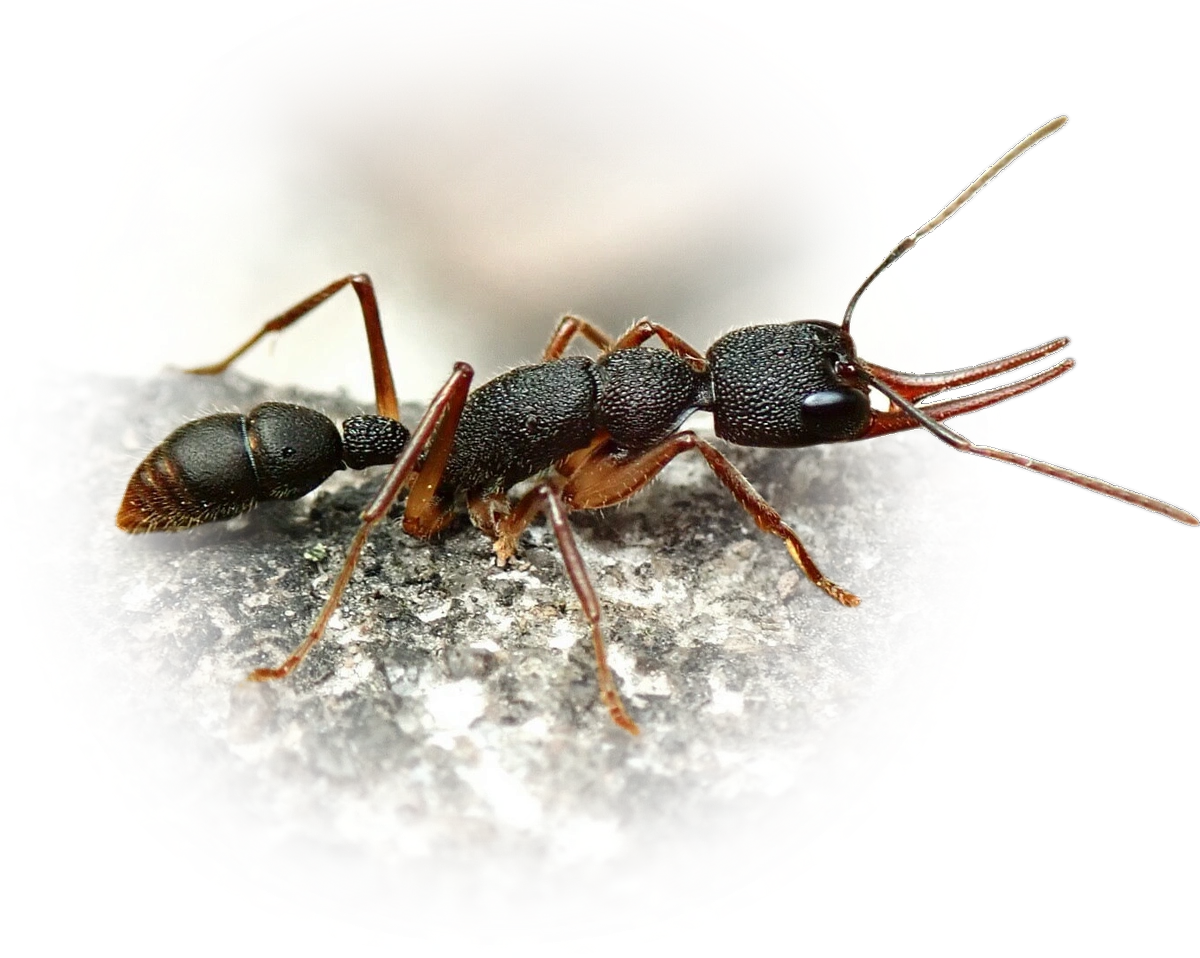
Giant Jumping Ant
Harpegnathos venator
- Sci. Name
- Harpegnathos venator
- Tribe
- Ponerini
- Subfamily
- Ponerinae
- Author
- Smith, 1858
- Common Name
- Giant Jumping Ant
- Distribution
- Found in 6 countries
Introduction
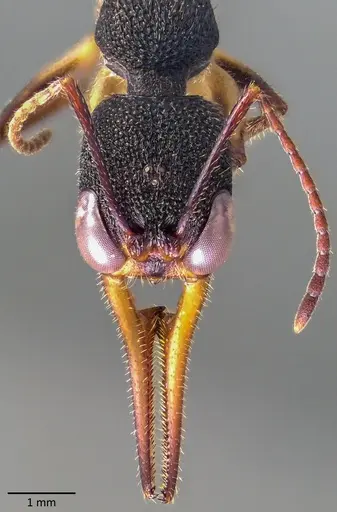
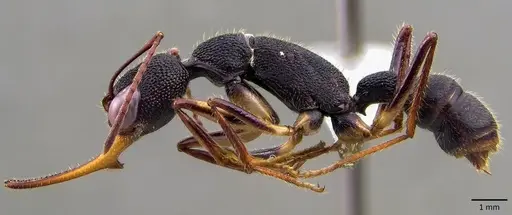
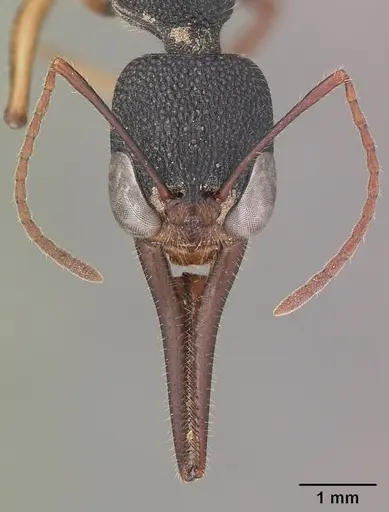
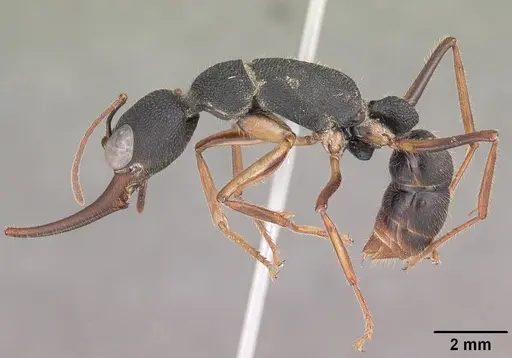
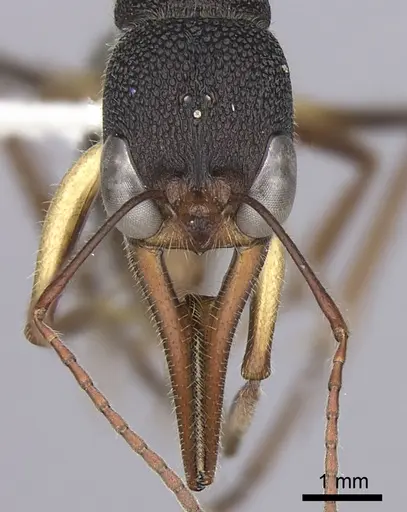
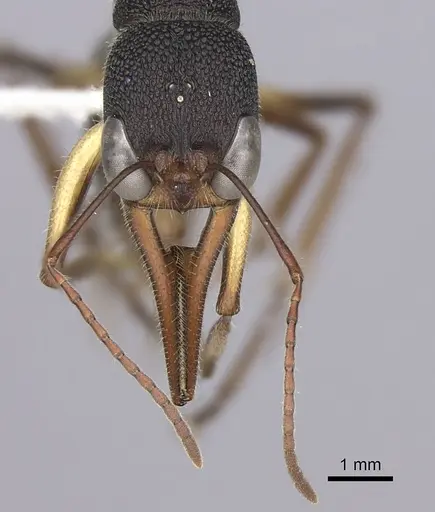
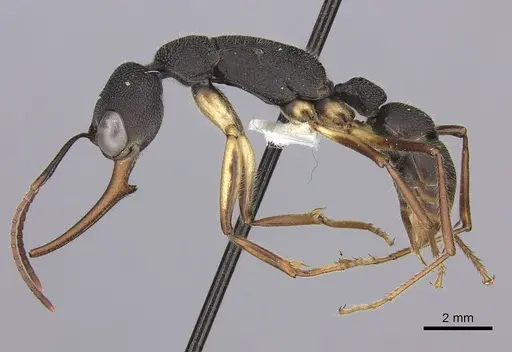
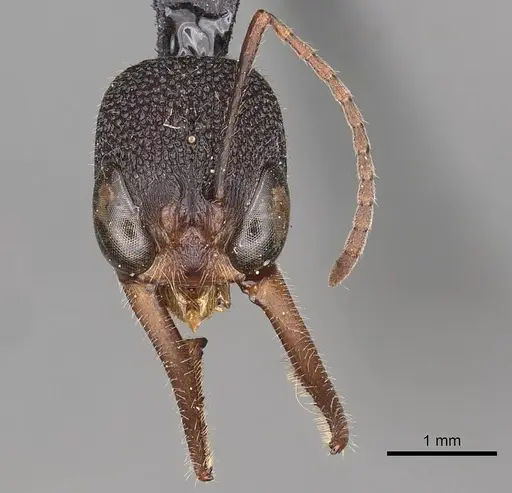
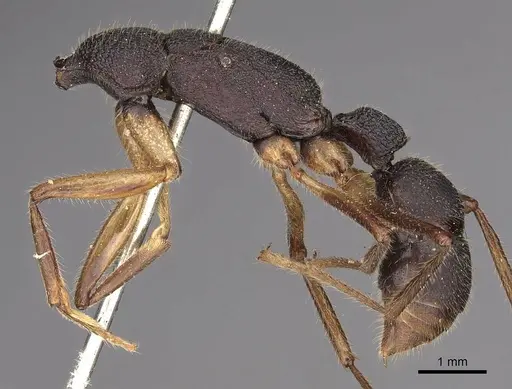
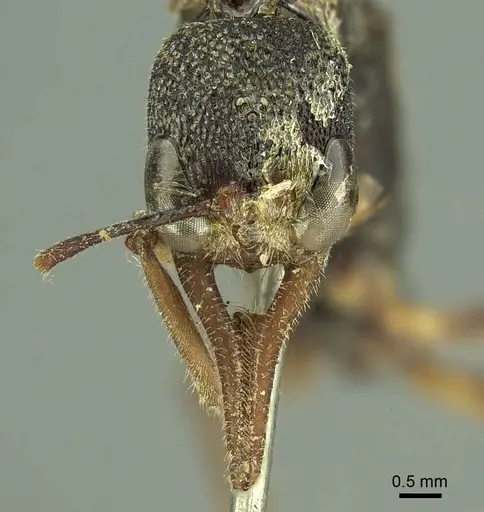
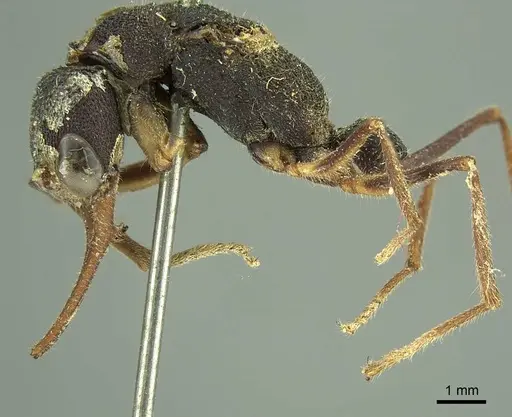
Harpegnathos venator is a large, striking ponerine ant known for its impressive jumping ability when disturbed . Workers are 16-18 mm and coal-black with brownish-yellow legs and mandibles, while queens are slightly larger at 18-20 mm . Found across South and Southeast Asia - from India and Nepal through Thailand, Laos, Vietnam, and into southern China - they live in primary forest edges and sparse woodlands, nesting underground in complex chambers with a distinctive funnel-shaped entrance . These ants are specialist predators that hunt alone, stinging prey to paralysis before dragging it back to the nest . What really sets them apart is their jump: when startled, they can leap several body lengths, so you need excellent escape prevention.
Quick Summary
- Difficulty: Hard
- Origin & Habitat: South and Southeast Asia (India, Nepal, China, Thailand, Vietnam, Laos, etc.) in primary forest edges and sparse forests, nesting underground in soil with a raised funnel entrance [3][4][5][7].
- Colony Type: Single-queen colonies that also produce gamergates (workers that mate and lay eggs), so you may end up with multiple reproductives in one nest [8].
- Size & Growth:
- Queen: 18-20 mm [3]
- Worker: 16-18 mm [3]
- Colony: Under 100 workers, wild colonies typically have 15-30 adults, though established captive colonies may grow slowly to 50-80 [6].
- Growth: Slow, estimated 8-12 weeks for nanitics based on related ponerines, direct data is lacking.
- Development: Estimated 8-12 weeks based on related ponerine species, no direct measurements are available for H. venator. (Nanitics likely develop faster than normal workers, but details are unconfirmed.)
- Antkeeping:
- Temperature: 24 ± 2°C, colonies in research were kept at this range with good results [6]. Avoid fluctuations, a gentle heat mat on one side of the nest helps create a gradient.
- Humidity: 70% RH, substrate should be moist but not waterlogged. Research colonies thrived at this humidity [6]. Mist the outworld and nest entrance when the soil starts drying.
- Diapause: No, this species is active year-round in its tropical range, with no documented winter rest [9][10].
- Nesting: Underground chamber complexes with a raised funnel entrance. In captivity, a naturalistic setup with deep substrate (coco-peat/soil mix) works well, or a Y-tong formicarium with large chambers. They need a thick layer of soil (10+ cm) to dig in.
- Behavior: Specialist predator, they hunt alone, stinging small cockroaches and other active arthropods to paralysis [6]. They are sensitive to movement and will investigate any motion in their enclosure. When disturbed, they leap and can escape through small gaps, so a tight lid with fine mesh is critical. They are not aggressive toward keepers but will sting if handled [11]. Escape risk: moderate (large size but excellent jumpers).
- Common Issues: escape prevention is critical, their jumping ability means even small gaps can lead to escapes, use a tight-fitting lid with fine mesh or Fluon barrier., specialized feeding requirements, they need live, active prey like small cockroach nymphs or crickets, they often ignore dead or stationary food [6]., slow colony growth and small final size, beginners may get frustrated waiting years for a colony to reach 30 workers., sensitivity to disturbance, frequent vibrations or lights can stress the colony, causing failures to rear brood or increased jumping attempts., wild-caught colonies may have parasites or be difficult to establish if the queen is not gamergate-compatible with foraging workers.
Nest Preferences and Setup
In the wild, Harpegnathos venator builds underground nests with multiple chambers and a funnel-shaped entrance raised above the ground [3]. They are ground-dwelling and prefer forest edges with sparse trees [4][5]. In captivity, you need to mimic this by providing deep substrate, at least 10-15 cm of a soil-and-coco-peat mix that holds moisture well. A naturalistic setup with a glass tank filled with substrate works best, as they will dig their own chambers. Alternatively, a Y-tong formicarium with large chambers (2-3 cm height) and a deep outworld for hunting can succeed. Always provide a heat mat on one side of the nest to create a temperature gradient. The entrance should be in the outworld, so the ants can choose where to dig. Avoid small, flat plastic nests, these ants need depth and darkness.
Feeding and Diet
Harpegnathos venator is a specialist predator that hunts alone [6]. They strongly prefer live, active prey, small cockroach nymphs (e.g., Turkestan cockroaches), crickets, and locusts [6]. Research shows they are far more likely to attack and transport moving prey than dead or stationary items [6]. They sting prey to paralysis, then carry it back to the nest. Offer prey items roughly the size of a worker (1-2 cm) every 2-3 days. Acceptance of sugar sources is uncertain, honey water or sugar water may be ignored or may cause digestive issues. It is safest to stick to live insects. Trophic eggs are produced by non-reproductive workers and queens and are fed to mated queens and gamergates, but you don’t need to supplement this, the colony manages it naturally [8].
Temperature and Humidity
These ants come from tropical forests, so they need stable warmth and high humidity. Based on successful lab colonies, keep the nest area at 24 ± 2°C and the humidity around 70% [6]. Avoid letting the nest dry out, the substrate should feel moist but not wet. A heat mat on one side of the nest will create a gradient, allowing the ants to choose their preferred spot. Do not let temperatures drop below 20°C for extended periods. In winter, since there is no natural diapause [9][10], you can maintain the same conditions year-round. Good ventilation is important to prevent mold growth, a small fan in the room or air holes in the lid will help.
Behavior and Temperament
Harpegnathos venator is a shy but fascinating species to watch. Workers are solitary hunters that rely on vision and movement detection to find prey, they will investigate any object that moves in their outworld [6]. When startled, they perform a remarkable jump that can launch them several body lengths, this is a defense mechanism that also makes escape prevention challenging [1]. They are not aggressive toward humans but will sting if grabbed, causing mild pain (rated 1 on the Schmidt pain index) [11]. Within the colony, they are organized around either a mated queen or one or more gamergates (mated workers) that produce eggs [8]. Non-reproductive workers and virgin queens lay trophic eggs that are fed to the reproductives. Colony activity is highest during the warm, rainy season, but they remain active year-round in captivity [10].
Colony Founding and Reproduction
Unfortunately, very little is known about how Harpegnathos venator starts new colonies in the wild. Based on their close relative Harpegnathos saltator, it is likely that newly mated queens are semi-claustral, meaning they must leave the nest to hunt while raising their first brood. However, this has not been confirmed for H. venator. Colonies collected in the field usually contain one mated queen along with 15-30 workers and larvae [6]. Over time, some workers may mate and become gamergates, allowing the colony to persist even if the original queen dies [8]. If you want to start a colony, your best bet is to purchase or catch a mated queen, but be aware that captive founding success is low due to their specialized needs. Combining unrelated queens has not been studied and is not recommended.
Growth and Development
No direct measurements of egg-to-worker development time exist for this species. Using what we know from related ponerine ants and from the size of field-collected colonies (which had larvae present), we estimate that it takes roughly 8 to 12 weeks from egg to worker at 24°C. The first workers (nanitics) are likely smaller and may develop faster. Colony growth is slow, expect a colony to take at least a year to reach 30 workers. Patience is essential. Do not try to speed up growth by offering too much food or raising temperature above 26°C, as that can stress the colony. [6]
Frequently Asked Questions
Are Harpegnathos venator good for beginners?
No, this is a hard species. They need live prey, high humidity, deep substrate, and have very slow colony growth [6]. Their jumping behavior also makes escape prevention tricky. Only experienced antkeepers with a setup for specialist predators should attempt them.
What do Harpegnathos venator eat?
They are specialist predators that eat live insects, especially small cockroach nymphs, crickets, and locusts [6]. They prefer active, moving prey and will ignore dead food. Sugar sources are not recommended.
How fast do Harpegnathos venator colonies grow?
Very slow. It likely takes 8-12 weeks for the first workers to appear, and a year or more to reach just 30-40 workers [6]. Direct development data is lacking, but they are one of the slowest-growing ants you can keep.
Can I keep multiple Harpegnathos venator queens together?
It is not recommended. In the wild, colonies usually have only one mated queen [6]. While gamergates (mated workers) can also lay eggs, there is no evidence that multiple unrelated queens coexist peacefully [8]. Stick to one queen per setup.
Do Harpegnathos venator need hibernation?
No. They come from tropical regions and are active year-round [9][10]. No winter cooling is required. Keep them at 24°C all year.
How should I set up a nest for Harpegnathos venator?
They need deep (10+ cm), moist soil or a soil-coco-peat mixture in which to dig complex chambers. A naturalistic terrarium works best. Alternatively, a Y-tong formicarium with large chambers and a deep outworld can be used [3][4]. Always include a heat mat on one side to create a temperature gradient.
Why are my Harpegnathos venator ants dying?
Common causes include: (1) starvation, they need live prey every 2-3 days, (2) dehydration, humidity below 60% will kill them, (3) temperature stress, below 20°C or above 30°C, (4) escape, they can jump out of poorly sealed enclosures, (5) old age, workers live several months but colonies are small.
Do Harpegnathos venator jump?
Yes! When startled or threatened, they can leap several body lengths [1]. This is a natural defensive behavior. In captivity, it means you must use a secure lid and avoid sudden movements that spook them.
Where can I find Harpegnathos venator?
They are native to South and Southeast Asia, from India and Nepal through Myanmar, Thailand, Laos, Vietnam, and into southern China [3][12][13]. They are occasionally available from specialty ant dealers in Europe and North America, but be aware that they are slow and challenging. Never release them outside their natural range.
Report an Issue
The current care sheet is based fully on literature. See inconsistencies, or something that's incorrect? Please , it will be resolved after review from an admin. Contributing to the blogs tab also helps providing information, to make us be able to further improve the caresheets. Thank you for your support!
References

This caresheet is licensed under CC BY-SA 4.0 .
Community Blogs
ANTWEB1041861
View on AntWeb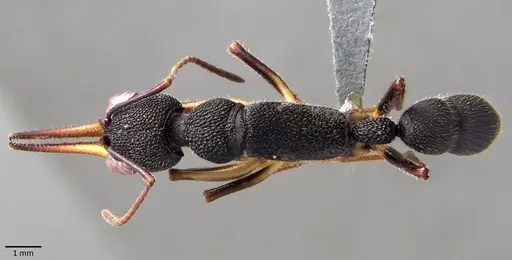
CASENT0098078
View on AntWeb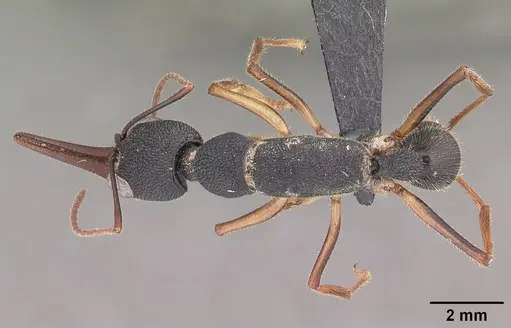
CASENT0260425
View on AntWeb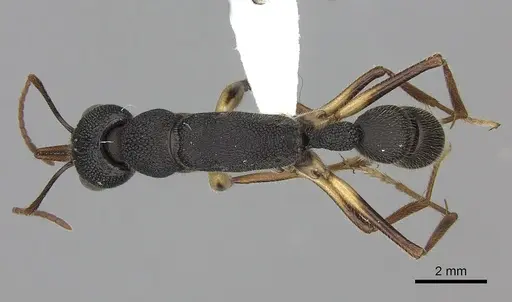
CASENT0900661
View on AntWeb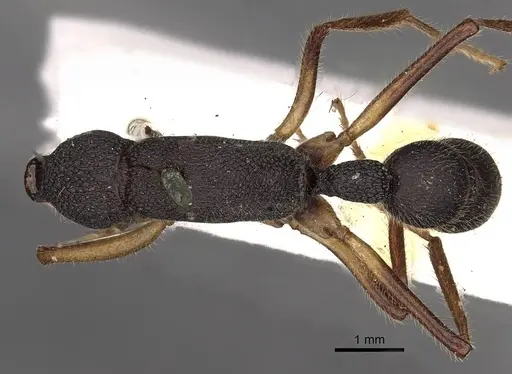
CASENT0915652
View on AntWeb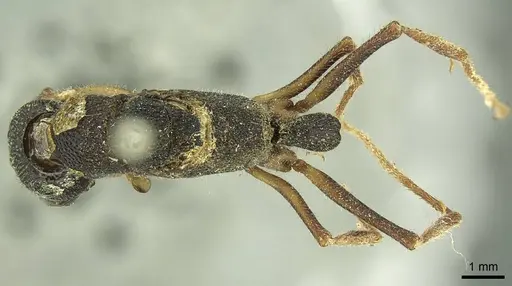
Literature
Loading distribution map...Loading products...