
Harpagoxenus sublaevis
- Sci. Name
- Harpagoxenus sublaevis
- Tribe
- Crematogastrini
- Subfamily
- Myrmicinae
- Author
- Nylander, 1849
- Distribution
- Found in 11 countries
Introduction
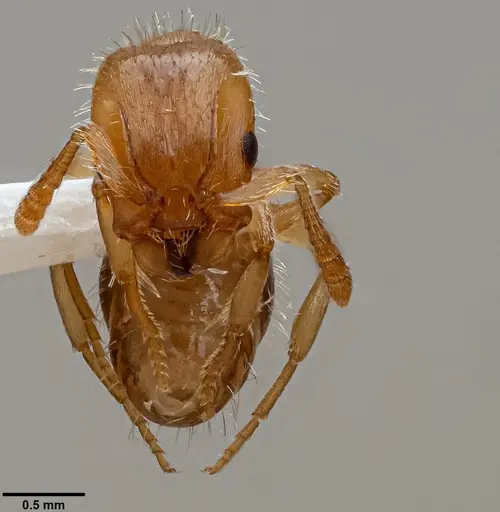
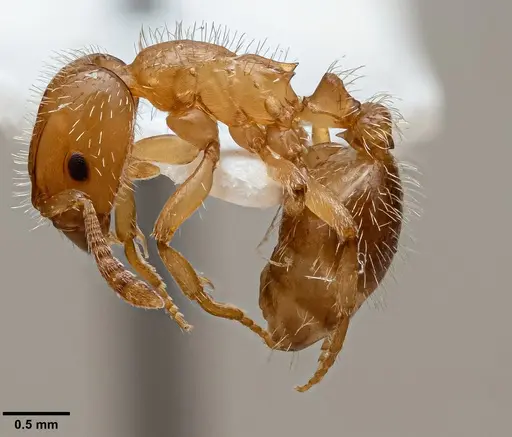
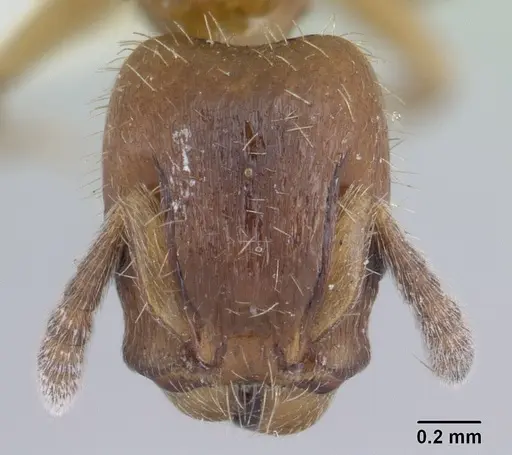
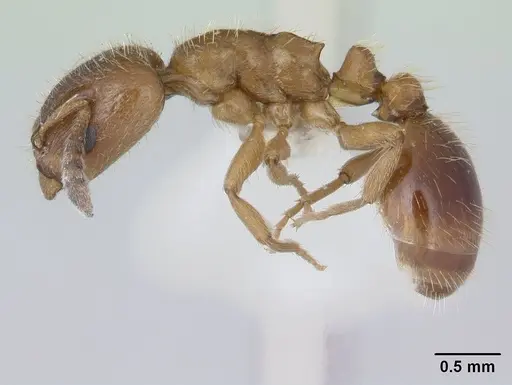
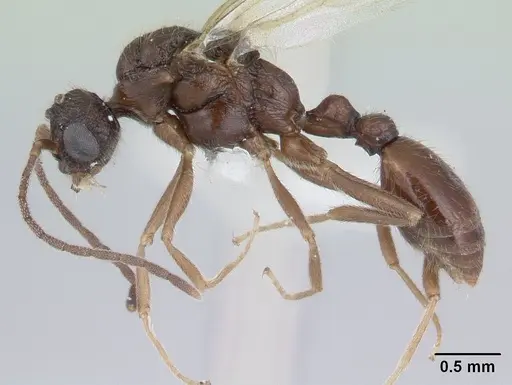
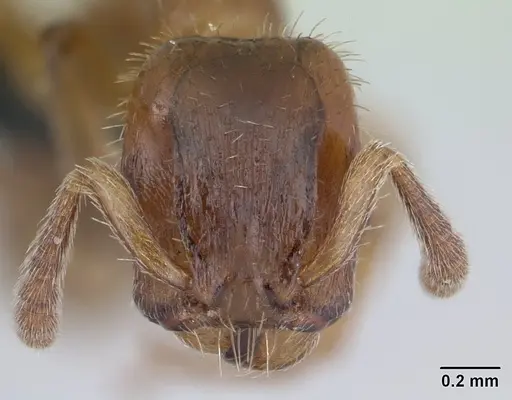
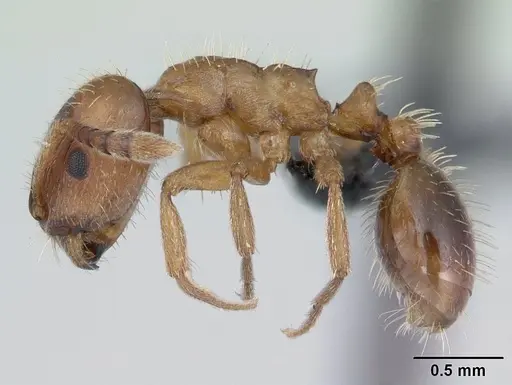
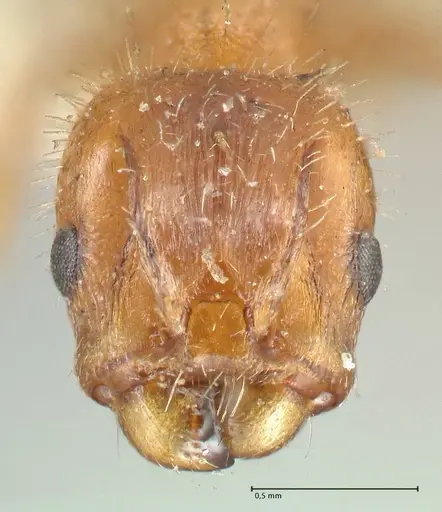
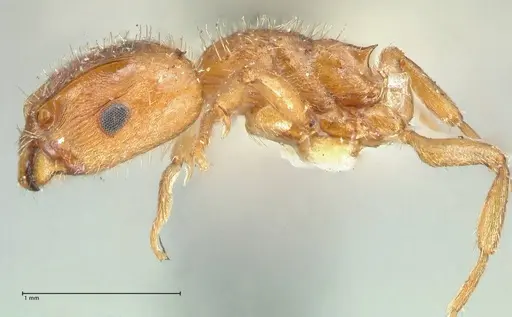
Harpagoxenus sublaevis is a small slave-making ant measuring 3.5-5.5mm in length with a pale yellowish-brown to brown coloration . It has a remarkably large, rectangular head with distinctive grooves where the antennae can be tucked away during combat, and its mandibles are toothless but function like scissors - perfect for cutting off the legs and antennae of defending host ants . This species is a permanent social parasite that cannot survive without host workers from the genus Leptothorax (primarily Leptothorax acervorum, Leptothorax muscorum, and Leptothorax gredleri) . The species ranges across the Palaearctic region from the Pyrenees to the Caucasus and from northern Italy to northern Norway . What makes this species particularly fascinating is its genetically controlled queen polymorphism - most queens are wingless ergatoids that look almost identical to workers, while fully winged queens are extremely rare .
Quick Summary
- Difficulty: Expert
- Origin & Habitat: Boreal-montane species found across Europe and into Siberia, typically in coniferous forests, peat bogs, and mountainous areas. Nests in rotten twigs, tree stumps, and under stones [6][4].
- Colony Type: Strictly monogynous, colonies contain only one reproductive queen. The queen is typically an ergatoid (wingless, worker-like form). Mixed colonies consist of Harpagoxenus workers and enslaved Leptothorax workers, with slaves comprising 80-90% of the colony [7][8].
- Size & Growth:
- Queen: ~3.5-4mm (ergatoid form most common) [9]
- Worker: ~3.5-5.5mm [1]
- Colony: Approximately 40-110 Harpagoxenus workers plus 100-400 enslaved Leptothorax workers [8]
- Growth: Slow
- Development: Unknown, development occurs within host colonies (Workers develop from larvae that overwinter once. Specific development timeline unconfirmed as research focuses on host colonies.)
- Antkeeping:
- Temperature: Keep at room temperature (18-22°C). This is a boreal species that prefers cooler conditions than many ants. Avoid overheating [10].
- Humidity: Moderate humidity similar to Leptothorax habitat, damp but not wet nest conditions. Provide moisture gradient.
- Diapause: Yes, requires hibernation period in winter (October-March at 5-10°C) matching its boreal origin [10].
- Nesting: Y-tong or plaster nests with very small chambers scaled to Leptothorax size. Must include connected areas for both parasite and host species. Natural setups with small twigs or dead wood pieces work well.
- Behavior: This species is aggressive and specialized for combat. Workers have specialized mandibles that function as scissors to sever the legs and antennae of host defenders [2]. They conduct organized slave raids using tandem running recruitment, where scouts lead groups of workers to target colonies [11]. During raids, they apply propaganda substances from their Dufour's gland that causes host workers to fight each other instead of defending their colony [12]. Harpagoxenus workers cannot forage or properly care for brood, they are completely dependent on their enslaved hosts for all colony maintenance tasks [10]. Escape risk is moderate as workers are similar in size to Leptothorax.
- Common Issues: extreme difficulty, requires maintaining both parasite and healthy host Leptothorax colonies simultaneously, colony collapse if host population becomes too small or unhealthy, slaves are essential for colony function, slave raids may deplete local host populations in enclosed setups, requiring multiple host colonies, specialized dietary needs, Harpagoxenus workers cannot forage and must be fed by slaves, very rare in the hobby and legally protected in many European countries
Understanding This Species
Harpagoxenus sublaevis is one of the most specialized and biologically fascinating ants you could attempt to keep, but it is NOT a beginner species. This is a permanent social parasite that cannot survive without enslaved Leptothorax workers. The Harpagoxenus workers themselves are completely dependent on their hosts: they cannot forage for food, they are poor at caring for brood, and they cannot maintain their nest without help [10]. Every aspect of their care revolves around maintaining healthy host colonies. In the wild, these ants raid neighboring Leptothorax colonies to steal pupae, which emerge as enslaved workers that perform all the colony's labor. Your job as a keeper is to replicate this system, which means keeping multiple Leptothorax colonies alive simultaneously to serve as slave suppliers [13]. This species is also known as the robber ant or pinching ant due to its combat behavior and scissor-like mandibles [2].
Housing Requirements
Keeping this species requires a setup that accommodates both the parasite and its hosts. You will need multiple enclosures: one for the mixed Harpagoxenus-Leptothorax colony, plus separate colonies of Leptothorax acervorum, Leptothorax muscorum, or Leptothorax gredleri to serve as slave suppliers [13]. For the main nest, a Y-tong or plaster formicarium with very small chambers works well, these ants are tiny and need appropriately scaled spaces. For Leptothorax hosts, provide small nests in dead wood, twigs, or test tube setups. All enclosures must be secure as both species are excellent escape artists. The setup should allow for slave raids to occur naturally, with the Leptothorax colonies positioned within the natural raid radius of about 1-3 meters from the main nest [8]. Temperature should be cool (18-22°C) reflecting their boreal origins, and humidity should be moderate. Lighting is not critical as both species prefer dark, concealed spaces.
Feeding and Nutrition
This is where things get complicated. Harpagoxenus workers cannot forage effectively and rely entirely on their enslaved Leptothorax workers to feed them [10]. The slaves collect food, process it, and feed the parasite workers through trophallaxis (mouth-to-mouth fluid transfer). Therefore, your feeding target is actually the Leptothorax slaves, not the Harpagoxenus directly. Feed the Leptothorax colonies a standard diet of sugar water (honey diluted 1:4 with water), small insects like fruit flies or pinhead crickets, and occasional protein sources. The enslaved workers will consume this food and share it with their parasite masters. Do not expect Harpagoxenus workers to directly accept food from you, they are poorly adapted for independent feeding. Keep sugar water available at all times in the Leptothorax sections of the setup.
Slave Raiding Behavior
One of the most remarkable aspects of keeping this species is observing their slave raids. A scout ant locates a suitable Leptothorax colony (typically 1-3 meters away), returns to the nest, and recruits others using tandem running, a behavior where one ant leads another by maintaining physical contact [11]. The recruitment follows a snowball pattern where each returning ant brings another, doubling the raiding party with each trip. Once enough workers have gathered, the attack begins. Harpagoxenus workers use their scissor-like mandibles to sever the legs and antennae of defenders, simultaneously applying propaganda substances from their Dufour's gland that causes the host workers to fight each other [12]. After defeating the colony, they steal the brood (primarily pupae) and carry it back to their own nest, where the stolen pupae hatch as enslaved workers. In captivity, you must ensure there are always additional Leptothorax colonies available to raid, or the colony will collapse when the slave population ages out.
Colony Dynamics and Queen Polymorphism
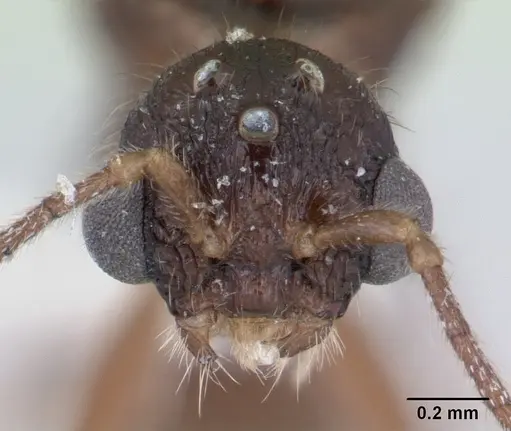
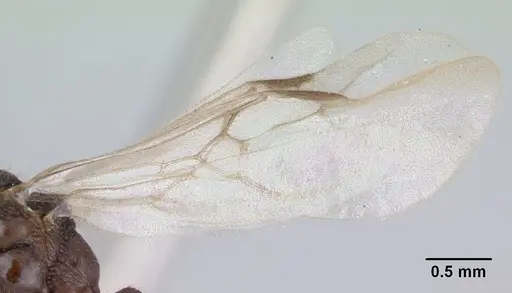
Harpagoxenus sublaevis exhibits one of the most unusual reproductive systems in ants, genetically controlled queen polymorphism. Most functional queens are wingless ergatoids that look almost identical to workers, making them difficult to distinguish [5]. Fully winged queens are extremely rare and occur in only about 5-8% of colonies even in populations where they are produced [13]. This polymorphism is controlled by a single genetic locus: the e allele produces winged queens while the E allele produces wingless ergatoids [5]. The species is strictly monogynous, only one queen per colony reproduces. Colonies are always founded when a newly mated queen invades a Leptothorax colony, kills or drives out the adult residents, and takes over the remaining brood [13]. The queen uses her scissor-mandibles to fight host workers and ultimately kills the host queen.
Obtaining and Legal Considerations
This species is extremely rare in the ant-keeping hobby and is legally protected in many European countries where it occurs. It is listed as Vulnerable (VU) on the IUCN Red List [14] and appears on Red Lists in Germany, France, and other nations as endangered or threatened [8]. Before attempting to keep this species, research your local regulations, in many areas, it is illegal to collect or possess this ant. If you do obtain a colony legally, expect to pay a premium and work with specialized breeders who maintain both the parasite and host species. Given the extreme difficulty of keeping this species successfully (requiring multiple healthy Leptothorax colonies, precise conditions, and constant monitoring), it is absolutely not recommended for anyone other than expert antkeepers with specific scientific interest in social parasitism.
Frequently Asked Questions
Can I keep Harpagoxenus sublaevis like a normal ant species?
No. This is not a beginner species and cannot be kept like typical ants. Harpagoxenus sublaevis is an obligate social parasite that cannot survive without enslaved Leptothorax workers. You must maintain both the parasite colony AND multiple healthy Leptothorax host colonies simultaneously. This makes it exponentially more difficult than keeping any non-parasitic ant species.
What do I feed Harpagoxenus sublaevis?
You do not feed Harpagoxenus directly. The enslaved Leptothorax workers do the foraging and feeding. Provide sugar water (honey diluted 1:4), small insects, and protein sources to your Leptothorax colonies, the slaves will consume this and share it with the Harpagoxenus workers through trophallaxis. Harpagoxenus workers are poor foragers and will not directly accept food offered to them.
How do I get started with this species?
You need three things: a Harpagoxenus sublaevis colony (with queen and enslaved Leptothorax workers), AND separate Leptothorax acervorum or Leptothorax muscorum colonies to serve as slave suppliers. The parasite colony will need to raid these host colonies periodically to replenish its slave workforce as older slaves die off. Expect to maintain at least 2-3 healthy Leptothorax colonies for a single Harpagoxenus colony.
Do Harpagoxenus sublaevis ants sting?
They have a stinger but rarely use it against humans. Their primary defense is their scissor-like mandibles used to sever the legs and antennae of ant opponents. The mandibles are their main weapon during slave raids and colony defense. For humans, they are not considered dangerous.
How big do Harpagoxenus sublaevis colonies get?
Mature colonies typically contain around 40-110 Harpagoxenus workers and 100-400 enslaved Leptothorax workers. The slaves always outnumber the parasites, usually comprising 80-90% of the total colony population. Colonies never become very large because the system of constant raids limits growth.
Do they need hibernation?
Yes, they require a winter dormancy period. As a boreal species, they need hibernation from approximately October to March at 5-10°C. This matches their natural cycle and is essential for colony health. Reduce feeding before hibernation and move the colonies to a cool location.
Why are they so difficult to keep?
Multiple factors make this species extremely challenging: they require maintaining both parasite and host species, the host colonies can be depleted through raids and need replacing, Harpagoxenus workers cannot forage or care for brood independently, they are rare and expensive to obtain, and they are legally protected in many countries. Most antkeepers should not attempt this species.
What happens if my Leptothorax slaves die out?
The Harpagoxenus colony will collapse. Harpagoxenus workers are completely dependent on their enslaved hosts for food, brood care, nest maintenance, and colony function. Without slaves, the queen may survive briefly but cannot produce new workers, and the existing workers will starve. This is why maintaining multiple host colonies is absolutely essential.
Can I breed this species?
Breeding is extremely difficult and not recommended. The queen is typically an ergatoid (wingless) that mates near the nest rather than on a nuptial flight. To found a new colony, you would need a mated queen to successfully invade and take over a Leptothorax colony, a process with high failure rate even in the wild. Leave breeding to researchers and specialized facilities.
Is this species legal to keep?
This depends entirely on your location. Harpagoxenus sublaevis is protected in many European countries and appears on Red Lists as vulnerable or endangered. In Germany, it is Category 2 (strongly endangered). Check your local wildlife regulations before attempting to obtain this species. In many areas, it is illegal to collect or possess this ant.
Report an Issue
The current care sheet is based fully on literature. See inconsistencies, or something that's incorrect? Please , it will be resolved after review from an admin. Contributing to the blogs tab also helps providing information, to make us be able to further improve the caresheets. Thank you for your support!
References

This caresheet is licensed under CC BY-SA 4.0 .
Community Blogs
ANTWEB1060656
View on AntWeb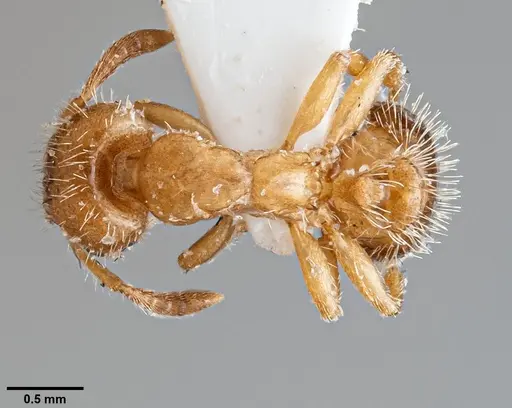
CASENT0178588
View on AntWeb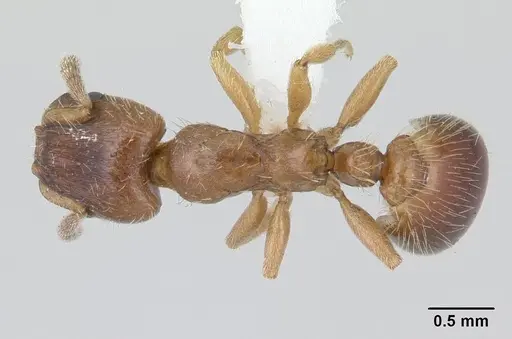
CASENT0178589
View on AntWeb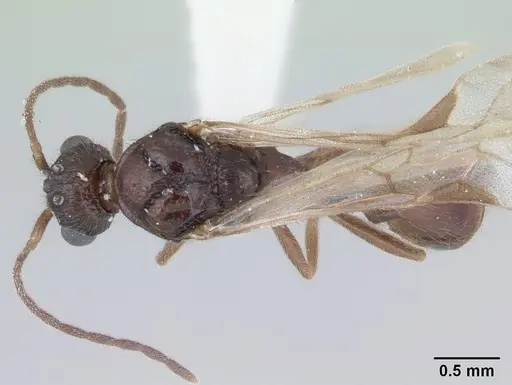
CASENT0178772
View on AntWeb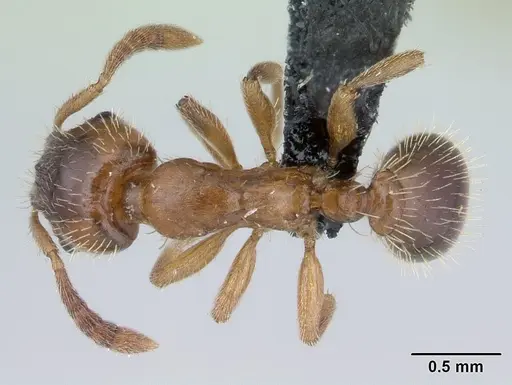
FOCOL2045
View on AntWeb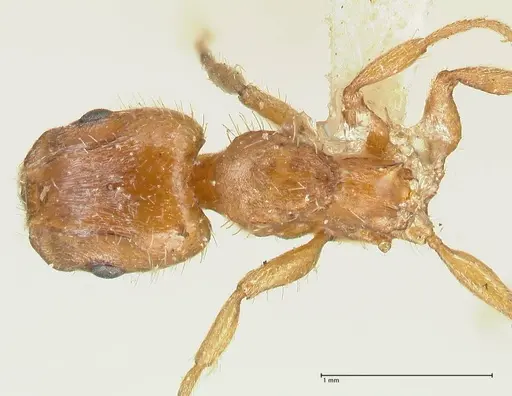
Literature
Loading distribution map...Loading products...