
Gnamptogenys tortuolosa
- Sci. Name
- Gnamptogenys tortuolosa
- Tribe
- Ectatommini
- Subfamily
- Ectatomminae
- Author
- Smith, 1858
- Distribution
- Found in 7 countries
Introduction
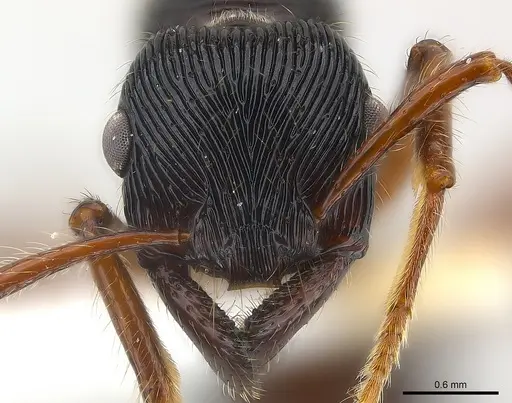
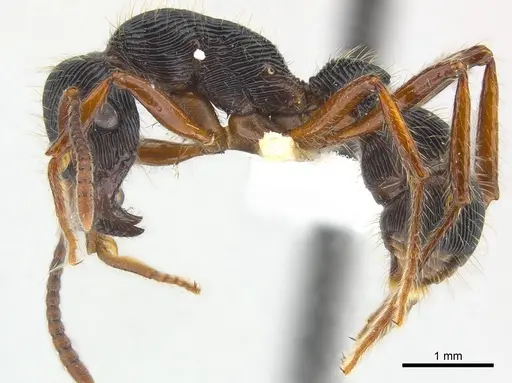
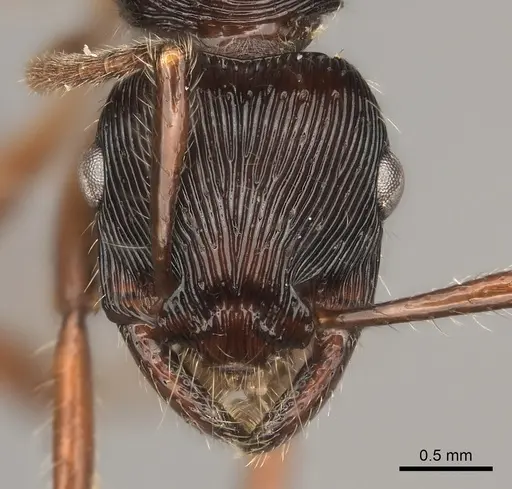
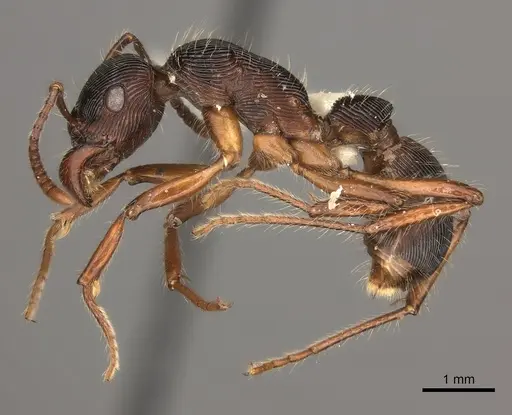
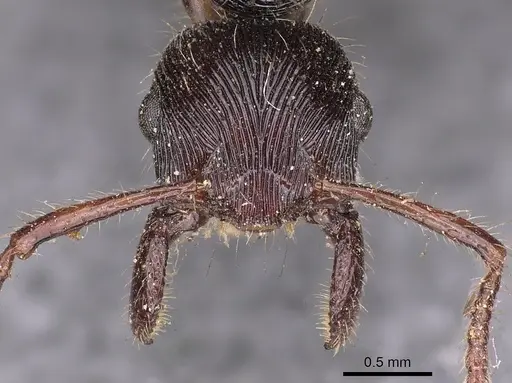
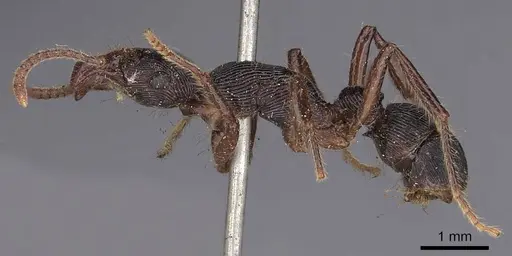
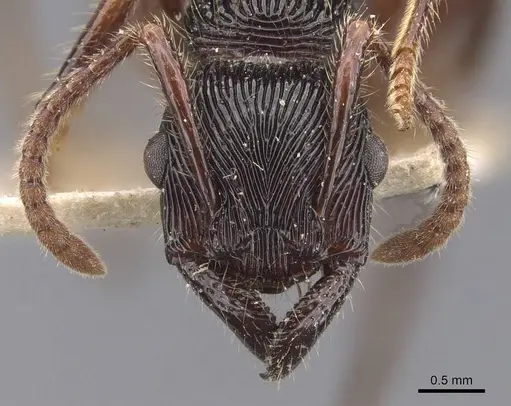
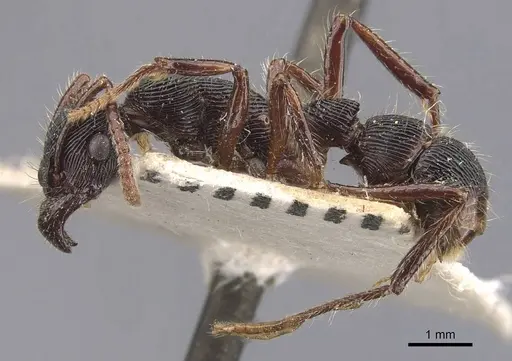
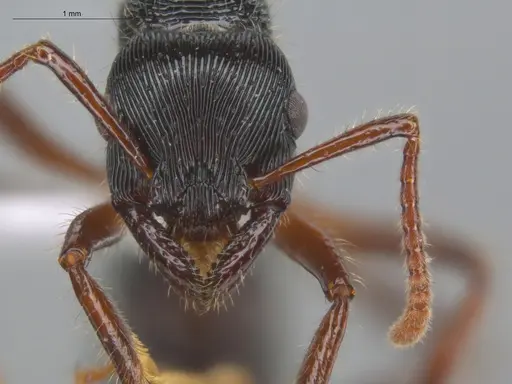
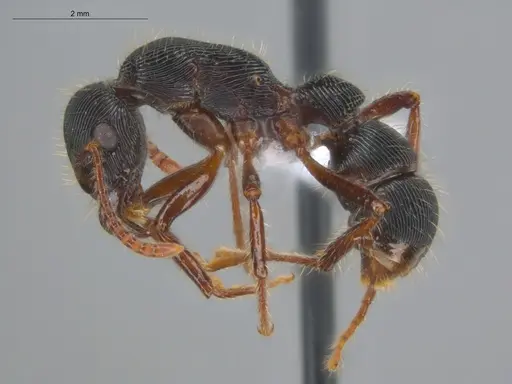
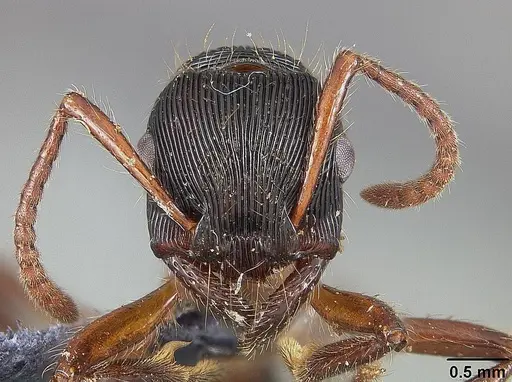
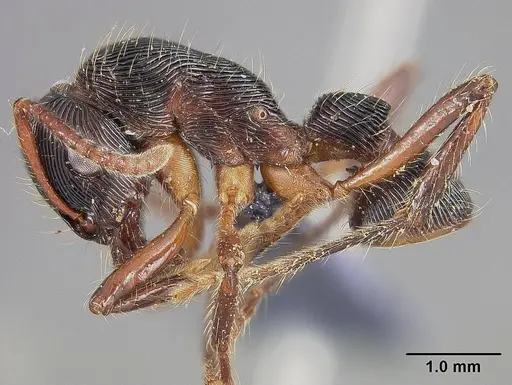
Gnamptogenys tortuolosa is a medium-sized predatory ant native to the Amazon-Orinoco basin in South America . Workers are dark (piceous) with reddish-brown legs and antennae . They have semi-triangular mandibles and a small tooth on the coxae . This species nests in rotting wood in humid tropical forests below 1000 m elevation . They forage in leaf litter and grassy areas, and are generalist predators that hunt other small invertebrates, including other ants . They are adaptable but require high humidity.
Quick Summary
- Difficulty: Medium
- Origin & Habitat: Amazon-Orinoco basin in South America – found in Brazil, Colombia, Ecuador, French Guiana, Guyana, Peru, Suriname, and Venezuela. Nests in humid tropical forests below 1000 m elevation, typically in rotting wood and leaf litter [1][2][5].
- Colony Type: Colony structure is not well-documented. Based on genus patterns, likely single-queen (monogyne) colonies with moderate worker numbers.
- Size & Growth:
- Queen: Size data unavailable – inferred from Gnamptogenys genus: queens likely around 7–9 mm.
- Worker: Size data unavailable – inferred from Gnamptogenys genus: workers approximately 6–8 mm.
- Colony: Likely several hundred workers – moderate colonies, estimated from genus typical size.
- Growth: Moderate
- Development: Estimated 6–10 weeks at tropical temperatures (25–28°C) based on related Ectatomminae species (Development time is estimated since specific data for this species is not available. Tropical species typically develop faster than temperate ones.)
- Antkeeping:
- Temperature: Keep at 24–28°C – they are tropical ants requiring warm, stable conditions. A heating cable on one side of the nest creates a gradient for self-regulation. Room temperature may suffice if your home stays in this range.
- Humidity: High humidity is essential – these are forest floor ants from humid tropical environments. Keep nest substrate consistently moist but not waterlogged. Aim for 70–85% humidity in the nest area. Mist every few days to maintain moisture, but avoid standing water.
- Diapause: No – as a tropical species, they do not require hibernation. Keep temperatures stable year-round. A slight winter reduction (2–3°C) may be acceptable but is not necessary.
- Nesting: Provide a naturalistic setup with rotting wood pieces [3] or a Y-tong (AAC) / plaster nest with moisture retention. They prefer dark, humid chambers. Test tube setups work for founding colonies but may need to transition to more spacious accommodations as the colony grows. The nest should have chambers scaled to their medium size.
- Behavior: Gnamptogenys tortuolosa is a predatory ant with active hunting behavior. Workers forage on the forest floor and in leaf litter, seeking small invertebrates including other ants, springtails, and soft-bodied arthropods. They possess a functional sting (typical of Ectatomminae) but are not known to be aggressive toward humans in captivity. When disturbed, they may retreat into the nest or sting if handled. They are moderately active foragers. Escape risk is moderate – they are not particularly small but can climb smooth surfaces. Use standard barrier methods.
- Common Issues: high humidity requirements can lead to mold if ventilation is poor, predatory diet means they need constant access to live prey – sugar alone is insufficient, slow colony growth can frustrate beginners who overfeed or disturb the nest, wild-caught colonies may have parasites that can devastate captive populations, they are rare in the hobby and founding colonies can be difficult to obtain
Report an Issue
The current care sheet is based fully on literature. See inconsistencies, or something that's incorrect? Please , it will be resolved after review from an admin. Contributing to the blogs tab also helps providing information, to make us be able to further improve the caresheets. Thank you for your support!
References

This caresheet is licensed under CC BY-SA 4.0 .
Community Blogs
ANTWEB1041423
View on AntWeb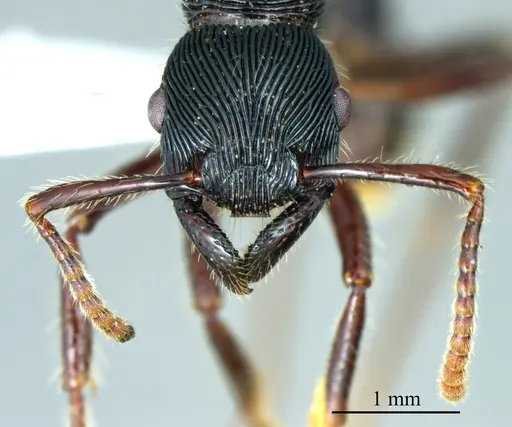
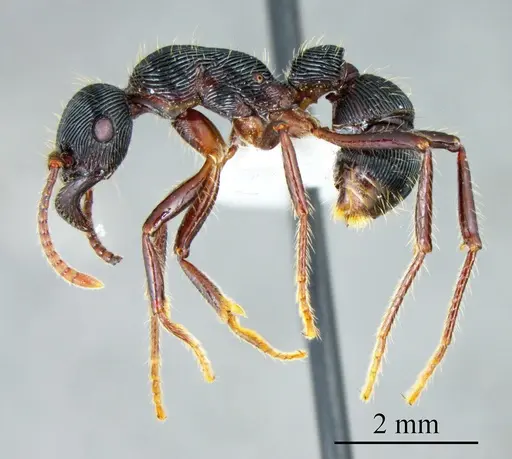
CASENT0179986
View on AntWeb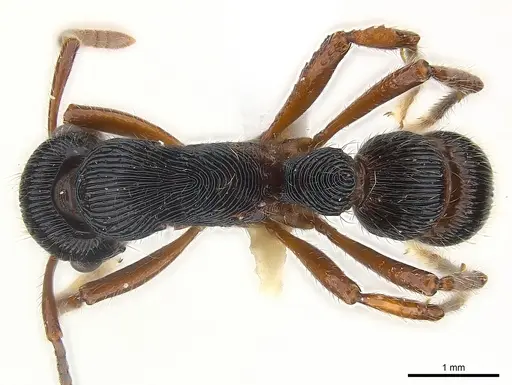
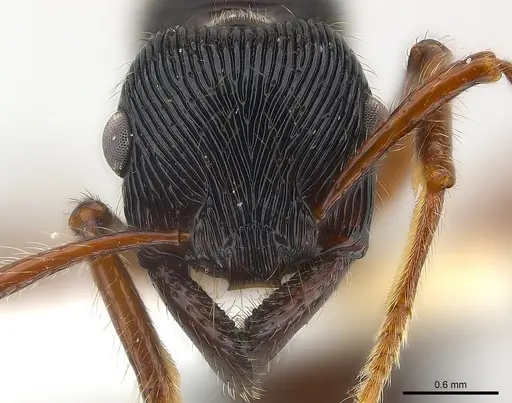
CASENT0217489
View on AntWeb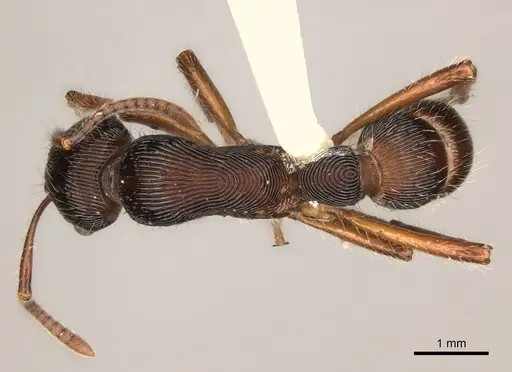
CASENT0900549
View on AntWeb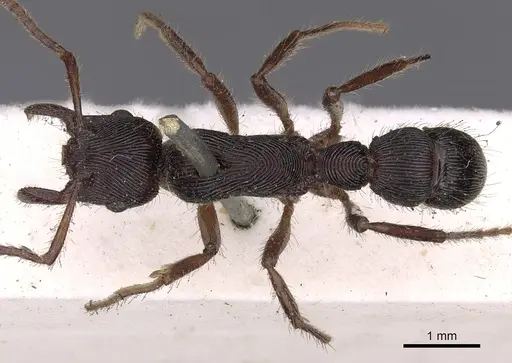
CASENT0907192
View on AntWeb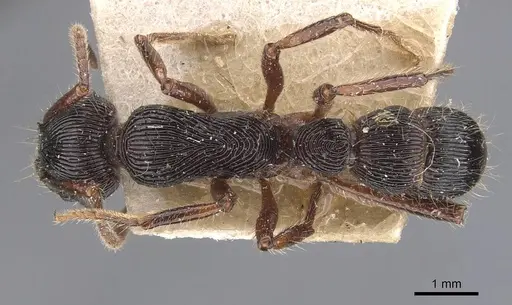
ECOFOG-IT14-0450-23
View on AntWeb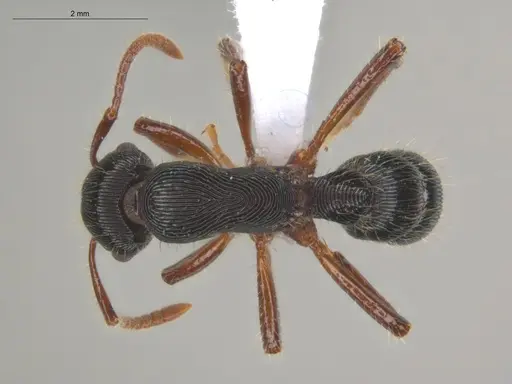
USNMENT00445639
View on AntWeb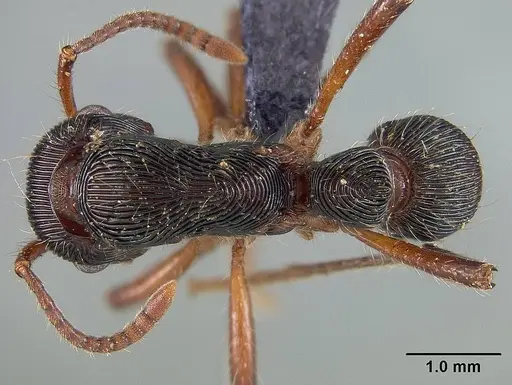
Literature
Loading distribution map...Loading products...