
Gnamptogenys sulcata
- Sci. Name
- Gnamptogenys sulcata
- Tribe
- Ectatommini
- Subfamily
- Ectatomminae
- Author
- Smith, 1858
- Distribution
- Found in 13 countries
Introduction
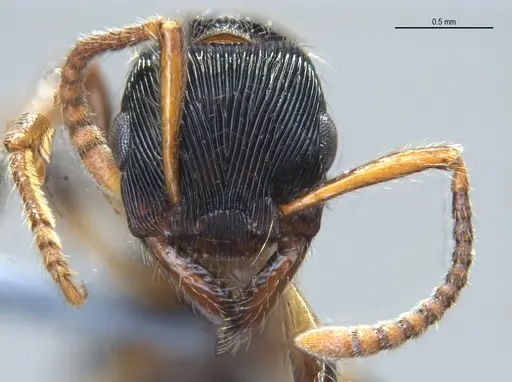
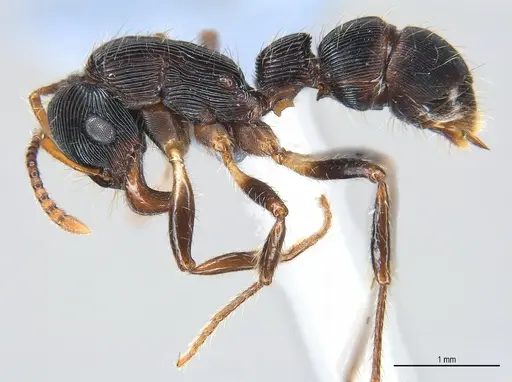
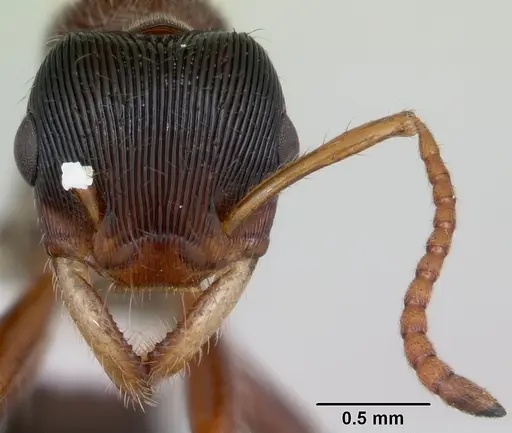
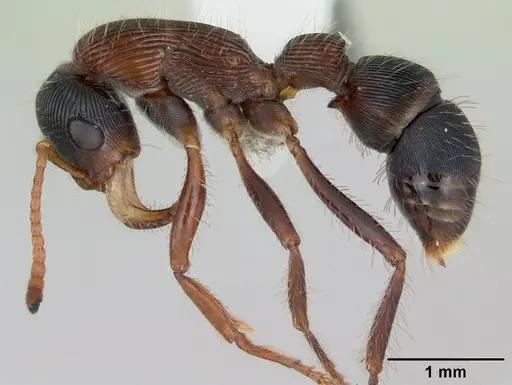
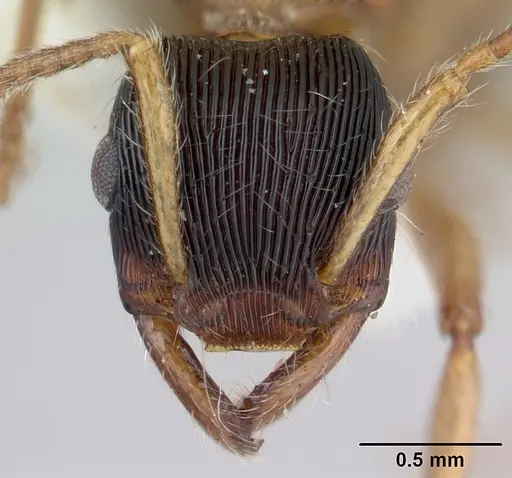
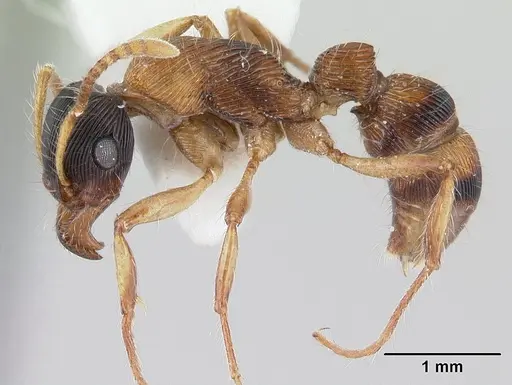
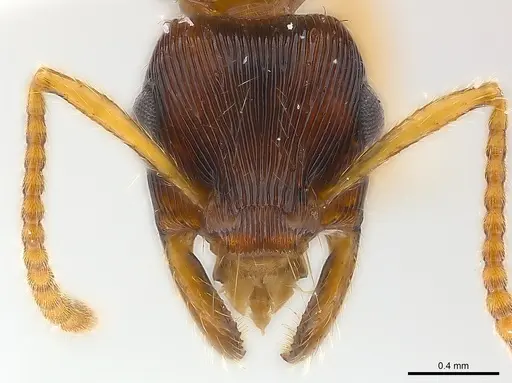
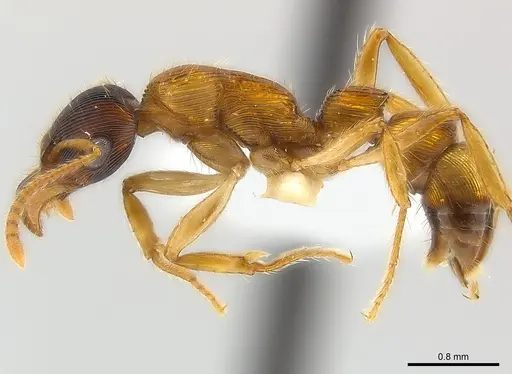
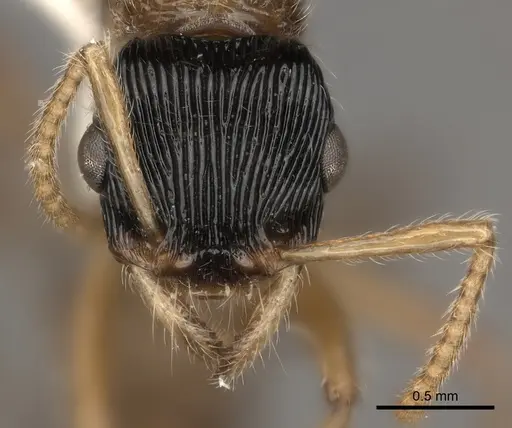
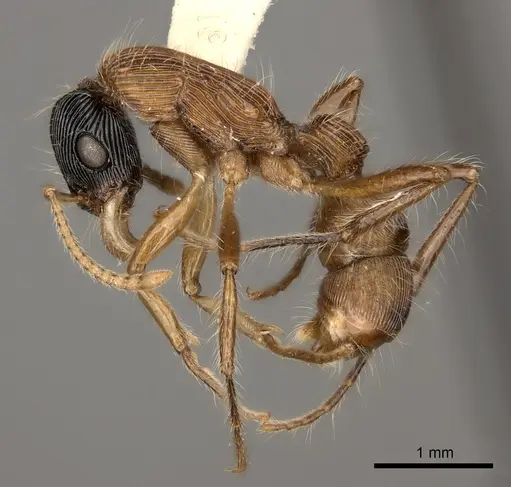
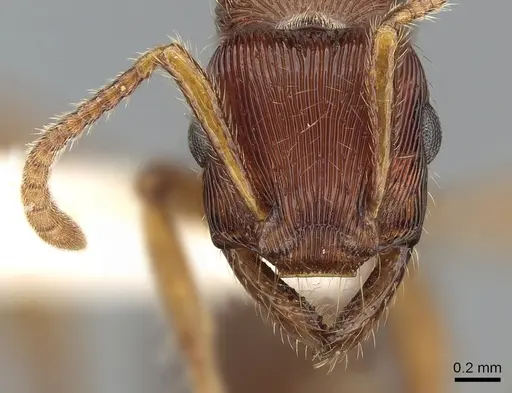
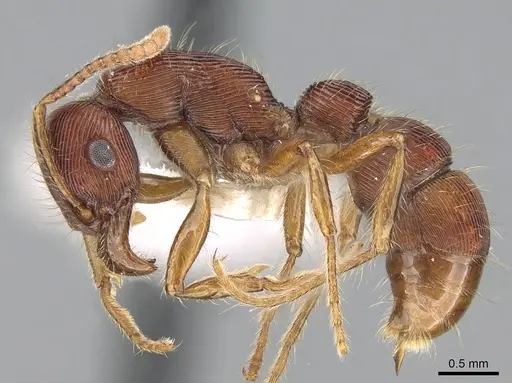
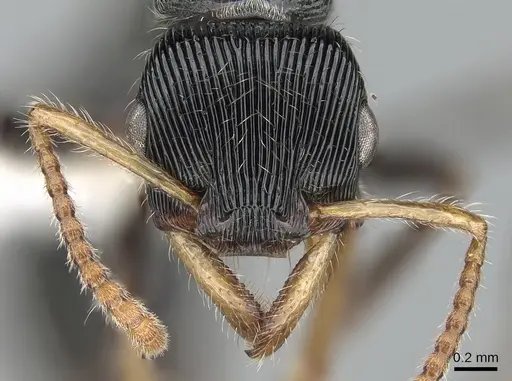
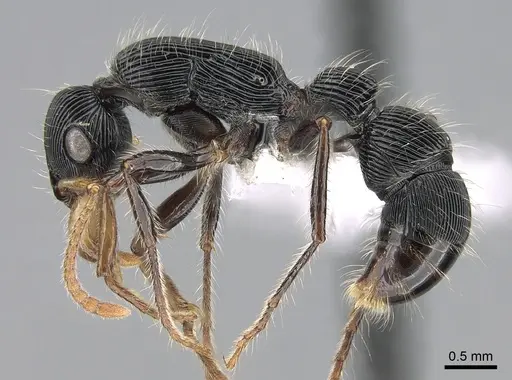
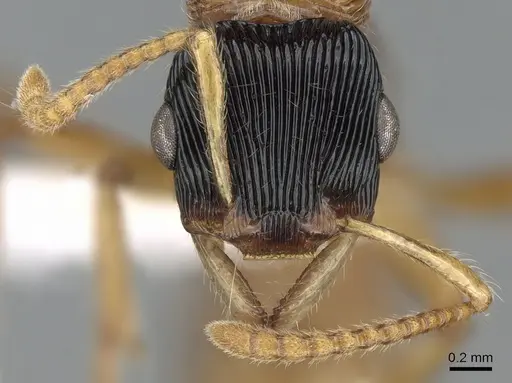
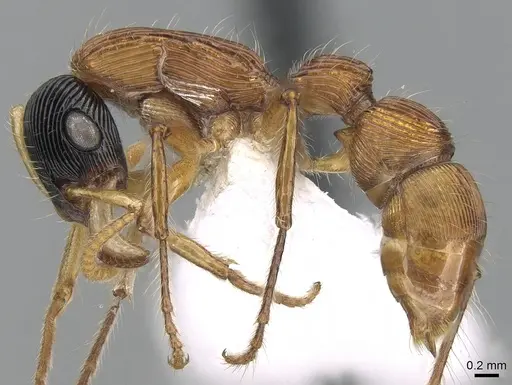
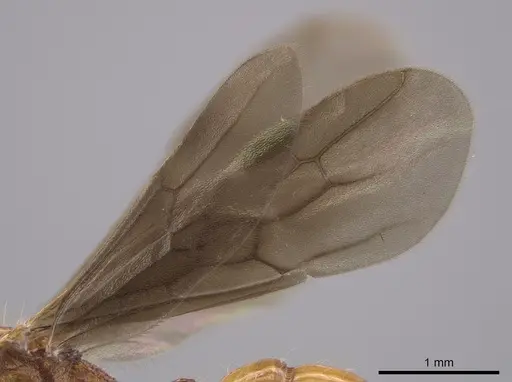
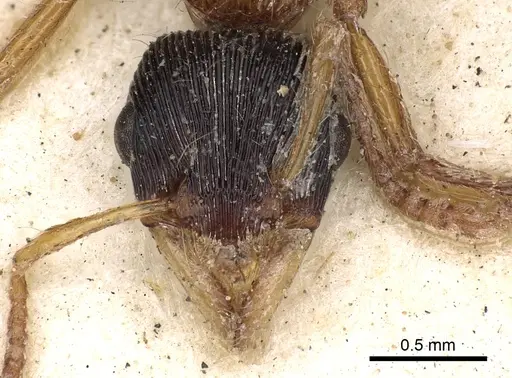
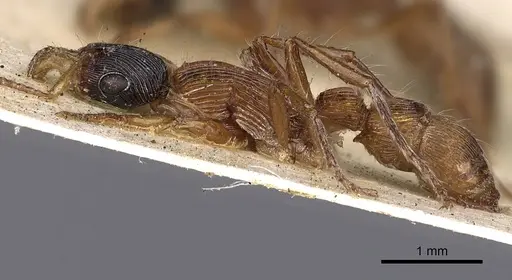
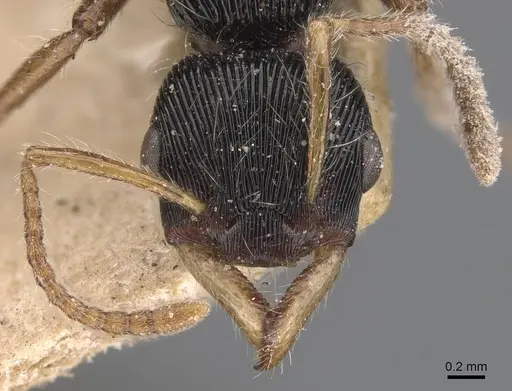
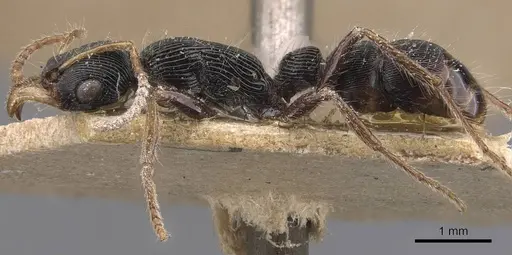
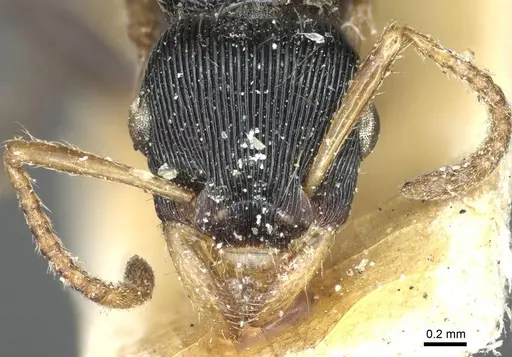
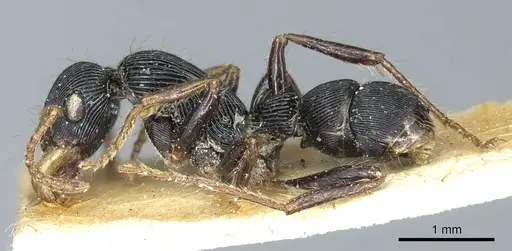
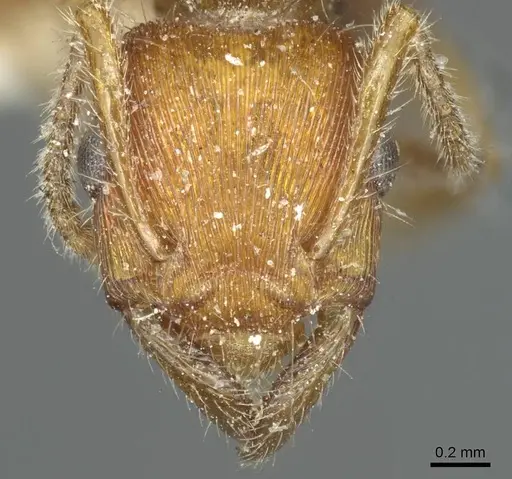
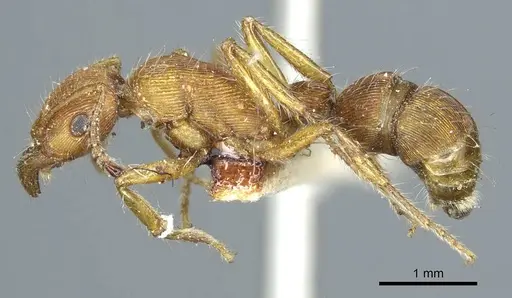
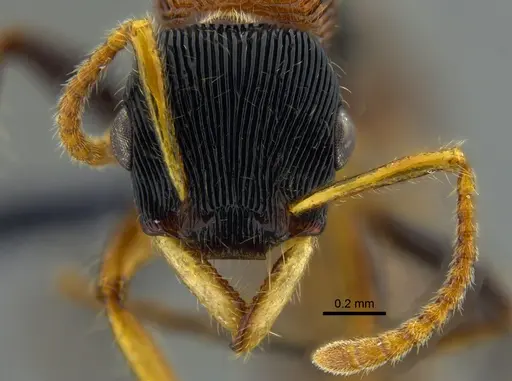
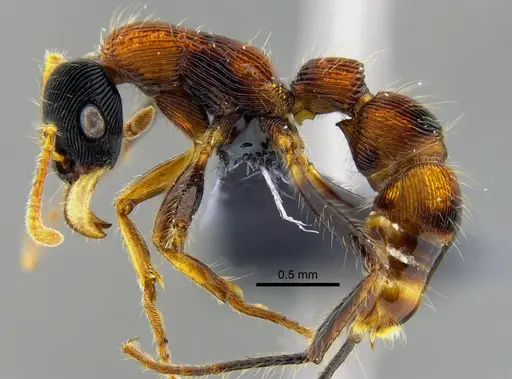
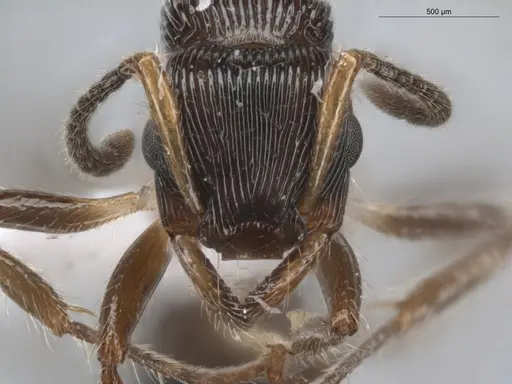
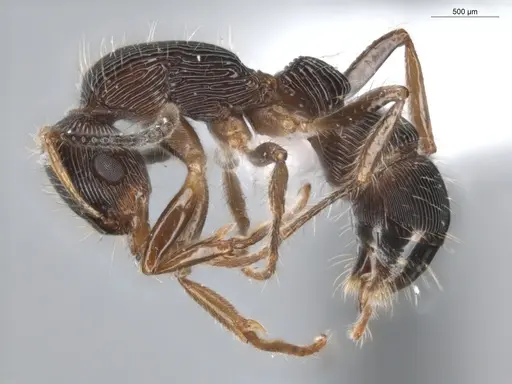
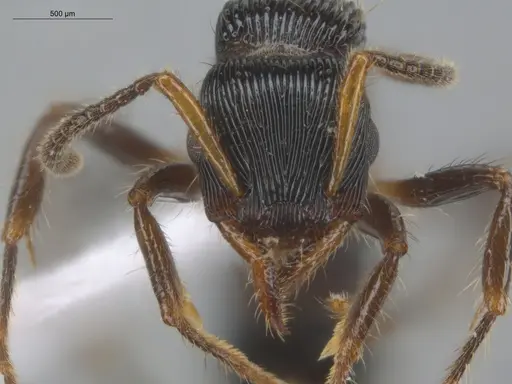
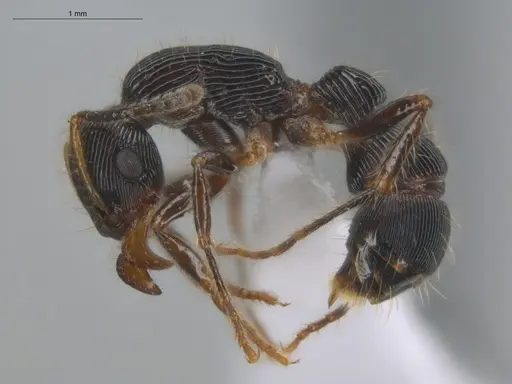
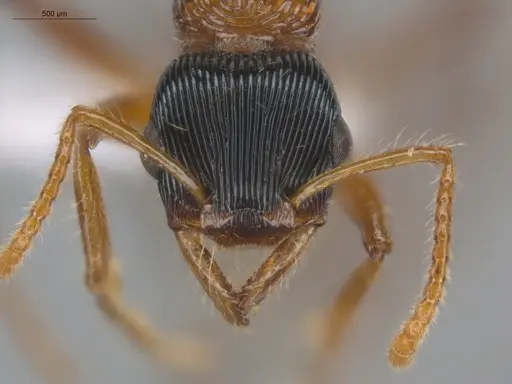
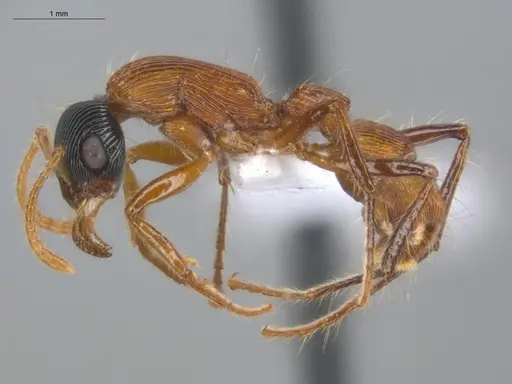
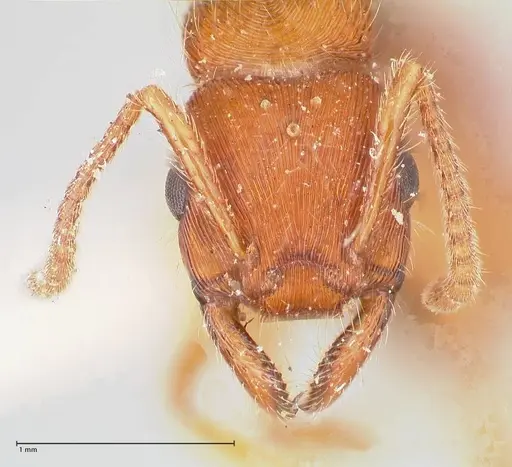
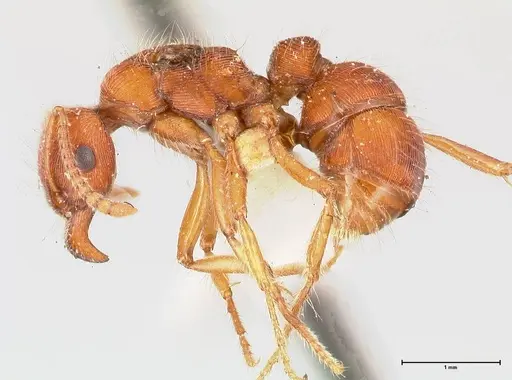
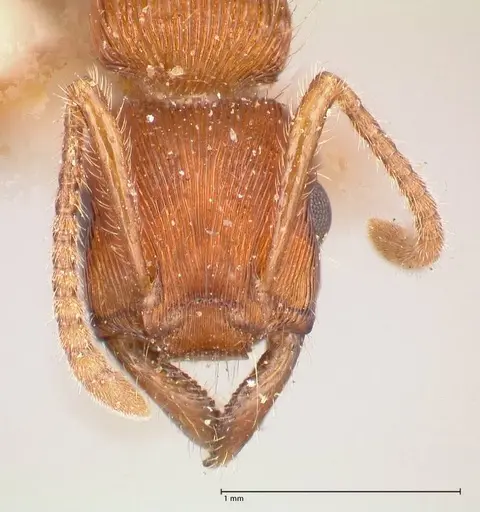
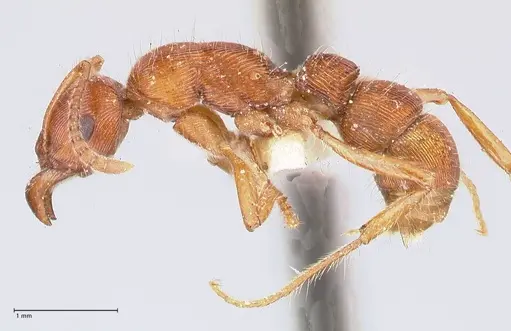
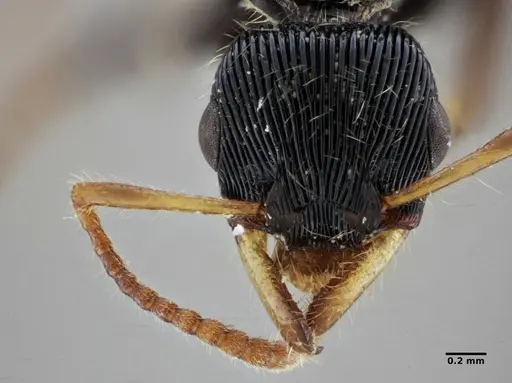
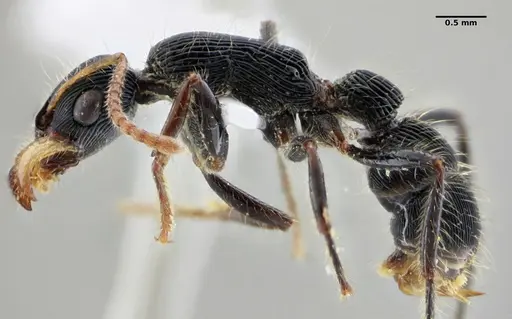
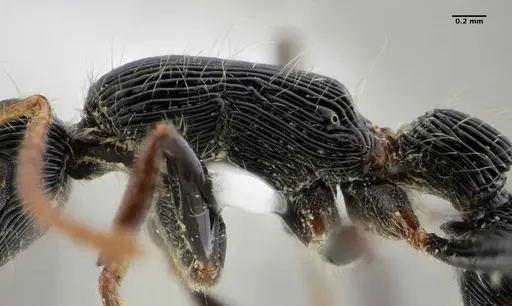
Gnamptogenys sulcata is a medium-sized predatory ant found throughout the Neotropical region from Mexico to Argentina. Workers have distinctive semi-triangular mandibles and show considerable color variation - the mesosoma ranges from black to light brown, with the head, gastric apex, and posterior margin often darker than the rest of the body. They lack a metacoxal tooth, having at most a small tubercle. These ants nest in decaying wood on the forest floor and are shade-loving, typically found in forests below 1,000 meters elevation in both humid and dry areas, with a preference for drier forest types . What makes Gnamptogenys sulcata particularly interesting is their sophisticated predatory behavior. They use two distinct hunting strategies - solitary hunting for prey up to 16-20 times their body weight, and coordinated group attacks with chemical trail recruitment for larger prey up to 60 times their weight. Colonies also have an unusual social structure with multiple egg-laying queens, and they show extremely high activity levels compared to other ant species .
Quick Summary
- Difficulty: Medium
- Origin & Habitat: Neotropical region, Mexico through Argentina, including Brazil, Colombia, Costa Rica, Ecuador, Guatemala, Panama, Peru and many others. Found in forests below 1,000m elevation, both humid and dry areas, with preference for drier forest types. Nests in decaying wood on the ground, and workers forage on the ground and climb vegetation [1][2][3].
- Colony Type: Polygynous (multi-queen) colonies. About 82% of queenright colonies contain several dealated (wingless) females, typically 2-14 per colony. Multiple queens can be reproductively active simultaneously [4].
- Size & Growth:
- Queen: size data unavailable
- Worker: size data unavailable
- Colony: up to 400 workers, most commonly under 100 [4]
- Growth: Moderate
- Development: estimated 8-12 weeks at optimal temperature based on related Ectatomminae species (Direct development data unavailable for this species)
- Antkeeping:
- Temperature: Keep around 24-26°C. Studies have used 25±1°C as a baseline. Being a Neotropical species, they prefer warm conditions but avoid extreme heat [5].
- Humidity: High humidity preferred, these are shade-loving ants found in forest floor environments. Keep nest substrate consistently moist but not waterlogged. Provide a humidity gradient so ants can choose their preferred zone [6].
- Diapause: Unknown, as a Neotropical species, they may not require true hibernation but could benefit from slight temperature reduction during winter months. No specific research on diapause requirements.
- Nesting: Naturalistic setup works best, they nest in decaying wood on the soil in the wild. A Y-tong or plaster nest with decaying wood pieces, or a fully naturalistic setup with rotten wood and soil substrate. Keep nest materials consistently moist [4][7].
- Behavior: Gnamptogenys sulcata is a generalist predator with extremely high activity levels, immobility accounts for only 4% of their behavioral budget versus 11-42% in other species. They are shade-loving and rare in sun-exposed areas. Workers forage solitarily for small prey but recruit nestmates using chemical trails for large prey items. They are effective predators of the coffee berry borer and other agricultural pests [6][8][9]. Escape risk is moderate, use standard barrier methods.
- Common Issues: colonies are polygynous, multiple queens may cause initial tension when establishing, but these ants naturally tolerate multi-queen arrangements, shade-loving nature means they do poorly in bright lighting or dry conditions, keep their setup away from direct sunlight, small colony sizes mean they are sensitive to disturbance, avoid frequent nest inspections during founding, predatory diet requires live prey, they may not accept dead food initially and need established foragers, parasitized by eucharitid wasps in the wild, wild-caught colonies may arrive with parasites that can affect brood [7]
Housing and Nest Setup
Gnamptogenys sulcata naturally nests in decaying wood on the forest floor, so a naturalistic setup works best. You can use a Y-tong or plaster nest with pieces of rotting wood embedded in the substrate, or go fully naturalistic with a soil/rotten wood mixture in a formicarium. The key is keeping the nest material consistently moist but not waterlogged, these are forest floor ants that need humidity. Avoid bright lighting near the nest as they are strongly shade-loving. A small water reservoir connected to the nest helps maintain humidity. Since colonies stay relatively small (typically under 100 workers), you do not need a large setup, a nest area of about 10x10cm is sufficient for a mature colony [4][7][6].
Feeding and Diet
These ants are generalist predators that need live prey. In the wild, they hunt solitarily for small insects and use group recruitment for larger prey up to 60 times their body weight. They have been observed predating on coffee berry borers and other agricultural pests, making them beneficial in coffee ecosystems [9][6]. In captivity, offer small live insects like fruit flies, pinhead crickets, and small mealworms. They will also accept dead prey once foragers are established, but live prey triggers their natural hunting behavior. Feed prey roughly twice weekly, adjusting based on colony size and consumption. Unlike some ants, they do not heavily rely on sugar sources, their diet is primarily predatory [8][10][11].
Temperature and Seasonal Care
Keep your colony at 24-26°C, which matches the conditions used in research settings (25±1°C). As a Neotropical species from Mexico to Brazil, they prefer warm, stable temperatures. Avoid temperatures below 20°C for extended periods. A small heating cable on one side of the nest can create a gentle gradient, but ensure part of the nest remains unheated so ants can thermoregulate. They do not require true hibernation, but you might slightly reduce temperatures during winter months (down to around 22°C) to simulate seasonal changes. Their shade-loving nature means they do poorly in bright lighting, keep the setup in a dim area of your ant room [5][6].
Colony Structure and Multi-Queen Dynamics
Gnamptogenys sulcata is one of the few truly polygynous ant species, about 82% of established colonies contain multiple dealated (wingless) queens, typically 2-14 per colony. Research shows that most of these queens are reproductively active, with full spermatheca and visible yellow bodies indicating recent egg-laying [4]. This is unusual among ants and means you can keep multiple queens together without the aggression you would see in monogyne species. The colony investment is heavily focused on brood care by all workers, while only elite specialists perform foraging. This means founding colonies may appear slow to start foraging, be patient as they establish [4].
Predatory Behavior and Hunting Strategies
What makes these ants fascinating is their flexible hunting behavior. For small prey (up to 16-20 times worker weight), workers hunt alone and retrieve the prey solitarily. For larger prey, they use chemical trail recruitment to summon nestmates, the entire group then coordinates to subdue and retrieve the prey. Studies show that prey weight is the primary trigger for switching strategies. When satiated, workers are more likely to hunt alone, after fasting, they switch to group hunting at lower weight thresholds. This makes them exciting to watch as they coordinate attacks on prey much larger than themselves [5][8][10].
Common Problems and Solutions
The main challenges with Gnamptogenys sulcata involve their specific environmental needs and small colony size. Because they are shade-loving, bright lighting causes stress and workers will avoid lit areas. Keep them in dim conditions. Their small colony sizes (typically under 100 workers) make them sensitive to disturbance, avoid frequent nest inspections, especially during founding. Wild-caught colonies may arrive with eucharitid wasp parasites that can affect brood development [7]. Quarantine and observe new colonies before introducing them to existing setups. They also need live prey to trigger hunting behavior, so do not be alarmed if they ignore dead food initially, once foragers are established, they may accept pre-killed prey. Escape prevention is important for their small workers, use fluon on edges and ensure any connections between outworld and nest are secure [7][4].
Frequently Asked Questions
How long does it take for Gnamptogenys sulcata to produce first workers?
Direct development data is unavailable for this species. Based on typical Ectatomminae patterns, expect 8-12 weeks from egg to first worker at optimal temperature (around 25°C). Founding colonies may take longer as the queen(s) need to establish before laying eggs.
Can I keep multiple Gnamptogenys sulcata queens together?
Yes, this species is naturally polygynous. About 82% of colonies have multiple reproductively active queens (typically 2-14). Unlike most ant species where multiple queens fight, Gnamptogenys sulcata naturally tolerates multi-queen arrangements. You can introduce multiple foundresses together or add queens to an established colony.
What do Gnamptogenys sulcata eat?
They are generalist predators that need live prey. Feed small live insects like fruit flies, pinhead crickets, small mealworms, and similar prey. They are effective predators of the coffee berry borer and will hunt solitarily for small prey or recruit nestmates for large prey up to 60 times their body weight. They do not rely heavily on sugar sources.
Do Gnamptogenys sulcata ants sting?
As a member of the subfamily Ectatomminae, they have a stinger. Their stinger is quite small and they are not aggressive toward humans. They are more likely to flee than sting when disturbed.
Are Gnamptogenys sulcata good for beginners?
They are rated as medium difficulty. While their polygynous structure makes colony establishment easier than single-queen species, they have specific requirements: high humidity, shade-loving (no bright light), need for live prey, and small colony sizes that are sensitive to disturbance. They are rewarding for intermediate antkeepers who can provide the humid, dim conditions they need.
What temperature do Gnamptogenys sulcata need?
Keep them at 24-26°C. Research colonies have been maintained at 25±1°C. As a Neotropical species, they prefer warm conditions and do poorly below 20°C. A gentle temperature gradient allows them to regulate their own exposure to heat.
How big do Gnamptogenys sulcata colonies get?
Colony sizes range up to 400 workers, with most colonies staying under 100 workers. This is relatively small compared to many common ant species. The polygynous structure means multiple queens contribute to reproduction, but colonies remain modest in size [4].
Do Gnamptogenys sulcata need hibernation?
No specific research exists on diapause requirements. As a Neotropical species from warm climates, they likely do not require true hibernation. You might provide a slight temperature reduction (to around 22°C) during winter months, but this is not mandatory. Avoid temperatures below 20°C.
Why are my Gnamptogenys sulcata not foraging?
This species has extremely high activity levels but invests heavily in brood care. Only elite specialists forage, so founding colonies may be slow to send out foragers. Ensure you are offering appropriate live prey and that conditions are dim with high humidity. Also verify the queen is still alive and producing brood.
What kind of nest should I use for Gnamptogenys sulcata?
A naturalistic setup with rotting wood works best since they nest in decaying wood in the wild. You can use a Y-tong or plaster nest with wood pieces, or a fully naturalistic formicarium with soil and rotten wood. Keep the nest material consistently moist. Avoid bright lighting, these are strongly shade-loving ants.
Is Gnamptogenys sulcata invasive anywhere?
This species has a broad native range from Mexico to Argentina and is not documented as invasive in any region. It is a native component of Neotropical ant communities throughout Central and South America.
Report an Issue
The current care sheet is based fully on literature. See inconsistencies, or something that's incorrect? Please , it will be resolved after review from an admin. Contributing to the blogs tab also helps providing information, to make us be able to further improve the caresheets. Thank you for your support!
References

This caresheet is licensed under CC BY-SA 4.0 .
Community Blogs
ANTWEB1053755
View on AntWeb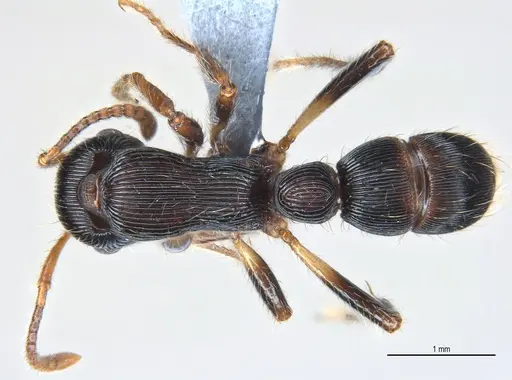
CASENT0173387
View on AntWeb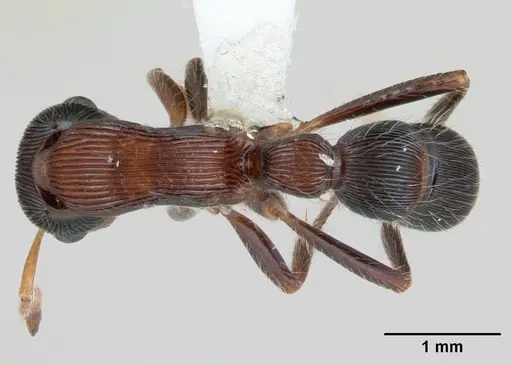
CASENT0178681
View on AntWeb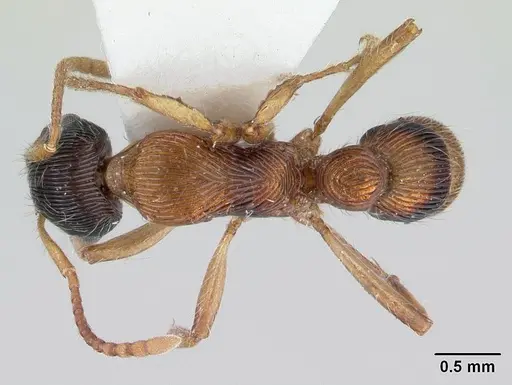
CASENT0179984
View on AntWeb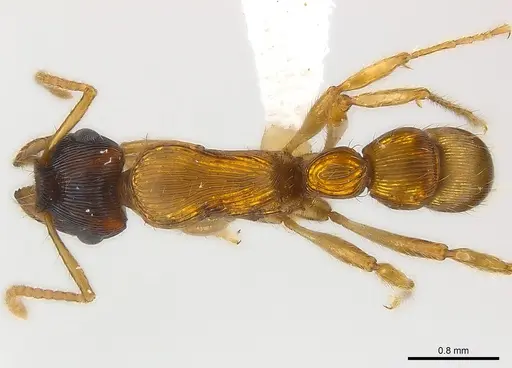
CASENT0217488
View on AntWeb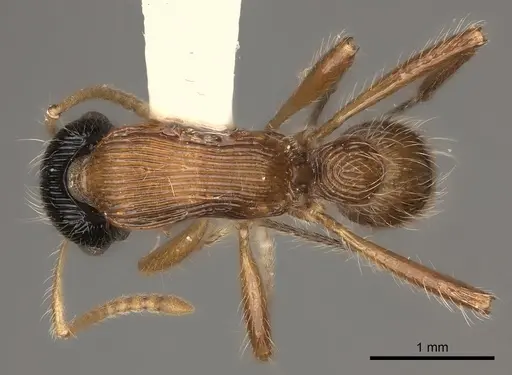
CASENT0281231
View on AntWeb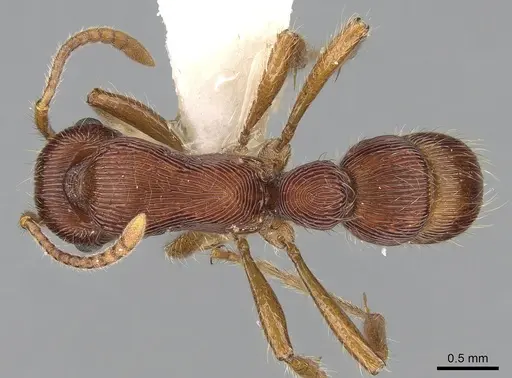
CASENT0281232
View on AntWeb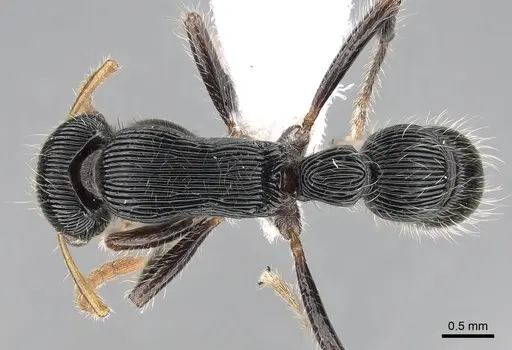
CASENT0281233
View on AntWeb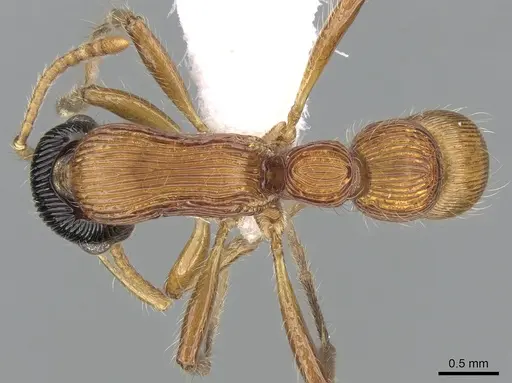
CASENT0618802
View on AntWeb
CASENT0900550
View on AntWeb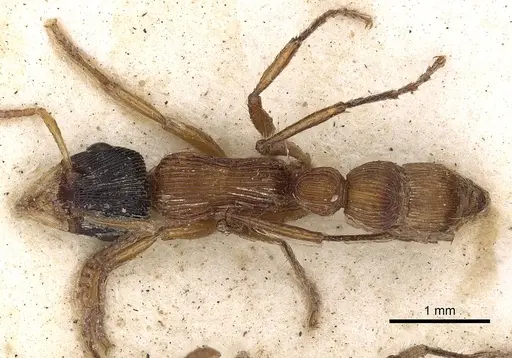
CASENT0907190
View on AntWeb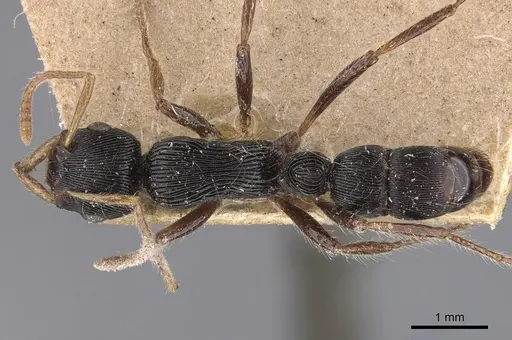
CASENT0915918
View on AntWeb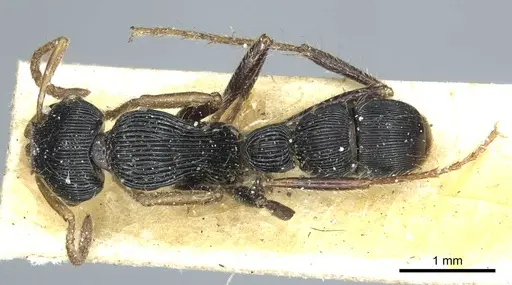
CASENT0915919
View on AntWeb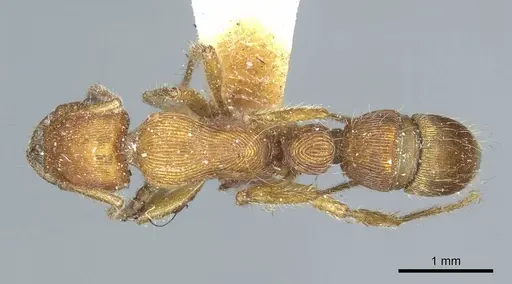
CBUMAGENT41923
View on AntWeb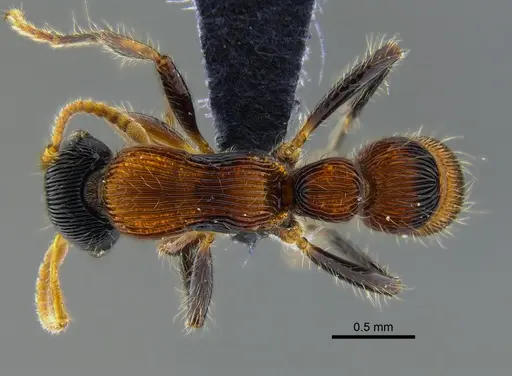
ECOFOG-BUG-0494-08
View on AntWeb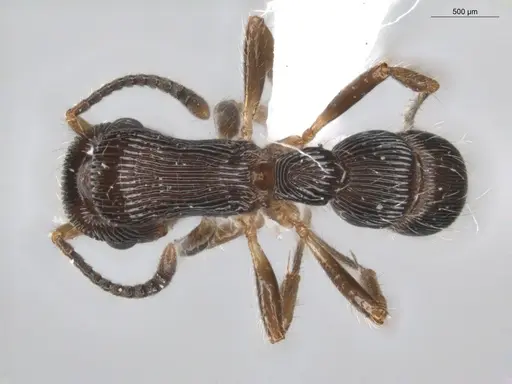
ECOFOG-BUG-0940-04
View on AntWeb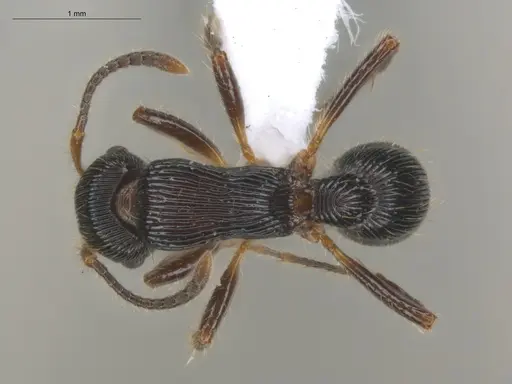
ECOFOG-IT14-0807-44
View on AntWeb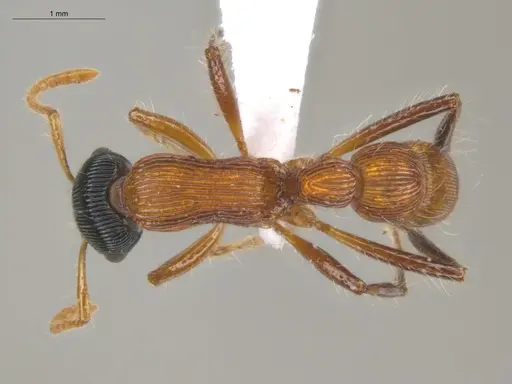
FOCOL0880
View on AntWeb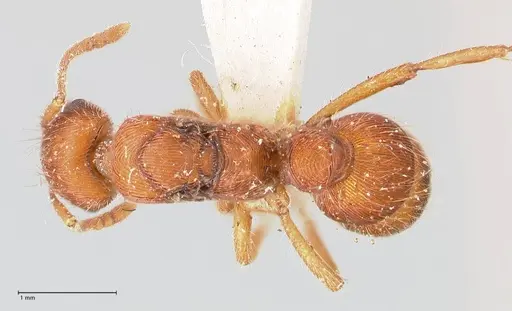
FOCOL0881
View on AntWeb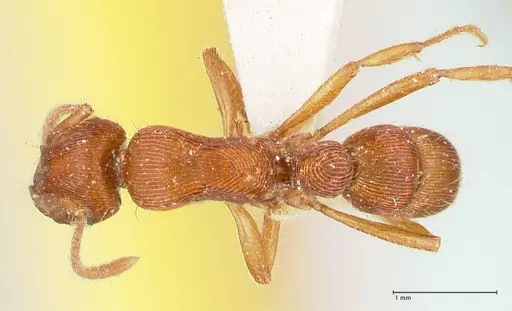
FOCOL0882
View on AntWeb
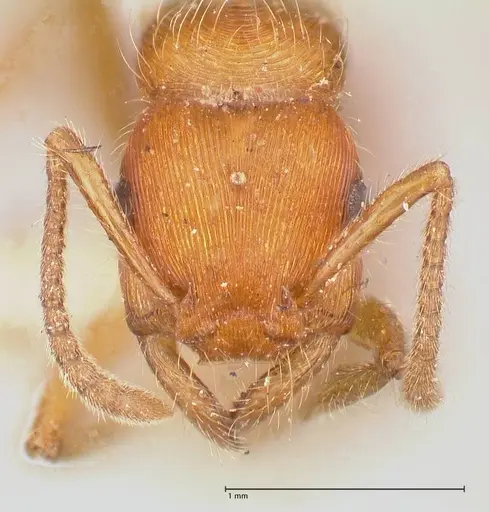
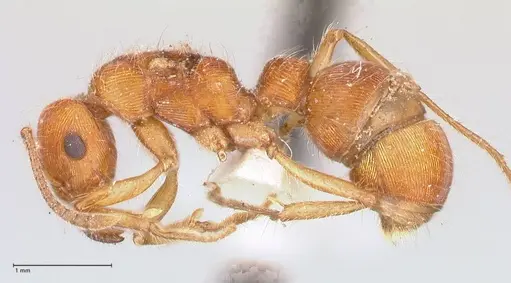
INBIOCRI001281029
View on AntWeb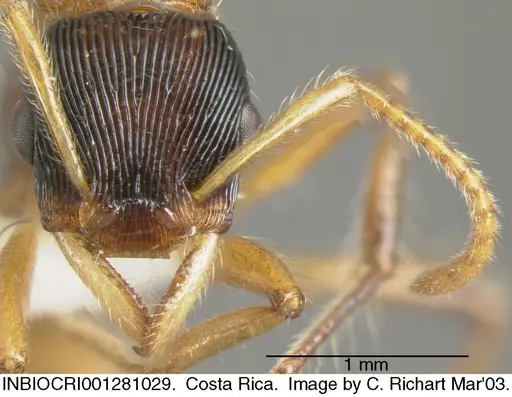
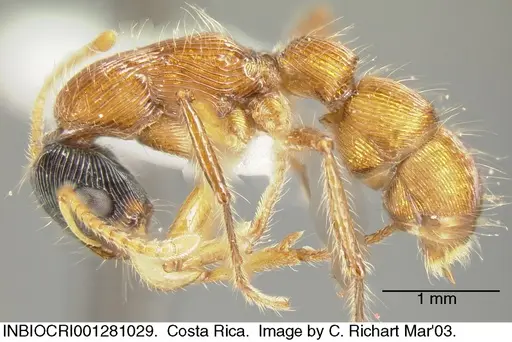
UFV-LABECOL-005832
View on AntWeb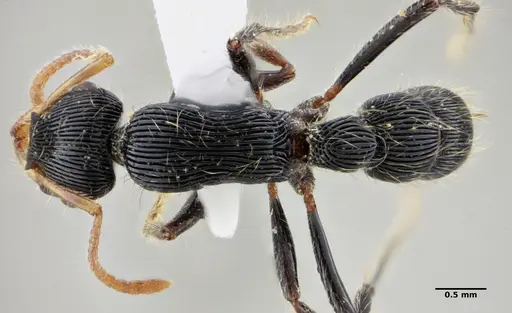
Literature
Loading distribution map...Loading products...