
Gnamptogenys regularis
- Sci. Name
- Gnamptogenys regularis
- Tribe
- Ectatommini
- Subfamily
- Ectatomminae
- Author
- Mayr, 1870
- Distribution
- Found in 12 countries
Introduction
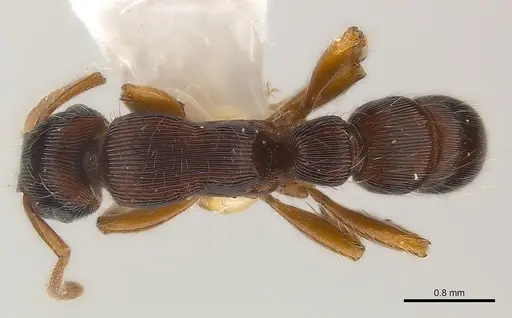
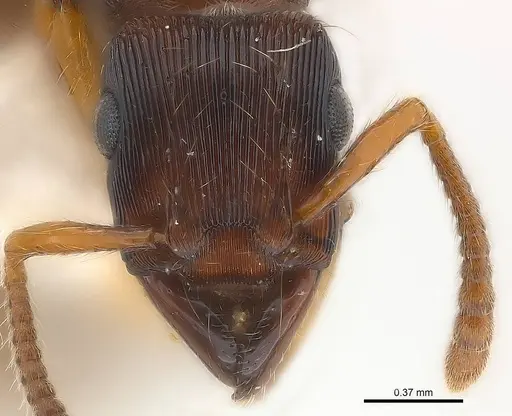
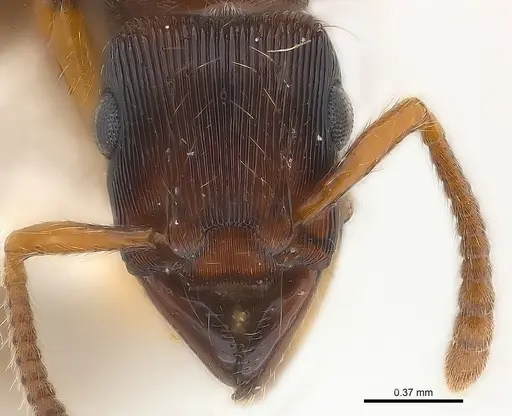
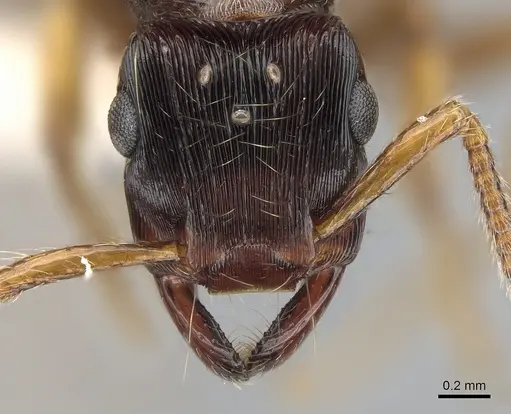
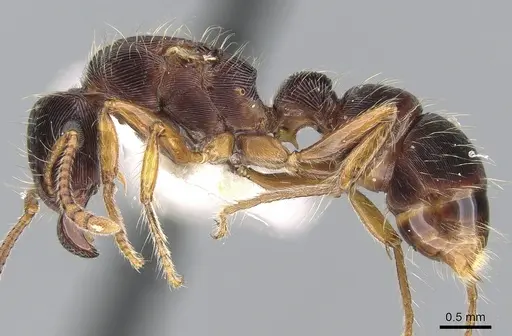
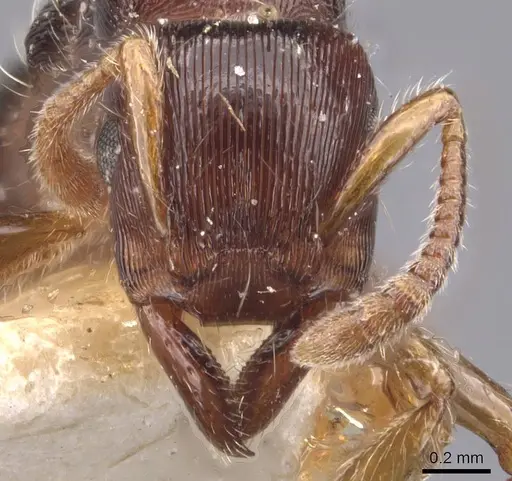
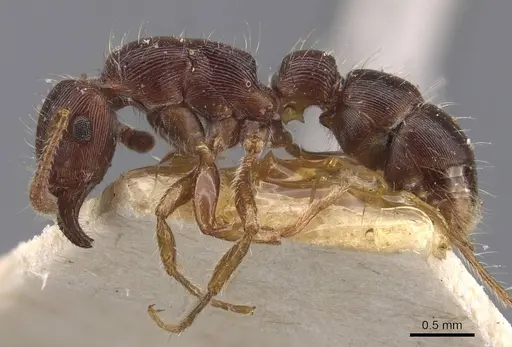
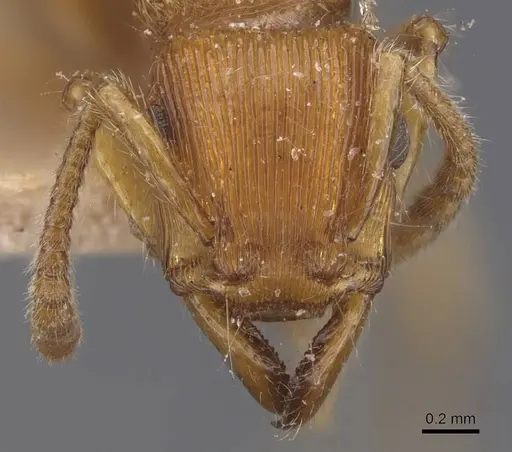
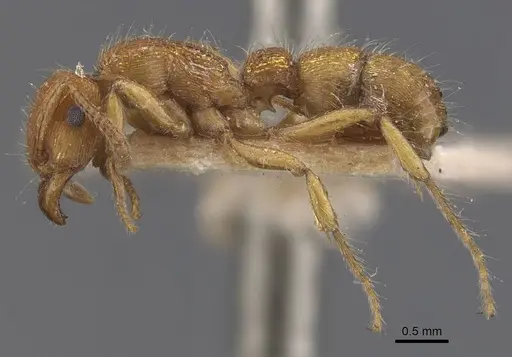
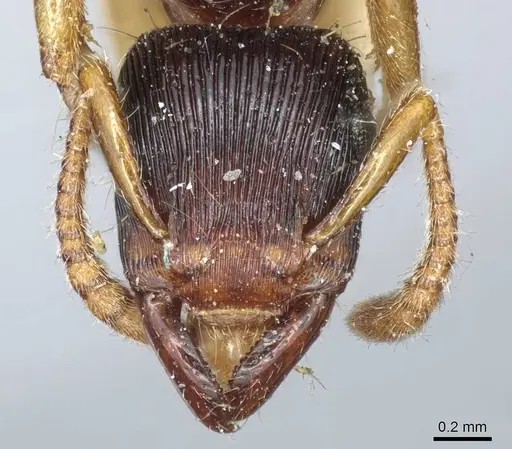
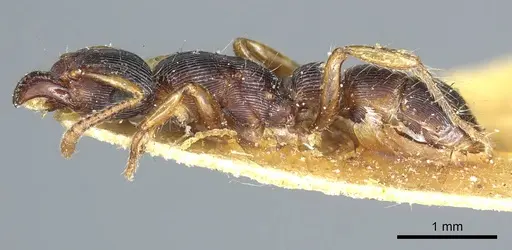
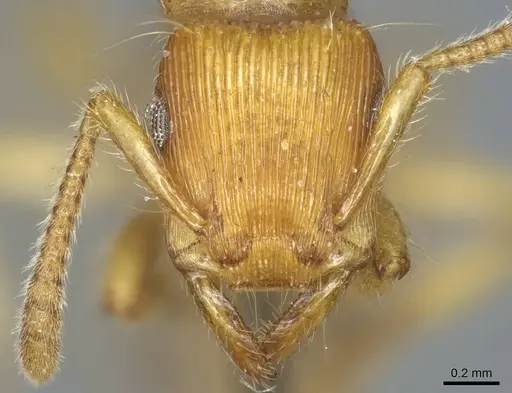
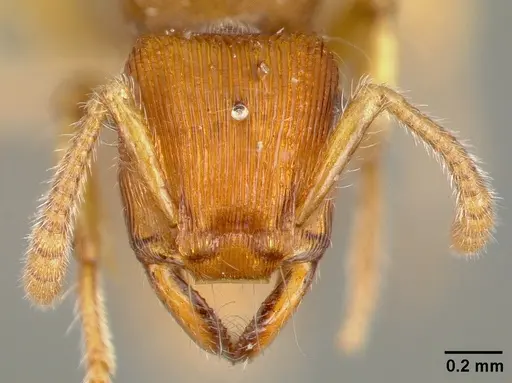
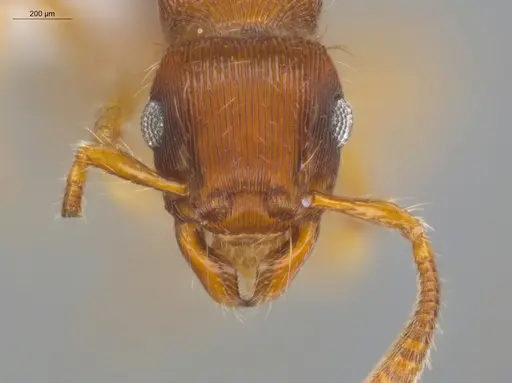
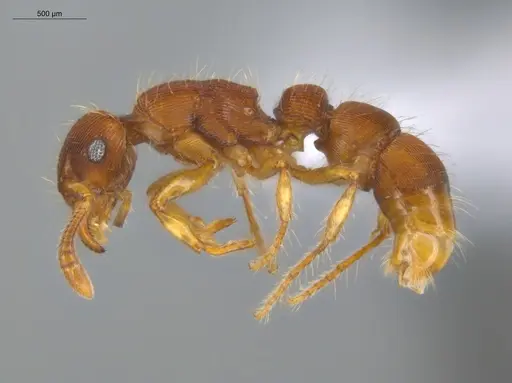
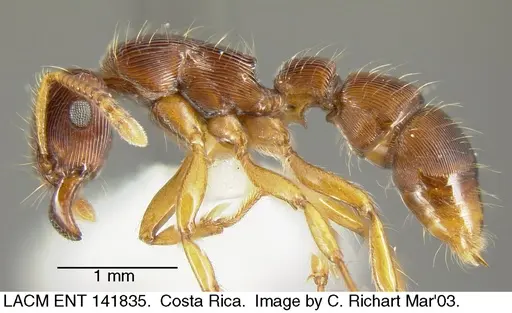
Gnamptogenys regularis is a medium-sized predatory ant native to the Neotropics, ranging from Mexico down to Paraguay and northern Argentina . Workers measure around 5mm, queens about 5.3mm . They have a dark brown body with lighter reddish-brown legs, and their most recognizable feature is the abruptly descending propodeum (the rear body section) with small angular lobes on each side. The body is covered in fine, parallel longitudinal striations (lines) that give them a textured, shiny appearance . These ants are active predators with a documented preference for beetles (especially larvae) and other ants . They inhabit humid primary and secondary forests, typically between 500 and 1,000 meters elevation , but have also been recorded in seasonally dry tropical forests .
Quick Summary
- Difficulty: Medium
- Origin & Habitat: Neotropical region from Mexico to Paraguay and northern Brazil, found in humid primary and secondary forests at 500-1,000m elevation, as well as in seasonally dry tropical forests [3][6][7]
- Colony Type: Colonies contain ergatoid (wingless) queens, one documented nest held 8 wingless queens alongside workers [3][6]. The social structure is uncertain – it may be functionally monogyne with replacement queens, or polygynous with multiple reproductives.
- Size & Growth:
- Queen: 5.3mm [1]
- Worker: 5mm [1]
- Colony: At least 22 workers documented in one nest sample [3], mature colony size is not well known but likely remains under a few hundred.
- Growth: Moderate
- Development: Data unavailable – estimated 6-10 weeks at tropical temperatures based on related Ectatommini species. (Development time not directly studied, keep at stable warm temperatures (24-28°C) to support brood growth.)
- Antkeeping:
- Temperature: 24-28°C year-round – tropical species that cannot tolerate temperatures below 20°C [3]
- Humidity: Maintain nest substrate consistently moist but not waterlogged, mimicking humid forest floor conditions [3]
- Diapause: No – tropical species does not require hibernation. Keep warm all year.
- Nesting: Y-tong or plaster nests work well, they prefer tight chambers with high humidity. Avoid dry nests.
- Behavior: Active predators that hunt beetles, beetle larvae, and small ants [4][3]. They have a functional sting (typical of the subfamily) used to subdue prey and defend the nest. Workers forage in leaf litter and along forest edges. They are not aggressive toward keepers but will defend their nest if disturbed. Workers cannot swim [8].
- Common Issues: high humidity is critical – dry conditions will kill colonies quickly, requires a reliable supply of live prey (beetle larvae, small crickets, small ants), predatory ants may refuse dead prey, offer only live food, tropical species cannot tolerate temperatures below 20°C for extended periods, mold from uneaten prey is a risk – remove leftovers within 24 hours, wild-caught colonies may carry parasites (e.g., eucharitid wasps have been recorded attacking related Gnamptogenys)
Housing and Nest Setup
Gnamptogenys regularis does well in Y-tong or plaster nests that can retain moisture. They prefer tight chambers scaled to their 5mm worker size. A test tube setup can work for founding queens, but the colony will need a formicarium once brood appears. The key requirement is keeping the nest substrate consistently moist – mimic the humid forest floor habitat [3]. A layer of dead leaves or small debris in the outworld helps simulate their natural leaf-litter environment. Avoid acrylic nests, they do not hold humidity well.
Feeding and Diet
As predators, they need a protein-rich diet. Field studies and nest debris analysis show a strong preference for beetles (especially larvae) and other ants [4][5][3]. Offer live prey such as mealworm larvae, small crickets, or fruit flies twice per week. Remove any uneaten prey within 24 hours to prevent mold. Sugar water or honey can be offered occasionally as a supplement, but protein should be the main diet. Some keepers have success with small pieces of raw chicken or fish, but live prey encourages natural hunting behavior.
Temperature and Humidity
Keep the colony at 24-28°C year-round. This tropical species does not tolerate cool conditions – temperatures below 20°C can be fatal [3]. Humidity must be high. The nest substrate should feel moist to the touch, like squeezed-out sponge. A water reservoir connected to the nest or regular misting helps achieve this. Avoid placing the nest near air conditioning or drafty windows. If your room runs cool, use a heat cable on one side of the enclosure to provide a gradient so workers can choose their preferred temperature.
Behavior and Colony Dynamics
This species has ergatoid (wingless) queens that may act as replacement reproductives – one nest sample contained 8 wingless queens and 22 workers [3][6]. The social structure is not fully understood, but the presence of multiple ergatoids suggests either a backup system or polygyny. Workers are active foragers that hunt through leaf litter for beetle larvae and small ants [4][5]. They defend their nest if disturbed but are not overly aggressive toward keepers. They have a functional sting (typical of Ectatomminae) used to subdue prey and for defense. Workers communicate with chemical trails and may form short foraging columns. They cannot swim [8].
Growth and Development
Colony growth is moderate. Specific development time from egg to worker is not documented, estimates from related Ectatommini species suggest 6-10 weeks under warm tropical temperatures. Colonies likely remain modest in size – a documented nest sample had only 22 workers [3]. Regular feeding of varied live prey supports healthy brood development. Expect slow initial growth that may accelerate once the colony reaches about 10 workers.
Frequently Asked Questions
How long does it take for Gnamptogenys regularis to produce first workers?
The exact development time is undocumented. Based on related Ectatommini, expect first workers to appear about 6-10 weeks after the queen lays eggs, assuming stable temperatures of 24-28°C.
What do Gnamptogenys regularis ants eat?
They are specialized predators that prefer beetles (especially larvae) and other ants [4][5][3]. Offer live prey like mealworm larvae, small crickets, or fruit flies. Remove uneaten food within 24 hours to avoid mold. They may accept sugar water occasionally, but the bulk of their diet must be live protein.
Do Gnamptogenys regularis ants sting?
Yes, they have a functional sting (typical of the subfamily Ectatomminae) used to capture prey and defend the nest. It is not considered dangerous to humans and causes only mild discomfort.
Are Gnamptogenys regularis good for beginners?
They are rated Medium difficulty. The main challenges are providing high humidity and a steady supply of live prey. If you have experience with other predatory ants like Ponera or Pachycondyla, you will find this species manageable.
How big do Gnamptogenys regularis colonies get?
Mature colony size is not well known. One nest sample contained only 22 workers, but larger colonies likely exist. They are not large-colony formers – probably remaining under a few hundred workers.
Do Gnamptogenys regularis need hibernation?
No – they are a tropical species from humid forests and should be kept warm (24-28°C) all year. Cool temperatures below 20°C can be harmful.
Can I keep multiple Gnamptogenys regularis queens together?
A wild nest was found with 8 wingless queens, suggesting that colonies may naturally contain multiple ergatoid queens [3]. However, it is unclear whether these are functional co-queens or just backup reproductives. Combining unrelated foundresses has not been documented and is not recommended.
Why are my Gnamptogenys regularis dying?
The most common causes are low humidity (nest too dry), temperatures below 20°C, or mold from uneaten prey. Check that the nest substrate stays moist and remove leftover food daily. Wild-caught colonies may also suffer from parasites.
Report an Issue
The current care sheet is based fully on literature. See inconsistencies, or something that's incorrect? Please , it will be resolved after review from an admin. Contributing to the blogs tab also helps providing information, to make us be able to further improve the caresheets. Thank you for your support!
References

This caresheet is licensed under CC BY-SA 4.0 .
Community Blogs
CASENT0179948
View on AntWeb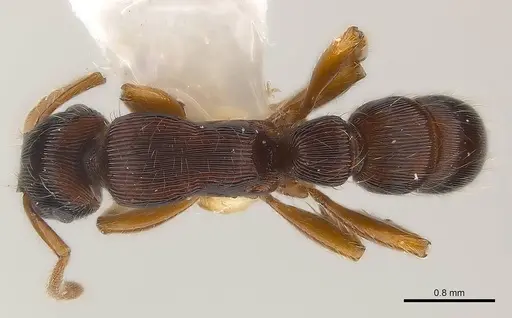
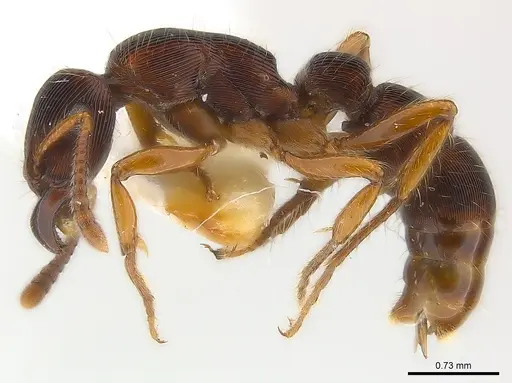
CASENT0281224
View on AntWeb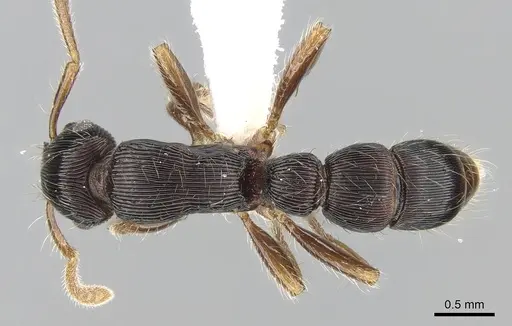
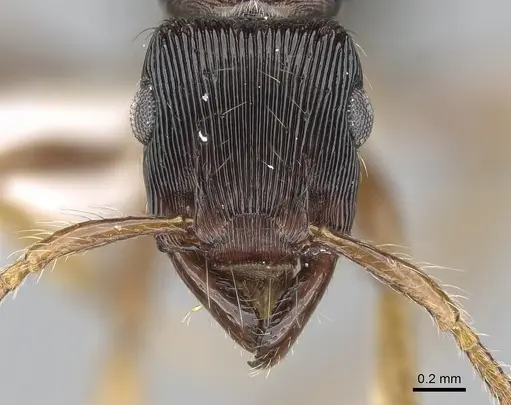
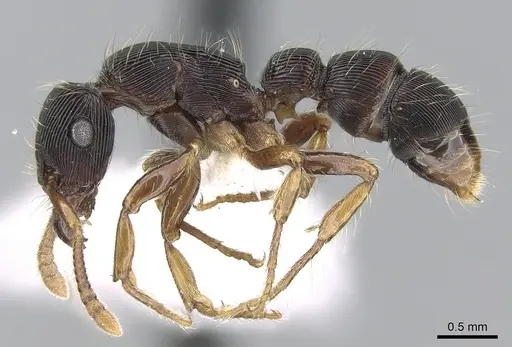
CASENT0281225
View on AntWeb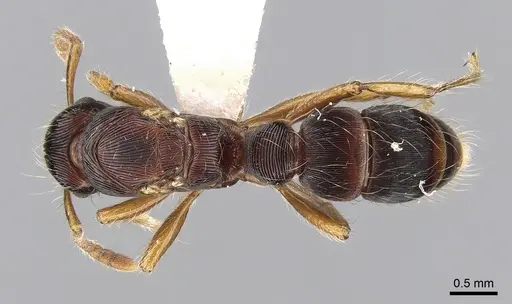
CASENT0907187
View on AntWeb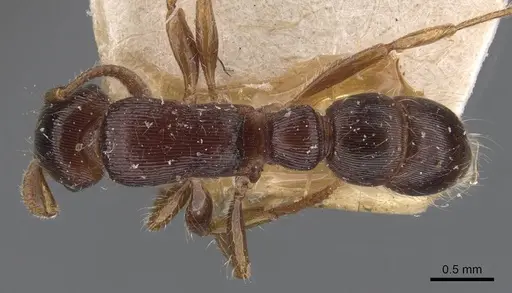
CASENT0907189
View on AntWeb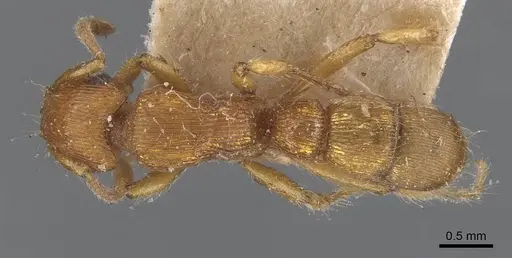
CASENT0915914
View on AntWeb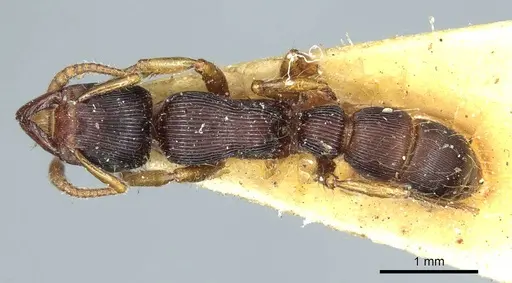
CASENT0915915
View on AntWeb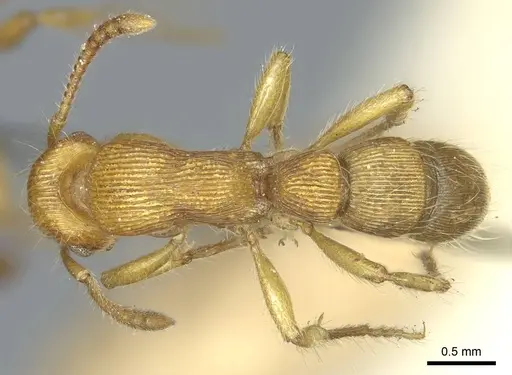
CASTYPE00616
View on AntWeb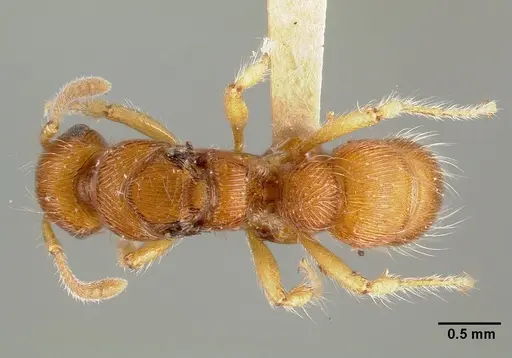
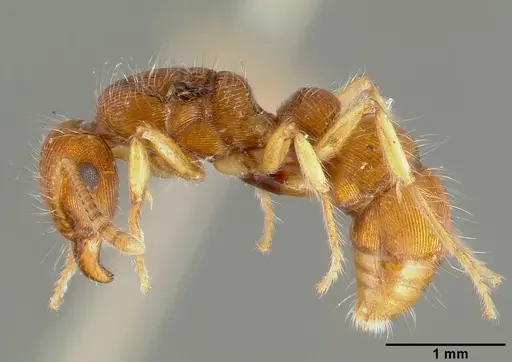
CBUMAGENT41749
View on AntWeb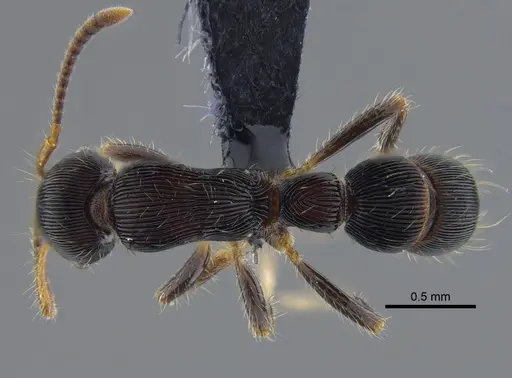
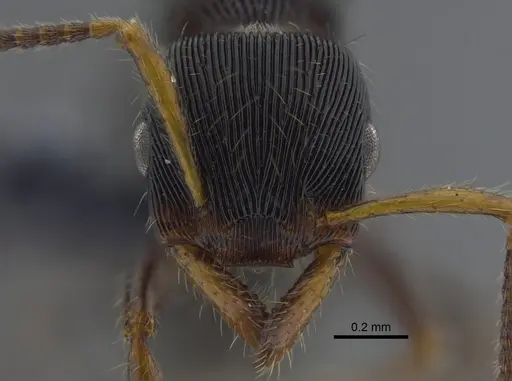
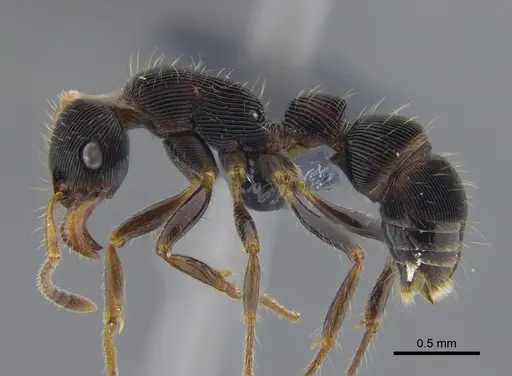
ECOFOG-GAL18-0129-14
View on AntWeb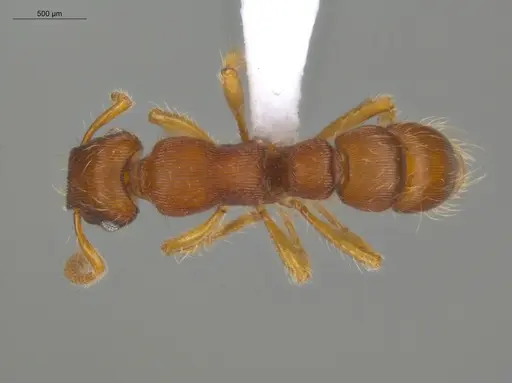
LACMENT141835
View on AntWeb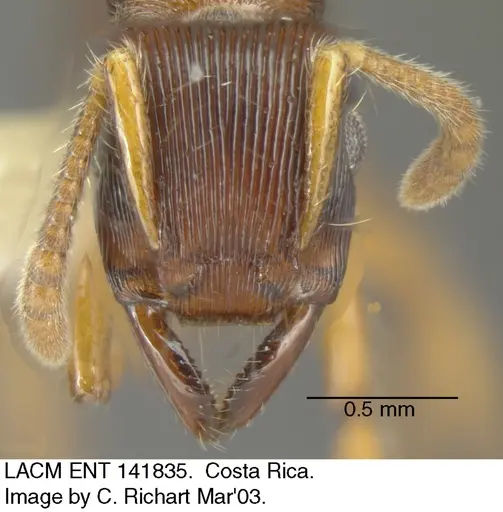
Literature
Loading distribution map...Loading products...